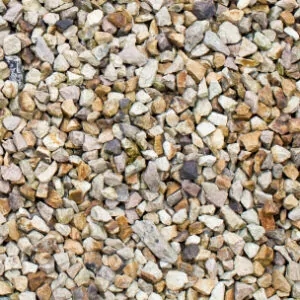

Order Topsoil, Stone & Gravel in Bly, Oregon
Local Topsoil, Dirt, Sand, Rocks and Gravel near me in Bly, Oregon
Shop Aggregates for Delivery in Bly
Order online for free delivery to any Bly address.
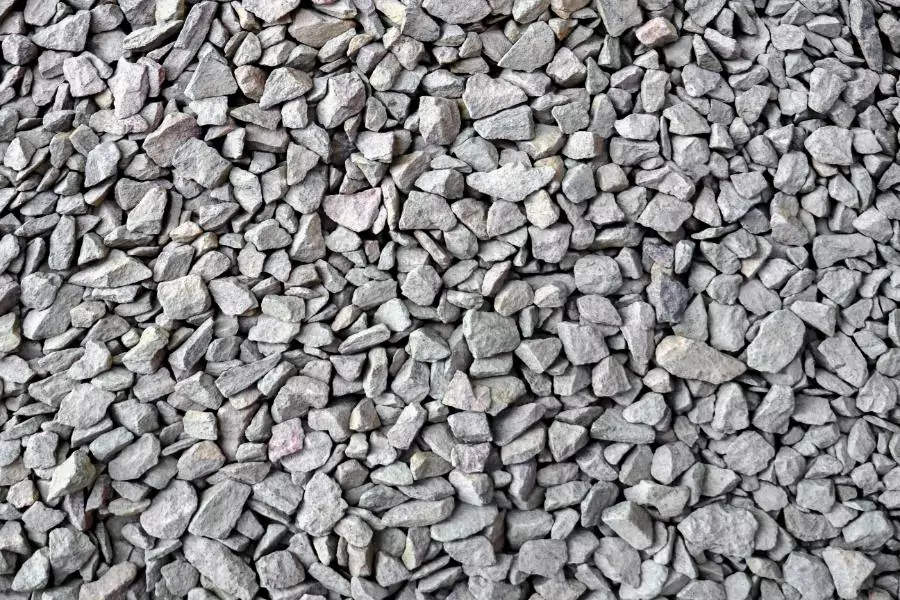
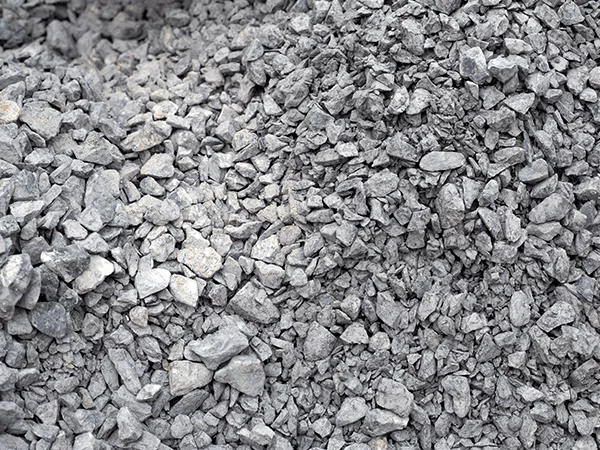


Gravel Monkey brings professional aggregate delivery service to Bly, Oregon, serving ranchers, homeowners, and contractors throughout Klamath County's high desert region. Whether you're maintaining a long driveway near the Sprague River, constructing a road base on ranch property, or managing drainage in Bly's volcanic soils, we deliver premium aggregates directly to your location with absolutely no delivery charges. Our comprehensive selection of materials is specifically suited to the unique challenges of southeastern Oregon's climate, geology, and terrain.
Complete Aggregate Selection for Bly's High Desert Environment
Understanding Bly's unique environmental conditions is essential for successful projects. Located at over 4,300 feet elevation in the high desert, Bly experiences cold winters with temperatures dropping below zero, modest precipitation averaging 13 inches annually, and volcanic soils containing pumice and ash. Our aggregate selection addresses these specific regional challenges:
- Driveway Gravel - Engineered for long rural driveways common throughout ranch country
- 3/4 inch Crushed Stone - Versatile angular aggregate for foundations and drainage applications
- #57 Stone - Uniform size ideal for French drains and septic system drainage fields
- Crusher Run - Superior compaction aggregate perfect for Bly's freeze-thaw cycles
- Road Base - Stable foundation material for private roads and ranch access routes
- Drain Rock - Essential for managing snowmelt and seasonal water drainage
- Pea Gravel - Smooth decorative stone for walkways and landscaping features
- River Rock - Natural aesthetic appeal for xeriscaping and water-wise gardens
- Decomposed Granite - Drought-tolerant pathway material ideal for high desert landscaping
- Crushed Concrete - Economical recycled aggregate for base layers and rural road repair
- Topsoil - Enriched soil for gardens and pasture improvement projects
- Fill Dirt - Grading material for leveling and site preparation
- Mason Sand - Fine sand for masonry and construction projects
- Playground Sand - Clean, safe sand for recreational areas
- Washed Sand - Versatile washed sand for concrete and construction
- Walkway Gravel - Decorative aggregate for paths and outdoor living spaces
Understanding Bly's Unique Geological Conditions
Bly sits in the transition zone between the Cascade Range and the Basin and Range province, resulting in distinctive soil and geological characteristics that impact construction and landscaping decisions. The area's volcanic history left deposits of pumice, volcanic ash, and basalt throughout the region. These soils, while well-draining in summer, can experience frost heaving during Bly's harsh winters when temperatures plummet and snow accumulates.
The Sprague River Valley, running through the heart of Bly, features alluvial soils along waterways but transitions to volcanic soils on higher ground near Gearhart Mountain. This geological diversity means property owners near the Sycan Marsh face different challenges than those on benchlands toward Quartz Mountain. Our aggregate selection addresses these varied conditions, from the heavy clay soils in bottomlands to the lighter pumice soils on elevated terrain.
Winter conditions demand particular attention in Bly. With average January lows around 15°F and occasional arctic blasts driving temperatures below zero, freeze-thaw cycles are frequent from November through March. Snow accumulation typically reaches 40-50 inches annually, creating substantial snowmelt management requirements in spring. These factors make proper drainage installation and driveway base preparation critical for long-term performance.
Serving Greater Bly and Surrounding Communities
Gravel Monkey provides aggregate delivery throughout Bly and the wider southeastern Klamath County region. We regularly serve these areas:
Downtown Bly and Historic District
The heart of Bly, where Highway 140 meets Highway 70, remains the commercial and social center of this ranching community. Properties in downtown Bly often require smaller aggregate orders for pathway maintenance, garden bed borders, and parking area upkeep. The historic buildings and established landscapes benefit from decorative aggregates that complement the town's rustic character.
Sprague River Valley Properties
Ranch properties along the Sprague River corridor constitute some of Bly's most productive agricultural lands. These riverside locations face unique challenges including seasonal flooding, higher water tables, and the need for extensive driveway networks. Crushed aggregates and road base materials are essential for maintaining access roads through irrigated pastures and hay fields.
Gearhart Mountain Area
Properties on the slopes and foothills of Gearhart Mountain to the east experience different conditions than valley floor locations. Higher elevations mean increased snowfall, steeper grades requiring erosion control, and rocky volcanic soils. Homesteads and recreational properties in this area benefit from angular crushed stone that locks together on slopes and drain rock for managing mountain runoff.
North of Town Toward Beatty
The agricultural lands extending north from Bly toward Beatty feature large ranching operations with extensive road networks. These properties require bulk aggregate deliveries for maintaining miles of private roads, creating equipment staging areas, and establishing drainage systems across expansive acreage. Road base and crusher run see heavy use in this ranching corridor.
Sycan River and Sycan Marsh Region
West of Bly, properties near the Sycan River and Sycan Marsh face wetland conditions and seasonal flooding. Building sites in this area require substantial drainage infrastructure, elevated driveways, and proper foundation preparation. Drain rock and crushed stone form the backbone of successful construction projects in these moisture-prone locations.
Highway 140 Corridor East
Properties along Highway 140 heading east toward Lakeview traverse increasingly arid high desert terrain. These locations embrace xeriscaping principles, using decomposed granite and decorative river rock to create water-efficient landscapes. The pumice soils in this area drain rapidly, requiring different aggregate approaches than the valley floor properties.
Quartz Mountain and Campbell Creek Areas
Remote properties near Quartz Mountain and Campbell Creek represent some of Bly's most rugged terrain. Access road construction and maintenance dominate aggregate needs here, along with drainage solutions for seasonal creek flows and snowmelt. The volcanic bedrock near the surface in some areas demands careful aggregate selection for driveway installation.
South Toward California Border
Rural properties extending south from Bly toward the California state line are typically large ranching operations with minimal neighbors. These locations require self-sufficient infrastructure including extensive driveway systems, livestock facility construction, and water management systems. Bulk aggregate deliveries support the development and maintenance of these remote homesteads.
Selecting Aggregates for Bly's High Desert Climate
Bly's climate presents distinct challenges that influence aggregate selection and installation methods. Understanding these environmental factors ensures long-lasting, trouble-free results for driveways, drainage systems, and landscaping projects.
Winter Freeze-Thaw Management
The freeze-thaw cycle stands as Bly's most significant challenge for aggregate installations. When moisture trapped in aggregate layers freezes, it expands, creating upward pressure. During thaws, this moisture drains, leaving voids that cause settling and surface degradation. Properly installed crusher run and road base combat this through excellent compaction, minimal void space, and superior drainage. The angular particles lock together, resisting displacement during freeze cycles.
Snowmelt Drainage Requirements
Spring snowmelt can release 40-50 inches of accumulated precipitation over a relatively short period. Without adequate drainage, this water saturates soils, undermines driveways, floods building foundations, and creates muddy access routes that last well into summer. Drain rock installations around foundations and along driveway edges intercept snowmelt before it causes problems. French drains installed with #57 stone move water away from structures and direct it toward appropriate drainage areas.
Summer Heat and Dust Control
While Bly's summers are milder than lower elevation deserts, temperatures regularly reach the 80s and occasionally break 90°F. The dry air and light precipitation—only about 2 inches from June through August—create dusty conditions on gravel roads and driveways. Crusher run, with its blend of stone sizes including fines, compacts into a solid surface that minimizes dust generation while maintaining drainage capability. Regular watering and proper compaction during installation enhance these dust-suppressing qualities.
Wind Exposure Considerations
Open terrain throughout Klamath County means many Bly properties face consistent wind exposure. Light materials can migrate under strong winds, particularly during dry summer months and before spring green-up. Heavier aggregates like 3/4 inch crushed stone and river rock resist wind displacement better than lighter alternatives. Proper installation depth and occasional compaction maintain surface stability even on exposed sites.
Aggregate Comparison Guide for Bly Projects
Selecting the optimal aggregate for your specific application ensures successful results and long-term durability. This comparison highlights key characteristics of popular materials for Bly-area projects:
| Aggregate Type | Primary Applications | Compaction Rating | Drainage Quality | Freeze-Thaw Performance |
|---|---|---|---|---|
| Crusher Run | Driveways, Road Base, Foundation Support | Excellent | Good | Superior - minimal heaving |
| Road Base | Private Roads, Heavy-Duty Driveways | Excellent | Good | Excellent - engineered for stability |
| 3/4 inch Crushed Stone | Drainage, Foundations, General Use | Good | Excellent | Very Good - angular interlock |
| #57 Stone | French Drains, Septic Fields, Concrete Base | Fair | Superior | Good - consistent void spaces |
| Drain Rock | Foundation Drains, Snowmelt Management | Fair | Superior | Good - designed for water flow |
| Decomposed Granite | Walkways, Xeriscaping, Pathways | Good | Good | Fair - best for low-traffic areas |
| Pea Gravel | Decorative Landscaping, Pathways | Poor | Excellent | Good - rounded shape resists pressure |
| River Rock | Landscaping, Water Features, Borders | Poor | Good | Good - decorative applications |
| Crushed Concrete | Base Layers, Rural Roads, Budget Projects | Very Good | Good | Very Good - economical alternative |
Aggregate Applications for Common Bly Property Projects
Ranch Driveway Construction and Maintenance
Long driveways connecting Highway 140 or Highway 70 to ranch headquarters require substantial aggregate volume and proper installation. A typical ranch driveway in Bly might extend half a mile or more through varied terrain. Begin with proper excavation to remove organic topsoil and establish adequate drainage through culverts and road crown design. Install 6-8 inches of road base as the foundation layer, compacting thoroughly in 3-4 inch lifts. Top with 3-4 inches of crusher run for the surface layer. This two-layer system provides excellent load-bearing capacity for ranch vehicles, equipment trailers, and cattle trucks while resisting rutting during spring thaw.
Foundation Drainage Systems
Bly's winter precipitation and spring snowmelt demand effective foundation drainage on all habitable structures. Install drain rock in a 12-18 inch wide trench along foundation perimeters, extending from the footer to just below finished grade. Wrap the drain rock in landscape fabric to prevent silt infiltration while allowing water passage. This system intercepts groundwater before it contacts foundation walls, preventing basement seepage and structural damage from frost heaving. Properties on sloped terrain should extend drainage lines to daylight at lower elevations or into properly sized French drain fields.
Erosion Control on Sloped Properties
Properties on Gearhart Mountain slopes or along creek banks face erosion from both water and wind. Angular 3/4 inch crushed stone creates effective erosion barriers along cut banks and drainage ditches. The angular particles interlock, resisting displacement from flowing water. For steeper slopes, consider larger rip-rap stones (typically sourced locally) combined with crushed stone fill. Establishing vegetation in conjunction with stone placement provides long-term erosion control as root systems stabilize soils.
Livestock Facility Development
Corrals, feeding areas, and equipment yards require aggregates that remain stable under heavy use while providing drainage during wet periods. Crusher run compacts into a firm surface that supports livestock and equipment weight without creating deep ruts or mud. Apply 6-8 inches over properly prepared subgrade with adequate crown for surface drainage. High-traffic areas like cattle alleyways and feed bunks benefit from 12-inch aggregate depths to prevent subgrade contamination from repeated use.
Septic System Installation
Bly's volcanic soils generally provide good percolation for septic systems, but proper aggregate selection ensures long-term function. Use #57 stone in drain field trenches to maintain consistent void space for effluent distribution. This uniform size prevents fine soil particles from migrating into the drain field while allowing liquid movement to surrounding soils. Avoid crusher run or other materials with fines that could compact and reduce percolation rates over time.
Water-Wise Landscaping
Bly's limited precipitation makes water conservation critical for landscaping success. Decomposed granite serves as an excellent groundcover alternative to water-intensive lawns. This material compacts slightly while remaining permeable, reducing weed growth and water evaporation from underlying soils. Combine with native drought-tolerant plants that thrive in Bly's high desert environment. River rock and decorative pea gravel create visual interest around foundation plantings and in dry creek bed designs that manage seasonal runoff while enhancing curb appeal.
Free Aggregate Delivery Throughout the Bly Region
Gravel Monkey eliminates delivery charges for all aggregate orders to Bly and surrounding Klamath County areas. Our delivery service extends to properties along Highway 140 from Beatty eastward past Bly toward Adel, Highway 70 heading south, and rural properties throughout the Sprague River and Sycan River watersheds. Whether you're located in downtown Bly, on a remote ranch near Quartz Mountain, or anywhere in southeastern Oregon's high desert, we deliver directly to your project site.
We work with property owners to accommodate access challenges common in rural settings. Long driveways, locked gates, seasonal road conditions, and limited turnaround space require advance coordination to ensure smooth delivery. Our drivers possess extensive experience navigating rural properties and can place materials strategically to minimize your handling effort. Communicate specific placement needs when ordering, including proximity to project areas, avoiding underground utilities, and considering equipment access for spreading and grading.
Ordering Process and Timeline
Ordering aggregates from Gravel Monkey follows a straightforward process designed for rural property owners. Contact us by phone or through our website to discuss your project requirements. We'll help calculate material quantities based on your project dimensions and desired aggregate depth. Provide your delivery address and any special access considerations. We'll schedule delivery at your convenience, typically within several days depending on current demand and your location. During busy seasons—typically April through June when frost leaves the ground and construction activity peaks—allow extra time for scheduling.
Material Quality Standards
All aggregates we deliver meet or exceed industry standards for their intended applications. Our crushed stone and road base come from quality quarries producing properly sized, angular material with minimal fines (dust). Sand products are screened and washed to ensure consistency. Topsoil is tested for appropriate organic content and free from debris, weed seeds, and contaminants. We stand behind our material quality and will address any concerns promptly.
Installation Best Practices for Bly's Environment
Timing Your Project
Seasonal timing significantly impacts installation success in Bly. The optimal window for aggregate projects runs from late May through September, after spring thaw moisture has dried and before fall rains begin. Summer's warm temperatures, low humidity, and stable ground conditions allow proper compaction and curing. Avoid installation during muddy spring conditions when heavy equipment creates subgrade damage and proper compaction becomes impossible. Similarly, late fall and winter freeze-thaw cycles prevent adequate material settling and increase frost heaving risk.
Subgrade Preparation
Proper subgrade preparation determines long-term performance more than any other factor. Remove all organic topsoil, vegetation, and loose materials from the installation area. Excavate to adequate depth—typically 8-12 inches for driveways and 12-18 inches for heavy-use areas. Grade the subgrade to promote drainage away from structures and toward appropriate discharge points. Compact the native soil subgrade before placing aggregate to prevent future settling. On weak soils or high-traffic areas, consider installing geotextile fabric to prevent aggregate from mixing with underlying soils.
Compaction Requirements
Proper compaction transforms loose aggregate into a solid, stable surface resistant to rutting and degradation. Install crusher run and road base in 3-4 inch lifts, compacting each layer before adding the next. Use a vibrating plate compactor for residential projects or a roller for larger areas. Add water during compaction to achieve optimal moisture content—the material should hold together in your hand but not feel wet. Inadequate compaction leads to premature surface failure, particularly during spring thaw when water infiltration causes material displacement.
Drainage Integration
Every aggregate installation in Bly should incorporate drainage management. Crown driveway surfaces to shed water toward edges rather than allowing ponding. Install culverts beneath driveways where water crosses naturally. Create roadside swales or ditches to intercept runoff before it reaches travel surfaces. On sloped properties, use diagonal water bars or drain dips to move water off the road surface at regular intervals. These drainage features prevent water infiltration that causes frost heaving, surface deterioration, and seasonal mud.
Maintaining Aggregate Surfaces in Bly's Climate
Regular maintenance extends the lifespan of aggregate driveways and roads while preventing minor issues from becoming major repairs. Bly's climate demands specific maintenance attention throughout the year.
Spring Maintenance
After winter freeze-thaw cycles and spring snowmelt, inspect aggregate surfaces for frost heaving, potholes, and erosion. Grade surfaces with a box blade or land plane to redistribute material and restore proper crown. Fill potholes and low spots with fresh crusher run, compacting thoroughly. Clean culverts and drainage ditches of accumulated debris to ensure proper water flow during remaining snowmelt and spring rains. This spring maintenance prevents small problems from expanding during summer use.
Summer Grading
Summer traffic and dry conditions can develop corrugations (washboard) on aggregate surfaces. Period grading with a box blade smooths these undulations and redistributes material from high spots to low areas. Light watering before grading helps bind materials and reduces dust. For long ranch driveways, consider grading at least monthly during heavy-use periods. Well-maintained surfaces require less frequent topdressing with fresh material.
Fall Preparation
Before winter sets in, ensure drainage systems function properly and aggregate surfaces have adequate crown. Clear vegetation growth from roadside ditches and culverts. Fill any depressions where water could pond and freeze. Consider applying a thin topdressing of fresh crusher run before winter to compensate for material lost to traffic and weather throughout the year. This fall preparation minimizes freeze-thaw damage during coming months.
Winter Considerations
Snow removal on aggregate surfaces requires more care than paved roads. Set plow blades slightly higher to avoid catching and displacing surface material. Avoid using metal edges or aggressive downward pressure. Sand application improves winter traction on sloped sections without introducing salt corrosion issues relevant for paved surfaces. When spring arrives, sweep up excess sand to prevent surface contamination.
Frequently Asked Questions About Aggregates in Bly
We deliver a complete selection including driveway gravel, crusher run, road base, crushed stone in multiple sizes, drain rock, #57 stone, pea gravel, river rock, decomposed granite, crushed concrete, topsoil, fill dirt, mason sand, playground sand, washed sand, and walkway gravel throughout Bly and surrounding Klamath County areas.
Yes! Gravel Monkey provides free delivery to all Bly-area locations including remote ranch properties, regardless of distance from town. We serve properties along Highway 140, Highway 70, and throughout the Sprague River Valley with no delivery charges added to your aggregate order.
A standard ranch driveway 12 feet wide and half a mile long requires approximately 240 cubic yards of aggregate for a 4-inch surface layer. Driveway base layers require additional material. We help calculate exact quantities based on your specific driveway dimensions, desired depth, and intended use.
Crusher run and road base excel in Bly's volcanic soils due to superior compaction and stability. The angular crushed particles lock together firmly, preventing displacement in pumice and ash soils common throughout the area. For drainage applications in these well-draining soils, drain rock and #57 stone maintain consistent flow paths.
Prevent frost heaving through proper aggregate selection, installation depth, and drainage. Use crusher run or road base compacted in layers to minimize void space where water can accumulate and freeze. Install at least 8-10 inches of aggregate with proper crown for surface drainage. Ensure water drains away from the driveway to prevent saturation during freeze-thaw cycles.
We deliver year-round to Bly properties when road conditions permit safe access. However, we recommend scheduling aggregate deliveries during dry months (May through September) when installation conditions are optimal. Winter deliveries face challenges including frozen ground, snow-covered access routes, and difficulty achieving proper compaction.
Both are excellent compactable aggregates, with subtle differences. Crusher run contains a broader range of particle sizes from dust to larger stones, providing excellent compaction and binding. Road base is engineered to specific gradation standards for optimal load-bearing capacity on roads and driveways. Either works well for Bly applications, with road base often preferred for heavy-duty use.
Absolutely! Our delivery service extends throughout the greater Bly region including properties near Gearhart Mountain, north toward Beatty, west to the Sycan Marsh area, and south toward the California border. Contact us to confirm delivery to your specific location.
Ready to Order Quality Aggregates for Your Bly Property?
Gravel Monkey makes aggregate delivery simple for Bly property owners and contractors. Our experienced team understands the unique challenges of southeastern Oregon's high desert environment and helps you select materials that perform reliably through winter freeze-thaw cycles, spring snowmelt, and summer heat. We deliver premium aggregates directly to your property with no delivery charges, whether you're in downtown Bly or on a remote ranch miles from pavement.
Contact us today to discuss your project requirements. We'll help calculate material quantities, recommend optimal aggregates for your specific application, and schedule delivery at your convenience. From small walkway projects to bulk deliveries for ranch road construction, Gravel Monkey provides the quality materials and reliable service southeastern Oregon property owners depend on.

Need help? Reach out for a quote: