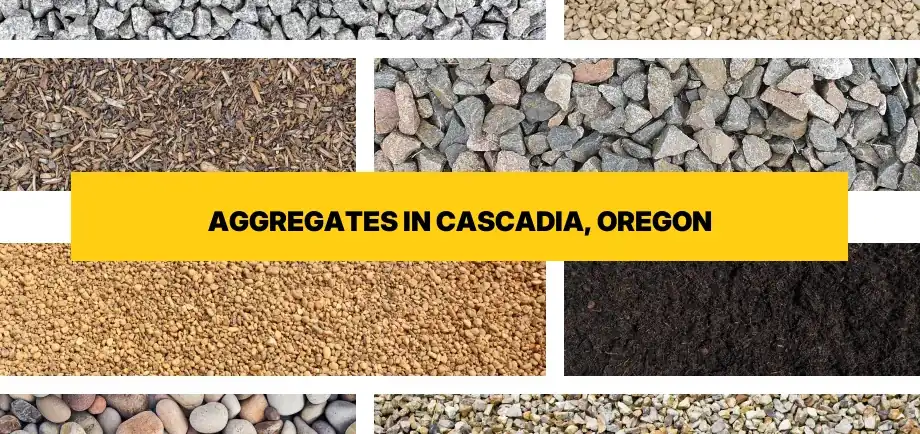
Bulk Aggregate & Gravel Products in Cascadia, Oregon
Local Topsoil, Dirt, Sand, Rocks and Gravel near me in Cascadia, Oregon
Shop Aggregates for Delivery in Cascadia
Order online for free delivery to any Cascadia address.
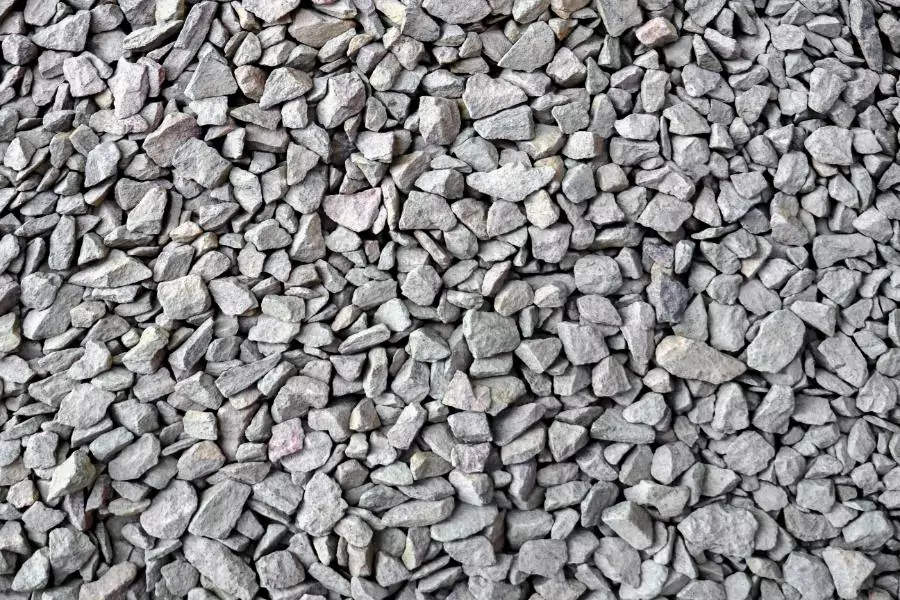
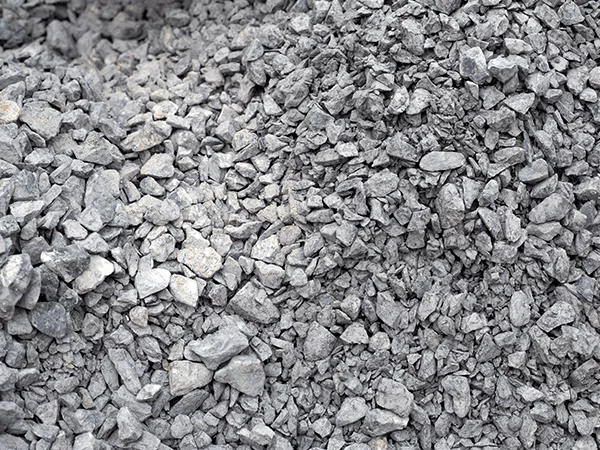


Cascadia, Oregon, nestled in the heart of the Cascade Mountains along the scenic Santiam River corridor, requires specialized aggregates that can withstand the Pacific Northwest's unique climate challenges. Gravel Monkey delivers premium gravel, crushed stone, and landscaping materials directly to mountain properties throughout Cascadia and the surrounding Willamette National Forest communities. Whether you're building a durable driveway near Soda Creek, improving drainage along the South Santiam River, or creating sustainable pathways through your forest property, we provide free delivery of high-quality aggregates perfectly suited for Oregon's volcanic soils and wet mountain climate.
Complete Aggregate Selection for Cascadia Mountain Properties
Understanding the unique geological and climatic conditions of Cascadia is essential for selecting the right aggregates. The area receives over 80 inches of annual rainfall, experiences winter freezing cycles, and features volcanic-based soils from ancient Cascade Mountain formations. Our comprehensive range of materials addresses these specific challenges:
- Driveway Gravel - Heavy-duty base material engineered for mountain access roads
- 3/4 inch Crushed Stone - Versatile aggregate for foundations and drainage applications
- #57 Stone - Premium crushed aggregate for superior water management
- Drain Rock - Essential for Pacific Northwest wet climate drainage systems
- Crusher Run - Compactable material that locks together for stable surfaces
- Road Base - Professional-grade foundation for mountain roads and driveways
- Pea Gravel - Rounded stones perfect for decorative mountain landscapes
- River Rock - Natural Cascade Mountain stone for authentic Pacific Northwest aesthetics
- Walkway Gravel - Comfortable foot-friendly aggregate for forest trails
- Crushed Concrete - Eco-friendly recycled aggregate for sustainable projects
- Decomposed Granite - Natural pathway material that complements mountain landscapes
- Topsoil - Nutrient-rich soil for mountain gardens and restoration
- Fill Dirt - Stable material for grading steep mountain terrain
- Mason Sand - Fine sand for masonry and construction work
- Playground Sand - Safe, clean sand for family play areas
- Washed Sand - Clean aggregate for concrete mixing and general construction
Drainage Solutions for Cascadia's Heavy Rainfall Climate
Cascadia's position in the Western Cascades creates one of the wettest microclimates in Oregon, with rainfall peaking during winter months when storms sweep in from the Pacific Ocean. Properties along the South Santiam River and near Soda Creek face particular drainage challenges due to seasonal flooding and high water tables. Proper drainage aggregate selection isn't optional—it's essential for protecting your mountain investment.
The volcanic geology of the Cascadia region, formed by ancient lava flows from the High Cascades, naturally includes porous basalt formations. However, surface soils can become saturated and unstable during prolonged rain. Our drain rock and crushed stone products work with the natural volcanic substrate to channel water effectively away from structures and access roads.
Critical Drainage Applications in Mountain Environments
Mountain properties in the Willamette National Forest vicinity require strategic drainage planning. French drains installed with proper drain rock prevent water accumulation around cabin foundations and equipment storage areas. Driveway edges benefit from gravel trenches that intercept runoff before it erodes the roadbed. For properties near Cascadia State Park or along forest service roads, drainage aggregates prevent the seasonal washouts that plague unprepared access routes.
The key to successful drainage in this wet climate is using angular aggregates that create void spaces for water flow while remaining stable under vehicle traffic. Number 57 stone excels in these applications, providing the perfect balance of drainage capacity and structural integrity. When combined with geotextile fabric, these aggregates create drainage systems that last decades in the challenging Pacific Northwest environment.
Mountain Driveway Construction: Aggregates Built for Cascadia Conditions
Building and maintaining driveways in the Cascade Mountains presents unique challenges that lowland properties never encounter. Steep grades, freeze-thaw cycles, heavy rainfall, and occasional snow create conditions that demand properly engineered aggregate solutions. A poorly constructed mountain driveway becomes impassable during winter or washes out during spring runoff season.
Successful driveway construction in Cascadia starts with understanding the load-bearing capacity needed for your specific use. Weekend cabin access requires different specifications than year-round residential driveways or those serving logging and recreation vehicles. The volcanic clay soils common near the South Santiam River require deeper aggregate bases—typically six inches minimum—to prevent the pumping action that creates muddy, unstable conditions.
Layered Approach for Maximum Durability
Professional driveway installations in mountain environments utilize a multi-layer system. The foundation layer uses larger road base material that bridges soft spots and distributes weight across the native soil. A middle layer of crusher run provides compaction and interlock, creating a semi-permeable mat that flexes with seasonal ground movement. The surface layer uses slightly smaller aggregates that pack tightly while still allowing water to drain through rather than pooling on top.
Properties accessing Highway 20 near Cascadia or using forest service roads benefit from this layered approach. The initial investment in proper aggregate depth and quality pays dividends through reduced maintenance and reliable year-round access. Many Cascadia residents have discovered that spending more initially on quality aggregates and proper installation saves thousands in annual maintenance and emergency repairs.
| Aggregate Type | Best Cascadia Applications | Drainage Rating | Compaction | Winter Performance |
|---|---|---|---|---|
| Drain Rock | French drains, foundation perimeters, wet areas | Excellent | Low | Excellent - no heave |
| 3/4 Crushed Stone | Driveway base, parking areas, general construction | Very Good | Good | Very Good - stable |
| Crusher Run | Driveway surface, compacted bases, paths | Good | Excellent | Good - may need refresh |
| Road Base | Heavy-duty driveways, access roads, foundations | Good | Excellent | Excellent - very stable |
| #57 Stone | Drainage systems, septic fields, decorative rock | Excellent | Moderate | Excellent - free draining |
| Pea Gravel | Pathways, landscaping, decorative borders | Very Good | Low | Good - shifts slightly |
| Crushed Concrete | Budget driveways, utility roads, fill material | Good | Very Good | Good - economical option |
Understanding Cascadia's Volcanic Geology and Soil Composition
The unique geological history of Cascadia directly impacts aggregate selection and performance. The Western Cascades, where Cascadia is located, formed between 35 and 17 million years ago through extensive volcanic activity. This created the deeply weathered volcanic rocks and clay-rich soils that characterize the region today. Unlike the younger, more stable High Cascades to the east, the Western Cascades feature heavily fractured bedrock and thick soil mantles prone to saturation.
Native soils around the South Santiam River consist primarily of volcanic ash deposits mixed with decomposed basalt and andesite. While these soils support magnificent Douglas fir and western hemlock forests, they present challenges for construction. The clay content causes expansion when wet and contraction when dry, creating movement that can destabilize aggregate layers if not properly designed.
Seasonal Ground Movement Considerations
Cascadia's elevation—approximately 1,200 feet—places it in a transition zone where winter temperatures fluctuate around freezing. This creates freeze-thaw cycles that affect both soil and aggregate behavior. Water trapped in fine soils freezes, expands, and creates frost heave that can lift and disrupt driveway surfaces. Using properly graded aggregates with adequate drainage prevents water accumulation and minimizes freeze-thaw damage.
The annual moisture cycle also affects volcanic soils. Spring snowmelt and rain saturate the ground, reducing bearing capacity. Summer drought causes soil shrinkage and settlement. Aggregate systems must accommodate this movement without losing structural integrity. Angular crushed stone performs better than rounded gravel in these dynamic conditions because the irregular shapes interlock and resist displacement.
Common Aggregate Projects in Cascadia and Surrounding Communities
Mountain property owners throughout the Cascadia area tackle various projects requiring quality aggregates. Understanding typical applications helps in selecting the right materials for your specific needs:
Residential Mountain Property Improvements
Cabin driveways represent the most common aggregate project. Properties off Highway 20 or accessing the Willamette National Forest require durable, all-weather access. Many residents enhance their properties with gravel parking pads near cabins, allowing guest parking without damaging lawns or creating mud. Aggregate pathways connecting cabins to outbuildings, fire pits, or riverside access points provide comfortable walking surfaces that drain quickly after rain.
Erosion control projects using river rock and drain aggregates protect stream banks along Soda Creek and tributaries of the South Santiam River. These materials stabilize slopes while maintaining the natural aesthetic important to forest communities. Property owners near Cascadia State Park often incorporate native-looking aggregates to blend improvements with the surrounding wilderness.
Recreational and Commercial Applications
The Cascadia area serves as a gateway for outdoor recreation, with numerous hiking trails, fishing access points, and camping areas. Aggregate parking areas at trailheads withstand heavy seasonal use while providing drainage that prevents mud and rutting. River access points benefit from gravel approaches that allow vehicles to reach the water without getting stuck.
Small commercial operations, including vacation rentals and recreation outfitters, use aggregates for parking areas, equipment storage pads, and customer access routes. These applications require materials that look professional, drain effectively, and withstand vehicle traffic without constant maintenance. Properly installed crusher run or road base provides years of reliable service in these demanding applications.
Navigating Pacific Northwest Climate Challenges with Proper Aggregates
Cascadia's climate classification as a warm-summer Mediterranean climate—modified by mountain elevation—creates specific aggregate performance requirements. The wet season, extending from October through May, delivers the majority of annual precipitation. During this period, aggregates must channel water continuously without becoming saturated or losing stability. Winter storms can drop several inches of rain in 24 hours, testing drainage systems to their limits.
Summer drought, while providing relief from constant moisture, presents different challenges. Soil shrinkage during dry months can create voids under aggregate layers, leading to settling and uneven surfaces. Dust from fine aggregate particles becomes an issue on driveways and paths. Selecting aggregates with appropriate sizing and using water for compaction during installation minimizes these seasonal variations.
Snow and Ice Considerations
While Cascadia doesn't experience the heavy snow of higher elevations, winter storms do bring accumulation that affects property access. Aggregate driveways provide better traction than paved surfaces when snow-covered, particularly on steep grades common in mountain terrain. The rough texture of crushed stone offers grip that prevents vehicles from sliding, a critical safety feature on mountain properties.
Ice formation during freezing nights creates challenges that proper drainage helps mitigate. Water that cannot drain through or away from aggregates pools on the surface and freezes, creating hazardous conditions. Well-designed aggregate systems using angular materials and adequate depth rarely develop surface ice because water drains before freezing temperatures arrive.
Sustainable Aggregate Choices for Environmentally Conscious Cascadia Residents
The Cascadia community values environmental stewardship, with many residents choosing mountain living specifically to minimize their environmental footprint. Aggregate selection offers opportunities to support these values while meeting practical construction needs. Recycled materials, local sourcing, and environmentally sensitive installation practices all contribute to sustainable property development.
Crushed concrete represents an excellent eco-friendly alternative to virgin quarried stone. This recycled material performs comparably to natural aggregates in most applications while diverting construction waste from landfills. The production process requires less energy than quarrying new stone, reducing the carbon footprint of your project. Many Cascadia property owners appreciate that using recycled aggregates aligns with the area's conservation ethic.
Permeable Surface Benefits
Aggregate driveways and pathways function as permeable surfaces that allow rainfall to infiltrate naturally rather than creating runoff. This matters significantly in the Santiam River watershed, where maintaining water quality depends on minimizing erosion and pollutant transport. Unlike impervious pavement, aggregate surfaces filter water as it percolates, removing sediments and contaminants before reaching streams and rivers.
The ecological benefits extend beyond water quality. Permeable aggregate surfaces maintain groundwater recharge, supporting the springs and seeps that feed Cascadia's abundant waterways during dry summers. This helps sustain the aquatic ecosystems that support salmon, trout, and other species important to the region's biodiversity. Choosing aggregates over pavement represents a practical way to protect the natural values that make Cascadia special.
Serving Mountain Communities Throughout the Cascadia Region
Gravel Monkey delivers premium aggregates throughout Cascadia and surrounding Cascade Mountain communities. Our service area encompasses the entire South Santiam River corridor and adjacent forest regions:
Primary Service Areas
Properties along Highway 20 near the town of Cascadia receive regular deliveries of all aggregate types. The Soda Creek drainage, with its mix of year-round residences and recreational cabins, frequently requires materials for driveway maintenance and improvement projects. We serve properties accessing the Willamette National Forest, including those on forest service roads requiring special delivery coordination.
Nearby communities including Sweet Home to the west and Santiam Junction to the east benefit from our Cascadia delivery hub. Properties in the Foster Reservoir area, though technically separate, often source materials through our Cascadia operations due to proximity and similar geological conditions. Mountain properties between Cascadia and the Clear Lake area receive service, providing reliable aggregate access throughout the central Cascades.
Remote Property Delivery
Understanding the challenges of mountain property access, we work with owners of remote parcels to coordinate deliveries. Many forest properties require delivery timing that accounts for seasonal road conditions, weather, and access restrictions. Our experience serving Cascade Mountain communities means we understand these logistics and plan accordingly.
Properties near Cascadia State Park and along the South Santiam River can present access challenges during spring runoff when water levels rise and some roads become impassable. We coordinate with property owners to schedule deliveries during optimal conditions, ensuring materials arrive safely without environmental impact. This attention to local conditions reflects our commitment to serving mountain communities effectively.
Professional Installation Insights for Cascadia Aggregate Projects
Successful aggregate installation in mountain environments requires understanding local conditions and following proven techniques. While many Cascadia property owners tackle installations themselves, understanding professional approaches ensures better outcomes and longer-lasting results.
Site Preparation Essentials
Proper preparation determines installation success. Remove all organic material—roots, stumps, vegetation—from the project area. Organic matter decomposes, creating voids that cause settling. In Cascadia's volcanic soils, excavate to stable mineral soil, which often means digging deeper than expected due to thick organic layers accumulated under forest canopy.
Grade the prepared surface to promote drainage. Even gentle slopes (2-3 percent) prevent water accumulation under aggregate layers. In areas where groundwater emerges, install drain tile before adding aggregates. This subsurface drainage proves critical in the wet Cascadia climate, channeling water away before it can saturate aggregate layers.
Geotextile Fabric Importance
Professional installations use geotextile fabric between native soil and aggregates. This barrier prevents fine soil particles from migrating up into aggregate layers—a process called pumping that creates muddy, unstable conditions. In volcanic clay soils common around Cascadia, fabric is essential for long-term performance. The small additional cost prevents thousands in future repairs.
Select non-woven geotextile with appropriate strength ratings for your application. Driveways require heavier fabric than pathways. Overlap fabric edges by at least 12 inches to prevent soil intrusion. For steep grades common in mountain properties, secure fabric with landscape staples before adding aggregates.
Compaction and Finishing
Proper compaction transforms loose aggregates into a stable, durable surface. Add aggregates in 4-inch lifts, compacting each layer before adding the next. Water aids compaction, particularly important in summer when materials are dry. Rent a plate compactor for pathways and small areas; vibratory rollers work better for driveways and larger projects.
The final surface should be slightly crowned to shed water toward edges. This subtle shape—barely perceptible but functionally important—prevents water from pooling on the surface where it can freeze or create soft spots. In Cascadia's wet climate, water management details make the difference between surfaces that last decades and those requiring annual repairs.
Frequently Asked Questions About Aggregates in Cascadia, Oregon
We deliver a comprehensive range of aggregates to Cascadia including driveway gravel, crushed stone, pea gravel, river rock, drain rock, road base, crusher run, recycled concrete, decomposed granite, topsoil, fill dirt, and various sand types. All materials are perfect for mountain climate conditions.
Yes! Gravel Monkey offers FREE delivery to Cascadia and the surrounding Oregon Cascade region for all gravel and aggregate orders. We serve the entire Santiam River corridor and nearby mountain communities.
For Cascadia wet climate conditions, we recommend drain rock or three quarter inch crushed stone as a base layer with crusher run on top. This combination provides excellent drainage during the rainy season while maintaining a stable surface. The volcanic-based aggregates we supply are ideal for Pacific Northwest drainage needs.
The amount depends on your project area and depth. For driveways in Cascadia, we typically recommend 4 to 6 inches of depth due to heavy precipitation. Calculate length times width times depth in feet, then divide by 27 for cubic yards. Our team can help estimate the right amount for your mountain property.
Yes, we deliver to properties throughout the Cascadia area including remote locations along the Santiam River and surrounding forest communities. Our delivery trucks can access most mountain roads. Contact us to confirm delivery availability for your specific location.
We offer mason sand for masonry work, playground sand for safe play areas, and washed sand for general construction. All sand products are suitable for the Pacific Northwest climate and delivered free to your Cascadia property.
Absolutely! Crushed concrete is an eco-friendly, cost-effective alternative that performs excellently in Cascadia wet climate. It compacts well, provides good drainage, and is made from recycled materials. Many mountain property owners choose crushed concrete for sustainable building practices.
Volcanic-based aggregates from the Cascade Range offer superior drainage properties, which is critical for Cascadia heavy rainfall areas. The porous nature of volcanic rock helps water percolate quickly, reducing erosion and mud issues common in Pacific Northwest mountain regions.
Expert Aggregate Solutions for Your Cascadia Property
Whether you're maintaining a weekend cabin near Soda Creek, building a year-round mountain home along the South Santiam River, or managing commercial property near Cascadia State Park, Gravel Monkey provides the aggregates and expertise necessary for success. Our understanding of Cascade Mountain geology, Pacific Northwest climate challenges, and local conditions ensures you receive materials perfectly suited to your project.
Every aggregate we deliver comes with free shipping throughout the Cascadia area and professional guidance based on decades of experience serving mountain communities. We understand that your property represents a significant investment in quality of life, and we're committed to helping you protect and enhance that investment with superior materials and service.
Mountain living offers unparalleled beauty and connection to nature, but it also demands practical solutions to real-world challenges. From managing Cascadia's exceptional rainfall to navigating freeze-thaw cycles and volcanic soils, the right aggregates make the difference between properties that thrive and those requiring constant maintenance. Let Gravel Monkey be your partner in creating durable, attractive, and environmentally responsible improvements that stand the test of time in this spectacular Cascade Mountain setting.

Need help? Reach out for a quote: