Order Topsoil, Stone & Gravel in Fort Rock, Oregon
Local Topsoil, Dirt, Sand, Rocks and Gravel near me in Fort Rock, Oregon
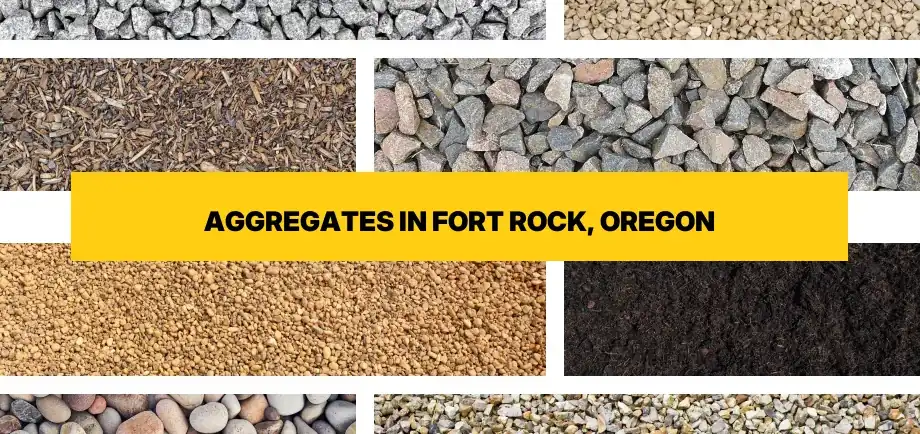
Shop Aggregates for Delivery in Fort Rock
Order online for free delivery to any Fort Rock address.
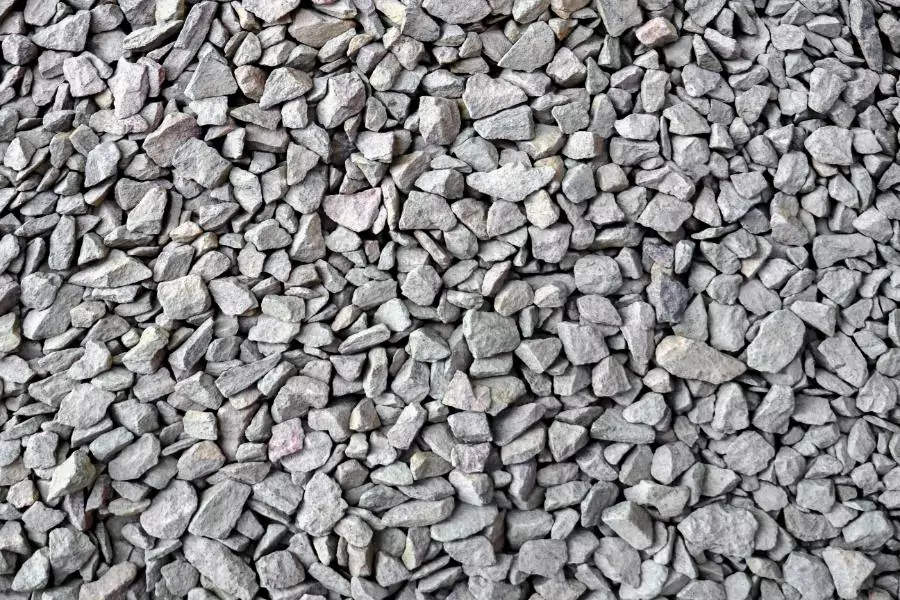
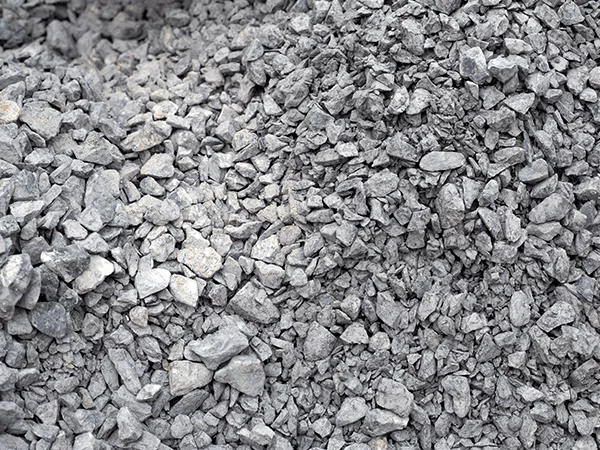


Gravel Monkey delivers premium aggregates and landscaping materials throughout Fort Rock, Oregon, where the high desert landscape and volcanic geology create unique demands for construction and landscaping projects. Located in the northern Great Basin, Fort Rock sits at 4,460 feet elevation in Lake County, surrounded by vast expanses of volcanic ash, pumice, and basalt formations. Whether you're building a driveway near Fort Rock State Natural Area, improving a ranch road in the Fort Rock Valley, or creating drainage solutions on a Christmas Valley property, we bring quality aggregates directly to your site with absolutely free delivery across this scenic high desert region.
Complete Range of Aggregates Available in Fort Rock
The unique volcanic soils and extreme temperature fluctuations in the Fort Rock area demand reliable, properly graded aggregates that provide stability, drainage, and longevity. Gravel Monkey supplies a comprehensive selection of materials designed to perform in the challenging conditions of Oregon's high desert:
- Driveway Gravel - Engineered aggregate blend for long-lasting rural and residential driveways
- 3/4 Inch Crushed Stone - Versatile base material for foundations and road construction
- #57 Stone - Clean aggregate ideal for drainage systems and French drains
- Crusher Run - Superior compacting base for driveways and parking areas
- Road Base - Heavy-duty foundation material for ranch roads and access routes
- Drain Rock - Essential aggregate for managing water in volcanic soils
- Pea Gravel - Attractive rounded stone for pathways and xeriscaping
- River Rock - Decorative natural stone in multiple sizes
- Walkway Gravel - Perfect size aggregate for pedestrian paths and trails
- Crushed Concrete - Sustainable recycled aggregate for base applications
- Decomposed Granite - Natural-looking compactable surface material
- Topsoil - Nutrient-rich soil for gardens adapted to high desert conditions
- Fill Dirt - Quality fill for grading and leveling volcanic terrain
- Mason Sand - Fine sand for masonry and concrete mixing
- Playground Sand - Safe, clean sand for play areas
- Washed Sand - Clean multipurpose sand for various applications
Understanding Fort Rock's Unique Geology and Climate
Fort Rock's distinctive geological features significantly impact construction and material selection. The area sits within the Fort Rock Basin, characterized by extensive deposits of volcanic ash, pumice, and diatomaceous earth overlying basalt bedrock. The iconic Fort Rock itself is a tuff ring formed by phreatomagmatic eruptions approximately 100,000 years ago when magma interacted with ancient Fort Rock Lake waters.
The region's volcanic pumice soils are extremely porous and lightweight, creating challenges for traditional construction methods. These soils offer minimal load-bearing capacity without proper base preparation using compacted aggregates. Properties throughout the Fort Rock Valley and extending toward Christmas Valley require substantial aggregate bases to create stable foundations for buildings, driveways, and roads.
High Desert Climate Considerations
Fort Rock experiences a cold semi-arid climate with dramatic temperature swings. Summer highs reach 85-90°F while winter lows plunge to 10-15°F, with temperature ranges often exceeding 40 degrees in a single day. Annual precipitation averages only 10-12 inches, falling primarily as snow during winter months. This extreme climate demands aggregates that can withstand freeze-thaw cycles without degradation.
The high desert environment also brings persistent winds that can erode loose volcanic soils. Strategic use of aggregates helps stabilize surfaces and prevent wind erosion on ranches and residential properties. The region's elevation at 4,460 feet means frost penetration can reach 24-30 inches during severe winters, requiring adequate drainage beneath driveways and foundations.
Choosing the Right Aggregates for Fort Rock Projects
Driveway and Road Construction in Volcanic Soils
Building durable driveways and ranch roads in Fort Rock requires understanding how aggregates interact with volcanic pumice soils. The typical construction sequence begins with excavating 12-18 inches of pumice soil and replacing it with a compacted aggregate base. This creates a stable platform that prevents settling and rutting.
For long ranch access roads throughout the Fort Rock Valley, road base provides an excellent foundation layer. Its blend of crushed stone and fines compacts tightly, creating a solid surface that handles heavy equipment and livestock trailers. Many ranchers in the Silver Lake area prefer a 6-8 inch layer of compacted road base topped with 2-3 inches of driveway gravel for optimal performance.
Properties closer to Fort Rock State Natural Area or along the routes toward Hole-in-the-Ground often use crusher run as their primary driveway material. This aggregate contains a graduated range of particle sizes that interlock when compacted, providing superior strength and stability. The fines in crusher run fill voids between larger stones, creating a nearly impermeable surface that sheds water effectively.
Drainage Solutions for High Desert Properties
Despite low annual rainfall, managing water is crucial in Fort Rock. Spring snowmelt and occasional summer thunderstorms can quickly overwhelm the area's porous volcanic soils. Drain rock placed in trenches or around foundations provides essential drainage channels that prevent water accumulation.
Many properties near Christmas Valley use #57 stone for French drain systems that capture and redirect runoff from roofs and paved surfaces. The uniform size of this clean aggregate allows water to flow freely while preventing soil infiltration. Combined with landscape fabric, these drainage systems protect foundations and prevent the soil saturation that leads to freeze-thaw damage during winter.
Landscaping with Aggregates in Arid Conditions
The Fort Rock region's limited water availability makes traditional lawns impractical. Instead, property owners increasingly turn to xeriscaping with decorative aggregates. Pea gravel creates attractive ground cover that requires zero irrigation while providing excellent weed suppression. Its rounded shape feels comfortable underfoot, making it ideal for patios and outdoor living spaces.
River rock in larger sizes adds visual interest to xeriscaped areas while helping retain soil moisture during the hot, dry summers. Properties around the Fort Rock Valley often incorporate decomposed granite for walking paths that blend naturally with the desert landscape. This material compacts into a firm surface that remains stable yet feels natural underfoot.
| Aggregate Type | Best Fort Rock Applications | Compaction Quality | Drainage Rating | Volcanic Soil Compatibility |
|---|---|---|---|---|
| Crusher Run | Driveways, ranch roads, parking areas | Excellent | Moderate | Superior - Creates stable base |
| Road Base | Heavy-duty roads, commercial drives | Excellent | Good | Excellent - Handles load distribution |
| 3/4" Crushed Stone | Foundation bases, general construction | Very Good | Excellent | Very Good - Stable foundation |
| #57 Stone | Drainage systems, French drains | Moderate | Excellent | Good - Prevents water accumulation |
| Drain Rock | Foundation drainage, septic fields | Low | Excellent | Excellent - Essential for wet conditions |
| Decomposed Granite | Pathways, xeriscaping, natural look | Good | Good | Very Good - Natural appearance |
| Crushed Concrete | Base layers, sustainable projects | Very Good | Good | Good - Eco-friendly option |
| Pea Gravel | Landscaping, walkways, decorative | Low | Excellent | Good - No irrigation needed |
Aggregate Applications Throughout the Fort Rock Area
Ranch and Agricultural Property Improvements
The Fort Rock Valley supports numerous cattle ranches and agricultural operations that require extensive infrastructure improvements. Ranch roads connecting to Highway 31 need regular maintenance and proper base materials to handle cattle trailers, hay trucks, and heavy equipment. Many ranchers between Fort Rock and Silver Lake have transitioned from graded volcanic soil roads to properly constructed aggregate surfaces.
Equipment yards and livestock handling areas benefit tremendously from compacted crusher run or road base surfaces. These aggregates prevent the muddy conditions that develop when irrigation water or snowmelt saturates volcanic soils. Properly surfaced corrals and working areas reduce maintenance on vehicles and equipment while improving animal health by providing clean, dry footing.
Residential and Recreational Property Development
The Christmas Valley area has seen growing interest in recreational and residential properties. These developments require careful site preparation due to the challenging soil conditions. Foundation excavations typically reveal 3-6 feet of loose pumice and ash before reaching more stable material. Replacing this unstable soil with compacted fill dirt and crusher run creates reliable building pads.
Many property owners near Crack-in-the-Ground or Four Craters Lava Field choose decorative aggregates for low-maintenance landscaping that complements the high desert environment. Walkway gravel creates attractive paths connecting buildings while river rock defines planting beds containing native sagebrush and bitterbrush species that thrive without irrigation.
Infrastructure and Site Development
Commercial and public projects throughout Lake County rely on properly engineered aggregate bases. The Fort Rock Rural Fire Protection District maintains stations and equipment yards requiring durable surfaces. Road base and crushed concrete provide cost-effective solutions for heavy-use areas that must remain functional year-round despite temperature extremes and moisture fluctuations.
Septic system installations in the Fort Rock area require specific aggregate specifications. Drain rock surrounding leach fields ensures proper effluent distribution and prevents soil saturation. The porous nature of volcanic soils actually benefits septic system performance when properly designed with appropriate aggregates managing water flow.
Serving Fort Rock and Surrounding High Desert Communities
Gravel Monkey's delivery service extends throughout the Fort Rock region, bringing quality aggregates to one of Oregon's most remote and geologically distinctive areas. Our service area includes properties along Highway 31 from Silver Lake south through Fort Rock and extending east toward Christmas Valley. We also deliver to rural properties throughout the Fort Rock Basin and surrounding areas of northern Lake County.
Nearby Communities We Serve
Beyond Fort Rock proper, we provide free delivery to several surrounding communities and areas:
- Christmas Valley - This unincorporated community northeast of Fort Rock features numerous recreational properties requiring aggregates for roads and site development
- Silver Lake - Located north of Fort Rock along Highway 31, this small town serves as a hub for area ranchers needing quality aggregate materials
- Fort Rock Valley - The expansive valley floor contains numerous ranches and agricultural properties requiring road base and drainage solutions
- Lost Forest Area - Properties near this unique ponderosa pine stand benefit from our delivery of landscaping aggregates and decorative stone
- Hole-in-the-Ground Region - This volcanic maar crater area includes recreational properties requiring site preparation materials
The region's remoteness means local aggregate availability is limited. We eliminate the challenges of sourcing quality materials by delivering directly to your site, saving you time and transportation costs while ensuring you receive properly graded aggregates suitable for Fort Rock's unique conditions.
Seasonal Planning for Fort Rock Aggregate Projects
Spring and Summer Construction Season
The high desert construction season typically runs from May through October when temperatures moderate and precipitation decreases. Spring snowmelt can create muddy conditions on volcanic soils, making early May the ideal time for installing new aggregate driveways and roads. The dry summer months allow optimal compaction of crusher run and road base materials.
Many Fort Rock area property owners schedule major earthwork and aggregate projects for July and August when the ground is driest. This timing ensures maximum compaction efficiency and allows time for surfaces to settle before winter arrives. Late summer projects also benefit from reduced wildfire risk compared to the critical August-September period.
Fall Preparation and Winter Considerations
Fall brings temperature fluctuations that can complicate aggregate installation. Morning frost followed by afternoon warmth creates challenging working conditions. However, September and early October remain excellent for aggregate projects, particularly driveway repairs and road maintenance before winter weather arrives.
Winter in Fort Rock means snow, ice, and extreme cold. While we deliver year-round, winter projects focus on material stockpiling for spring work and emergency road repairs. Properties with proper aggregate surfaces experience far less freeze-thaw damage than those relying on volcanic soil alone. The drainage provided by well-constructed aggregate bases prevents ice accumulation and reduces frost heaving.
Technical Guidelines for Fort Rock Aggregate Installation
Proper Base Preparation in Volcanic Soils
Successful aggregate installation in Fort Rock begins with adequate excavation. The loose pumice and ash soils lack bearing capacity, requiring removal to reach firmer material or replacement with compacted fill. For residential driveways, excavate 12-18 inches of volcanic soil. Ranch roads and heavy-use areas may require 24-inch excavation depths.
Geotextile fabric placed on the excavation floor prevents aggregate migration into volcanic soils. This fabric layer is particularly important in Fort Rock where the fine volcanic particles can infiltrate aggregate bases, reducing their stability. The fabric maintains separation between materials while allowing water drainage.
Compaction Requirements and Techniques
Achieving proper compaction is critical in the high desert environment. Divide your aggregate depth into lifts no thicker than 6 inches. Compact each lift thoroughly with a vibratory plate compactor or roller before adding the next layer. This method ensures uniform density throughout the base.
The arid climate requires moisture management during compaction. Lightly mist aggregate layers before compacting to achieve optimal density. However, avoid over-wetting, which can make volcanic soils unstable. The goal is achieving 95% compaction density for road base and crusher run applications.
Drainage Integration
Despite low rainfall, incorporating drainage remains essential. Snow accumulation can produce significant spring runoff. Install drain rock along driveway edges or in swales to capture and redirect water. French drains using #57 stone protect building foundations from occasional moisture infiltration.
Crown your aggregate surfaces slightly to promote water shedding. A 2-3% slope from center to edges prevents standing water that can freeze and damage the aggregate surface. This crowning is particularly important for crusher run driveways that develop a harder, more impermeable surface over time.
Frequently Asked Questions About Aggregates in Fort Rock
We deliver a complete range of aggregates including driveway gravel, crushed stone in various sizes, number 57 stone, crusher run, road base, drain rock, pea gravel, river rock, decomposed granite, crushed concrete, topsoil, fill dirt, and multiple sand types throughout Fort Rock and the surrounding high desert region.
Yes, Gravel Monkey offers FREE delivery to Fort Rock and the surrounding Lake County and northern Klamath County areas for all gravel and aggregate orders.
For Fort Rock driveways, we recommend crusher run or three quarter inch crushed stone as a base layer, topped with road base or driveway gravel. These aggregates handle the volcanic soil conditions and temperature extremes well while providing excellent drainage and compaction.
Calculate the area in square feet and multiply by the depth in feet. For driveways, we recommend 4 to 6 inches of depth. A standard driveway measuring 12 feet by 50 feet at 4 inches deep requires about 7 to 8 cubic yards of material. Our team can help with precise calculations for your specific project.
The volcanic pumice and ash soils around Fort Rock require aggregates with good drainage properties. Crushed stone, drain rock, and road base work exceptionally well because they create stable bases that handle soil movement and provide proper water drainage in this high desert environment.
Absolutely. We deliver throughout the Fort Rock Valley area including rural properties near Christmas Valley, Silver Lake, and the areas surrounding Fort Rock State Natural Area. Free delivery covers the entire region.
We offer mason sand for masonry and concrete work, playground sand for safe play areas, and washed sand for various construction applications. All sand types are suitable for the unique conditions of the Fort Rock high desert climate.
Yes, the loose volcanic pumice and ash soils common in Fort Rock benefit from stable aggregate bases. Road base, crusher run, and crushed concrete provide excellent compaction and prevent settling that can occur with the native volcanic soils.
Professional Aggregate Delivery to Fort Rock Properties
Whether you're developing a new property in the Christmas Valley area, maintaining ranch infrastructure in the Fort Rock Valley, or creating low-maintenance landscaping near Fort Rock State Natural Area, Gravel Monkey provides the quality aggregates you need with convenient free delivery. Our materials are specifically selected to perform in the challenging high desert environment, from the extreme temperature swings to the unique volcanic soil conditions.
We understand that working in Fort Rock's remote location presents logistical challenges. That's why we handle all transportation, delivering directly to your site anywhere in the region. Our experienced team can provide guidance on material selection, quantity calculations, and installation techniques specific to volcanic soils and high desert conditions.
From foundation aggregates for new construction to decorative stone for xeriscaping projects, we supply Fort Rock area property owners with reliable materials at competitive prices. Our commitment to quality and customer service has made us the preferred aggregate supplier throughout Oregon's high desert regions.

Need help? Reach out for a quote: