
Shop Bulk Materials & Gravel in Idanha, Oregon
Local Topsoil, Dirt, Sand, Rocks and Gravel near me in Idanha, Oregon
Shop Aggregates for Delivery in Idanha
Order online for free delivery to any Idanha address.
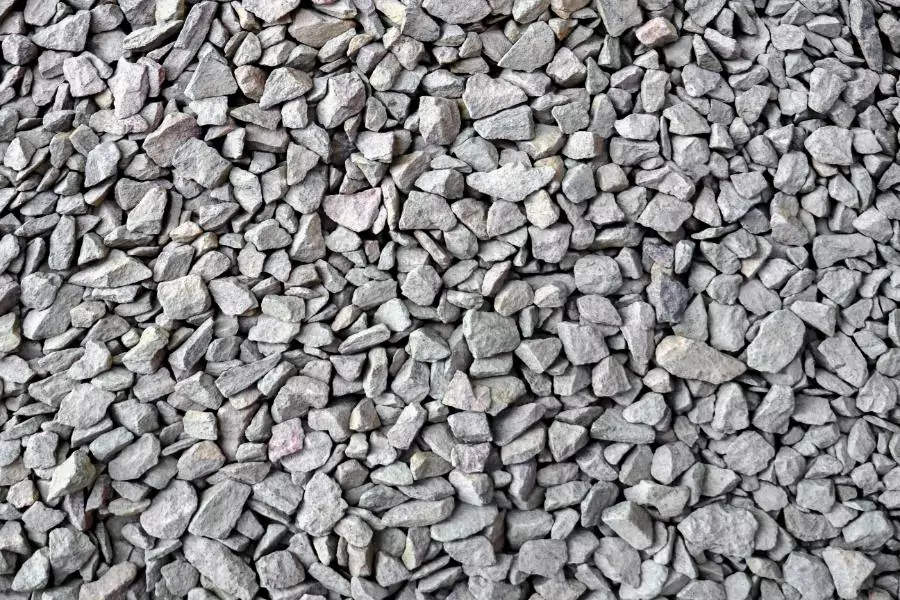
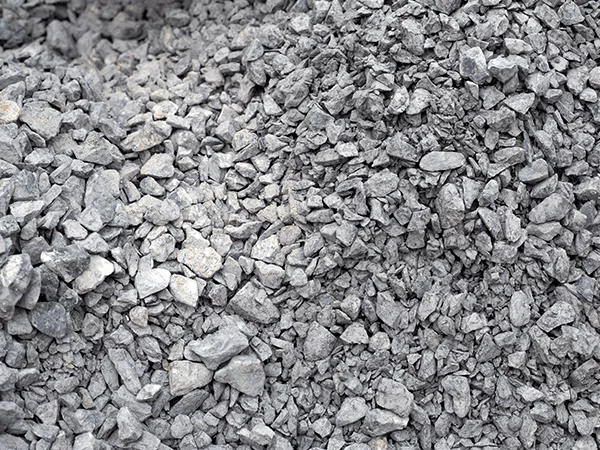


Nestled in the heart of the Cascade Mountains along the Breitenbush River, Idanha, Oregon presents unique challenges for property owners seeking quality aggregates and landscaping materials. Gravel Monkey specializes in delivering premium gravel, crushed stone, and bulk materials to this mountain community, understanding the specific demands of steep terrain, volcanic soils, and harsh winter conditions. Whether you're maintaining a forest access road, upgrading a riverside cabin driveway, or creating drainage solutions for your mountain property, we deliver the aggregates you need—absolutely free throughout Idanha and surrounding areas.
The geology and climate of Idanha require careful material selection. With annual snowfall exceeding 80 inches, temperatures ranging from the teens in winter to the 80s in summer, and volcanic ash-influenced soils that drain rapidly, property owners need aggregates that can withstand freeze-thaw cycles and provide stable foundations on sloped terrain. Our experience serving mountain communities throughout Oregon ensures you receive not just materials, but expert guidance on what works best in this challenging environment.
Premium Aggregates for Idanha Mountain Properties
Gravel Monkey provides a comprehensive selection of aggregates and materials specifically suited to the demands of Idanha's Cascade Mountain location. Our inventory addresses everything from rugged forest roads to decorative riverside landscaping:
- Driveway Gravel - Engineered for steep mountain driveways with superior compaction and traction
- 3/4 Inch Crushed Stone - Versatile angular aggregate ideal for bases and drainage applications
- #57 Stone - Premium drainage stone perfect for French drains and septic systems
- Road Base - Heavy-duty compactable material for forest access roads and driveways
- Crusher Run - All-in-one aggregate that compacts to a rock-solid surface
- Drain Rock - Essential for managing mountain runoff and wet conditions
- River Rock - Natural stone for landscaping that complements the Breitenbush River aesthetic
- Pea Gravel - Smooth rounded aggregate for walkways and decorative beds
- Walkway Gravel - Specially sized material for comfortable pedestrian paths
- Decomposed Granite - Natural-looking material that compacts well for mountain trails
- Crushed Concrete - Eco-friendly recycled aggregate for base layers and utility projects
- Topsoil - Nutrient-enhanced soil formulated to work with volcanic substrates
- Fill Dirt - Clean fill for grading and leveling mountain property terrain
- Mason Sand - Fine sand for masonry and construction projects
- Playground Sand - Safe, clean sand for family recreational areas
- Washed Sand - Clean sand for concrete mixing and landscaping applications
Understanding Idanha's Unique Aggregate Requirements
Idanha sits at approximately 2,000 feet elevation in the Western Cascades, where the Breitenbush River carves through ancient volcanic formations. This geological setting creates specific challenges that demand careful aggregate selection. The region's volcanic soils, derived from prehistoric eruptions that deposited ash layers throughout the area, drain exceptionally well but provide minimal structural stability without proper base materials.
Properties along the Breitenbush River and near Detroit Lake face additional moisture management challenges. The high water table in riverside areas combined with Idanha's substantial annual precipitation—averaging over 80 inches—requires aggregates with excellent drainage characteristics. Our drain rock and crushed stone products address these conditions effectively, preventing the waterlogging and frost heave that can destroy improperly constructed driveways and foundations.
Climate Considerations for Material Selection
Idanha experiences a mountain climate with cold, snowy winters and mild summers. Winter temperatures frequently drop below freezing, with January averages in the low 20s, while summer highs reach the comfortable 80s. This temperature range creates significant freeze-thaw cycling that can devastate inferior aggregates. Materials must resist expansion and contraction while maintaining structural integrity through dozens of freeze-thaw events each winter.
The heavy snowfall—often accumulating several feet in a single season—places extraordinary demands on driveways and access roads. Aggregates must provide traction even when ice forms, resist being pushed aside by snowplows, and maintain surface integrity as snowmelt creates runoff channels. These conditions make proper material selection critical for year-round property access throughout the Idanha area.
Selecting the Right Aggregates for Your Idanha Project
Mountain Driveway Construction and Maintenance
Steep driveways characterize most Idanha properties, with grades often exceeding 10-15 percent. These slopes require aggregates that compact firmly yet provide traction for vehicles navigating in rain, snow, and ice. Road base offers the most reliable solution, combining varied particle sizes that lock together under compaction while the angular edges prevent sliding on steep grades.
For properties accessing the main thoroughfares near Detroit or Marion Forks, driveway approaches must withstand both residential traffic and the occasional heavy vehicle. Crusher run provides an excellent foundation layer beneath finish gravel, creating a stable platform that resists rutting even under the weight of delivery trucks or emergency vehicles navigating mountain roads in challenging conditions.
Drainage Solutions for Wet Mountain Environments
Managing water flow remains perhaps the greatest challenge for Idanha property owners. Seasonal streams appear during spring snowmelt, while autumn rains can saturate soils already challenged by the naturally high water table near the Breitenbush River. French drain systems using #57 stone provide effective subsurface drainage, channeling water away from structures and preventing the erosion that can undermine foundations and roadways.
Perimeter drainage around buildings requires particular attention in areas with volcanic soils. While these soils drain quickly on the surface, subsurface water can accumulate against foundation walls. Installing drain rock around foundations with proper filter fabric creates a capillary break that protects structures from moisture intrusion, essential for preventing the mold and rot issues common in Oregon's humid climate.
Landscape Applications in Forest Settings
Creating functional outdoor spaces within Idanha's dense forest environment requires materials that blend naturally while providing practical benefits. Decomposed granite pathways complement the earth tones of Douglas fir bark and native vegetation while compacting to surfaces that shed water and resist becoming muddy during Oregon's extended wet season. These paths connect structures to outbuildings and recreational areas without the visual harshness of concrete.
For decorative landscaping near cabins and homes, river rock provides a natural aesthetic that echoes the Breitenbush River's character. Available in various sizes, these rounded aggregates create dry creek beds that manage runoff visually while providing emergency overflow paths during extreme weather events. Combining river rock with native plantings creates low-maintenance landscapes appropriate to mountain settings.
| Aggregate Type | Best Mountain Applications | Drainage Rating | Compaction | Freeze-Thaw Resistance |
|---|---|---|---|---|
| Road Base | Steep driveways, forest roads | Excellent | Superior | Excellent |
| Crusher Run | Driveway foundations, parking areas | Very Good | Excellent | Very Good |
| 3/4 Inch Crushed Stone | General construction, drainage layers | Excellent | Good | Excellent |
| #57 Stone | French drains, septic fields | Outstanding | Minimal | Excellent |
| Drain Rock | Foundation drainage, wet areas | Outstanding | Minimal | Very Good |
| Decomposed Granite | Pathways, natural trails | Good | Very Good | Good |
| Pea Gravel | Landscaping, walkways | Very Good | Poor | Excellent |
| River Rock | Decorative landscaping, erosion control | Excellent | None | Excellent |
Free Delivery Throughout the Idanha Region
Gravel Monkey provides complimentary delivery throughout Idanha and surrounding Cascade Mountain communities. We understand the logistics of navigating forest service roads and steep private driveways, ensuring your aggregates arrive safely regardless of your property's location. Our service area extends throughout the region, reaching properties near Detroit Lake, along the Breitenbush River corridor, and into the surrounding Willamette National Forest areas.
We serve properties in all areas around Idanha, including those accessing via Forest Service roads, seasonal roads near Detroit, and remote cabin sites. Whether your property sits riverside near the Breitenbush confluence or high on mountain slopes with commanding views toward Mount Jefferson, our delivery team has the experience to navigate challenging mountain terrain safely and efficiently.
Neighboring Communities We Serve
Beyond Idanha proper, Gravel Monkey delivers throughout Central Oregon's Cascade region. We regularly service properties in Detroit, Marion Forks, Breitenbush, and Gates, ensuring mountain property owners throughout the North Santiam River drainage have access to quality aggregates. Our routes also extend toward Stayton, Mill City, and Lyons for customers in the lower elevation transition zones between the mountains and Willamette Valley.
Professional Installation Recommendations
Proper Base Preparation for Mountain Driveways
Successful aggregate installations in Idanha begin with thorough site preparation. The volcanic soils require excavation to stable subgrade, typically 12-18 inches deep for driveways experiencing regular vehicle traffic. This depth accommodates proper base layers while providing room for drainage materials beneath the finished surface. Removing organic material and loose volcanic soil prevents future settling that creates depressions where water accumulates and ice forms.
After excavation, install geotextile fabric to separate native soils from imported aggregates. This fabric prevents fine volcanic particles from migrating upward into base materials, which would compromise drainage and reduce compaction effectiveness. The fabric layer maintains the engineered properties of your aggregate base even as freeze-thaw cycles affect the underlying native soils throughout winter months.
Layering Strategy for Maximum Durability
Professional installations typically employ a three-layer system: base, intermediate, and surface courses. The base layer uses larger aggregates like road base or crushed concrete, compacted to six inches depth to provide structural foundation. The intermediate layer employs crusher run, adding four inches of material that fills voids while maintaining drainage capacity. The surface layer applies driveway gravel in a two to three inch lift, providing the finished surface that vehicles contact directly.
Each layer requires thorough compaction before applying the next. Proper compaction achieves 95 percent density, creating a monolithic structure that resists the displacement forces of vehicles accelerating uphill or braking on descents. Rent a plate compactor or vibratory roller appropriate for the area being worked—hand tampers prove inadequate for driveways and roads requiring vehicular load support.
Drainage Integration for Wet Sites
Properties near the Breitenbush River or in natural drainage swales require additional water management features. Install French drains using #57 stone along the uphill side of driveways to intercept subsurface water before it reaches the roadbed. Wrap drain rock in non-woven geotextile fabric to prevent silt infiltration while maintaining water flow capacity throughout the installation's service life.
Surface water management demands equal attention. Crown driveway surfaces to shed water toward edges, maintaining a minimum two percent cross-slope. Install culverts beneath driveways where they cross natural drainage paths, using drain rock around pipe inlets and outlets to prevent erosion. These measures prevent the washouts that can render mountain roads impassable during Idanha's intense rain events and spring snowmelt.
Seasonal Factors in Aggregate Performance
Winter Challenges and Solutions
Idanha's harsh winters test aggregate installations severely. Freeze-thaw cycling occurs repeatedly as temperatures fluctuate around freezing, causing water trapped in materials to expand and contract. This action pushes aggregates apart, creating the loose surfaces and potholes that plague poorly constructed driveways. Selecting aggregates with proper gradation—varied particle sizes that nest tightly—minimizes void spaces where water can accumulate and freeze.
Snow removal operations place additional stress on surface aggregates. Snowplow blades inevitably catch surface materials, pushing them to road edges where they're lost. Using larger, angular aggregates for surface courses provides better plow blade resistance than rounded gravels that roll easily. Budget for annual maintenance that replaces lost material and recompacts surfaces before each winter season begins.
Spring Thaw and Moisture Management
Spring brings unique challenges as snow melts and ground thaws. Frozen subsurface layers prevent drainage, causing water to accumulate in surface materials where it reduces bearing capacity. Driveways may become impassable during the critical weeks when frost exits the ground. Well-constructed aggregate bases with proper drainage layers minimize these springtime soft spots, maintaining vehicle access throughout the transition season.
Properties experiencing springs or seeps require specialized treatment. Intercept this water with French drain systems before it reaches driveways and structures. Route collected water to natural drainage courses or retention areas where it dissipates harmlessly. Ignoring subsurface water sources guarantees premature failure of aggregate installations regardless of material quality or installation methods employed.
Summer Maintenance Windows
Oregon's dry summers provide ideal conditions for aggregate work. Schedule major projects between June and September when equipment access is easiest and materials compact optimally. Dry conditions allow proper base preparation, with excavated areas drying sufficiently for compaction equipment to achieve specified densities. Surface materials apply cleanly without the mud contamination that compromises winter installations.
Use summer months for preventive maintenance on existing aggregate surfaces. Add fresh material to areas showing wear, recompact surfaces where traffic has displaced materials, and address drainage issues before autumn rains return. This proactive approach extends installation lifespan while preventing the emergency repairs often necessary after winter damage becomes apparent.
Working Within Cascade Forest Regulations
Many Idanha properties lie within or adjacent to Willamette National Forest lands, subject to federal and state environmental regulations. When installing aggregates near waterways, maintain required setbacks from the Breitenbush River and tributary streams. These buffers protect water quality by preventing sediment transport during construction activities. Check with Marion County planning departments regarding permits required for projects near designated wetlands or riparian zones.
Erosion control during construction protects both your property and surrounding forest lands. Install silt fences downslope of work areas, particularly when grades exceed ten percent. Cover disturbed areas with mulch or erosion control blankets if work must pause during rainy periods. These measures prevent the sediment-laden runoff that can violate Clean Water Act requirements while degrading habitat in pristine mountain streams.
Sustainable Material Choices
Environmental stewardship aligns with practical economics in mountain settings. Crushed concrete offers recycled aggregate suitable for base layers while reducing demand for quarried stone. This material performs excellently in structural applications while costing less than virgin aggregates. Similarly, consider locally-sourced materials when available—shorter transportation distances reduce carbon footprint while supporting regional economies.
Native vegetation preservation during construction minimizes long-term maintenance requirements. Oregon's mountain forests provide natural screening and erosion control when left undisturbed. Plan aggregate installations to work with existing topography and vegetation rather than clearing unnecessarily large areas. This approach maintains property aesthetics while reducing the imported topsoil needed to reestablish vegetation after construction concludes.
Maximizing Value in Mountain Aggregate Projects
Accurate material estimation prevents both shortages that delay projects and excess materials that waste budget dollars. Calculate volumes carefully, accounting for compaction factors that reduce installed volume below loose material measurements. Most aggregates compact 10-15 percent, meaning you need roughly 1.1 to 1.15 cubic yards of loose material for each cubic yard of compacted installation.
Consider delivery logistics when comparing material costs. Free delivery from Gravel Monkey provides significant savings compared to suppliers charging distance-based fees for Idanha's remote location. Account for the complete installed cost—material, delivery, and labor—rather than comparing only material prices. Materials arriving ready to install with expert advice included often prove more economical than apparently cheaper alternatives requiring multiple deliveries and problem-solving.
Long-Term Performance vs. Initial Cost
Premium aggregates command higher initial prices but deliver superior longevity. Road base costs more than crusher fines, yet provides decades of service versus frequent replacement cycles for inferior materials. In mountain environments where access becomes difficult during winter and project seasons are short, paying extra for quality materials that rarely need replacement makes excellent economic sense.
Factor maintenance requirements into material selection. Decorative pea gravel requires annual raking and periodic replenishment, while properly installed decomposed granite pathways need minimal attention. Driveways constructed with appropriate base layers and surface aggregates require only occasional top-dressing versus reconstruction every few years when built with inadequate materials. Calculate total ownership costs over expected service life rather than focusing solely on installation expenses.
Frequently Asked Questions About Aggregates in Idanha
For Idanha's mountain terrain with grades often exceeding 10-15 percent, road base and crusher run provide the most reliable solutions. These materials combine varied particle sizes that lock together under compaction, while angular edges prevent sliding on steep grades. The proper installation includes a well-compacted base layer followed by a surface course that provides traction even in wet or icy conditions common during Oregon winters.
Idanha sits on volcanic ash deposits that drain quickly but provide minimal structural stability. This geology requires complete removal of loose volcanic soils down to stable subgrade before aggregate installation. Using geotextile fabric separates native soils from imported aggregates, preventing fine volcanic particles from migrating upward and compromising your base material's drainage and compaction properties. Proper site preparation is essential for long-term performance.
Yes, Gravel Monkey delivers year-round to Idanha, though winter deliveries require coordination with weather conditions. We monitor mountain passes and local road conditions to schedule deliveries during safe windows. While winter is not ideal for installation work due to ground freezing and moisture, we can deliver materials for storage so you're ready to begin projects as soon as spring conditions allow. Contact us to discuss winter delivery options for your specific location.
Properties near the Breitenbush River face high water tables and seasonal flooding risks. French drain systems using #57 stone wrapped in geotextile fabric effectively intercept subsurface water before it reaches structures or driveways. For surface drainage, install culverts beneath driveways where they cross natural water flows, and crown road surfaces to shed water toward drainage swales. Drain rock around foundations creates capillary breaks that protect structures from moisture intrusion common in riverside locations.
Mountain driveways in Idanha typically require 12-18 inches total depth from subgrade to finished surface. This includes a 6-inch base layer of road base or crushed stone, a 4-inch intermediate layer of crusher run, and a 2-3 inch surface course of driveway gravel. Steeper grades and areas experiencing heavy vehicle traffic may need additional depth. The substantial freeze-thaw cycling and heavy precipitation in the Cascades demand proper depth for long-term durability.
Both materials compact excellently for mountain applications, but have different optimal uses. Road base contains a wider range of particle sizes and compacts to the densest, most stable surface—ideal for heavily-trafficked forest roads and primary driveways. Crusher run includes finer particles that fill voids completely, making it excellent for foundation layers beneath surface courses. Many professional installations use road base as the deep base layer and crusher run as the intermediate course for optimal performance.
Yes, properties within or adjacent to Willamette National Forest lands must comply with federal and state environmental regulations. Maintain required setbacks from streams and wetlands, install erosion control measures during construction, and obtain necessary permits from Marion County for work near waterways. These regulations protect water quality in pristine mountain streams while ensuring your project proceeds legally. Our team can provide guidance on basic requirements, though you should consult local planning departments for specific project requirements.
Well-constructed driveways using quality aggregates typically need surface refreshing every 3-5 years in Idanha's challenging climate. Annual inspection after winter identifies areas where snowplow operations have displaced material or where spring runoff has created channels. Budget for adding a one-inch top dressing of surface aggregate every few years to maintain appearance and performance. Driveways with proper base preparation and drainage require significantly less maintenance than those installed without adequate subsurface work.
Expert Aggregate Delivery for Idanha's Mountain Environment
Gravel Monkey understands the unique challenges facing property owners in Idanha's Cascade Mountain setting. From navigating steep forest roads to selecting materials that withstand extreme weather, we bring mountain-specific expertise to every delivery. Our comprehensive inventory of aggregates, combined with deep knowledge of volcanic soils, freeze-thaw dynamics, and drainage requirements, ensures you receive not just materials but solutions tailored to your property's specific conditions.
Contact us today to discuss your project requirements. Whether you're building a new mountain driveway, creating drainage solutions for a riverside property, or maintaining existing forest roads, our team provides the aggregates and advice you need. With free delivery throughout Idanha and surrounding areas, quality materials for your mountain property are just a phone call away. Let our experience with Oregon Cascade conditions work for your project's success.

Need help? Reach out for a quote: