
Shop Sand, Stone & Gravel in Cornelius, Oregon
Local Topsoil, Dirt, Sand, Rocks and Gravel near me in Cornelius, Oregon
Shop Aggregates for Delivery in Cornelius
Order online for free delivery to any Cornelius address.
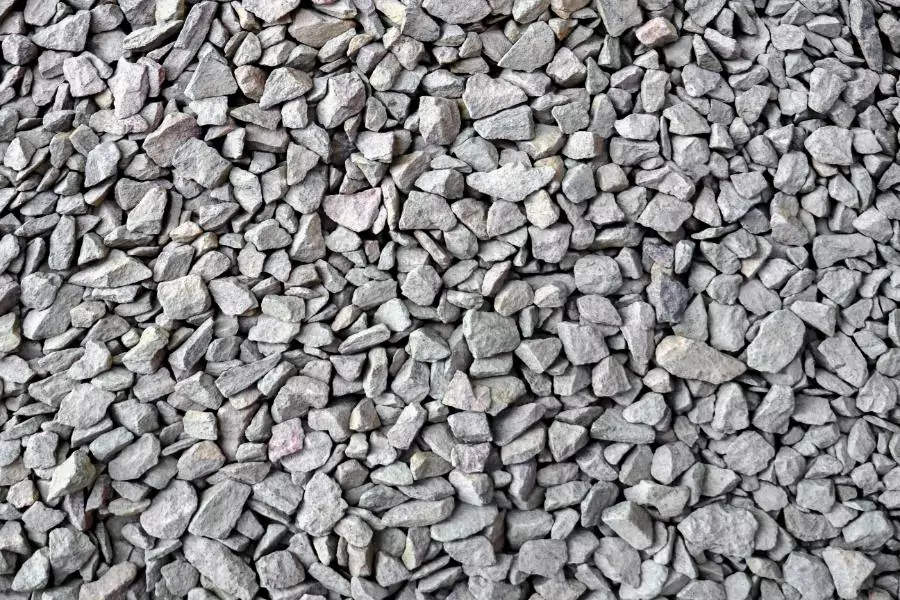
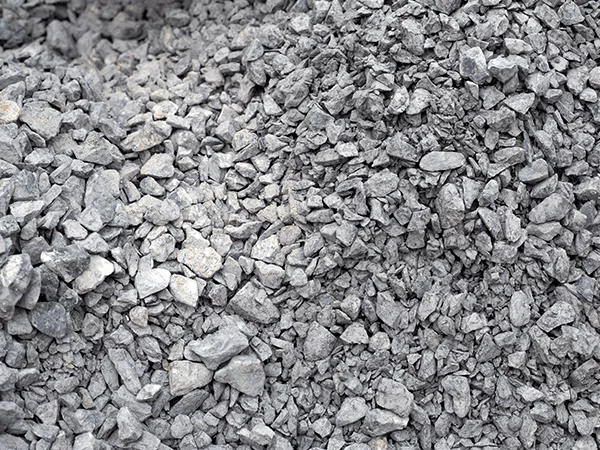


Gravel Monkey provides premium aggregate delivery throughout Cornelius, Oregon, bringing high-quality gravel, stone, and landscaping materials directly to your property with free delivery. Located in the heart of Washington County's wine country, Cornelius presents unique challenges from the region's heavy rainfall and expansive Willamette Valley soils to seasonal freeze-thaw cycles. Whether you're improving a driveway near Tualatin Valley Highway, installing drainage systems in Adair Village, or developing vineyard roads in the surrounding agricultural areas, we deliver the right aggregates for every project across Cornelius and neighboring communities like Forest Grove, Hillsboro, and Gaston.
Complete Range of Aggregates Available in Cornelius
Our comprehensive selection of aggregates addresses the specific needs of Cornelius properties, from managing the Pacific Northwest's 43 inches of annual rainfall to creating stable surfaces on the area's silty loam soils. We supply materials for residential driveways, commercial developments, agricultural operations, and municipal projects throughout Washington County.
- Driveway Gravel - Compactable aggregate ideal for residential and rural access roads
- 3/4 inch Crushed Stone - Versatile material for driveways, drainage, and foundation work
- #57 Stone - Popular drainage aggregate and concrete base material
- Crusher Run - Excellent compaction for stable road base and foundations
- Road Base - Heavy-duty aggregate for driveways and access roads
- Drain Rock - Essential for French drains and foundation drainage systems
- Pea Gravel - Smooth decorative stone for landscaping and pathways
- River Rock - Natural aesthetic for gardens and water features
- Walkway Gravel - Comfortable surface for pedestrian paths
- Crushed Concrete - Eco-friendly recycled aggregate for base layers
- Decomposed Granite - Permeable surface for patios and trails
- Topsoil - Nutrient-rich soil for gardens and lawn establishment
- Fill Dirt - Grading material for leveling and building projects
- Mason Sand - Fine sand for construction and paver installation
- Playground Sand - Safe, clean sand for play areas
- Washed Sand - Clean sand for concrete mixing and landscaping
Aggregate Delivery Throughout Cornelius Neighborhoods
We provide reliable delivery service to all Cornelius areas and surrounding communities. Properties near Tualatin Valley Highway benefit from our drainage solutions for managing runoff along this major corridor. Homes in Adair Village neighborhoods often need aggregates for driveway maintenance on rural properties. The developing areas south of Baseline Road require quality materials for new construction and landscaping projects. Agricultural properties throughout the Tualatin Valley wine country depend on our aggregates for vineyard access roads and erosion control.
Our delivery service extends throughout Washington County, reaching neighboring communities like Forest Grove to the west, Hillsboro to the north, and Beaverton to the east. Rural properties near Gaston and the surrounding farmland receive the same free delivery service as in-town locations. Whether your project is near the historic downtown area or on acreage in the countryside, Gravel Monkey delivers quality aggregates directly to your site.
Aggregates for Cornelius Climate and Soil Conditions
Cornelius experiences a temperate marine climate with wet winters and dry summers typical of the Willamette Valley. Annual rainfall averages 43 inches, with most precipitation occurring between October and April. Winter temperatures occasionally drop below freezing, creating freeze-thaw cycles that challenge poorly designed driveways and foundations. Summer temperatures reach the mid-80s, and the dry season extends from June through September.
The geology of Cornelius consists primarily of Willamette Valley silty loam soils over older alluvial deposits. These fine-textured soils have moderate to poor drainage characteristics and high shrink-swell potential. The expansive clay content means proper aggregate base installation is critical for long-term stability. Foundation drainage becomes essential to prevent water accumulation during wet months. Properties in lower-lying areas near Tualatin River tributaries may experience seasonal water table fluctuations requiring specialized drainage solutions.
Recommended Aggregates for Pacific Northwest Conditions
The combination of heavy rainfall, expansive soils, and freeze-thaw cycles requires specific aggregate selection. Angular crushed stone provides superior interlock and compaction compared to rounded materials. Drainage aggregates must handle sustained moisture exposure without breaking down. Road base materials need sufficient fines for compaction while maintaining permeability to prevent water buildup beneath driving surfaces.
| Aggregate Type | Best Applications | Drainage Rating | Compaction | Cornelius Suitability |
|---|---|---|---|---|
| Crushed Stone 3/4" | Driveways, foundations, drainage | Excellent | Good | Perfect for wet climate |
| Crusher Run | Road base, stable foundations | Good | Excellent | Ideal for expansive soils |
| Drain Rock | French drains, foundation drainage | Superior | Low | Essential for moisture |
| #57 Stone | Drainage, concrete aggregate | Excellent | Moderate | Versatile for all uses |
| Pea Gravel | Landscaping, pathways | Very Good | Poor | Good for decorative use |
| Decomposed Granite | Patios, trails, pathways | Good | Moderate | Best for dry season projects |
Driveway Aggregates for Cornelius Properties
Driveways in Cornelius face unique challenges from winter moisture, freeze-thaw cycles, and the region's expansive soils. A proper driveway requires adequate base depth—typically 6 to 8 inches for residential use—and correct aggregate selection. The base layer should provide both stability and drainage to prevent water accumulation that causes frost heaving and surface deterioration.
Crushed stone offers excellent angular interlock, creating a stable surface that resists rutting and displacement. The sharp edges lock together when compacted, maintaining surface integrity through wet months and vehicle traffic. Properties with heavy use or clay soils benefit from crusher run, which combines larger stones with smaller fines that compact into an almost concrete-like hardness. This material excels on the silty loam soils common throughout Cornelius.
Vineyard and Agricultural Access Roads
Washington County's wine industry requires specialized aggregate solutions for vineyard roads and equipment access routes. Agricultural operations need surfaces that support heavy equipment during harvest while managing moisture from irrigation and rainfall. Road base provides the load-bearing capacity for tractors and harvest equipment, while proper drainage prevents mud development during wet periods. Many vineyard properties near the Cornelius area utilize recycled crushed concrete as an economical and environmentally sustainable option for secondary access roads.
Critical Drainage Solutions for Cornelius Homes
With over 40 inches of annual rainfall concentrated in winter months, effective drainage is non-negotiable for Cornelius properties. Poor drainage leads to foundation problems, basement moisture, crawl space flooding, and landscape erosion. The expansive clay soils typical of the Willamette Valley hold water, creating hydrostatic pressure against foundations and causing soil movement.
French drain installation using drain rock provides the most effective solution for redirecting water away from structures. These subsurface drainage systems intercept groundwater and surface runoff, channeling it safely away from foundations. Properties in lower-lying areas benefit from perimeter drain systems that prevent water intrusion during peak rainfall months. The angular, uniformly sized stones used in drainage systems maintain void spaces that allow continuous water flow without clogging from fine soil particles.
Erosion Control and Water Management
Sloped properties throughout Cornelius require erosion control measures to prevent soil loss during heavy winter rains. River rock placed strategically in swales and drainage channels slows water velocity while adding aesthetic appeal. Larger stones create energy dissipation structures at downspout discharge points, preventing soil erosion around foundation perimeters. Agricultural properties use these same principles to manage irrigation runoff and protect valuable topsoil.
Landscaping Aggregates for Pacific Northwest Gardens
Cornelius landscapes benefit from aggregate materials that complement the region's natural beauty while addressing practical concerns like weed suppression and moisture retention. Pea gravel creates comfortable walking surfaces for garden paths while providing excellent drainage—important for preventing mud during wet months. The smooth, rounded stones work well around water features and as ground cover in ornamental beds.
Decomposed granite offers a more formal appearance for patios and entertaining areas. This material compacts into a firm yet permeable surface that handles Oregon's wet-dry seasonal cycle well. During summer months, the surface remains stable and dust-free, while winter moisture drains through without creating muddy conditions. Properties throughout Cornelius use decomposed granite for outdoor living spaces that require a refined aesthetic.
River rock in various sizes provides decorative accents while serving functional drainage purposes. Dry creek beds using river rock manage stormwater runoff aesthetically, mimicking natural waterways while protecting landscapes from erosion. The natural earth tones blend seamlessly with Pacific Northwest native plantings, creating cohesive landscape designs that thrive in local conditions.
Construction Aggregates for Washington County Projects
Commercial and residential construction throughout Cornelius requires reliable aggregate supplies for foundations, site preparation, and infrastructure development. Road base creates stable platforms for building pads on the area's soft, expansive soils. Proper base preparation prevents differential settling that causes structural problems and reduces long-term maintenance costs.
Mason sand serves multiple construction purposes, from mortar mixing to paver installation. The fine, clean particles provide the workability needed for masonry projects while meeting construction specifications. Washed sand offers similar characteristics for concrete mixing and other applications requiring clean, well-graded material. Construction projects near Tualatin Valley Highway and throughout developing areas rely on these materials for quality results.
Sustainable Building Practices
Crushed concrete represents an environmentally responsible choice for base layers and secondary applications. This recycled aggregate diverts construction waste from landfills while providing excellent performance characteristics. The material compacts well and costs less than virgin stone, making it attractive for budget-conscious projects. Many developers throughout Washington County incorporate recycled aggregates into site development plans, reducing environmental impact while maintaining construction quality.
Seasonal Considerations for Aggregate Projects in Cornelius
Timing aggregate projects around Cornelius weather patterns ensures optimal results and reduces installation challenges. The dry season from June through September provides ideal conditions for driveway installation, drainage work, and landscaping projects. Soils have lower moisture content, allowing better compaction and faster project completion. Equipment operates more efficiently on dry ground, and installed materials have time to settle before fall rains begin.
Winter aggregate work requires additional considerations but remains feasible with proper planning. Drainage improvements actually benefit from installation during wet months, allowing immediate assessment of water flow patterns and system effectiveness. Foundation work can proceed using proper moisture barriers and compaction techniques adapted for winter conditions. Properties experiencing immediate drainage problems shouldn't delay solutions waiting for summer—water damage accumulates rapidly during Oregon's wet season.
Spring and fall present moderate conditions suitable for most aggregate applications. These transitional seasons offer opportunities for project completion before extreme weather arrives. Properties planning major landscape renovations often schedule aggregate deliveries during these periods to prepare for summer planting or winter preparations.
Professional Installation Best Practices
Proper aggregate installation maximizes material performance and project longevity. Base preparation determines final results more than any other factor. Excavation must reach stable subgrade, removing organic material, loose soil, and any unsuitable material. In Cornelius, this often means digging through silty topsoil to reach firmer material below.
Compaction occurs in lifts—layers 4 to 6 inches thick—rather than placing full depth at once. Each lift receives thorough compaction using appropriate equipment before adding the next layer. This method ensures uniform density throughout the base, preventing future settling and surface failure. Proper compaction becomes especially critical on expansive soils where differential movement causes problems.
Moisture Management During Installation
Oregon's unpredictable weather requires flexible installation scheduling. Aggregates compact best at optimal moisture content—neither too wet nor too dry. Experienced installers adjust techniques based on current conditions, adding water during dry periods or allowing excess moisture to evaporate during wet spells. Winter installations may require tarps to protect work areas from excessive rainfall between work sessions.
Calculating Aggregate Quantities for Your Project
Accurate material estimates prevent costly shortages or excess waste. Calculate aggregate needs by multiplying length times width times depth (all in feet), then dividing by 27 to convert cubic feet to cubic yards. A driveway measuring 20 feet wide by 50 feet long requiring 4 inches of base equals: 20 x 50 x 0.33 = 330 cubic feet ÷ 27 = 12.2 cubic yards.
Add 10-15% extra material for compaction loss, irregular areas, and future maintenance needs. Aggregates compress during compaction, and you'll want spare material for repairing edges or filling low spots that develop. Our team provides accurate estimates based on your specific project requirements and site conditions throughout Cornelius.
Environmental Stewardship in Aggregate Use
Responsible aggregate selection and installation practices protect the Tualatin Valley's environmental quality. Permeable surfaces using pea gravel, crushed stone, or decomposed granite allow rainfall infiltration, reducing stormwater runoff that carries pollutants into local waterways. These materials recharge groundwater supplies rather than directing all precipitation into storm sewers.
Recycled materials like crushed concrete minimize quarrying impacts while providing equivalent performance to virgin aggregates. Proper erosion control during and after installation prevents soil loss that clouds streams and harms aquatic habitat. Washington County's agricultural heritage and growing wine industry depend on protecting soil and water resources for future generations.
Long-Term Aggregate Maintenance
Well-installed aggregate surfaces require minimal maintenance but benefit from periodic attention. Driveways need occasional regrading to maintain proper crown and drainage slope. Traffic gradually displaces material, creating ruts and low spots that collect water. Annual maintenance using additional gravel preserves surface integrity and prevents accelerated deterioration.
Drainage systems require inspection after major storms to ensure continued function. Debris, silt, and vegetation can compromise drainage performance over time. Clean-outs every few years maintain optimal water flow and prevent backup. Properties with significant tree cover may need more frequent maintenance as organic debris accumulates faster.
Landscape aggregates benefit from periodic replenishment as material settles and spreads. Edging contains decorative gravel, preventing migration into lawn areas or planting beds. Weed barrier fabric beneath aggregates reduces maintenance requirements, though no solution completely eliminates weed growth without periodic attention.
Frequently Asked Questions About Aggregates in Cornelius
We deliver driveway gravel, crushed stone in various sizes, pea gravel, river rock, drain rock, crusher run, road base, recycled concrete, topsoil, fill dirt, and multiple sand types throughout Cornelius and the surrounding Washington County area.
Yes! Gravel Monkey offers FREE delivery to Cornelius and the surrounding Oregon area for all gravel and aggregate material orders. We serve neighborhoods near Tualatin Valley Highway, Adair Village, and throughout Washington County.
Given Cornelius receives about 43 inches of rain annually, we recommend drain rock or crushed stone for optimal drainage. These materials handle Pacific Northwest moisture excellently and prevent water pooling around foundations and in yards.
Calculate length times width times depth in feet, then divide by 27 for cubic yards. For driveways in Cornelius, we recommend 4 inches of depth for residential use. Our team can help estimate the exact amount based on your specific property dimensions.
Absolutely! We deliver throughout Cornelius and surrounding areas including Forest Grove, Hillsboro, Beaverton, Gaston, and rural Washington County properties. Our free delivery service covers the entire region.
Crushed stone and crusher run perform excellently in Oregon freeze-thaw conditions. These angular aggregates compact well and maintain stability through winter moisture and temperature fluctuations common in the Tualatin Valley.
Yes! We regularly supply aggregates for vineyard roads, drainage systems, and erosion control throughout Washington County wine country. Our materials help maintain access roads and manage water in agricultural settings.
Summer months from June through September offer ideal conditions with dry weather and lower soil moisture. However, drainage improvements can proceed year-round, and we deliver aggregates throughout all seasons to meet your project timeline.
Free Aggregate Delivery Throughout Cornelius
Gravel Monkey simplifies aggregate ordering with free delivery throughout Cornelius, Oregon and surrounding Washington County communities. Our experienced team helps you select the right materials for your specific project requirements and local soil conditions. From small residential landscaping projects to large agricultural developments, we supply quality aggregates that perform in Pacific Northwest conditions. Contact us today to discuss your aggregate needs and schedule your free delivery to any Cornelius location.

Need help? Reach out for a quote: