Buy Bulk Aggregates & Gravel in Sixes, Oregon
Local Topsoil, Dirt, Sand, Rocks and Gravel near me in Sixes, Oregon
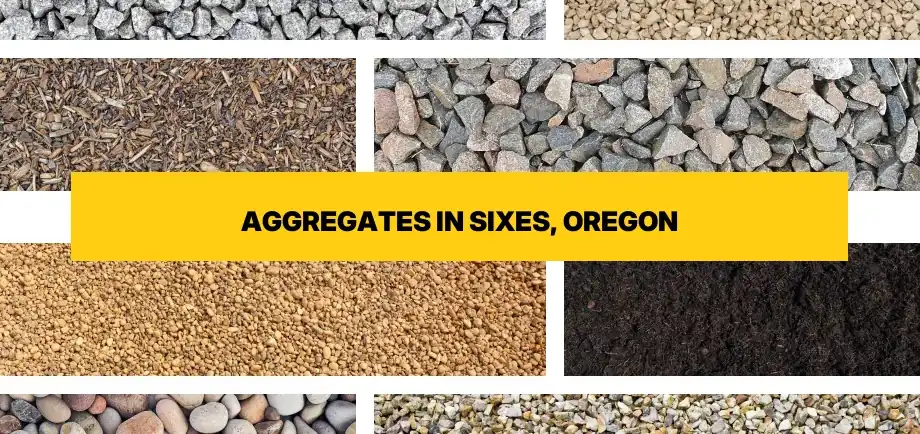
Shop Aggregates for Delivery in Sixes
Order online for free delivery to any Sixes address.
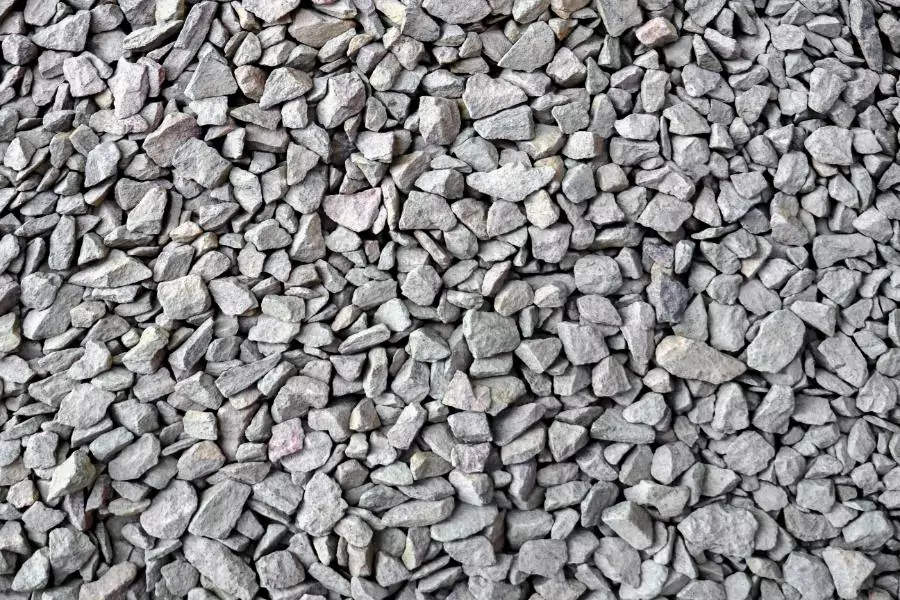
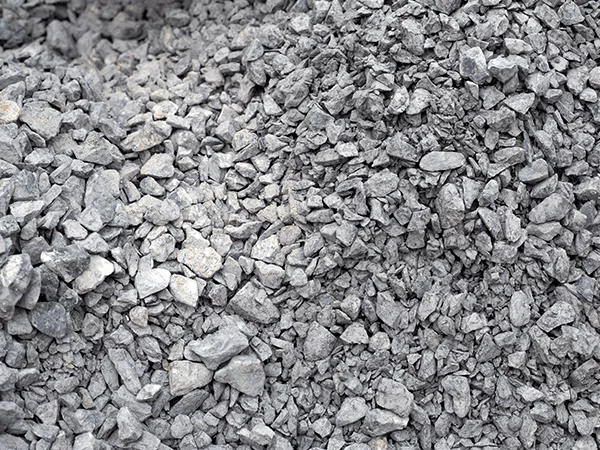


Gravel Monkey delivers premium aggregates and landscaping materials throughout Sixes, Oregon, serving properties along the southern Oregon coast and throughout Curry County. Whether you're building a driveway near the Sixes River, creating drainage solutions for coastal properties, or sourcing quality aggregates for rural construction projects, we provide free delivery directly to your site. Our comprehensive selection of gravel, stone, sand, and soil products meets the unique demands of this beautiful coastal region.
Complete Aggregate Selection for Sixes, OR Properties
Living in Sixes means dealing with coastal Oregon's unique challenges—heavy winter rainfall averaging 70-80 inches annually, clay-rich soils, and the need for durable materials that withstand coastal weather conditions. Gravel Monkey understands these regional requirements and stocks aggregates specifically suited for southern Oregon coast applications.
Our material selection includes everything from base aggregates for stable driveways to decorative stone for coastal landscaping projects:
- Driveway Gravel - Engineered aggregate blends that compact firmly in Sixes' clay soils
- 3/4 inch Crushed Stone - Versatile angular aggregate for foundations and drainage layers
- #57 Stone - Clean, uniform aggregate ideal for French drains and septic systems
- Drain Rock - Large, rounded aggregate that handles coastal Oregon's heavy precipitation
- Road Base - Compactable material that creates stable foundations in challenging soils
- Crusher Run - All-in-one base aggregate that locks together for maximum stability
- River Rock - Natural rounded stone perfect for erosion control and water features
- Pea Gravel - Smooth aggregate for walkways and decorative landscaping
- Walkway Gravel - Specially sized aggregate for comfortable, stable garden paths
- Crushed Concrete - Eco-friendly recycled aggregate for cost-effective base applications
- Decomposed Granite - Natural pathway material that compacts beautifully
- Topsoil - Rich, organic soil for gardens and landscaping projects
- Fill Dirt - Clean fill material for grading and leveling applications
- Mason Sand - Fine sand for masonry work and paver installations
- Playground Sand - Safe, clean sand for children's play areas
- Washed Sand - Clean, screened sand for concrete mixing and construction
Serving Sixes and Surrounding Curry County Areas
Our delivery service extends throughout the Sixes area and neighboring communities along Oregon's southern coast. We regularly deliver aggregates to properties near Cape Blanco State Park, along the Sixes River corridor, and throughout the rural areas connecting to Port Orford, Langlois, and Bandon. Whether your property sits near the coastline where Highway 101 winds through the region, or you're working on projects further inland toward the Siskiyou National Forest boundary, we provide reliable aggregate delivery.
The Sixes River valley presents unique construction challenges with its combination of alluvial deposits, clay-rich soils from ancient marine sediments, and seasonal flooding concerns. Properties near Edson Creek and throughout the watershed require careful drainage planning. The geology of this coastal region, characterized by Tertiary marine sedimentary rocks underlying thin topsoil layers, means proper base preparation with quality aggregates is essential for any construction project.
Many Sixes-area properties experience seasonal groundwater issues during Oregon's wet season, which typically brings 60-70 inches of rain between October and April. Coastal properties near the bluffs overlooking the Pacific require aggregates that manage both rainfall drainage and the moisture-laden marine air. Rural properties extending east toward the forest transition zone deal with steeper terrain and need aggregates that resist erosion while providing stable access.
Aggregate Applications for Coastal Oregon Properties
Driveway Construction in Clay-Rich Soils
Sixes-area driveways face unique challenges from the region's clay-heavy soils that expand when wet and contract during drier summer months. This clay, derived from weathered marine sedimentary formations, requires proper base preparation to prevent rutting and washboarding. A successful driveway starts with excavating the native clay to 8-12 inches depth, installing geotextile fabric as a separation layer, then building up with compacted base aggregates.
The ideal driveway system for Sixes properties typically consists of 6-8 inches of compacted base material topped with 3-4 inches of surface aggregate. The base layer provides structural stability while the surface layer sheds water and resists displacement under vehicle traffic. Properties experiencing heavy truck traffic or seasonal wetness benefit from even deeper base preparations extending 12-16 inches.
Drainage Solutions for High-Rainfall Environments
Managing water is critical for Sixes properties receiving 70-80 inches of annual precipitation. Inadequate drainage leads to saturated soils, foundation problems, driveway deterioration, and landscape erosion. French drains installed with clean aggregate around perforated pipe effectively intercept and redirect groundwater away from structures and hardscaped areas.
Surface drainage channels filled with appropriately sized aggregate prevent erosion while allowing water to flow to designated collection points. Properties near seasonal drainages benefit from dry creek beds constructed with large drain rock that handles both aesthetic and functional stormwater management. The key is selecting aggregates sized large enough to maintain void spaces even under compaction, ensuring water flows freely rather than backing up during heavy rainfall events.
Coastal Property Erosion Control
Properties near bluffs, along the Sixes River, or adjacent to seasonal creeks require erosion control measures that withstand Oregon coast conditions. Large aggregate materials create permeable barriers that slow water velocity while allowing drainage. Riprap installations using various sizes of stone protect streambanks and coastal edges from undercutting during high-flow events.
Garden areas on sloped terrain benefit from terracing with aggregate-filled retaining structures. These installations manage both erosion and drainage while creating usable planting areas. The combination of proper aggregate selection and strategic placement preserves property boundaries while working with the natural hydrology rather than fighting against it.
Aggregate Material Comparison Guide
Selecting the right aggregate for your Sixes property depends on your specific application, soil conditions, and drainage requirements. This comparison helps identify which materials best suit common coastal Oregon projects:
| Material Type | Best Applications | Drainage Rating | Compaction |
|---|---|---|---|
| Driveway Gravel | Residential driveways, access roads | Good | Excellent |
| 3/4" Crushed Stone | Driveway base, foundation drainage | Excellent | Very Good |
| #57 Stone | French drains, septic fields, backfill | Excellent | Moderate |
| Drain Rock | Foundation drains, stormwater systems | Superior | Poor |
| Road Base | Driveway base, parking areas, roads | Moderate | Superior |
| Crusher Run | All-purpose base, utility trenches | Good | Excellent |
| River Rock | Landscaping, erosion control, dry creeks | Very Good | Poor |
| Pea Gravel | Walkways, decorative areas, dog runs | Good | Fair |
| Decomposed Granite | Pathways, patios, natural areas | Fair | Very Good |
| Crushed Concrete | Base layers, temporary roads, fill | Good | Very Good |
Working with Coastal Oregon's Seasonal Climate
Understanding Sixes' seasonal weather patterns helps you plan aggregate projects for optimal results. The southern Oregon coast experiences distinct wet and dry seasons that significantly impact construction activities and material performance.
Wet Season Challenges (October through April)
Winter brings heavy rainfall, with monthly averages often exceeding 8-10 inches during December and January. Temperatures remain moderate, typically ranging from 40-55°F, meaning rain rather than snow. This prolonged wetness saturates soils, making excavation challenging and compaction difficult. Projects initiated during wet months require extra attention to drainage and careful material selection.
Despite the challenges, winter construction remains feasible with proper techniques. Using coarser aggregates that drain freely, installing adequate subsurface drainage, and working during brief dry spells allows projects to proceed. The key is avoiding working clay soils when saturated, as this destroys soil structure and creates long-term problems.
Dry Season Opportunities (May through September)
Summer along the coast brings drier conditions with monthly rainfall dropping to 1-3 inches or less. Morning fog is common near the coastline but typically burns off by midday. Temperatures remain comfortable, ranging from 55-70°F, providing ideal working conditions without the extreme heat experienced in inland Oregon locations.
This extended dry period allows excellent compaction results as aggregate materials reach optimal moisture content naturally. Clay soils firm up, providing stable working platforms. However, properties further inland can become quite dry by late summer, requiring water application during compaction operations to achieve proper density.
Transition Periods
Fall and spring present variable conditions with alternating wet and dry periods. These seasons often provide excellent construction windows between major storm systems. Close attention to weather forecasts helps identify suitable work periods for aggregate installation and compaction operations.
Professional Installation Tips for Sixes Properties
Successful aggregate installations in coastal Oregon require understanding both the materials and the local conditions. These guidelines help ensure your project performs well through years of coastal weather.
Site Preparation Fundamentals
Proper preparation determines long-term performance more than any other factor. Remove all organic material including topsoil, roots, and vegetation from areas receiving aggregate installation. Organic materials decompose over time, creating voids that cause settling and failure. In areas where clay subsoils exist, excavate to recommended depths and consider geotextile fabric installation to prevent mixing between clay and aggregate layers.
Establish proper grades during excavation rather than trying to correct slopes after aggregate placement. Water must flow away from structures and toward designated drainage paths. Even slight grade changes of 2-3 percent effectively move surface water while maintaining usable surfaces. Properties with challenging topography may require swales, berms, or drainage structures integrated into the aggregate system.
Compaction Requirements
Coastal Oregon's moisture-heavy environment demands thorough compaction to achieve stable aggregate surfaces. Hand-tamping works for small areas, but mechanical compaction with plate compactors or rolling equipment proves essential for driveways and larger installations. Compact aggregates in 4-inch lifts rather than attempting to compact full-depth placements in single passes.
Moisture content significantly affects compaction results. Aggregates containing fine particles compact best at specific moisture levels—typically slightly damp to the touch. Materials that appear saturated or completely dry won't achieve proper density. During summer months, light water application before compaction helps achieve optimal results. Winter installations may require working during drier periods when materials reach appropriate moisture naturally.
Edge Restraint and Containment
Unrestrained aggregate edges gradually spread and thin under traffic and weather exposure. Install proper edging along driveways, parking areas, and pathways to maintain aggregate thickness and defined boundaries. Options include pressure-treated timbers, concrete curbing, steel edging, or natural stone borders. The restraint system must extend below the aggregate surface to prevent undermining.
Aggregate Delivery Throughout the Sixes Region
Our delivery service reaches properties throughout Curry County's southern coastal area. From coastal properties near Cape Blanco—Oregon's westernmost point—to rural parcels along the Sixes River valley, we navigate the region's network of highways and rural roads to reach your project site. Properties along Sixes River Road, extending from Highway 101 inland toward the mountain foothills, receive the same reliable delivery service as coastal locations.
We regularly deliver to neighboring communities including Port Orford to the south, where Highway 101 hugs dramatic coastal bluffs, and Langlois to the north, known for its historic cranberry bogs. Properties near Denmark and the surrounding agricultural areas receive aggregate materials for farm roads, drainage projects, and property improvements. The entire region from Humbug Mountain south to the Curry-Coos county line falls within our delivery area.
Rural properties accessing Curry County's extensive network of BLM and Forest Service roads can coordinate delivery to accessible staging areas. Whether your property sits near the coast where marine influences dominate, or further inland where coastal fog gives way to mixed forest, we work with your site conditions to ensure successful material delivery.
Environmentally Responsible Aggregate Selection
Coastal Oregon's pristine environment deserves thoughtful material choices that support local ecosystems while meeting project requirements. Selecting appropriate aggregates minimizes environmental impact while providing excellent project performance.
Permeable Surfaces and Stormwater Management
Traditional impermeable surfaces contribute to stormwater runoff that carries pollutants to the Sixes River and coastal waters. Permeable aggregate surfaces allow rainwater infiltration, recharging groundwater while filtering out contaminants. Applications like parking areas, overflow parking, and secondary driveways can utilize open-graded aggregates that maintain strength while promoting water infiltration.
Bioswales and rain gardens enhanced with appropriate aggregates provide attractive landscape features while managing stormwater naturally. These installations work with the region's abundant rainfall to create functional water features that support native plant communities adapted to seasonal moisture fluctuations.
Recycled Aggregate Options
Recycled concrete aggregate offers an environmentally conscious alternative to virgin materials for many applications. This material performs excellently as base layer aggregate while diverting concrete waste from landfills. Properties throughout the Sixes area use recycled concrete successfully for driveway bases, utility trenches, and general fill applications.
The environmental benefits extend beyond waste diversion. Recycled aggregates require less energy to produce than quarried materials, reducing carbon footprint associated with your project. Performance matches or exceeds virgin aggregates in most applications, making recycled options both environmentally and economically attractive.
Aggregate Surface Maintenance for Coastal Conditions
Properly installed aggregate surfaces require minimal maintenance but benefit from periodic attention that extends service life and maintains appearance. Coastal Oregon conditions present specific maintenance considerations.
Annual Maintenance Tasks
Inspect aggregate surfaces each spring after winter rains subside. Look for erosion channels, areas of thinning, and edge deterioration. Address these issues promptly by filling low spots, adding material to thinned areas, and repairing edge restraints. Redistribute surface aggregates that have concentrated in berms or low spots back to their intended locations.
Remove accumulated debris including leaves, needles, and organic material that trap moisture and promote weed growth. Power blowers work well for light debris removal, while rakes handle heavier accumulations. Periodic removal of this organic layer maintains proper drainage and surface appearance.
Weed Management
Coastal Oregon's moderate temperatures and ample moisture create favorable conditions for weed growth in aggregate surfaces. Pre-emergent herbicides applied in early spring prevent weed seed germination without harming established landscaping. Spot-treat emerging weeds promptly before they develop extensive root systems. Hand-pulling works for occasional weeds, while targeted herbicide application handles larger infestations.
Surface Refreshing
High-traffic areas gradually lose surface aggregate through displacement and embedment into base layers. Plan to add fresh surface material every 3-5 years to maintain appearance and performance. This maintenance application requires only 1-2 inches of new material, making it cost-effective compared to complete reconstruction.
Frequently Asked Questions About Gravel & Aggregates in Sixes
We deliver driveway gravel, crushed stone, drain rock, road base, river rock, pea gravel, topsoil, fill dirt, various sand types, decomposed granite, and recycled crushed concrete throughout Sixes and the surrounding Curry County area.
Yes! Gravel Monkey offers FREE delivery to Sixes and the surrounding southern Oregon coast area for all gravel and aggregate material orders.
For coastal Sixes properties, we recommend drain rock and crushed stone for managing the high rainfall, road base for stable driveway foundations in clay soils, and river rock for erosion control near waterways.
Calculate your driveway length times width times depth in feet. For a standard 4 inch base, divide cubic feet by 27 to get cubic yards needed. Our team can help you estimate the right amount for your specific Sixes property.
Absolutely! We deliver throughout Sixes and surrounding rural Curry County areas including properties near Cape Blanco, the Sixes River valley, and roads extending toward Port Orford and Langlois.
Late spring through early fall provides optimal conditions for aggregate installation in Sixes. Drier soil conditions from May through September allow better compaction results, though projects can proceed year-round with proper techniques.
Sixes receives 70-80 inches of annual rainfall, mostly concentrated in the winter months. This heavy precipitation combined with clay-rich soils requires aggressive drainage solutions using properly sized aggregates to prevent water damage and soil saturation.
Most residential driveways in Sixes require 8-10 inches of compacted aggregate total, split between a base layer and surface layer. Properties with poor drainage or heavy use may benefit from 12-14 inches of aggregate over geotextile fabric.
Expert Aggregate Delivery for Your Sixes Property
Gravel Monkey brings decades of aggregate supply experience to the southern Oregon coast. We understand Sixes' unique combination of coastal weather, clay soils, and drainage challenges that affect every property improvement project. Our material selection specifically addresses these conditions, ensuring you receive aggregates that perform excellently in this coastal environment.
From small landscape projects to major driveway installations, we deliver the right materials at competitive prices with free delivery throughout the Sixes area. Our knowledgeable team provides guidance on material selection, quantity calculations, and installation best practices specific to Curry County properties. Whether you're managing erosion along the Sixes River, building a stable driveway through clay soils, or creating drainage solutions for heavy rainfall, we supply the premium aggregates your project demands.
Contact us today to discuss your project requirements and schedule free delivery to your Sixes property. We're committed to providing exceptional aggregates and service that helps coastal Oregon property owners achieve outstanding results.

Need help? Reach out for a quote: