Rock & Driveway Gravel in Willard, New York
Local Topsoil, Dirt, Sand, Rocks and Gravel near me in Willard, New York
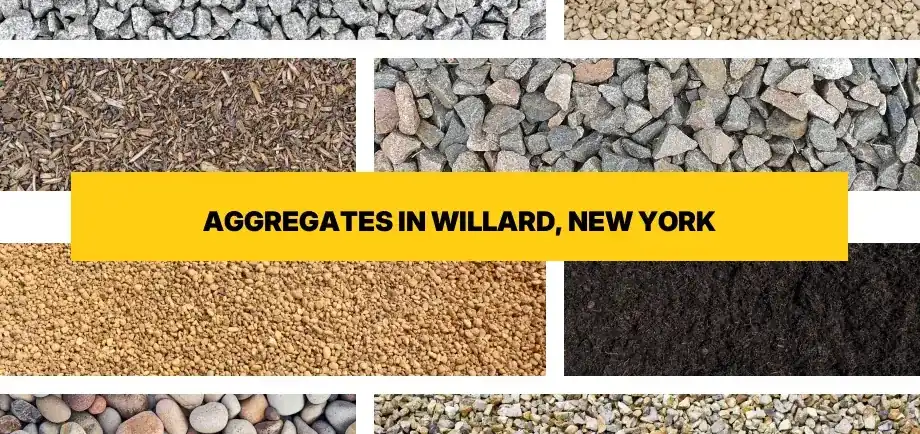
Shop Aggregates for Delivery in Willard
Order online for free delivery to any Willard address.


Gravel Monkey is your trusted source for premium aggregates and bulk materials in Willard, New York. Nestled along the eastern shore of Seneca Lake in the heart of the Finger Lakes region, Willard presents unique challenges for property owners, from clay-heavy soils to seasonal freeze-thaw cycles that can impact driveways and foundations. Whether you're improving a lakeside property near Seneca Lake, upgrading a rural driveway off State Route 96A, or managing drainage near Sampson State Park, we deliver high-quality aggregates directly to your location with absolutely free delivery throughout Seneca County and beyond.
Comprehensive Aggregate Materials for Willard Properties
Understanding the specific geological and climate conditions of the Finger Lakes region, Gravel Monkey offers a complete selection of aggregates and materials tailored to handle Willard's unique environment. The area's clay-rich soils, derived from glacial till deposits, require proper base materials for lasting construction projects. Our inventory includes:
- Driveway Gravel - Essential base material designed for Willard's clay soils and winter conditions
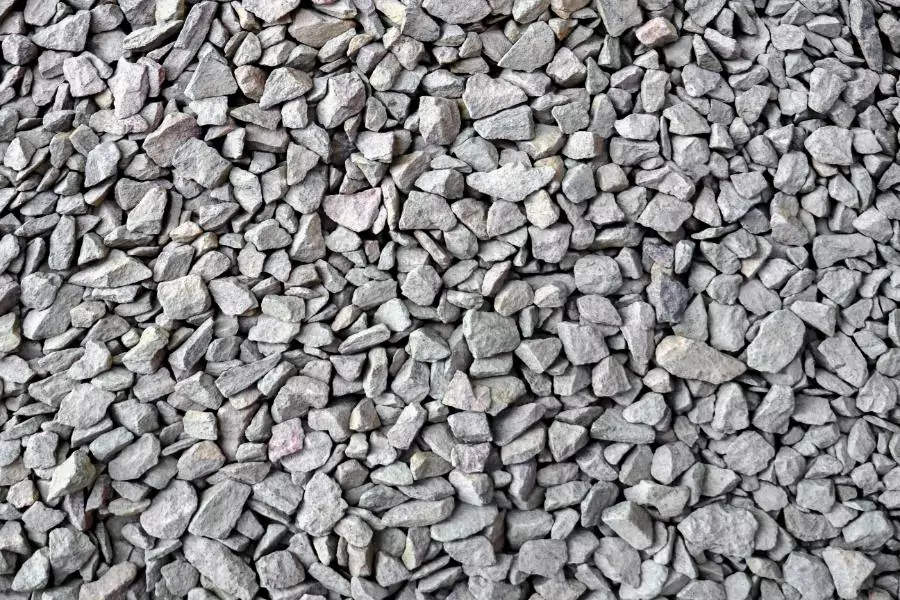
- 3/4 inch Crushed Stone - Versatile angular stone perfect for driveways and foundation drainage
- #57 Stone - Popular aggregate for concrete projects and drainage applications
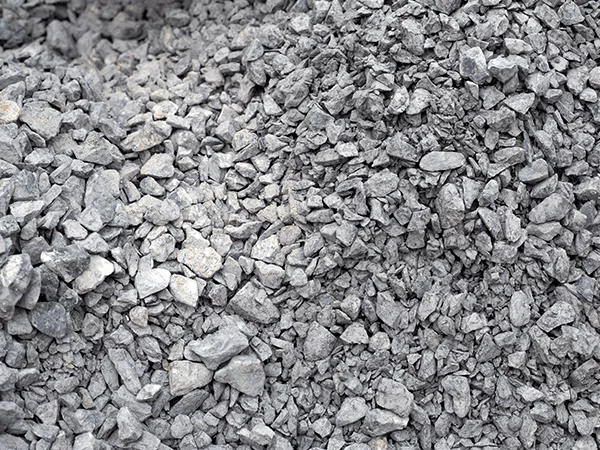
- Crusher Run - Superior compactable base that locks together for stable surfaces
- Road Base - Heavy-duty foundation material for private roads and parking areas
- Drain Rock - Angular stone for French drains and water management systems
- Pea Gravel - Smooth decorative stone for walkways and landscape features
- River Rock - Natural rounded stone for aesthetic landscaping projects
- Walkway Gravel - Compact aggregate blend ideal for garden paths and trails
- Crushed Concrete - Eco-friendly recycled aggregate for cost-effective base material
- Topsoil - Nutrient-rich soil for gardens and lawn establishment
- Fill Dirt - Clean fill for grading and elevating low-lying areas
- Mason Sand - Fine-grade sand for masonry and construction projects
- Washed Sand - Clean sand for concrete mixing and playground surfaces
- Playground Sand - Safe, certified sand for children's play areas
- Decomposed Granite - Natural-looking compactable material for pathways and patios
Understanding Willard's Unique Soil and Climate Conditions
Willard's location in the Finger Lakes region presents specific challenges that require careful material selection. The area sits on glacial deposits that left behind heavy clay soils with poor natural drainage. This clay, combined with the region's freeze-thaw cycles during winter months, can cause significant heaving and shifting of improperly constructed surfaces.
Average temperatures in Willard range from lows of 15-20°F in January to highs of 80-85°F in July, with annual precipitation around 35 inches including substantial snowfall. The proximity to Seneca Lake moderates temperatures somewhat, but frost penetration still reaches 3-4 feet deep during harsh winters. These conditions make proper aggregate selection and installation critical for long-lasting driveways, foundations, and drainage systems.
Geology and Soil Composition Near Seneca Lake
The glacial history of the Finger Lakes carved deep valleys and deposited layers of till, clay, silt, and gravel across the Willard area. Properties near Seneca Lake often encounter high water tables and seasonal moisture fluctuation, especially during spring thaw. The native clay soils expand when wet and contract when dry, creating movement that can damage structures without proper base preparation.
Many properties in the Sampson State Park vicinity and along the eastern lakeshore face similar challenges. Using compactable aggregates that provide structural stability while allowing drainage is essential. Materials that lock together mechanically, rather than relying solely on compaction, perform best in these conditions.
Aggregate Delivery Throughout Willard and Surrounding Areas
We proudly serve the entire Willard community and neighboring regions with free delivery. Our service area includes:
- Willard Village Center - Historic downtown properties and residential areas
- Seneca Lake Waterfront - Lakeside properties along the eastern shore
- Sampson State Park Area - Properties near this popular recreation destination
- State Route 96A Corridor - Rural properties and farms along the main highway
- MacDougall Point - Residential areas extending toward the lakeshore
- Kendaia - Small hamlet northeast of Willard center
- Romulus - Neighboring community to the south
- Ovid - Adjacent town to the north along Seneca Lake
Whether your project is in the village center or on a rural property several miles outside town, we ensure timely delivery of quality aggregates to your exact location throughout Seneca County and the surrounding Finger Lakes communities including Geneva, Waterloo, and Seneca Falls.
Selecting the Right Aggregate for Your Willard Project
Choosing appropriate materials for the Finger Lakes climate ensures project longevity and performance. Here's guidance on selecting aggregates for common applications in the Willard area:
Driveway Construction on Clay Soils
Clay-based soils throughout Willard require special attention for driveway projects. The clay's poor drainage and tendency to expand and contract with moisture changes demand a robust base layer. For residential driveways, we recommend starting with 4-6 inches of crusher run as a base layer. This material compacts tightly and interlocks mechanically, creating a stable platform that resists the shifting caused by clay movement.
For the surface layer, three-quarter inch crushed stone provides excellent drainage while maintaining a firm driving surface. Properties with particularly challenging drainage or heavy vehicle traffic may benefit from road base as the foundation layer. The angular nature of these crushed aggregates prevents shifting and settling far better than rounded materials would in Willard's conditions.
Water Management and Drainage Solutions
Given the clay soils and high water table near Seneca Lake, proper drainage is critical for protecting foundations, basements, and hardscaping. French drains, foundation drains, and yard drainage systems require specific aggregate types to function effectively. Drain rock, with its clean, angular stones and minimal fines, creates the void space necessary for water flow while preventing soil infiltration that could clog the system.
Properties experiencing basement moisture issues or yard flooding benefit significantly from properly installed drainage systems using the correct aggregates. The number 57 stone works excellently around drain tiles and foundation perimeters, while drain rock handles higher water volumes in French drain trenches. These materials resist frost heaving better than smooth stone and maintain their drainage capacity through multiple freeze-thaw cycles common in the Finger Lakes region.
Pathways and Landscape Features
For decorative applications around properties near Sampson State Park or along the Seneca Lake shoreline, different aggregates serve aesthetic and functional purposes. Walkway gravel provides a firm, attractive surface for garden paths that drains well and resists weed growth. The compactable nature makes it comfortable to walk on while maintaining its appearance through seasonal changes.
Pea gravel offers a softer, more natural look for areas around flower beds, water features, and decorative borders. River rock in various sizes creates stunning visual interest in landscape designs, especially in dry creek beds or as mulch alternatives. These decorative aggregates complement the natural beauty of the Finger Lakes environment while providing practical benefits like moisture retention and weed suppression.
| Aggregate Type | Best Applications | Typical Size | Drainage Rating | Willard Climate Suitability |
|---|---|---|---|---|
| Crusher Run | Driveway base, parking areas, road foundations | 0 to 3/4 inch mix | Moderate | Excellent - compacts well in clay soils |
| 3/4 Inch Crushed Stone | Driveway surface, foundation drainage | 3/4 inch | Excellent | Excellent - resists freeze-thaw |
| #57 Stone | Concrete aggregate, drainage systems | 1/2 to 1 inch | Excellent | Very good - minimal fines |
| Drain Rock | French drains, foundation drainage | 3/4 to 1.5 inch | Superior | Excellent - maintains flow capacity |
| Road Base | Heavy-duty bases, commercial drives | 0 to 1.5 inch mix | Moderate | Excellent - maximum stability |
| Pea Gravel | Walkways, landscaping, decorative use | 1/4 to 3/8 inch | Good | Good - may require edging in freeze cycles |
| Crushed Concrete | Budget-friendly base material | 0 to 1.5 inch mix | Good | Very good - eco-friendly option |
| Decomposed Granite | Natural-looking paths and patios | 1/4 inch minus | Moderate | Good - requires proper base in clay |
Professional Installation Tips for Finger Lakes Properties
Proper installation techniques maximize the performance and lifespan of aggregates in Willard's challenging environment. Here are essential considerations for successful projects:
Site Preparation and Excavation
Before any aggregate installation, proper excavation is crucial. For driveways in the Kendaia or MacDougall Point areas, remove the existing surface material and dig down to stable subsoil, typically 8-12 inches deep depending on soil conditions and intended use. In areas with particularly heavy clay, excavating deeper and backfilling with crusher run provides better long-term stability.
Ensure proper grading for water runoff—driveways should slope away from structures at a minimum of 2% grade. Properties near Seneca Lake with high water tables may need additional excavation depth and multiple layers of different aggregates to ensure adequate drainage. Crown driveways slightly in the center so water runs to the edges rather than pooling.
Base Layer Installation
The base layer determines the long-term success of your project. For residential driveways, spread crusher run or road base in 3-4 inch lifts, compacting each layer thoroughly with a plate compactor or roller. This mechanical compaction combined with the angular interlock of the stone particles creates a remarkably stable foundation that resists the movement caused by clay soil expansion.
Commercial applications or areas with heavy vehicle traffic require thicker base layers—6 inches or more—and may benefit from geotextile fabric between the clay subsoil and the aggregate base. This fabric prevents clay from migrating up into the stone while allowing water to drain downward, significantly extending the life of driveways in challenging Willard locations.
Surface Material Application
After the base compacts fully, add your surface layer. For functional driveways, 2-4 inches of three-quarter inch crushed stone provides excellent traction, drainage, and appearance. Compact this layer as well, though less aggressively than the base to maintain some surface texture. For decorative applications like pathways in areas near Sampson State Park, spread walkway gravel or decomposed granite over a well-prepared base and compact lightly to lock the material in place.
Seasonal Maintenance for Willard Aggregates
The Finger Lakes region's distinct seasons require specific maintenance approaches to keep aggregate surfaces performing optimally year-round.
Spring Thaw Management
Spring presents the greatest challenge as frost leaves the ground and melting snow creates excessive moisture. Properties throughout the State Route 96A corridor may experience soft spots or ruts as the ground thaws. Add fresh three-quarter inch crushed stone to any depressions, compact lightly, and allow the area to dry thoroughly before heavy use. If drainage issues appear, address them immediately before summer arrives—poor drainage will only worsen with summer thunderstorms.
Summer and Fall Care
During Willard's warm, dry summer months, aggregate driveways may develop dust or lose some surface material through use. A light application of fresh stone every 2-3 years maintains appearance and function. Rake decorative aggregates like pea gravel or river rock to redistribute material and maintain even coverage. Fall is ideal for more significant repairs or additions before winter weather returns.
Winter Preparation
Before winter arrives, ensure proper drainage along all aggregate surfaces. Clear any blockages in drainage swales or culverts. While aggregate driveways handle snow removal better than asphalt or concrete in freeze-thaw conditions, use plastic-edged snow shovels rather than metal blades to avoid gouging and displacing stone. Sand rather than salt provides winter traction without the corrosive effects that can damage concrete structures nearby.
Frequently Asked Questions About Aggregates in Willard
For Willard's clay-heavy soils, crusher run provides the best base layer due to its compactability and mechanical interlock. Top with 3/4 inch crushed stone for an excellent surface that drains well and resists freeze-thaw damage. This two-layer approach addresses both the drainage challenges and stability needs of local clay soils.
For residential driveways in Willard, install 6-8 inches total: 4-6 inches of crusher run base plus 2-4 inches of crushed stone surface. Properties with heavy clay or poor drainage may need 10-12 inches total depth. The deeper installation helps overcome frost heave and provides better long-term stability in Finger Lakes conditions.
Smaller projects like garden paths or flower bed borders are suitable for DIY installation with basic tools and rented compaction equipment. Larger driveways or areas with significant drainage challenges benefit from professional installation. Proper excavation, grading, and compaction are critical in Willard's clay soils—mistakes can be costly to correct later.
Rutting typically results from insufficient base thickness or poor compaction. Ensure you have adequate crusher run base—at least 4 inches, preferably 6 inches in clay areas. Compact thoroughly in 3-inch lifts. Maintain proper drainage to keep water from softening the base. Address any soft spots immediately by excavating and rebuilding with proper materials and compaction.
Both are fine-grade sands, but mason sand specifically meets masonry specifications for mortar and bricklaying with consistent particle size and minimal impurities. Washed sand has a broader range of uses including concrete mixing, sandboxes, and paver base. Both are cleaned of clay and silt, making them suitable for projects requiring clean, stable sand in the Willard area.
Crushed concrete performs excellently as base material for driveways and provides a cost-effective alternative to crushed stone. It compacts well and resists freeze-thaw cycles effectively. While it may contain some concrete dust, this actually helps with compaction. For surface layers where appearance matters, natural stone generally looks better, but crushed concrete excels as base material throughout the Willard area.
Well-installed driveways with proper base typically need only minor surface refreshing every 2-3 years. Add a thin layer—1 inch or so—of matching stone to restore appearance and fill any minor depressions. If you're adding more than 2 inches of new surface material, the base likely has issues that should be addressed rather than simply covered.
Standard drain rock ranging from 3/4 inch to 1.5 inches works well for most residential French drains in Willard. The clean, angular stones create void space for water flow while preventing soil infiltration. For heavier drainage applications or areas with high water tables near Seneca Lake, slightly larger stone up to 2 inches may improve flow capacity.
Sustainable Aggregate Solutions for Finger Lakes Properties
Environmental stewardship matters in the pristine Finger Lakes region. Choosing and using aggregates responsibly protects Seneca Lake water quality and preserves the natural beauty that makes Willard special.
Permeable Surface Benefits
Unlike impermeable asphalt or concrete, aggregate driveways and parking areas allow rainwater and snowmelt to percolate naturally through the stone into the ground below. This natural filtration reduces stormwater runoff that can carry pollutants into Seneca Lake and surrounding waterways. Properties throughout the Sampson State Park area and lakefront neighborhoods especially benefit from permeable surfaces that help maintain water quality.
Properly designed aggregate surfaces with appropriate base materials and drainage manage water more effectively than many alternatives. The stone filters runoff, removing sediments and pollutants before water reaches groundwater or surface waters. This natural treatment process protects the lake ecosystem while managing drainage challenges inherent in Willard's clay soils.
Recycled and Reclaimed Materials
Crushed concrete represents an excellent example of sustainable aggregate use. This recycled material performs comparably to natural stone aggregates while reducing demand for quarried materials and keeping concrete waste out of landfills. Using crushed concrete for driveway bases or other applications throughout Willard provides environmental benefits without sacrificing performance.
Expert Aggregate Delivery Throughout Willard and the Finger Lakes
Gravel Monkey combines deep knowledge of local conditions with premium materials and professional service to support your Willard property projects. Whether you're tackling a driveway renovation near the Seneca Lake shoreline, installing drainage systems to manage clay soil challenges, or creating beautiful landscape features in the Sampson State Park area, we deliver the right aggregates for your specific needs.
Our free delivery throughout Willard, Romulus, Ovid, and the surrounding Finger Lakes communities makes getting quality materials convenient and affordable. We understand the unique soil conditions, climate challenges, and drainage requirements of properties in Seneca County. Every delivery comes with expert guidance to help you select appropriate materials and use them effectively for lasting results.
From residential driveways along State Route 96A to commercial projects in the village center, from waterfront properties requiring special drainage consideration to rural properties throughout the eastern Seneca Lake region, Gravel Monkey provides the aggregates and expertise that ensure project success. Experience the difference that quality materials and knowledgeable service make for your Willard property.

Need help? Reach out for a quote: