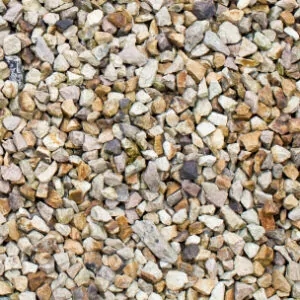
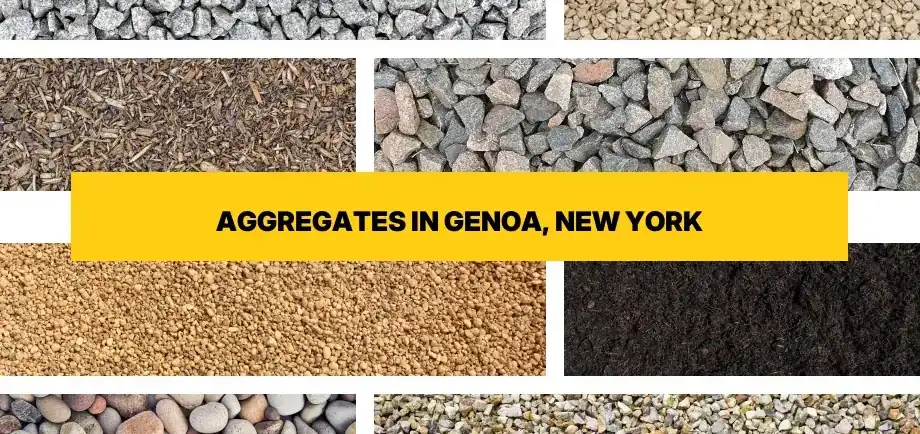
Shop Sand, Stone & Gravel in Genoa, New York
Local Topsoil, Dirt, Sand, Rocks and Gravel near me in Genoa, New York
Shop Aggregates for Delivery in Genoa
Order online for free delivery to any Genoa address.
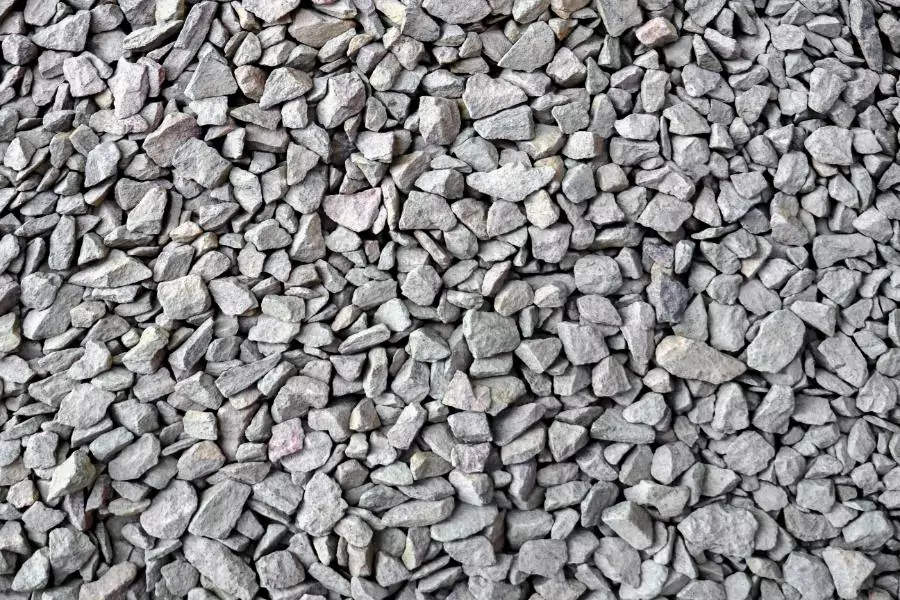
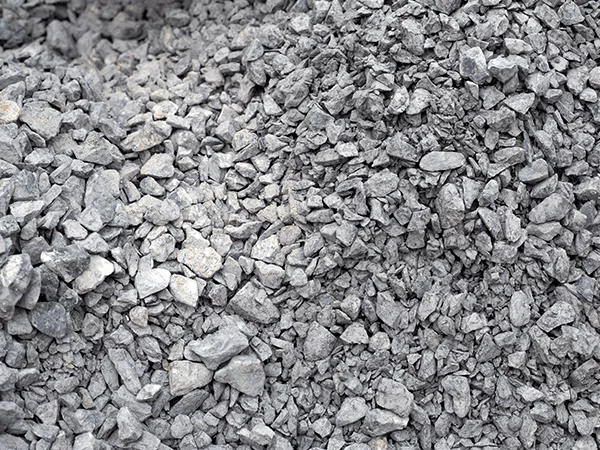


Gravel Monkey delivers high-quality aggregates and bulk materials to properties throughout Genoa, New York. Located in the heart of Cayuga County's fertile farmland and rolling countryside, Genoa presents unique challenges for property owners, from managing the area's clay-rich soil to maintaining long rural driveways. Whether you're improving a farm lane near King Ferry, creating proper drainage around Poplar Ridge, or building a new driveway in the village center, we bring premium aggregates directly to your property with absolutely free delivery across all of Genoa and surrounding Central New York communities.
Comprehensive Aggregate Selection for Genoa Properties
Our extensive inventory meets the diverse needs of Genoa's residential, agricultural, and commercial properties. From working farms to lakeside retreats, we supply the right materials for every project:
- Driveway Gravel - Long-lasting aggregate blend perfect for rural driveways and farm lanes
- 3/4 inch Crushed Stone - Versatile stone for driveways, foundations, and drainage projects
- #57 Stone - Premium drainage aggregate ideal for French drains and septic systems
- Crusher Run - Compactable base material that locks together for maximum stability
- Road Base - Heavy-duty foundation for driveways and agricultural roads
- Pea Gravel - Smooth, decorative stone for walkways and landscaping features
- River Rock - Natural aesthetic appeal for gardens and property borders
- Drain Rock - Essential for managing water in clay soil conditions
- Topsoil - Nutrient-rich soil for gardens and lawn establishment
- Fill Dirt - Quality material for grading and leveling projects
- Crushed Concrete - Eco-friendly recycled aggregate for base layers
- Mason Sand - Fine sand for masonry and construction work
- Playground Sand - Safe, clean sand for play areas
- Washed Sand - Clean sand for concrete mixing and landscaping
- Decomposed Granite - Natural compacting material for pathways
- Walkway Gravel - Specially sized aggregate for pedestrian paths and trails
Understanding Genoa's Soil and Drainage Challenges
Genoa sits in a region shaped by glacial activity thousands of years ago, resulting in deep, heavy clay soils that dominate the landscape. The Cayuga series soils found throughout the area are productive for agriculture but present specific challenges for construction and property management. This clay-heavy composition has poor natural drainage, leading to standing water, muddy conditions, and frost heaving during Central New York's harsh winters.
Properties throughout Genoa, from the village center to rural areas near Ludlowville and North Lansing, experience these drainage issues. The region receives approximately 38 inches of precipitation annually, with significant snowfall from December through March. Spring thaw periods create particularly challenging conditions as frozen ground prevents water absorption, leading to surface pooling and driveway deterioration.
Proper aggregate selection becomes critical in these conditions. Materials that allow water movement while providing structural stability work best. The right base materials prevent the settling and rutting that plague improperly constructed driveways and access roads throughout Cayuga County.
Driveway Solutions for Genoa's Rural Properties
Long driveways are common throughout Genoa's countryside, connecting homes and farms to main roads like Routes 90 and 34B. These access roads require durable aggregates that withstand heavy use, seasonal freeze-thaw cycles, and agricultural equipment traffic. A properly constructed driveway starts with adequate excavation to remove organic material and unstable clay, followed by strategic aggregate layering.
For properties near King Ferry and Poplar Ridge, the base layer should consist of larger angular stone that creates a stable foundation. This prevents the driveway from sinking into the clay subgrade. The wearing surface requires materials that compact firmly while allowing water to drain through, preventing the muddy conditions that make driveways impassable during wet periods.
Agricultural Road and Lane Construction
Working farms throughout Genoa need access roads that support heavy equipment while minimizing maintenance. Aggregate roads serving barns, fields, and equipment storage require different specifications than residential driveways. The key is creating a solid base that distributes weight effectively across the clay soil underneath.
Many farmers in the area prefer aggregates that interlock when compacted, creating a semi-permanent surface that resists rutting from tractor traffic. Proper crown and grade ensure water sheds to the sides rather than pooling in wheel tracks. These agricultural roads often stretch considerable distances, making efficient material use and proper construction techniques essential for long-term performance.
Aggregate Comparison for Genoa Applications
Selecting the right aggregate depends on your specific project requirements, soil conditions, and intended use. Here's how common materials compare for typical Genoa applications:
| Material Type | Best Applications | Compaction | Drainage | Cost Efficiency |
|---|---|---|---|---|
| Crusher Run | Driveway base, road foundations | Excellent | Moderate | High |
| 3/4 inch Crushed Stone | Driveway surface, general use | Very Good | Excellent | High |
| #57 Stone | Drainage systems, French drains | Good | Excellent | Moderate |
| Road Base | Heavy traffic areas, farm lanes | Excellent | Moderate | Moderate |
| Crushed Concrete | Base layers, cost-effective projects | Very Good | Good | Very High |
| Pea Gravel | Walkways, decorative areas | Poor | Excellent | Low |
| Drain Rock | Foundation drainage, water management | Poor | Excellent | Moderate |
Solving Drainage Problems in Clay-Rich Genoa Soil
Water management challenges affect properties throughout Genoa, from the village to outlying farms. The heavy clay soil acts almost like a barrier, preventing natural percolation and keeping water at the surface. This leads to basement seepage, foundation problems, soggy yards, and deteriorating driveways. Strategic aggregate placement provides solutions that work with the soil conditions rather than fighting against them.
French drain systems installed around foundations move water away from structures before it can cause damage. These systems require clean aggregates that maintain void spaces for water flow even under soil pressure. Proper installation includes a perforated pipe surrounded by drain rock, wrapped in geotextile fabric to prevent clay intrusion that would clog the system.
Surface Drainage Management
Properties near Indian Field and the flatter areas toward Cayuga Lake particularly struggle with surface water. Swales and drainage ditches lined with appropriate aggregates move water effectively without erosion. The key is maintaining positive drainage away from buildings, driveways, and high-use areas. Even small grade adjustments combined with strategic aggregate placement can dramatically improve property usability during wet seasons.
Many Genoa property owners find that driveway reconstruction offers an opportunity to address drainage comprehensively. Raising the driveway grade slightly, installing culverts at low points, and using properly graded aggregates creates a system that handles Central New York's significant precipitation without constant maintenance.
Preparing Genoa Properties for Seasonal Changes
Central New York's distinct seasons create specific demands on aggregate materials and construction practices. Winter temperatures regularly drop below freezing from December through February, with lows often reaching single digits Fahrenheit. This freeze-thaw cycling causes heaving in improperly prepared surfaces, where trapped water expands when frozen, lifting and cracking driveways and foundations.
Spring brings the most challenging conditions as accumulated snow melts and early rains saturate the ground. Properties throughout Genoa experience what locals call "mud season," when clay soils become nearly impassable. Driveways without adequate aggregate base sink and rut, making them difficult or impossible to navigate. This period, typically March and early April, tests the quality of aggregate installations completed the previous year.
Summer and fall offer ideal conditions for aggregate work. The ground is dry and stable, allowing proper compaction. Equipment can access areas that become inaccessible during wet periods. Smart property owners in Genoa, King Ferry, and Poplar Ridge schedule their aggregate projects during these months to ensure quality installation before winter returns.
Serving Communities Throughout Greater Genoa
Gravel Monkey provides free delivery throughout Genoa's diverse communities and surrounding areas. Each locality presents unique characteristics and aggregate needs:
Genoa Village: The historic village center features older homes with established properties requiring careful drainage management and driveway maintenance. Proximity to community facilities means aesthetics matter alongside functionality.
King Ferry: This small hamlet north of Genoa serves as a hub for surrounding farms. Properties here often need agricultural-grade aggregates for lanes and equipment access, plus residential materials for home improvements.
Poplar Ridge: Situated between Genoa and Cayuga Lake, this area includes both working farms and lake-oriented properties. The rolling terrain creates drainage challenges that require strategic aggregate solutions.
Indian Field: This rural area south of the village includes some of Genoa's most productive farmland. Long driveways and farm lanes are common, requiring durable aggregate materials that handle heavy equipment.
North Lansing Area: Properties near the Tompkins County line often have larger parcels with extensive driveway systems. Wooded lots require consideration for tree root protection during aggregate installation.
Ludlowville Vicinity: The western portion of Genoa near this hamlet benefits from slightly better natural drainage but still requires proper aggregate selection for lasting results.
Route 34B Corridor: Properties along this main thoroughfare include both residential and agricultural uses, requiring versatile aggregate solutions for various applications.
East Genoa: The eastern sections toward Moravia feature particularly heavy clay soils, making proper aggregate selection critical for any construction project.
Common Aggregate Projects in Genoa
Property owners throughout the town undertake various projects requiring quality aggregates:
New Construction and Property Development
Building sites need proper foundation preparation with well-draining aggregates. Basement perimeter drains prevent the water infiltration common in Genoa's clay soils. Site access during construction requires temporary roads that can handle heavy equipment and material deliveries. These temporary access routes often become permanent driveways after construction completes.
Barn and Outbuilding Projects
Agricultural buildings throughout the area require stable floors and proper drainage around structures. Many farmers choose compacted aggregate floors for equipment storage and workshop areas. These surfaces need materials that lock together firmly while allowing some water movement to prevent pooling.
Landscaping and Property Enhancement
Decorative aggregate applications add visual appeal while serving functional purposes. Pathways connecting buildings, garden borders that prevent mud splash, and water features incorporating natural stone all enhance property value and usability. The key is selecting aggregates appropriate for foot traffic patterns and aesthetic goals while considering maintenance requirements.
Best Practices for Aggregate Installation in Genoa
Successful aggregate projects in Genoa's challenging soil conditions require attention to proper installation techniques. Simply dumping stone on clay soil without adequate preparation leads to premature failure. The process begins with excavation to appropriate depth, typically 8 to 12 inches for residential driveways, deeper for agricultural roads.
Removing organic topsoil and unstable clay exposes firmer subgrade. In particularly poor soil areas, geotextile fabric provides separation between subgrade and aggregate, preventing mixing that would compromise the installation. This fabric acts as a stabilization layer while allowing vertical drainage.
Layering and Compaction
Professional installations use multiple aggregate layers, each compacted before adding the next. Base layers of larger stone create the foundation, with progressively smaller materials layered on top. Each layer should be compacted at optimum moisture content—not too wet, not too dry—for maximum density and stability.
Proper compaction cannot be achieved by simply driving vehicles over loose stone. Vibratory plate compactors or roller equipment compress the material, forcing angular pieces to interlock. This creates a semi-rigid matrix that distributes loads across a wider area, preventing the localized sinking that causes ruts and potholes.
Grade and Crown
Water must move off the surface, not stand in puddles or flow along the driveway. Creating a slight crown—higher in the center than the edges—encourages water to sheet off to the sides. Maintaining adequate slope ensures water flows to designed drainage points rather than pooling in low spots. These grading considerations are essential in Genoa's wet climate.
Calculating Aggregate Quantities for Your Genoa Project
Determining the right amount of material prevents costly shortages or expensive overages. The basic calculation multiplies length times width times depth, then converts to the appropriate unit (typically tons for aggregates). However, several factors affect actual quantities needed.
Compaction reduces volume, meaning you need more loose material than the finished dimensions suggest. Different aggregates compact at different rates—crusher run compacts significantly more than clean stone. Site conditions also matter: poor subgrade may require additional base material, while very stable ground might allow thinner applications.
For a typical Genoa residential driveway, plan on 4 to 6 inches of compacted base material plus 2 to 3 inches of surface aggregate. A 100-foot driveway that's 12 feet wide requires approximately 20 tons of crusher run base and 10 tons of surface stone. These are estimates—specific conditions may require more or less material.
Maintaining Aggregate Driveways and Roads
Properly installed aggregate surfaces require periodic maintenance to remain functional and attractive. Spring inspection after freeze-thaw cycles identifies areas needing attention. Minor depressions should be filled promptly before they enlarge into major problems. Adding fresh aggregate to high-traffic areas maintains the surface layer thickness.
Grading equipment occasionally needs to reshape the surface, redistributing aggregate that has migrated to the edges and restoring proper crown. This maintenance, typically needed every few years, extends the life of the installation significantly. Property owners in Genoa find that regular attention prevents the complete reconstruction that neglected driveways eventually require.
Managing Vegetation and Erosion
Edges should be kept clear of vegetation that would trap moisture and allow organic matter to mix with aggregate. Drainage ditches require cleaning to maintain water flow away from the surface. Culverts need checking annually to ensure they're not clogged with debris that would cause washouts during heavy rains.
Environmentally Responsible Aggregate Use
Modern aggregate applications balance functionality with environmental stewardship. Proper installations prevent erosion by stabilizing soil and managing water flow. This protects water quality in Genoa's streams and ultimately Cayuga Lake. Recycled aggregates like crushed concrete offer eco-friendly alternatives to virgin stone while performing excellently in many applications.
Permeable aggregate layers allow natural groundwater recharge rather than creating impervious surfaces that increase runoff. This approach maintains the natural water cycle while providing stable, functional surfaces. Property owners throughout Cayuga County increasingly value these sustainable solutions that work with natural systems.
Frequently Asked Questions About Gravel and Aggregates in Genoa
Crusher run provides excellent results as a base layer because it compacts firmly and resists shifting in clay conditions. For the surface layer, 3/4 inch crushed stone offers good traction and drainage. The angular shape of these aggregates helps them interlock, creating stability despite the challenging subgrade. Proper installation depth is critical—at least 8 inches total thickness for residential driveways.
Adequate base depth and proper drainage are key. Start with geotextile fabric to separate aggregate from clay soil, then build a substantial base layer of compacted crusher run. Ensure the driveway has proper crown so water runs to the edges, and install culverts or ditches to move water away. The initial installation must be deep enough—skimping on base material guarantees spring mud problems.
Small projects like pathways or garden areas are manageable for DIY installation. However, driveways and roads benefit from professional equipment and expertise. Proper excavation, grading, and compaction require heavy machinery most homeowners don't have access to. In Genoa's challenging soil conditions, professional installation usually proves cost-effective by avoiding problems that come from improper technique.
Both are excellent base materials, but crusher run contains a wider range of particle sizes from fines to larger stones, allowing superior compaction. Road base typically has less fine material and slightly larger average stone size, making it ideal for heavy traffic applications. For most Genoa residential projects, crusher run offers the best combination of stability and cost-effectiveness.
Costs vary based on length, width, soil conditions, and material choices. A standard residential driveway might require 30 to 40 tons of aggregate total. With free delivery from Gravel Monkey, you'll pay only for materials and any contractor labor if you hire installation help. Doing proper excavation and base preparation increases initial cost but dramatically extends the life of your driveway.
Late spring through fall offers ideal conditions. The ground is dry enough for proper compaction, and equipment can access the site easily. Avoid installation during wet periods or when frost is in the ground. Many Genoa property owners schedule work for late summer or early fall, allowing the new surface to settle before winter while having the entire following year to compact naturally.
Start by directing water away from buildings using proper grading and gutters. Install French drains with drain rock around foundations if you have basement moisture issues. Keep ditches and culverts clear of debris. For yard drainage, swales lined with appropriate stone move water to lower areas or drainage points. Regular inspection and maintenance of these systems prevents major problems.
Crushed concrete performs excellently as base material for driveways and roads. It compacts firmly and actually gains strength over time as residual cement rebonds. For Genoa's applications, crushed concrete offers an economical, environmentally friendly option that works as well as natural stone in most situations. Some people prefer natural stone for the final surface layer for aesthetic reasons.
Reliable Aggregate Delivery Throughout Cayuga County
Gravel Monkey serves Genoa and surrounding Central New York communities including Auburn, Moravia, Locke, Venice, Scipio, and Lansing. Our free delivery covers the entire region, bringing premium aggregates directly to your property regardless of location. Whether you're working on a residential project in the village or managing a large agricultural operation in the countryside, we supply the materials you need when you need them.
Our delivery trucks navigate Genoa's rural roads safely, respecting your property and neighborhood. We coordinate delivery timing to suit your project schedule and can accommodate specific placement requests within our operational capabilities. This service eliminates the hassle and expense of picking up materials yourself, letting you focus on your project rather than logistics.
Start Your Genoa Aggregate Project Today
Quality aggregates delivered free to your Genoa property make your project easier and more affordable. Whether you're building a new driveway, improving drainage, creating agricultural roads, or enhancing your landscape, Gravel Monkey supplies the materials you need. Our extensive inventory includes everything from crusher run and road base to decorative stone and specialized aggregates for specific applications.
Connect with us to discuss your project requirements and get expert guidance on material selection. We understand Genoa's unique soil conditions and climate challenges, and we're here to help you choose aggregates that will perform reliably for years to come. With free delivery throughout the area, there's no better time to start your project.

Need help? Reach out for a quote: