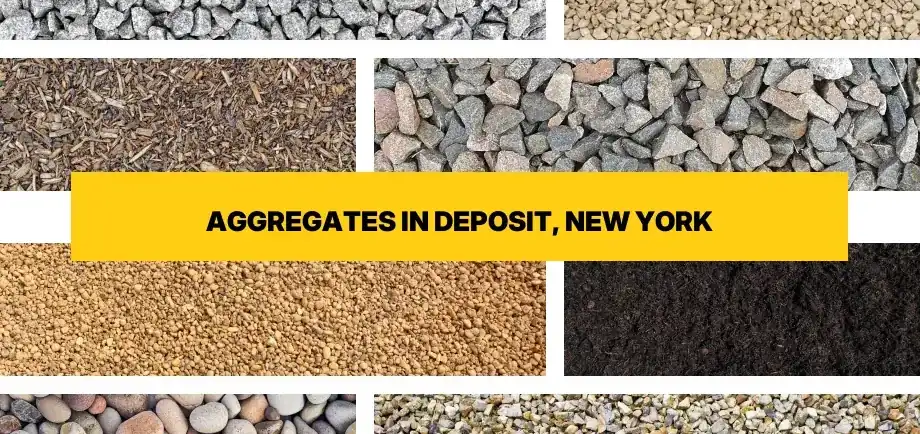
Shop Sand, Stone & Gravel in Deposit, New York
Local Topsoil, Dirt, Sand, Rocks and Gravel near me in Deposit, New York
Shop Aggregates for Delivery in Deposit
Order online for free delivery to any Deposit address.
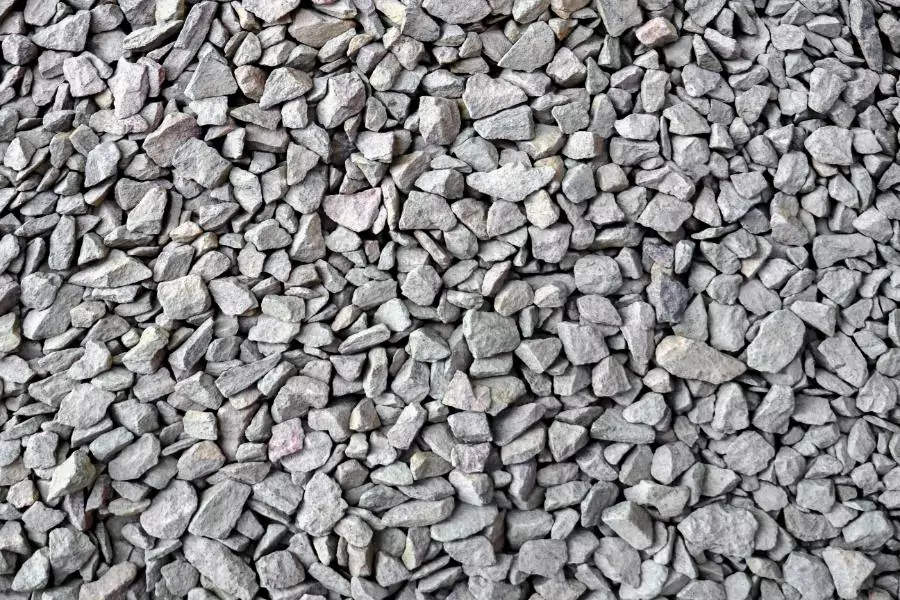
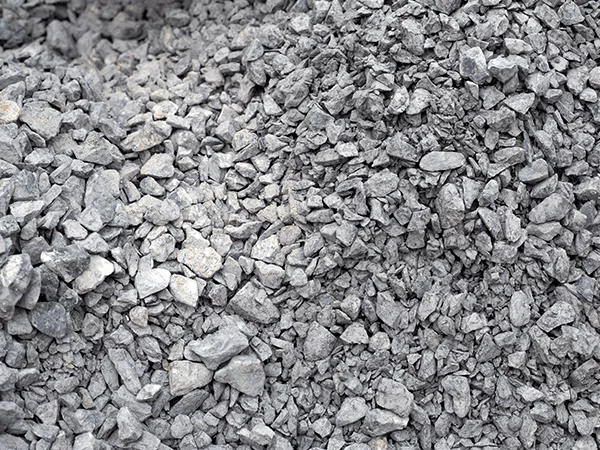


Gravel Monkey is your trusted source for premium aggregates and bulk materials in Deposit, New York. Nestled in the scenic Delaware River valley where the West Branch Delaware River meets Oquaga Creek, Deposit presents unique opportunities and challenges for property owners. Whether you're upgrading a driveway near the historic downtown district, improving drainage on a property along Front Street, or creating a beautiful walkway in the residential areas near Laurel Bank, we deliver high-quality aggregates directly to your location with free delivery throughout Delaware County.
Complete Range of Aggregates Available in Deposit
Gravel Monkey provides an extensive selection of aggregates and materials specifically suited for Deposit's glacial till soils and variable climate conditions. Our inventory includes everything residential and commercial customers need for construction, drainage, and enhancement projects across the village and surrounding townships.
- Driveway Gravel - Angular aggregate that compacts firmly for long-lasting driveways
- 3/4 inch Crushed Stone - Versatile aggregate for base layers and drainage applications
- #57 Stone - Clean crushed stone perfect for French drains and concrete mixing
- Crusher Run - Superior compacting aggregate ideal for road bases and foundations
- Road Base - Engineered material for stable pathways and parking areas
- Drain Rock - Angular stone designed for maximum water flow in drainage systems
- Pea Gravel - Smooth stones for decorative landscaping and pathways
- River Rock - Natural rounded stones for water features and garden beds
- Walkway Gravel - Properly sized aggregate for comfortable walking surfaces
- Topsoil - Nutrient-rich soil for gardens, lawns, and raised beds
- Fill Dirt - Clean fill for grading, leveling, and foundation work
- Crushed Concrete - Eco-friendly recycled aggregate for base layers
- Mason Sand - Fine-grade sand for masonry and paver installation
- Washed Sand - Clean sand for construction and mixing applications
- Playground Sand - Safe, certified sand for children's play areas
- Decomposed Granite - Natural pathway material that compacts beautifully
Understanding Deposit's Unique Geology and Climate
Deposit sits at approximately 990 feet elevation where the Appalachian Plateau's glaciated terrain creates specific conditions for construction and property maintenance. The area's geology consists primarily of glacial till overlying Devonian-age sedimentary bedrock, including shale and sandstone formations. This composition affects drainage patterns, frost depth, and foundation requirements throughout the village and surrounding areas like Stilesville, Barbourville, and the properties along State Highway 8.
Seasonal Considerations for Aggregate Projects
Deposit experiences a humid continental climate with cold, snowy winters and warm summers. Average winter temperatures regularly drop below freezing from December through March, with frost penetration reaching 36 to 42 inches deep. Annual precipitation averages around 42 inches, with snowfall typically exceeding 60 inches per season. Spring brings significant snowmelt that tests drainage systems, particularly in low-lying areas near Oquaga Creek and along the river valleys.
These conditions make proper aggregate selection critical. The freeze-thaw cycles common in Deposit demand materials that resist frost heave and maintain structural integrity. Properties near the Delaware River, including those in the Fireman's Field area and along Prospect Street, face additional challenges with seasonal water table fluctuations. Using the right aggregates ensures your driveway, foundation, or drainage system performs reliably year-round.
Common Aggregate Applications Throughout Deposit
Driveway Construction and Repair
Deposit driveways face substantial stress from winter freeze-thaw cycles, heavy snow loads, and spring runoff. The combination of our region's clay-rich soils and abundant precipitation creates conditions where proper base preparation determines long-term success. Homeowners throughout the Maple Street area, along Rock Rift Road, and in neighborhoods near Laurel Bank need driveways that shed water effectively while maintaining stability under vehicle weight.
A properly constructed driveway in Deposit typically requires 4 to 6 inches of compacted base aggregate. The angular particles in crushed stone varieties interlock mechanically, creating a solid foundation that resists rutting and settling. For properties with particularly challenging drainage or heavy clay content, a geotextile fabric layer beneath the aggregate base prevents mixing with native soils and extends driveway life significantly.
Foundation Drainage Solutions
Foundation drainage represents a critical concern for Deposit properties. The area's dense clay subsoils combined with substantial precipitation and snowmelt require effective water management systems. Properties throughout the residential areas near Scott Avenue, along Main Street, and on the hillsides above the village particularly benefit from properly installed French drains and foundation perimeter drainage.
Clean, angular aggregates allow maximum water flow while maintaining structural stability. The void space between particles provides pathways for water movement, directing moisture away from foundations before hydrostatic pressure can cause basement seepage or structural damage. Many Deposit homes feature partially subterranean basements due to the terrain, making effective drainage absolutely essential for preventing water intrusion and moisture problems.
Erosion Control and Slope Stabilization
Deposit's rolling terrain includes numerous slopes and embankments requiring stabilization. Properties along the hillsides above the village, near the old railroad grade, and throughout the more elevated residential areas face erosion challenges during heavy rain events and spring snowmelt. Strategic aggregate placement helps control water flow, reduces soil movement, and protects property values.
Larger stone sizes work effectively for slope stabilization and erosion control, as their weight and angular surfaces resist displacement. Proper installation includes creating swales, terracing, or riprap applications that direct water flow while anchoring soil in place. Properties with stream frontage along Oquaga Creek or the Delaware River particularly benefit from professional erosion control measures using appropriately sized aggregates.
Aggregate Comparison Guide for Deposit Properties
Selecting the right aggregate for your specific application ensures optimal performance and longevity. This comparison helps Deposit property owners understand which materials best suit their project requirements.
| Aggregate Type | Best Applications | Particle Size | Compaction | Drainage |
|---|---|---|---|---|
| Crusher Run | Driveway base, parking areas | Fines to 1.5 inch | Excellent | Moderate |
| 3/4 inch Crushed Stone | General base, foundations | 3/4 inch nominal | Very Good | Excellent |
| #57 Stone | Drainage, concrete aggregate | 3/4 inch uniform | Good | Superior |
| Road Base | Roads, heavy traffic areas | Graded mix | Excellent | Good |
| Pea Gravel | Landscaping, walkways | 3/8 inch smooth | Minimal | Excellent |
| River Rock | Decorative, dry creek beds | Various sizes | Poor | Very Good |
| Drain Rock | French drains, foundations | 3/4 to 1.5 inch | Moderate | Maximum |
Serving All Deposit Neighborhoods and Surrounding Areas
Gravel Monkey provides free delivery throughout Deposit and the surrounding region. We regularly serve customers in these local areas:
- Downtown Deposit - Historic village center along Front Street and Main Street
- Prospect Street Area - Residential neighborhood with valley views
- Laurel Bank - Elevated residential area with challenging access routes
- Scott Avenue District - Established neighborhood with mature properties
- Barbourville - Rural community northeast of the village proper
- Stilesville - Hamlet area with agricultural and residential properties
- Oquaga Creek Valley - Properties along the creek and surrounding hillsides
- Rock Rift Road - Scenic route with dispersed residential properties
We also deliver to nearby communities including Hancock, Walton, East Branch, Tompkins, McClure, and throughout Delaware County and western Broome County. If you're within our service area, we'll get quality aggregates to your property promptly and professionally.
Planning Your Aggregate Project in Deposit
Calculating Material Quantities
Accurate quantity estimation prevents project delays and unnecessary expenses. For rectangular areas like driveways or parking pads, multiply length times width times depth (all in feet) to get cubic feet, then divide by 27 to convert to cubic yards. For example, a driveway measuring 40 feet long by 12 feet wide with 4 inches (0.33 feet) of aggregate depth requires approximately 5.9 cubic yards.
For more complex shapes or multiple areas, break the project into manageable sections and calculate each separately. Add 10 to 15 percent extra material to account for compaction, waste, and irregularities in the existing grade. Properties with significant slopes or poor native soil conditions may require additional base material for adequate stability.
Site Preparation Requirements
Proper site preparation significantly impacts project success. Remove vegetation, organic matter, and unstable soils before placing aggregates. In Deposit's clay-rich soils, excavation depth should extend below the root zone and any soft, compressible material. For driveway projects, typical excavation depth ranges from 8 to 12 inches, depending on existing conditions and intended use.
Grade the prepared area to promote water drainage away from buildings and toward appropriate discharge points. A minimum 2 percent slope ensures effective water shedding. In areas with particularly poor drainage, consider incorporating perforated drain pipe wrapped in filter fabric beneath or alongside the aggregate base.
Seasonal Timing Considerations
While aggregate delivery and installation can occur year-round in Deposit, certain seasons offer advantages. Late spring through fall provides optimal conditions, with firm ground conditions and predictable weather. Summer heat allows excellent compaction, though dust control may be necessary during dry periods.
Winter installation remains possible during mild periods when ground isn't frozen, though compaction effectiveness decreases in cold temperatures. Early spring can present challenges with saturated soils and limited access, particularly on unpaved routes. Fall installation before ground freeze allows materials to settle naturally through winter freeze-thaw cycles, creating excellent compaction by spring.
Why Quality Aggregates Matter for Deposit Properties
The performance difference between premium aggregates and inferior materials becomes apparent quickly in Deposit's challenging climate. Quality aggregates feature proper gradation, minimal contamination, and angular particle shapes that provide superior interlocking and compaction characteristics.
Long-Term Performance and Durability
Well-graded aggregates distribute loads effectively, resisting rutting and deformation under traffic. Angular particles provide mechanical interlock that maintains stability through freeze-thaw cycles and seasonal moisture variations. Properties throughout the village, from the historic downtown area to rural Barbourville, benefit from aggregates that maintain their structural integrity year after year.
Premium aggregates also resist degradation from weathering and traffic. Soft or weathered stone breaks down over time, creating fines that impede drainage and reduce load-bearing capacity. Durable aggregates maintain their size and shape, ensuring continued performance without frequent maintenance or replacement.
Drainage Performance
Effective drainage protects foundations, prevents driveway deterioration, and maintains usable outdoor spaces. Clean, properly graded aggregates allow water to percolate through rather than ponding on the surface. This proves particularly valuable during Deposit's spring snowmelt period when rapid drainage prevents frost damage and premature base failure.
Poor drainage contributes to frost heave, pavement cracking, and foundation problems. Properties with inadequate drainage experience basement moisture issues, landscape erosion, and premature failure of hardscape installations. Investing in quality drainage aggregates and proper installation techniques saves substantially on long-term maintenance and repair costs.
Professional Installation Best Practices
Whether handling installation yourself or working with contractors, understanding proper techniques ensures optimal results. These practices apply to projects throughout Deposit and surrounding communities.
Compaction Techniques
Proper compaction maximizes aggregate performance and longevity. Place material in 4 to 6 inch lifts before compacting, as thicker layers don't compact effectively throughout their depth. Use appropriate equipment for your project size - plate compactors work well for walkways and small areas, while larger driveways and parking areas benefit from vibratory rollers.
Moisture content affects compaction significantly. Slightly damp aggregates compact better than completely dry or saturated materials. In Deposit's climate, natural moisture levels often prove ideal during spring and fall, though summer projects may require light watering before compaction passes.
Edge Restraint and Containment
Unrestrained aggregate edges gradually spread and fail under traffic. Install permanent edge restraints like concrete curbing, treated timbers, or steel edging to maintain defined boundaries and prevent lateral movement. For driveways, edges should extend slightly above the finished aggregate surface to contain materials effectively.
Properties with sloped driveways or parking areas particularly benefit from robust edge restraint. The combination of gravity and traffic loads creates substantial lateral forces that degrade unrestrained edges quickly. Proper containment maintains the intended shape and prevents aggregate migration onto adjacent landscaping or roadways.
Frequently Asked Questions About Aggregates in Deposit
Crusher run and three-quarter inch crushed stone perform excellently in Deposit driveways. Crusher run provides superior compaction for the base layer, while crushed stone offers excellent drainage and resistance to frost heave. Most successful installations use crusher run as a base with a crushed stone surface layer, creating driveways that handle our freeze-thaw cycles and heavy precipitation effectively.
Typical residential driveways in Deposit require 4 to 6 inches of compacted aggregate base. Properties with heavy clay soils, poor drainage, or commercial traffic should use 6 to 8 inches or more. The frost depth in our area reaches 36 to 42 inches, so adequate base thickness helps resist frost heave and maintains stability through winter conditions.
Yes, aggregate installation can proceed during winter when ground conditions allow. Mild winter days with unfrozen ground work well, though compaction effectiveness decreases in cold temperatures. Avoid installation during periods of heavy snow, frozen ground, or extremely cold weather. Fall installation often proves ideal, allowing materials to settle through winter freeze-thaw cycles before spring use.
Proper grade, adequate base depth, and edge containment prevent most washout problems. Ensure your driveway slopes away from buildings at a minimum 2 percent grade. Install crusher run or road base as a foundation layer that compacts firmly and resists erosion. Add permanent edge restraints to contain materials, and consider installing cross-slope drainage features if your driveway traverses steep terrain or receives concentrated water flow.
Number 57 stone or dedicated drain rock work best for French drains in Deposit. These clean, angular aggregates provide maximum void space for water flow while maintaining structural stability. Avoid crusher run or materials with significant fines, as they reduce drainage capacity. Wrap perforated drain pipe in filter fabric to prevent fine soil particles from clogging the system over time.
Plan for 10 to 15 percent additional material beyond calculated volume. This accounts for compaction, which reduces material volume by 10 to 20 percent depending on aggregate type. Additional factors include irregular grade, spreading losses, and overage at edges. Properties with significant slopes or particularly poor existing conditions may require even more extra material to achieve desired results.
Requirements vary by project scope and location. Simple driveway repairs typically don't require permits, but new driveway construction, significant grading, or work near wetlands may need approval from the Village of Deposit or Delaware County. Projects affecting drainage patterns or stream corridors often require review. Contact the local building department before beginning substantial projects to ensure compliance with regulations.
Washed aggregates have been cleaned to remove clay, silt, and fine particles, leaving clean stone with maximum drainage capacity. Unwashed materials like crusher run contain these fines, which aid compaction and create dense, stable bases. For drainage applications like French drains, use washed materials. For driveway bases and areas requiring firm compaction, unwashed crusher run performs better. Surface layers benefit from washed stone that sheds water effectively.
Environmental Considerations and Sustainable Practices
Deposit's location in the Upper Delaware River watershed makes environmental stewardship particularly important. The Delaware River provides drinking water for millions of people downstream, creating responsibilities for property owners regarding erosion control, stormwater management, and material selection.
Erosion and Sediment Control
Proper aggregate installation minimizes erosion and prevents sediment from reaching waterways. Use appropriately sized materials that resist displacement during heavy rain. Install silt fencing or other barriers during construction to contain disturbed soils. Establish vegetation quickly on disturbed areas adjacent to aggregate installations to stabilize soils naturally.
Properties with stream frontage or steep slopes require particular attention to erosion control. Consider professional assistance designing installations that protect water quality while meeting functional requirements. The Delaware River's exceptional ecological value demands careful stewardship from all property owners in the watershed.
Sustainable Material Options
Recycled crushed concrete offers an environmentally friendly alternative to virgin stone aggregates. This material performs well in base applications, reduces landfill waste, and typically costs less than natural stone. Properties throughout Deposit can use recycled concrete effectively for driveways, parking areas, and other utility applications while supporting sustainable construction practices.
Get Started With Your Deposit Aggregate Project
Whether you're planning a new driveway near downtown, improving drainage on a hillside property, creating beautiful walkways in your garden, or tackling any other aggregate project in Deposit, Gravel Monkey provides the materials and expertise you need. Our free delivery throughout the Deposit area makes quality aggregates accessible and affordable for every property owner.
We understand Deposit's unique conditions - the glacial soils, challenging winters, abundant precipitation, and rolling terrain. Our team helps customers throughout the village and surrounding communities select appropriate materials, calculate accurate quantities, and plan successful projects that perform reliably year after year.
Contact us today at 646-809-3983 to discuss your aggregate needs. Our knowledgeable staff will answer your questions, provide expert recommendations, and ensure you receive the right materials for your specific application. From small residential projects to larger commercial installations, we're your local source for premium aggregates delivered free throughout the Deposit area.

Need help? Reach out for a quote: