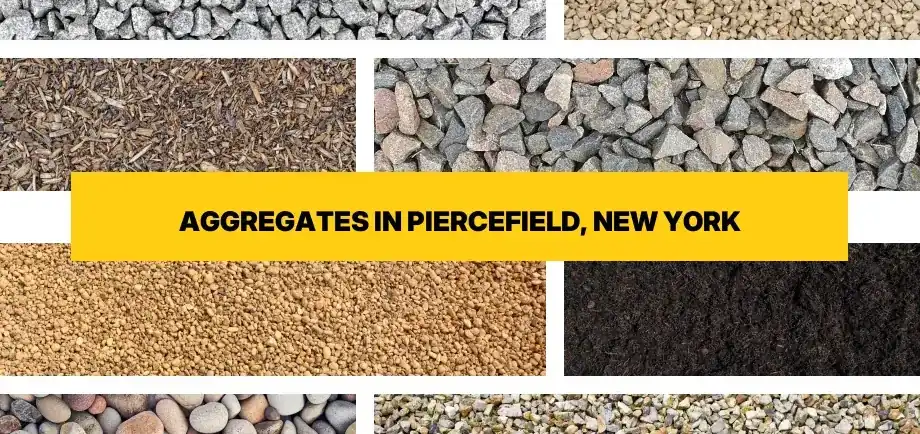
Bulk Aggregate & Gravel Products in Piercefield, New York
Local Topsoil, Dirt, Sand, Rocks and Gravel near me in Piercefield, New York
Shop Aggregates for Delivery in Piercefield
Order online for free delivery to any Piercefield address.
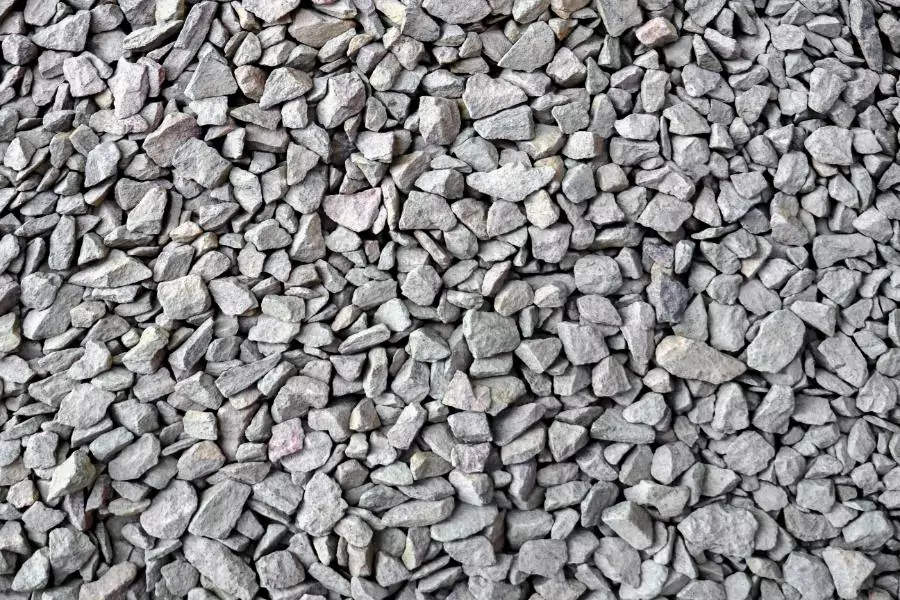
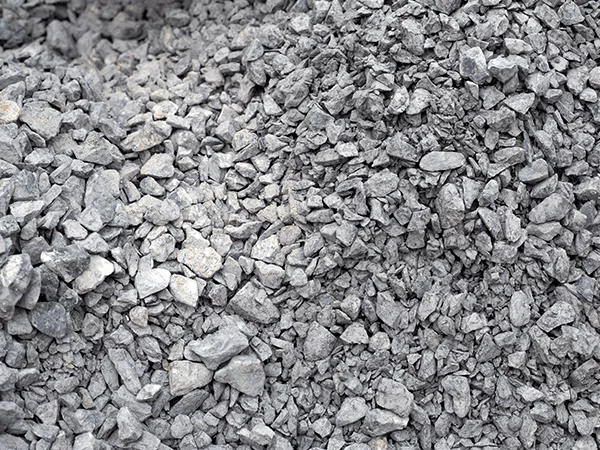


Gravel Monkey delivers premium aggregates and landscaping materials throughout Piercefield, New York, and the surrounding Adirondack region. Whether you're maintaining a seasonal camp near Cranberry Lake, upgrading a driveway along State Route 3, or tackling construction projects in the heart of St. Lawrence County, we provide free delivery of high-quality aggregates directly to your property. From the remote wilderness areas to lakefront properties, our comprehensive material selection meets the unique demands of Adirondack living.
Complete Aggregate Selection for Piercefield Properties
The challenging Adirondack climate demands durable, properly selected aggregates. We offer materials specifically suited for Piercefield's harsh winters, spring thaw cycles, and the unique soil conditions of northern New York:
- Driveway Gravel - Cold-climate engineered for Adirondack freeze-thaw cycles
- 3/4 inch Crushed Stone - Versatile aggregate for foundations and drainage
- #57 Stone - Industry standard for drainage applications and concrete work
- Crusher Run - Superior compaction for stable road bases and foundations
- Road Base - Essential for private road maintenance and new construction
- Drain Rock - Critical for managing spring snowmelt and water drainage
- Pea Gravel - Decorative landscaping for walkways and garden borders
- River Rock - Natural aesthetics for waterfront properties and landscaping
- Walkway Gravel - Safe, attractive pathways for camp and residential properties
- Crushed Concrete - Eco-friendly recycled aggregate for cost-effective projects
- Topsoil - Nutrient-rich soil for gardens in the short Adirondack growing season
- Fill Dirt - Essential for grading and leveling challenging terrain
- Mason Sand - Premium quality for construction and masonry work
- Playground Sand - Safe, clean sand for family recreation areas
- Washed Sand - Multi-purpose clean sand for various applications
- Decomposed Granite - Natural, permeable surface for eco-conscious landscaping
Serving Piercefield and the Adirondack Gateway Region
Piercefield sits in the northwestern Adirondacks where St. Lawrence County meets the vast wilderness of New York's largest park. Our aggregate delivery service extends throughout this unique region, reaching properties from the shores of Cranberry Lake to the forests bordering the Five Ponds Wilderness Area. We understand the logistics of delivering to remote locations along County Route 3, seasonal camp roads, and lakefront properties accessible only during specific times of year.
The Piercefield area experiences some of New York's most extreme weather, with winter temperatures regularly dropping below zero and annual snowfall exceeding 150 inches. These conditions, combined with the region's glacially-deposited sandy soils and granite bedrock, create specific requirements for aggregates. Properties near Little Tupper Lake and along the Bog River require materials that drain exceptionally well during spring thaw while remaining stable during summer storms. Our aggregates are selected to perform reliably in these demanding Adirondack conditions.
Understanding Piercefield's Unique Geology and Soil Conditions
The Piercefield area sits atop the Adirondack dome, where ancient granite and metamorphic rocks shape the landscape. Glacial activity left behind sandy, well-drained soils mixed with areas of clay and rocky till. This geological legacy means properties throughout the region often face challenges with erosion, poor soil fertility, and the need for excellent drainage systems. The combination of heavy precipitation, rapid snowmelt, and sloped terrain makes proper aggregate selection critical for any construction or landscaping project.
Winter frost penetration in this region can reach depths of 4 to 6 feet, causing significant freeze-thaw heaving in improperly prepared surfaces. The glacial soils, while generally well-drained, can create pockets of seasonal saturation that compromise structural integrity. Whether you're building near the hamlet center or maintaining a remote hunting camp, these geological factors must inform every material choice.
Aggregate Applications for Adirondack Properties
Driveway Construction and Maintenance in Harsh Winters
Adirondack driveways face relentless challenges from snow, ice, freeze-thaw cycles, and the abrasion of snowplow blades. Properties along State Route 3 and the network of seasonal roads require aggregates that provide stability year-round while draining effectively during spring melt. The key to a lasting driveway in Piercefield lies in proper base preparation and material selection.
We recommend starting with a deep base layer for Piercefield driveways—typically 6 to 8 inches of compacted aggregate. This depth accounts for frost penetration and provides adequate drainage beneath the surface layer. The base should extend below the frost line where possible, preventing heaving that damages driveways throughout winter. For properties with challenging access or steep grades, additional depth and specialized materials may be necessary.
The surface layer selection depends on usage patterns. Year-round residents often prefer materials that pack firmly and resist washout, while seasonal camp owners may prioritize lower-cost solutions that require periodic maintenance. The intense freeze-thaw cycling experienced throughout the Piercefield area makes regular maintenance essential regardless of material choice.
Private Road Maintenance and Seasonal Access
Many Piercefield properties rely on private roads and shared driveways to reach camps and homes nestled in the forest or along lakeshores. These access routes require regular maintenance, especially after the spring thaw when frost heaving and water runoff create ruts, washouts, and soft spots. Proper aggregate application repairs damage and prevents future deterioration.
Spring is the critical maintenance season for Adirondack roads. As the frost leaves the ground, roads become temporarily unstable, requiring fresh aggregate to restore surface integrity. Adding materials during this period prevents minor problems from becoming major repairs. Properties near Cranberry Lake and throughout the surrounding wilderness areas particularly benefit from proactive spring maintenance.
Landscaping for the Short Adirondack Growing Season
The Piercefield growing season spans roughly 90 to 120 days, making every moment of warmth precious for gardeners and landscapers. Creating productive garden beds requires amending the naturally acidic, nutrient-poor soils with quality materials. The region's abundant rainfall and occasional heavy storms also necessitate careful attention to drainage and erosion control in landscaping projects.
Decorative aggregates serve multiple purposes in Adirondack landscaping. They suppress weeds, retain soil moisture during dry spells, prevent erosion on slopes, and create attractive borders around garden beds and pathways. Properties with waterfront access often incorporate natural stone elements that complement the rugged beauty of the surrounding wilderness while serving practical drainage functions.
Choosing the Right Aggregate for Your Piercefield Project
Selecting appropriate materials for Adirondack conditions requires understanding how different aggregates perform in extreme cold, manage water drainage, and withstand the mechanical stress of plowing and vehicle traffic. This comparison helps identify the best options for common Piercefield applications:
| Aggregate Type | Best Applications | Cold Climate Performance | Drainage Rating | Compaction Level |
|---|---|---|---|---|
| Crusher Run | Road bases, driveway foundations | Excellent - resists frost heave | Good | Superior |
| 3/4 inch Crushed Stone | Driveways, foundations, general use | Excellent - stable through freeze-thaw | Excellent | Good |
| #57 Stone | Drainage systems, concrete aggregate | Very Good - uniform performance | Excellent | Moderate |
| Road Base | Private roads, heavy traffic areas | Excellent - engineered for durability | Very Good | Superior |
| Drain Rock | French drains, foundation drainage | Excellent - prevents ice dams | Superior | Low |
| Pea Gravel | Landscaping, walkways, decorative | Good - shifts with freeze cycles | Excellent | Minimal |
| Crushed Concrete | Budget driveways, temporary roads | Good - cost-effective performance | Very Good | Good |
| Mason Sand | Masonry, construction projects | Moderate - requires protection | Good | High when wet |
Aggregate Delivery Throughout the Piercefield Region
Our delivery service reaches the entire Piercefield area and extends to surrounding communities throughout the northwestern Adirondacks. We navigate seasonal roads, forest access routes, and waterfront properties to ensure materials arrive where you need them:
Cranberry Lake and Waterfront Properties
Cranberry Lake stands as one of the Adirondacks' most scenic bodies of water, ringed with seasonal camps, year-round homes, and remote wilderness shores. Properties around this 7-square-mile lake require aggregates for camp road maintenance, shoreline erosion control, and driveway improvements. The combination of sandy soils and steep slopes around much of the lake makes drainage a critical consideration for any project.
State Route 3 Corridor
The main highway through Piercefield connects Tupper Lake to the west with Cranberry Lake to the east, forming the backbone of the community. Properties along this corridor include established residences, seasonal camps, and small businesses. The combination of state highway access and proximity to services makes this area popular for year-round living, requiring durable driveways and well-maintained access roads.
Little Tupper Lake Area
North of Piercefield proper, Little Tupper Lake offers remote wilderness access with challenging roads and seasonal access limitations. Properties in this area often require significant aggregate for road maintenance, as the combination of soft soils and limited maintenance creates ongoing challenges. The pristine wilderness character of this region makes proper material selection important for minimizing environmental impact.
Bog River Flow Region
The Bog River and its surrounding wetlands create unique challenges and opportunities for property owners. The high water table and seasonal flooding require exceptional drainage systems for any structures or access roads. Aggregates play a crucial role in managing water flow and creating stable surfaces in this naturally wet environment.
Five Ponds Wilderness Border
Properties bordering the Five Ponds Wilderness Area enjoy ultimate privacy and natural beauty while facing the most challenging access conditions. Roads serving these remote locations require regular maintenance with properly selected aggregates to remain passable. The combination of distance from services and harsh conditions makes reliable materials essential.
Nearby Community Access
We also serve surrounding communities including Childwold, Conifer, Sevey, and South Colton. These smaller settlements throughout St. Lawrence County share similar geological conditions and climate challenges, requiring the same careful attention to aggregate selection and application.
Adapting Aggregate Projects to Adirondack Climate
Piercefield's climate ranks among New York's most challenging, with January average temperatures around 10°F and frequent Arctic outbreaks driving readings far below zero. Summer brings brief warmth with July averages near 65°F, but the growing season remains short. Annual precipitation exceeds 40 inches, falling as snow from November through April, with measurable snowfall possible from September through May.
These extreme conditions create a harsh freeze-thaw environment where water infiltrates aggregate surfaces, freezes, expands, and gradually degrades inferior materials. The key to successful projects lies in using properly graded aggregates that drain efficiently while resisting the mechanical forces of ice formation. Base layers must extend below frost depth, typically 4 to 5 feet in this region, to prevent catastrophic heaving.
Spring presents the most challenging season for aggregate surfaces. As temperatures rise and snow melts, the ground releases tremendous amounts of water. This period, known as "mud season," temporarily turns many roads into soft, impassable mires. Properties with inadequate drainage or poor aggregate selection suffer the most severe damage during spring thaw. Preventive maintenance before winter and prompt repairs after thaw prevents minor issues from becoming major reconstruction projects.
Seasonal Planning for Aggregate Projects
Timing significantly impacts project success in the Adirondacks. Late spring through early fall provides the optimal window for aggregate projects, when ground conditions are dry and temperatures support proper compaction. Summer projects benefit from warm weather that promotes settling and stabilization. Fall work must finish before ground freeze, typically occurring in November, to ensure proper integration before winter stress begins.
Winter projects remain possible for emergency repairs but face significant challenges. Frozen ground prevents proper compaction, and snow cover complicates material placement. Spring projects must wait until frost leaves the ground and surface water drains, typically late April through May depending on winter severity. Planning projects for the optimal season saves money and produces superior long-term results.
Aggregate Specifications for Adirondack Performance
Understanding technical specifications helps property owners make informed decisions about material selection. Different aggregates serve distinct purposes, and matching characteristics to applications ensures optimal performance in demanding Adirondack conditions.
Gradation and Sizing Considerations
Aggregate gradation—the distribution of particle sizes within a material—dramatically affects performance. Well-graded aggregates containing a range of sizes compact more effectively and create more stable surfaces than poorly-graded or single-size materials. Base layers benefit from well-graded aggregates that lock together, while drainage layers require uniformly-sized materials that maintain void spaces for water movement.
Common Adirondack applications use these size ranges: driveways typically use three quarter inch to one and one half inch materials; drainage systems use three quarter inch to number 57 sizes; pathways use three eighths inch pea gravel; and base layers use crusher run with mixed gradations. Each size category serves specific functions in the overall system.
Material Hardness and Durability
The Adirondack region's geology provides access to exceptionally hard, durable stone. Granite and metamorphic rocks resist weathering and mechanical breakdown better than sedimentary alternatives. This durability proves essential when materials face snowplow blades, tire chains, freeze-thaw cycling, and the general abuse of Adirondack living. Softer materials may initially cost less but require more frequent replacement.
Drainage Properties and Permeability
Effective drainage extends the life of any aggregate installation while preventing ice formation and frost heaving. Open-graded aggregates allow water to pass through quickly, preventing puddles and reducing freeze-thaw damage. Dense-graded materials may trap water unless properly sloped and underlain with permeable layers. The high precipitation and snowmelt in Piercefield make drainage the single most important factor in aggregate performance.
Installation Guidelines for Long-Lasting Results
Proper installation techniques separate temporary fixes from permanent solutions. While specific projects vary, several universal principles apply to aggregate installations throughout the Piercefield area.
Site Preparation and Base Layer Installation
Successful projects begin with thorough site preparation. Remove organic material, roots, and soft soils down to stable subgrade. In areas with poor natural drainage, install geotextile fabric to prevent aggregate migration into soft substrates while maintaining water flow. The fabric also strengthens the base by distributing loads across wider areas.
Base layer depth depends on use intensity and soil conditions. Residential driveways typically require 4 to 6 inches of compacted base, while private roads serving multiple properties may need 8 to 12 inches. Areas with soft soils or high water tables benefit from additional depth. Each 3-inch lift should be compacted before adding subsequent layers, ensuring maximum density and stability.
Surface Layer Application and Finishing
Surface materials require different handling than base layers. While base materials need aggressive compaction, surface layers often perform better with lighter compaction that preserves drainage while creating stable surfaces. Crown driveways and roads to promote water runoff toward edges, preventing central puddles that accelerate deterioration.
Edge containment prevents surface materials from spreading over time. Natural terrain may provide sufficient containment, or installations may require berms, landscape timbers, or other barriers. Well-contained edges maintain proper surface geometry and extend service life significantly.
Seasonal Maintenance Requirements
Even properly installed aggregate surfaces require maintenance. Spring inspections identify winter damage requiring prompt repair. Add materials to fill ruts, restore crowning, and address drainage issues before problems worsen. Fall maintenance includes clearing debris, ensuring drainage systems remain functional, and adding materials to areas showing wear from summer use.
Snow removal practices significantly impact aggregate driveways. Raise plow blades slightly to prevent gouging surfaces, and avoid piling snow where melt will saturate aggregates. Some property owners apply chloride-based products to reduce ice formation, though these can accelerate some forms of material degradation and should be used judiciously.
Environmental Stewardship in Aggregate Use
The Adirondack Park represents New York's commitment to wilderness preservation, and property owners share responsibility for protecting this unique environment. Aggregate selection and installation practices can minimize environmental impact while serving practical needs.
Protecting Water Quality
Piercefield's numerous lakes, streams, and wetlands require careful protection from sediment and other potential impacts. Properly installed aggregates actually improve water quality by preventing erosion and filtering runoff before it reaches waterways. Use the minimum necessary area for aggregate surfaces, and maintain vegetated buffers between installations and water bodies.
Avoid placing aggregates directly in wetlands or water bodies without appropriate permits. These sensitive areas provide crucial habitat and water quality functions that aggregate installations can compromise. When working near water, take extra precautions to prevent sediment movement during installation and ensure proper drainage that directs runoff away from pristine waters.
Sustainable Material Choices
Recycled aggregates offer environmental benefits while reducing costs. Crushed concrete performs nearly as well as virgin stone in many applications while diverting material from landfills. This sustainable choice suits budget-conscious projects where absolute maximum performance isn't required. The environmental benefits of recycling combined with cost savings make crushed concrete increasingly popular for Adirondack projects.
Consider permeable aggregate surfaces that allow natural water infiltration rather than creating runoff. These installations support groundwater recharge while reducing erosion and water pollution. Decomposed granite and other naturally permeable materials work particularly well for pathways, patios, and other low-traffic applications where environmental benefit outweighs the need for maximum durability.
Successful Aggregate Projects in the Piercefield Area
Understanding how different aggregates perform in real-world applications helps property owners make informed decisions. These examples illustrate common Piercefield projects and the materials that deliver lasting results.
Year-Round Driveway for Lakefront Property
A challenging driveway serving a home near Cranberry Lake required complete reconstruction after years of inadequate maintenance led to severe deterioration. The quarter-mile access road crossed varied terrain including steep grades, seasonal wet areas, and exposed bedrock. The solution involved excavating soft areas, installing drainage systems to manage spring runoff, and building a substantial base using crusher run topped with crushed stone. The properly engineered installation now handles year-round traffic without the constant maintenance previously required.
Seasonal Camp Road Rehabilitation
Multiple families sharing access to camps along a forest road near Little Tupper Lake needed cost-effective repairs after spring thaw created impassable sections. Budget constraints ruled out complete reconstruction, so the approach focused on strategic aggregate placement in the worst areas combined with improved drainage. Adding materials to soft spots and restoring proper crown restored usability at modest cost. The families now perform annual maintenance rather than facing emergency repairs.
Decorative Landscaping at Adirondack Retreat
A newly built home in the woods required landscaping that complemented the natural surroundings while controlling erosion on sloped terrain. The design incorporated river rock borders, pea gravel pathways, and decomposed granite patios that blended with the forest setting. Careful attention to drainage prevented erosion while the natural materials enhanced rather than competed with the wilderness character of the site.
Private Road Maintenance Program
A homeowners association maintaining roads serving properties near the hamlet established a regular maintenance program after years of reactive repairs proved costly and frustrating. The program includes spring damage assessment, strategic aggregate addition to problem areas, drainage system cleaning, and fall preparation. Regular modest investments maintain road quality while avoiding the major reconstructions that irregular maintenance eventually necessitates.
Frequently Asked Questions About Aggregates in Piercefield
We deliver a complete range of aggregates including driveway gravel, crushed stone in various sizes, pea gravel, river rock, crusher run, road base, drain rock, recycled concrete, topsoil, fill dirt, and multiple sand varieties throughout Piercefield and the surrounding Adirondack region.
Yes! Gravel Monkey offers FREE delivery to Piercefield and the surrounding St. Lawrence County area for all gravel and aggregate orders. We understand the remote nature of the Adirondacks and make delivery accessible to rural properties.
For Piercefield winters with heavy snow and freeze-thaw cycles, we recommend crusher run or three quarter inch crushed stone. These aggregates compact well, resist frost heave, and provide excellent drainage during spring snowmelt. A properly installed gravel driveway will last through harsh Adirondack winters.
The amount depends on your project size and type. For driveways in Piercefield, we typically recommend a 4 to 6 inch depth to handle freeze-thaw conditions. Measure length times width times depth in feet, then divide by 27 for cubic yards. Our team can help calculate exact amounts for your specific property needs.
Absolutely! We deliver to lakefront properties around Cranberry Lake, Little Tupper Lake, and throughout the surrounding Adirondack waterways. Our delivery service reaches seasonal camps, year-round residences, and remote properties throughout the Piercefield area.
We offer mason sand for mortar work and construction, playground sand for family-friendly areas, and washed sand for multiple applications. Each sand type is selected for quality and suitability for the demanding Adirondack climate and construction requirements.
Yes! We supply road base, crusher run, and various aggregate sizes perfect for maintaining private roads, camp access roads, and driveways throughout the Piercefield area. These materials are essential for addressing spring washouts and maintaining year-round access to remote properties.
Late spring through early fall provides the optimal window for aggregate projects in Piercefield. The ground must be thawed and dry for proper compaction, typically from May through October. Avoid working during spring thaw when ground conditions are unstable, and complete projects before November freezing begins.
Professional Aggregate Delivery for Your Piercefield Property
Whether you're maintaining a seasonal camp, building your dream Adirondack home, or repairing winter-damaged roads, Gravel Monkey delivers the quality aggregates your project demands. Our comprehensive material selection, free delivery throughout the Piercefield area, and understanding of Adirondack conditions ensure your project succeeds.
From the shores of Cranberry Lake to remote forest properties, from State Route 3 to the most challenging seasonal roads, we navigate the Adirondack landscape to deliver exactly what you need, exactly where you need it. Our team understands the unique challenges of building and maintaining properties in this demanding climate, and we're committed to providing materials that perform reliably through harsh winters and challenging springs.
Contact Gravel Monkey today at 646-809-3983 to discuss your aggregate needs. We'll help you select the right materials for your specific application, calculate accurate quantities, and schedule convenient delivery to your Piercefield property. Experience the difference that quality aggregates and knowledgeable service make in the success of your Adirondack project.

Need help? Reach out for a quote: