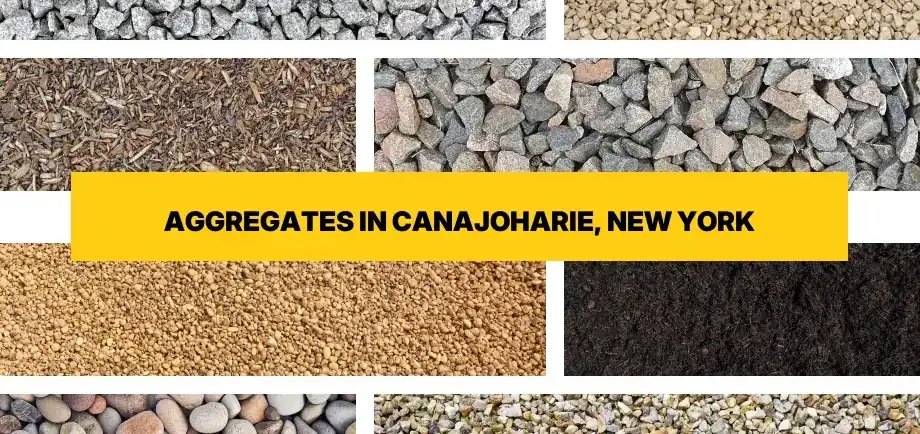
Buy Bulk Aggregates & Gravel in Canajoharie, New York
Local Topsoil, Dirt, Sand, Rocks and Gravel near me in Canajoharie, New York
Shop Aggregates for Delivery in Canajoharie
Order online for free delivery to any Canajoharie address.
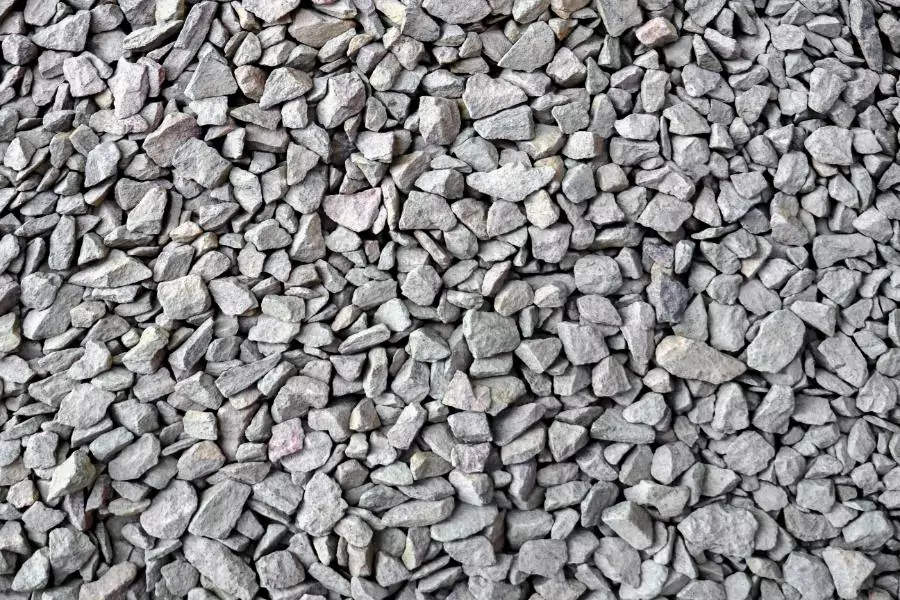
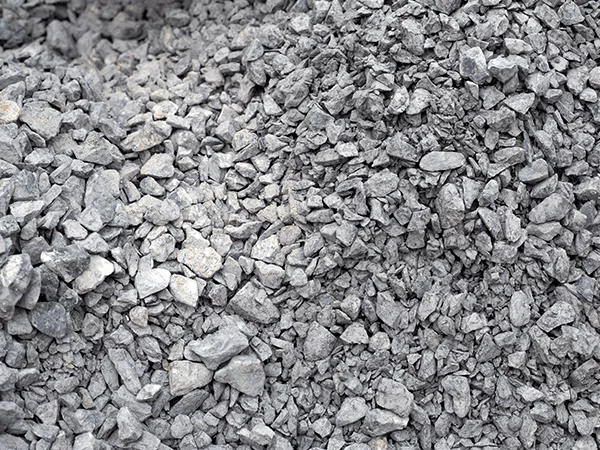


Gravel Monkey is your trusted source for premium gravel and aggregate delivery throughout Canajoharie, New York. Whether you're building a driveway near the historic Erie Canal, creating drainage solutions for properties along the Mohawk River valley, or upgrading walkways in the village center, we deliver high-quality aggregates directly to your property with absolutely free delivery. Serving Montgomery County and surrounding communities, we understand the unique challenges of upstate New York soil conditions and climate, providing materials specifically suited for Canajoharie projects.
Complete Aggregate & Landscaping Materials for Canajoharie Properties
Gravel Monkey offers a comprehensive selection of aggregates, stone, and soil materials for residential and commercial projects across Canajoharie and the greater Montgomery County region. Our inventory includes everything from foundation materials to decorative landscaping stone:
- Driveway Gravel - Durable aggregate base material designed for lasting driveways that withstand harsh upstate winters
- 3/4 inch Crushed Stone - Versatile aggregate for driveways, foundations, and drainage applications
- #57 Stone - Industry-standard crushed aggregate for concrete work and French drain systems
- Crusher Run - Compactable aggregate blend perfect for stable base layers
- Road Base - Heavy-duty aggregate material for driveways and roadway construction
- Pea Gravel - Smooth decorative aggregate ideal for walkways and landscaping
- River Rock - Natural decorative stone in various sizes for aesthetic landscaping
- Walkway Gravel - Specially sized aggregate designed for comfortable pedestrian paths
- Drain Rock - Large aggregate stone optimized for drainage and water management
- Crushed Concrete - Eco-friendly recycled aggregate for cost-effective projects
- Topsoil - Nutrient-rich soil for gardens, lawns, and planting beds
- Fill Dirt - Quality fill material for grading, leveling, and construction projects
- Mason Sand - Fine sand perfect for masonry work and paver installation
- Playground Sand - Safe, clean sand for playground areas and sandboxes
- Washed Sand - Clean sand for construction and landscaping applications
- Decomposed Granite - Natural compacting aggregate for rustic pathways
Aggregates Designed for Canajoharie Climate & Geology
Canajoharie's location in the Mohawk River valley presents unique challenges for property owners. The area features predominantly clay-rich soil derived from glacial deposits, which expands when wet and contracts during freeze-thaw cycles. This soil composition, combined with New York's harsh winters where temperatures regularly drop below freezing from December through March, requires careful aggregate selection for lasting results.
The Mohawk River valley experiences approximately 40 inches of precipitation annually, with significant snowfall averaging 60-70 inches per winter season. Spring thaw typically brings additional moisture challenges as snow melt combines with April and May rainfall. These conditions make proper drainage absolutely critical for Canajoharie properties, particularly those near the river or in lower-lying areas around Sprout Brook and Inghams Mills.
Our aggregates are specifically selected to address these local conditions. Materials like crushed stone and crusher run provide the drainage and stability needed to combat clay soil expansion and frost heave. The angular shape of crushed aggregates locks together when compacted, creating a stable base that resists displacement during freeze-thaw cycles that can damage rounded stone installations.
Why Canajoharie Properties Need Quality Aggregates
Properties throughout Canajoharie, from the village center to rural areas along Route 5S, face similar soil and drainage challenges. The clay-dominant soil retains water, leading to muddy conditions in spring and fall. Without proper aggregate base layers, driveways develop ruts, foundations experience settling, and walkways become unstable.
Additionally, Canajoharie's elevation at approximately 400 feet above sea level in the Mohawk valley creates unique microclimate effects. Cold air settles in the valley during winter, extending freeze periods and increasing the number of freeze-thaw cycles that damage improperly constructed surfaces. Quality aggregates mitigate these issues by providing drainage pathways and stable bases that flex minimally during temperature changes.
Free Delivery Throughout Canajoharie & Surrounding Areas
Gravel Monkey proudly serves all areas of Canajoharie and the broader Montgomery County region with free aggregate delivery. We deliver to properties throughout the village center, residential neighborhoods, and rural areas surrounding the community:
- Downtown Canajoharie - Historic village center and Main Street area properties
- Sprout Brook Area - Rural residential properties north of the village
- Inghams Mills - Rural community west of Canajoharie along Route 10
- Mohawk River Corridor - Properties along and near the Mohawk River
- Route 5S Corridor - Residential and commercial properties along State Route 5S
- Route 10 North - Properties extending toward Dolgeville and surrounding areas
- East Canajoharie - Areas toward Palatine Bridge and Fort Plain
- West Creek Road - Rural properties in the western sections of town
Whether you're located in the heart of the village, managing a property near the historic Arkell Museum, or maintaining land in the rural farming areas that characterize much of Montgomery County, our delivery trucks reach your site at no additional charge. We understand local roads and access considerations, ensuring smooth delivery even to properties on seasonal-use roads or rural lanes.
Choosing the Right Aggregate for Your Canajoharie Project
Different projects require different aggregate types. Understanding the characteristics of each material helps you select the optimal solution for your specific needs in Canajoharie's climate and soil conditions.
| Aggregate Type | Best Applications | Drainage Rating | Compaction | Winter Performance |
|---|---|---|---|---|
| Driveway Gravel | Residential driveways, parking areas | Excellent | High | Excellent freeze-thaw resistance |
| 3/4" Crushed Stone | Driveways, foundations, general fill | Excellent | Very High | Superior stability in cold |
| #57 Stone | Drainage systems, concrete aggregate | Outstanding | Moderate | Excellent water movement |
| Crusher Run | Driveway base, road foundation | Good | Exceptional | Maximum stability |
| Road Base | Heavy-duty driveways, roads | Good | Exceptional | Handles heavy loads |
| Pea Gravel | Walkways, decorative landscaping | Good | Low | May shift without edging |
| River Rock | Decorative beds, water features | Moderate | Low | Decorative use only |
| Drain Rock | French drains, foundation drainage | Exceptional | Low | Prevents water freezing issues |
| Crushed Concrete | Budget driveways, fill material | Very Good | High | Economical, performs well |
Popular Aggregate Applications in Canajoharie
Driveway Construction & Repair
Canajoharie driveways face constant stress from winter weather, heavy snow loads, and freeze-thaw cycles. Many properties throughout the village and surrounding areas feature long driveways that require durable aggregate bases to prevent rutting and washout during spring thaw. The proper driveway construction typically involves a 4-6 inch base layer of compacted aggregate topped with 2-3 inches of surface material.
For properties dealing with Canajoharie's clay soil, starting with a geotextile fabric layer prevents aggregate from mixing with underlying clay over time. This is particularly important for driveways in areas like Sprout Brook and along West Creek Road where clay content is especially high. The base layer should be crusher run or road base material, which compacts tightly and resists movement. The surface layer might be driveway gravel for a traditional look or additional crushed stone for a more refined appearance.
Foundation Drainage Systems
Proper foundation drainage is critical in Canajoharie due to clay soil and high water tables near the Mohawk River. Many older properties in the village center lack adequate drainage, leading to wet basements and foundation issues. Modern drainage solutions typically involve perimeter French drains using drain rock or #57 stone wrapped in filter fabric.
These aggregate drainage systems channel water away from foundations before it can penetrate basement walls. The large void space in drainage aggregates allows rapid water movement even during heavy spring runoff or summer thunderstorms. Properties near the river or in lower elevations particularly benefit from robust drainage systems using quality aggregates.
Walkways & Pathways
Decorative walkways enhance property aesthetics while providing functional access. In Canajoharie, walkway construction must account for winter maintenance and freeze-thaw movement. Pea gravel and walkway gravel create attractive paths that drain well and resist ice formation compared to solid surfaces.
For rustic properties or those seeking low-maintenance solutions, decomposed granite provides a natural-looking surface that compacts moderately well while maintaining permeability. River rock serves as an excellent accent material for landscaping beds adjacent to walkways, though it's less suitable for walking surfaces due to its rounded shape and tendency to shift.
Landscaping & Water Management
Beyond hardscaping, aggregates serve essential landscaping functions. River rock creates attractive borders around planting beds and prevents soil erosion on slopes common in the Mohawk valley terrain. Pea gravel provides clean, weed-resistant ground cover for areas where grass struggles to grow, such as shaded zones beneath mature trees.
Water features benefit from natural river rock arranged to mimic stream beds or pond edges. These decorative elements complement Canajoharie's proximity to the Mohawk River and historic canal heritage. Proper aggregate selection for landscaping considers both aesthetics and practical functions like drainage and weed suppression.
Working with Canajoharie Clay Soil
Understanding local soil composition is essential for successful projects in Canajoharie. The area's clay-rich soil presents specific challenges that quality aggregates help overcome. Clay particles are microscopically small and pack tightly together, creating nearly impermeable layers that prevent water drainage. When saturated, clay becomes slippery and unstable. When dry, it hardens and cracks.
The freeze-thaw cycle dramatically affects clay soil. As water trapped in clay freezes, it expands, causing frost heave that lifts structures and paving. During thaw, the soil becomes saturated and loses all bearing capacity, leading to sinking and settling. This cycle repeats dozens of times each winter in Canajoharie, progressively damaging any construction built directly on clay without proper aggregate base layers.
Aggregate Solutions for Clay Soil
Crushed aggregates solve clay soil problems by creating a stable, well-drained layer that separates structures from problematic clay. The angular shape of crushed stone mechanically locks pieces together when compacted, forming a solid mass that distributes weight evenly. Void spaces between aggregate particles allow water to drain freely rather than being trapped as it would in clay.
For maximum effectiveness in Canajoharie clay, aggregate layers should be at least 6-8 inches deep for driveways and 12-18 inches for areas supporting heavy vehicles or equipment. Thicker aggregate bases provide better insulation from underlying clay movement and greater load distribution. Some rural properties with particularly problematic soil may require even deeper aggregate sections or the addition of geotextile reinforcement.
Fill dirt can be used to adjust grades and slopes before adding aggregate layers, though it's important to compact fill thoroughly and allow it to settle before adding base aggregates. Topsoil serves a different purpose entirely, providing nutrient-rich growing medium for lawns, gardens, and landscaping plants. Neither fill dirt nor topsoil substitutes for structural aggregate in load-bearing applications.
Seasonal Aggregate Project Planning in Canajoharie
Timing aggregate projects correctly maximizes results and minimizes costs in Canajoharie's seasonal climate. Each season offers distinct advantages and challenges for different types of aggregate work.
Spring Projects (April-May)
Spring brings challenges and opportunities. As ground thaws, existing driveways and drainage systems reveal winter damage. This makes spring ideal for assessment and repair work. However, saturated soil conditions can complicate excavation and base preparation. Wait until soil dries sufficiently to support equipment before beginning major projects. Late May often provides the first reliable working conditions as spring rains diminish and soil drains.
Summer Projects (June-August)
Summer offers optimal conditions for aggregate projects in Canajoharie. Dry soil compacts well, equipment moves easily, and curing time for compacted bases proceeds quickly. Summer's longer daylight hours allow extended work periods, making it possible to complete substantial projects efficiently. Most professional contractors prefer summer for major aggregate installations, though this also means higher demand and potentially longer scheduling lead times.
Fall Projects (September-October)
Fall provides a second excellent window for aggregate work before winter. Cooler temperatures mean more comfortable working conditions while soil remains dry and workable. Completing projects in fall ensures readiness for winter weather. However, work must finish before ground freezes, typically by late November in the Canajoharie area. Fall projects also benefit from contractor availability as summer demand wanes.
Winter Considerations
Major aggregate projects generally pause during Canajoharie winters. Frozen ground prevents excavation and compaction. However, winter identifies drainage and grading problems as water flows, freezes, and reveals deficiencies in existing systems. Winter observations inform spring project planning. Emergency repairs might use aggregates as temporary solutions for compromised driveways or drainage issues, though proper permanent fixes wait for suitable weather.
Best Practices for Aggregate Installation in Canajoharie
Proper installation techniques ensure long-lasting results regardless of aggregate type. Following proven methods tailored to Canajoharie conditions prevents common failures and maximizes material performance.
Site Preparation
Successful aggregate projects begin with thorough site preparation. Remove all topsoil, vegetation, and organic material from the installation area. Organic matter decomposes, creating voids that lead to settling. Excavate to proper depth, accounting for all base and surface layers. Canajoharie clay soil may require extra excavation depth to ensure adequate aggregate thickness.
Grade the subgrade with slight slope for drainage, typically 2-3 percent away from structures. This slope continues through aggregate layers, ensuring water moves away from buildings and paved surfaces. Compact native soil firmly before adding any fill or aggregate materials to prevent future settling.
Base Layer Installation
Install base aggregates in lifts no more than 4-6 inches thick. Attempting to compact thicker lifts results in inadequate compaction at depth, leaving weak spots that eventually fail. Each lift should be mechanically compacted using a vibrating plate compactor for small areas or a roller for larger projects. Add water during compaction if material is too dry; dust during compaction indicates insufficient moisture for optimal results.
For critical applications like driveways supporting heavy vehicles, consider geotextile fabric beneath the aggregate base. Fabric prevents aggregate from gradually migrating into clay soil while allowing water to drain freely. This inexpensive addition significantly extends project life, particularly in areas with challenging clay content.
Surface Layer Application
Surface aggregate selection depends on intended use and aesthetic preferences. For functional surfaces like driveways, surface material should be smaller than base aggregate to fill voids and create a smoother finished surface. Compact surface layers thoroughly to lock material in place and maximize stability.
For decorative applications using materials like pea gravel or river rock, edge retention is critical. Install metal, plastic, or pressure-treated wood edging to contain loose stone and prevent spreading. Without proper edging, these rounded aggregates gradually migrate beyond intended boundaries, creating maintenance headaches and diminished appearance.
Maintenance for Longevity
Even properly installed aggregate surfaces require periodic maintenance. Add surface material as needed to replace losses from traffic and weather. Rake loose surface aggregates to redistribute material and maintain even coverage. Address drainage issues promptly; water is the primary enemy of aggregate installations, causing erosion and undermining base layers when not properly managed.
Winter maintenance requires care with snow removal equipment. Plow blade edges should ride slightly above aggregate surfaces to prevent scraping away material. Consider marking driveway edges with stakes to guide snow removal operators and prevent equipment from straying onto lawns or soft shoulders where ruts easily develop.
Frequently Asked Questions About Aggregates in Canajoharie
For Canajoharie driveways, we recommend starting with a 4-6 inch base layer of crusher run or road base, which compacts extremely well and provides excellent stability in clay soil. Top this with 2-3 inches of driveway gravel or additional 3/4 inch crushed stone for a durable surface that handles freeze-thaw cycles and heavy snow loads typical of upstate New York winters.
Spring mud results from inadequate drainage and insufficient aggregate depth in clay soil. Ensure your driveway has at least 6-8 inches of compacted aggregate base, preferably more in areas with heavy clay content. Add crown or cross-slope to shed water rather than allowing it to pool. Consider installing perimeter drainage using drain rock or #57 stone to intercept groundwater before it reaches the driveway base. Geotextile fabric beneath aggregates prevents mixing with underlying clay.
For foundation drainage in Canajoharie, #57 stone or drain rock provides optimal performance. These aggregates feature large void spaces that allow rapid water movement away from foundation walls. Wrap drainage aggregate in filter fabric to prevent silt migration from surrounding clay soil while maintaining water flow. Slope drainage aggregate away from the foundation at minimum 1 percent grade to ensure positive drainage toward discharge points.
Simple projects like walkway gravel or decorative landscaping rock are manageable DIY projects with basic tools. However, structural applications like driveways, patios, or foundation drainage benefit from professional installation. Contractors possess equipment for proper excavation, grading, and compaction that ensures long-lasting results. For Canajoharie clay soil conditions, professional expertise in site preparation and drainage design often proves invaluable for preventing common failure modes.
Calculate aggregate needs by multiplying length times width times depth in feet, then dividing by 27 to convert cubic feet to cubic yards. Most aggregates weigh approximately 1.3-1.4 tons per cubic yard. For example, a 12 foot by 50 foot driveway with 6 inches of aggregate requires: 12 x 50 x 0.5 = 300 cubic feet, divided by 27 = 11.1 cubic yards, which equals approximately 15 tons. Our team can verify calculations and recommend appropriate quantities for your specific Canajoharie project.
Crusher run contains a blend of stone sizes from fines to 3/4 inch or larger, creating a mixture that compacts extremely tightly. When compacted, fines fill voids between larger stones, resulting in a nearly solid mass ideal for stable bases. Regular crushed stone like 3/4 inch or #57 stone contains uniform-sized pieces with consistent void space, providing excellent drainage but less compaction. For Canajoharie driveways, crusher run works best for base layers while crushed stone serves well for surface layers or drainage applications.
Yes, we provide free delivery throughout Montgomery County including all rural areas surrounding Canajoharie. Whether your property is on Route 10 toward Dolgeville, along Route 5S toward Fort Plain, in the Sprout Brook area, near Inghams Mills, or anywhere in the greater Canajoharie region, we deliver quality aggregates directly to your site at no additional charge. Our delivery trucks are familiar with local roads and access conditions throughout the area.
We accept all major credit cards, debit cards, and electronic bank transfers for convenient payment processing. Our online ordering system provides secure payment processing with immediate confirmation. For large commercial orders, we can arrange invoicing and payment terms. Contact our team to discuss payment options that work best for your Canajoharie project needs.
Start Your Canajoharie Aggregate Project Today
Whether you're planning a new driveway installation, addressing drainage problems, or creating beautiful landscaping features, Gravel Monkey delivers the quality aggregates you need throughout Canajoharie and Montgomery County. Our extensive inventory includes everything from structural base materials to decorative stone, all delivered free to your property.
Understanding Canajoharie's unique clay soil conditions and challenging winter weather, we help customers select appropriate materials for lasting results. Our knowledgeable team can answer questions about aggregate selection, quantity estimation, and installation best practices specific to your project and property conditions.
From the village center to rural properties throughout the region, Gravel Monkey serves the Canajoharie community with reliable aggregate delivery and expert guidance. Place your order online or contact us to discuss your project needs. With free delivery and premium materials, your successful aggregate project is just one call away.

Need help? Reach out for a quote: