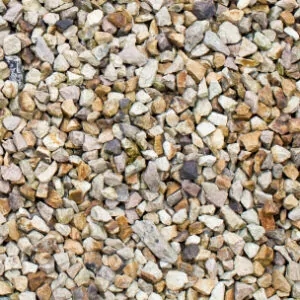
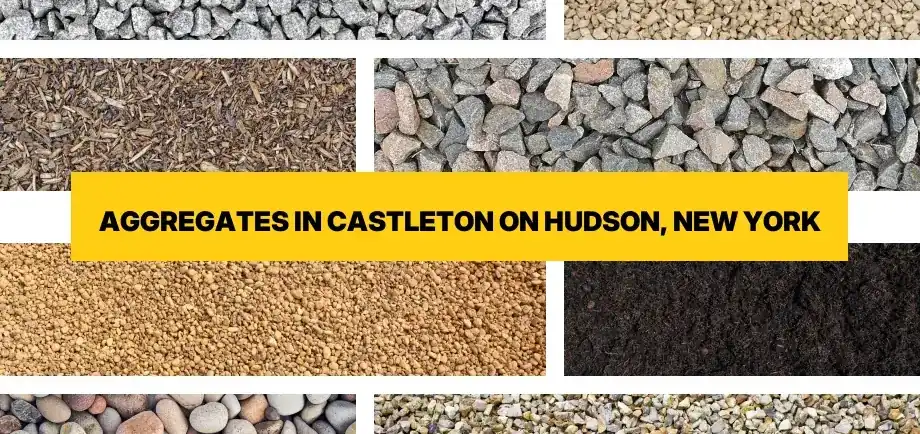
Rock & Driveway Gravel in Castleton On Hudson, New York
Local Topsoil, Dirt, Sand, Rocks and Gravel near me in Castleton On Hudson, New York
Shop Aggregates for Delivery in Castleton On Hudson
Order online for free delivery to any Castleton On Hudson address.
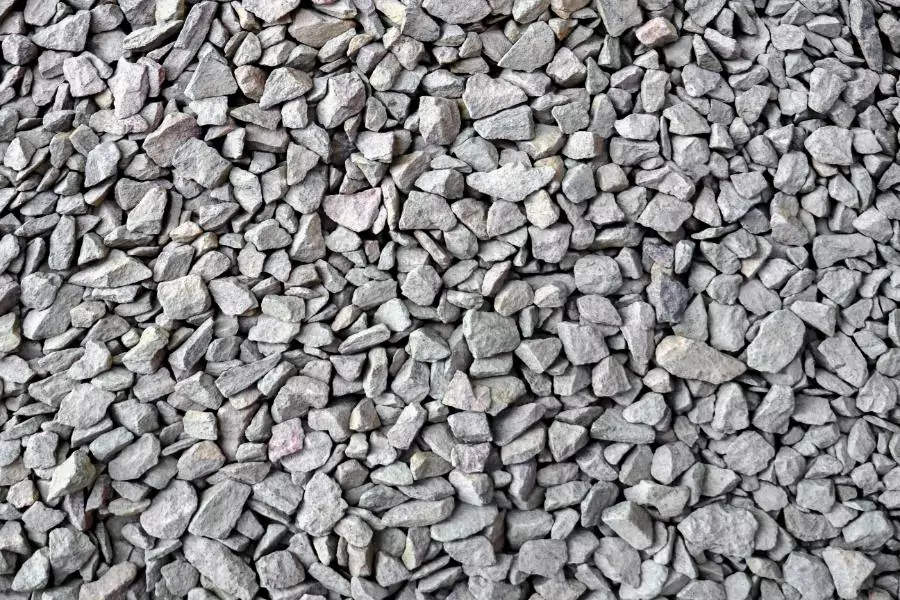
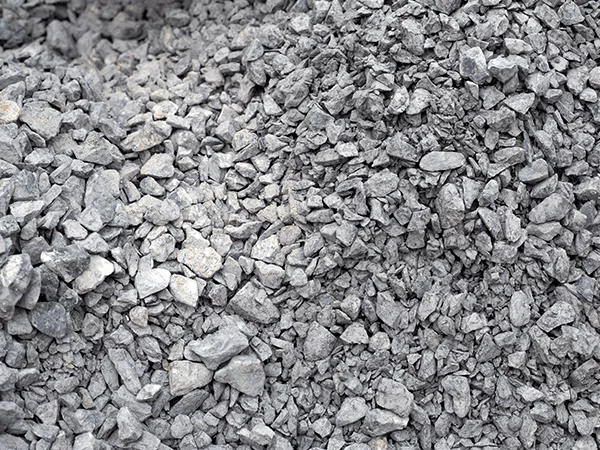


Gravel Monkey is your trusted source for premium gravel and aggregate delivery in Castleton On Hudson, New York. Whether you're stabilizing a waterfront property along the Hudson River, upgrading a driveway on Scott Avenue, or managing drainage challenges near the village center, we deliver high-quality aggregates directly to your property with absolutely free delivery. Serving homeowners, contractors, and businesses throughout Rensselaer County, we understand the unique soil conditions and seasonal weather patterns that make proper aggregate selection critical for long-lasting projects in the Hudson Valley.
Comprehensive Aggregate & Gravel Selection for Castleton On Hudson
Our extensive inventory covers every residential, commercial, and municipal project requirement in Castleton On Hudson. From foundation work to decorative landscaping, we supply the right materials for Capital Region conditions:
- Driveway Gravel - Angular stone that compacts firmly for residential and commercial drives
- 3/4 inch Crushed Stone - Versatile aggregate for foundations, driveways, and drainage applications
- #57 Stone - Industry-standard drainage stone for French drains and foundation perimeters
- Crusher Run - Compactable base material that locks together for stable foundations
- Road Base - Heavy-duty foundation material for driveways and parking areas
- Drain Rock - Open-graded aggregate for maximum water permeability
- Pea Gravel - Smooth, rounded stones perfect for walkways and garden beds
- River Rock - Natural decorative stone for landscaping and erosion control
- Walkway Gravel - Comfortable walking surface for paths and garden trails
- Crushed Concrete - Eco-friendly recycled aggregate for budget-conscious projects
- Decomposed Granite - Natural granite fines for rustic pathways and erosion control
- Topsoil - Nutrient-rich soil for gardens, lawns, and planting beds
- Fill Dirt - Grading and leveling material for site preparation
- Mason Sand - Fine sand for mortar, paver bases, and masonry work
- Playground Sand - Safe, clean sand meeting ASTM playground standards
- Washed Sand - Clean sand for concrete mixing and landscaping projects
Understanding Castleton On Hudson's Unique Soil & Drainage Conditions
Located in the Hudson Valley along the river's eastern shore, Castleton On Hudson sits on glacial till deposits with significant clay content characteristic of Rensselaer County. This heavy clay soil presents specific challenges that require proper aggregate selection for successful projects.
Hudson Valley Clay Soils
The predominant soil type in Castleton On Hudson is Hudson silt clay loam, which has poor drainage characteristics. This clay-rich composition expands when wet and contracts during dry periods, creating movement that can damage driveways, foundations, and hardscaping. Properties near South Main Street, along East Greenbush Road, and throughout the historic village center all encounter these challenging soil conditions.
Proper aggregate base layers are essential to combat this soil movement. Compactable materials create stable platforms that resist the freeze-thaw cycles and seasonal moisture changes typical of the Capital Region. For foundations and driveways, a minimum six-inch layer of properly compacted aggregate prevents settling and cracking that would otherwise occur in pure clay.
Seasonal Water Management
With average annual rainfall around 38 inches and significant spring snowmelt from the Taconic Mountains to the east, water management is critical. Properties in low-lying areas near Moordener Kill and along the Hudson River floodplain face particular drainage challenges. The spring thaw period from March through April can saturate clay soils, creating muddy conditions that last weeks without proper drainage infrastructure.
Angular aggregates with void space between particles allow water to permeate through rather than pooling on clay surfaces. French drains filled with proper drainage stone, foundation perimeter drains, and permeable driveway bases all help manage the substantial water volume that Castleton On Hudson properties must handle throughout the year.
Aggregate Delivery Throughout Castleton On Hudson Neighborhoods
We provide free delivery to every corner of Castleton On Hudson and surrounding communities. Our drivers are familiar with local roads and access points throughout the area:
Historic Village Center
Properties along South Main Street and the historic village core often require aggregates for foundation repairs, driveway restoration, and garden projects. The older homes in this area benefit from proper drainage solutions around stone foundations and perimeter drains to manage groundwater. We regularly deliver to addresses throughout the village center, navigating the tree-lined streets with care.
Hudson River Waterfront
Waterfront properties along the Hudson River face unique challenges including erosion control, shoreline stabilization, and flood resilience. Decorative river rock and larger riprap materials help protect banks while maintaining natural aesthetics. Properties near Schodack Island State Park and along the river road use aggregates for retaining walls, decorative landscaping, and permeable surfaces that handle seasonal flooding.
Scott Avenue and Residential Areas
Residential neighborhoods along Scott Avenue, Miller Road, and Maple Avenue represent typical Capital Region suburban development. Driveway projects are common as homeowners upgrade aging asphalt with durable aggregate surfaces. The clay soils throughout these neighborhoods require substantial aggregate bases to prevent the rutting and settling common in this soil type.
East Greenbush Road Corridor
The Route 9J corridor through Castleton On Hudson connects the village to East Greenbush and greater Rensselaer County. Commercial properties and newer residential developments along this route use bulk aggregates for parking areas, loading zones, and stormwater management systems. The heavier traffic volumes require robust base materials and proper compaction.
Moordener Kill Creek Area
Properties near Moordener Kill creek and its tributaries face elevated drainage challenges, particularly during spring runoff. Low-lying areas benefit from French drain installations, swale management, and permeable aggregate surfaces that allow water infiltration rather than surface runoff. We deliver drainage-specific aggregates to addresses throughout this watershed area.
| Aggregate Type | Best Applications | Size Range | Drainage Rating | Compaction |
|---|---|---|---|---|
| Crusher Run | Driveway base, parking areas | Fines to 3/4 inch | Moderate | Excellent |
| Road Base | Heavy-duty foundations | Mixed gradation | Good | Superior |
| Number 57 Stone | Drainage systems, French drains | 3/4 inch | Excellent | Light |
| 3/4 inch Crushed Stone | General drainage, foundations | 3/4 inch | Excellent | Moderate |
| Drain Rock | Foundation perimeters, wet areas | 3/4 to 1.5 inch | Maximum | Minimal |
| Driveway Gravel | Driveway surface, parking | 3/4 to 1.5 inch | Very Good | Good |
| Pea Gravel | Walkways, decorative areas | 3/8 inch | Good | Poor |
| Crushed Concrete | Budget base material | Mixed sizes | Good | Very Good |
Common Aggregate Projects in Castleton On Hudson
Residential Driveway Installation & Restoration
Driveway projects throughout Castleton On Hudson typically involve removing failed asphalt or deteriorated gravel, excavating down to firm subgrade, and installing proper aggregate layers. Given the expansive clay soils, a minimum six-inch layer of compacted road base or crusher run creates a stable foundation. This base layer prevents the pumping action that occurs when clay soils become saturated, where repeated vehicle loading forces water and clay up through surface materials.
The final driveway surface varies by homeowner preference and budget. Many choose traditional driveway gravel for its cost-effectiveness and excellent drainage. Others prefer crushed concrete as an economical and environmentally conscious alternative. Properties along Scott Avenue and throughout residential neighborhoods benefit from proper crown grading so water sheds to edges rather than pooling, particularly important during spring thaw when saturated clay offers nowhere for water to go.
Foundation Drainage Solutions
Older homes throughout the historic village center often have stone foundations that were built directly on clay soils without drainage systems. Modern best practices require foundation perimeter drains to manage groundwater and prevent basement flooding. These drainage systems use drain rock or number 57 stone wrapped in filter fabric to create pathways for water to flow away from foundations rather than building hydrostatic pressure against basement walls.
Properties on South Main Street and Maple Avenue frequently add perimeter drains when addressing moisture issues. The aggregate-filled trench must extend below the foundation footer level and slope away from the building. The open grading of proper drainage aggregates allows rapid water infiltration while the angular shape resists compaction over time, maintaining void space even under soil pressure.
French Drains for Yard Drainage
Standing water in yards after rain events is common throughout Castleton On Hudson due to the clay soil's inability to absorb water quickly. French drains provide effective solutions by collecting surface water and channeling it to appropriate discharge points. These trenched drains filled with drainage aggregate intercept water before it pools, maintaining usable yard space even during wet periods.
Properties near Moordener Kill and in low-lying areas use multiple French drains to manage water from upslope areas. The key to effective French drains is using clean, angular aggregate without fines that would clog the void spaces. Proper drainage stone maintains its water-carrying capacity for decades when installed with appropriate filter fabric to prevent clay infiltration.
Patio and Hardscaping Projects
Outdoor living spaces require proper aggregate bases to remain level on clay soils. Paver patios need four to six inches of compacted aggregate base, typically using crusher run or road base. The mixed gradation of these materials provides particles that interlock when compacted, creating a stable platform that resists settling even as clay soils shift seasonally.
Walkways throughout yards use various approaches depending on desired aesthetics. Formal paver walkways follow the same base preparation as patios. Casual garden paths often use pea gravel or walkway gravel over landscape fabric. Decomposed granite provides a rustic appearance that compacts into a relatively firm surface while maintaining some permeability. Properties along the Hudson River waterfront often incorporate river rock into landscaping for its natural appearance and excellent drainage characteristics.
Erosion Control and Slope Stabilization
The topography around Castleton On Hudson includes slopes down to the Hudson River and tributary streams. These slopes require stabilization to prevent erosion during heavy rains. Larger riprap and river rock armors slopes while allowing water to flow through rather than creating runoff channels. Properties along the waterfront and near Schodack Island State Park use these materials to protect banks while maintaining natural aesthetics consistent with the river corridor environment.
Commercial and Municipal Applications
Commercial properties along East Greenbush Road use bulk aggregates for parking lot bases, loading dock areas, and stormwater infiltration systems. Municipalities use aggregates for road maintenance, park trail construction, and public space improvements. The same drainage challenges that residential properties face apply to commercial and public projects—clay soils require proper aggregate selection and installation to achieve long-term performance.
Climate Factors Affecting Aggregate Performance in the Capital Region
Castleton On Hudson experiences a humid continental climate with four distinct seasons. Understanding seasonal impacts helps select appropriate aggregates and plan project timing.
Winter Freeze-Thaw Cycles
Winter temperatures typically range from the teens to low thirties Fahrenheit, with periods dropping below zero. The freeze-thaw cycle—where water freezes, expands, then melts repeatedly—is the primary cause of driveway and foundation failures on clay soils. Water trapped in clay expands significantly when frozen, heaving surfaces upward. Proper aggregate bases create capillary breaks that prevent water from wicking up from saturated clay below.
Angular aggregates like crushed stone resist frost heave better than rounded materials because their interlocking structure maintains integrity even as ground freezes. The void spaces in properly installed drainage aggregates allow any water that does penetrate to escape rather than freezing in place. This is why properly built aggregate driveways outlast asphalt on clay soils—the permeable structure accommodates freeze-thaw movement that would crack impermeable surfaces.
Spring Thaw and Mud Season
March through April brings the infamous mud season to the Hudson Valley. As frost leaves the ground, clay soils become supersaturated and lose all bearing capacity. Driveways without proper aggregate bases become impassable during this period. The combination of snowmelt, spring rains averaging four inches monthly, and thawing ground creates the worst conditions of the year for clay soils.
Properties with proper aggregate foundations maintain accessibility throughout mud season. The stone layer provides a stable traffic surface even when underlying clay is saturated. The drainage capability moves water away rather than allowing it to accumulate, substantially shortening the duration of muddy conditions. This seasonal challenge makes proper aggregate selection particularly important for rural properties and areas with limited paving.
Summer Heat and Drought
Summer temperatures average in the seventies and eighties, with occasional heat waves into the nineties. While clay soils retain moisture well, extended dry periods cause shrinkage and cracking. Aggregate surfaces handle summer heat better than asphalt, which softens and can rut under vehicle traffic on hot days. Permeable aggregate surfaces also reduce heat island effects compared to solid paving.
Fall Preparation
Autumn is ideal for aggregate projects in Castleton On Hudson. Moderate temperatures, lower rainfall, and firm soil conditions allow proper compaction and installation. Completing projects before winter ensures the aggregate base has time to settle naturally before facing freeze-thaw stress. Fall also provides access for delivery vehicles before winter weather creates challenges.
Proper Aggregate Installation for Long-Term Performance
Material quality matters, but proper installation determines long-term success. These practices ensure optimal performance on Hudson Valley clay soils:
Site Preparation
Remove all organic material including topsoil, vegetation, and debris down to firm subgrade. Clay soils must be evaluated for bearing capacity—soft, wet clay should be allowed to dry or have additional aggregate depth to compensate. Grade the subgrade so water flows away from structures and doesn't pond in the aggregate area.
Aggregate Depth and Layers
Minimum aggregate depth depends on use and soil conditions. Driveways on clay soil need six inches minimum, with eight to ten inches preferred for heavy vehicles. Install in four-inch lifts, compacting each layer before adding the next. Use heavier base materials like road base or crusher run for lower layers, reserving surface gravel for the top layer where appearance matters.
Compaction Requirements
Proper compaction is critical for aggregate performance. Plate compactors work for walkways and small areas. Driveways and parking areas require vibratory roller compaction to achieve adequate density. Each lift should be compacted to at least ninety-five percent of maximum density. Add moisture during compaction if material is too dry—properly dampened aggregate compacts better than bone-dry stone.
Crown and Drainage
All aggregate surfaces should crown higher in the center than edges, typically one-quarter inch per foot of width. This crown sheds water to edges where it can drain away. Swales along driveway edges collect this runoff and direct it to appropriate discharge points. Never allow aggregate surfaces to drain toward structures or into areas where water cannot escape.
Maintenance for Longevity
Annual maintenance extends aggregate lifespan significantly. Spring grading after mud season smooths surfaces disturbed by freeze-thaw. Adding a thin layer of fresh surface gravel every few years maintains appearance and functionality. Keep vegetation from encroaching on edges—grass and weeds weaken aggregate boundaries and trap moisture. Address any low spots or rutting promptly before minor issues become major problems.
Frequently Asked Questions About Gravel & Aggregates in Castleton On Hudson
We deliver driveway gravel, crushed stone in various sizes including 3/4 inch and #57 stone, pea gravel, river rock, crusher run, road base, drain rock, crushed concrete, topsoil, fill dirt, and multiple sand types including mason sand, playground sand, and washed sand throughout Castleton On Hudson and surrounding Rensselaer County areas.
Yes! Gravel Monkey offers FREE delivery to Castleton On Hudson and the surrounding Capital Region area for all gravel and aggregate material orders. We serve properties along the Hudson River waterfront, East Greenbush Road, and throughout the village.
For driveways in Castleton On Hudson, calculate length times width times depth in feet, then divide by 27 to get cubic yards. A typical residential driveway requires 4 to 6 inches of aggregate base. Given the clay-rich Hudson Valley soils, proper drainage aggregates are essential. Our team can help you calculate the exact amount for your property.
The Hudson Valley clay soils in Castleton On Hudson require excellent drainage solutions. Crusher run and road base provide compactable foundations, while drain rock and #57 stone ensure water flows away from structures. For driveways, a combination of road base topped with driveway gravel handles freeze-thaw cycles and prevents mud during spring thaw.
Absolutely! We regularly deliver to properties along the Hudson River waterfront in Castleton On Hudson. River rock and pea gravel are popular choices for erosion control and shoreline stabilization. We can access properties throughout the village including South Main Street, Scott Avenue, and areas near Schodack Island State Park.
Drainage problems from clay soils and seasonal flooding are common in the Hudson Valley. Drain rock, #57 stone, and 3/4 inch crushed stone all provide excellent water permeability. French drains, foundation perimeters, and low-lying areas benefit from these angular aggregates that lock together while allowing water flow.
Yes! We deliver throughout Rensselaer County including East Greenbush, Schodack, Nassau, Rensselaer, and across the river to Albany. Our service area covers the entire Capital Region with the same free delivery and quality aggregates.
We offer mason sand for mortar and bricklaying, playground sand for safe play areas meeting safety standards, and washed sand for concrete mixing and landscaping projects. All sand products are delivered bulk to your Castleton On Hudson property with no additional delivery charges.
Professional Aggregate Delivery for Castleton On Hudson Properties
Whether you're restoring a historic property on South Main Street, stabilizing a Hudson River waterfront lot, or building a new driveway in residential neighborhoods, Gravel Monkey delivers the quality aggregates your project demands. Our extensive inventory, local knowledge of Capital Region soil conditions, and commitment to customer service make us the preferred aggregate supplier throughout Rensselaer County.
Every Gravel Monkey delivery comes with free shipping, reliable scheduling, and material expertise to ensure your project succeeds. We understand the drainage challenges, freeze-thaw concerns, and seasonal considerations that make Castleton On Hudson projects unique. Our team helps you select the right materials, calculate accurate quantities, and plan delivery timing for optimal results.
From single-yard garden projects to bulk commercial deliveries, we serve every property type throughout Castleton On Hudson, East Greenbush, Schodack, and the entire Capital Region. Contact us today to discuss your aggregate needs and schedule your free delivery. Let us help you build projects that withstand Hudson Valley conditions for decades to come.

Need help? Reach out for a quote: