
Shop Sand, Stone & Gravel in Adams Center, New York
Local Topsoil, Dirt, Sand, Rocks and Gravel near me in Adams Center, New York
Shop Aggregates for Delivery in Adams Center
Order online for free delivery to any Adams Center address.
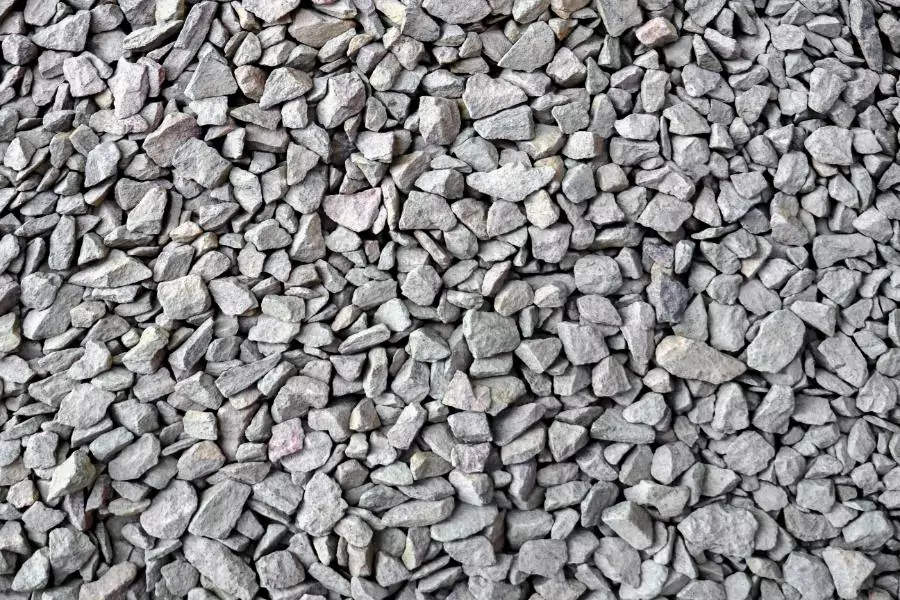
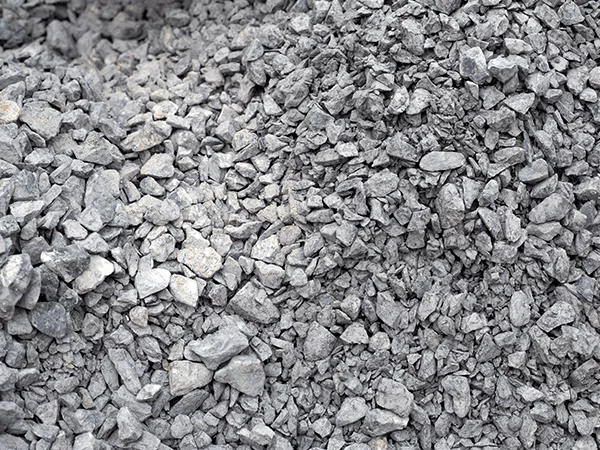


Gravel Monkey delivers high-quality aggregates and landscaping materials throughout Adams Center, New York, providing reliable service to property owners across Jefferson County. Whether you're improving a driveway near Route 11, building a new foundation along Sandy Creek, or creating functional drainage solutions for your property, we supply the materials you need with free delivery to your Adams Center location. Our extensive selection of crushed stone, gravel, sand, and specialty aggregates meets the demanding requirements of Northern New York's climate and soil conditions.
Complete Aggregate Selection for Adams Center Projects
Adams Center property owners face unique challenges with the region's clay-rich soils, significant precipitation, and severe freeze-thaw cycles. Gravel Monkey offers aggregates specifically suited to these conditions, ensuring your project performs well through harsh winters and wet spring seasons. We serve residential properties throughout Adams Center, from rural homes along County Route 47 to properties near the hamlet center.
- Driveway Gravel - Durable base aggregate designed for Northern New York conditions
- 3/4 inch Crushed Stone - Versatile angular aggregate for foundations and base layers
- #57 Stone - Perfect for drainage applications and concrete projects
- Crusher Run - Compactable mix of stone and fines for solid bases
- Road Base - Heavy-duty aggregate for driveways and private roads
- Drain Rock - Specialty aggregate for French drains and foundation drainage
- Pea Gravel - Smooth decorative stone for pathways and landscaping
- River Rock - Natural rounded stone for aesthetic applications
- Walkway Gravel - Stable surface material for paths and garden trails
- Crushed Concrete - Sustainable recycled aggregate for various projects
- Decomposed Granite - Compactable natural material for rustic aesthetics
- Topsoil - Nutrient-rich soil for gardens and lawn establishment
- Fill Dirt - Economical material for grading and elevation changes
- Mason Sand - Fine sand for mortar, concrete, and masonry work
- Playground Sand - Safe, clean sand for play areas
- Washed Sand - Clean sand for multiple construction applications
Driveway Aggregates for Adams Center Properties
Adams Center driveways require materials that can handle the region's challenging conditions: heavy snow loads, spring thaw cycles, and the clay-based soils common throughout Jefferson County. Properties along Baggs Settlement Road and Route 178 benefit from properly constructed aggregate driveways that resist rutting and maintain stability year-round.
The key to successful driveway construction in Adams Center starts with proper base preparation. Our crushed stone products provide excellent compaction and drainage, preventing the frost heaving that damages poorly constructed driveways during winter months. The angular nature of crushed aggregates locks together under compaction, creating a stable platform that supports vehicle traffic without shifting or settling.
Choosing the Right Base Material
For Adams Center driveways, a multi-layer approach works best. Start with a substantial base layer of crusher run or road base—typically six inches deep for residential driveways. These materials contain a blend of larger stones and fine particles that compact into a solid, water-resistant foundation. The fine particles fill voids between larger stones, creating an impermeable barrier that prevents water infiltration and subsequent freeze damage.
Over the base layer, add a three-inch surface layer of three quarter inch crushed stone. This top layer provides a stable driving surface while allowing surface water to drain into the base layer below. Properties near Smithville or the Four Corners area with higher traffic volumes may benefit from increasing both base and surface layer depths.
Northern New York experiences approximately 110 inches of snowfall annually, with winter temperatures regularly dropping below zero Fahrenheit. These conditions demand aggregates with superior drainage characteristics. Moisture trapped in driveway materials expands when frozen, causing heaving and cracking. Properly graded crushed stone allows water to percolate through and away from the surface, protecting your investment through multiple freeze-thaw cycles each winter.
Foundation and Drainage Aggregates
Jefferson County's clay-rich soils present significant drainage challenges for Adams Center property owners. Clay soils drain poorly, allowing water to accumulate around foundations and beneath driveways. This water retention causes multiple problems: basement moisture, foundation settlement, frost heaving, and premature deterioration of structures and paved surfaces.
Proper drainage systems using appropriate aggregates solve these issues. French drains installed around foundations and beneath driveways intercept groundwater before it causes damage. Drain rock and number 57 stone work exceptionally well in these applications, providing large voids for water flow while resisting the fine soil particles that would clog the system.
French Drain Installation Considerations
Adams Center French drains typically require trenches eighteen to twenty-four inches deep, positioned at the foundation footing level or below the driveway base. Line the trench with landscape fabric to prevent soil intrusion, then add six to eight inches of drain rock. Place perforated drainage pipe on this aggregate base, then cover with additional drain rock before wrapping with fabric and backfilling.
Properties near Sandy Creek or other low-lying areas may need more extensive drainage systems. The water table in these locations sits higher, and spring runoff from melting snow accumulates quickly. Comprehensive drainage planning prevents chronic moisture problems that plague many older Adams Center homes built without adequate foundation drainage.
For properties with basement foundations, exterior waterproofing combined with proper aggregate drainage provides the best protection. Number 57 stone placed against waterproofed foundation walls creates a drainage plane that channels water down to footer drains, preventing hydrostatic pressure buildup that forces water through foundation walls.
| Aggregate Type | Best Applications | Drainage Rating | Compaction | Adams Center Uses |
|---|---|---|---|---|
| Crusher Run | Driveway base, road building | Good | Excellent | Primary base for residential driveways |
| 3/4" Crushed Stone | Driveway surface, concrete base | Excellent | Very Good | Top layer for driveways, shed foundations |
| #57 Stone | Drainage systems, concrete work | Superior | Moderate | French drains, foundation drainage |
| Road Base | Heavy traffic areas, private roads | Good | Excellent | Long driveways, equipment access |
| Drain Rock | Drainage applications | Superior | Poor | French drains, sump pump discharge |
| Crushed Concrete | Budget-friendly base material | Very Good | Excellent | Cost-effective driveway base |
| Pea Gravel | Landscaping, pathways | Good | Poor | Decorative beds, garden paths |
Decorative Aggregates and Landscaping Materials
Beyond functional applications, aggregates enhance the aesthetic appeal of Adams Center properties. Pea gravel, river rock, and decomposed granite create attractive landscape features while providing practical benefits like weed suppression and moisture retention. These decorative materials work beautifully in flower beds, around trees, and along property borders throughout the hamlet.
Pea gravel's smooth, rounded shape makes it comfortable for walkways and play areas. The material drains well and doesn't track into homes like sand or dirt. Many Adams Center residents use pea gravel for dog runs, garden pathways, and as decorative mulch in planting beds. The natural earth tones complement rural properties and blend seamlessly with Northern New York's landscape.
River rock provides a more dramatic visual impact with larger stone sizes and varied colors. These naturally weathered stones work well in dry creek beds, rain gardens, and as accent features around water features or specimen plantings. Properties near Route 11 often incorporate river rock into front landscaping for low-maintenance curb appeal that handles road salt and snow removal impacts.
Walkway Construction
Walkway gravel creates stable, attractive paths through gardens and yards. Unlike poured concrete or pavers, gravel walkways handle ground movement from freeze-thaw cycles without cracking. They also allow water to percolate through rather than running off, reducing erosion and ice formation in winter.
For Adams Center walkways, excavate four to six inches deep, line with landscape fabric, add two inches of crusher run base, then top with three to four inches of walkway gravel. Edge the path with larger stones or metal edging to contain the gravel and maintain clean lines. This construction method provides years of maintenance-free service while complementing rural property aesthetics.
Topsoil and Fill Dirt for Adams Center Properties
Northern New York's native soils present challenges for gardening and landscaping. The region's glacial history left behind clay-heavy soils that drain poorly and compact easily. Imported topsoil improves growing conditions dramatically, providing the organic matter and soil structure that gardens require.
Quality topsoil contains a balance of sand, silt, clay, and organic matter. This mixture drains adequately while retaining sufficient moisture and nutrients for healthy plant growth. Adams Center gardeners use topsoil to establish new lawns, build raised beds, amend existing gardens, and improve areas damaged by construction or grading.
For vegetable gardens and flower beds, mix topsoil with compost at a two-to-one ratio. This combination provides immediate nutrients while improving long-term soil structure. Properties with heavy clay should build raised beds twelve to eighteen inches high using quality topsoil rather than attempting to amend existing soil—it's more effective and requires less ongoing maintenance.
Fill Dirt Applications
Fill dirt serves different purposes than topsoil. This subsoil material contains minimal organic matter, making it ideal for grading and elevation changes without future settling concerns. Fill dirt compacts well and stays stable over time—critical characteristics for areas beneath driveways, foundations, and patios.
Adams Center properties often need fill dirt for correcting drainage problems, building up low areas, or establishing proper grading around foundations. Proper grading directs water away from structures, preventing basement moisture and foundation issues. The ideal grade slopes six inches per ten feet away from the house for the first ten feet.
When using fill dirt for major grading projects, add it in six-inch layers, compacting each layer before adding the next. This process prevents future settlement that could redirect drainage back toward foundations or create dips in driveways and walkways. Properties throughout Jefferson County benefit from proper grading that protects structures from Northern New York's abundant precipitation.
Mason Sand and Specialty Sands
Various sand products serve specific construction and landscaping purposes in Adams Center. Mason sand provides the fine, consistent particles required for mortar and concrete mixing. Playground sand offers a clean, safe surface for children's play areas. Washed sand works for multiple applications including paver base and sandbox fill.
Mason sand's fine texture and lack of organic materials make it essential for masonry work. The uniform particle size ensures proper mortar consistency and workability. Adams Center contractors use mason sand for brick pointing, stone veneer installation, and concrete mixing for sidewalks and foundations.
For play areas, playground sand provides a soft, clean surface that cushions falls and encourages creative play. This specially processed sand contains no dust, organic matter, or sharp particles. Parents throughout the hamlet use playground sand for sandboxes, play sets, and volleyball courts, knowing it meets safety standards for residential use.
Sand in Construction Applications
Washed sand serves numerous construction purposes. As a paver base, one inch of washed sand over compacted crusher run provides a smooth setting bed that allows precise paver leveling. For French drain backfill, washed sand fills the upper portion of trenches, allowing surface water infiltration while preventing soil migration into drain rock below.
Properties installing septic systems use washed sand for drain field bedding. The clean, consistent particle size allows proper effluent distribution and prevents system failure from fine soil infiltration. Jefferson County's heavy soils make sand bedding essential for septic system longevity—skipping this step often leads to premature system failure and expensive replacements.
Working with Adams Center's Climate
Northern New York's continental climate significantly impacts aggregate performance and project planning. The region experiences cold winters with average January temperatures around 15°F, while summer highs reach the low 80s. Annual precipitation totals approximately 45 inches, distributed fairly evenly throughout the year with additional moisture from 110 inches of annual snowfall.
These conditions create freeze-thaw cycles that stress improperly constructed projects. Water expands roughly nine percent when freezing. If moisture becomes trapped in soil or aggregate layers without adequate drainage, this expansion force heaves structures, cracks foundations, and destroys driveways. Proper material selection and installation techniques prevent these common failures.
Spring presents unique challenges in Adams Center. Snowmelt saturates soils already holding high moisture from fall rains. This saturation period typically extends from late March through May, limiting construction windows and making proper drainage absolutely critical. Properties without adequate drainage systems experience basement flooding, foundation settlement, and driveway deterioration during this vulnerable season.
Seasonal Project Planning
Timing aggregate projects appropriately ensures best results. Late spring through early fall provides optimal conditions for driveway construction, foundation work, and major grading projects. Soil moisture levels stabilize, allowing proper compaction of base materials. Avoid late fall construction if possible—projects rushed before winter often fail during spring thaw because materials didn't achieve adequate compaction.
For emergency repairs or time-sensitive projects during marginal weather, take extra precautions. Increase base material depth by two inches to compensate for less-than-ideal compaction conditions. Ensure exceptional drainage provisions since frozen ground beneath new aggregate won't absorb water as effectively as unfrozen soil.
Serving Adams Center Communities
Gravel Monkey delivers throughout Adams Center and surrounding Jefferson County areas. We regularly serve properties along Route 11, providing convenient access to quality aggregates for this major corridor through the hamlet. Rural properties along County Route 47 and Baggs Settlement Road receive the same reliable service and free delivery as homes in the hamlet center.
The Smithville area, northeast of Adams Center proper, benefits from our comprehensive aggregate selection for agricultural and residential applications. Farm properties in this region use crusher run for equipment roads, drain rock for tile drainage systems, and various aggregates for building maintenance and improvements. Our delivery service accommodates these diverse needs with flexible scheduling and appropriate equipment for rural access.
Properties near the Four Corners area—where Routes 11 and 178 intersect—frequently request driveway materials for both residential and small commercial applications. This central location experiences higher traffic volumes, requiring quality aggregate bases that maintain stability under increased vehicle loads. We help property owners select appropriate materials and calculate quantities for lasting results.
Residential areas throughout the hamlet core use our decorative aggregates for landscaping projects that enhance curb appeal and reduce maintenance requirements. Pea gravel, river rock, and other specialty materials transform ordinary yards into attractive, low-maintenance landscapes that withstand Northern New York's climate challenges.
The Sandy Creek vicinity, with its lower elevations and proximity to water features, particularly benefits from proper drainage materials and techniques. Properties in this area often need comprehensive drainage solutions using drain rock and number 57 stone to manage high water tables and prevent chronic moisture problems. Our delivery service ensures these properties receive materials appropriate for their unique site conditions.
Route 178 properties, connecting Adams Center to the broader Jefferson County area, represent a mix of residential, agricultural, and small commercial sites. This diversity requires a complete range of aggregate products—from heavy-duty road base for commercial driveways to decorative river rock for residential landscaping. Our extensive inventory meets these varied requirements with consistent quality across all product lines.
Properties near Adams proper, just south of Adams Center, benefit from our regional service area. These neighboring communities share similar soil conditions and climate challenges, making our material recommendations and delivery services equally valuable throughout the broader area.
Calculating Aggregate Quantities
Accurate material estimation prevents project delays and controls costs. For rectangular areas like driveways and patios, measure length and width in feet. Determine the desired depth in inches (typically three to six inches depending on application and material type). Convert depth to feet by dividing by twelve.
Multiply length times width times depth (in feet) to get cubic feet. Divide this result by 27 to convert to cubic yards—the standard unit for aggregate ordering. For example, a driveway twenty feet wide by fifty feet long with a four-inch depth requires: 20 × 50 × 0.33 = 330 cubic feet ÷ 27 = 12.2 cubic yards.
Add ten percent to your calculated quantity to account for compaction, spillage, and surface irregularities. For the example above, order thirteen to fourteen cubic yards. Adams Center's uneven terrain and clay soils often require more material than calculated for level sites on sandy soils, so the extra material prevents shortages that delay project completion.
Irregular Area Calculations
For curved or irregular shapes, break the area into rectangles and triangles, calculate each section separately, then sum the results. Alternatively, use online aggregate calculators that handle complex shapes—many provide results in cubic yards ready for ordering. Our team can also help estimate quantities based on your project description and site photos.
For circular areas like fire pits or tree rings, use the formula: π × radius² × depth (in feet) ÷ 27 = cubic yards needed. Remember that radius equals half the diameter, and π (pi) equals approximately 3.14. A six-foot diameter fire pit with four inches of pea gravel requires: 3.14 × 3² × 0.33 ÷ 27 = 0.35 cubic yards—about one-third of a cubic yard.
Professional Installation Guidelines
Proper aggregate installation determines project longevity and performance. Begin every project with thorough site preparation. Remove existing vegetation, topsoil, and organic material from the construction area. These materials decompose over time, causing settlement that damages driveways and foundations. Excavate to appropriate depth based on your base material and surface layer requirements.
Install landscape fabric over exposed subsoil before adding aggregate. This barrier prevents fine soil particles from migrating upward into your aggregate base—a process that gradually fills voids, reduces drainage, and weakens compaction. Use commercial-grade landscape fabric rated for construction applications rather than lightweight garden fabric that tears easily.
Add aggregate in layers no more than six inches deep. Compact each layer thoroughly with a plate compactor or roller before adding the next. This process achieves optimal density and prevents future settlement. Never add full depth in one lift and attempt to compact—the bottom portion won't achieve adequate density regardless of compaction efforts.
Compaction Best Practices
Proper compaction requires correct moisture content. Slightly damp material compacts more effectively than completely dry or saturated aggregate. If material appears dusty, lightly mist with water while spreading. If water pools when you step on freshly spread material, allow drainage before compacting.
Make multiple passes with compaction equipment, overlapping each pass by fifty percent. Continue until no visible material movement occurs under the compactor's weight. This typically requires four to six passes for crusher run and similar materials, fewer passes for clean stone without fines.
Edge restraints prevent aggregate spread and maintain project boundaries. For driveways, pressure-treated 6×6 timbers or concrete curbs contain material effectively. Garden paths benefit from metal landscape edging or larger stone borders. Without proper edging, aggregate gradually spreads beyond intended boundaries, requiring frequent replenishment.
Frequently Asked Questions About Gravel and Aggregates in Adams Center
We deliver a comprehensive selection of aggregates including driveway gravel, crushed stone, number 57 stone, crusher run, pea gravel, river rock, drain rock, road base, crushed concrete, decomposed granite, topsoil, fill dirt, and various sands throughout Adams Center and Jefferson County.
Yes! Gravel Monkey offers FREE delivery to Adams Center and the surrounding Jefferson County area for all gravel, stone, and aggregate material orders. We proudly serve residential and commercial customers throughout the region.
For Adams Center driveways, we recommend three quarter inch crushed stone or crusher run as a base layer, which compacts well and handles the freeze-thaw cycles common in Jefferson County. Number 57 stone also works excellently for drainage beneath the surface layer.
The amount depends on your project dimensions. For driveways, calculate length times width times depth in feet, then divide by 27 to get cubic yards. A typical driveway needs 4 to 6 inches of base material. Our team can help estimate quantities for your specific Adams Center property.
Adams Center receives significant annual precipitation and experiences harsh winters with freeze-thaw cycles. Proper drainage using materials like drain rock and crushed stone prevents water accumulation, frost heaving, and foundation damage common in Northern New York properties.
Absolutely! Crushed concrete is an excellent eco-friendly alternative that performs well in Adams Center climate conditions. It compacts firmly, drains effectively, and costs less than traditional stone while providing comparable durability for driveways and base applications.
Drain rock and number 57 stone are ideal for French drain systems in Jefferson County. These aggregates provide excellent water flow and resist the clogging issues that can occur with finer materials in our clay-heavy Northern New York soils.
Late spring through early fall provides optimal conditions for most aggregate projects in Adams Center. This timing allows proper soil conditions for compaction and avoids the complications of frozen ground and spring thaw that can compromise project quality.
Get Started with Your Adams Center Aggregate Project
Quality aggregates delivered free throughout Adams Center and Jefferson County—that's the Gravel Monkey advantage. Whether you're planning a new driveway along Route 11, installing drainage solutions near Sandy Creek, or creating attractive landscaping throughout the hamlet, we supply the materials you need with expert guidance for successful project completion.
Our extensive inventory serves every aggregate requirement for Northern New York properties, from heavy-duty road base for commercial applications to decorative river rock for residential landscaping. Every material we deliver meets quality standards that ensure long-term performance in Adams Center's challenging climate conditions.
Free delivery means significant savings on your project budget. We serve properties throughout the Adams Center area, from rural locations along County Route 47 to homes in the hamlet center near the Four Corners. No minimum orders, no hidden fees—just quality aggregates delivered when you need them.

Need help? Reach out for a quote: