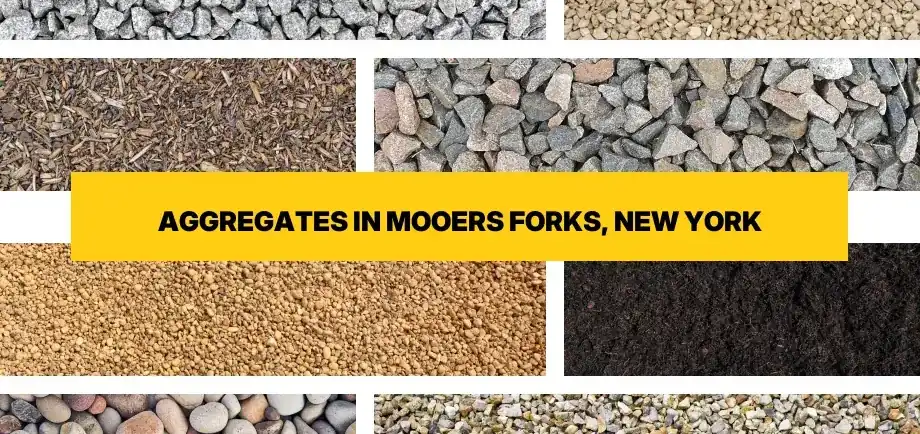
Shop Bulk Materials & Gravel in Mooers Forks, New York
Local Topsoil, Dirt, Sand, Rocks and Gravel near me in Mooers Forks, New York
Shop Aggregates for Delivery in Mooers Forks
Order online for free delivery to any Mooers Forks address.
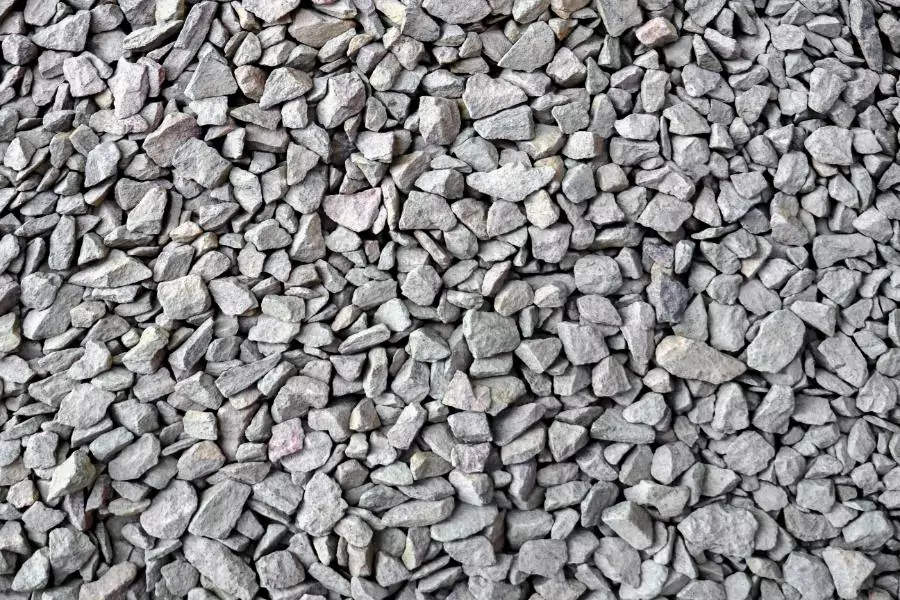
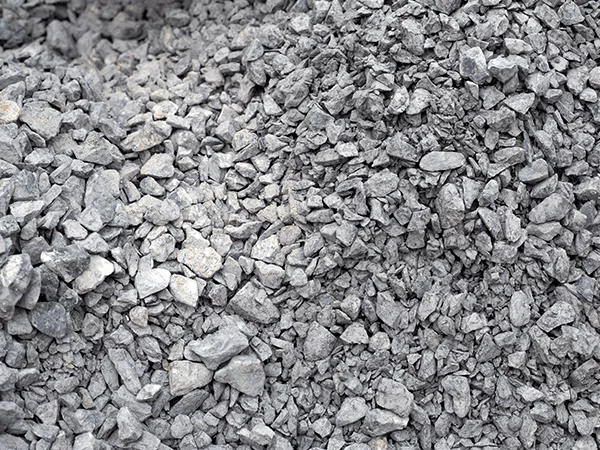


Gravel Monkey is your trusted source for premium gravel and aggregate delivery in Mooers Forks, New York. Located in the heart of Clinton County near the Canadian border, Mooers Forks faces unique challenges with its cold climate, heavy clay soils, and dramatic seasonal freeze-thaw cycles. Whether you're building a driveway along Route 11, creating drainage solutions near the Chazy River, or upgrading a rural property on Cannon Corners Road, we deliver high-quality aggregates directly to your location with absolutely free delivery throughout the North Country region.
Complete Aggregate & Material Selection for Mooers Forks
Understanding the specific needs of properties in northern New York, we offer a comprehensive range of aggregates and materials designed to perform in challenging conditions. From the coldest January nights when temperatures plummet below zero to the spring thaw that tests every drainage system, our materials are selected for durability and performance:
- Driveway Gravel - Engineered for stability during freeze-thaw cycles
- 3/4 inch Crushed Stone - Versatile aggregate for foundations and driveways
- #57 Stone - Excellent for drainage applications in clay soils
- Crusher Run - Superior compaction for base layers
- Road Base - Heavy-duty aggregate for private roads and parking areas
- Drain Rock - Critical for managing seasonal water flow
- Pea Gravel - Decorative stone for walkways and gardens
- River Rock - Natural aesthetic for landscaping projects
- Walkway Gravel - Ideal for paths and garden borders
- Crushed Concrete - Eco-friendly recycled aggregate option
- Topsoil - Nutrient-rich soil for gardens and lawns
- Fill Dirt - Essential for grading and leveling projects
- Mason Sand - Fine sand for construction and masonry
- Playground Sand - Safe, clean sand for play areas
- Washed Sand - Clean sand for concrete and landscaping
- Decomposed Granite - Natural compacting material for paths
Understanding Mooers Forks Geology & Climate Challenges
Mooers Forks sits in the Champlain Valley region where glacial deposits created predominantly clay-rich soils with poor natural drainage. This heavy clay composition, combined with our location at approximately 300 feet elevation, creates specific challenges for property owners. The area experiences average annual temperatures of 42°F, with winter lows regularly dropping to -10°F or colder, and summer highs reaching the mid-80s.
The region receives approximately 36 inches of precipitation annually, with significant snowfall averaging 80-90 inches per year. This combination of heavy snow, spring runoff from the nearby Adirondack foothills, and poor-draining clay soils means that proper aggregate selection and drainage planning are not optional—they're essential for long-term property stability.
Why Freeze-Thaw Cycles Matter for Aggregate Selection
The dramatic temperature swings in Mooers Forks create constant freeze-thaw cycling from November through April. When water trapped in soil freezes, it expands with tremendous force, causing frost heave that can destroy driveways, shift foundations, and crack pavement. Properties along Perry Mills Road, Blackman Corners, and throughout the rural countryside all face these same challenges.
Properly selected aggregates resist these forces by providing drainage pathways that prevent water accumulation. Angular crushed stone aggregates interlock to create stable bases that maintain their structure even as the ground freezes and thaws repeatedly throughout our extended winter season.
Serving All Mooers Forks Areas & Nearby Communities
Gravel Monkey provides free delivery throughout Mooers Forks and the surrounding North Country region. We regularly serve properties in these areas and nearby communities:
- Mooers Forks Village Center - Historic hamlet along Route 11
- Cannon Corners - Rural residential area with large properties
- Perry Mills - Agricultural community to the northeast
- Blackman Corners - Crossroads community with mixed residential and farm properties
- Route 11 Corridor - Main thoroughfare with commercial and residential properties
- Chazy River Area - Properties near the river requiring drainage solutions
We also deliver to nearby communities including Mooers, Altona, Ellenburg Depot, West Chazy, and throughout Clinton County. Whether your property is on a maintained road or a seasonal access route, we ensure your aggregates arrive on schedule.
Aggregate Applications for North Country Properties
Driveway Construction & Maintenance
Long gravel driveways are common throughout rural Mooers Forks, and maintaining them through harsh winters requires the right materials. Base layers should use compactable aggregates that create a firm foundation resistant to frost heave. The surface layer needs stone that stays in place during snowplowing and spring mud season without creating washboard patterns or potholes.
For new driveway construction, start with 6-8 inches of compacted base material, followed by 2-4 inches of surface stone. For existing driveways showing wear from winter damage, fresh aggregate application in late spring or early summer allows proper settling before the next winter season arrives.
Foundation Drainage Systems
The clay soils throughout Mooers Forks hold water like a bathtub, making foundation drainage systems absolutely critical for basement dryness and foundation stability. Without proper drainage, hydrostatic pressure builds against foundation walls, forcing water through any available crack or pore. During freeze-thaw cycles, this moisture can cause significant structural damage.
Effective drainage systems use coarse aggregates that allow water to flow freely while providing structural support around foundation perimeters. These systems protect your investment by channeling water away before it becomes a problem inside your home or under your foundation slab.
Private Road Base Construction
Many properties in the Cannon Corners and Perry Mills areas access their homes via private roads shared with neighbors. Building and maintaining these roads requires aggregates that compact firmly, drain effectively, and withstand heavy use and plowing. The foundation must be strong enough to support loaded vehicles without rutting while allowing water to drain through rather than pooling on the surface.
Successful private road construction starts with proper excavation to remove unstable topsoil and organic material, followed by progressive layers of base and surface aggregates that work together to create a durable, all-weather access route.
| Aggregate Type | Best Applications | Drainage Rating | Compaction Level | Winter Performance |
|---|---|---|---|---|
| Crusher Run | Driveway base, road foundation | Good | Excellent | Superior stability |
| 3/4" Crushed Stone | Driveway surface, general use | Excellent | Very Good | Resists frost heave |
| #57 Stone | Drainage systems, French drains | Excellent | Moderate | Prevents ice buildup |
| Road Base | Heavy-duty roads, parking areas | Good | Excellent | Maximum durability |
| Drain Rock | Foundation drains, septic systems | Superior | Low | Prevents water accumulation |
| Pea Gravel | Walkways, decorative landscaping | Very Good | Low | Good for light traffic |
| Crushed Concrete | Budget-conscious base layers | Good | Good | Economical alternative |
Detailed Aggregate Specifications for Mooers Forks Projects
Base Course Aggregates
Base course materials form the foundation of every successful driveway, road, or parking area in Mooers Forks. These aggregates must compact tightly to create a stable platform while still allowing water drainage. The combination of angular particles in various sizes allows them to interlock mechanically, creating strength through particle-to-particle contact rather than relying solely on compaction pressure.
In our cold climate, base course aggregates serve double duty: they must support loads from above while also resisting upheaval forces from below as ground water freezes and expands. This is why properly installed base courses typically perform better than inferior surface materials could ever compensate for.
Surface Aggregates for Traffic Areas
Surface aggregates face direct exposure to traffic, weather, and plowing equipment. The ideal surface stone for Mooers Forks conditions provides good traction, resists displacement during plowing, and maintains a relatively smooth surface without excessive dust generation in dry conditions or turning muddy when wet.
Size matters significantly in surface aggregates. Too large and vehicles bounce uncomfortably over individual stones. Too small and the material displaces easily, migrates with water flow, and requires frequent regrading. The optimal range balances these competing requirements while considering your specific traffic patterns and maintenance preferences.
Decorative Landscape Aggregates
While functionality drives most aggregate selection in our practical North Country climate, decorative stones still play important roles in landscaping around homes throughout Blackman Corners and the Route 11 corridor. These materials enhance curb appeal, suppress weeds, retain soil moisture, and provide clean, attractive surfaces for garden beds and walkways.
Even decorative applications benefit from proper installation techniques. A landscape fabric barrier prevents stone from migrating into soil below while blocking weed growth. Proper edging maintains clean borders and prevents stone from spreading into lawn areas where it could damage mowing equipment.
Professional Installation Practices for North Country Conditions
Site Preparation Essentials
Successful aggregate installations in Mooers Forks start with proper site preparation. This means removing organic topsoil, unstable subsoils, and any material that could compress unevenly or retain excessive moisture. The depth of excavation depends on your intended use—driveways typically require 10-12 inches total depth, while lighter-duty walkways might need only 6-8 inches.
In areas with particularly heavy clay soils near the Chazy River or in low-lying sections of Perry Mills, additional excavation may be necessary to reach more stable subgrade or install drainage features. This extra effort during preparation pays dividends through decades of superior performance compared to shortcuts that inevitably fail.
Proper Compaction Techniques
Compaction transforms loose aggregate into a solid, durable surface capable of supporting vehicle loads and resisting frost heave. The process requires appropriate equipment—plate compactors for smaller areas, rollers for larger projects—and progressive installation in layers no more than 4 inches thick before compaction.
Each layer should be compacted thoroughly before adding the next. Adding moisture during compaction helps particles settle into optimal positions, particularly important with crusher run and road base materials. The final compacted surface should be firm enough that you can't easily push stones aside with your boot heel.
Managing Drainage Slopes
Every aggregate surface needs proper slope to shed water rather than allowing it to pond and eventually penetrate beneath the surface. Minimum slopes should be two percent (quarter inch per foot), with greater slopes in areas of heavy runoff or where nearby terrain directs water across your surface.
Consider the surrounding landscape when planning drainage. Water flowing from higher ground, spring runoff from the nearby foothills, and seasonal water table fluctuations all affect how water moves across your property. Strategic placement of drainage ditches, culverts, or French drains helps manage water before it undermines your aggregate surfaces.
Seasonal Planning for Aggregate Projects in Mooers Forks
Spring: Post-Thaw Assessment & Repair
Spring in Mooers Forks brings the annual ritual of assessing winter damage. As frost leaves the ground and snowmelt saturates soils, this is when structural weaknesses become obvious. Potholes appear in driveways, ruts develop in private roads, and drainage systems prove whether they're adequate or need enhancement.
Late spring, after the ground has thawed completely and excess moisture has drained, provides ideal conditions for aggregate installations. The compacted base has time to settle and stabilize before winter returns. Fresh surface stone applied in May or June will work into place naturally through summer and autumn use, creating a well-integrated surface before facing its first winter.
Summer: Optimal Construction Season
Summer offers the longest window for aggregate projects in our short northern growing season. Dry conditions allow for excellent compaction, and warm temperatures mean materials handle and place easily. This is when larger projects like new driveway construction, private road improvements, and foundation drainage system installation should be scheduled.
However, even summer in Mooers Forks can bring unexpected rain. Plan for temporary drainage and erosion control during construction. Partially completed installations are vulnerable to damage from heavy rain until final surfaces are in place and compacted.
Fall: Final Preparations for Winter
Autumn represents your last opportunity to address drainage problems and surface damage before winter compounds every issue. Properties throughout Cannon Corners and the Route 11 corridor should be evaluated for potential winter trouble spots—areas where water ponds, sections showing erosion, and surfaces exhibiting signs of subsurface instability.
September and October work schedules fill quickly as property owners rush to complete outdoor projects before snow flies. Planning ahead and scheduling early ensures you're not trying to finish projects as temperatures drop below freezing and early snow arrives.
Winter: Planning Next Year's Projects
While major aggregate installations pause during our cold winters, this season offers perfect planning time. Observe how water moves across your property during snowmelt events. Note where ice accumulates. Identify areas where plowing creates problems. These observations inform better decisions when construction season returns.
Local Considerations for Mooers Forks Property Owners
Understanding Rural Property Access
Many properties in Mooers Forks are accessed via seasonal roads or private rights-of-way shared with neighbors. When planning aggregate delivery, consider access conditions. Our delivery trucks require adequate clearance, stable surfaces, and turning radius. We work with property owners to identify the best delivery locations and timing to ensure successful material placement.
For properties along seasonal roads that become impassable during mud season or remain unplowed in winter, summer delivery makes the most sense. We can stockpile materials at accessible locations for future use as needed.
Environmental Stewardship in the North Country
The Mooers Forks area is characterized by working farms, forested land, and the sensitive Chazy River watershed. When installing aggregates, consider erosion control and water quality protection. Silt fences, temporary berms, and careful grading prevent sediment from reaching nearby streams and wetlands.
Choosing recycled aggregates like crushed concrete reduces environmental impact while providing cost-effective performance for many applications. These materials offer the dual benefit of keeping usable material out of landfills while reducing the need for new quarry operations.
Budgeting for Aggregate Projects in Mooers Forks
Calculating Material Quantities
Accurate material estimation prevents costly overages or project-delaying shortages. For driveways and roads, calculate the area in square feet and multiply by the depth in feet to get cubic feet, then divide by 27 to convert to cubic yards. Most aggregates are sold by the cubic yard or ton.
As a practical guide, one ton of crushed stone typically covers approximately 100 square feet at 2 inches deep. For a standard 12-foot wide, 100-foot long driveway with 4 inches of base and 2 inches of surface material, you'll need roughly 22 cubic yards of material total. Our team helps verify these calculations and adjusts for site-specific conditions.
Long-Term Value of Quality Materials
While budget considerations are always important, choosing appropriate aggregates for Mooers Forks conditions provides long-term value that exceeds initial cost savings from inferior materials. A properly built driveway using quality crusher run base and suitable surface stone will outlast cheaper alternatives by decades, avoiding the frustration and expense of repeated repairs.
The harsh North Country climate accelerates material degradation. Aggregates that perform adequately in milder climates may fail quickly here. Investing in proven materials matched to our specific conditions protects your larger investment in labor, equipment, and site preparation.
Frequently Asked Questions About Aggregates in Mooers Forks
For our severe winters with repeated freeze-thaw cycles, crusher run provides an excellent compactable base, topped with three-quarter inch crushed stone for the surface. This combination creates a stable driveway that resists frost heave while providing good traction and drainage. The angular particles interlock to maintain structure even as temperatures swing from well below zero to above freezing throughout the winter.
For residential driveways in our area, install 6-8 inches of compacted base aggregate followed by 2-4 inches of surface stone. Private roads handling heavier traffic may need 10-12 inches of base material. The heavy clay soils and frost penetration depth of 4-5 feet in this region make substantial base depth essential for long-term performance. Properties with particularly poor drainage or heavy clay may benefit from even deeper excavation and base installation.
Late spring through early fall provides optimal conditions for aggregate installation. The ground should be completely thawed and dried from spring moisture, typically from mid-May onward. Installing materials in summer allows them to settle and compact naturally before winter. Avoid installation during wet conditions or when ground frost is still present, as these conditions prevent proper compaction and can lead to future settling problems.
Yes, the heavy clay soils throughout Mooers Forks require thoughtful drainage planning. Clay holds water and provides poor natural drainage, which leads to unstable subgrades and frost heave problems. Consider installing French drains along driveway edges, using coarse drain rock around foundations, and ensuring positive surface drainage slopes away from structures. Proper drainage design is not optional in this climate—it is fundamental to long-term success.
Absolutely! We regularly deliver throughout rural Mooers Forks, including properties along Cannon Corners Road, Perry Mills Road, and throughout the countryside. Free delivery applies to all locations within our service area. We do need adequate access for our delivery trucks—contact us to discuss your specific location and we will work out the best delivery arrangement for your property.
Washout prevention starts with proper installation—adequate base depth, good compaction, and appropriate surface slope for drainage. Crown the driveway center slightly so water flows to the edges. Install drainage ditches or swales along edges to capture runoff. Use angular crushed stone rather than rounded gravel, as angular stones interlock better and resist displacement. For problem areas, consider using crusher run which compacts more firmly than loose stone.
Mooers Forks driveways benefit from annual spring inspection after frost leaves and ground stabilizes. Add fresh surface stone every 2-3 years to maintain depth and smooth out traffic patterns. Grade the surface as needed to restore proper crown and drainage. Clear vegetation from edges to maintain drainage paths. In winter, angle plow blades slightly to avoid scraping away surface material. With proper maintenance, a well-built aggregate driveway serves reliably for decades.
Yes, crushed concrete performs well as a base material in Mooers Forks conditions. It compacts firmly, provides good drainage, and costs less than virgin stone aggregates. The material handles freeze-thaw cycles effectively and provides excellent strength for base applications. While not ideal for surface layers where appearance matters, crushed concrete makes an economical and environmentally responsible choice for base courses under driveways, roads, and parking areas.
Why Mooers Forks Property Owners Choose Gravel Monkey
Serving the North Country requires understanding local conditions that affect aggregate performance. We know that property owners in Mooers Forks face unique challenges—extreme temperature swings, heavy clay soils, abundant moisture, and a short construction season. Our material selection reflects these realities, offering aggregates proven to perform in harsh northern climates.
Free delivery throughout Mooers Forks and surrounding Clinton County eliminates a significant cost factor from your project budget. Whether you need a single load for a small walkway or multiple loads for a major driveway reconstruction, delivery is included. We work with your schedule and property access to ensure materials arrive when and where you need them.
Beyond competitive pricing and free delivery, Gravel Monkey provides the expertise that helps property owners make informed decisions. We help you calculate quantities accurately, select appropriate materials for your specific application and conditions, and understand installation best practices that ensure long-term success. From properties along Route 11 to remote locations in the countryside, we are committed to helping Mooers Forks property owners achieve their goals with quality aggregates delivered free.

Need help? Reach out for a quote: