Order Topsoil, Stone & Gravel in Poestenkill, New York
Local Topsoil, Dirt, Sand, Rocks and Gravel near me in Poestenkill, New York
Shop Aggregates for Delivery in Poestenkill
Order online for free delivery to any Poestenkill address.


Gravel Monkey is your trusted source for premium gravel and aggregate delivery throughout Poestenkill, New York. Whether you're building a new driveway along Plank Road, upgrading drainage near Dyken Pond, or creating walkways in rural neighborhoods off Route 66, we deliver high-quality aggregates directly to your property with absolutely free delivery. Our comprehensive selection of materials meets the unique demands of Rensselaer County properties, from the challenging clay soils to the steep terrain that defines this beautiful Capital Region community.
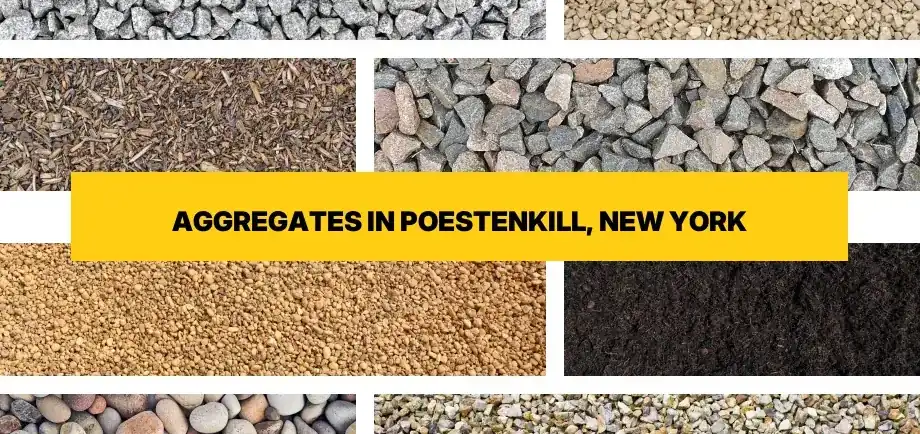
Complete Aggregate & Material Selection for Poestenkill Properties
Poestenkill's rural character and diverse landscape require versatile, durable aggregates that perform reliably through harsh northeastern winters and wet spring seasons. We offer an extensive range of materials specifically suited to local soil conditions and climate challenges:
- Driveway Gravel - Premium angular stone that compacts firmly on steep Poestenkill driveways
- 3/4 Inch Crushed Stone - Versatile aggregate for driveways, foundations, and base layers
- #57 Stone - Excellent drainage stone for French drains and foundation applications
- Crusher Run - Superior compactable base material ideal for rural access roads
- Road Base - Heavy-duty foundation aggregate for private roads and parking areas
- Drain Rock - Essential for managing water in clay-heavy Poestenkill soils
- Pea Gravel - Smooth decorative stone for pathways and landscaping accents
- River Rock - Natural aesthetic appeal for gardens and water feature projects
- Walkway Gravel - Perfect compact surface for garden paths and pedestrian trails
- Crushed Concrete - Eco-friendly recycled aggregate for base applications
- Topsoil - Rich organic material for garden beds and lawn establishment
- Fill Dirt - Essential for grading, leveling, and site preparation projects
- Mason Sand - Fine-grade sand for masonry, paver setting, and construction
- Playground Sand - Safe, clean sand for play areas and sandboxes
- Washed Sand - Clean multipurpose sand for various applications
- Decomposed Granite - Natural-looking compactable material for rustic pathways
Understanding Poestenkill's Unique Aggregate Requirements
Located in eastern Rensselaer County along the Poesten Kill creek, this town presents specific challenges that influence aggregate selection and project planning. The local geology consists primarily of Normanskill shale bedrock overlaid with glacial till containing significant clay content. This clay-rich soil composition, combined with the area's rolling to steep topography, creates drainage concerns that demand proper aggregate selection.
Poestenkill experiences a humid continental climate with cold, snowy winters averaging 60 inches of snowfall annually and moderate summers. Winter temperatures frequently dip below 10°F, while summer highs reach the mid-80s. This dramatic freeze-thaw cycle—sometimes occurring multiple times within a single week during spring—places enormous stress on driveways, foundations, and outdoor surfaces throughout neighborhoods along Aiken Road, Miller Road, and the more developed areas near Route 66.
Serving Poestenkill Neighborhoods and Surrounding Communities
We proudly deliver aggregates throughout every corner of Poestenkill and neighboring communities:
- Plank Road Corridor - Residential properties requiring durable driveway solutions
- Route 66 Area - Commercial and residential developments needing various aggregates
- Dyken Pond vicinity - Rural properties near the Environmental Education Center
- Aiken Road neighborhoods - Steep terrain requiring specialized drainage materials
- Miller Road region - Agricultural and residential properties with diverse aggregate needs
- Crystal Lake Road area - Properties near waterways requiring drainage solutions
- West Sand Lake border - Homes transitioning between communities
- Brunswick line properties - Rural developments needing road base materials
We also serve nearby communities including Troy, Brunswick, Sand Lake, Averill Park, North Greenbush, and throughout the greater Capital Region, ensuring comprehensive coverage for your aggregate delivery needs.
Choosing the Right Aggregates for Your Poestenkill Project
Driveway Construction and Repair
Poestenkill driveways face unique challenges including steep grades, heavy snowfall, spring runoff, and the persistent freeze-thaw cycle that characterizes Capital Region weather. Properties along Miller Road and Aiken Road often feature significant elevation changes requiring aggregates that resist washout while providing stable surfaces.
For new driveway construction in areas with clay soils, begin with a 4 to 6-inch layer of compacted crusher run as the foundation base. This material interlocks to create a stable platform that resists shifting. Top this base with 2 to 3 inches of angular driveway gravel that compacts tightly and sheds water effectively. Properties on steeper terrain benefit from slightly deeper base layers—up to 8 inches in some cases—to ensure long-term stability.
Existing driveways showing ruts, potholes, or erosion respond well to fresh applications of 3/4 inch crushed stone. The angular edges of this aggregate lock together, creating a firm surface that withstands heavy vehicle traffic typical of rural properties. For driveways near Dyken Pond or other low-lying areas prone to standing water, incorporating drain rock beneath the driveway surface prevents water accumulation and the resulting freeze damage.
Drainage Solutions for Clay-Rich Soils
The clay content in Poestenkill soils creates persistent drainage challenges. Clay particles compact tightly, preventing water infiltration and leading to surface pooling, basement seepage, and foundation concerns. Properties throughout the Route 66 corridor and rural areas regularly require enhanced drainage systems.
French drains utilizing #57 stone provide effective solutions for directing water away from foundations and yard areas. This clean aggregate features consistent sizing that creates optimal void spaces for water flow. Install French drains at least 6 feet from foundation walls, sloping gradually toward appropriate discharge points. The uniform nature of #57 stone ensures water moves freely through the system without clogging.
For surface drainage applications, drain rock placed in swales or along property edges captures and redirects runoff before it causes erosion problems. The rounded nature of drain rock allows rapid water movement while the larger stone size prevents migration into surrounding soil. This proves particularly valuable during spring snowmelt periods when Poestenkill properties experience significant water volume in short timeframes.
Foundation and Construction Base Applications
Construction projects on Poestenkill properties require stable, well-draining base materials that perform reliably through seasonal changes. Road base serves as an excellent foundation aggregate for buildings, sheds, and other structures. This engineered blend of various stone sizes creates a dense, compactable layer that distributes weight evenly across the footprint.
For larger projects like pole barns, garages, or home additions common in rural areas along Plank Road and Crystal Lake Road, road base provides the structural integrity needed to support substantial loads. Apply a minimum 6-inch depth of compacted road base, increasing to 8 or 10 inches for heavier structures or in areas with questionable soil conditions. Proper compaction using mechanical equipment ensures maximum stability and longevity.
Poestenkill Aggregate Comparison Guide
Understanding the characteristics and ideal applications of different aggregates helps ensure project success in Poestenkill challenging environment:
| Aggregate Type | Best Applications | Stone Size | Drainage Rating | Compaction |
|---|---|---|---|---|
| Driveway Gravel | Driveway surfaces, parking areas | 3/4" to 1.5" | Excellent | High |
| 3/4 Inch Crushed Stone | Driveways, paths, general base | 3/4" | Very Good | Very High |
| #57 Stone | Drainage systems, French drains | 1/2" to 1" | Excellent | Moderate |
| Crusher Run | Base layers, roadways, foundations | Fines to 1.5" | Good | Excellent |
| Road Base | Heavy-duty foundations, roads | Fines to 2" | Good | Excellent |
| Drain Rock | Surface drainage, swales | 1" to 3" | Excellent | Low |
| Pea Gravel | Decorative landscaping, pathways | 3/8" | Very Good | Low |
| River Rock | Gardens, water features, accents | 1" to 3" | Good | Very Low |
| Crushed Concrete | Budget base layers, fill projects | Fines to 2" | Very Good | High |
| Mason Sand | Masonry work, paver base, concrete | Fine grade | Poor | High |
Landscaping and Decorative Aggregate Applications
Beyond functional construction needs, aggregates play vital roles in creating attractive outdoor spaces throughout Poestenkill properties. The natural beauty of the area—from views of the Poesten Kill creek to the forested hillsides—inspires homeowners to develop landscaping that complements the environment.
Garden Pathways and Walking Trails
Walkway gravel creates charming paths through gardens, wooded areas, and between functional spaces on your property. This aggregate provides stable footing while allowing water to percolate naturally into the soil. In shaded areas common under the mature tree canopy found throughout Poestenkill neighborhoods, walkway gravel prevents the muddy conditions that plague grass paths during wet seasons.
For a softer, more decorative appearance, pea gravel offers smooth, rounded stones that feel comfortable underfoot. Popular along Route 66 properties for creating defined garden borders and meandering pathways, pea gravel stays in place reasonably well while adding visual texture. The neutral tan and gray tones complement both rustic and contemporary landscape designs common in the area.
Water Features and Natural Accents
River rock transforms ordinary landscaping into natural-looking features reminiscent of Poestenkill's stream valleys and rocky outcrops. Use these smooth, rounded stones around pond edges, in dry creek beds that channel rainwater, or as decorative mulch in planting beds. The varied sizes available allow creative arrangements that look organic rather than contrived.
Properties near Dyken Pond and along waterways throughout the area benefit from river rock's ability to stabilize banks while maintaining aesthetic appeal. The stones resist erosion from flowing water while creating habitat features that blend seamlessly with the natural environment. This proves particularly valuable for properties managing spring runoff or seasonal water flow.
Soil Amendment and Growing Media
Poestenkill's native clay soils challenge gardeners and lawn enthusiasts. The dense structure limits root penetration, restricts oxygen availability, and leads to poor drainage that drowns plants during wet periods. Amending existing soil with quality topsoil dramatically improves growing conditions for vegetables, flowers, and ornamental plantings.
Our topsoil blends feature organic matter that loosens clay structure while providing essential nutrients. Apply 3 to 4 inches of topsoil to existing beds, working it into the upper 6 to 8 inches of native soil. This creates a transition zone that encourages root development while improving drainage. For new bed construction, consider 8 to 12 inches of pure topsoil over improved subsoil for optimal results.
Fill dirt serves essential grading and leveling functions on sloped Poestenkill properties. Correct drainage problems by building up low areas, create level surfaces for patios or play areas, or fill in unwanted depressions. While fill dirt lacks the organic content needed for plant growth, it provides economical bulk material for structural earth-moving projects that prepare sites for subsequent topsoil applications.
Adapting Aggregate Projects to Capital Region Climate
Poestenkill's location in the Hudson Valley creates distinctive weather patterns that influence aggregate performance and project planning. Understanding these factors ensures successful, long-lasting results.
Winter Freeze-Thaw Management
The repeated freezing and thawing that occurs throughout Poestenkill winters places enormous stress on aggregates, particularly in driveway and foundation applications. Water infiltrates aggregate voids, expands upon freezing, then contracts during thaws. This cycle can heave poorly constructed surfaces, create frost boils in inadequate road bases, and cause structural movement in foundations.
Proper depth provides the first defense against frost heave. In Rensselaer County, frost penetration typically reaches 42 inches during severe winters. While aggregate bases need not extend to full frost depth, providing adequate thickness—6 inches minimum for light-duty applications, 12 inches for driveways and roadways—significantly reduces frost-related problems.
The second critical factor involves moisture management. Aggregates that drain freely, such as #57 stone and drain rock, prevent water accumulation within the base structure. This eliminates the source of expansion pressure that causes frost heave. Properties throughout Miller Road and Aiken Road with chronic winter heaving often benefit from excavating failed sections, installing proper drainage materials, and rebuilding with appropriate depths of well-draining aggregates.
Spring Runoff and Erosion Control
March through May brings challenging conditions to Poestenkill properties as snowmelt combines with spring rains to create substantial water flow. Properties on slopes—common throughout the town—experience erosion that washes away soil, undercuts driveways, and creates gullies in yards and fields.
Strategic aggregate placement controls this erosion. Crushed concrete placed in swales and drainage channels provides economical erosion resistance while directing water to appropriate discharge points. The angular nature of crushed concrete interlocks to resist washing while the recycled nature makes it an environmentally responsible choice for large-volume applications.
For steeper areas or high-flow situations, consider layering larger drain rock over compacted subgrade, followed by smaller aggregates like 3/4 inch crushed stone. This gradation prevents smaller stones from washing through larger ones while maintaining excellent drainage characteristics. Properties along Crystal Lake Road and other water-proximate locations particularly benefit from this engineered approach to erosion control.
Professional Installation Guidelines for Poestenkill Projects
Proper installation techniques maximize aggregate performance and longevity in Poestenkill's demanding environment. While specific projects vary, several principles apply universally.
Site Preparation Fundamentals
Successful aggregate projects begin with thorough site preparation. Remove all organic material, roots, and debris from the project area. Organic matter decomposes over time, creating voids that lead to settling and surface irregularities. In areas with existing vegetation, excavate to mineral soil before beginning aggregate placement.
Evaluate existing soil conditions carefully. If you encounter clay layers—common throughout Poestenkill—consider the scope of your project. Small pathways may function adequately with minimal excavation and a geotextile fabric barrier. Driveways, roads, and structural bases require deeper excavation to reach stable subgrade or installation of adequate base depth to bridge questionable soils.
Grade the prepared subgrade with a minimum 2% slope to promote drainage away from structures and toward appropriate discharge points. On flat terrain, create subtle drainage patterns that prevent water accumulation. Even projects using highly permeable aggregates benefit from proper grading that moves water through and away from the installation.
Compaction and Layer Management
Mechanical compaction transforms loose aggregate into stable, load-bearing surfaces. Plate compactors work well for walkways and small areas, while larger projects benefit from vibratory rollers or jumping jack compactors. Compact aggregates in lifts—layers—of no more than 4 inches. Attempting to compact thicker layers results in bridging, where upper material compresses while lower material remains loose.
For multi-layer installations typical of driveway and road construction, compact each layer thoroughly before adding the next. Test compaction by walking across the surface; properly compacted aggregate exhibits minimal movement under foot traffic. Areas that shift or displace require additional compaction before proceeding to the next layer.
Moisture content affects compaction effectiveness. Slightly damp aggregates compact better than bone-dry or saturated materials. During dry Poestenkill summer periods, lightly mist aggregate surfaces before compaction. Conversely, avoid compacting during heavy rain or on saturated subgrades that pump or displace under compactor weight.
Aggregate Investment and Long-Term Value
Quality aggregates represent sound investments in your Poestenkill property. While initial costs vary based on material type, volume, and project scope, proper aggregate selection and installation deliver decades of reliable performance with minimal maintenance.
Calculating Material Quantities
Accurate quantity estimation prevents shortages that delay projects or excess material that wastes money. Calculate volume by multiplying length times width times depth (all in feet), then divide by 27 to convert cubic feet to cubic yards—the standard measurement for aggregate delivery.
For example, a driveway measuring 12 feet wide, 60 feet long, requiring 6 inches (0.5 feet) of depth needs: 12 × 60 × 0.5 = 360 cubic feet ÷ 27 = 13.3 cubic yards. Account for compaction by adding 10-15% to the calculated volume. This same driveway would require approximately 15 cubic yards of aggregate accounting for settling during compaction.
For irregularly shaped areas or complex projects, divide the site into simpler geometric shapes, calculate each section separately, and sum the results. Our team provides expert assistance with quantity calculations, ensuring you receive appropriate amounts for your specific Poestenkill project without unnecessary excess.
Maintenance and Longevity Considerations
Well-installed aggregate surfaces require minimal maintenance while delivering excellent long-term performance. Driveways may need occasional top-dressing every 3 to 5 years to replace material displaced by snow plowing or vehicle traffic. Keep edges defined using landscape edging or periodically rake displaced material back onto the surface.
Drainage systems require periodic inspection to ensure functionality. Check that #57 stone in French drains remains clear of sediment accumulation. Monitor drain rock installations for signs of clogging or sediment migration. Most properly installed systems function for decades with minimal intervention, but annual inspections during spring provide peace of mind.
Decorative aggregates like pea gravel and river rock benefit from occasional raking to maintain appearance and prevent thin spots. Add fresh material as needed to maintain consistent depth and coverage. The long-lasting nature of stone means decorative installations look attractive for many years with basic upkeep.
Sustainable Aggregate Practices in Poestenkill
Environmental stewardship matters to Poestenkill residents who value the area's natural beauty and ecological significance. Responsible aggregate use supports sustainability while meeting practical project needs.
Crushed concrete represents an excellent example of sustainable aggregate use. Rather than mining virgin stone, crushed concrete repurposes demolished concrete from roads, buildings, and infrastructure. This recycled material performs comparably to natural stone in many applications while reducing landfill waste and conserving natural resources. Properties along Route 66 and throughout residential areas successfully use crushed concrete for driveway bases, road construction, and erosion control projects.
Proper aggregate installation itself promotes environmental benefits. Well-designed drainage using appropriate materials prevents erosion that would otherwise send sediment into the Poesten Kill and its tributaries. This protects water quality while preserving stream channel integrity. Permeable aggregate surfaces allow rainwater infiltration rather than creating runoff that overwhelms municipal stormwater systems or causes downstream flooding.
Local sourcing reduces environmental impact associated with material transportation. Gravel Monkey works with regional suppliers to minimize delivery distances, reducing fuel consumption and associated emissions. This approach supports local economies while providing high-quality materials to Poestenkill customers.
Comprehensive Service Throughout the Capital Region
While Poestenkill serves as a focal point, our delivery coverage extends throughout Rensselaer County and the broader Capital Region. We regularly serve Troy, Brunswick, Sand Lake, Averill Park, North Greenbush, Wynantskill, and communities across the area. Whether your property sits along Route 66 in central Poestenkill, on a rural hillside near Dyken Pond, or in any surrounding community, we provide the same reliable service and free delivery.
Our extensive service area ensures customers throughout the region access premium aggregates without compromise. Rural properties receive the same attention and service quality as more accessible locations. We understand the access challenges presented by narrow driveways, hilly terrain, and seasonal road conditions typical of the area, and our delivery team brings experience navigating these situations successfully.
Frequently Asked Questions About Aggregates in Poestenkill
For steep driveways common along Aiken Road and Miller Road, crusher run provides the best foundation base due to its excellent compaction characteristics. Top this base with angular driveway gravel that interlocks and resists washout during heavy rains and snowmelt. The combination creates a stable surface that withstands the challenges of steep grades and Capital Region weather.
Poestenkill's clay-rich soils require enhanced drainage solutions. Install French drains using #57 stone to move water away from problem areas. For planting beds and lawns, amend existing soil with topsoil to improve drainage and root penetration. In severe cases, consider excavating clay and replacing with well-draining fill dirt before adding topsoil layers for planting.
Road base provides excellent foundation support for buildings, sheds, and structures common on Poestenkill properties. This engineered blend compacts to a dense, stable layer that distributes weight evenly. Install a minimum 6-inch depth of compacted road base, increasing to 8-10 inches for heavier structures or questionable soil conditions. Proper compaction ensures long-term stability.
Yes, homeowners successfully install gravel driveways with proper planning and equipment. Excavate to stable subgrade, install crusher run base in 4-inch compacted lifts, and top with angular driveway gravel. Rent a plate compactor from local equipment rental outlets. While labor-intensive, DIY installation saves money on projects along Route 66 and throughout residential areas. Larger or steep driveways may benefit from professional installation.
Residential driveways in Poestenkill should have 4 to 6 inches of compacted base material like crusher run, topped with 2 to 3 inches of driveway gravel—totaling 6 to 9 inches of aggregate depth. Heavier-use driveways or those on steep slopes benefit from slightly deeper bases up to 8 inches. Proper depth prevents frost heave and provides long-term stability through harsh Capital Region winters.
Frost heave prevention requires two factors: adequate depth and proper drainage. Install driveway bases at least 6 inches deep using materials like crusher run or road base. Beneath this, use #57 stone or drain rock to promote drainage that eliminates water—the cause of expansion during freezing. Properties along Miller Road and other hilly areas particularly benefit from enhanced drainage beneath aggregate bases to combat freeze-thaw damage.
Absolutely. We deliver throughout Poestenkill including rural properties near Dyken Pond Environmental Education Center, along Plank Road, and throughout all town areas. Our free delivery covers the entire community regardless of location. We understand the access requirements of rural properties and work with customers to ensure successful delivery even on challenging terrain or narrow access routes.
Both crusher run and road base serve as excellent compactable base materials, but road base typically includes a more precise gradation of stone sizes optimized for maximum compaction and load-bearing capacity. Crusher run works superbly for most residential applications including driveways and foundations. Road base excels in heavy-duty applications like private roads, commercial parking areas, or anywhere maximum structural support is needed. Both perform well throughout Poestenkill clay soil conditions.
Your Trusted Aggregate Partner in Poestenkill
Gravel Monkey combines extensive aggregate knowledge with comprehensive material selection and reliable free delivery throughout Poestenkill and the Capital Region. Whether you're upgrading a driveway along Route 66, installing drainage systems to manage clay soil challenges, or creating beautiful landscaping features that complement the natural environment, we provide the materials and expertise to ensure project success.
Our commitment extends beyond simply delivering aggregates. We partner with Poestenkill property owners to understand specific challenges, recommend appropriate materials, and calculate accurate quantities. The combination of quality products, expert guidance, and complimentary delivery creates exceptional value for residential and commercial customers throughout Rensselaer County.
From the steep hillsides near Dyken Pond to level properties along Plank Road, from rural homesteads on Aiken Road to developing areas near Crystal Lake Road, we serve the entire Poestenkill community with consistent excellence. Every delivery represents our dedication to customer satisfaction and product quality that withstands the demanding Capital Region climate for decades of reliable performance.

Need help? Reach out for a quote: