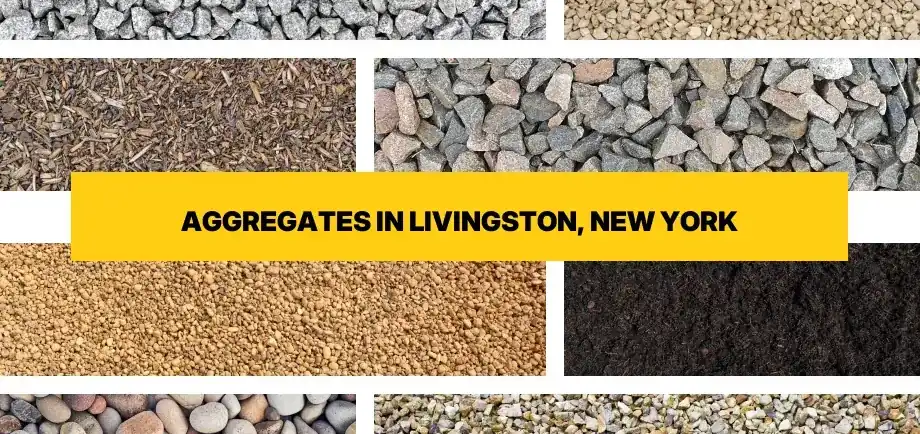
Order Topsoil, Stone & Gravel in Livingston, New York
Local Topsoil, Dirt, Sand, Rocks and Gravel near me in Livingston, New York
Shop Aggregates for Delivery in Livingston
Order online for free delivery to any Livingston address.
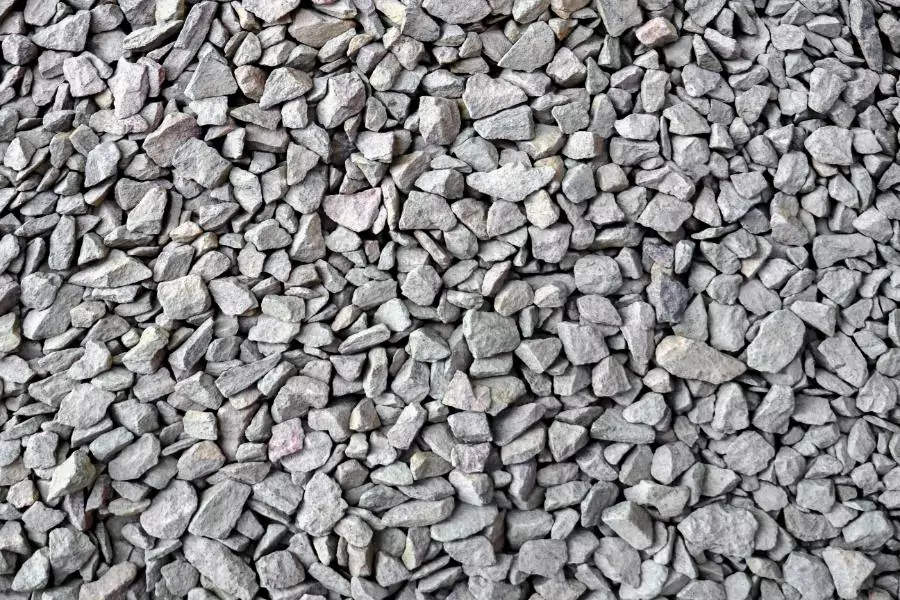
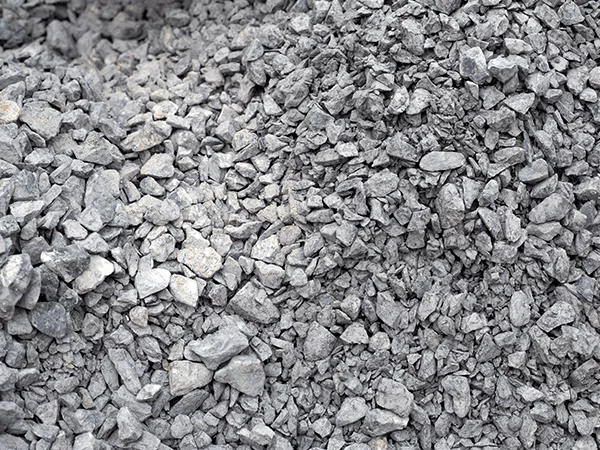


Gravel Monkey is your trusted source for premium gravel and aggregate delivery throughout Livingston, New York. Nestled in the scenic Hudson Valley region of Columbia County, Livingston properties require quality materials that can withstand the area's distinct seasonal changes and varied terrain. Whether you're improving a rural driveway near Ancram Lead Mines, creating drainage solutions for a property along the Roeliff Jansen Kill, or landscaping a home in the historic hamlet areas, we deliver high-quality aggregates directly to your location with free delivery throughout the region.
Premium Aggregates Available for Livingston Properties
Our comprehensive selection of aggregates and materials serves residential, commercial, and agricultural projects across Livingston and surrounding Columbia County communities. Each material is carefully sourced to meet the demanding conditions of upstate New York's climate and geology.
- Driveway Gravel - Superior base material engineered for long-lasting driveways that handle freeze-thaw cycles
- 3/4 inch Crushed Stone - Versatile aggregate for foundations, driveways, and drainage applications
- #57 Stone - Popular size for French drains, septic systems, and concrete aggregate
- Crusher Run - Compactable base that creates rock-solid foundations for any project
- Road Base - Heavy-duty material for rural roads and private lane construction
- Pea Gravel - Smooth stones perfect for pathways, decorative landscaping, and garden beds
- River Rock - Natural aesthetic for water features and decorative applications
- Drain Rock - Angular stone specifically designed for superior water management
- Topsoil - Nutrient-rich soil blends for gardens, lawns, and raised beds
- Fill Dirt - Essential material for grading, leveling, and site preparation
- Crushed Concrete - Eco-friendly recycled aggregate for cost-effective base layers
- Mason Sand - Fine-grade sand for masonry work and paver installation
- Playground Sand - Safe, clean sand certified for children's play areas
- Washed Sand - Clean, debris-free sand for multiple applications
- Walkway Gravel - Specially sized aggregate for attractive, functional pathways
- Decomposed Granite - Natural granite fines for rustic pathways and landscaping accents
Choosing the Right Aggregate for Your Livingston Project
Understanding which material works best for your specific application ensures project success and longevity. The Hudson Valley's unique climate—with cold winters averaging 20-30°F and humid summers reaching the 80s—requires aggregates that perform reliably through seasonal changes. Here's a comprehensive comparison to guide your selection:
| Material Type | Best Applications | Compaction Level | Drainage Rating | Winter Performance |
|---|---|---|---|---|
| Crusher Run | Driveways, Base Layers, Roads | Excellent | Good | Superior |
| 3/4" Crushed Stone | Drainage, Foundations, Driveways | Very Good | Excellent | Excellent |
| #57 Stone | French Drains, Septic Systems | Good | Excellent | Very Good |
| Road Base | Rural Roads, Heavy Traffic Areas | Excellent | Good | Superior |
| Drain Rock | Water Management, Drainage | Moderate | Excellent | Excellent |
| Pea Gravel | Pathways, Landscaping, Decor | Low | Very Good | Good |
| Crushed Concrete | Base Layers, Cost-Effective Fill | Very Good | Good | Good |
| Decomposed Granite | Natural Paths, Rustic Aesthetics | Good | Moderate | Moderate |
Aggregate Solutions for Livingston's Unique Geography
Livingston's landscape presents specific challenges and opportunities for property owners. The town's geology features the Taconic Mountains to the east and gently rolling terrain toward the Hudson River valley to the west. Local soils typically consist of well-drained loamy textures with varying clay content, particularly in lower-lying areas near streams and the Roeliff Jansen Kill watershed.
Climate Considerations for Material Selection
The region experiences significant seasonal variation with annual precipitation averaging 40-45 inches, distributed fairly evenly throughout the year. Winter freeze-thaw cycles are particularly important to consider—temperatures regularly fluctuate above and below freezing from December through March, creating expansion and contraction stresses on driveways and foundations. This makes proper base preparation and material selection critical for long-term durability.
Spring thaw periods bring additional moisture management challenges. Properties in lower-elevation areas near wetlands or along creek beds benefit from enhanced drainage systems using angular aggregates that promote water movement away from structures. Our drain rock and #57 stone excel in these applications, preventing water accumulation that can lead to frost heaving and foundation issues.
Addressing Local Soil and Drainage Patterns
Many Livingston properties, particularly those on historic farmland or near the town's numerous streams, deal with seasonal water table fluctuations. The glacially-influenced topography creates pockets of impermeable clay subsoils that require thoughtful aggregate application. For properties near Linlithgo Mills, Ancramdale, or along Route 9, proper drainage planning with quality stone aggregates prevents seasonal ponding and protects investment in driveways and structures.
Aggregate Delivery Throughout Livingston Communities
Gravel Monkey proudly serves all areas of Livingston and the surrounding region with reliable, free delivery. Our service extends to every corner of this historic Columbia County town and beyond:
Coverage Areas Include:
- Ancram Lead Mines - Historic hamlet with rural properties requiring quality driveway and road base materials
- Linlithgo - Rural residential area where proper drainage and driveway aggregates are essential
- Ancramdale - Community properties benefiting from crusher run and base materials
- Hollowville - Agricultural and residential properties requiring diverse aggregate solutions
- Route 9 Corridor - Properties along this main artery accessing commercial and residential materials
- Roeliff Jansen Kill Watershed - Areas requiring enhanced drainage solutions and water management
- Taconic State Parkway Region - Scenic properties needing landscaping and driveway materials
- Rural Farm Properties - Agricultural operations throughout the town requiring road base and bulk aggregates
We also deliver to neighboring communities including Clermont, Germantown, Red Hook, Milan, Pine Plains, and throughout Columbia and Dutchess Counties. No property is too remote for our delivery service.
Common Applications for Aggregates in Livingston
Residential Driveway Construction and Repair
Long rural driveways are common throughout Livingston, and maintaining them requires understanding the right material combinations. A typical driveway project begins with proper excavation followed by a solid base layer. Crusher run provides an excellent foundation, compacting tightly to create a stable platform that resists rutting and washout. The top layer might use driveway gravel or 3/4 inch crushed stone, depending on aesthetic preferences and traffic patterns.
For properties experiencing winter ice issues, especially those in shaded areas or with northern exposure, proper drainage beneath the driveway surface is crucial. Incorporating a base layer that promotes water movement prevents ice accumulation and extends driveway life significantly. Many Livingston homeowners find that investing in quality aggregates upfront saves considerable maintenance costs over time.
Agricultural and Farm Road Maintenance
Livingston's agricultural heritage means many properties include farm roads, equipment access lanes, and barn approaches that see heavy use. Road base material engineered for load-bearing applications provides the durability needed for tractor traffic and equipment movement. Unlike ordinary gravel that shifts and requires frequent regrading, properly installed road base creates a semi-permanent surface that stands up to years of agricultural use.
Water Management and Drainage Systems
Given the area's clay-influenced soils and significant precipitation, effective drainage design is paramount. French drains installed with drain rock or #57 stone intercept groundwater before it reaches foundations or creates wet spots in yards. The angular nature of these aggregates creates void spaces that allow water to flow freely while the stone itself remains stable and doesn't migrate.
Properties near streams or in lower-lying areas particularly benefit from perimeter drainage systems. Installing drainage aggregates around foundations—a practice sometimes called "foundation drainage"—protects against water intrusion and prevents the hydrostatic pressure that can crack basement walls during spring thaw.
Landscaping and Aesthetic Applications
Beyond functional applications, decorative aggregates transform Livingston properties into showcase landscapes. River rock creates natural-looking dry creek beds that serve both aesthetic and drainage purposes—channeling water during storms while providing visual interest year-round. Pea gravel works beautifully for garden pathways, around plantings, and as a clean groundcover that suppresses weeds while allowing water penetration.
Decomposed granite has gained popularity for rustic pathway applications, particularly on properties aiming for a natural, Hudson Valley aesthetic. This material compacts moderately, creating stable walking surfaces while maintaining a softer, more organic appearance than crushed stone. It works especially well for paths through wooded areas or connecting landscape features.
Septic System Installation and Maintenance
Many Livingston properties rely on private septic systems, and proper aggregate selection for drain fields is critical to system longevity. Clean, angular stone in specific size ranges—typically #57 stone—creates the void spaces necessary for effluent distribution and soil absorption. Using washed stone free from fines ensures these void spaces remain open and functional for decades.
Best Practices for Aggregate Installation in Livingston
Site Preparation Fundamentals
Success with any aggregate project begins with proper site preparation. In Livingston's varied terrain, this often means addressing existing drainage patterns and soil conditions before material installation. Excavating to appropriate depth—typically 6-8 inches for driveways and 4-6 inches for pathways—removes organic material and unstable soil that would compromise the aggregate layer.
For projects on slopes or areas with known water issues, installing geotextile fabric before aggregate placement prevents mixing between native soil and stone while still allowing water movement. This is particularly important in areas with clay subsoils, where freeze-thaw action can force soil upward into the aggregate layer over time.
Compaction Techniques
Proper compaction transforms loose aggregate into a solid, durable surface. Materials like crusher run and road base require mechanical compaction—typically with a plate compactor for smaller areas or a roller for larger projects. Working in lifts of 3-4 inches and compacting each layer ensures thorough consolidation throughout the depth of the material.
Adding water during compaction of materials with fines (crusher run, road base) activates binding properties and achieves better consolidation. However, timing is important—too much water creates a soupy mess, while too little prevents proper compaction. The material should be damp enough to form a ball when squeezed but not so wet that water squeezes out.
Seasonal Installation Considerations
In Livingston's climate, project timing affects outcomes. Spring installation, while tempting after a long winter, can be problematic if done during wet conditions when soil hasn't fully drained. Late spring through fall offers optimal installation conditions, with soil dry enough to work and warm weather allowing proper compaction.
Fall installation provides the advantage of settling over winter, with freeze-thaw cycles naturally compacting materials further. However, projects should be completed well before ground freeze—typically by late November—to allow adequate compaction before winter sets in.
Calculating Material Quantities for Your Project
Accurate material estimation prevents over-ordering (wasting money) or under-ordering (delaying projects). For driveway and base applications in Livingston, use these calculation guidelines:
- Standard Driveway Depth: 4-6 inches of compacted material (6-8 inches loose)
- Pathway Depth: 3-4 inches of compacted material
- Heavy-Use Areas: 8-10 inches of compacted base material
- Drainage Applications: Size according to water volume and soil conditions
To calculate cubic yards needed, multiply length (feet) × width (feet) × depth (feet), then divide by 27. For example, a driveway measuring 50 feet long by 12 feet wide with 6 inches (0.5 feet) depth: 50 × 12 × 0.5 = 300 cubic feet ÷ 27 = 11.1 cubic yards. It's wise to order 10-15% extra to account for compaction and irregular areas.
Our team at Gravel Monkey can assist with quantity calculations specific to your Livingston property. We consider factors like existing grade, soil conditions, and intended use to provide accurate material estimates that ensure project success.
Sustainable Aggregate Choices for Livingston Properties
Environmental stewardship matters to Livingston residents, and aggregate selection offers opportunities for sustainable choices. Crushed concrete represents an excellent eco-friendly option, diverting construction waste from landfills while providing functional material for base applications. Its performance characteristics closely match natural crushed stone for many applications, making it a practical choice for budget-conscious and environmentally-aware property owners.
Proper drainage design using aggregates also contributes to environmental protection. By managing stormwater on-site through strategic use of drain rock and French drain systems, properties reduce runoff that might otherwise carry sediment and pollutants to local streams. This is particularly relevant in Livingston, where numerous waterways flow through the town and connect to the larger Hudson River watershed.
Additionally, using local aggregates when possible reduces transportation distances and associated fuel consumption. Our supply sources serve the Hudson Valley region, minimizing the environmental impact of material transportation while ensuring you receive products suited to local conditions.
Frequently Asked Questions About Aggregates in Livingston, NY
For steep driveways, crusher run or road base provides the best traction and stability. These materials contain fines that bind together when compacted, creating a surface that resists washing and provides grip even in wet conditions. Proper installation with adequate compaction is essential for steep grade applications.
With proper base preparation and quality materials, a well-constructed driveway may only need a thin top dressing every 5-7 years. However, driveways without adequate base material or those experiencing heavy traffic may require annual maintenance. Using crusher run as a base and 3/4 inch crushed stone as a top layer maximizes longevity between resurfacing.
For functional projects like driveways, proper excavation is essential. Placing aggregate directly over grass or topsoil results in mixing, settling, and premature failure. For low-traffic decorative applications like garden paths, you can sometimes get away with minimal excavation, but geotextile fabric beneath the aggregate is highly recommended to prevent material migration.
Rutting typically results from inadequate base preparation, insufficient material depth, or using the wrong aggregate type. In Livingston's climate, freeze-thaw cycles exacerbate these issues by expanding and contracting the ground beneath thin or improperly compacted aggregate layers. Correcting these problems requires proper excavation, adequate base depth (6-8 inches minimum), and using appropriate materials like crusher run.
Edge containment is crucial for maintaining pathway boundaries. Options include metal or plastic edging, larger border stones, or pressure-treated timber edging. Additionally, excavating the pathway area 1-2 inches below the surrounding grade and installing edging flush with the soil surface helps contain smaller aggregates like pea gravel or walkway gravel.
Washed aggregates have been cleaned to remove silt, clay, and fine particles, resulting in uniform size and cleaner appearance. This is essential for drainage applications where fines would clog void spaces. Unwashed materials like crusher run retain fines that act as a binder when compacted, making them ideal for base layers and surfaces requiring stability.
Mason sand is specifically graded for masonry work and paver installation, with particle sizes that create a workable mortar mix and stable paver base. Washed sand is clean and versatile, suitable for multiple applications including children's play areas, mixing with concrete, and general construction purposes. For paver projects, mason sand is the superior choice.
Aggregates can significantly improve muddy areas, but success depends on proper application. For high-moisture areas near creeks or in low spots, a layered approach works best: excavate wet soil, install geotextile fabric, place a base layer of larger stone like #57 stone for drainage, then top with crusher run or road base for a walking or driving surface. This creates a stable area while managing water flow.
Professional Aggregate Delivery Serving Columbia County
Beyond Livingston proper, our delivery service extends throughout Columbia County and neighboring regions. We regularly serve properties in Hudson, Chatham, Kinderhook, Valatie, Copake, Hillsdale, and Claverack. Our trucks are equipped to access rural properties with challenging driveways and can accommodate specific delivery requirements including staged delivery for large projects.
Each delivery includes experienced drivers familiar with Columbia County's back roads and rural access routes. We understand that many properties feature long driveways, gated entrances, or seasonal access considerations. Coordinating delivery details in advance ensures smooth material arrival exactly where you need it.
Why Livingston Property Owners Choose Gravel Monkey
Our commitment to quality extends beyond the materials we deliver. Gravel Monkey has built its reputation on reliable service, expert guidance, and materials specifically selected for regional performance. When you choose us for your Livingston aggregate needs, you benefit from:
- Free Delivery: No hidden fees or fuel surcharges—delivery is always free throughout our service area
- Quality Materials: Every aggregate type is sourced for performance in upstate New York's demanding climate
- Expert Guidance: Our team helps you select the right materials and quantities for your specific project
- Flexible Scheduling: We work around your timeline and coordinate delivery when it's convenient for you
- Professional Drivers: Experienced operators who navigate rural properties safely and efficiently
- Complete Selection: From bulk aggregates to specialty materials, we stock everything you need
- Local Knowledge: Understanding of Columbia County properties, soil conditions, and climate challenges
Getting Started with Your Livingston Aggregate Project
Starting your project is straightforward. First, determine what you're building—whether it's a new driveway, drainage system, pathway, or landscaping feature. Consider the scope of work and any site-specific challenges like slopes, wet areas, or access limitations. Having photos of your property helps our team provide more accurate recommendations.
Next, calculate approximate quantities using the guidelines provided earlier, or contact us for assistance with material estimation. We can discuss your project requirements and suggest the most appropriate aggregate types based on your goals, budget, and site conditions.
When you're ready to order, we'll schedule delivery at your convenience. Our drivers will place materials exactly where you need them on your property, whether that's near your work site or stockpiled for future use. With free delivery throughout Livingston and the surrounding region, getting the materials you need for successful projects has never been easier.
For questions about materials, quantities, or delivery logistics, contact Gravel Monkey today. Our team is ready to help you select the perfect aggregates for your Livingston property and ensure your project succeeds from start to finish.

Need help? Reach out for a quote: