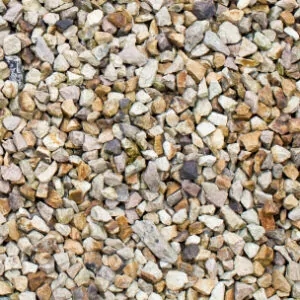
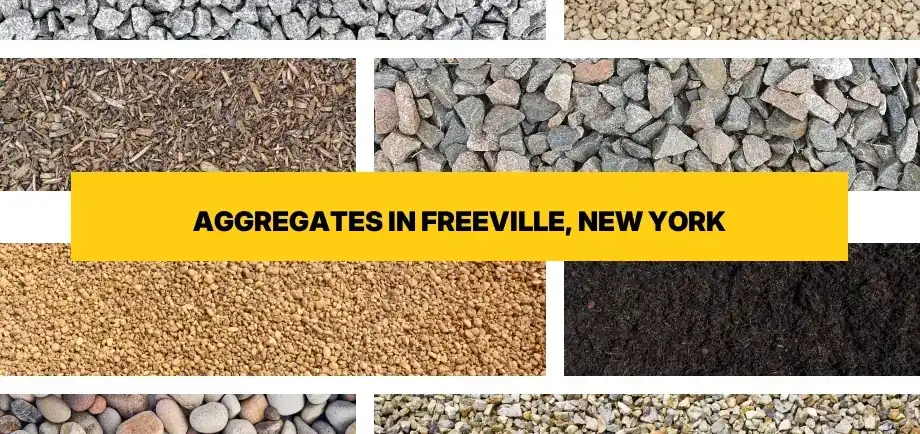
Gravel for Sale in Freeville, New York
Local Topsoil, Dirt, Sand, Rocks and Gravel near me in Freeville, New York
Shop Aggregates for Delivery in Freeville
Order online for free delivery to any Freeville address.
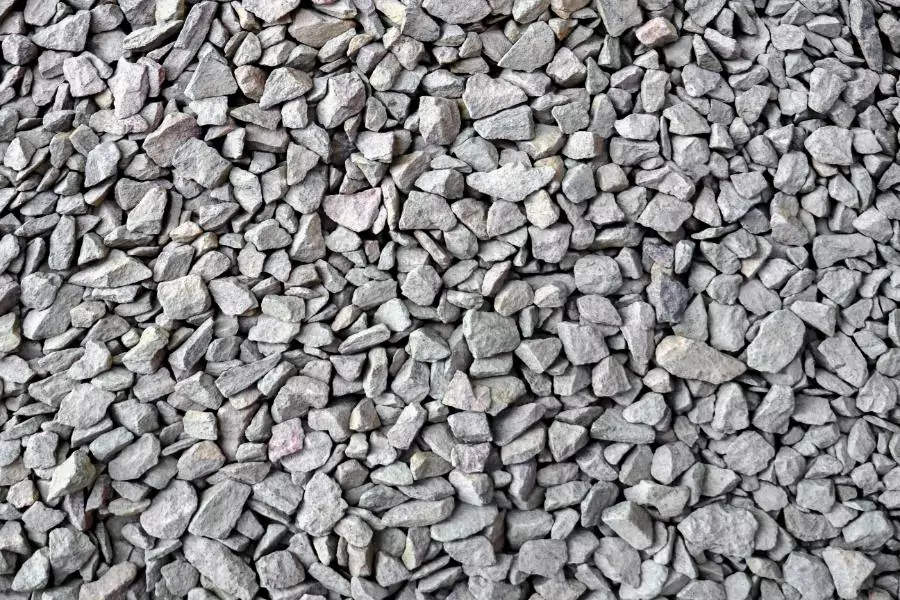
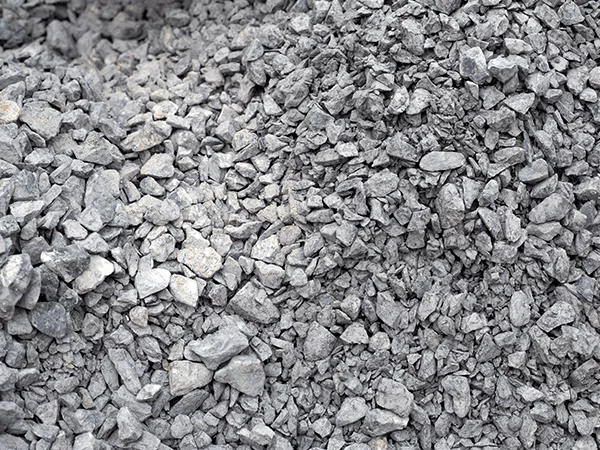


Gravel Monkey provides comprehensive aggregate delivery services throughout Freeville, New York, serving this historic Tompkins County village with premium materials for every project. Whether you're maintaining a rural property near Fall Creek, upgrading a driveway in the village center, or managing drainage challenges common to the area's glacial till soils, we deliver quality aggregates directly to your site with free delivery. From residential projects along George Road to agricultural improvements near Etna, our extensive inventory meets the specific needs of Freeville's diverse landscape and demanding climate conditions.
Complete Range of Aggregates and Materials in Freeville
Our Freeville aggregate delivery service includes every material needed for construction, landscaping, and property maintenance projects throughout Tompkins County. We understand the unique geological conditions and seasonal challenges that property owners face in this region, which is why we stock materials specifically suited to local requirements.
- Driveway Gravel - Heavy-duty base material engineered for durability and proper drainage on long rural driveways
- 3/4 inch Crushed Stone - Versatile angular aggregate perfect for stable bases, excellent compaction, and effective water management
- #57 Stone - Clean, uniform crushed stone ideal for drainage systems, French drains, and foundation applications
- Crusher Run - Compactable blend that creates rock-solid foundations for driveways, roads, and building pads
- Road Base - Professional-grade aggregate designed to support heavy loads and resist freeze-thaw damage
- Drain Rock - Angular stone engineered specifically for superior drainage in wet conditions
- Pea Gravel - Smooth, rounded stones perfect for decorative landscaping and comfortable walking surfaces
- River Rock - Natural, water-worn stones available in multiple sizes for aesthetic landscaping applications
- Walkway Gravel - Specially sized aggregate designed for attractive, stable garden paths and pedestrian areas
- Crushed Concrete - Sustainable recycled aggregate offering excellent value for large-scale projects
- Topsoil - Premium-grade soil rich in organic matter for gardens, lawns, and planting beds
- Fill Dirt - Clean fill material for grading, leveling, and raising property elevations
- Mason Sand - Fine-grade sand for masonry work, paver installation, and construction projects
- Playground Sand - Safety-certified, clean sand perfect for play areas and children's sandboxes
- Washed Sand - Cleaned sand suitable for multiple applications from concrete to landscaping
- Decomposed Granite - Natural pathway material that compacts firmly while maintaining permeability
Understanding Freeville's Unique Geological Conditions
Freeville sits in a region shaped by glacial activity, resulting in soil compositions that present specific challenges for property development and maintenance. The predominant glacial till soils in the area contain a mixture of clay, silt, sand, and gravel deposited during the last ice age. These soils typically have moderate to poor drainage characteristics, which makes proper aggregate selection critical for long-term project success.
Properties throughout the Freeville area, from the village center to rural locations near Harford and McLean, often experience seasonal moisture issues due to this glacial legacy. The heavy clay content in local soils can retain water during wet periods, leading to frost heave damage during winter freeze-thaw cycles. This is why selecting the right aggregates with proper drainage capabilities becomes essential for driveways, foundations, and other structural applications.
The area experiences significant seasonal temperature variations, with winter temperatures regularly dropping below freezing and summer highs reaching the 80s. Annual precipitation averages approximately 37 inches, distributed fairly evenly throughout the year but with notable increases during spring snowmelt. These conditions make free-draining aggregates particularly valuable for Freeville projects.
Serving Freeville Neighborhoods and Surrounding Areas
Our delivery service covers all of Freeville and extends throughout the surrounding region, ensuring that every property receives the same quality materials and service. We regularly deliver to properties along Fall Creek, the historic village center, and rural areas extending toward Dryden, Etna, and Groton. The proximity to Cornell University lands and the Finger Lakes region means we serve both residential properties and agricultural operations with specialized aggregate needs.
Whether you're located on Main Street in the village proper, along George Road heading toward McLean, or on rural properties near Route 38, our free delivery service ensures timely arrival of your materials. We understand the local road systems, including seasonal weight restrictions on town roads, and plan deliveries accordingly to serve every corner of the Freeville service area efficiently.
Aggregate Applications for Freeville Properties
Driveway Construction and Repair
Rural driveways common throughout the Freeville area require robust aggregate bases to withstand heavy use and challenging conditions. Long driveways extending from main roads to farmhouses or rural homes need materials that provide excellent load-bearing capacity while facilitating proper drainage. Without adequate drainage, water accumulates in the aggregate base, leading to frost heave damage, rutting, and premature failure during winter months.
For new driveway construction, we recommend starting with a compacted base layer using crusher run or road base materials. These aggregates contain a mixture of stone sizes that interlock when compacted, creating a stable foundation that resists settling and movement. The crusher run typically works well as a sub-base layer of 4-6 inches, followed by a top layer of clean crushed stone that provides the final driving surface. This layered approach addresses both structural stability and surface drainage requirements.
Existing driveway maintenance represents another common need in Freeville. Over time, freeze-thaw cycles and normal wear cause aggregate to compact, migrate, or develop low spots where water accumulates. Adding fresh aggregate to problem areas helps restore proper drainage and surface integrity. Many property owners along George Road and surrounding rural routes maintain their driveways annually by adding 1-2 inches of fresh crushed stone to the driving surface, ensuring continued performance through harsh winter conditions.
Foundation Drainage and Water Management
Given Freeville's glacial till soils and significant seasonal precipitation, foundation drainage represents a critical concern for both existing homes and new construction. Water management around foundations prevents basement moisture problems, protects structural integrity, and maintains property value. Proper drainage systems typically incorporate specialized aggregates designed to move water away from vulnerable areas efficiently.
French drain installations around foundations require clean, angular aggregates that facilitate rapid water movement. The drain rock we supply provides maximum void space between stones, allowing water to flow freely toward drainage outlets. These systems typically involve excavation along the foundation perimeter, installation of perforated drain pipe, and surrounding the pipe with 6-12 inches of drain rock. A layer of filter fabric separates the aggregate from surrounding soil, preventing fine particles from migrating into the drain system and reducing its effectiveness over time.
Properties near Fall Creek or in lower-lying areas around Etna may experience seasonal groundwater issues that require more extensive drainage solutions. In these situations, multiple drainage strategies working together provide the best results. This might include foundation perimeter drains, curtain drains upslope from buildings to intercept groundwater flow, and strategic grading to direct surface water away from structures. All these applications benefit from proper aggregate selection and installation techniques.
Landscaping and Decorative Applications
Beyond functional applications, aggregates play important roles in landscape design throughout Freeville. Decorative stones transform ordinary yards into attractive outdoor spaces while often providing practical benefits like weed suppression and moisture retention. The choice between different decorative aggregates depends on aesthetic preferences, functional requirements, and maintenance considerations specific to each property.
Pea gravel remains popular for pathways, patio areas, and as ground cover around plantings. Its smooth, rounded texture creates comfortable walking surfaces while the small stone size allows it to conform to curved designs and irregular shapes. Many Freeville homeowners use pea gravel to create informal garden paths that wind through plantings, connect outdoor living areas, or provide attractive surrounds for outbuildings and sheds. The natural tan and brown tones complement the rural character common throughout the area.
River rock offers bolder visual impact for landscape features, decorative beds, and drainage swales where aesthetics matter. Available in various sizes from small accent stones to larger feature pieces, river rock provides textural contrast against plantings and lawn areas. Properties throughout the village and surrounding countryside use river rock to enhance curb appeal, create low-maintenance planting beds, and add visual interest to yards. The natural, water-worn appearance works particularly well in settings where integration with the surrounding rural landscape is desired.
Choosing the Right Aggregate for Your Freeville Project
Selecting appropriate materials ensures project success and longevity. This comparison helps match aggregates to specific applications based on their properties and performance characteristics in local conditions.
| Aggregate Type | Best Applications | Drainage Rating | Compaction | Freeville-Specific Benefits |
|---|---|---|---|---|
| Crusher Run | Driveway base, roads, building pads | Good | Excellent | Handles freeze-thaw cycles, creates stable base in clay soils |
| 3/4" Crushed Stone | Driveway surface, foundation base | Excellent | Very Good | Angular shape resists movement, superior drainage for wet conditions |
| #57 Stone | Drainage systems, French drains | Excellent | Good | Clean stone with maximum void space for water management |
| Drain Rock | Foundation drains, wet areas | Superior | Moderate | Specifically engineered for challenging drainage situations |
| Road Base | Heavy traffic areas, access roads | Very Good | Excellent | Maximum load-bearing capacity for agricultural equipment |
| Pea Gravel | Pathways, landscaping, decorative | Good | Poor | Comfortable walking surface, attractive appearance |
| River Rock | Decorative landscaping, drainage swales | Excellent | Poor | Natural aesthetic fits rural setting, low maintenance |
| Decomposed Granite | Pathways, patios, natural areas | Moderate | Very Good | Compacts firmly while remaining permeable, natural appearance |
Seasonal Planning for Aggregate Projects in Freeville
Understanding seasonal factors helps optimize project timing and ensures best results for aggregate installations. Freeville's climate creates distinct seasonal considerations that affect both project scheduling and material performance.
Spring Considerations
Spring brings increased precipitation and snowmelt throughout the Freeville area, creating challenging conditions for aggregate work. The combination of saturated soils and fluctuating temperatures means that early spring often proves less than ideal for major projects. However, this season provides excellent timing for planning and scheduling summer projects. Property owners can assess winter damage to existing driveways and paths, identifying areas requiring repair or renewal once conditions improve.
Late spring, typically from mid-May onward, offers better working conditions as soils dry and temperatures stabilize. This timing works well for starting driveway projects, as the improved conditions allow proper compaction of base materials. Installing drainage improvements during late spring provides immediate benefit, helping manage summer thunderstorm runoff and preparing properties for the next winter cycle.
Summer and Fall Project Windows
Summer provides the ideal window for most aggregate projects throughout the Freeville area. Dry conditions, warm temperatures, and firm ground allow efficient installation and proper compaction of materials. This season sees the highest demand for driveway construction, foundation work, and landscaping projects. Properties along rural routes use this window to complete major improvements before winter returns.
Fall extends the favorable working season, often into November in typical years. Many property owners prefer fall for aggregate projects because the work can be completed before winter while still taking advantage of good working conditions. Fall timing also allows new aggregate installations to settle and stabilize before facing their first winter, improving long-term performance. Completing driveway work in fall ensures reliable access throughout the coming winter months.
Winter Challenges and Opportunities
Winter weather limits aggregate work but doesn't eliminate all possibilities. Emergency repairs to driveways or access roads sometimes become necessary despite cold conditions. While compaction quality suffers in frozen conditions, temporary fixes using crushed stone can restore access until proper repairs can be completed during warmer months. Properties experiencing unexpected drainage problems during winter thaws may require immediate attention to prevent more serious damage to structures or foundations.
Winter also provides valuable time for planning upcoming projects. Property owners can assess existing conditions, research material options, and schedule spring or summer work. Planning during winter months often means better availability and scheduling flexibility once the working season begins. For major projects requiring significant aggregate quantities, winter planning allows time to coordinate deliveries and contractor schedules efficiently.
Professional Installation Guidance for Aggregate Projects
Proper installation techniques ensure that aggregates perform as intended and provide long service life. While specific requirements vary by application, several fundamental principles apply across most aggregate projects in the Freeville area.
Site Preparation Essentials
Successful aggregate installations begin with proper site preparation. This means removing vegetation, organic material, and unsuitable soils from the project area. For driveway construction, excavation typically extends 8-12 inches below final grade to accommodate base and surface layers. The glacial till soils common throughout Freeville may require deeper excavation in areas with high clay content, ensuring removal of material prone to frost heaving.
Grading represents another critical preparation step. The subgrade should slope away from buildings at minimum 2% grade (quarter-inch per foot) to facilitate drainage. On longer driveways or access roads, creating a crowned profile with drainage ditches along both sides ensures that water moves off the aggregate surface rather than standing in low spots. This becomes particularly important given the significant precipitation Freeville receives throughout the year.
Layering and Compaction Methods
Most structural aggregate applications benefit from a layered approach rather than placing all material in a single lift. For driveways, a typical installation might include 4-6 inches of compacted crusher run as a base layer, followed by 2-3 inches of crushed stone as a surface layer. Each layer should be compacted thoroughly before the next layer is placed. Proper compaction increases density, improves load-bearing capacity, and enhances long-term stability.
Compaction equipment requirements vary with project scale. Small projects might use a hand-operated plate compactor, while larger installations benefit from walk-behind rollers or ride-on equipment. The key principle remains consistent: compact in lifts no thicker than 4-6 inches, making multiple passes with equipment until the material no longer compacts further. Adding moisture during compaction often helps achieve better density, though the amount needed varies with aggregate type and existing conditions.
Drainage Integration
Integrating proper drainage into aggregate projects prevents future problems and extends material life. This might include installing French drains along driveway edges, incorporating drainage swales to direct runoff, or ensuring proper connection between surface drainage and existing systems. In Freeville's clay-heavy soils, aggressive drainage measures typically prove worthwhile, preventing water accumulation that leads to frost damage and structural failure.
Filter fabric plays an important role in many drainage applications, preventing fine soil particles from migrating into aggregate layers where they reduce void space and impair drainage. When installing foundation drains or other subsurface drainage systems, wrapping drain rock in filter fabric maintains system effectiveness over time. The fabric allows water to pass while blocking soil particles that would eventually clog the system.
Sustainable Aggregate Choices for Freeville Projects
Environmental stewardship increasingly influences material selection for construction and landscaping projects. Several aggregate options provide sustainable alternatives while maintaining performance standards required for demanding applications in the Freeville area.
Crushed concrete represents perhaps the most environmentally conscious aggregate choice available. This recycled material comes from demolished concrete structures, processed into usable aggregate rather than being landfilled. Crushed concrete performs comparably to natural stone in many applications, particularly as base material for driveways, paths, and parking areas. The material compacts well, provides adequate drainage, and costs less than virgin aggregate while reducing environmental impact.
Using local aggregates minimizes transportation impacts and often provides materials better suited to local conditions. Aggregates sourced from regional quarries require less fuel for delivery and typically match the geological characteristics of the area where they'll be used. This local sourcing approach supports regional economy while reducing the carbon footprint associated with long-distance material transport.
Permeable aggregate installations offer another sustainable approach, particularly for pathways, patios, and parking areas. Rather than creating impermeable surfaces that generate runoff, permeable aggregate systems allow water to infiltrate naturally into the ground. This approach reduces stormwater runoff, minimizes erosion, and helps maintain natural groundwater recharge. For properties throughout Freeville, permeable systems align well with the rural character of the area while providing practical benefits for water management.
Aggregate Project Budgeting and Cost Factors
Understanding cost factors helps property owners budget accurately for aggregate projects and make informed decisions about material selection and project scope. Several variables influence total project costs in the Freeville area.
Material costs vary based on aggregate type, with basic crushed stone typically representing the most economical option and specialty materials like river rock commanding premium prices. Quantity significantly affects per-unit pricing, with larger orders generally receiving better rates. The free delivery we provide throughout Freeville eliminates one major cost variable, as many suppliers charge substantial delivery fees, especially for rural locations.
Project scope directly impacts total costs. A simple driveway refresh adding 2-3 inches of new surface aggregate costs far less than complete driveway reconstruction involving excavation, base installation, and multiple aggregate layers. Similarly, small landscaping projects using decorative stone carry modest costs compared to extensive drainage systems requiring significant excavation and specialized materials. Accurately defining project scope helps establish realistic budgets.
Labor represents another significant cost factor for most aggregate projects. While material costs remain fairly consistent across the region, installation labor varies based on project complexity, site accessibility, and contractor rates. Some straightforward projects suit DIY installation for capable property owners, potentially saving substantial labor costs. More complex installations involving grading, drainage systems, or significant excavation typically warrant professional installation to ensure proper results.
Calculating Aggregate Quantities
Accurate quantity calculations prevent ordering too much or too little material. For rectangular areas, multiply length times width times depth (all in feet) to determine cubic feet, then divide by 27 to convert to cubic yards. Most aggregates are sold by the cubic yard or ton, with conversion factors varying by material type and density.
As an example, a driveway measuring 60 feet long by 12 feet wide requiring 4 inches of aggregate would calculate as: 60 × 12 × 0.33 feet = 237.6 cubic feet ÷ 27 = 8.8 cubic yards. Rounding up to 9 cubic yards accounts for some waste and ensures adequate material. For irregular shapes, break the area into rectangles or approximate shapes, calculate each section, then sum the results.
Frequently Asked Questions About Gravel and Aggregates in Freeville
For long rural driveways common around Freeville, we recommend a layered approach using crusher run or road base as the foundation (4-6 inches compacted) topped with 2-3 inches of 3/4 inch crushed stone. This combination provides excellent load-bearing capacity to support vehicles while ensuring proper drainage in the area's clay-heavy soils. The angular crushed stone on the surface resists rutting and maintains its position better than rounded materials. Many properties along George Road and rural routes near Etna use this proven approach for driveways that last decades with proper maintenance.
Frost heave occurs when water in soil freezes and expands, pushing aggregates upward and creating uneven surfaces. Prevention starts with proper drainage - water cannot freeze if it drains away. Use free-draining aggregates like crushed stone rather than materials that trap water. Ensure adequate depth of aggregate base (minimum 8 inches total) to get below the frost line. Crown your driveway surface so water runs off to the sides rather than pooling. For problem areas in clay soils, consider installing subsurface drains to lower groundwater levels. These strategies combined minimize frost damage common in the Freeville area's freeze-thaw cycles.
The answer depends on project complexity and your capabilities. Simple applications like adding fresh surface stone to an existing driveway, creating garden paths with pea gravel, or small landscaping projects suit capable DIY installation. You'll need basic tools like rakes, wheelbarrows, and perhaps a rented compactor. More complex projects involving significant excavation, drainage systems, or large driveways typically warrant professional installation. Contractors have specialized equipment for grading, compaction, and handling large quantities efficiently. They also understand local soil conditions and proper installation techniques for the Freeville area. For major projects, professional installation often proves cost-effective when considering time, equipment rental, and assurance of proper results.
Crusher run contains a mixture of stone sizes from dust up to about 3/4 inch, creating a material that compacts extremely well to form a dense, stable base. The fine particles fill voids between larger stones, essentially creating a locked matrix when properly compacted. Crushed stone, by contrast, consists of uniformly sized angular rocks (like 3/4 inch) without fine particles. This provides superior drainage but less compaction. Most successful Freeville driveways use crusher run as the base layer for stability, topped with crushed stone for drainage and a clean driving surface. This combination addresses both structural and drainage requirements essential in local clay soils.
Maintenance frequency depends on traffic levels, initial construction quality, and material type. Most rural driveways in the Freeville area benefit from fresh surface stone every 2-4 years. Signs that maintenance is needed include visible ruts or low spots, migration of stone to driveway edges, exposed base material, or poor drainage with puddles after rain. Adding 1-2 inches of fresh crushed stone, then dragging it smooth with a landscape rake or box blade, restores the driving surface and improves drainage. High-traffic driveways or those with steep grades may require more frequent attention, while well-constructed driveways with moderate use might go longer between maintenance cycles.
Sand selection depends on your specific application. Mason sand works best for bricklaying, block work, and mortar applications, providing the fine particle size needed for workability and proper bonding. Playground sand offers the safety and cleanliness required for children's play areas and sandboxes, being free from harmful particles and compacting minimally. Washed sand serves general purposes from concrete mixes to fill applications, offering clean particles suitable for various construction needs. For setting pavers or creating stable bases under stone patios, mason sand provides excellent leveling properties. Each sand type serves specific purposes, and choosing the right one ensures project success throughout the Freeville area.
Absolutely! Our free delivery service covers all of Freeville and extends throughout the surrounding rural areas including properties near Fall Creek, Etna, McLean, Harford, Dryden, and Groton. We regularly deliver to farms, rural homes, and properties along all county roads in the region. Distance from the village center doesn't affect our delivery service - you receive the same free delivery whether you're on Main Street or on a rural road several miles from town. We're familiar with the local road network and can navigate to remote properties efficiently, ensuring your aggregates arrive when and where you need them.
While we deliver year-round, late spring through fall (May through November) offers the best conditions for most projects. Summer provides ideal working conditions with dry weather and warm temperatures perfect for installation and compaction. Fall remains excellent for project completion before winter, with many property owners preferring September and October for major driveway work. Early spring can be challenging due to wet conditions and frost coming out of the ground, though late spring works well once soils dry. Winter deliveries are possible for emergency repairs, though installation quality suffers in frozen conditions. For planning purposes, scheduling summer or fall delivery ensures optimal conditions for your Freeville project.
Comprehensive Service Throughout the Freeville Region
Gravel Monkey serves the entire Freeville community and surrounding Tompkins County areas with the same quality materials and free delivery service. Our coverage extends across diverse property types, from historic village homes to working farms, ensuring every customer receives reliable aggregate supply regardless of location.
The village center along Main Street features a mix of historic homes and community buildings, many requiring drainage solutions, driveway maintenance, and landscaping materials that respect the area's character. Properties near the Fall Creek watershed benefit from our drainage aggregates that manage water effectively in this naturally wet corridor. Rural properties extending toward George Road, Etna, and McLean Road rely on our driveway materials to maintain reliable access on long lanes subject to seasonal challenges.
Agricultural operations throughout the region depend on quality aggregates for equipment access, drainage improvements, and facility maintenance. The proximity to Cornell University lands and research facilities means we also serve institutional properties requiring specialty materials. From residential projects in the village to large-scale agricultural applications on working farms, our comprehensive inventory and free delivery service support every type of aggregate need throughout the greater Freeville area.
Start Your Freeville Aggregate Project Today
Whether you're planning a new driveway installation, maintaining an existing access road, improving property drainage, or creating attractive landscaping features, Gravel Monkey provides the quality aggregates and expert guidance needed for success. Our extensive inventory includes every material type discussed here, from structural base aggregates to decorative landscaping stones, all available with free delivery throughout Freeville and surrounding areas.
Our team understands the specific challenges that Freeville's climate and soil conditions present. We can help you select appropriate materials for your project requirements, calculate accurate quantities to prevent shortages or excess, and coordinate delivery timing that works with your schedule and local conditions. Many successful projects throughout the area start with a simple conversation about project goals and site conditions.
Experience the difference that quality aggregates and professional service make for your property. From initial planning through material selection and delivery, Gravel Monkey supports your project every step of the way. Contact us today to discuss your Freeville aggregate needs and discover how our free delivery service, extensive inventory, and local expertise combine to make your project successful and stress-free.

Need help? Reach out for a quote: