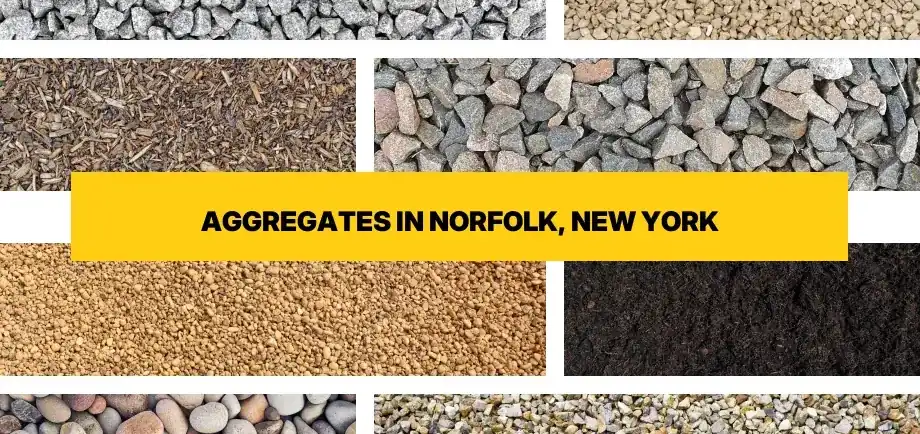
Shop Bulk Materials & Gravel in Norfolk, New York
Local Topsoil, Dirt, Sand, Rocks and Gravel near me in Norfolk, New York
Shop Aggregates for Delivery in Norfolk
Order online for free delivery to any Norfolk address.
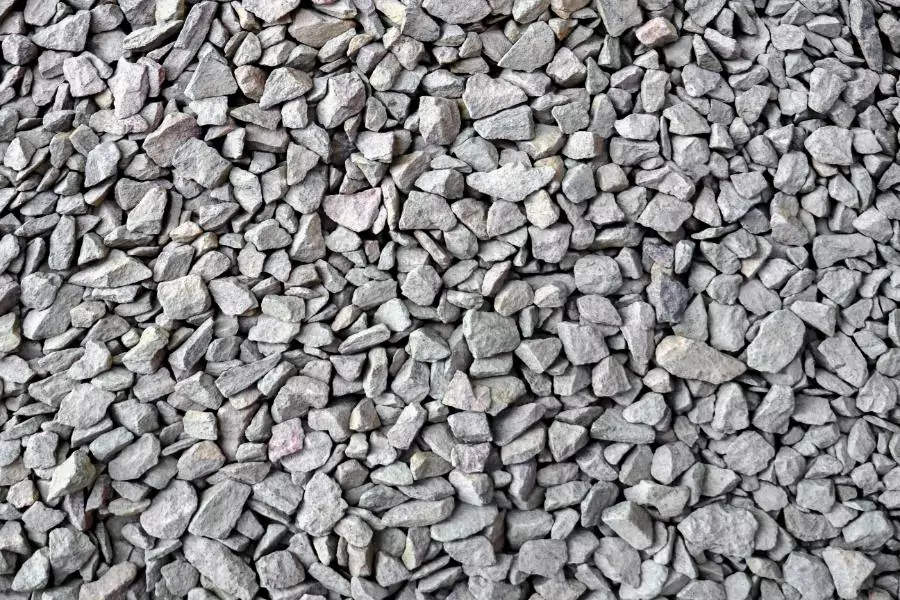
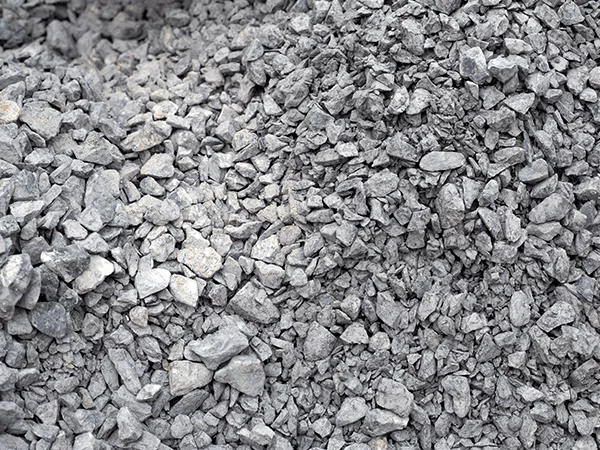


Gravel Monkey is your trusted aggregate supplier serving Norfolk, New York, and the surrounding North Country communities. Located in the heart of St. Lawrence County along the Raquette River, Norfolk presents unique challenges for property owners—from managing clay-heavy soils to building driveways that withstand harsh winter freeze-thaw cycles. Whether you're upgrading a rural driveway near South Norfolk, creating proper drainage around your Norfolk Center property, or building a new road base for agricultural access, we deliver premium aggregates directly to your site with absolutely free delivery throughout the region.
Complete Selection of Aggregates Available in Norfolk
Our extensive inventory meets the specific demands of North Country construction and landscaping. From foundation work to decorative applications, we supply the materials Norfolk property owners rely on:
- Driveway Gravel - Engineered aggregate blends for lasting Norfolk driveways
- 3/4 inch Crushed Stone - Versatile stone for drainage and base applications
- #57 Stone - Premium drainage stone for foundation work and French drains
- Crusher Run - Compactable base material ideal for rural driveways
- Road Base - Heavy-duty aggregate for farm roads and access lanes
- Drain Rock - Clean stone for managing water around foundations
- Pea Gravel - Smooth stone for garden pathways and decorative use
- River Rock - Natural rounded stone for landscaping features
- Walkway Gravel - Attractive aggregate for garden paths
- Crushed Concrete - Eco-friendly recycled aggregate option
- Decomposed Granite - Natural pathway material with excellent compaction
- Topsoil - Rich soil for gardens and lawn restoration
- Fill Dirt - Essential material for grading and leveling
- Mason Sand - Fine sand for masonry and concrete work
- Playground Sand - Safe, clean sand for play areas
- Washed Sand - Clean aggregate for multiple applications
Understanding Norfolk's Unique Soil and Climate Conditions
Norfolk sits in a region shaped by glacial activity thousands of years ago, resulting in clay-loam soils that present specific challenges for construction projects. The area's geological composition includes deposits from the Wisconsinan glaciation period, creating soil profiles that retain significant moisture and are highly susceptible to frost action during the extended winter months.
With average January temperatures hovering around 12°F and winter lows frequently dropping below zero, Norfolk experiences intense freeze-thaw cycles from November through April. These temperature fluctuations cause soil expansion and contraction that can devastate improperly constructed driveways and foundations. The region receives approximately 100 inches of snowfall annually, with spring thaw bringing additional water management challenges as snowmelt saturates the already moisture-retentive clay soils.
Properties throughout Norfolk Center, South Norfolk, and the rural areas surrounding the village face these conditions year-round. The Raquette River's proximity adds localized moisture considerations, particularly for properties in the floodplain or near wetland areas common throughout St. Lawrence County. Understanding these environmental factors is essential when selecting aggregates—proper drainage stone and adequate base depth aren't optional in this climate, they're necessities.
Why Aggregate Selection Matters in North Country New York
The combination of clay-heavy soils and severe winter conditions demands strategic material choices. Base aggregates must provide excellent drainage to prevent water accumulation beneath driveways and foundations. When water freezes in these spaces, it expands with tremendous force, causing frost heaving that cracks concrete, buckles asphalt, and creates massive potholes in gravel drives.
Professional contractors throughout Norfolk and nearby communities like Raymondville, Norwood, and Massena consistently specify angular crushed stone for base layers because it locks together when compacted, creating stable foundations that resist frost movement. The angular shape creates void spaces that allow water drainage while maintaining structural integrity under heavy loads—critical for both residential driveways and agricultural access roads common throughout the area's farming communities.
Driveway Aggregates for Norfolk Properties
Norfolk driveways face relentless winter abuse. From repeated snowplow scraping to constant freeze-thaw cycles and spring mud season challenges, your driveway needs materials engineered for durability. A properly constructed aggregate driveway in this region requires careful layer planning and appropriate material selection.
Multi-Layer Construction Approach
The most successful Norfolk driveways follow a three-layer system. The bottom layer consists of larger drainage stone like drain rock or #57 stone—typically 6-8 inches deep—that channels water away from the surface. This drainage layer prevents water accumulation at the subgrade level where freeze-thaw damage originates.
The middle layer uses compactable base material such as crusher run or road base, installed 4-6 inches deep and thoroughly compacted with proper equipment. This layer provides structural strength and creates a stable platform for the wearing surface. Finally, the top layer uses finished driveway gravel or crushed stone sized for traction and appearance while maintaining drainage capacity.
Properties near the Raquette River or in areas with high water tables may benefit from even deeper aggregate bases—sometimes 18-24 inches total depth—to ensure adequate separation between the driving surface and saturated soils below. Rural properties along former farm roads or timber access routes often require similar depth due to previous soil disturbance and lack of proper base preparation.
Managing Water with Proper Drainage Aggregates
Water management separates successful construction projects from costly failures in Norfolk's climate. Clay soils naturally resist water infiltration, meaning precipitation and snowmelt must be actively directed away from structures. Poor drainage leads to basement flooding, foundation settlement, driveway deterioration, and yard areas that remain muddy well into summer.
French drain systems using clean drainage stone have become standard practice for Norfolk properties, particularly newer homes in Norfolk Center and renovated properties throughout South Norfolk. These systems intercept groundwater before it reaches foundations, channeling it to appropriate discharge points. The key to effective French drains lies in using properly sized clean stone without fines—#57 stone and drain rock provide optimal water flow while preventing soil infiltration that would clog the system.
Foundation perimeter drainage remains critical for both new construction and existing buildings. A properly installed drainage system around foundations prevents hydrostatic pressure buildup against basement walls—pressure that causes cracks, leaks, and structural damage over time. Given Norfolk's prolonged periods of soil saturation during spring thaw and following heavy summer thunderstorms, this protective measure protects significant home value investments.
Aggregate Comparison Guide for Norfolk Projects
Selecting the right material for your specific application ensures project success and longevity. This comparison highlights the best uses for common aggregates in North Country conditions:
| Aggregate Type | Primary Use | Drainage Rating | Compaction Level | Winter Performance |
|---|---|---|---|---|
| Crusher Run | Driveway base, road foundation | Good | Excellent | Superior stability |
| #57 Stone | Drainage systems, French drains | Excellent | Moderate | Prevents frost heave |
| 3/4 inch Crushed Stone | Multi-purpose base, drainage | Very Good | Good | Stable in freeze-thaw |
| Road Base | Heavy-duty access roads | Good | Excellent | Handles heavy equipment |
| Driveway Gravel | Top surface layer | Very Good | Good | Resists snowplow damage |
| Pea Gravel | Walkways, decorative areas | Good | Poor | Not for vehicle traffic |
| Crushed Concrete | Economical base material | Good | Very Good | Cost-effective durability |
| Decomposed Granite | Pathways, rustic driveways | Moderate | Good | Requires seasonal maintenance |
Decorative Aggregates for Norfolk Landscapes
Beyond functional construction uses, aggregates play important roles in creating attractive outdoor spaces that complement Norfolk's natural North Country setting. Garden pathways using walkway gravel or pea gravel provide excellent drainage while creating attractive routes through flower beds and vegetable gardens—important considerations given the area's clay soils that create muddy conditions during wet periods.
River rock brings natural aesthetic appeal to water features, decorative borders, and accent areas around homes throughout Norfolk Center and surrounding neighborhoods. These rounded stones contrast beautifully with the angular agricultural landscape while requiring minimal maintenance. Decomposed granite offers another attractive option for rustic pathways and naturalized garden areas, providing excellent compaction while maintaining a softer appearance than crushed stone.
Property owners near the Raquette River often incorporate decorative aggregates into rain gardens and bioswales—landscape features designed to manage stormwater runoff naturally. These systems use layers of different aggregate sizes to filter water while supporting native plantings, creating functional beauty that reduces erosion and improves local water quality.
Serving All Norfolk Areas and Surrounding Communities
Gravel Monkey provides free aggregate delivery throughout Norfolk and the broader St. Lawrence County region. Our service area includes:
Norfolk Village and Immediate Area
We regularly deliver to properties in Norfolk Center, the village's historic downtown area where many homes date to the 19th century and require careful foundation drainage upgrades. South Norfolk, with its mix of residential and agricultural properties, represents a significant portion of our customer base, particularly for farm road maintenance and driveway renovation projects.
Raquette River Corridor
Properties along the Raquette River benefit from our drainage expertise. River proximity creates unique moisture management challenges requiring specialized aggregate solutions. We deliver to both seasonal camps and year-round residences throughout the river corridor, providing materials suitable for wetland-adjacent construction.
Rural Norfolk Township
The broader Norfolk township encompasses extensive agricultural lands, timber properties, and rural residential parcels. We serve farm operations requiring aggregate for equipment yards, livestock areas, and crop storage facilities. Rural driveway projects often involve longer access routes requiring significant quantities of road base and crusher run to create stable all-weather access.
Nearby Communities
Our free delivery service extends to surrounding communities including Raymondville to the north, Norwood to the south, Potsdam to the southwest, and Massena to the northwest. Properties in Canton, Stockholm, and other nearby towns also receive the same reliable service and quality aggregates that Norfolk customers depend on.
Aggregate Solutions for Norfolk's Agricultural Community
St. Lawrence County maintains strong agricultural traditions, and Norfolk area farms require substantial quantities of aggregates for various operations. Barnyard areas benefit enormously from proper aggregate surfacing—typically 8-12 inches of crusher run or road base creates stable footing for livestock and equipment while managing the significant moisture from dairy operations.
Equipment storage areas and maintenance shops require durable surfaces that support heavy machinery year-round. Crushed concrete provides an economical solution for large areas, offering good compaction and drainage at lower cost than premium aggregates. Many farmers use this material for equipment yards, creating functional surfaces that withstand tractors, combines, and loaded grain trucks.
Farm access roads represent ongoing maintenance challenges, particularly during spring thaw when frost leaves roads and dirt tracks impassable. Strategic aggregate applications—typically road base topped with driveway gravel—create reliable access routes that reduce equipment wear and allow year-round field access for crop management and timber operations.
Resources for Norfolk Contractors and Builders
Professional contractors throughout the North Country rely on consistent aggregate quality and reliable delivery for project success. We work with excavation contractors, builders, landscapers, and municipal departments throughout St. Lawrence County, providing materials that meet specification requirements for residential, commercial, and municipal projects.
New home construction in Norfolk requires foundation drainage systems, proper site grading with fill dirt and topsoil, and driveway installation using appropriate base materials. We coordinate delivery schedules with construction timelines, ensuring materials arrive when needed without creating storage challenges on constrained job sites.
Septic system installations demand specific aggregate gradations for drain fields and system components. Our mason sand and washed sand meet New York State Department of Health specifications for septic applications, ensuring systems function properly and pass required inspections. Clean drainage stone provides the critical percolation capacity that allows treated wastewater to properly disperse into surrounding soils.
Municipal maintenance departments managing Norfolk's road network benefit from bulk aggregate supply for seasonal maintenance. Spring road repairs following winter damage, culvert installations requiring backfill aggregates, and ongoing ditch maintenance all require reliable material supply. Our delivery capability handles projects from minor repairs to major reconstruction work.
Seasonal Planning for Norfolk Aggregate Projects
North Country seasons dictate project timing and material considerations. Spring brings unique challenges as frost leaves the ground—attempting major excavation or aggregate placement while soils remain saturated often leads to poor results. Late spring and early summer provide optimal conditions for driveway construction, allowing proper compaction before ground freezes.
Summer and early fall represent peak construction season in Norfolk. Contractors schedule major projects during these months when weather cooperates and ground conditions support heavy equipment. Property owners planning driveway replacement or new construction should schedule material delivery during this window to ensure project completion before winter.
Late fall aggregate deliveries often focus on winter preparation—adding surface gravel to existing driveways before snow season, installing drainage improvements to prevent ice dam formation, and stockpiling materials for early spring projects. Some property owners prefer fall delivery of topsoil and landscaping aggregates, allowing materials to settle over winter for spring gardening projects.
Winter construction happens less frequently but isn't impossible. Ground frost limits excavation depth, but surface applications like driveway topdressing or aggregate placement over frozen ground proceed successfully. Snow cover requires clearing before delivery, and extreme cold affects compaction efficiency, but winter projects can address urgent needs when properly planned.
Sustainable Aggregate Practices in Norfolk
Environmental responsibility matters in aggregate supply and use. Crushed concrete represents an excellent example of sustainable construction practice—recycling demolition concrete into functional aggregate reduces landfill burden while providing economical construction material. Many Norfolk property owners choose crushed concrete for base layers and secondary roads, achieving both environmental and economic benefits.
Proper erosion control during construction protects the Raquette River and its tributaries from sediment runoff. Strategic aggregate placement creates stabilized work areas and access routes that prevent soil disturbance and subsequent erosion. This proves particularly important in Norfolk's hilly terrain and near wetland areas where disturbed soil quickly washes into sensitive aquatic habitats.
Stormwater management increasingly relies on aggregate-based infiltration systems. Rain gardens, bioswales, and permeable surfaces use graduated aggregate layers to filter runoff while allowing groundwater recharge. These systems reduce pressure on municipal stormwater infrastructure while improving local water quality—important considerations in communities like Norfolk that share watershed resources with downstream users.
Planning Your Norfolk Aggregate Project
Successful projects begin with accurate material calculations. For driveway applications, measure length and width in feet, then multiply by depth (typically 0.33 to 0.42 feet for 4-5 inches). Divide this result by 27 to convert cubic feet to cubic yards. Adding 10-15% extra accounts for compaction and irregular surfaces ensures adequate material without requiring additional delivery.
Foundation drainage projects require careful measurement around the building perimeter. French drains typically need trenches 12-18 inches wide and 24-36 inches deep filled with clean drainage stone. Calculate trench length times width times depth, convert to cubic yards, and add extra material to account for trench irregularities and compaction around perforated drain pipe.
Large area coverage like equipment yards or parking areas use square footage multiplied by depth. A 40x60 foot equipment area with 6 inches of crusher run requires: 2,400 square feet x 0.5 feet depth = 1,200 cubic feet, divided by 27 = approximately 45 cubic yards. These larger projects benefit from professional consultation to ensure proper subgrade preparation and material selection.
Site Preparation Essentials
Proper site preparation dramatically affects project longevity. Remove topsoil and organic material from areas receiving aggregate—decomposing organic matter creates voids that lead to settling and surface failure. In Norfolk's clay soils, consider installing geotextile fabric between subgrade and aggregate to prevent clay intrusion into stone layers.
Establish proper drainage grades before aggregate placement. Water must flow away from structures and off driveway surfaces. A minimum 2% slope (quarter inch per foot) provides adequate drainage, while steeper slopes may require consideration for erosion control during heavy rains or spring runoff. Properties with existing drainage issues should address underlying problems before investing in aggregate surfaces.
Frequently Asked Questions About Gravel Delivery in Norfolk
We deliver a comprehensive selection of aggregates including driveway gravel, crushed stone, #57 stone, pea gravel, river rock, crusher run, road base, drain rock, topsoil, fill dirt, crushed concrete, decomposed granite, and various sand types throughout Norfolk and surrounding St. Lawrence County areas.
Yes! Gravel Monkey offers completely FREE delivery to Norfolk and the surrounding North Country region for all gravel, stone, and aggregate orders. No hidden fees, no minimum order surcharges.
For Norfolk driveways, we typically recommend a 4 to 5 inch base depth due to freeze-thaw cycles. Calculate length times width times depth in feet, then divide by 27 to get cubic yards. Our team can provide accurate estimates based on your specific property conditions.
For North Country winters, crusher run and #57 stone provide excellent drainage to prevent frost heaving. Driveway gravel with proper compaction creates stable surfaces that withstand freeze-thaw cycles common in Norfolk from November through April.
Absolutely! We deliver to all Norfolk neighborhoods including properties along the Raquette River, near Norfolk Center, South Norfolk, and throughout the rural areas surrounding the village. Free delivery covers the entire Norfolk area and nearby communities.
Norfolk features predominantly clay-loam soils from glacial deposits that retain moisture and are prone to frost heaving. Proper aggregate base layers with good drainage stone like #57 or drain rock are essential for long-lasting driveways and foundations in this region.
Yes! Many Norfolk customers order combinations like crusher run for the base layer and finished driveway gravel for the top coat, or drain rock with topsoil for landscaping projects. We can deliver multiple materials in a single trip with our free delivery service.
Norfolk's severe winters with over 100 inches of snow and intense freeze-thaw cycles require aggregates with excellent drainage properties. Angular crushed stone locks together when compacted, resisting frost heave better than rounded materials. Proper base depth—typically 4 to 6 inches—is essential for winter durability.
Ready to Start Your Norfolk Aggregate Project?
Whether you're building a new driveway in South Norfolk, improving drainage near the Raquette River, or maintaining farm roads throughout the township, Gravel Monkey delivers the quality aggregates your project demands. Our free delivery service, extensive material selection, and understanding of North Country construction challenges make us the preferred aggregate supplier for Norfolk property owners, contractors, and agricultural operations.
Contact us today to discuss your project requirements, receive accurate material estimates, and schedule delivery at your convenience. From residential landscaping to major construction projects, we supply the aggregates that build lasting results in Norfolk's challenging climate.

Need help? Reach out for a quote: