Gravel for Sale in Verplanck, New York
Local Topsoil, Dirt, Sand, Rocks and Gravel near me in Verplanck, New York
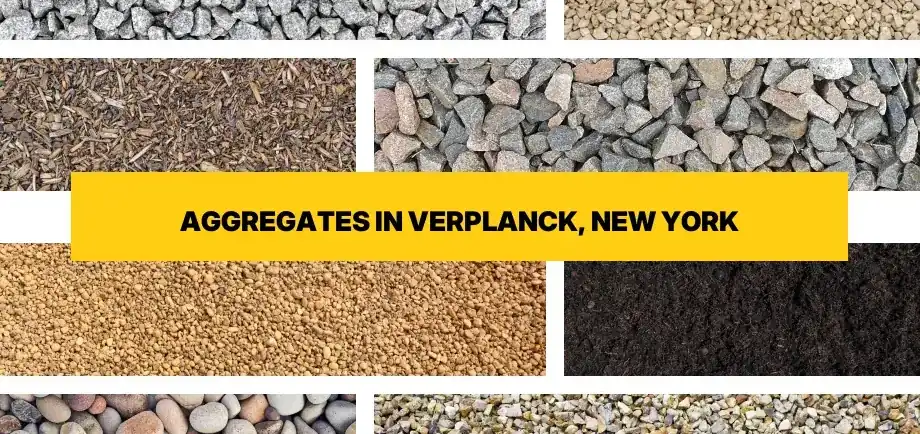
Shop Aggregates for Delivery in Verplanck
Order online for free delivery to any Verplanck address.


Gravel Monkey is your trusted local source for premium gravel, aggregates, and landscaping materials in Verplanck, New York. Situated along the scenic Hudson River in northern Westchester County, Verplanck properties face unique challenges from the region's clay-based soils, seasonal flooding near the riverfront, and the area's distinct freeze-thaw cycles. Whether you're installing a new driveway near Lent's Cove, creating proper drainage solutions for properties near the waterfront, or upgrading walkways in the residential neighborhoods surrounding Route 9A, we deliver high-quality aggregates directly to your location absolutely free. Our comprehensive selection of materials addresses the specific needs of Hudson Valley properties, from erosion control along hillsides to stable bases that withstand winter weather patterns.
Complete Aggregate & Material Selection for Verplanck Properties
Gravel Monkey provides a comprehensive range of premium aggregates and landscaping materials specifically suited to Verplanck's unique geological and climatic conditions. Our materials are carefully selected to perform exceptionally in the Hudson Valley's challenging environment, where properties contend with seasonal temperature swings, heavy spring rainfall, and the area's characteristic heavy clay soils that require proper drainage solutions.
- Driveway Gravel - Superior compaction and durability for residential and commercial applications
- 3/4 inch Crushed Stone - Versatile aggregate for foundations, driveways, and drainage projects
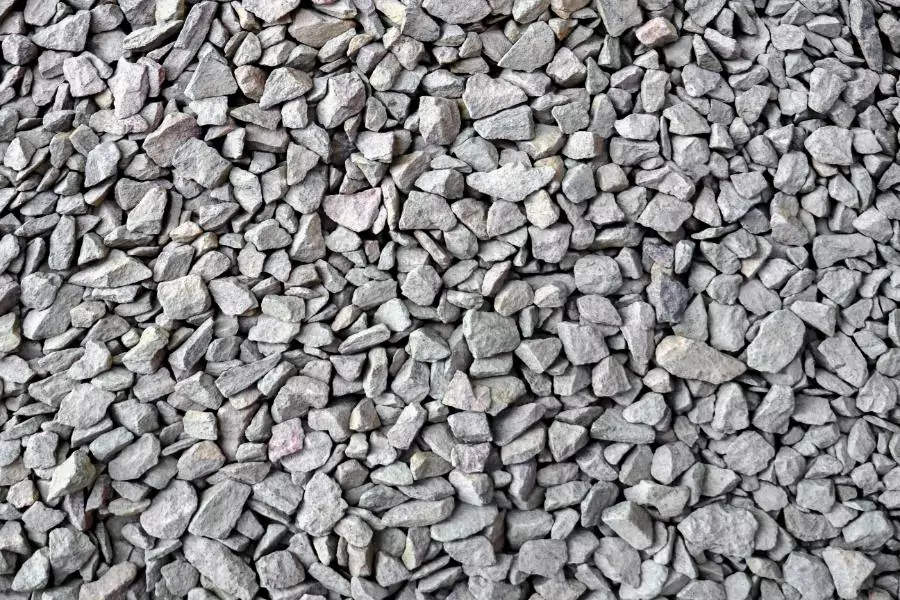
- #57 Stone - Industry-standard angular aggregate ideal for drainage and construction bases
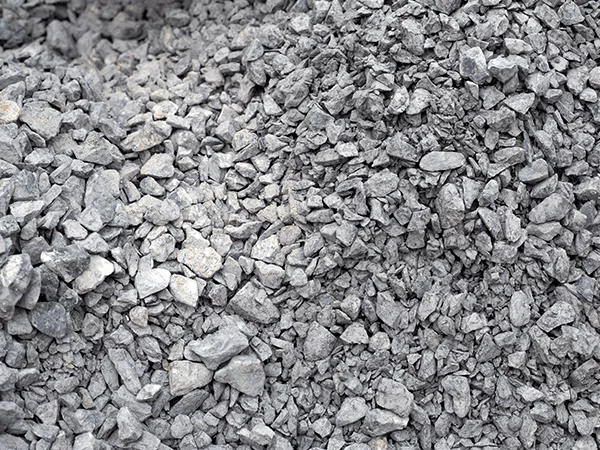
- Crusher Run - Excellent compactable base material that locks together for stable surfaces
- Road Base - Heavy-duty foundation material for driveways and parking areas
- Pea Gravel - Smooth, rounded stones perfect for decorative landscaping and walkways
- River Rock - Natural aesthetic appeal for gardens, water features, and landscaping accents
- Walkway Gravel - Specifically sized for comfortable, attractive pedestrian paths
- Drain Rock - Engineered for maximum water flow in French drains and foundation drainage
- Crushed Concrete - Eco-friendly recycled aggregate for budget-conscious projects
- Topsoil - Nutrient-rich soil for gardens, lawns, and landscaping beds
- Fill Dirt - Essential material for grading, leveling, and land elevation projects
- Mason Sand - Fine-grain sand for masonry work, paver bases, and construction
- Playground Sand - Safe, clean sand for children's play areas and sandboxes
- Washed Sand - Clean, debris-free sand for concrete mixing and paver bedding
- Decomposed Granite - Natural compacting material for rustic pathways and xeriscaping
Serving All Verplanck Neighborhoods and Surrounding Communities
Our delivery service extends throughout Verplanck's residential areas, from historic homes along Broadway near the Hudson River waterfront to properties on Highland Avenue and the hillside neighborhoods along Kings Ferry Road. We understand the unique access challenges of Verplanck's narrow streets near Lent's Cove and the elevation changes throughout the community that affect material delivery and placement.
Whether your property is located in the waterfront residential area near the Verplanck Volunteer Fire Department, the established neighborhoods surrounding Hendrick Hudson High School, or the developments along Route 9A toward Buchanan, Gravel Monkey ensures reliable delivery of quality aggregates. We regularly service properties throughout the greater area including nearby Montrose, Crugers, Buchanan, and Cortlandt Manor, bringing decades of Hudson Valley expertise to every delivery.
Understanding Verplanck's Geological and Climate Considerations
Verplanck sits on glacial till deposits left by retreating ice sheets thousands of years ago, resulting in heavy clay-based soils mixed with rocks and sediment. This geological composition creates specific challenges for property owners, as clay soils have poor drainage characteristics and expand when wet, then contract during dry periods. These soil movements can cause structural issues, shifting driveways, and foundation problems if not properly addressed with appropriate aggregate bases.
The Hudson Valley's climate brings additional considerations with average annual temperatures ranging from winter lows around 20°F to summer highs near 85°F, creating significant freeze-thaw cycles. Annual precipitation averages approximately 45 inches, with spring months often bringing heavy rainfall that tests drainage systems. Properties near the Hudson River face additional challenges from seasonal flooding potential and high groundwater tables that require specialized drainage solutions using properly sized aggregates.
Choosing the Right Aggregates for Your Verplanck Project
Driveway Installation and Repair Throughout Verplanck
Verplanck driveways endure intense pressure from the region's freeze-thaw cycles, heavy spring rains, and the weight of vehicles on clay-based subsoils. A successful driveway installation requires proper planning and material selection to prevent common issues like rutting, washouts, and frost heave. The key to a durable driveway begins with excavation to remove inadequate clay soil, followed by installation of a robust aggregate base.
For properties throughout the Broadway area, along Highland Avenue, or in the hillside neighborhoods near Kings Ferry Road, we recommend starting with a compacted base layer. This foundation typically consists of larger aggregates that provide structural integrity and drainage. The proper installation sequence prevents the base layer from mixing with clay subsoil, which would compromise drainage and stability. Top layers should use materials specifically designed for vehicle traffic that compact firmly while maintaining drainage characteristics essential in Verplanck's wet spring conditions.
Drainage Solutions for Hudson River Proximity
Properties near the Hudson River waterfront, around Lent's Cove, and in low-lying areas throughout Verplanck frequently battle water accumulation, foundation moisture issues, and soggy yard conditions. The area's heavy clay soils exacerbate these problems by preventing water absorption and percolation. Effective drainage systems require aggregates with specific characteristics: angular stones that don't compact tightly together, allowing water to flow freely between particles.
French drain installations around Verplanck foundations, along property lines, and in swale areas perform best when constructed with properly sized aggregates wrapped in geotextile fabric. The fabric prevents clay soil particles from migrating into the stone voids and clogging the drainage system over time. For properties experiencing basement moisture issues or yard flooding, properly installed aggregate drainage systems provide long-term solutions that protect both structures and landscaping investments.
Walkways and Decorative Landscaping Applications
Residential properties throughout Verplanck benefit from attractive gravel pathways that complement the area's scenic Hudson River setting. Garden paths, side yards, and backyard walkways require different aggregate characteristics than structural applications. The ideal pathway materials provide comfortable walking surfaces while maintaining attractive appearances and proper drainage to prevent puddles after rain events common in the Hudson Valley.
For decorative applications around homes near the waterfront, in gardens throughout the Highland Avenue neighborhoods, or landscaping beds along Route 9A properties, smaller rounded aggregates create visually appealing accents. These materials work excellently around plantings, as borders for flower beds, and in areas where you want to minimize weed growth while maintaining an attractive natural aesthetic. The rounded edges provide comfort underfoot while the smaller sizes nestle together creating stable surfaces that resist displacement.
Aggregate Material Comparison Guide
Selecting the appropriate aggregate for your Verplanck project depends on understanding the specific characteristics and ideal applications of each material. This comparison helps property owners make informed decisions based on project requirements, budget considerations, and long-term performance expectations in the Hudson Valley climate.
| Material Type | Best Applications | Drainage Rating | Compaction Quality | Verplanck Suitability |
|---|---|---|---|---|
| Driveway Gravel | Residential driveways, parking areas | Excellent | Superior | Ideal for freeze-thaw cycles |
| 3/4 inch Crushed Stone | Foundations, driveway base, general use | Very Good | Excellent | Versatile for clay soils |
| #57 Stone | Drainage systems, construction base | Outstanding | Good | Perfect for wet conditions |
| Crusher Run | Driveway base, compactable surfaces | Good | Outstanding | Excellent stability |
| Road Base | Heavy traffic areas, commercial drives | Very Good | Excellent | High durability needed |
| Pea Gravel | Walkways, landscaping, decorative use | Good | Minimal | Attractive pathways |
| River Rock | Decorative landscaping, water features | Moderate | None | Visual appeal priority |
| Drain Rock | French drains, foundation drainage | Maximum | Poor | Critical for water issues |
| Crushed Concrete | Budget driveways, base material | Very Good | Good | Eco-friendly option |
| Mason Sand | Paver base, masonry work | Poor | Excellent | Construction applications |
| Decomposed Granite | Natural pathways, rustic landscaping | Good | Very Good | Low-maintenance paths |
Professional Installation Guidance for Verplanck Properties
Proper Driveway Base Construction
Success with driveway projects throughout Verplanck begins with understanding proper layering techniques and material selection. The Hudson Valley's challenging soil conditions require more attention to base preparation than regions with sandy or well-draining soils. Start by excavating to adequate depth, typically 8 to 12 inches depending on expected traffic loads and existing soil conditions. This excavation removes problematic clay soil that would otherwise compromise the driveway's long-term stability.
Install landscape fabric as a separation barrier between native clay soil and your aggregate base. This crucial step prevents soil migration into the aggregate, maintaining the stone's drainage capabilities and structural integrity. The base layer should consist of larger angular aggregates compacted in lifts of 4 inches maximum. Each lift requires thorough compaction using a plate compactor or roller before adding the next layer. This methodical approach ensures proper density throughout the base, preventing future settling or rutting common in improperly installed driveways around Verplanck.
Effective Drainage System Installation
French drain systems protecting Verplanck properties require precise installation to function correctly for decades. Begin by determining the water flow direction and identifying where water accumulates during heavy rains. Dig trenches with adequate slope, minimum 1 percent grade, directing water away from structures toward appropriate discharge points. Trench depth varies by application but typically ranges from 18 to 24 inches for foundation protection and yard drainage solutions.
Line trenches completely with high-quality geotextile fabric, extending fabric up the sides to wrap over the top of the aggregate once installed. This fabric envelope prevents Verplanck's clay soil from infiltrating the drainage stone and reducing effectiveness over time. Install perforated drain pipe at the trench bottom, holes facing downward, and surround completely with drainage aggregate. Proper aggregate selection and installation ensures water moves quickly through the system rather than pooling near foundations or creating soggy areas in yards throughout the growing season.
Pathway and Decorative Aggregate Installation
Creating attractive, functional pathways and landscaping features requires different techniques than structural applications. For garden paths and walkways throughout Verplanck properties, excavate to 4 to 6 inches depth, creating defined edges that contain the aggregate material. Install landscape edging to maintain clean borders and prevent aggregate from spreading into lawn areas or planting beds.
Place landscape fabric along the pathway base to suppress weed growth while allowing water drainage. This step significantly reduces maintenance requirements for years after installation. Add your selected aggregate material to a depth of 3 to 4 inches, raking smooth and level. Compact lightly to settle the material while maintaining the desired loose, natural appearance. For high-traffic walkways near entryways or connecting functional areas, consider slightly deeper bases and firmer compaction to reduce movement and displacement over time.
Verplanck-Specific Property Challenges and Solutions
Managing Clay Soil Conditions
The heavy clay soils prevalent throughout Verplanck create ongoing challenges for property owners attempting any excavation, drainage, or construction project. Clay's unique characteristics include poor drainage, significant expansion when wet, and hard, compacted conditions when dry. These properties cause numerous issues from cracked foundations and shifting driveways to poor plant growth and standing water in yards. Successfully managing clay soil requires understanding its behavior and implementing appropriate aggregate solutions.
When installing driveways or parking areas in clay soil conditions common around Broadway, Highland Avenue, and throughout the residential neighborhoods, adequate excavation and base depth become critical. Clay provides virtually no structural support when saturated, requiring robust aggregate bases to distribute loads and provide stable surfaces. Properties experiencing driveway failures often have inadequate base depth or materials that compact too tightly, creating impermeable layers that trap water and accelerate deterioration through freeze-thaw damage.
Addressing Seasonal Water Management
Spring typically brings the heaviest rainfall to the Hudson Valley, with April and May often recording the highest precipitation totals. Combined with snowmelt from winter accumulation, properties throughout Verplanck face significant water management challenges during this transition season. Drainage systems must handle peak flows while maintaining functionality throughout the year as conditions transition from wet spring to typically drier summer, then into fall rains before winter freeze.
Properties near the Hudson River waterfront and in low-lying areas near Lent's Cove face additional challenges from seasonal high water tables and potential flooding impacts. These locations benefit significantly from properly designed and installed drainage aggregates that move water quickly away from structures and living spaces. French drains, curtain drains, and proper driveway drainage all contribute to comprehensive water management systems protecting property investments throughout the year.
Winter Weather and Freeze-Thaw Considerations
Winter temperatures in Verplanck regularly fluctuate above and below freezing, creating numerous freeze-thaw cycles that challenge improperly constructed driveways, walkways, and foundations. When water trapped in soil or inadequate aggregate bases freezes, it expands with tremendous force, shifting materials and creating voids. As temperatures rise and ice melts, materials settle into new positions, creating the characteristic potholes, cracks, and uneven surfaces common in spring throughout poorly constructed installations.
Preventing freeze-thaw damage requires proper material selection and installation techniques that allow water drainage rather than retention. Angular crushed aggregates in proper gradations create stable bases with interconnected voids that allow water movement even as surface temperatures drop below freezing. This drainage capability prevents ice formation within the base layers, protecting against the expansion forces that cause damage. Combined with adequate base depth and proper compaction, correctly installed aggregate bases provide decades of service despite Verplanck's challenging winter climate.
Estimating Material Quantities for Your Verplanck Project
Accurate material estimation prevents the frustration of running short mid-project or the expense of over-ordering. Understanding how to calculate aggregate quantities helps budget effectively and ensures sufficient materials arrive for complete installation without unnecessary excess.
Basic Calculation Methods
For rectangular areas like driveways or patios, calculate volume by multiplying length times width times depth, keeping all measurements in the same units. For example, a driveway measuring 12 feet wide by 50 feet long requiring 4 inches of base material: convert depth to feet (4 inches equals 0.33 feet), then multiply 12 x 50 x 0.33 = 198 cubic feet. Convert cubic feet to cubic yards by dividing by 27 (198 ÷ 27 = 7.3 cubic yards).
Aggregates are typically sold by weight (tons) rather than volume. Conversion from cubic yards to tons depends on material density. As a general guideline, most crushed stone aggregates weigh approximately 1.4 tons per cubic yard, though this varies by specific material type and moisture content. Using our driveway example, 7.3 cubic yards x 1.4 tons per cubic yard = approximately 10.2 tons needed. Always round up and add 10 percent extra to account for compaction and uneven subgrades.
Considerations for Irregular Areas
Curved walkways, irregular landscaping beds, and non-rectangular areas require different calculation approaches. Break complex shapes into smaller rectangular or circular sections, calculate each separately, then total the results. For circular or curved areas, measure the widest and longest dimensions, calculate as if rectangular, then multiply by 0.8 to approximate the reduced area. This method slightly overestimates material needs, providing a helpful buffer.
Properties on hillsides or with significant grade changes throughout neighborhoods along Kings Ferry Road or Highland Avenue require additional material considerations. Sloped areas need deeper aggregate installation on the downhill side to maintain consistent depth and adequate coverage. Consult with our experienced team at Gravel Monkey for guidance on complex site conditions, unusual shapes, or multi-phase projects requiring coordination of different material types and installation sequences.
Maintaining Your Aggregate Investment
Properly installed aggregates require minimal maintenance but benefit from periodic attention to maintain optimal appearance and functionality. Understanding basic maintenance practices extends the life of your investment and prevents minor issues from becoming significant problems requiring extensive repairs.
Driveway and Parking Area Maintenance
Gravel driveways and parking areas throughout Verplanck benefit from annual regrading to maintain proper crown and drainage. Spring represents the ideal time for this maintenance after winter frost has subsided but before summer vegetation growth. Use a landscape rake or small tractor with box blade to redistribute aggregate from high spots to low areas, restoring proper surface contours that direct water away from centers and edges toward designated drainage areas.
Monitor for aggregate displacement, particularly near edges where materials can migrate onto adjacent lawn areas or wash away during heavy rains. Replenish edge areas as needed and consider installing permanent edging like treated timbers, steel edging, or stone borders to maintain clean lines and contain materials. Periodically add fresh aggregate to maintain proper depth as materials gradually compact and some surface stones embed into underlying soils despite proper base preparation.
Drainage System Maintenance
French drains and other aggregate drainage systems require minimal maintenance when properly installed with geotextile fabric protection. However, periodic inspection ensures systems continue functioning effectively. Check drainage outlets after heavy rains to verify water flows freely without backing up. Sluggish drainage may indicate downstream blockages from leaves, debris, or sediment accumulation that require clearing.
Surface areas above French drains should be monitored for settling or depression development, which may indicate aggregate settling or soil infiltration issues. Address these problems promptly to prevent system failure. Properties near wooded areas should keep drainage system areas clear of leaves and organic debris that could clog surface inlets or compromise system efficiency during peak flow events common in spring and fall throughout the Hudson Valley.
Landscaping and Pathway Maintenance
Decorative gravel pathways and landscaping aggregates require different maintenance than structural applications. Rake periodically to maintain even surfaces and refresh appearance. Remove leaves, organic debris, and weeds that may establish in aggregate surfaces, though proper landscape fabric installation beneath aggregates significantly reduces weed problems. Consider application of pre-emergent herbicides in early spring to prevent weed seed germination in gravel areas.
Over time, some materials may discolor or develop algae growth in shaded, moist conditions common throughout Verplanck properties near mature trees or in northern exposures. Rinsing with water or mild cleaning solutions can refresh appearance when needed. Replenish materials periodically as some displacement occurs through foot traffic, mowing equipment near edges, or weather events. Maintaining adequate depth ensures pathways remain attractive and functional for years after initial installation.
Frequently Asked Questions About Gravel and Aggregates in Verplanck
We deliver a comprehensive selection including driveway gravel, crushed stone in multiple sizes, number 57 stone, pea gravel, river rock, crusher run, road base, drain rock, recycled crushed concrete, topsoil, fill dirt, mason sand, playground sand, washed sand, and decomposed granite throughout Verplanck and surrounding Westchester County areas.
Yes! Gravel Monkey offers completely FREE delivery to Verplanck and the surrounding Hudson Valley area for all gravel, aggregate, and landscaping material orders.
The amount depends on your project dimensions. For driveways, calculate length times width times depth, typically 4 inches for residential applications. For a standard 12 by 50 foot driveway with 4 inch depth, you would need approximately 7.5 tons. Our experienced team can help you calculate the exact amount needed for your specific Verplanck property.
For properties near the Hudson River or areas with high water tables, we recommend drain rock or number 57 stone. These aggregates provide excellent drainage due to their angular shape and size, preventing water accumulation common in Verplanck low-lying areas.
Absolutely! Crushed concrete is an eco-friendly and cost-effective alternative to traditional driveway gravel. It compacts well, provides excellent drainage, and stands up to the freeze-thaw cycles common in the Hudson Valley climate.
Mason sand is ideal for paver installation and joint filling in Verplanck. Its fine texture allows proper leveling and fills gaps effectively, while washed sand works perfectly for bedding layers beneath pavers.
Yes! We provide free delivery throughout Verplanck and to neighboring communities including Buchanan, Montrose, Crugers, and other nearby Westchester County locations along the Hudson River corridor.
For residential driveways in Verplanck, we recommend a minimum base depth of 8 to 10 inches of compacted aggregate. Properties with particularly poor soil conditions or those experiencing heavy vehicle traffic may benefit from 12 inch bases to ensure long-term durability against the area's freeze-thaw cycles and clay soil conditions.
Professional Aggregate Delivery Throughout Verplanck and the Hudson Valley
Gravel Monkey combines decades of experience with comprehensive material knowledge to serve Verplanck property owners with distinction. We understand the unique challenges presented by Hudson River proximity, clay-based soils, and the region's demanding climate. Whether you're planning a new driveway installation near Lent's Cove, addressing drainage problems in low-lying areas, or creating attractive landscaping features throughout your property, we deliver quality aggregates and expert guidance.
Our commitment to customer satisfaction extends beyond simple material delivery. We help you select appropriate aggregates for your specific application, provide accurate quantity estimates to prevent shortages or excess, and ensure timely delivery to keep your project on schedule. Properties throughout Verplanck, from the waterfront neighborhoods along Broadway to the hillside homes on Kings Ferry Road and Highland Avenue, trust Gravel Monkey for reliable service and premium quality materials that perform exceptionally in the Hudson Valley's challenging conditions.
Experience the difference that proper aggregate selection and professional delivery make for your Verplanck property. Contact Gravel Monkey today to discuss your project requirements, receive expert material recommendations, and schedule your free delivery. Let our knowledge of local conditions and commitment to quality help you achieve outstanding results that enhance your property's value, functionality, and appearance for years to come.

Need help? Reach out for a quote: