Bulk Aggregate & Gravel Products in Financial District, New York
Local Topsoil, Dirt, Sand, Rocks and Gravel near me in Financial District, New York
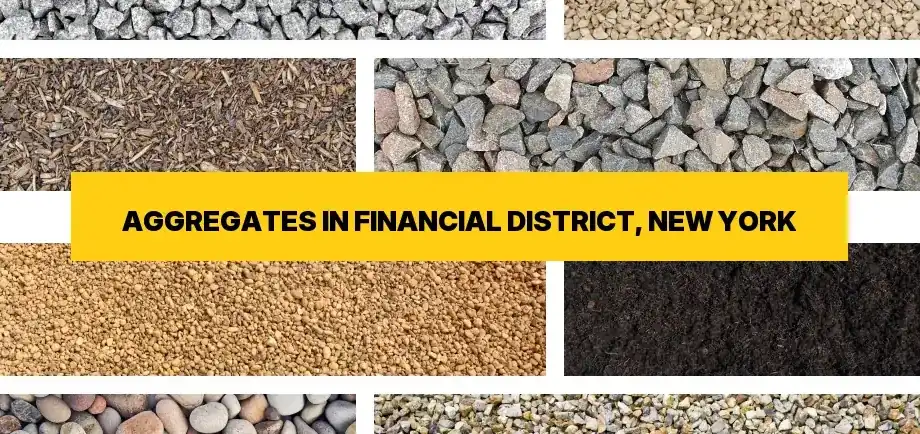
Shop Aggregates for Delivery in Financial District
Order online for free delivery to any Financial District address.


The Financial District, NY, sits at the southern tip of Manhattan and demands durable, well-chosen aggregates for public plazas, narrow alleyways, brownstone borders and rooftop planting projects. Whether you are managing a small courtyard off Wall Street, renovating a service alley near Battery Park City, or specifying drainage materials for a Seaport District restoration, we supply the local aggregates you need when you need them. Our local expertise in the Big Apple and the unique urban challenges of the Financial District means material choices are informed by stormwater concerns, truck access, and the dense built environment.
Gravel Monkey delivers bulk aggregates and sand to locations across the Financial District, Battery Park, Seaport District and surrounding neighborhoods with experienced drivers accustomed to Manhattan loading zones and narrow drop-offs. From structural road base under new pedestrian pavers to decorative pebbles in a Tribeca courtyard, we combine product knowledge, delivery logistics, and local service to keep projects on schedule.
Premium Aggregates Available for Financial District Delivery
Gravel and Crushed Stone Products
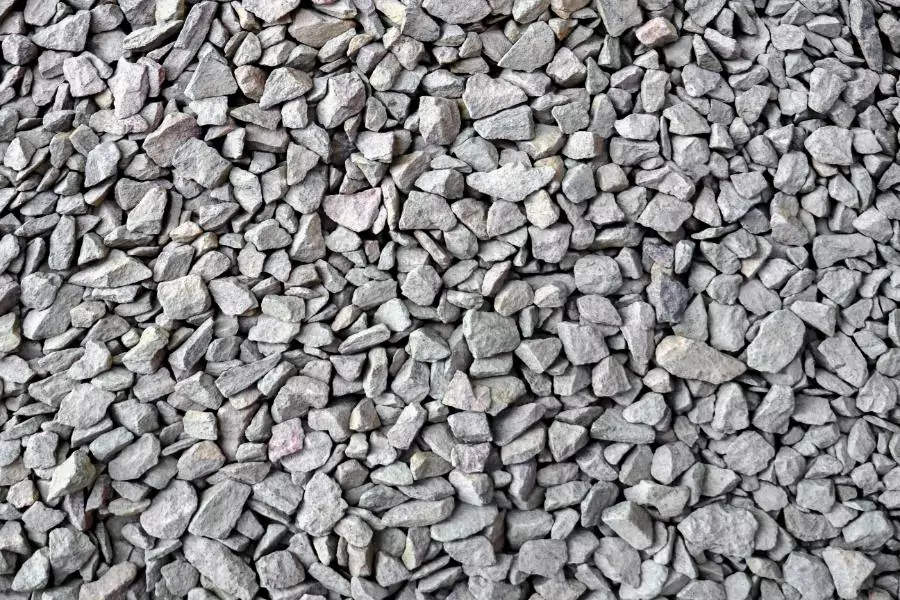
For structural work and durable bases in Lower Manhattan, well-graded crushed stone is essential. Our selection includes engineered base materials that compact reliably and resist settlement in reclaimed fill zones near the East River. For projects that require a strong granular base, our 3/4 inch Crushed Stone offers a consistent particle size and excellent interlock for compaction. This product is commonly specified beneath concrete pads, sidewalk reconstructions, and heavy equipment pads where a stable sub-base is critical.
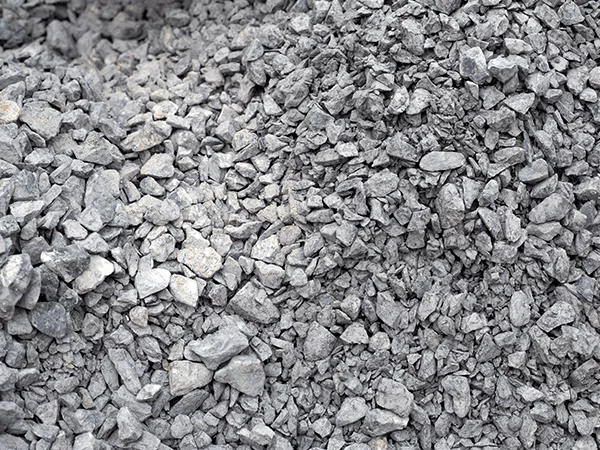
When building or repairing alleys, loading docks, or short service roads that are typical in the Financial District, materials like Crusher Run and Road Base provide an economical, high-compaction foundation. These aggregates lock together to resist rutting and are often used under asphalt and paving stones. Our team can advise on the correct thickness for compaction based on expected loads and the local urban soils common to lower Manhattan.
Driveway and Pathway Materials
Even in a densely built district, private drive surfaces, service lanes and pedestrian routes require tailored aggregates. For vehicle surfaces where a finished look and traction matter, our Driveway Gravel is formulated to shed water while providing a stable riding surface. It's suitable for private parking pads tucked behind historic façades or commercial loading zones that must balance appearance and function.
For crisp pedestrian routes, garden paths and courtyard walkways, materials such as Walkway Gravel and Decomposed Granite are both popular in the Financial District. Decomposed granite compacts to a smooth, semi-permeable surface ideal for courtyard paths and low-slope roof terraces, while walkway gravel is often used where a looser, permeable finish is desired for aesthetic or drainage reasons.
Decorative Stone and River Rock
Hardscape and planting beds in the Financial District frequently call for attractive aggregates that also perform. Pea Gravel is a favorite for plazas, small garden areas and rooftop planters because it is smooth, comfortable to walk on, and works well with edging. Its small rounded profile helps prevent compaction-related heaving in planters and on terraces where soil movement is a concern.
For larger accent areas, drainage swales near the Seaport, and decorative containment around trees in public squares, River Rock provides a natural look and good surface stability. These polished stones add texture and are commonly paired with urban plant palettes in parks around the Seaport and Battery Park neighborhoods.
Drainage Solutions for Financial District's reclaimed fill and silty soil
Lower Manhattan’s subsurface is a mix of Manhattan schist bedrock in the island core and extensive historic landfill and estuarine silts and clays along the waterfront. The Financial District, with its filled lots and tidal influence, requires drainage-aware aggregate selection to prevent standing water and to protect foundations adjacent to brackish soils. Proper drainage layers and stone selection mitigate water pooling and reduce freeze-thaw damage during winter months when temperatures dip below freezing.
Drainage systems in the Financial District make heavy use of angular aggregates that allow water to pass while maintaining structural support. For trench drains, French drains and underdrains around foundation edges, coarse materials that resist clogging are preferred. Our local experience shows that combining geotextile separation with appropriate aggregate placement extends system life in the city's variable moisture regime.
Benefits of Proper Drainage Aggregates
- Improved runoff management and reduced surface ponding during heavy rainfall events
- Protection of building foundation edges from soil saturation and hydrostatic pressure
- Reduced freeze-thaw damage to adjacent pavements and hardscapes
- Easier maintenance and longer lifespan for planted terraces and permeable pavements
For high-flow or structural drainage applications in the Financial District, products like #57 Stone and Drain Rock are commonly specified. These aggregates provide the void space necessary for efficient drainage while resisting compaction and sediment infill when paired with appropriate filtration fabric.
Soil Products and Fill Materials
Urban planting, rooftop gardens and remediation work in the Financial District often start with the right soils and fill. We supply screened, blended materials suitable for planters, raised beds and compaction fill in constrained urban sites. For landscaped terraces and tree pits where nutrient retention and structure matter, our Topsoil is prepared for urban planting conditions and can be blended with compost where appropriate.
Construction sites, light commercial excavations and subgrade corrections in narrow city blocks frequently require compactable fill that meets local engineering specifications. Our Fill Dirt is sourced and screened to provide consistent placement and compaction characteristics, which helps contractors meet city agency requirements for backfill in confined areas.
For customers seeking sustainable options, we also stock and recommend recycled aggregates where appropriate. Recycled Crushed Concrete can be a cost-effective base material in non-decorative applications and is often used for temporary roadway restoration or as a structural base beneath new paving in renovation projects.
Sand Products for Every Financial District Application
Sand is needed for bedding pavers, mixing mortar, playground surfacing and rooftop drain layers. The choice of sand impacts compaction, drainage and the finished appearance of installations. In tight urban projects the right sand ensures pavers set evenly and play surfaces meet safety requirements.
For fine masonry and bedding sand in historic restoration and small repairs around older façades, Mason Sand has a consistent, fine texture that helps mortars and paver joints set predictably. It is commonly used by masons restoring brownstone steps or repointing older brickwork within the Financial District.
Play spaces and rooftop playgrounds inside corporate plazas require soft, impact-attenuating surfaces. Our Playground Sand meets safety-focused texture and cleanliness standards and is a preferred surface under play equipment in private courtyards and select municipal play areas where specified.
For jobs requiring clean bedding or concrete sand with reduced silt content, such as paver bedding layers or concrete mixes for narrow pours, Washed Sand provides consistent particle sizing. Washed sand improves compaction and reduces the risk of long-term settlement in pedestrian paving across the Financial District.
| Sand Type | Best Applications | Texture | Common Uses in Financial District |
|---|---|---|---|
| Mason Sand | Mortar, brick repointing, fine bedding | Fine, uniform | Masonry repairs on historic façades near Wall Street and Hanover Square |
| Playground Sand | Play area surfacing, safety zones | Soft, cushioned | Corporate plaza play areas near Brookfield Place and Battery Park |
| Washed Sand | Paver bedding, concrete mixes, drainage layers | Clean, coarse to medium | Paver installations along the Seaport District and restored sidewalks |
Choosing the Right Aggregates for Your Financial District Project
Selecting the correct aggregate depends on the intended function, local soil conditions, and exposure to stormwater or salt. In the Financial District, where reclaimed soils and tidal influences are common, engineers often prefer angular crushed stone for load-bearing applications and rounded decorative gravels for aesthetic zones. Aggregates used under pavement must balance compaction and drainage, while rooftop and planter materials must prioritize weight limits and permeability.
Our material specialists can recommend blends and depth specifications for municipal work, private courtyard restorations, or rooftop conversions. For sustainable projects and municipal restoration where carbon footprint matters, consider specifying recycled materials or low-embodied-energy options to meet green building guidelines.
When evaluating recycled and eco-friendly aggregate choices in the Financial District, recycled options such as Crushed Concrete perform well as base layers and temporary fill. These materials reduce the demand for virgin stone and are useful for urban renovation where full demolition and reuse are feasible.
| Aggregate Type | Best Applications | Size Range | Drainage Rating | Compaction |
|---|---|---|---|---|
| 3/4 Crushed Stone | Base under concrete, walkways, pads | 3/4 inch | Moderate | High |
| #57 Stone | Drainage trenches, French drains | 1/2 to 1 inch | High | Low |
| Crusher Run | Driveway and temporary road bases | Mixed fines and stone | Low | Very High |
| Pea Gravel | Decorative gardens, play areas | 3/8 inch rounded | Moderate | Low |
| River Rock | Accent beds, bioswales | Varies 1/2 to 3 inches | Moderate | Low |
| Decomposed Granite | Permeable paths, terraces | Fine to medium | Moderate | Medium |
| Road Base | Structural base under pavements | Mixed | Low to Moderate | Very High |
| Drain Rock | High-capacity drainage layers | 1 to 2 inches | Very High | Low |
Climate Considerations for Financial District Aggregates
The Financial District experiences an average annual rainfall of roughly 49 inches and humid summers with average July highs near the mid-80s Fahrenheit and winter lows in January often around the mid-20s Fahrenheit. These conditions mean designers must plan for heavy summer downpours, nor'easters in late fall and winter freeze-thaw cycles. Salt from winter street treatments and tidal splash near Battery Park can accelerate stone weathering and influence material choices.
Because of this climate, aggregates with good drainage performance and resistance to repeated wetting and drying cycles are preferred. Material selection should consider local microclimates — rooftop terraces face more solar exposure and are subject to wind-driven rain, while narrow alleyways between historic buildings may stay shaded and wetter longer. The presence of reclaimed fill and estuarine sediments in parts of Lower Manhattan makes it important to compact base layers correctly to avoid long-term settlement.
Popular Financial District Project Applications
- Plaza and pedestrian restoration around the Seaport District
- Tree pit and street gutter reconstruction near Wall Street
- Rooftop garden and planter soil systems for office towers
- Temporary access roads and loading pads during renovations
- Drainage trenching and French drain installations adjacent to older foundations
Aggregate Delivery Throughout Financial District Metro
We deliver aggregates throughout the Financial District and surrounding neighborhoods with an understanding of Manhattan curb rules, loading zone permits and building access limitations. Our delivery teams coordinate with site managers in busy areas like Wall Street, Brookfield Place, and the Seaport to ensure safe truck placement and minimal disruption during handoffs.
Because many drop-off points in the Financial District are constrained, we provide guidance on offload methods — from direct dump into fenced areas to small-scale hand distribution for tight plazas. We also plan deliveries around local events such as marathons or parades that affect street closures and access to Battery Park and South Street Seaport.
Areas We Serve
Within lower Manhattan we regularly deliver to the Financial District core and surrounding micro-neighborhoods including Wall Street, Battery Park City, South Street Seaport, Seaport District, Brookfield Place, Hanover Square, Civic Center, Two Bridges, Tribeca edges, Lower East Side borders, Chinatown edges, Little Italy borders, SoHo fringes, Hudson Square and Battery Park. Our operational knowledge of these neighborhoods ensures efficient routing and fewer delays when navigating narrow streets and historic blocks.
Nearby Cities Served
In addition to Manhattan delivery, we serve nearby cities across the river and metro area including Jersey City, Hoboken, Newark in New Jersey, Brooklyn neighborhoods such as DUMBO and Brooklyn Heights, Staten Island, Queens (Long Island City), Yonkers and New Rochelle for larger projects requiring truck access that differs from Manhattan routing. This regional reach helps contractors staging near the Financial District source materials quickly when tight timelines demand rapid resupply.
Frequently Asked Questions About Gravel in Financial District
We deliver a wide range including structural crushed stone, #57 stone, drain rock, crusher run, road base, pea gravel, river rock, decomposed granite, driveway and walkway gravels, plus sand and soil products for planting and construction.
Delivery pricing varies by order size, drop location and access constraints. We occasionally run promotions that include free delivery for qualifying orders, but most deliveries are priced to reflect truck access and local curbside restrictions.
Rough estimates: one cubic yard covers roughly 80 to 100 square feet at a 1 inch depth. Typical driveway or parking pad depths range from 3 to 6 inches of compacted stone, depending on traffic and load, so calculate accordingly and ask us for a precise takeoff for your site.
Given reclaimed fill and silty estuarine soils, angular crushed stone and road base are preferred for load-bearing applications while drain rock and #57 stone are best where drainage is critical. Decorative projects often use pea gravel or river rock.
Yes. We deliver to neighboring cities such as Jersey City, Hoboken, Newark, Brooklyn, Staten Island and Queens, and we can coordinate central staging for larger projects outside Manhattan to simplify logistics.
Spring through early fall is ideal to avoid freeze-thaw cycles and heavy winter precipitation. We deliver year-round but recommend planning installations around potential street closures and colder months that require frost-aware construction methods.
Yes. Recycled materials such as crushed concrete are available and are often specified for base layers and temporary roadway uses to minimize environmental impact and manage costs while meeting project requirements.
Get Quality Aggregates Delivered to Your Financial District Property
Whether you manage a small courtyard off Wall Street, a rooftop terrace near Brookfield Place, or a restoration project in the Seaport District, our local team understands the regulatory, access and soil conditions unique to the Financial District. We stock a wide range of materials and coordinate deliveries that respect time windows, loading zone restrictions and site constraints. For narrow drops we can arrange smaller offloads and provide guidance on staging, compaction depth and drainage layer design so your aggregate work performs reliably in the city's coastal and urban environment.
For projects requiring specialized materials, such as high-drainage rock near waterfront promenades or specific sands for historic masonry, our product specialists can recommend the best aggregates for long-term performance in the Financial District's climate and geology. Contact our local team to discuss material options, sequencing for delivery, and on-site logistics to keep your project on track.

Need help? Reach out for a quote: