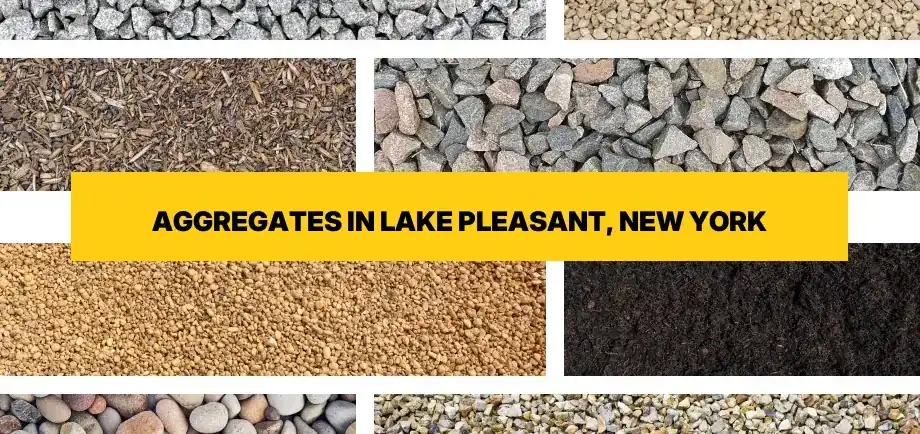
Buy Bulk Aggregates & Gravel in Lake Pleasant, New York
Local Topsoil, Dirt, Sand, Rocks and Gravel near me in Lake Pleasant, New York
Shop Aggregates for Delivery in Lake Pleasant
Order online for free delivery to any Lake Pleasant address.
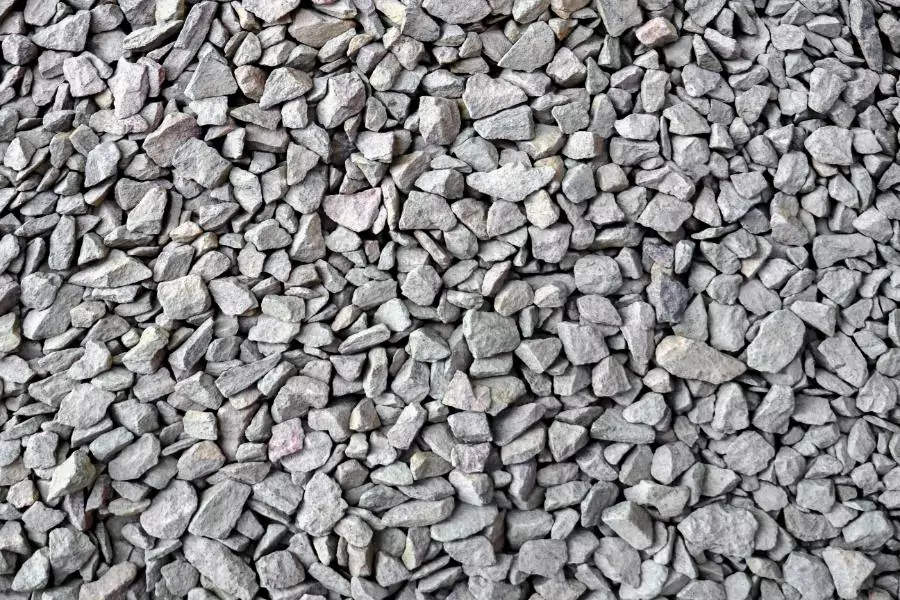
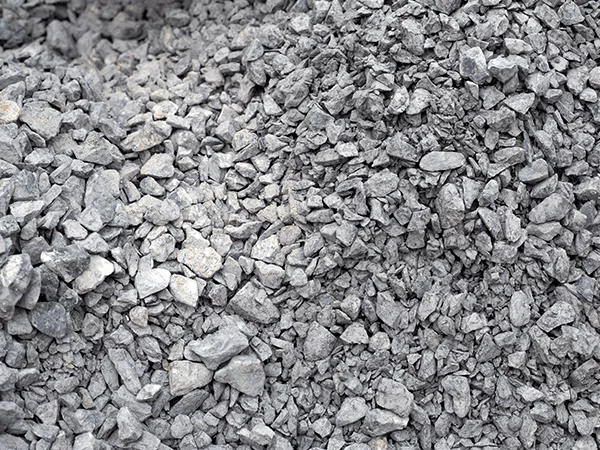


Nestled in the heart of the Adirondack Mountains, Lake Pleasant presents unique challenges for property owners seeking quality aggregates and construction materials. Gravel Monkey delivers premium gravel, stone, and aggregate materials directly to your Lake Pleasant property with free delivery throughout Hamilton County. Whether you're maintaining a seasonal camp along Sacandaga Lake, building a year-round home near the Lake Pleasant Public Campground, or improving access roads through the surrounding wilderness, we provide the aggregates you need to handle the demanding Adirondack environment.
Comprehensive Aggregate Selection for Lake Pleasant Properties
Lake Pleasant's location at 1,762 feet elevation in the West-Central Adirondacks demands aggregates that can withstand severe winters, spring thaw, and the rocky, glacial till soils common throughout Hamilton County. Gravel Monkey stocks a complete range of materials specifically suited for mountain properties and remote locations:
- Driveway Gravel - Heavy-duty material engineered for steep mountain driveways and long access roads
- 3/4 inch Crushed Stone - Angular aggregate that locks together for excellent stability on grades
- #57 Stone - Uniform size aggregate ideal for drainage applications around foundations
- Crusher Run - Compactable blend perfect for base layers and all-weather access
- Road Base - Professional-grade material for private roads and long driveways
- Drain Rock - Clean stone for French drains and foundation perimeter systems
- Pea Gravel - Rounded stone for pathways and decorative applications
- River Rock - Natural aesthetic stone for waterfront landscaping
- Walkway Gravel - Comfortable walking surface for trails and garden paths
- Topsoil - Screened material for gardens in the short Adirondack growing season
- Fill Dirt - Clean fill for grading and leveling mountain properties
- Crushed Concrete - Recycled aggregate for eco-conscious base applications
- Mason Sand - Fine sand for mortar and concrete mixing
- Playground Sand - Safe, clean sand for family properties
- Washed Sand - Clean sand for septic systems and drainage beds
- Decomposed Granite - Compactable material for rustic pathways and natural-looking surfaces
Understanding Lake Pleasant's Unique Aggregate Requirements
Lake Pleasant experiences one of the harshest climates in New York State, with average January temperatures around 15°F and annual snowfall exceeding 100 inches. The area's geology consists primarily of metamorphic bedrock covered with glacial deposits—a mixture of boulders, gravel, sand, and clay left behind during the last ice age. This rocky, well-drained soil presents specific challenges for construction and requires aggregates that can handle extreme temperature swings and heavy moisture.
Climate Challenges Affecting Aggregate Performance
The freeze-thaw cycle in Lake Pleasant is particularly aggressive. Winter temperatures frequently drop below zero, while spring thaw periods bring rapid melting and significant water movement. This cycle repeats dozens of times each winter, creating stress on any aggregate base that isn't properly designed and installed. Properties near Sacandaga Lake, along Elm Lake Road, and throughout the Arietta region must contend with these conditions year after year.
Additionally, the area receives approximately 40 inches of precipitation annually, much of it as snow that melts rapidly in April and May. Proper drainage becomes critical for any aggregate application, whether you're building a driveway near Perkins Clearing, installing a foundation in Speculator, or creating access roads near neighboring Wells. The combination of heavy precipitation and impermeable clay layers in the glacial till means water management must be integrated into every aggregate project.
Soil Composition and Foundation Considerations
The rocky glacial till throughout Hamilton County creates challenges when excavating and grading. Property owners near Lake Pleasant often encounter large boulders and ledge rock during site preparation. This irregular subgrade requires careful preparation before aggregate installation. The native soil's variable composition—ranging from clay-rich areas with poor drainage to sandy deposits with excellent drainage—means each property requires individual assessment.
The thin topsoil layer throughout the Adirondacks, typically only 2-4 inches deep over rocky subsoil, limits landscaping options but creates ideal conditions for aggregate applications. The naturally rocky substrate provides excellent support for compacted aggregate bases once properly prepared. Properties along Route 8, Perkins Clearing Road, and surrounding the hamlet benefit from this stable underlying structure when aggregates are installed correctly.
Aggregate Applications for Adirondack Mountain Properties
Mountain Driveway Construction
Lake Pleasant driveways face unique demands. Many properties have steep access roads climbing 100-300 feet in elevation from the public road to the house site. These grades require aggregates that provide traction in winter while resisting washout during spring runoff. The combination of steep slopes, heavy snow load, and seasonal traffic patterns demands superior materials.
For primary driveways serving year-round homes near the town center or along Elm Lake Road, a multi-layer approach works best. Start with road base as a 6-8 inch foundation layer, providing structural stability and load distribution. This base handles the weight of vehicles and prevents rutting in spring mud season. Top with crusher run as a 3-4 inch surface layer, offering excellent compaction and all-weather traction. The angular particles in crusher run interlock mechanically, creating a firm surface that resists displacement even on steep grades.
Seasonal camp owners with lighter traffic patterns can often use a single-layer approach with driveway gravel or crusher run, installed at 6-8 inch depth over properly prepared subgrade. However, properties with steep sections exceeding 10% grade should invest in the two-layer system for long-term performance. Areas near Sacandaga Lake and throughout the surrounding wilderness require this extra durability.
Drainage Systems for Wet Sites
The combination of heavy precipitation, clay-rich soils, and impermeable bedrock creates drainage challenges throughout Lake Pleasant. Properties with seasonal high water tables or springs require comprehensive drainage design. French drains using drain rock provide effective solutions for redirecting subsurface water away from foundations and structures.
A typical French drain installation uses 4-6 inches of drain rock surrounding perforated pipe, with the entire system wrapped in filter fabric to prevent fine soil particles from clogging the stone voids. The clean, uniform size of drain rock maintains maximum void space for water movement. For properties dealing with significant water issues—common near the lake shore, in valley bottoms, and anywhere springs emerge—multiple drain lines may be necessary.
Surface drainage also requires attention in the Adirondack environment. Grading with fill dirt to direct water away from structures, combined with drainage swales lined with river rock or larger stone, prevents water accumulation during spring snowmelt and summer thunderstorms. Properties in low-lying areas near Perkins Clearing and along creek valleys benefit significantly from professional drainage design incorporating appropriate aggregates.
Foundation and Building Site Preparation
New construction in Lake Pleasant requires extensive site preparation due to the rocky, uneven terrain. Excavation typically encounters bedrock, large boulders, and variable soil conditions. Once excavation reaches desired depth, the subgrade must be properly prepared before aggregate installation. Remove soft spots, large rocks, and organic material. Grade the subgrade to promote drainage away from the foundation area.
Install a base layer using road base or crusher run, compacting in 4-inch lifts to prevent future settlement. For standard residential foundations, 12-18 inches of compacted aggregate base provides adequate support. Larger structures or those on particularly challenging sites may require deeper bases or specialized engineering. The goal is creating a stable, well-drained platform that won't shift during freeze-thaw cycles.
Around the foundation perimeter, install drain rock systems to intercept water before it can penetrate the structure. This aggregate, combined with perimeter drains, keeps basements and crawl spaces dry despite Lake Pleasant's heavy precipitation and seasonal groundwater fluctuations. Properties throughout the hamlet and surrounding areas benefit from this comprehensive approach to foundation drainage.
| Aggregate Type | Best Applications | Typical Depth | Compaction Required | Winter Performance |
|---|---|---|---|---|
| Road Base | Driveway foundations, access roads, parking areas | 6-8 inches | High - mechanical compaction essential | Excellent when properly installed |
| Crusher Run | Driveway surfaces, paths, general base material | 4-6 inches | Moderate - compacts well naturally | Very good traction and stability |
| 3/4" Crushed Stone | Drainage layers, concrete aggregate, roadway base | 4-6 inches | Moderate - angular particles lock | Good drainage prevents ice buildup |
| #57 Stone | Foundation drains, septic systems, pipe bedding | 6-12 inches | Low - maintains void space | Excellent drainage characteristics |
| Drain Rock | French drains, foundation perimeter, wet areas | 4-8 inches | Low - clean stone for water flow | Prevents ice damage to structures |
| Pea Gravel | Pathways, decorative areas, light-duty surfaces | 2-3 inches | Low - rounded particles shift | Fair - requires containment |
Seasonal Planning for Lake Pleasant Aggregate Projects
Spring Installation Timing
The construction season in Lake Pleasant is compressed compared to downstate New York. Frost typically leaves the ground in late April or early May, creating a narrow window for aggregate projects before summer's peak season. Spring brings unique challenges—mud season sees ground conditions at their worst as frozen soil thaws and releases trapped moisture. Wait until the ground has dried sufficiently to support heavy equipment before beginning major aggregate projects.
Spring is ideal for installing drainage systems when water issues are most visible. Observe where water accumulates during snowmelt, where springs emerge, and where erosion occurs. This information guides drainage design using drain rock and proper grading. Properties near Sacandaga Lake and throughout the mountainous terrain benefit from spring drainage observation before installation in drier conditions.
Summer and Fall Project Advantages
Summer provides the best conditions for aggregate installation in the Adirondacks. Dry, warm weather allows proper compaction and adequate working time for larger projects. July and August are peak months for driveway construction, foundation work, and major site development throughout Lake Pleasant. However, this is also peak tourist season, so schedule deliveries and work crews early to ensure availability.
Fall offers a second window for aggregate projects, particularly September and October before hard frost. The cooler temperatures are actually beneficial for compaction work, and contractors are generally more available after summer's rush. Fall installation gives new aggregate surfaces several months to settle and stabilize before winter's freeze-thaw cycle tests their durability. Properties in the Speculator area and throughout the surrounding region often choose fall installation to prepare for the following winter.
Winter Considerations
While major aggregate installation isn't practical during Lake Pleasant's harsh winters, emergency repairs and small projects sometimes become necessary. Frozen ground prevents proper compaction, and equipment operation becomes difficult in deep snow and extreme cold. However, having aggregate materials on-site before winter allows property owners to address minor washouts, ruts, or drainage issues during winter warm spells.
Winter also provides excellent time for project planning. Observe how existing aggregates perform under winter conditions. Note problem areas where ice forms, where snow drifts block access, and where spring damage is likely to occur. This winter observation informs better aggregate selection and installation planning for the following construction season.
Serving Lake Pleasant Communities and Surrounding Areas
Gravel Monkey proudly serves the entire Lake Pleasant region with free aggregate delivery. Our service area includes the hamlet center along Route 8, properties throughout the town of Lake Pleasant, and surrounding communities in Hamilton County:
Core Service Areas
The Lake Pleasant hamlet sits at the southeastern corner of Sacandaga Lake, providing a small year-round community with essential services. Properties along Route 8 through the hamlet, along Elm Lake Road heading south, and throughout Perkins Clearing to the west all receive our free delivery service. The Lake Pleasant Public Campground area and surrounding private lands have excellent access for aggregate deliveries.
Properties along Sacandaga Lake's eastern and southern shores present unique access challenges but remain within our standard delivery area. Many waterfront camps require aggregate materials for driveway maintenance, drainage improvement, and site development. The combination of steep terrain, seasonal access, and exposure to lake effect weather makes quality aggregates essential for these locations.
Extended Service to Neighboring Communities
Beyond Lake Pleasant proper, we serve the nearby hamlet of Speculator, approximately 5 miles north on Route 30. The Arietta region to the east receives regular deliveries, as do properties along Route 8 toward Wells and the southern portions of Hamilton County. Remote camps and hunting lodges throughout the surrounding Adirondack wilderness can be served, though access to some locations requires coordination regarding road conditions and seasonal accessibility.
The interconnected network of seasonal roads throughout the region means our delivery drivers are familiar with the challenging terrain and remote locations characteristic of the central Adirondacks. Whether your property sits along a maintained town road or requires travel on seasonal camp roads, we'll work with you to ensure successful aggregate delivery.
Professional Installation Best Practices for Mountain Properties
Site Preparation Fundamentals
Successful aggregate installation begins with proper site preparation. For driveway projects, remove existing vegetation, roots, and organic topsoil down to mineral soil or subgrade. In Lake Pleasant's rocky terrain, this often means working around boulders and ledge outcrops. Grade the subgrade to promote drainage—a minimum 2% slope prevents water accumulation under the aggregate base.
For areas with particularly poor drainage or soft soils, consider installing geotextile fabric over the prepared subgrade before placing aggregates. This fabric prevents fine soil particles from pumping up into the aggregate base during wet conditions while maintaining drainage. Properties in low-lying areas or those with clay-rich soils benefit significantly from this additional step.
Aggregate Installation Techniques
Install aggregates in lifts no more than 4-6 inches thick, compacting each lift before placing the next. This approach ensures proper density throughout the entire depth and prevents future settlement. For driveway applications using a two-layer system, install and compact the base layer completely before adding the surface material.
Compact aggregates using appropriate equipment—vibratory plate compacters work well for smaller areas and thinner lifts, while larger projects benefit from roller compaction. Compact when aggregate moisture content is optimal, typically slightly damp but not saturated. The angular particles in crusher run and road base achieve maximum density and interlock when properly compacted at correct moisture levels.
Crown driveway surfaces slightly to promote water runoff toward edges. A 2-4% cross-slope prevents water from pooling on the surface and extends aggregate life significantly. Install drainage swales or ditches alongside driveways to capture and direct runoff away from the travel surface. These drainage features are particularly important on steep sections common throughout Lake Pleasant properties.
Long-Term Maintenance Requirements
Even properly installed aggregates require periodic maintenance in the demanding Adirondack climate. Plan to add fresh surface material every 3-5 years as existing aggregate becomes embedded in the subgrade or disperses from traffic and weather. Spring typically reveals winter damage—ruts, washouts, and areas needing repair.
Grade and reshape aggregate surfaces annually, preferably in late spring after conditions dry. A tractor with box blade or road grader pulls displaced material back to proper profile and crowns the surface for drainage. This simple maintenance dramatically extends aggregate life and prevents minor problems from becoming major repairs.
Monitor drainage systems annually, clearing debris from swales and checking that water flows away from structures properly. French drains may require flushing if fine soil particles have accumulated despite proper filter fabric installation. Properties throughout the Lake Pleasant area benefit from this proactive maintenance approach.
Environmental Responsibility in the Adirondack Park
Lake Pleasant lies within the Adirondack Park, a constitutionally protected wilderness area where environmental stewardship is both legally required and culturally expected. All aggregate projects must consider environmental impact and comply with relevant regulations. The Adirondack Park Agency (APA) has jurisdiction over many activities, including significant site alterations and construction projects.
Erosion Control and Water Quality Protection
The pristine waters of Sacandaga Lake and the numerous streams throughout the region require protection during aggregate projects. Install erosion control measures before beginning site work—silt fencing, hay bales, or specialized erosion control products prevent sediment from reaching water bodies during construction. Maintain these controls throughout the project and until vegetation establishes on disturbed areas.
Select aggregates appropriate for environmentally sensitive areas. Crushed concrete provides an eco-friendly recycled option for many applications. Clean stone like drain rock and washed sand prevent chemical leaching concerns. Avoid using materials that might impact water quality, particularly on properties near streams, wetlands, or the lake shore.
Sustainable Material Choices
Consider long-term sustainability when selecting aggregates for your Lake Pleasant property. Quality materials properly installed last significantly longer than cheaper alternatives, reducing the need for frequent replacement and minimizing environmental disruption over time. The investment in crusher run or road base pays dividends through reduced maintenance and extended service life.
Recycled materials like crushed concrete offer environmental benefits while providing excellent performance in many applications. These aggregates reduce demand for virgin stone quarrying while delivering comparable or superior results in base applications. Gravel Monkey supports sustainable practices throughout our service area, helping property owners balance performance requirements with environmental responsibility.
Frequently Asked Questions About Aggregates in Lake Pleasant
We deliver a comprehensive range including driveway gravel, crushed stone in various sizes, crusher run, road base, pea gravel, river rock, drain rock, topsoil, fill dirt, multiple sand types, crushed concrete, and decomposed granite throughout Lake Pleasant and the surrounding Adirondack region.
Yes! Gravel Monkey offers FREE delivery to Lake Pleasant and the surrounding New York area for all gravel and aggregate orders. We serve properties throughout the town and nearby communities including Speculator, Arietta, and along Sacandaga Lake.
For Lake Pleasant mountain properties, we recommend crusher run or road base as they compact well and handle steep grades. The three-quarter inch crushed stone also provides excellent traction and drainage during winter months and spring thaw periods. Many local properties use a two-layer system with road base foundation and crusher run surface.
Measure your project area length times width times depth in feet. For driveways, use 4-6 inches depth minimum. For steep grades or heavy-duty applications, use 6-8 inches. Divide cubic feet by 27 to get cubic yards needed. Our team can help calculate exact amounts based on your specific Lake Pleasant property needs and site conditions.
Absolutely. Properly installed aggregate bases with adequate depth and drainage handle freeze-thaw cycles well. Crusher run and road base are particularly effective at preventing frost heave when installed over proper subgrade in the Adirondack climate. The key is adequate depth (minimum 6 inches), good drainage, and proper compaction during installation.
Summer months from June through August provide ideal conditions for aggregate installation in Lake Pleasant. The ground is dry, allowing proper compaction and stable working conditions. Fall (September-October) offers a second installation window before winter. Avoid spring mud season when ground conditions are at their worst from snowmelt and frost leaving the soil.
Many projects within the Adirondack Park require permits from the Adirondack Park Agency (APA) or local building departments. Significant site alterations, new construction, and projects near water bodies typically require review. Contact the Hamilton County Building Department and APA to determine specific requirements for your Lake Pleasant property before beginning work.
Proper drainage is essential. Crown the driveway surface for water runoff, install drainage swales alongside steep sections, and use culverts where water must cross the driveway. Quality aggregates like crusher run and road base, properly compacted and maintained, resist washout better than lesser materials. Annual grading and periodic surface renewal maintain optimal performance.
Ready to Get Started on Your Lake Pleasant Aggregate Project?
Whether you're maintaining a seasonal camp, building a year-round home, or improving access to your Adirondack property, Gravel Monkey delivers the quality aggregates you need with free delivery throughout Lake Pleasant and Hamilton County. Our experienced team understands the unique challenges of mountain property development and can help you select the right materials for your specific application.
We serve properties throughout the Lake Pleasant hamlet, along Sacandaga Lake, in Perkins Clearing, and throughout the surrounding Adirondack wilderness. Our delivery drivers are familiar with the region's challenging terrain and seasonal access considerations. From small camp projects to major site development, we provide reliable aggregate delivery with the personal service that comes from understanding Adirondack property requirements.
Contact us today to discuss your project needs, get expert recommendations on material selection, and schedule your free delivery. We're committed to helping Lake Pleasant property owners succeed with their aggregate projects, providing quality materials backed by local knowledge and superior customer service throughout the central Adirondacks.

Need help? Reach out for a quote: