Shop Bulk Materials & Gravel in Astoria, New York
Local Topsoil, Dirt, Sand, Rocks and Gravel near me in Astoria, New York
Shop Aggregates for Delivery in Astoria
Order online for free delivery to any Astoria address.


Gravel Monkey is your trusted source for premium aggregates and construction materials delivery throughout Astoria, New York. Whether you're renovating a brownstone in Old Astoria Village, upgrading a commercial property near Steinway Street, or creating outdoor spaces in Ditmars, we deliver high-quality gravel, stone, and aggregates directly to your location with absolutely free delivery. Serving the diverse neighborhoods of Queens, from Long Island City to Astoria Heights, our comprehensive selection meets the unique demands of urban and residential projects in this historic waterfront community.
Complete Range of Aggregates Available in Astoria
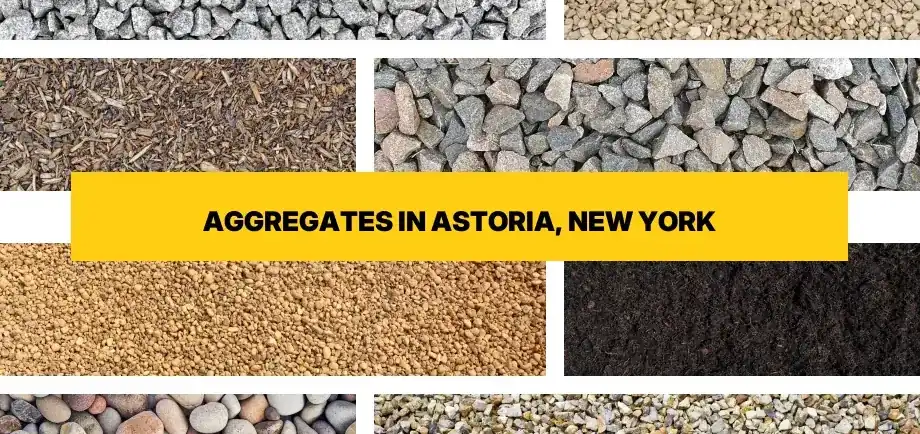
Gravel Monkey provides a full spectrum of aggregates and construction materials specifically suited for Astoria's urban environment and coastal soil conditions. Our inventory serves residential homeowners, commercial developers, and municipal projects across Queens:
- Driveway Gravel - Heavy-duty aggregate base for lasting driveways and parking areas
- 3/4 inch Crushed Stone - Versatile aggregate for foundations, drainage, and base layers
- #57 Stone - Industry-standard aggregate for French drains and concrete mix
- Crusher Run - Compactable aggregate blend perfect for solid base construction
- Road Base - Stabilized aggregate for pathways and heavy-traffic surfaces
- Pea Gravel - Smooth decorative aggregate for gardens and walkways
- River Rock - Natural stone aggregate for water features and landscaping
- Walkway Gravel - Specialized aggregate for pedestrian paths and garden trails
- Crushed Concrete - Eco-friendly recycled aggregate for sustainable projects
- Drain Rock - Angular aggregate engineered for superior water management
- Topsoil - Nutrient-rich soil for rooftop gardens and raised beds
- Fill Dirt - Clean fill for grading and elevation adjustments
- Mason Sand - Fine sand for mortar mixing and masonry work
- Playground Sand - Safe, certified sand for play areas
- Washed Sand - Clean sand for concrete and construction applications
- Decomposed Granite - Natural aggregate for modern landscape design
Serving Astoria's Diverse Neighborhoods
Gravel Monkey delivers premium aggregates throughout Astoria's distinctive communities. We're familiar with the unique characteristics of each neighborhood, from the historic rowhouses of Old Astoria Village to the modern developments along the East River waterfront.
Our delivery service reaches every corner of Astoria, including the bustling commercial corridors of Steinway Street, the residential charm of Ditmars, the creative hub of Long Island City, and the waterfront areas near Astoria Park. Whether you're working on a century-old building in Astoria Heights or a new construction project in Dutch Kills, we understand the access challenges and project requirements specific to Queens properties.
From the Greek-American cultural center near Broadway to the growing residential areas approaching Woodside, Astoria's neighborhoods each present unique opportunities for aggregate and landscaping projects. The proximity to the East River and Hell Gate creates specific drainage considerations that our aggregate selection addresses effectively. Properties in Ravenswood and Hallets Point benefit from our specialized knowledge of coastal construction needs.
Astoria's Urban Soil Conditions and Climate Factors
Understanding Astoria's geology and climate is essential for selecting the right aggregates. The neighborhood sits on glacially-deposited soil mixed with urban fill, creating a complex substrate that includes clay-rich layers typical of northwestern Queens. This soil composition, combined with Astoria's position along the East River, creates drainage challenges that require properly selected aggregates.
Astoria experiences a humid subtropical climate with average temperatures ranging from 27°F in winter to 84°F in summer. The area receives approximately 46 inches of rainfall annually, with precipitation distributed fairly evenly throughout the year. Heavy rainfall events, particularly during summer thunderstorms and nor'easters, can overwhelm inadequate drainage systems. The freeze-thaw cycles common in New York winters, with temperatures fluctuating around 32°F from December through February, demand aggregates that resist heaving and maintain stability through seasonal changes.
The coastal location brings additional considerations including salt spray exposure near waterfront properties and higher humidity levels that affect material longevity. Properties in lower-lying areas near the East River may experience occasional flooding during storm surges, making proper grading and drainage critical. The dense urban environment of Astoria also means limited space for material storage and careful coordination for delivery access through narrow streets common in older neighborhoods like Old Astoria Village and Ditmars.
The underlying bedrock in Queens consists primarily of Manhattan schist, though it lies deep beneath layers of glacial till, sand, gravel, and clay deposits left by the Wisconsin Glacier approximately 20,000 years ago. This means most construction and landscaping projects work within these varied sedimentary layers, which can affect foundation stability and drainage patterns. Understanding these local soil conditions helps contractors and homeowners select appropriate aggregates for long-lasting results.
Popular Aggregate Applications in Astoria Properties
Driveway and Parking Solutions
Astoria's limited parking and high property density make driveway and parking area construction particularly valuable. Many properties feature side yards or rear access suitable for off-street parking development. Creating a stable driveway base requires compactable aggregates that withstand the weight of vehicles while managing water runoff effectively.
For residential driveways in neighborhoods like Astoria Heights and Ditmars, a proper base begins with adequate excavation followed by a geotextile fabric layer to prevent aggregate migration into the clay-rich subsoil. A six-inch layer of compacted crusher run creates an excellent foundation, followed by a three to four inch layer of finished surface aggregate. This multi-layer approach ensures the driveway remains stable through Queens' freeze-thaw cycles and heavy precipitation events.
Foundation and Construction Base Work
Commercial and residential construction throughout Astoria relies on properly prepared aggregate bases. Whether adding an extension to a historic building in Old Astoria Village or constructing new developments near Long Island City, foundation stability begins with the right base materials. Crushed stone aggregates provide the load-bearing capacity and drainage necessary for concrete footings and foundation walls.
The three-quarter inch crushed stone serves as an ideal foundation base, offering angular particles that lock together under compaction while maintaining void spaces for water drainage. This prevents hydrostatic pressure buildup against foundation walls, a critical consideration given Astoria's proximity to the water table and substantial annual rainfall. Proper aggregate selection at the foundation stage prevents costly moisture issues and settling problems years down the line.
Drainage System Installation
Effective drainage systems are essential throughout Astoria, where clay soils and urban development create water management challenges. French drains, dry wells, and curtain drains all depend on properly selected drain aggregates to function efficiently. The angular shape and uniform sizing of drain rock allows water to flow freely while filtering out fine particles that could clog the system.
Properties throughout Astoria, particularly in lower-elevation areas near the waterfront, benefit from comprehensive drainage solutions. Installing French drains along foundation perimeters directs water away from structures, preventing basement seepage common in Queens properties. Backyard drainage systems manage surface water from Astoria's frequent rainfall, protecting lawns and gardens from pooling water and erosion. The key to effective drainage lies in using clean, properly-sized aggregates surrounded by appropriate filter fabric.
Landscape Design and Hardscaping
Astoria's urban environment creates demand for creative outdoor spaces that maximize limited yard areas. Aggregate materials enable diverse landscape features from modern zen gardens to functional pathways. Decorative aggregates like river rock and pea gravel transform small yards into attractive outdoor rooms while requiring minimal maintenance compared to traditional lawns.
Rooftop gardens, popular throughout Astoria's multi-story buildings, require specialized lightweight aggregates and quality topsoil. These elevated gardens demand proper drainage layers using expanded stone aggregates beneath growing medium. Courtyard gardens benefit from decomposed granite pathways that provide a natural, permeable surface suitable for Queens' climate. Raised garden beds, ideal for overcoming Astoria's challenging native soil, combine quality topsoil with proper base drainage using coarse aggregates.
Aggregate Comparison Guide for Astoria Projects
Selecting the right aggregate for your Astoria project requires understanding the specific characteristics and applications of each material. This comparison helps you match materials to project requirements:
| Aggregate Type | Best Applications | Particle Size | Drainage Rating | Compaction |
|---|---|---|---|---|
| Driveway Gravel | Driveways, parking areas | 3/4 to 1 inch | Excellent | High |
| Crusher Run | Base layers, pathways | Fine to 3/4 inch | Good | Excellent |
| #57 Stone | Drainage, concrete mix | 3/4 inch | Excellent | Moderate |
| Road Base | Driveways, heavy traffic | Mixed gradation | Good | Excellent |
| Drain Rock | French drains, perimeter drainage | 3/4 to 1 inch | Superior | Low |
| Pea Gravel | Walkways, gardens, decorative | 3/8 inch | Excellent | Low |
| River Rock | Landscaping, water features | 1 to 3 inches | Good | None |
| Crushed Concrete | Base layers, sub-base fill | Mixed gradation | Good | High |
| Mason Sand | Mortar, bricklaying | Fine | Poor | High |
| Decomposed Granite | Pathways, modern landscapes | Fine to 1/4 inch | Moderate | Excellent |
This comparison illustrates how different aggregates serve specific purposes. For Astoria's urban environment, where space is limited and multi-functionality valuable, selecting the right aggregate the first time saves both money and effort. Projects often benefit from combining multiple aggregate types in layers, such as using crusher run as a base beneath pea gravel for stable yet attractive walkways.
Step-by-Step Project Guidance for Astoria Homeowners
Planning Your Driveway Installation
Creating a new driveway or renovating an existing one in Astoria begins with proper planning. First, verify property lines and ensure compliance with Queens building codes and NYC Department of Buildings requirements for curb cuts and stormwater management. Most Astoria properties require permits for new driveway construction, particularly when modifying curbs or sidewalks.
Calculate the required aggregate quantities by measuring length times width times depth. A typical residential driveway needs excavation to approximately eight to ten inches below the finished surface. This accommodates a six-inch compacted base layer plus a three to four inch surface layer. For a standard Astoria driveway measuring twelve feet wide by twenty feet long, you would need approximately 1.5 to 2 tons of base aggregate and 1 ton of surface material.
Proper site preparation makes the difference between a driveway lasting five years versus twenty-five years. Remove all organic material, roots, and existing unstable soil. In areas with heavy clay content common throughout Astoria, consider excavating slightly deeper and installing geotextile fabric to prevent clay from pumping up through the aggregate base during wet conditions. Compact the subgrade before placing any base material. Each aggregate layer should be compacted using a plate compactor or roller before adding subsequent layers.
Installing Effective Drainage Solutions
Drainage problems plague many Astoria properties due to clay soils, limited yard space, and proximity to the water table. A properly installed French drain system intercepts groundwater and surface runoff before it reaches foundations or creates yard flooding. The installation process requires precision but uses straightforward materials and techniques accessible to most homeowners.
Begin by identifying the problem area and determining where water will be directed. French drains must slope continuously at least one-quarter inch per foot toward the discharge point. Excavate a trench twelve to eighteen inches wide and deep enough to reach below the foundation footing level when installing perimeter drains. Line the trench with landscape fabric, allowing excess fabric to fold over the top after backfilling.
Place a two-inch layer of drain rock in the bottom of the trench, then position perforated drainage pipe with holes facing down. Surround the pipe with additional drain rock until six to eight inches of aggregate surrounds the pipe on all sides. Fold the landscape fabric over the top of the drain rock, then backfill with soil. This fabric envelope prevents fine soil particles from clogging the aggregate voids while allowing water to pass freely into the drainage system.
Creating Attractive Walkways and Paths
Astoria properties benefit from well-designed walkways that connect different outdoor areas while adding aesthetic appeal. Aggregate walkways offer advantages over concrete or pavers including lower cost, easier installation, superior drainage, and flexibility to adapt to ground movement without cracking. The key to successful walkway installation lies in proper edge retention and base preparation.
Outline the desired walkway path using garden hoses or spray paint to visualize curves and width. Most walkways function best at thirty-six to forty-eight inches wide, allowing two people to walk comfortably side-by-side. Excavate to a depth of four to six inches, creating a level pathway with a slight crown in the center for drainage. Install metal or plastic edging secured with stakes every three feet to contain the aggregate and prevent spreading.
Add a two-inch base layer of compacted crusher run for stability, then top with two to three inches of finished walkway aggregate. For formal appearances, use pea gravel or decomposed granite. For rustic settings, natural walkway gravel blends various earth tones. Rake smooth and water lightly to settle the material. Plan to add additional surface aggregate periodically as material compacts and shifts over time, particularly after Astoria's winter freeze-thaw cycles.
Seasonal Considerations for Astoria Aggregate Projects
Timing aggregate projects around Astoria's seasonal weather patterns ensures optimal installation conditions and long-term performance. Each season presents unique advantages and challenges for different types of aggregate work.
Spring offers ideal conditions for most aggregate projects as ground thaws and before summer heat arrives. April through June provides moderate temperatures and manageable rainfall for excavation and base preparation. However, heavy spring rains can saturate clay soils, making excavation more difficult and delaying compaction work. Schedule projects early in spring before the wet season peaks or wait for dry spells between storm systems.
Summer brings warm, dry weather perfect for aggregate installation and landscaping projects. July and August heat allows for optimal compaction as materials settle and stabilize quickly. The downside includes afternoon thunderstorms common in Queens during summer months, which can flood excavated areas and wash away loose aggregates. Cover prepared areas with tarps during active construction and avoid scheduling final surface installation immediately before forecast rain events.
Fall represents another excellent window for aggregate projects in Astoria. September through November combines moderate temperatures with typically drier conditions than spring. Completed projects have time to settle before winter, and contractors often offer better pricing as the busy season winds down. However, projects must conclude before ground freezing begins, typically by late November or early December depending on the specific winter's onset.
Winter aggregate work in Astoria faces significant challenges including frozen ground preventing proper excavation and compaction, snow accumulation complicating delivery and installation, and freeze-thaw cycles disrupting freshly placed materials. Emergency drainage repairs sometimes necessitate winter work, but plan major projects for warmer months whenever possible. Use winter for planning, obtaining permits, and scheduling contractors for spring installation.
Frequently Asked Questions About Aggregates in Astoria
For Astoria's clay-rich soil, angular crushed aggregates like crusher run and three-quarter inch crushed stone work best because they compact firmly and resist shifting. Always use geotextile fabric between clay soil and aggregate layers to prevent fine particles from pumping up into the stone, which can cause settlement and drainage problems common in Queens properties.
Measure your project area in feet (length times width times depth). For example, a driveway twenty feet long by twelve feet wide needing four inches of aggregate equals 80 cubic feet, or approximately 3 cubic yards. Most aggregates weigh approximately 1.4 tons per cubic yard. Our team provides free quantity estimates specific to your Astoria property's needs.
Yes, properly installed aggregate bases perform excellently through New York winters. Angular crushed stone allows water to drain through rather than pooling and freezing, which prevents the heaving common with solid surfaces. Proper base depth and compaction are essential for freeze-thaw durability in Astoria's climate.
Most exterior work in Astoria falls under NYC Department of Buildings jurisdiction. New driveways requiring curb cuts need permits. Major drainage alterations connecting to city systems require permits. Simple landscape projects using aggregates typically don't need permits, but always verify with Queens community board and DOB before beginning work, especially in historic districts.
We're experienced delivering throughout Astoria's diverse neighborhoods, from tight historic streets in Old Astoria Village to newer developments along the waterfront. Our delivery team coordinates timing to avoid peak traffic and works with you to identify the best placement location considering access constraints, parking regulations, and material handling needs. We deliver year-round with free delivery throughout Astoria.
Washed sand is clean, general-purpose sand suitable for concrete mixing and construction backfill. Mason sand is finer and specially graded for mortar mixing and bricklaying work. For Astoria's many brownstone and brick buildings, mason sand provides the proper consistency for pointing and masonry repairs. Both are available through Gravel Monkey with free delivery.
Absolutely. Crushed concrete provides an environmentally responsible alternative for base layers and sub-base applications. It compacts well and costs less than virgin stone while performing comparably for most applications. Many Astoria contractors use crushed concrete for foundation bases, parking areas, and grading projects as part of sustainable building practices.
Decorative aggregate landscapes require minimal maintenance compared to lawns. Rake periodically to redistribute settled material and remove leaves or debris. Edge retention keeps aggregates contained within landscape beds. Plan to add fresh material every two to three years as some aggregate naturally migrates or settles into underlying soil. Weed barrier fabric beneath aggregates dramatically reduces weed growth in Astoria gardens.
Comprehensive Delivery Coverage Throughout Queens
While Astoria serves as a central hub for our operations, Gravel Monkey delivers premium aggregates throughout Queens and surrounding areas. We regularly serve nearby communities including Long Island City, Sunnyside, Woodside, Jackson Heights, and Elmhurst. Our delivery network extends to Flushing, Forest Hills, Kew Gardens, and Rego Park, ensuring contractors and homeowners across Queens have access to quality aggregates with the same free delivery service.
Properties in Brooklyn neighborhoods near the Queens border also fall within our service area, including Greenpoint, Williamsburg, and Bushwick. Manhattan locations in East Harlem and the Upper East Side receive regular deliveries. Our coverage extends north into the Bronx communities of Mott Haven and Port Morris. Whether your project sits along the East River waterfront or inland in central Queens, Gravel Monkey provides reliable aggregate delivery with the expertise to help select the right materials for local soil and climate conditions.
Start Your Astoria Aggregate Project Today
From historic brownstone renovations to modern commercial developments, Astoria's diverse properties benefit from quality aggregates delivered with expertise and reliability. Gravel Monkey combines comprehensive product selection, free delivery throughout Queens, and knowledgeable customer service to support your project from planning through completion. We understand Astoria's unique characteristics including clay soil conditions, urban access challenges, and coastal climate factors that influence material selection and installation techniques.
Our team assists with quantity calculations, product recommendations, and delivery coordination to ensure your aggregate project succeeds. Whether you're creating a new driveway in Ditmars, installing French drains around an Old Astoria Village property, or designing decorative landscapes near Astoria Park, we provide the materials and guidance needed for professional results. Contact Gravel Monkey today to discuss your Astoria project requirements and schedule free delivery of premium aggregates to your Queens property.

Need help? Reach out for a quote: