Sand, Aggregates & Gravel for Plymouth, New York
Local Topsoil, Dirt, Sand, Rocks and Gravel near me in Plymouth, New York
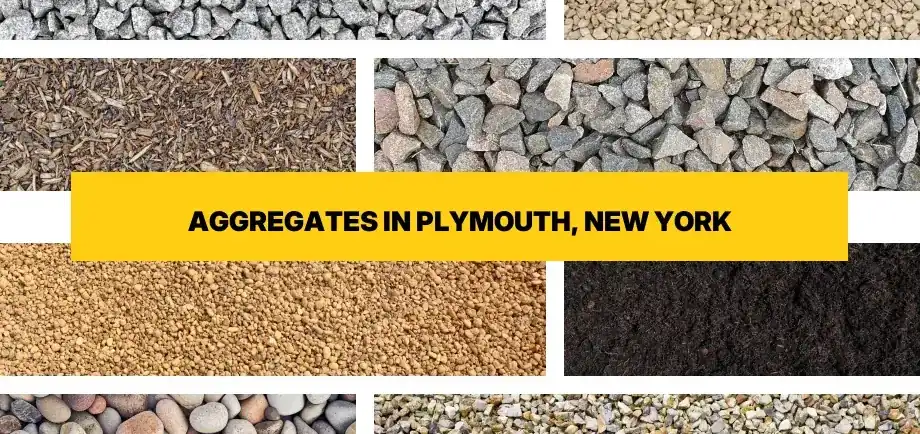
Shop Aggregates for Delivery in Plymouth
Order online for free delivery to any Plymouth address.


Gravel Monkey is your trusted source for premium aggregates and bulk materials delivery throughout Plymouth, New York. Nestled in the rolling hills of Chenango County, Plymouth experiences distinct seasons and varied terrain that demand quality materials for both residential and commercial projects. From the historic properties along Route 8 to the agricultural lands surrounding the Chenango River valley, we deliver high-quality aggregates directly to your property with absolutely free delivery. Whether you're maintaining a rural driveway, improving drainage on your hillside property, or building foundations that can withstand Plymouth's freeze-thaw cycles, our comprehensive selection of materials meets every need.
Premium Aggregates Available in Plymouth, NY
Understanding the unique soil composition and climate challenges of Plymouth is essential when selecting the right aggregates for your project. The area's glacially-deposited soils and considerable clay content require materials that provide superior drainage and stability. We offer a complete range of aggregates specifically suited for Plymouth's conditions:
- Driveway Gravel - Engineered for Plymouth's demanding winter conditions and heavy freeze-thaw cycles
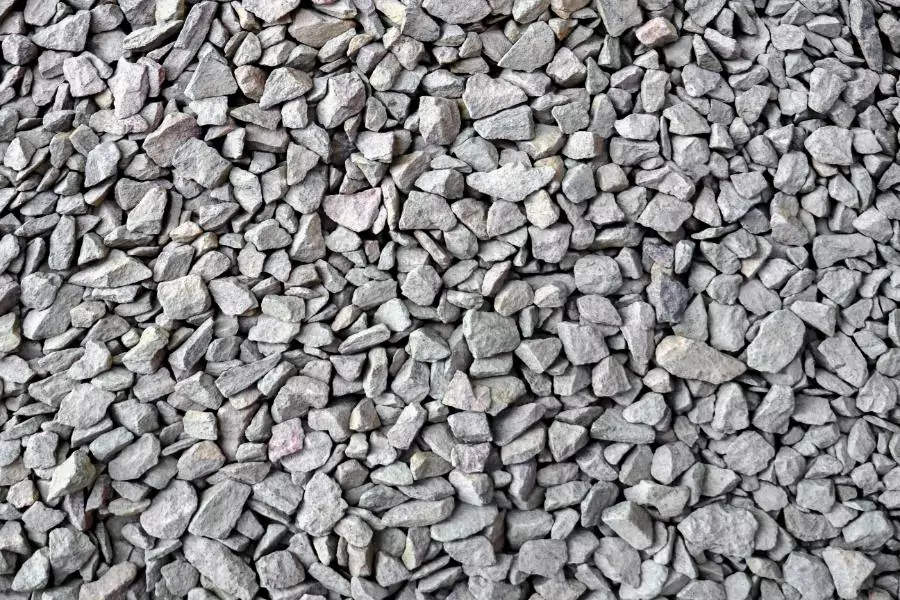
- 3/4 Inch Crushed Stone - Versatile angular aggregate for driveways, foundations, and drainage applications
- #57 Stone - Premium drainage aggregate and concrete bedding material
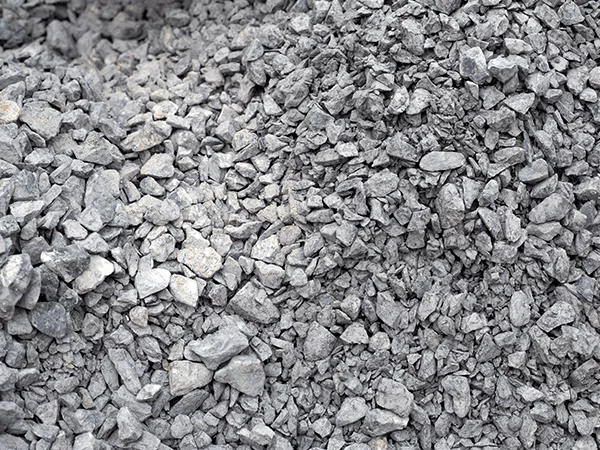
- Crusher Run - Superior base material that compacts to a rock-solid foundation
- Road Base - Heavy-duty aggregate for private roads and farm lanes
- Drain Rock - Essential for managing Plymouth's spring runoff and wet conditions
- Pea Gravel - Smooth decorative aggregate for landscaping and pathways
- River Rock - Natural stone for gardens, water features, and erosion control
- Walkway Gravel - Perfect for garden paths and decorative landscape features
- Topsoil - Rich organic soil for gardens and lawn establishment
- Fill Dirt - Quality earthen material for grading and site preparation
- Crushed Concrete - Eco-friendly recycled aggregate for base applications
- Mason Sand - Fine-grade sand for mortar and paving projects
- Playground Sand - Safe, clean sand for play areas and sandboxes
- Washed Sand - Clean aggregate for concrete mixing and construction
- Decomposed Granite - Natural compacting material for pathways and patios
Aggregate Delivery Throughout Plymouth and Surrounding Areas
Our free delivery service extends throughout Plymouth and neighboring communities in Chenango County. We regularly serve properties along Route 8, which forms Plymouth's main corridor, as well as rural areas extending toward the Otsego County line. Properties near the historic Plymouth Congregational Church benefit from our prompt delivery, as do farms and homesteads in the rolling countryside toward County Route 10.
We deliver aggregates to customers in North Plymouth, where many properties require drainage solutions for hillside lots, and throughout the agricultural regions where farm lanes demand durable road base materials. Residents near the Chenango River valley often need specialized materials to address seasonal flooding and high water tables. Communities extending toward Norwich, Sherburne, and New Berlin also fall within our service area, ensuring that rural properties receive the same quality materials and free delivery as those in Plymouth center.
The Plymouth area's varied topography means different neighborhoods face distinct challenges. Properties on higher elevations need aggregates that handle excellent drainage, while lower-lying areas near water features require materials that resist erosion and settling. Our team understands these local variations and can recommend the ideal materials for your specific location.
Understanding Plymouth's Soil and Climate Conditions
Plymouth sits within the Allegheny Plateau region of upstate New York, characterized by glacially-shaped terrain with significant elevation changes. The area's soil composition features a predominance of silt loam and clay loam soils, remnants of glacial till deposited during the last ice age. These dense soils present drainage challenges, particularly during spring thaw and periods of heavy rainfall when water cannot easily percolate through clay layers.
The region experiences a humid continental climate with cold, snowy winters and warm summers. Average annual precipitation exceeds 40 inches, with considerable snowfall from November through March. Winter temperatures regularly drop below freezing, creating the freeze-thaw cycles that can devastate improperly constructed driveways and foundations. The frost line in Plymouth extends approximately 48 inches deep, requiring proper aggregate bases that prevent frost heave and structural damage.
Spring conditions in Plymouth bring rapid snowmelt combined with April rains, creating saturated soil conditions that test drainage systems. Clay-heavy soils expand when wet and contract when dry, causing settling and movement in improperly prepared bases. These seasonal challenges make selecting the right aggregates critical for long-term project success. Materials must provide adequate drainage while maintaining structural integrity through repeated freeze-thaw cycles and seasonal moisture variations.
Choosing the Right Aggregate for Your Plymouth Project
Selecting appropriate materials depends on understanding how different aggregates perform in Plymouth's unique conditions. Each material serves specific purposes and offers distinct advantages for various applications. The following comparison helps you match materials to your project requirements:
| Aggregate Type | Best Applications | Drainage Rating | Compaction Level | Winter Performance |
|---|---|---|---|---|
| Crusher Run | Driveway base, farm roads | Good | Excellent | Superior |
| 3/4" Crushed Stone | Driveways, foundations | Excellent | Very Good | Excellent |
| #57 Stone | Drainage systems, concrete | Outstanding | Moderate | Very Good |
| Road Base | Private roads, heavy traffic | Good | Excellent | Superior |
| Drain Rock | French drains, foundation | Outstanding | Low | Excellent |
| Pea Gravel | Pathways, landscaping | Very Good | Low | Good |
| Crushed Concrete | Utility roads, bases | Good | Very Good | Very Good |
Driveway Materials for Plymouth's Demanding Conditions
Residential and farm driveways in Plymouth face significant challenges from heavy snow loads, freeze-thaw cycles, and spring mud seasons. The combination of clay soils and seasonal moisture creates conditions where improperly constructed driveways quickly deteriorate. Successful driveway installation requires proper base preparation, adequate drainage, and materials that resist movement during temperature fluctuations.
Base Layer Construction
The foundation of any Plymouth driveway starts with a properly prepared base. Begin by excavating below the frost line if constructing permanent structures, or at minimum 12 inches for standard driveways. Install a base layer using either crusher run or road base materials, which compact to create a solid, stable foundation. These aggregates contain a mix of stone sizes including fines that fill voids and lock together under compaction, creating a monolithic base resistant to frost heave.
For driveways on sloped terrain common throughout Plymouth, proper grading ensures water sheds away from structures and doesn't pool on the surface. Install drainage features such as culverts or swales to divert spring runoff and prevent water from undermining the driveway base. In areas with heavy clay soils, consider installing drain rock along the edges to facilitate water movement away from the aggregate base.
Surface Layer Selection
Once the base is established and compacted, the surface layer provides the wearing course that vehicles travel on. Three-quarter inch crushed stone works exceptionally well for Plymouth driveways, offering excellent drainage while maintaining stability. The angular shape of crushed stone particles interlock under vehicle weight, preventing rutting and displacement. This material handles snow plowing without significant loss and maintains its profile through repeated freeze-thaw cycles.
For farm lanes and utility roads where heavy equipment operates, consider using larger aggregates or additional road base layers to handle increased loads. Properties with minimal traffic might opt for pea gravel or walkway gravel for aesthetic appeal, though these materials require more frequent maintenance and perform best on gentle slopes with light vehicle use.
Drainage Systems and Aggregate Solutions
Managing water movement represents one of the most critical challenges for Plymouth properties. The area's clay soils combined with significant precipitation creates conditions where water accumulates rather than draining naturally. Poor drainage leads to basement flooding, foundation damage, driveway deterioration, and landscape erosion. Implementing proper drainage systems using appropriate aggregates prevents these costly problems.
French Drain Installation
French drains provide effective solutions for properties experiencing persistent water issues. These systems consist of perforated pipes surrounded by drain rock, installed in trenches that direct water away from structures. The drain rock creates a permeable zone where water can flow freely toward the drainage pipe while preventing soil particles from clogging the system. Number 57 stone works exceptionally well for French drains, providing excellent void space for water movement while remaining stable within the trench.
Install French drains along foundation perimeters to prevent basement water intrusion, behind retaining walls to relieve hydrostatic pressure, and across yards where surface water accumulates. In Plymouth's freeze-thaw conditions, ensure drains extend below the frost line and outlet to daylight drainage or approved discharge points that won't freeze during winter months.
Foundation Drainage
All structures in Plymouth benefit from proper foundation drainage that prevents water from accumulating against basement walls. Install drain rock around foundation perimeters, sloped away from the structure to facilitate water movement. Cover the drain rock with filter fabric to prevent soil migration while maintaining drainage capacity. This simple system dramatically reduces hydrostatic pressure against foundation walls and prevents the moisture intrusion that leads to mold, structural damage, and decreased property value.
Decorative Aggregates and Landscaping Applications
Beyond functional applications, aggregates create beautiful landscape features that enhance property aesthetics while providing practical benefits. Plymouth homeowners increasingly incorporate stone elements into garden designs, using various aggregates to define spaces, create visual interest, and reduce maintenance requirements compared to traditional lawns.
River rock offers natural beauty for decorative beds, dry creek features, and areas around ornamental plantings. Its smooth, rounded texture contrasts beautifully with angular plant forms while facilitating drainage and suppressing weed growth. Available in various sizes and colors, river rock adapts to formal or naturalistic garden styles throughout Plymouth neighborhoods.
Pea gravel creates comfortable walking surfaces for garden paths while maintaining permeability that prevents water runoff issues. Its small, smooth stones shift underfoot but settle into stable paths with proper edging. Many Plymouth gardeners use pea gravel between raised beds, around water features, and in meditation gardens where the gentle crunching sound enhances the peaceful atmosphere.
Decomposed granite provides a more compact surface for patios and sitting areas, offering the appearance of natural stone with better stability than loose gravel. This material compacts firmly when moistened and rolled, creating semi-permanent surfaces that remain permeable while resisting erosion. In Plymouth's climate, decomposed granite performs well in protected locations where snow removal isn't required.
Topsoil and Fill Dirt for Plymouth Properties
Establishing successful gardens and lawns in Plymouth requires addressing the area's naturally heavy clay soils. While clay retains nutrients well, its poor drainage and tendency to compact makes it challenging for most ornamental plants and turf grasses. Amending existing soil or adding topsoil layers dramatically improves growing conditions and plant success rates.
Quality topsoil contains balanced proportions of sand, silt, and clay along with organic matter that improves soil structure. When spreading topsoil over existing clay, till the two together to create a gradual transition rather than distinct layers that impede water and root movement. A six-inch topsoil layer provides sufficient depth for lawns and most perennial plantings, while vegetable gardens benefit from 12 inches or more of quality topsoil.
Fill dirt serves different purposes, providing inexpensive material for raising grades, filling low spots, and building up areas before topsoil application. Unlike topsoil, fill dirt lacks organic content and shouldn't be used as growing medium. However, it provides stable, economical material for leveling yards, creating berms for privacy screening, and establishing proper drainage grades around structures.
When grading Plymouth properties, ensure finished grades slope away from buildings at minimum rates of six inches per ten feet. This prevents water from flowing toward foundations during rainstorms and snowmelt periods. Use fill dirt to build up areas near structures, then cap with topsoil for landscaping and lawn establishment.
Construction Aggregates for Foundations and Concrete Work
Building projects throughout Plymouth require quality aggregates that meet structural requirements while performing reliably in local conditions. Whether constructing additions, installing fence posts, or pouring concrete slabs, using appropriate materials ensures projects withstand freeze-thaw cycles and support intended loads.
Mason sand provides essential ingredients for mortar mixing, paver setting, and concrete applications. This fine, clean sand mixes thoroughly with cement and water, creating workable compounds that cure to proper strength. When installing pavers in Plymouth, use mason sand as leveling bed and joint fill material, providing stability while allowing minor movement during freeze-thaw cycles without cracking rigid cement grout.
Washed sand offers cleaner alternatives for concrete mixing and construction applications where excess fines might compromise strength or appearance. The washing process removes clay and silt particles, ensuring consistent performance in structural applications. For concrete work in Plymouth, combine washed sand with appropriate gravel aggregates and Portland cement in proper ratios to achieve required compressive strength.
Crushed concrete provides economical base material for non-critical applications such as shed floors, equipment pads, and utility areas. This recycled product performs similarly to natural crushed stone while reducing environmental impact and material costs. Its angular particles compact well and provide adequate drainage for most applications, though structural foundations should utilize virgin aggregates to ensure predictable performance.
Farm and Agricultural Aggregate Applications
Plymouth's agricultural community depends on reliable aggregate supplies for maintaining farm infrastructure. From barn floors to equipment yards, proper material selection ensures facilities function efficiently while minimizing maintenance requirements and replacement costs.
Farm lanes and field access roads require durable base materials that support heavy equipment loads during all seasons. Road base or crusher run materials create stable surfaces that resist rutting during wet periods while maintaining profile through freeze-thaw cycles. These materials compact tightly, shedding water while remaining firm enough for loaded trucks and tractors. Many Plymouth farmers maintain multiple stockpiles of road base for periodic lane maintenance, particularly after spring mud seasons that can damage inadequately prepared surfaces.
Livestock facilities benefit from proper aggregate flooring in high-traffic areas. Crushed stone provides stable, well-drained footing in barn aisles, equipment wash areas, and gates where animals concentrate. The rough texture prevents slipping while facilitating cleaning and reducing mud problems during wet periods. For areas where animals spend extended time, playground sand over crushed stone bases creates comfortable surfaces that drain well while remaining softer than solid stone.
Equipment storage areas and maintenance shops require level, well-drained foundations that support heavy machinery while preventing settling. Install thick base layers using road base or crusher run materials, properly compacted in lifts to achieve maximum density. Top with crushed stone for wearing surface, creating yards that remain functional year-round without developing mud holes or soft spots that impede operations.
Seasonal Aggregate Projects in Plymouth
Plymouth's distinct seasons create opportunities and challenges for aggregate projects. Understanding seasonal considerations helps property owners schedule work optimally and achieve best results from material installations.
Spring Projects
Spring represents the busiest season for aggregate delivery in Plymouth as property owners address winter damage and complete projects delayed by cold weather. However, early spring presents challenges with saturated soils that complicate excavation and compaction. Wait until soil moisture moderates before beginning major projects, as working wet soils creates compaction problems that compromise long-term performance. Late April through May typically offers ideal conditions once ground dries sufficiently.
Summer and Fall Work
Summer and fall provide optimal conditions for aggregate projects in Plymouth. Dry soils compact readily, equipment operates efficiently without creating rutting, and weather cooperates for timely project completion. Schedule major driveway installations, drainage projects, and landscape work during these seasons to avoid weather-related delays and achieve superior results. Fall work should conclude before frost penetrates the ground, typically by early November, allowing adequate time for settling before winter freeze.
Winter Considerations
While winter limits certain projects, emergency repairs and some maintenance work remains possible during cold months. Frozen ground actually facilitates equipment access to areas that become impassable during wet seasons. Minor driveway repairs, aggregate additions to rutted areas, and stockpiling materials for spring projects represent reasonable winter activities. However, avoid major excavation or projects requiring compaction when ground remains frozen.
Frequently Asked Questions About Aggregate Delivery in Plymouth
We deliver driveway gravel, crushed stone in various sizes, pea gravel, river rock, crusher run, road base, drain rock, topsoil, fill dirt, and multiple sand varieties throughout Plymouth and surrounding Chenango County areas.
Yes! Gravel Monkey offers FREE delivery to Plymouth and the surrounding New York area for all gravel and aggregate orders.
The amount depends on your project size. For driveways, calculate length times width times depth in feet, then divide by 27 to get cubic yards. A typical driveway needs 3 to 4 inches of aggregate. Our team can help estimate the right amount for your specific Plymouth property.
Crusher run and three-quarter inch crushed stone work best for Plymouth driveways. They compact well, provide excellent drainage during spring thaw, and resist shifting during freeze-thaw cycles common in upstate New York winters.
Absolutely! We deliver throughout Plymouth and surrounding rural areas including Norwich, Sherburne, and New Berlin. Free delivery applies to the entire service area.
Ensure delivery trucks can access your property with adequate clearance for overhead wires and tree branches. Mark the delivery location clearly and remove any obstacles from the path. During wet conditions, avoid areas where trucks might sink or create ruts. Our team can provide guidance for challenging access situations.
Late spring through fall offers optimal conditions for driveway installation in Plymouth. Avoid early spring when soils remain saturated from snowmelt, and complete projects before ground freezes in November. Summer and early fall provide ideal weather for proper compaction and settling before winter.
Number 57 stone and drain rock provide excellent drainage in French drain systems. Their uniform size creates void spaces that allow water to flow freely while remaining stable within the trench. Always wrap drain rock with filter fabric to prevent clay particles from migrating into and clogging the drainage system.
Professional Aggregate Supply for Plymouth, New York
Gravel Monkey understands the unique challenges Plymouth property owners face with the area's clay soils, freeze-thaw cycles, and seasonal moisture conditions. Our comprehensive selection of premium aggregates addresses these challenges while meeting the diverse needs of residential, agricultural, and commercial customers throughout Chenango County.
Whether you're maintaining a rural driveway along County Route 10, installing drainage systems to manage spring runoff, or creating beautiful landscape features that enhance your property, we deliver quality materials with expert guidance to ensure project success. Our free delivery service eliminates transportation hassles and allows you to focus on completing your project rather than logistics.
Contact Gravel Monkey today to discuss your Plymouth aggregate needs. Our knowledgeable team helps you select appropriate materials for local conditions, calculates quantities accurately, and schedules delivery at your convenience. Experience the difference that quality aggregates and professional service make for your next Plymouth project.

Need help? Reach out for a quote: