Gravel for Sale in Maryland, New York
Local Topsoil, Dirt, Sand, Rocks and Gravel near me in Maryland, New York
Shop Aggregates for Delivery in Maryland
Order online for free delivery to any Maryland address.


Gravel Monkey is your trusted source for premium aggregates and construction materials in Maryland, New York. Serving the rolling hills and rural communities of Otsego County, we deliver high-quality gravel, stone, sand, and soil products directly to your property with free delivery. Whether you're building a new driveway near Schenevus, installing a drainage system for your Maryland property, or sourcing materials for a construction project in the surrounding countryside, we provide the aggregates you need at competitive prices.
Complete Selection of Aggregates Available in Maryland, NY
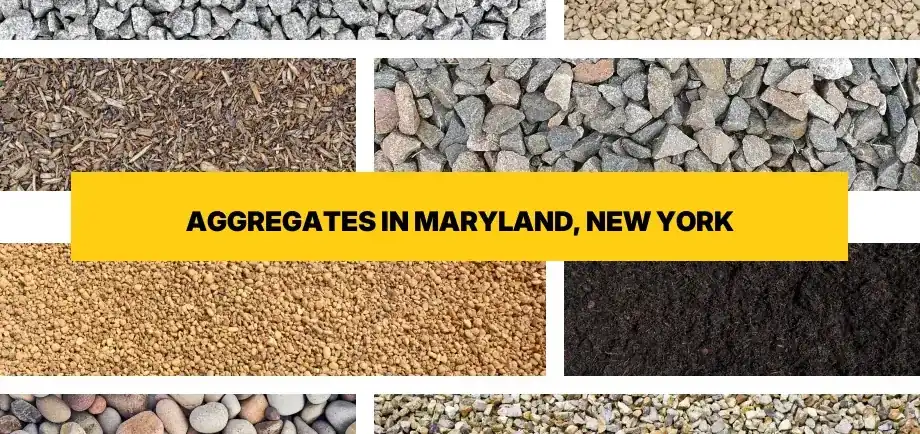
We stock a comprehensive range of gravel, stone, sand, and soil materials for residential, commercial, and agricultural projects throughout Maryland and the greater Otsego County region:
- Driveway Gravel - Durable aggregate base for long-lasting rural driveways
- 3/4 inch Crushed Stone - Versatile angular aggregate for driveways and foundations
- #57 Stone - Industry-standard aggregate for drainage and concrete work
- Crusher Run - Compactable base material ideal for Maryland's variable climate
- Road Base - Heavy-duty foundation aggregate for private roads and parking areas
- Pea Gravel - Smooth decorative stone for walkways and landscaping
- River Rock - Natural aesthetic aggregate for gardens and water features
- Walkway Gravel - Attractive pathway material for residential properties
- Topsoil - Nutrient-rich soil for gardens and lawn establishment
- Fill Dirt - Quality earthwork material for grading and leveling
- Crushed Concrete - Eco-friendly recycled aggregate for sustainable projects
- Drain Rock - Open-graded stone for superior drainage systems
- Mason Sand - Fine aggregate for masonry and paver installation
- Playground Sand - Safe, clean sand for play areas
- Washed Sand - Clean aggregate for concrete mixing and construction
- Decomposed Granite - Natural pathway and landscaping material
Why Maryland Properties Need Quality Aggregates
Maryland sits in the heart of Otsego County's Appalachian foothills, where properties face unique challenges that demand proper aggregate selection. The region's clay-heavy glacial till soils, combined with annual precipitation averaging 42 inches and freeze-thaw cycles from November through April, create demanding conditions for driveways, foundations, and drainage systems.
The Charlotte River watershed and surrounding tributaries mean many Maryland properties deal with elevated water tables during spring snowmelt and seasonal rains. Properties near Worcester Road and State Highway 7 particularly benefit from properly installed drainage aggregates that manage water flow and prevent frost heaving damage common to upstate New York.
Driveway Aggregates for Maryland's Rural Roads
Rural driveways in the Maryland area endure significant stress from heavy farm equipment, seasonal weather changes, and the region's hilly terrain. The right driveway aggregate creates a stable, well-draining surface that withstands these challenges year-round.
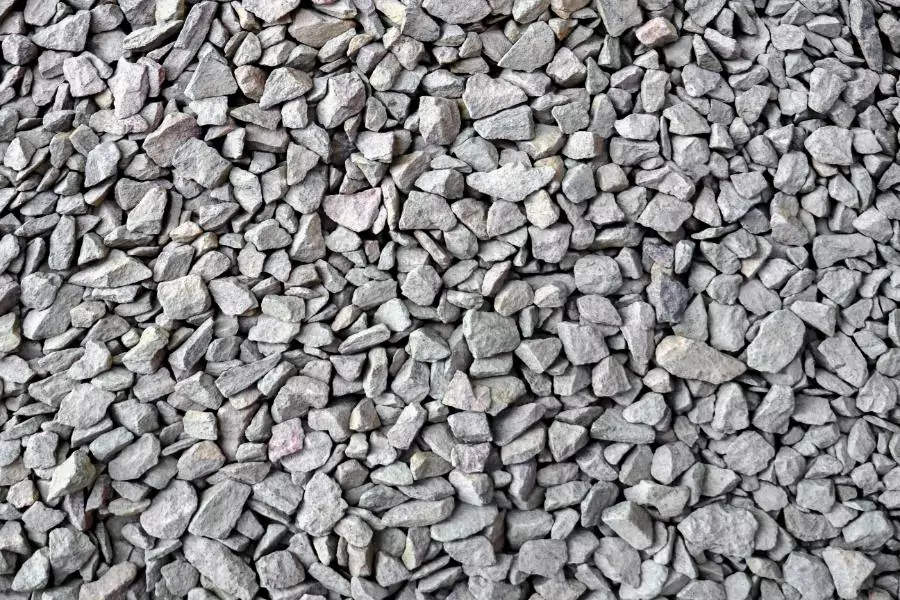
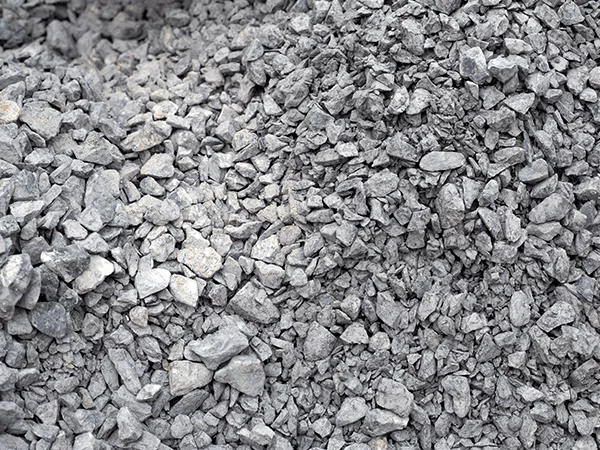
Crusher run serves as the gold standard for driveway bases throughout Otsego County. This blended aggregate contains stones ranging from dust to 3/4 inch, allowing particles to interlock and compact into a remarkably solid surface. The fine particles fill voids between larger stones, creating a water-resistant barrier that prevents washout during spring rains.
For top dressing and finishing, many Maryland homeowners choose clean crushed stone. The angular edges of crushed aggregates interlock mechanically, providing superior traction compared to rounded gravel. Properties on steeper grades near Schenevus particularly benefit from this added stability.
Foundation and Construction Aggregates
Construction projects in Maryland require aggregates that meet specific engineering standards. Road base provides the structural foundation for building pads, barn floors, and equipment storage areas. This heavy-duty aggregate compacts to 95% density, creating a stable platform that won't settle under load.
For concrete work, clean aggregates are essential. Washed sand and properly graded stone ensure concrete achieves specified strength without contamination from clay or organic material. Maryland's agricultural buildings, from equipment sheds near Portlandville to dairy barns throughout the valley, rely on quality concrete aggregates for long-lasting foundations.
Drainage Solutions for Maryland Properties
Effective drainage management is critical in Maryland's clay soils, where poor permeability causes water to pool rather than percolate. Strategic placement of drainage aggregates protects foundations, prevents basement flooding, and extends the life of driveways and parking areas.
Drain rock features uniform sizing that creates consistent void spaces, allowing water to flow freely through the aggregate matrix. French drains, curtain drains, and foundation perimeter systems all depend on open-graded aggregates to function properly. Properties in the Charlotte River valley use drainage aggregates to manage seasonal high water tables and redirect surface runoff away from structures.
The freeze-thaw action common to this region makes proper drainage even more critical. Water trapped in soil freezes, expands, and creates frost heave that damages foundations and cracks concrete. Well-designed drainage systems using appropriate aggregates prevent water accumulation and eliminate this destructive cycle.
Understanding Maryland's Soil and Climate Conditions
Maryland's geology reflects its position in the Catskill-Delaware drainage basin, where glacial activity shaped the landscape thousands of years ago. The predominant soil types include glacial till - a mixture of clay, silt, sand, and gravel deposited by retreating ice sheets - overlaying sedimentary bedrock.
This clay-rich soil presents challenges for construction and agriculture. Clay particles hold water tenaciously, creating poor drainage conditions that lead to saturated soils during wet seasons. The clay also expands when wet and contracts when dry, causing movement that damages foundations, driveways, and underground utilities.
Climate Factors Affecting Aggregate Performance
Maryland experiences a humid continental climate with four distinct seasons. Average temperatures range from 15°F in January to 70°F in July, with significant temperature swings that stress construction materials. Annual freeze-thaw cycles number 80-100, testing the durability of improperly installed aggregates.
Winter snow accumulation averages 65 inches annually, with spring snowmelt creating saturated soil conditions that persist into May. Summer thunderstorms deliver intense rainfall that challenges drainage systems. These conditions make proper aggregate selection and installation essential for long-term performance.
Properties throughout the Maryland area, from Worcester to Cooperstown, must account for these climate realities when planning construction projects. Aggregates that perform well in other regions may fail here without proper consideration of local conditions.
| Aggregate Type | Best Applications | Size Range | Drainage Rating | Compaction |
|---|---|---|---|---|
| Crusher Run | Driveway base, parking areas | Dust to 3/4 inch | Good | Excellent |
| 3/4 inch Crushed Stone | Driveway topping, foundations | 3/4 inch uniform | Very Good | Very Good |
| #57 Stone | Drainage, concrete aggregate | 1/2 to 1 inch | Excellent | Good |
| Road Base | Heavy traffic areas, foundations | Variable blend | Good | Excellent |
| Drain Rock | French drains, septic systems | 3/4 to 1.5 inch | Excellent | Fair |
| Pea Gravel | Walkways, decorative areas | 3/8 inch round | Very Good | Fair |
| Mason Sand | Masonry, paver base | Fine particles | Poor | Good |
| Crushed Concrete | Temporary roads, fill | Variable | Good | Very Good |
Aggregate Delivery Throughout Maryland and Surrounding Communities
We provide free delivery to Maryland and neighboring communities across Otsego County. Our service area encompasses the rural countryside, small villages, and agricultural properties that define this region of upstate New York.
Primary Service Areas Near Maryland
Schenevus - Just north of Maryland, Schenevus residents rely on quality aggregates for farm lanes, residential driveways, and drainage projects. The village's position along State Route 7 makes it easily accessible for deliveries.
Worcester - This historic village southeast of Maryland features many properties requiring aggregate materials for driveway maintenance and construction projects. The hilly terrain demands proper base materials for lasting installations.
Cooperstown - While the village itself lies several miles northeast, rural properties between Maryland and Cooperstown regularly order aggregates for various applications, from farm infrastructure to residential landscaping.
Portlandville - South of Maryland, Portlandville-area farms and homes need reliable aggregate suppliers for ongoing maintenance and new construction. Agricultural operations particularly value our bulk delivery capabilities.
Charlotte River Valley - Properties along the Charlotte River and its tributaries face unique drainage challenges that our aggregates help solve. Flood mitigation and erosion control projects require properly specified materials.
State Route 7 Corridor - This major thoroughfare connects Maryland to regional commerce. Properties along this corridor benefit from convenient aggregate delivery for commercial and residential projects.
County Road 35 Area - Rural properties along this scenic route maintain extensive private driveways and farm roads that require periodic aggregate additions and repairs.
Greater Otsego County - Our delivery service extends throughout Otsego County, reaching rural properties, farms, and small villages across this predominantly agricultural region.
Choosing the Right Aggregate for Your Maryland Project
Selecting appropriate aggregates depends on several factors specific to your property and project requirements. Understanding these considerations helps ensure successful outcomes and long-term performance.
Driveway and Access Road Projects
For new driveway construction in Maryland, start with a 4-6 inch layer of compacted crusher run as the base course. This foundational layer provides structural support and creates a stable platform for subsequent layers. The dust and fine particles in crusher run bind together when compacted and wetted, forming a semi-solid surface resistant to rutting and washout.
Over the crusher run base, apply 2-3 inches of clean crushed stone for the wearing surface. Many Maryland property owners prefer 3/4 inch crushed stone for this layer, as it provides excellent traction while maintaining a relatively smooth driving surface. The angular particle shape resists displacement under traffic loads.
Existing driveway maintenance typically involves adding fresh aggregate every 2-4 years to compensate for material migration and compaction. Watch for low spots that collect water, ruts from repeated traffic patterns, and areas where aggregate has scattered to shoulders or ditches. These indicators suggest the need for additional material.
Foundation and Building Site Preparation
Building sites in Maryland's clay soils require careful aggregate selection to prevent settlement and moisture problems. Start by removing topsoil from the building footprint, exposing the clay subgrade. Place a minimum 6-inch layer of road base over the cleared area, compacting in 2-inch lifts with a vibratory plate compactor or roller.
This compacted aggregate layer serves multiple purposes: it provides a stable working platform for construction equipment, prevents clay from pumping up into building floors, and creates a capillary break that blocks moisture migration from soil into the structure. For pole barns and agricultural buildings common to the area, this preparation proves essential for long-term structural integrity.
Drainage System Aggregates
Drainage solutions for Maryland properties typically incorporate several aggregate types working together. Perimeter foundation drains use drain rock or clean #57 stone wrapped in filter fabric to prevent soil migration while allowing water flow. These open-graded aggregates feature consistent sizing that maintains void spaces even under load.
Surface drainage swales and ditches benefit from larger stone that resists erosion during heavy runoff. River rock or crushed stone in the 2-4 inch range provides durability while maintaining the aesthetic appeal important for residential properties.
French drain installations require particular attention to aggregate specification. The drain rock must be clean, uniformly sized, and angular enough to maintain void spaces. Rounded river rock, while attractive, lacks the interlocking characteristics that prevent settling and maintain drainage capacity over time.
Landscaping and Decorative Applications
Residential landscaping projects utilize aggregates for both functional and aesthetic purposes. Garden pathways using pea gravel or walkway gravel provide permeable surfaces that handle Maryland's rainfall while creating attractive transitions between planted areas. These smaller aggregates compact slightly to form stable walking surfaces while allowing water infiltration.
Decorative rock beds around foundations serve practical drainage purposes while enhancing curb appeal. River rock in various sizes creates visual interest and prevents soil splash onto siding during rainstorms. Proper installation includes landscape fabric to prevent weed growth and maintain clean appearance.
Dry creek beds and drainage swales can incorporate decorative aggregates to manage water flow while adding landscape features. Combining river rock with native plantings creates natural-looking solutions to drainage challenges common in the Maryland area.
Aggregate Installation Best Practices for Maryland Properties
Proper installation techniques ensure aggregates perform as intended and provide lasting value. Understanding these methods helps property owners achieve professional results whether tackling projects themselves or working with contractors.
Site Preparation Fundamentals
All aggregate installations begin with thorough site preparation. Remove existing vegetation, organic material, and unsuitable soils from the project area. Maryland's clay soils often require excavation to reach stable subgrade, particularly for driveways and building sites.
Establish proper drainage grades before placing aggregates. Water must flow away from structures and off driving surfaces to prevent premature failure. In the Maryland area's hilly terrain, this often means creating cross-slope or crown profiles that shed water to ditches or swales.
Consider installing geotextile fabric over clay subgrades before placing aggregates. This separation layer prevents clay from pumping into aggregate layers during wet conditions while maintaining aggregate stability. The fabric proves particularly valuable in areas with poor drainage or high water tables.
Compaction and Layer Thickness
Compaction transforms loose aggregates into stable, load-bearing surfaces. For base course materials like crusher run or road base, place aggregates in layers no thicker than 4 inches before compacting. Thicker layers prevent achieving adequate compaction throughout the aggregate depth.
Use appropriate compaction equipment for the project scale. Hand tampers work for small areas, while vibratory plate compactors suit residential driveways. Larger projects require heavy roller compaction equipment. Maryland's clay soils respond well to proper compaction, but over-compaction can create impermeable layers that trap water.
Moisture content during compaction significantly affects results. Aggregates should be slightly damp during compaction - neither dust-dry nor saturated. The "optimum moisture content" varies by material but generally occurs when aggregates hold shape when squeezed but don't exude water.
Seasonal Considerations
Timing projects for appropriate seasons improves outcomes and reduces complications. Spring and fall offer moderate temperatures ideal for aggregate installation, though spring's wet conditions can hamper site access and compaction efforts. Summer provides excellent working conditions but dust control may be necessary.
Winter installation is possible during dry, frozen conditions, though compaction becomes more challenging. Frozen subgrade provides excellent support for equipment, but aggregates don't compact as effectively in cold temperatures. Plan winter projects carefully and expect spring settling that may require additional material.
Avoid placing aggregates on saturated or frozen subgrades when possible. Wet clay soils pump and migrate into aggregate layers, compromising performance. Frozen subgrade prevents proper compaction and creates voids when thaw occurs.
Bulk Aggregate Ordering and Delivery in Maryland
Gravel Monkey simplifies aggregate procurement with straightforward ordering and reliable delivery throughout the Maryland area. Understanding our process helps customers plan projects and coordinate deliveries for optimal efficiency.
Calculating Material Quantities
Accurate quantity calculations prevent material shortages or excessive overages. For rectangular areas like driveways, multiply length times width times depth (all in feet) to get cubic feet, then divide by 27 to convert to cubic yards - the standard unit for aggregate sales.
Example: A 12-foot wide, 100-foot long driveway requiring 4 inches of base material calculates as: 12 × 100 × 0.33 (4 inches in feet) = 396 cubic feet ÷ 27 = 14.7 cubic yards. Round up to 15 cubic yards to account for compaction and irregular areas.
Irregular areas require breaking the space into manageable sections, calculating each separately, and totaling the results. Our team provides estimation assistance for complex projects or when customers need guidance selecting appropriate materials.
Delivery Logistics and Site Access
Successful aggregate delivery requires adequate site access for dump trucks. Standard delivery vehicles need minimum clearances: 14 feet vertical (for power lines and tree branches), 10 feet width, and stable surface capable of supporting 30-ton gross vehicle weight.
Identify the preferred delivery location before ordering. Aggregates dump in a cone-shaped pile that spreads approximately 10-12 feet at the base. Place material as close as practical to the final installation location to minimize handling labor and equipment requirements.
Maryland's rural properties typically offer excellent access, though seasonal conditions affect deliverability. Spring mud season and winter snow may restrict access to some locations. Communicate any access concerns when ordering so we can plan appropriate delivery methods.
Free Delivery Throughout Otsego County
We provide free delivery to Maryland and surrounding communities, eliminating transportation as a cost consideration. This service includes delivery to residential properties, farms, commercial sites, and construction projects throughout our coverage area. Our drivers know the local roads and work efficiently to place materials where customers need them.
Frequently Asked Questions About Aggregates in Maryland, NY
We deliver driveway gravel, crushed stone in various sizes including 3/4 inch and Number 57, crusher run, pea gravel, river rock, recycled concrete, topsoil, fill dirt, mason sand, playground sand, washed sand, road base, drain rock, and decomposed granite throughout Maryland and surrounding Otsego County areas.
Yes! Gravel Monkey offers FREE delivery to Maryland and the surrounding New York area for all gravel and aggregate material orders.
The amount depends on your project size. For driveways, calculate length times width times depth in feet, then divide by 27 to get cubic yards. Typical driveway depth is 3 to 4 inches. Our team can help you estimate the right amount for your specific Maryland property.
For Maryland driveways, we recommend 3/4 inch crushed stone or crusher run as a base material. These aggregates compact well and provide excellent drainage for the freeze-thaw cycles common in upstate New York.
Absolutely! We deliver to Maryland and surrounding rural communities including Schenevus, Worcester, Cooperstown, and throughout Otsego County. Our free delivery service extends throughout the region.
For drainage projects in Maryland clay-rich soils, we recommend drain rock or Number 57 stone. These open-graded aggregates allow water to flow freely while preventing soil migration, essential for managing seasonal water table fluctuations.
Yes, we deliver washed sand suitable for septic system installations and repairs throughout Maryland and Otsego County. Our sand meets local specifications for leach field construction.
Delivery times vary by season and current demand. During peak construction season from May through October, we typically deliver within 3 to 5 business days. Winter deliveries may take slightly longer depending on road conditions.
Get Started with Your Maryland Aggregate Project
Gravel Monkey makes ordering premium aggregates simple for Maryland property owners, contractors, and farmers. Our comprehensive material selection, competitive pricing, and free delivery eliminate the complexity from aggregate procurement. Whether installing a new driveway, improving drainage, or tackling construction projects, we supply the quality materials needed for lasting results in Otsego County's demanding climate.
Contact our knowledgeable team today to discuss your project requirements and receive personalized material recommendations. We understand Maryland's soil conditions, climate challenges, and the practical demands of rural property management. Let our expertise and reliable service support your next project.

Need help? Reach out for a quote: