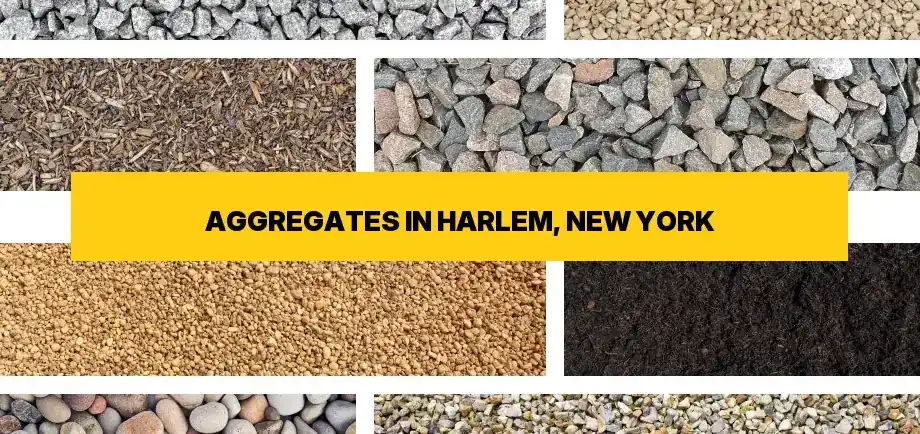
Bulk Aggregate & Gravel Products in Harlem, New York
Local Topsoil, Dirt, Sand, Rocks and Gravel near me in Harlem, New York
Shop Aggregates for Delivery in Harlem
Order online for free delivery to any Harlem address.


Harlem, New York sits at the cultural and geographic crossroads of Upper Manhattan, and property owners here need dependable, local supplies of aggregates to handle everything from brownstone stoop repairs to larger commercial site work. Whether you manage a community garden near Marcus Garvey Park, maintain the 125th Street corridor storefronts, or are installing a new permeable driveway near Sugar Hill, we deliver tailored aggregate solutions across Harlem and adjacent neighborhoods. As a reliable Harlem gravel supplier, we understand urban soil conditions, delivery logistics in the Big Apple, and the specific product choices that stand up to coastal weather, salt, and heavy foot traffic.
Our Harlem service area covers Central Harlem, West Harlem, East Harlem (El Barrio), Hamilton Heights and Manhattanville, as well as the intersections around the Apollo Theater and the surrounding 125th Street business district. From small backyard projects in Morningside Heights to larger staging areas near the Harlem River, our experience with local aggregates ensures you get the right material in the right quantity, on time.
Premium Aggregates Available for Harlem Delivery
Gravel and Crushed Stone Products
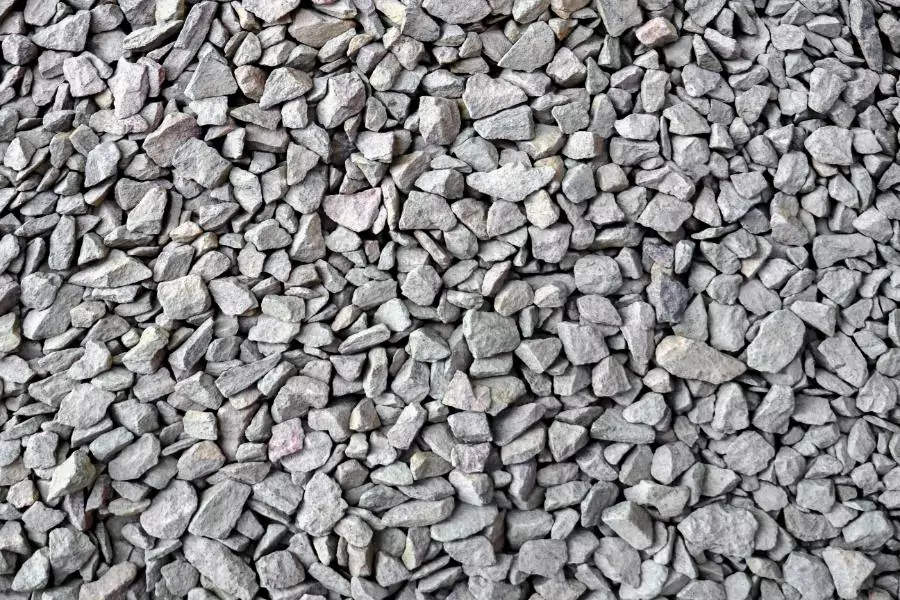
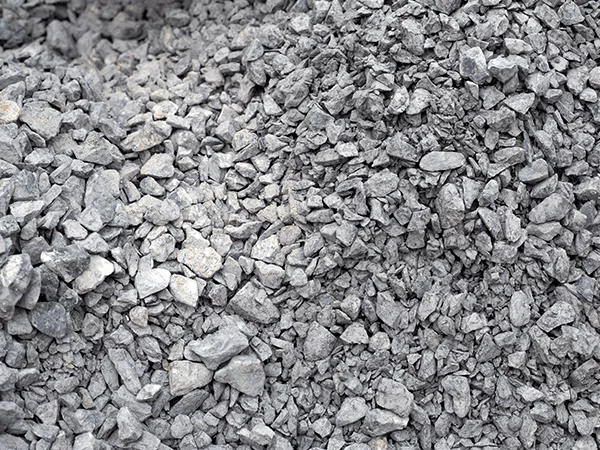
For foundational work and structural support in Harlem's variable urban soils, we stock several crushed stone and base materials that are industry standards. Contractors and homeowners frequently choose 3/4 inch Crushed Stone for solid base layers under patios and small driveways because it compacts well and resists settling when installed correctly. Where a more finished, compactable surface is required, Crusher Run provides a locked, stable surface that resists rutting in high-traffic settings like curb cuts on Lenox Avenue and delivery zones near 125th Street.
Road crews and private contractors often specify Road Base for thicker infrastructure projects that require a consistent bearing layer. Road base is particularly useful near the Harlem River waterfront and industrial corridors, where heavier equipment and trucks demand durable subgrade support.
Driveway and Pathway Materials
Driveways in Harlem, especially those feeding from narrow streets or alleys, benefit from properly selected surface aggregates. For an attractive, functional finish, many residents choose Driveway Gravel which balances aesthetics with load-bearing capacity along residential drives near Sugar Hill and the Upper West Side border. Where a pedestrian-friendly, compact surface is preferred for stoops, steps and walking routes through community gardens adjacent to Columbia University, Decomposed Granite creates a natural look with good drainage and a firm walking surface that blends into older Harlem streetscapes.
For narrow walkways and landscaped paths connecting rowhouses, Walkway Gravel offers a finer aggregate that is comfortable underfoot and easier to maintain than larger stone in tight urban settings.
Decorative Stone and River Rock
Decorative elements are an important part of many Harlem restoration and neighborhood beautification projects. We supply natural stone options that fit period properties and modern garden designs. For small accent beds and edging around the Apollo Theater plaza and Marcus Garvey Park, Pea Gravel is a clean, smooth aggregate that works well for mulched play areas and decorative surfaces. Pea gravel compacts lightly and allows for good surface drainage while adding a refined texture.
When a more sculptural look is desired for fountains, xeriscape beds, or feature borders along the 125th Street corridor, River Rock provides rounded stones in multiple sizes that complement both modern and historic Harlem architecture.
Drainage Solutions for Harlem's made-ground and clay pockets Soil
Harlem’s soils are a mix of made ground, pockets of urban clay, and glacially-derived tills overlaying Manhattan schist. These conditions, combined with about 50.0 inches of average annual rainfall, create a strong need for intentional drainage design. Heavy summer showers and spring runoff along the Harlem River can overwhelm poorly designed landscapes, while winter freeze-thaw cycles (with typical summer highs in the mid-80s°F and winter lows in the mid-20s°F) demand aggregates that maintain permeability and resist frost heave.
Proper drainage aggregates stabilize slopes and reduce standing water in low-lying greenspaces around East Harlem and near Washington Heights inclines. For sub-surface systems, catch basins, and French drains, select angular, clean rock that won’t easily compact shut under load or with seasonal freeze-thaw movement.
Benefits of Proper Drainage Aggregates
- Improved infiltration and reduced surface pooling in urban yards and recreation areas.
- Protection of foundations and sidewalks along the 125th Street corridor from water damage and frost heave.
- Extended lifespan for paved surfaces by channeling water away from base layers.
- Reduced erosion on sloped lots near Morningside Heights and Manhattanville.
For trench backfill and French drains in Harlem properties, contractors often choose #57 Stone for its consistent size and permeability, while Drain Rock is used where faster water movement and larger void spaces are required to handle heavy runoff near the Harlem River and along streets that slope toward the East River.
Soil Products and Fill Materials
Urban restoration, tree planting, raised bed construction, and site grading in Harlem all require reliable soil and fill products. For establishing new lawns, rooftop garden soil blends or community garden beds in Central Harlem, our screened Topsoil is blended to support plant health while improving drainage in compacted urban sites. Topsoil deliveries to neighborhoods like Sugar Hill or the Lenox Avenue corridor are sized and mixed to meet planting specifications for perennials, shrubs, and turf.
Where reshaping lots, building subgrades, or infilling depressed areas is necessary, we supply engineered Fill Dirt that compacts reliably. Fill dirt is commonly used for grading behind rowhouses, rebuilding garden terraces near Marcus Garvey Park, and preparing beds that will later receive topsoil and decorative stone.
Sand Products for Every Harlem Application
Sand plays a surprisingly broad role across Harlem projects. From masonry work to playgrounds and bedding for patios, the right sand can influence durability, safety and appearance. Below we describe the sand types we deliver for the specific urban applications common to Harlem properties.
Masonry work along brownstone facades and repair joints on stoops call for Mason Sand, a fine, consistent sand designed to produce clean mortar mixes and tight joints. Contractors in the Morningside Heights and Central Harlem areas rely on mason sand for tuckpointing and brick repair details.
Play areas and schoolyards near community centers and parks require Playground Sand that meets safety and drainage needs. This sand is softer underfoot and screened to reduce debris, making it suitable for playground surfaces around public spaces adjacent to the Apollo Theater and Marcus Garvey Park.
For paver bedding, leveling concrete or washing aggregates, Washed Sand is the go-to option. Washed sand’s clean granulometry makes it ideal for preventing organic contamination and ensuring consistent compaction beneath patios and walkways in Harlem's variable soil profile.
| Sand Type | Best Applications | Texture | Common Uses in Harlem |
|---|---|---|---|
| Mason Sand | Brick and block mortar, stucco mixes | Fine, uniform | Tuckpointing on brownstones, stoop repairs near Lenox Avenue |
| Playground Sand | Play surface safety, schoolyards | Soft, screened | Play areas at community centers near 125th Street and local parks |
| Washed Sand | Paver bedding, concrete mix, drainage layers | Clean, granular | Patio installations, permeable paver beds across Harlem |
Choosing the Right Aggregates for Your Harlem Project
Choosing the right aggregates for projects in Harlem requires consideration of soil type (urban fill and pockets of clay), expected loading (light foot traffic vs. vehicular), drainage needs, and aesthetics appropriate to historic and modern façades. For subgrade stabilization where heavy loads are expected, structural materials like road base and 3/4 inch crushed stone are preferred. For decorative installations, smaller or rounded stones such as pea gravel and river rock provide a finished look while still contributing to drainage.
| Aggregate Type | Best Applications | Size Range | Drainage Rating | Compaction |
|---|---|---|---|---|
| 3/4 Crushed Stone | Base layers under patios, compacted bedding | Approx. 3/4 inch | Moderate | High when properly installed |
| #57 Stone | French drains, base under pavers | Approx. 1/2 to 1 inch | High | Low (retains high permeability) |
| Crusher Run | Driveways, compacted subbase | Mixed sizes, fines included | Low to Moderate | Very High (locks together) |
| Pea Gravel | Decorative beds, play areas, pathways | 3/8 inch | Moderate | Low (loosely compacted) |
| River Rock | Decorative accents, water features | Varies (1/2 to 4 inches) | High | Low |
| Decomposed Granite | Pedestrian paths, compacted natural surface | Fine to small particles | Moderate | Moderate (binds when compacted) |
| Road Base | Commercial subgrade, heavy vehicular | Mixed sizes with fines | Low to Moderate | Very High |
| Drain Rock | Large-volume water conveyance, retention basins | 1 to 2 inches | Very High | Low |
Climate Considerations for Harlem Aggregates
Harlem’s climate — with about 50.0 inches of rain annually, summer highs in the mid-80s°F and winter lows in the mid-20s°F — means materials must handle freeze-thaw cycles and seasonal storms. Aggregates used for bases should resist crushing under snowplows and vehicular salt application, and drainage materials must carry peak flows during heavy summer storms. Organic-rich soils and made ground often present compaction challenges, so properly graded base mixes and synthetic stabilization techniques are used on steeper lots near Washington Heights borders and along the Harlem Riverbank.
Popular Harlem Project Applications
- Residential driveway rebuilds and permeable driveway conversions along Hamilton Heights and Sugar Hill.
- Community garden restoration and raised bed construction near Marcus Garvey Park and the Columbia University fringe.
- Sidewalk edge repairs, stoop reconstruction and masonry work along Lenox Avenue and the 125th Street corridor.
- Stormwater management installations and French drains for rowhouse basements in Central Harlem.
When deciding materials for these common projects, many local contractors select recycled materials where feasible; for example, Crushed Concrete is often used as a sustainable, cost-effective alternative for base layers and road base on urban sites to reduce waste and lower embodied carbon in construction.
Aggregate Delivery Throughout Harlem Metro
We coordinate deliveries across the full Harlem area and the broader metro region. Our fleet is set up to handle tight curbside drops on streets near storefronts on 125th Street, alley deliveries behind rowhouses in Central Harlem, and larger roll-off or offload operations for community projects at Marcus Garvey Park. We plan logistics with local access restrictions, parking, and permit considerations in mind to minimize disruption to neighborhoods like Sugar Hill and Manhattanville.
Areas We Serve
We regularly deliver to Central Harlem, West Harlem, East Harlem (El Barrio), Sugar Hill and Hamilton Heights. Projects in Morningside Heights and Manhattanville, as well as community spaces around the Apollo Theater and Marcus Garvey Park, are part of our regular route planning. Our experience in dense urban blocks and historic districts ensures timely deliveries and correct material placement even in constrained spaces.
Other local neighborhoods we serve include the 125th Street commercial corridor, the Lenox Avenue cultural corridor, and properties adjacent to the Harlem River. We coordinate with property managers on the Upper West Side and bordering Washington Heights when projects cross neighborhood boundaries.
Nearby Cities Served
Beyond Harlem we provide aggregate delivery to nearby cities and suburbs including Yonkers, New Rochelle, Mount Vernon, White Plains, Jersey City, Newark and Hoboken. These nearby communities often have similar climate and soil issues, so our material recommendations for drainage, base preparation and decorative uses translate well across the region.
Frequently Asked Questions About Gravel in Harlem
We deliver crushed stone, 3/4 crushed stone for bases, #57 stone and drain rock for drainage, crusher run and road base for structural subgrades, pea gravel and river rock for decorative uses, and pathway materials like decomposed granite. We also supply topsoil, fill dirt and several sand types for masonry and playgrounds.
Delivery costs depend on volume, access, and location. We offer promotional free delivery options on qualifying bulk orders and volume purchases; for small residential orders in narrow Harlem streets there may be additional handling fees. Call or message with your address to get an accurate Harlem delivery estimate.
Quantity depends on area and depth. A cubic yard covers approximately 80-100 square feet at 1 inch depth. For driveway base layers in Harlem we commonly recommend 3 to 6 inches compacted; we can calculate exact yardage based on your project dimensions and suggested aggregate type.
Harlem’s mix of made ground and glacial till requires well-graded base materials. For load-bearing applications use crusher run or road base, and for drainage use #57 stone or drain rock. Decorative surfaces benefit from pea gravel, river rock, or decomposed granite depending on the desired look and permeability.
Yes. In addition to Harlem neighborhoods, we deliver to Yonkers, New Rochelle, Mount Vernon, White Plains, Jersey City, Newark and Hoboken. For all deliveries we check route constraints and coordinate drop locations in advance.
Spring through fall is ideal for most installs to avoid heavy freeze-thaw cycles. We deliver year-round, but scheduling during drier months makes base compaction and surface work easier in Harlem's climate with approximately 50.0 inches of annual rain.
Yes. Recycled materials like crushed concrete are excellent eco-friendly choices for base layers and road base. They reduce waste and often cost less than virgin aggregates while delivering comparable performance for many urban applications.
Get Quality Aggregates Delivered to Your Harlem Property
Whether you are restoring a historic stoop in Central Harlem, creating a new play area near Marcus Garvey Park, or rebuilding a driveway in Hamilton Heights, choosing the right aggregates and sands makes a measurable difference in performance and longevity. Our team can recommend materials based on your site’s soil, drainage needs and aesthetic goals. For masonry work and tuckpointing we recommend mason sand, for safe play surfaces we supply screened playground sand, and for clean bedding and paver work washed sand is ideal. We are proud to serve Harlem and surrounding neighborhoods across the Big Apple with dependable delivery and knowledgeable product recommendations.
Contact us to discuss material specifications, delivery logistics in tight urban environments, and sustainable aggregate options such as recycled crushed concrete for your next Harlem project.

Need help? Reach out for a quote: