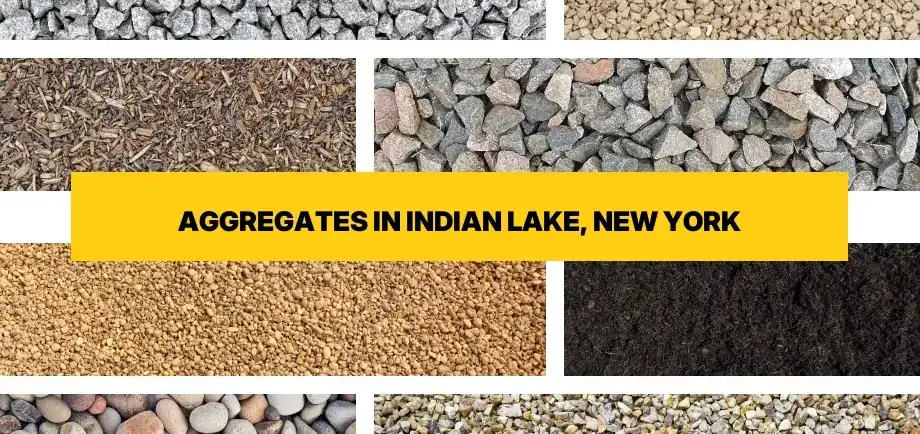
Buy Bulk Aggregates & Gravel in Indian Lake, New York
Local Topsoil, Dirt, Sand, Rocks and Gravel near me in Indian Lake, New York
Shop Aggregates for Delivery in Indian Lake
Order online for free delivery to any Indian Lake address.
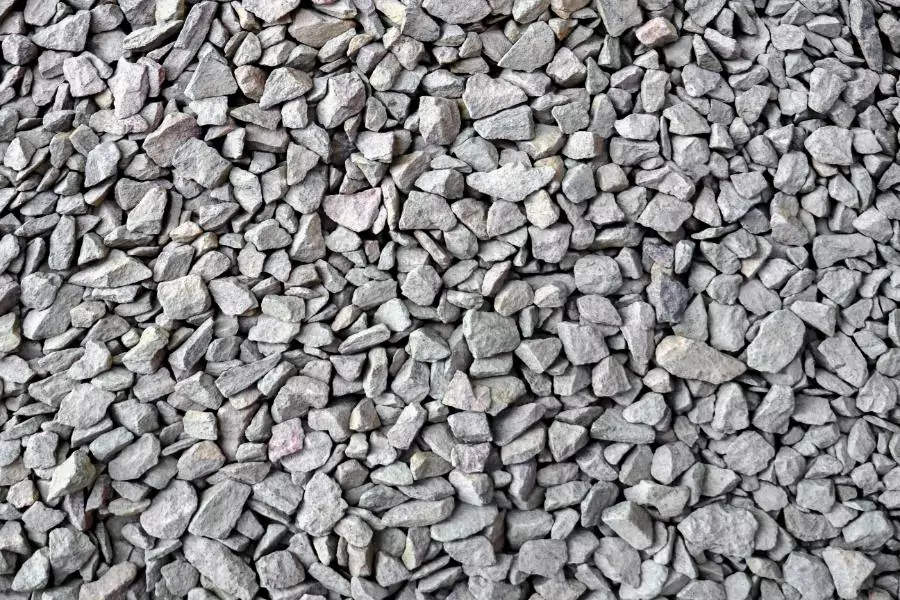
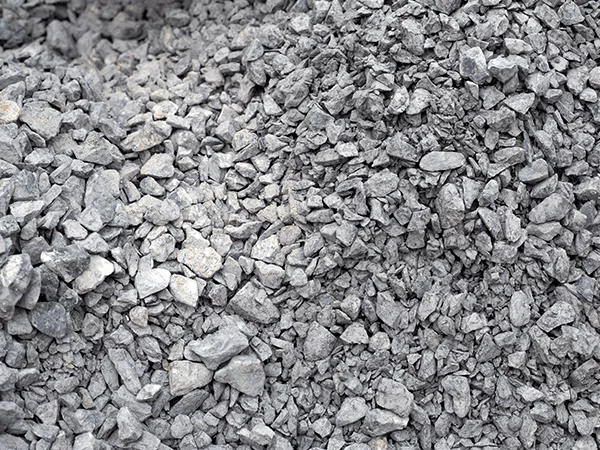


Gravel Monkey is your trusted source for premium gravel and aggregate delivery throughout Indian Lake, New York. Nestled in the heart of the Adirondack Mountains, Indian Lake presents unique challenges for property owners—from steep terrain and rocky soil to harsh winter conditions and significant seasonal water runoff. Whether you're maintaining a camp road along the Cedar River Flow, upgrading a driveway near Lewey Lake, or managing drainage on a mountain property in Sabael, we deliver high-quality aggregates and landscaping materials directly to your site with absolutely free delivery throughout the region.
Premium Aggregates & Materials for Indian Lake Properties
Our comprehensive selection of aggregates and materials is specifically suited for the demanding Adirondack environment. From base materials that withstand freeze-thaw cycles to decorative stone that complements the natural mountain landscape, we supply everything needed for residential camps, year-round homes, and commercial properties throughout Hamilton County:
- Driveway Gravel - Dense, compactable base material engineered for mountain driveways and steep grades
- 3/4 inch Crushed Stone - Versatile angular aggregate for foundations, drainage, and driveway applications
- #57 Stone - Clean, angular stone perfect for drainage systems and septic fields
- Crusher Run - Superior compaction material for base layers and roadways
- Road Base - Heavy-duty foundation material for camp roads and driveways
- Drain Rock - Essential for managing water runoff on sloped properties
- Pea Gravel - Smooth decorative stone for pathways and landscaping features
- River Rock - Natural aesthetic stone in various sizes for water features and gardens
- Walkway Gravel - Comfortable walking surface for paths and garden trails
- Crushed Concrete - Eco-friendly recycled aggregate for base and fill applications
- Topsoil - Nutrient-rich soil for gardens and lawn establishment
- Fill Dirt - Essential for grading, leveling, and site preparation
- Mason Sand - Fine sand for masonry work and construction projects
- Playground Sand - Safe, clean sand for play areas and sandboxes
- Washed Sand - Clean sand for concrete mixing and various applications
- Decomposed Granite - Natural looking aggregate for rustic pathways and surfaces
Understanding Indian Lake's Unique Geological Challenges
The Indian Lake region sits within the Adirondack Highlands geological province, characterized by ancient metamorphic bedrock, thin glacial till soils, and significant elevation changes. This unique geology creates specific challenges for property owners that require careful material selection and proper installation techniques.
The area's soil composition typically consists of shallow, acidic forest soils overlying bedrock, with limited depth for conventional landscaping. Properties near Blue Mountain Lake, along State Route 28, and throughout the Cedar River drainage often encounter exposed bedrock within the first few feet of excavation. This rocky substrate requires quality base aggregates that can bridge irregular surfaces and provide stable foundations for structures and roadways.
Indian Lake receives approximately 60-70 inches of precipitation annually, with substantial snowfall averaging 130-150 inches per winter season. Spring snowmelt combined with seasonal rain events creates intense water runoff that can quickly erode poorly prepared surfaces and overwhelm inadequate drainage systems. Properties on slopes near Lewey Lake, around Sabael hamlet, and throughout the mountainous terrain require robust drainage solutions using properly sized and installed aggregates.
Climate Considerations for Material Selection
The Adirondack climate features extreme temperature fluctuations, with winter lows reaching minus 20 to minus 30 degrees Fahrenheit and summer highs in the 70s and 80s. This dramatic freeze-thaw cycling—sometimes occurring multiple times within a single spring day—places tremendous stress on aggregate materials and base layers. Aggregates must maintain structural integrity through repeated expansion and contraction cycles without breaking down or creating rutted surfaces.
Our crusher run and road base materials excel in these conditions because their gradation includes both larger stone for structure and fine particles that compact tightly to create a weather-resistant surface. These materials resist frost heave better than uniform-sized aggregates and maintain drivability even during challenging spring mud season conditions that are notorious throughout Hamilton County.
Aggregate Applications Throughout the Indian Lake Region
Mountain Driveways and Access Roads
Steep driveways are common throughout Indian Lake, particularly in elevated areas around Blue Mountain Lake and along the mountain roads accessing lakefront camps. These driveways face multiple challenges: heavy snowplow damage in winter, erosion from spring runoff, and difficulty maintaining traction on grades. The proper aggregate system makes the difference between a driveway requiring constant maintenance and one that remains stable year after year.
For new construction or major renovation projects, we recommend starting with a deep base layer using road base material to establish a stable foundation. This compacted base should be 6-8 inches deep on level terrain and even deeper on slopes or where soil stability is questionable. The base layer distributes weight and prevents settling while providing critical drainage capacity. Top this foundation with driveway gravel or crusher run as the wearing surface—these materials compact firmly while maintaining enough texture for vehicle traction even on steep grades.
Drainage Systems for Mountain Properties
Effective water management is absolutely critical for properties throughout the Indian Lake area. Without proper drainage, spring runoff can undermine foundations, wash out driveways, flood basements, and cause extensive erosion damage. The combination of steep terrain, heavy precipitation, and impermeable bedrock close to the surface means water has nowhere to go except across the landscape surface.
Drain rock provides the foundation for French drains, curtain drains, and drainage swales that intercept and redirect water away from structures and vulnerable areas. The angular shape and uniform size of drain rock creates void spaces that allow water to flow freely while filtering out soil particles. Properties near the Cedar River Flow, around Lewey Lake, and in the Sabael area particularly benefit from comprehensive drainage systems that manage both seasonal snowmelt and summer storm runoff.
Shoreline and Waterfront Applications
Indian Lake's extensive shoreline—including the main lake, Blue Mountain Lake, Lewey Lake, and numerous smaller ponds—presents unique opportunities for stone and aggregate applications. River rock works beautifully for natural-looking shoreline stabilization and decorative features around docks and waterfront living areas. The smooth, rounded stones blend with the natural Adirondack aesthetic while providing erosion protection and defining landscape zones.
For boat launch areas and shoreline paths that experience regular foot traffic, walkway gravel offers a stable, attractive surface that drains well and resists compaction. These applications benefit from materials that remain comfortable underfoot while standing up to constant use throughout the summer season.
Serving Communities Throughout the Indian Lake Area
Gravel Monkey provides free delivery throughout Indian Lake and the surrounding Adirondack communities. We understand the specific needs of each area and can recommend materials suited to local conditions:
Indian Lake Village: The hamlet area along Route 30 and Route 28 includes a mix of year-round residences, seasonal camps, and small businesses. Properties here benefit from driveway materials that handle heavy winter snow removal and spring mud conditions while maintaining accessibility.
Blue Mountain Lake: This scenic area attracts significant summer tourism and features numerous lakefront properties with challenging access roads. Steep driveways descending to waterfront camps require specialized aggregate solutions that provide traction and resist washout from runoff flowing downslope.
Sabael: Located along the scenic Route 30 corridor, Sabael properties often feature long driveways through wooded terrain with elevation changes. The rocky, thin soils common to this area make proper base preparation and aggregate selection especially important for long-term driveway performance.
Cedar River Flow Area: Properties accessing this popular paddling and fishing destination require roads that can handle seasonal traffic spikes while managing water from the extensive wetland system. Base materials that resist saturation and maintain stability in wet conditions are essential.
Lewey Lake Area: This more remote section features camps and homes accessed by mountain roads that see limited maintenance. Property owners need durable aggregates that minimize the need for frequent grading and material replenishment.
Route 28 Corridor: Properties along this main thoroughfare through the central Adirondacks range from lakefront camps to mountain homes set back from the highway. Driveway aggregates must provide all-season reliability for year-round residents while standing up to the harsh climate.
Choosing the Right Aggregate for Your Project
Different applications require different aggregate characteristics. This comparison helps match materials to your specific needs in the Indian Lake area:
| Material Type | Best Applications | Drainage Rating | Compaction Level | Winter Performance |
|---|---|---|---|---|
| Crusher Run | Driveway base, road foundations, parking areas | Good | Excellent | Superior - resists frost heave |
| Driveway Gravel | Surface layer, camp roads, driveways | Very Good | Very Good | Excellent traction and stability |
| 3/4 inch Crushed Stone | Drainage, foundations, base layers | Excellent | Good | Good - requires proper base |
| #57 Stone | French drains, septic systems, drainage | Excellent | Moderate | Good drainage prevents ice buildup |
| Road Base | Heavy traffic areas, steep driveways | Good | Excellent | Superior load-bearing in all seasons |
| Pea Gravel | Pathways, decorative landscaping | Very Good | Poor | Shifts under snow removal |
| River Rock | Landscaping, water features, shorelines | Excellent | None | Decorative - not for traffic areas |
| Crushed Concrete | Base layers, fill, eco-friendly projects | Good | Very Good | Good - similar to crusher run |
Professional Installation Guidelines for Adirondack Conditions
Proper installation is just as important as material selection for creating durable driveways and surfaces that withstand the demanding mountain climate. The following guidelines reflect decades of combined experience with Adirondack properties:
Base Preparation
Never skip proper base preparation, even when bedrock is close to the surface. Remove all organic material, topsoil, and loose debris down to stable subgrade. In areas with deeper soil, excavate to undisturbed material or bedrock. Where bedrock is exposed or close to the surface, a minimum 4-6 inch base layer helps bridge irregularities and provides a stable platform.
Crown the base slightly to encourage water to shed toward edges rather than pooling in the center. This simple technique dramatically reduces frost heave damage and spring deterioration. On slopes, consider building water bars or cross drains every 50-100 feet to intercept runoff before it gains erosive velocity.
Compaction Requirements
Mechanical compaction is essential for crusher run, road base, and driveway gravel installations. A plate compactor or roller applied in lifts of 3-4 inches creates the dense, stable surface that resists rutting and maintains shape through winter freeze-thaw cycles. Proper compaction also enhances drainage by creating a surface that sheds water rather than absorbing it.
For remote mountain properties where equipment access is limited, spreading material in thinner layers and allowing vehicle traffic to compact it gradually can work, though this requires patience and produces less reliable results than mechanical compaction.
Depth Recommendations
Mountain driveways in the Indian Lake area should have minimum aggregate depth of 6 inches over stable subgrade, with 8-10 inches preferable for properties with challenging soil conditions or heavy vehicle use. Driveways on slopes or areas experiencing significant runoff benefit from additional depth to provide drainage capacity and prevent base material from washing away during heavy rain events.
Seasonal Maintenance for Long-Term Performance
Even the best-installed aggregate driveways require periodic maintenance to address settling, material migration, and surface deterioration from weather and traffic. Understanding seasonal maintenance needs helps budget for materials and plan maintenance timing:
Spring: After winter snowmelt and mud season, rake or drag driveways to redistribute material and fill ruts. This is also the ideal time to add fresh material to areas that have experienced erosion or settling. Spring grading sets up the driveway for successful performance through the rest of the year.
Summer: Monitor for washout during heavy thunderstorms, which can be intense in the Adirondacks. Clean and maintain drainage ditches and culverts to ensure water flows away from the driveway surface. Address small problems promptly before they enlarge.
Fall: Add a fresh layer of surface material before winter if needed, and ensure proper crown and drainage. Remove leaves and organic debris that can hold moisture and accelerate breakdown. Fall maintenance prevents winter damage and reduces spring workload.
Winter: Plow carefully to avoid scraping away aggregate material. Setting plow shoes slightly higher than for paved surfaces preserves the aggregate layer while still removing snow effectively. Consider marking driveway edges to prevent plowing into drainage ditches or off the prepared surface.
Environmentally Responsible Practices in the Adirondack Park
Indian Lake lies within the Adirondack Park, New York's constitutionally protected "forever wild" preserve. Property owners have a responsibility to implement practices that protect water quality, minimize erosion, and preserve the natural character that makes this region special.
Using proper aggregates and drainage systems prevents sediment from reaching lakes, streams, and wetlands. Well-designed drainage that disperses runoff across vegetated areas allows natural filtration before water reaches surface waters. This protects the exceptional water quality that defines Adirondack lakes and supports their remarkable fisheries and aquatic ecosystems.
Crushed concrete offers an environmentally responsible alternative to virgin stone for many applications. This recycled material diverts construction waste from landfills while providing performance comparable to natural stone products. For camp roads, base layers, and other utilitarian applications, crushed concrete represents a sustainable choice that reduces environmental impact.
Frequently Asked Questions About Gravel in Indian Lake
For steep driveways common throughout Indian Lake and Blue Mountain Lake, crusher run and driveway gravel provide the best combination of compaction and traction. These materials lock together when properly compacted, resisting downslope migration while maintaining enough surface texture for vehicle grip even on grades exceeding 15 percent. Install a deep base layer of road base or crusher run, then top with driveway gravel for the wearing surface.
Preventing washout requires proper crown (center higher than edges), effective side ditching or swales to carry water away, and potentially water bars on long slopes to intercept runoff. Using well-graded materials like crusher run or road base that compact firmly helps resist erosion. On severe slopes, consider geotextile fabric under the base layer to separate aggregate from soil and prevent material migration during saturated spring conditions.
Yes, though it requires adequate depth to bridge irregularities in the rock surface. Start with 6-8 inches of crusher run or road base to create a smooth, stable foundation. This base layer fills low spots and provides drainage capacity that prevents water from pooling. Top with 2-3 inches of driveway gravel for the wearing surface. The key is using enough total depth that vehicle weight distributes across the material rather than concentrating on high spots in the underlying bedrock.
Number 57 stone and drain rock are specifically designed for drainage applications. Their clean, angular shape and uniform sizing create maximum void space for water flow while preventing soil infiltration that can clog drainage systems. For French drains and foundation drainage around structures near Sabael or along Route 28, wrap the stone in geotextile fabric to prevent soil migration while allowing water to enter the drain freely.
With proper installation and maintenance, you should need to add material every 3-5 years for normal residential use. Properties with steep slopes, heavy traffic, or inadequate drainage may require more frequent replenishment. Spring is the ideal time to assess needs and add material, as winter plowing and spring runoff typically cause the most material loss. Adding a thin layer annually or every other year prevents major deterioration and is more cost-effective than allowing the driveway to deteriorate completely before addressing it.
For decorative landscaping, pea gravel and river rock offer attractive options that complement the natural Adirondack setting. Pea gravel works well for pathways and around deck foundations, while larger river rock creates beautiful accents around plantings, water features, and along shorelines. For pathways that receive regular foot traffic, walkway gravel provides a comfortable walking surface that compacts slightly for stability while maintaining drainage.
We deliver throughout the Indian Lake region including properties with challenging access. For camps reached by seasonal roads or those requiring significant travel on unpaved surfaces, we recommend scheduling delivery during dry conditions when road surfaces are firm. Our delivery team has experience navigating mountain roads and can work with you to determine the best delivery approach for your specific location near Lewey Lake, Cedar River Flow, or other more remote areas.
Adirondack soils are typically thin, acidic forest soils formed from glacial deposits over ancient metamorphic bedrock. They have limited depth before reaching bedrock and contain organic material from decomposing forest litter. This shallow soil profile means bedrock often appears within the first foot or two of excavation. The combination of thin soil, bedrock close to surface, and steep terrain creates drainage challenges and makes proper aggregate base installation essential for any driveway or roadway project throughout Hamilton County.
Professional Aggregate Delivery Throughout Indian Lake
Gravel Monkey understands the unique challenges of maintaining properties in the Adirondack Mountains. Our experience serving Indian Lake, Blue Mountain Lake, Sabael, and surrounding communities means we can recommend the right materials for your specific project and site conditions. Whether you're building a new camp road, repairing spring damage to an existing driveway, installing comprehensive drainage systems, or creating beautiful landscaping features, we have the aggregates you need delivered free to your property.
We serve the entire Indian Lake region including lakefront properties, mountain camps accessed by challenging roads, year-round residences in the hamlet, and commercial properties along Route 28 and Route 30. Our delivery team knows the area and can navigate the seasonal roads, steep driveways, and variable conditions that characterize this beautiful mountain region.
Contact Gravel Monkey today at +1-646-809-3983 to discuss your project needs. We'll help you select the appropriate materials, calculate quantities accurately, and schedule convenient free delivery to your Indian Lake property. With the right aggregates properly installed, your driveway, paths, and drainage systems will provide reliable service through countless Adirondack seasons.

Need help? Reach out for a quote: