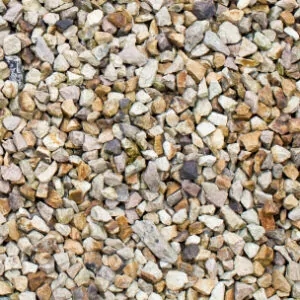
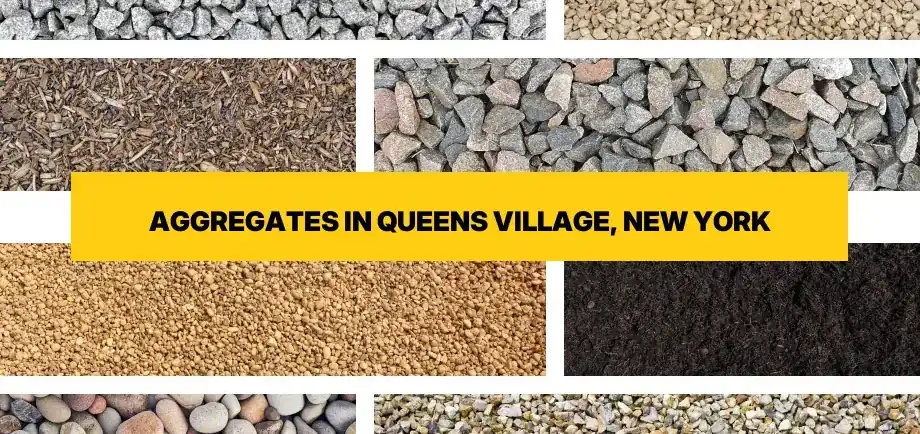
Buy Bulk Aggregates & Gravel in Queens Village, New York
Local Topsoil, Dirt, Sand, Rocks and Gravel near me in Queens Village, New York
Shop Aggregates for Delivery in Queens Village
Order online for free delivery to any Queens Village address.
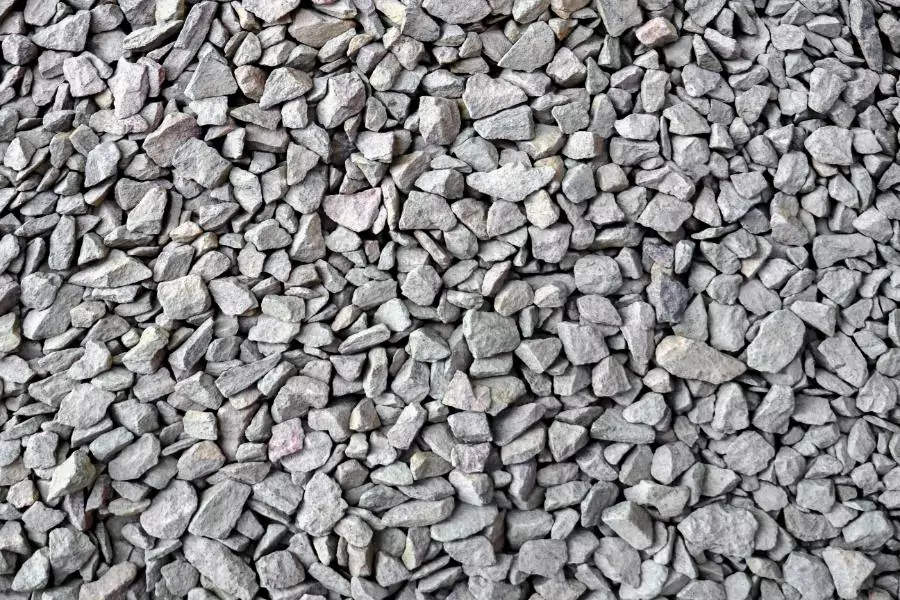
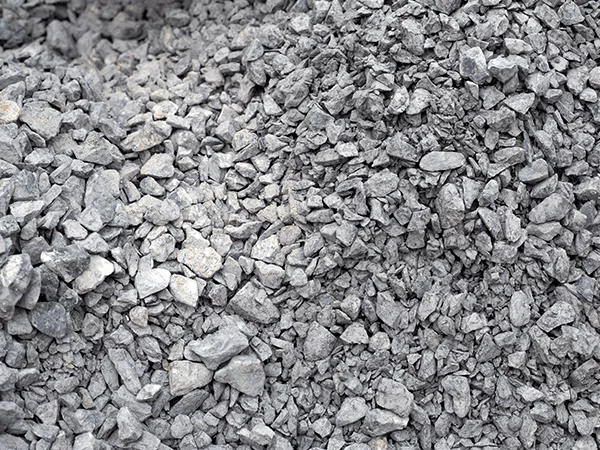


Gravel Monkey is your premier source for high-quality aggregates and construction materials in Queens Village, NY. Serving homeowners and contractors throughout eastern Queens, we deliver premium gravel, stone, sand, and soil directly to your property with absolutely free delivery. Whether you're upgrading a driveway in Hollis Hills, installing drainage near Queens Village Station, or creating a landscaping feature in Bellerose Manor, our comprehensive selection of aggregates meets every residential and commercial need across the 11427, 11428, and 11429 zip codes.
Complete Aggregate Selection for Queens Village Properties
Queens Village's position on the Harbor Hill Moraine creates unique construction challenges that demand quality materials. Our aggregate inventory addresses the clay-rich soils and drainage requirements typical of eastern Queens neighborhoods. From the tree-lined streets near Cunningham Park to the established homes around Springfield Boulevard, we supply the materials that Queens Village contractors and homeowners trust.
- Driveway Gravel - Durable base material engineered for Queens Village's freeze-thaw cycles
- 3/4 inch Crushed Stone - Versatile aggregate for foundations and hardscaping projects
- #57 Stone - Industry-standard drainage aggregate for French drains and perimeter systems
- Crusher Run - Compactable base that locks together for stable driveway foundations
- Road Base - Heavy-duty aggregate for load-bearing applications
- Pea Gravel - Decorative stone perfect for garden paths and play areas
- River Rock - Natural aesthetic for water features and xeriscaping
- Walkway Gravel - Comfortable underfoot stone for pedestrian pathways
- Drain Rock - Essential for managing Queens Village's seasonal precipitation
- Crushed Concrete - Eco-friendly recycled aggregate for cost-effective projects
- Decomposed Granite - Permeable surface material that compacts beautifully
- Mason Sand - Fine-grade sand for pavers, bricks, and masonry work
- Playground Sand - Safe, clean sand for residential play areas
- Washed Sand - Clean aggregate for concrete mixing and leveling
- Topsoil - Nutrient-rich soil for gardens and lawn establishment
- Fill Dirt - Grading material for leveling and elevation projects
Aggregate Delivery Throughout Queens Village Neighborhoods
Our delivery trucks navigate every corner of Queens Village and surrounding communities. We serve the Colonial-style homes in Hollis Hills, the mid-century properties near the LIRR station, and everything from Springfield Gardens north to the Nassau County line. Whether your project is on a quiet residential street off Hillside Avenue or a commercial property along Jamaica Avenue, Gravel Monkey provides reliable aggregate delivery to your exact location.
The diverse housing stock in Queens Village - from pre-war Tudors to modern ranch homes - requires equally diverse construction materials. Properties in Bellerose and adjacent Floral Park benefit from our drainage solutions, essential given the area's glacial till geology. The established neighborhoods around Bellaire and Hollis feature mature landscaping that we support with decorative stone and soil products. Commercial zones along major corridors like Springfield Boulevard rely on our road base and crushed concrete for parking lot repairs and expansions.
Queens Village homeowners face specific challenges related to the area's clay-heavy subsoil, a characteristic of the terminal moraine that forms Long Island's backbone. This geological feature means proper drainage is not optional - it's essential. Our aggregates help manage the 45 inches of annual precipitation that falls on eastern Queens, preventing the foundation issues and yard pooling common in neighborhoods like Glen Oaks and Cambria Heights to the west.
Driveway and Foundation Applications
Queens Village driveways endure significant stress from New York's temperature extremes. Winter temperatures regularly drop below freezing, while summer heat can exceed 90 degrees. This thermal cycling demands properly installed aggregate bases that resist heaving and settling. The typical Queens Village property features a single or double-width driveway ranging from 200 to 600 square feet, requiring careful material selection for longevity.
For new driveway construction in neighborhoods like Oakland Gardens or Hollis Hills Terrace, we recommend starting with a compacted road base layer of 4 to 6 inches, followed by a 3 to 4 inch layer of crusher run. This two-stage approach creates a stable platform that handles vehicle weight while allowing drainage through to the subgrade. The final surface can be asphalt, pavers set in mason sand, or a decorative layer of walkway gravel depending on aesthetic preferences and budget.
Foundation work requires equally meticulous aggregate selection. Queens Village sits roughly 80 feet above sea level with relatively flat topography, but individual properties may have grade variations requiring fill dirt for proper foundation elevation. Perimeter drainage systems using #57 stone wrapped in geotextile fabric protect basements from the high water table common in eastern Queens. These systems direct groundwater away from foundation walls, critical given the impermeable clay subsoils characteristic of the area.
Commercial Property Aggregate Needs
Commercial properties along Jamaica Avenue and Hillside Avenue require heavy-duty aggregates that withstand constant traffic. Parking lots see daily vehicle loads that residential driveways never experience. Our road base and crushed concrete products provide the load-bearing capacity these applications demand. Property managers in the light industrial areas near Braddock Avenue trust our aggregates for site improvements, loading dock repairs, and utility trench backfill.
Drainage Solutions for Queens Village Properties
Effective drainage represents one of the most critical aspects of Queens Village property maintenance. The glacial till that underlies eastern Queens contains significant clay content, creating slow-draining conditions that trap water near the surface. Spring snowmelt and summer thunderstorms can quickly overwhelm inadequate drainage systems, leading to basement seepage, foundation damage, and unusable yard areas.
French drain installation has become increasingly common in neighborhoods experiencing drainage challenges. These systems use perforated pipe surrounded by drain rock to intercept and redirect groundwater. Proper installation requires a trench excavated to appropriate depth, lined with landscape fabric, and filled with clean angular stone that won't clog over time. Our drain rock products meet these specifications, ensuring your drainage system functions effectively for decades.
Surface drainage solutions also rely on quality aggregates. Dry creek beds using river rock provide attractive alternatives to underground drainage pipes while handling similar water volumes. These features blend naturally into Queens Village's residential landscapes, turning drainage necessities into visual amenities. Properties in low-lying areas near Cross Island Parkway particularly benefit from these hybrid drainage and landscaping solutions.
Decorative Aggregate Applications
Beyond functional applications, aggregates serve crucial aesthetic roles in Queens Village landscaping. The mature neighborhoods surrounding Cunningham Park feature extensive residential landscaping where decorative stone enhances curb appeal and reduces maintenance. Pea gravel pathways wind through garden beds filled with topsoil, creating low-maintenance outdoor spaces that complement both traditional and contemporary architecture.
River rock has gained popularity for mulch alternatives in tree rings and shrub beds. Unlike organic mulches that decompose and require annual replacement, stone mulch provides permanent coverage that suppresses weeds while allowing water and air to reach plant roots. The color variation in natural river rock - ranging from warm tans to cool grays - coordinates with the brick, stone, and vinyl siding common on Queens Village homes.
Decomposed granite offers another landscaping option gaining traction in eastern Queens. This material compacts firmly for walkways and patios while maintaining permeability, addressing stormwater management requirements increasingly important in urban areas. The natural earth tones blend seamlessly with Queens Village's tree-canopied streets, creating outdoor spaces that feel organic rather than manufactured.
Playground and Recreation Areas
Residential play areas require specific aggregate products prioritizing safety and cleanliness. Our playground sand undergoes washing and screening to remove dust and debris, meeting safety standards for backyard playsets and sandboxes. Properties near Francis Lewis High School and local elementary schools often incorporate these materials into family-friendly yard designs. The sand provides impact absorption under swings and climbing structures while staying cool enough for barefoot play during summer months.
| Aggregate Type | Best Applications | Size Range | Drainage Rating | Compaction |
|---|---|---|---|---|
| Crusher Run | Driveway base, pathways | Dust to 3/4 inch | Moderate | Excellent |
| #57 Stone | Drainage, concrete aggregate | 3/4 inch | Excellent | Poor |
| 3/4 inch Crushed Stone | General construction, bases | 3/4 inch | Very Good | Good |
| Pea Gravel | Walkways, decorative areas | 3/8 inch | Good | Poor |
| River Rock | Landscaping, drainage features | 1-3 inches | Good | None |
| Road Base | Heavy load areas, parking lots | Variable mix | Moderate | Excellent |
| Mason Sand | Paver base, mortar mixing | Fine | Poor | Good |
| Decomposed Granite | Walkways, patios | 1/4 inch minus | Moderate | Very Good |
Seasonal Considerations for Queens Village Projects
Queens Village experiences four distinct seasons that impact aggregate project timing and material selection. Spring brings freeze-thaw cycles that test driveway integrity, making it the ideal season for repairs and replacements. Average April temperatures range from 45 to 65 degrees Fahrenheit, providing perfect conditions for base compaction and surface installation. This season also sees the highest precipitation, averaging 4.5 inches monthly, which highlights drainage deficiencies requiring correction.
Summer heat creates optimal conditions for concrete and asphalt work but requires attention to aggregate moisture content. Base materials compact more effectively when slightly moist but not saturated. The long daylight hours and stable weather patterns make summer the busiest season for landscaping projects incorporating decorative stone. Properties preparing for outdoor entertaining often install pea gravel patios and river rock features during these months.
Fall represents another prime construction window before winter weather arrives. Queens Village typically sees first frost in late October or early November, providing several weeks for completing outdoor projects. This season is ideal for drainage system installation since fall rains test system performance before winter. The moderate temperatures - averaging 50 to 70 degrees in September and October - allow proper curing for any concrete or mortar work involving our aggregate products.
Winter brings challenges but doesn't halt all aggregate projects. Interior foundation work continues year-round, and mild winter days allow driveway base installation when properly managed. Snow removal creates secondary aggregate needs as ice-melting products and plowing damage driveways and walkways. Properties with inadequate drainage experience ice dam formation and slippery conditions that underscore the importance of proper aggregate selection and installation.
Understanding Queens Village Geology
Queens Village's geological foundation directly impacts construction and landscaping decisions. The area sits on the Harbor Hill Moraine, a ridge of glacial till deposited during the Wisconsin Glaciation approximately 20,000 years ago. This moraine represents the southernmost extent of the Laurentide Ice Sheet, creating the gentle topography that characterizes eastern Queens today.
The glacial till consists of unsorted material ranging from clay particles to boulders, though clay and silt predominate in Queens Village. This composition creates moderately slow to slow drainage conditions classified as hydrologic soil group C and D. Builders and landscapers must account for these conditions when planning projects. Foundations require proper waterproofing and drainage systems. Lawns and gardens need amendments to improve drainage and nutrient availability. Our topsoil and fill dirt products address these challenges, providing better-draining materials than native subsoil.
The water table in Queens Village fluctuates seasonally but generally sits relatively high due to the clay subsoils. Areas near Alley Pond Park and other low-lying sections may encounter groundwater during excavation, requiring dewatering for construction projects. This high water table makes proper aggregate selection critical for any below-grade work. Coarse aggregates like #57 stone allow water to flow away from structures rather than pooling against foundation walls where it can cause damage.
Soil pH and Material Selection
The glacial till soils of Queens Village typically exhibit slightly acidic to neutral pH, ranging from 6.0 to 7.0. This pH range influences plant selection and may require lime amendments for optimal lawn growth. Our topsoil comes from sources with favorable pH characteristics, though soil testing remains advisable before major landscaping installations. The aggregate products we supply maintain neutral pH, avoiding the soil chemistry issues that can result from using recycled materials of unknown origin.
Professional Installation Tips for Queens Village
Successful aggregate projects require proper installation techniques adapted to local conditions. Queens Village's clay-rich soils demand attention to base preparation that wouldn't be necessary in sandier locations. Excavation depth must account for both the aggregate layers and any geotextile fabrics used to separate materials. A typical driveway installation removes 10 to 14 inches of soil, replaced with alternating layers of road base, crusher run, and surface material.
Compaction represents the most critical installation step. Each aggregate layer requires thorough compaction using appropriate equipment. Hand tampers suffice for small walkway projects, but driveway installation demands plate compactors or roller equipment. The clay subsoil in Queens Village provides poor compaction characteristics, making the aggregate base layers even more important for long-term stability. Moisture content during compaction significantly affects results - too dry and the material won't lock together, too wet and it becomes unstable.
Edge restraint prevents aggregate migration over time. Driveways need edge support from concrete curbing, belgian block, or buried edging systems. Without proper edging, crusher run and gravel surfaces gradually spread beyond their intended boundaries. This containment becomes particularly important in Queens Village where freeze-thaw cycles exert lateral forces on aggregate surfaces. Properties in Hollis and Glen Oaks with sloped driveways require especially robust edge treatment to prevent downhill material migration.
Maintenance Requirements
Aggregate surfaces require periodic maintenance to maintain performance and appearance. Gravel driveways benefit from annual raking to redistribute material and maintain proper crown for drainage. Most Queens Village properties need to add fresh stone every 3 to 5 years to replace material lost to compaction and migration. Weed control prevents vegetation from degrading aggregate surfaces, with pre-emergent herbicides or landscape fabric providing long-term solutions.
Drainage systems require less frequent but equally important maintenance. French drains and dry wells can clog if sediment enters the system, reducing drainage capacity. Properties near Cunningham Park with mature trees may experience root intrusion into drainage pipes, requiring periodic inspection and cleaning. Our aggregates help extend system life by providing clean stone that resists breakdown, but monitoring remains essential for optimal performance.
Environmental Benefits of Quality Aggregates
Modern aggregate selection increasingly considers environmental impacts beyond immediate project needs. Our crushed concrete product exemplifies sustainable construction, diverting material from landfills while providing performance comparable to virgin stone. Queens Village properties using recycled aggregates reduce the environmental footprint of construction projects without compromising quality. The product works particularly well for utility trenches, temporary access roads, and other applications where appearance is secondary to function.
Permeable aggregate surfaces address stormwater management concerns increasingly important in urban areas like Queens Village. The neighborhood's dense development creates extensive impervious surfaces - roofs, driveways, sidewalks - that prevent rainfall infiltration. This runoff overwhelms storm sewers and contributes to combined sewer overflows affecting Jamaica Bay. Permeable driveways using open-graded aggregates allow water infiltration, reducing runoff while maintaining functional surfaces. These installations require proper subgrade preparation and aggregate selection but provide environmental benefits that extend beyond individual properties.
Heat island effects in urban areas like Queens Village create temperatures several degrees higher than surrounding undeveloped land. Light-colored aggregates reflect more solar radiation than dark asphalt or concrete surfaces, moderating temperatures in outdoor spaces. River rock and pea gravel in natural tan and gray tones provide cooler surfaces than traditional paving while offering the aesthetic appeal that Queens Village homeowners value. These materials complement the area's tree canopy, which provides additional cooling through shade and evapotranspiration.
Aggregates for Queens Village Commercial Properties
Commercial property managers face unique aggregate requirements driven by higher traffic volumes and different aesthetic standards. Retail properties along major corridors like Jamaica Avenue need parking lot surfaces that withstand constant vehicle traffic while maintaining professional appearance. Our road base products provide the structural integrity these applications demand, creating stable foundations for asphalt or concrete surfaces. When parking lot resurfacing isn't in the budget, properly applied crushed stone creates serviceable surfaces at a fraction of the cost.
Loading docks and service areas endure concentrated heavy loads that residential applications never experience. Delivery trucks repeatedly crossing the same paths create ruts and displacement in inadequate aggregate bases. We supply heavy-duty materials engineered for these conditions, preventing the maintenance problems that plague undersized installations. Properties in the light industrial areas near the Queens/Nassau border particularly benefit from proper aggregate specification for service areas.
Landscaping around commercial properties serves both aesthetic and practical purposes. Gravel Monkey provides decorative aggregates that reduce maintenance while enhancing curb appeal. River rock and decomposed granite create attractive ground covers requiring minimal upkeep compared to mulch or lawn areas. These materials complement the planted beds around office complexes and medical buildings throughout Queens Village, creating professional landscapes that withstand the neglect that sometimes befalls commercial properties.
Frequently Asked Questions About Aggregates in Queens Village
Crusher run provides the best driveway base for Queens Village conditions. The material compacts firmly and resists frost heaving common in New York winters. For the surface layer, 3/4 inch crushed stone or driveway gravel offers durability and drainage. Properties wanting low-maintenance surfaces often use crusher run as both base and surface, compacting to a firm finish that handles vehicle traffic while shedding water effectively.
The clay-rich glacial till soils throughout Queens Village drain slowly and expand when wet. This makes proper aggregate selection critical for preventing settling and water damage. Projects require clean angular aggregates that lock together and provide drainage channels through the base layers. Rounded gravel compacts poorly in clay conditions, while crusher run and road base create stable platforms that resist the movement caused by wet clay subsoils.
A standard 12-foot by 50-foot Queens Village driveway requires approximately 11 tons of aggregate for a 4-inch base layer. This assumes proper subgrade preparation and compaction. Larger driveways or those requiring deeper bases need proportionally more material. Our team provides free estimates based on your specific dimensions, slope, and intended use to ensure you order the correct quantity for your project.
Yes, properly installed drainage aggregates significantly reduce basement moisture issues common in Queens Village. Perimeter drains using #57 stone or drain rock intercept groundwater before it reaches foundation walls. These systems require installation to proper depth with adequate slope to daylight or sump locations. Interior drainage systems also use clean aggregates beneath basement slabs to manage water that penetrates through the concrete floor.
Crusher run contains a mixture of aggregate sizes from dust to 3/4 inch stone. This gradation allows the material to compact extremely well, with fine particles filling voids between larger stones. Plain gravel consists of uniform-sized stones that cannot achieve the same compaction. For Queens Village base applications, crusher run creates much more stable surfaces that resist rutting and settling under vehicle traffic or frost action.
Spring and fall offer ideal conditions for aggregate installation in Queens Village. Moderate temperatures allow proper compaction without extreme heat or cold complications. Summer works well but requires attention to moisture content during installation. Winter projects face challenges from frozen ground and cold-weather compaction limitations. Most contractors recommend completing outdoor aggregate work between April and November for best results given New York's climate.
Crushed concrete provides an excellent eco-friendly alternative to virgin aggregates. This recycled material offers similar performance to natural stone while diverting construction waste from landfills. Permeable aggregate installations also provide environmental benefits by allowing rainwater infiltration, reducing stormwater runoff that affects Jamaica Bay. These sustainable choices work particularly well in Queens Village where environmental consciousness aligns with practical construction needs.
Properly installed aggregate driveways last 10 to 20 years with minimal maintenance in Queens Village conditions. Crusher run and road base surfaces require periodic regrading and stone addition but avoid the cracking and deterioration that plague asphalt. The longevity depends on base preparation quality, drainage management, and traffic volume. Properties with proper edge restraint and good drainage extend driveway life considerably compared to installations lacking these features.
Professional Aggregate Delivery for Queens Village
Whether you're a homeowner tackling a weekend project or a contractor managing commercial construction, Gravel Monkey supplies the aggregates that Queens Village trusts. Our free delivery eliminates the hassle of arranging transportation, and our knowledgeable team helps you select the right materials for your specific application. From the established neighborhoods around Springfield Boulevard to the newer developments near the Nassau border, we serve every corner of Queens Village with the same commitment to quality and service.
The glacial geology and clay soils of eastern Queens demand quality aggregates properly installed. Our products meet these challenges, providing the performance that Queens Village properties require. Contact us at 646-809-3983 to discuss your project needs, request a free estimate, or schedule delivery to your Queens Village location. We're here to help your project succeed with the right materials delivered exactly when and where you need them.

Need help? Reach out for a quote: