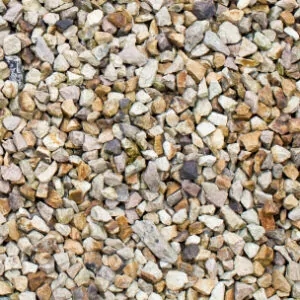
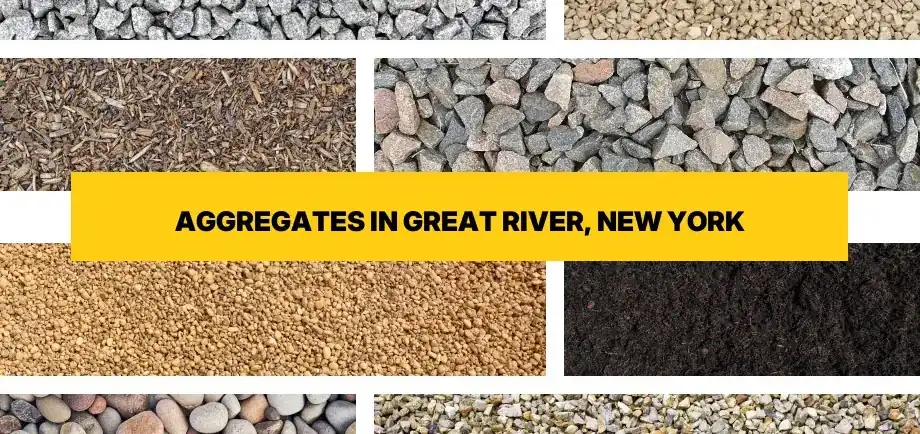
Rock & Driveway Gravel in Great River, New York
Local Topsoil, Dirt, Sand, Rocks and Gravel near me in Great River, New York
Shop Aggregates for Delivery in Great River
Order online for free delivery to any Great River address.
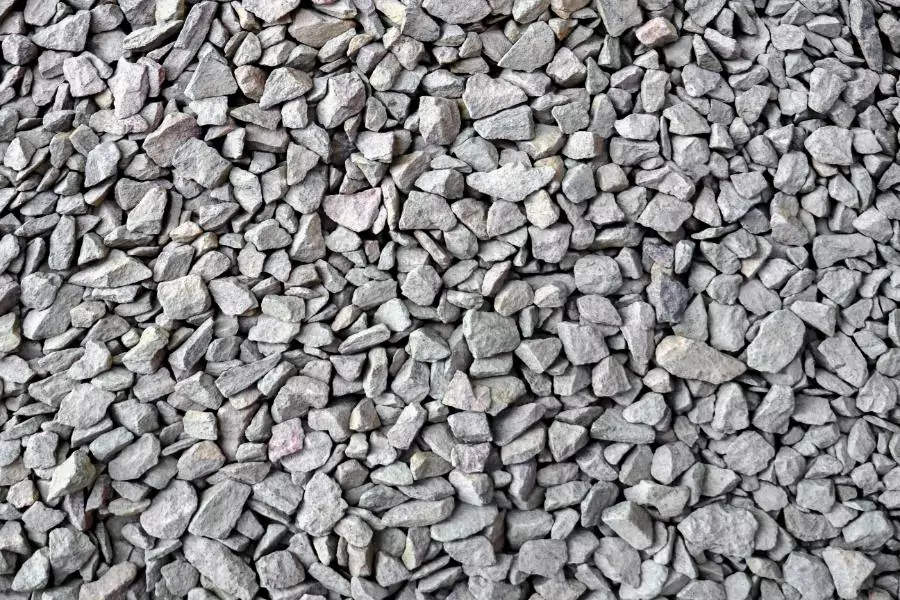
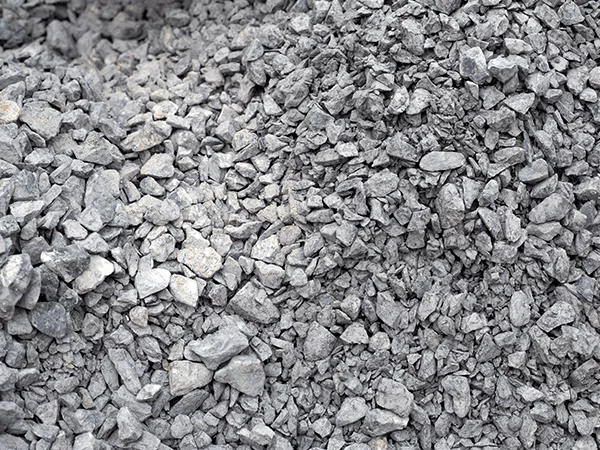


Great River, nestled along the scenic Connetquot River and Great South Bay in Suffolk County, demands quality aggregates that can handle coastal conditions and sandy Long Island soil. Gravel Monkey delivers premium gravel, crushed stone, and landscaping materials directly to your Great River property with completely free delivery. Whether you're upgrading a waterfront estate driveway, creating drainage solutions for properties near Timber Point, or enhancing gardens along Montauk Highway, we provide the aggregates and expertise to make your project successful.
Complete Aggregate & Material Selection for Great River Projects
Great River properties benefit from our extensive inventory of aggregates and materials specifically suited to Long Island's coastal environment and unique soil conditions:
- Driveway Gravel - Premium aggregates engineered for lasting residential driveways
- 3/4 inch Crushed Stone - Versatile aggregate for foundations, bases, and drainage applications
- #57 Stone - Industry-standard crushed aggregate for drainage and concrete projects
- Crusher Run - Compactable base material ideal for Long Island driveways
- Road Base - Heavy-duty aggregate for substantial construction projects
- Pea Gravel - Smooth decorative aggregate for pathways and landscaping
- Walkway Gravel - Specialty aggregate designed for pedestrian surfaces
- River Rock - Natural decorative stone for waterfront landscaping aesthetics
- Drain Rock - Essential aggregate for managing Great River's high water table
- Crushed Concrete - Eco-friendly recycled aggregate for budget-conscious projects
- Topsoil - Nutrient-rich soil for gardens and lawn establishment
- Fill Dirt - Essential material for grading and leveling Long Island properties
- Mason Sand - Fine sand for masonry and paver installation
- Playground Sand - Safe, clean sand for residential play areas
- Washed Sand - Clean sand for multiple construction applications
- Decomposed Granite - Natural-looking aggregate for paths and patios
Serving All Great River Neighborhoods & Surrounding Areas
Gravel Monkey proudly delivers aggregates and materials throughout Great River's distinctive communities and neighboring Suffolk County areas:
Connetquot River Estates - Properties along this scenic waterway require specialized drainage aggregates due to the elevated water table and proximity to tidal influences. Our drain rock and crushed stone products help waterfront homeowners manage seasonal water fluctuations while maintaining beautiful landscapes.
Timber Point Area - Near the historic Timber Point Country Club, estates demand premium aggregates for expansive driveways and sophisticated landscaping projects. We regularly deliver materials to properties in this prestigious section where quality and aesthetics are paramount.
Montauk Highway Corridor - Commercial and residential properties along this major Long Island thoroughfare benefit from our road base and crusher run for parking areas, while topsoil helps establish greenspace buffers from traffic.
Great South Bay Waterfront - These exclusive bayfront properties require aggregates that withstand salt air exposure and handle drainage challenges inherent to coastal locations. River rock provides both functional drainage and natural aesthetic appeal for these premium properties.
West Great River - This established residential area features mature properties where homeowners frequently upgrade driveways and implement drainage improvements using our crushed stone and aggregate products.
We also service nearby communities including Oakdale, Islip, Bay Shore, Sayville, West Sayville, Islip Terrace, and Bohemia, ensuring comprehensive coverage throughout central Suffolk County. Whether your project is a modest residential improvement in West Great River or a substantial commercial development near the waterfront, our free delivery makes quality aggregates accessible throughout the region.
Driveway Aggregates Engineered for Long Island Conditions
Great River's sandy soil foundation and coastal climate present unique challenges for driveway construction and maintenance. Proper aggregate selection makes the difference between a driveway that lasts decades and one requiring constant repair.
Long Island experiences temperature swings from summer heat exceeding 85 degrees to winter freezes that can drop below 20 degrees Fahrenheit. These freeze-thaw cycles stress inadequate driveway materials, causing heaving, cracking, and deterioration. Additionally, Great River's naturally sandy soil with minimal clay content means driveways lack the natural stability found in other regions.
Base Layer Solutions
Every successful Great River driveway starts with a properly constructed base. We recommend beginning with a 4 to 6 inch layer of compacted crusher run or road base. These aggregates contain a mix of stone sizes that lock together when compacted, creating a stable foundation that won't shift in sandy soil. The fine particles fill voids between larger stones, maximizing density and load-bearing capacity.
For properties with particularly challenging soil conditions near the Connetquot River or in low-lying areas, increasing base depth to 8 inches provides additional insurance against settling. The investment in proper base depth pays dividends in longevity and reduced maintenance costs.
Surface Aggregate Options
After establishing a solid base, the surface aggregate determines both functionality and appearance. Many Great River homeowners choose crushed stone for its superior traction, drainage, and clean aesthetic. The angular edges of crushed stone interlock effectively, resisting displacement from vehicle traffic better than rounded materials.
Properties seeking a more refined appearance often select pea gravel or walkway gravel as a top dressing over the compacted base. These smaller, rounded aggregates provide a sophisticated look while maintaining excellent drainage characteristics essential in our coastal environment.
For maximum durability on driveways receiving heavy use or supporting larger vehicles, many contractors serving Great River recommend a 2 to 3 inch layer of 3/4 inch crushed stone over the base, topped with a 1 inch layer of smaller decorative aggregate. This multi-layer approach combines structural integrity with aesthetic appeal.
Drainage Aggregate Solutions for Coastal Properties
Managing water is the most critical challenge facing Great River property owners. The village sits just above sea level with a water table that can rise to within feet of the surface, particularly during heavy rainfall or spring snowmelt. Add in occasional coastal storms bringing several inches of rain in hours, and proper drainage becomes essential rather than optional.
The naturally sandy Long Island soil actually provides excellent percolation, but concentrated water flow from downspouts, driveways, and hardscaped areas requires engineered drainage solutions. Without proper management, water accumulates around foundations, floods basements, and creates boggy areas where mosquitoes breed and lawn care equipment cannot operate.
French Drain Applications
French drains remain the most effective solution for redirecting subsurface water away from structures and low spots. These systems rely on trenches filled with drain rock or #57 stone surrounding perforated pipe. Water flows through the aggregate into the pipe, which directs it toward a suitable discharge location.
The key to French drain success lies in selecting the proper aggregate. Materials must be large enough that fine particles don't clog spaces between stones, yet small enough to provide sufficient surface area for water infiltration. Our drain rock and #57 stone meet these requirements perfectly, providing consistent drainage performance for decades.
Most Great River French drains require 4 to 6 inch diameter perforated pipe surrounded by 8 to 12 inches of drain rock on all sides. Wrapping the aggregate in landscape fabric before backfilling prevents soil infiltration that would eventually compromise drainage capacity.
Foundation Drainage
Homes near the Connetquot River or Great South Bay face constant hydrostatic pressure against foundations from the elevated water table. Foundation drains installed during construction often fail over time as fine soil particles migrate into the aggregate, reducing permeability.
Excavating around foundations to install fresh drain rock restores proper drainage, protecting basements and crawl spaces from moisture intrusion. This aggregate should extend from the footing level to within 12 inches of grade, providing a continuous drainage path to foundation drain tile or sump pump systems.
Dry Wells and Infiltration
Properties with limited drainage options often benefit from dry wells filled with stone aggregate. These excavated pits allow concentrated water from downspouts or sump pumps to infiltrate gradually into surrounding soil rather than creating surface flooding or overwhelming neighboring properties.
Effective dry wells in Great River typically measure 3 to 4 feet in diameter and 4 to 6 feet deep, filled completely with crushed stone or river rock. The sandy Long Island soil readily accepts water from these infiltration systems, making them particularly effective in our area.
Great River Aggregate Comparison Guide
Selecting the right aggregate for your specific application ensures optimal performance and longevity. This comparison helps Great River property owners match materials to their project requirements:
| Aggregate Type | Best Applications | Drainage Rating | Compaction | Cost Efficiency |
|---|---|---|---|---|
| Crusher Run | Driveway base, parking areas | Good | Excellent | High |
| 3/4" Crushed Stone | Driveways, foundations, general use | Excellent | Very Good | High |
| #57 Stone | Drainage systems, concrete aggregate | Excellent | Good | Medium |
| Drain Rock | French drains, foundation drainage | Superior | Fair | Medium |
| Pea Gravel | Walkways, landscaping, decorative | Good | Poor | Medium |
| River Rock | Decorative landscaping, dry creek beds | Good | Poor | Low |
| Road Base | Heavy-duty applications, commercial | Good | Excellent | High |
| Crushed Concrete | Budget projects, fill applications | Very Good | Very Good | Very High |
| Decomposed Granite | Natural-looking paths, patios | Fair | Good | Medium |
Landscaping Aggregates & Soil Products
Great River's established neighborhoods feature mature landscaping that requires ongoing maintenance and periodic refreshment. The village's proximity to salt water and sandy native soil creates unique challenges for maintaining healthy lawns, gardens, and ornamental plantings.
Topsoil for Long Island Gardens
Native Great River soil consists primarily of sand with minimal organic content or nutrient-holding capacity. While this provides excellent drainage, it requires regular amendment with quality topsoil to support healthy plant growth. Our topsoil products blend loam, organic matter, and sand in proportions that retain moisture and nutrients while maintaining drainage.
Most Great River gardens benefit from 4 to 6 inches of topsoil tilled into the existing sand base. This creates a transitional zone where plant roots access nutrients while still benefiting from the natural drainage of the underlying sandy soil. Annual top-dressing with additional organic matter maintains soil health and fertility.
Decorative Rock Applications
River rock serves multiple purposes in coastal landscaping. Around foundation plantings, 2 to 3 inches of river rock suppresses weeds, retains soil moisture, and provides an attractive low-maintenance ground cover. The stone resists displacement from wind better than organic mulches, an important consideration in Great River's exposed locations.
Properties near the water often incorporate river rock into naturalistic designs that complement the coastal environment. Dry creek beds using river rock provide both aesthetic appeal and functional drainage for roof runoff, directing water away from structures toward infiltration areas.
Sand Products for Multiple Applications
Beyond landscaping, Great River homeowners utilize our sand products for various purposes. Mason sand provides the proper consistency for paver installation, brick pointing, and mortar mixing. Playground sand creates safe play surfaces for residential swing sets and play structures. Washed sand serves as bedding for pool installations and as a component in custom soil blends.
Understanding Great River's Climate Impact on Aggregate Selection
Great River experiences a humid subtropical climate moderated by proximity to the Atlantic Ocean and Long Island Sound. Summer temperatures regularly reach the mid-80s Fahrenheit with high humidity, while winter lows occasionally drop to the teens. Annual precipitation averages 45 to 47 inches distributed relatively evenly throughout the year.
This climate pattern creates several challenges for aggregate applications. The freeze-thaw cycle that occurs roughly 40 to 50 times each winter can heave improperly installed driveways and damage shallow drainage systems. Spring snowmelt combined with April showers often brings several consecutive weeks of saturated soil conditions that test drainage infrastructure.
Summer thunderstorms occasionally deliver 2 to 3 inches of rainfall in a few hours, overwhelming inadequate drainage and causing localized flooding. Properties near the Great South Bay also face storm surge risks during nor'easters and rare hurricanes, making resilient landscaping and drainage essential.
Salt spray carried inland from the Great South Bay during storms can accumulate on driveways and walkways, making proper material selection important. Aggregates resistant to salt damage and designs that facilitate drainage perform better in this coastal environment than materials that trap moisture and salt.
Aggregate Installation Best Practices for Great River Properties
Proper installation techniques maximize the performance and longevity of aggregates in Great River's unique conditions. Understanding local soil characteristics and climate patterns helps contractors and DIY homeowners avoid common pitfalls.
Site Preparation
Successful aggregate projects begin with thorough site preparation. Remove all topsoil, organic matter, and debris from the project area, exposing the stable sandy subsoil common throughout Long Island. In areas with particularly loose sand, compaction with a plate vibrator or roller improves stability before aggregate placement.
Grade the prepared area to facilitate drainage away from structures and toward suitable discharge points. Even a subtle 2 percent slope proves sufficient for surface drainage while remaining imperceptible to the eye. Properties in low-lying areas near the Connetquot River may require more aggressive grading or installation of subsurface drainage before aggregate placement.
Edge Restraint Systems
Great River's sandy soil provides minimal lateral support for aggregate edges. Without proper restraint, materials migrate outward over time, thinning the aggregate layer and requiring constant replenishment. Installing edge restraints prevents this migration and maintains clean borders.
Options include plastic paver edging, steel landscape edging, concrete curbing, or Belgian blocks. The restraint system should extend at least 2 inches above the finished aggregate surface to contain materials effectively. Secure edging with stakes driven 8 to 12 inches into the sandy subsoil at 3-foot intervals.
Layering and Compaction
Apply base aggregates in 3 to 4 inch lifts, compacting each layer before adding the next. This builds density gradually and achieves superior compaction compared to attempting to compact deeper layers. Water each lift lightly before compaction to help particles settle and lock together.
For pedestrian applications like walkways, a hand tamper provides adequate compaction. Driveways and parking areas require mechanical compaction equipment such as plate vibrators for smaller areas or drum rollers for larger projects. Make multiple passes over each area until the aggregate no longer shifts under the compactor.
Fabric Barriers
Installing landscape fabric between subgrade and aggregate prevents fine sand particles from migrating upward into stone layers. This separation maintains drainage capacity and reduces the rate of aggregate loss into underlying soil. Choose commercial-grade woven geotextile fabric rather than lightweight landscape fabric for durability under aggregate loads.
Commercial Aggregate Solutions for Great River Businesses
Commercial properties along Montauk Highway and throughout Great River require aggregates that withstand heavier traffic volumes while maintaining professional appearances. Our commercial-grade materials meet these demanding requirements while providing excellent value.
Parking lots and drive aisles benefit from road base foundations topped with crusher run surfaces. This combination handles commercial vehicle loads while providing superior drainage compared to failing asphalt. The lighter color of aggregate surfaces also reflects more light, potentially reducing nighttime lighting requirements.
Retail centers and office complexes often incorporate decorative aggregates into landscape designs. River rock surrounding foundation plantings provides clean, maintenance-free ground cover that complements building facades. Walkway gravel creates attractive pedestrian connections between parking areas and building entrances.
Industrial and warehouse facilities utilize crushed concrete for economical parking and storage areas. This recycled aggregate provides excellent load-bearing capacity at a fraction of the cost of virgin materials, making it ideal for large-area applications where aesthetics take secondary importance to functionality.
Frequently Asked Questions About Aggregates in Great River
For Great River driveways, we recommend starting with a 4 to 6 inch base of crusher run or road base for stability in sandy soil. Top this with 2 to 3 inches of 3/4 inch crushed stone for durability and drainage. This combination handles freeze-thaw cycles well and provides excellent load-bearing capacity in our coastal environment.
The elevated water table common near the Connetquot River and Great South Bay makes drainage capability essential. We recommend drain rock or number 57 stone for French drains and foundation drainage applications. These aggregates maintain permeability even when saturated and resist clogging from fine soil particles over time.
Yes, many homeowners successfully complete gravel driveway projects. Key requirements include proper site preparation, adequate base depth for Long Island's sandy soil, edge restraints to contain materials, and mechanical compaction equipment for base layers. We provide guidance on calculating quantities and selecting appropriate aggregates for DIY projects.
A standard single-car driveway measuring 12 feet wide by 50 feet long requires approximately 7.5 cubic yards of base aggregate at 4 inches depth, plus 4.5 cubic yards of surface stone at 2.5 inches depth. Double these quantities for two-car driveways. We help calculate exact amounts based on your specific dimensions and desired depth.
Aggregate driveways need periodic topdressing every 2 to 4 years as traffic displaces surface materials. Spring is ideal for adding fresh stone after freeze-thaw cycles. Rake materials regularly to maintain even distribution and fill ruts promptly to prevent them from worsening. Edge restraints minimize the need to replace materials that migrate outward.
Natural stone aggregates like crushed stone, river rock, and drain rock resist salt damage effectively. Unlike concrete or asphalt that can deteriorate from salt exposure, stone aggregates are chemically stable and maintain their integrity in coastal environments. This makes them excellent choices for Great River properties near the water.
Install commercial-grade landscape fabric beneath aggregates during installation to prevent weed growth from below. For existing surfaces, apply pre-emergent herbicides in early spring before weed seeds germinate. Maintain adequate aggregate depth of 3 to 4 inches, as thin spots allow more weed penetration. Regular raking also disrupts emerging weeds.
Properly installed aggregate driveways excel in winter conditions. The open structure allows moisture to drain rather than freeze and heave like solid surfaces. Snow removal with plows works well on crusher run or compacted crushed stone surfaces. Avoid excessive plowing force that could displace materials, and refresh the surface if needed each spring.
Why Great River Chooses Gravel Monkey
Gravel Monkey has earned the trust of Great River property owners through consistent delivery of quality aggregates, reliable service, and expert guidance. Our understanding of Long Island's unique soil conditions and coastal climate helps customers select materials that perform optimally for decades rather than requiring constant maintenance and replacement.
We source aggregates from reputable Long Island quarries that meet strict quality standards. Every load contains clean, properly graded material free from excessive fines, organic contamination, or oversized pieces that compromise performance. This quality focus ensures your project succeeds from day one.
Our free delivery throughout Great River and surrounding Suffolk County communities eliminates the hassle and expense of material transportation. We deliver exactly what you order, when you need it, to the most accessible location on your property. This service level allows you to focus on project completion rather than logistics.
Beyond materials, we provide the expertise Great River property owners need for successful projects. Our team helps calculate quantities, suggests appropriate products for specific applications, and offers installation guidance based on local conditions. This consultation ensures you purchase the right materials in the right amounts, avoiding costly mistakes and delays.
Whether you're refreshing a driveway in West Great River, implementing drainage improvements near the Connetquot River, or creating landscaping features on a waterfront estate, Gravel Monkey delivers the aggregates and service that make your vision reality. Contact us today to discuss your project needs and experience the difference that quality materials and expert support provide.

Need help? Reach out for a quote: