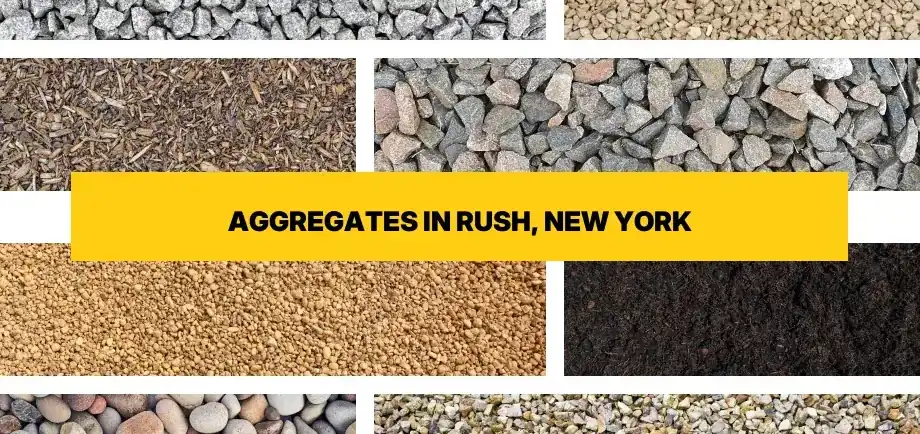
Shop Sand, Stone & Gravel in Rush, New York
Local Topsoil, Dirt, Sand, Rocks and Gravel near me in Rush, New York
Shop Aggregates for Delivery in Rush
Order online for free delivery to any Rush address.
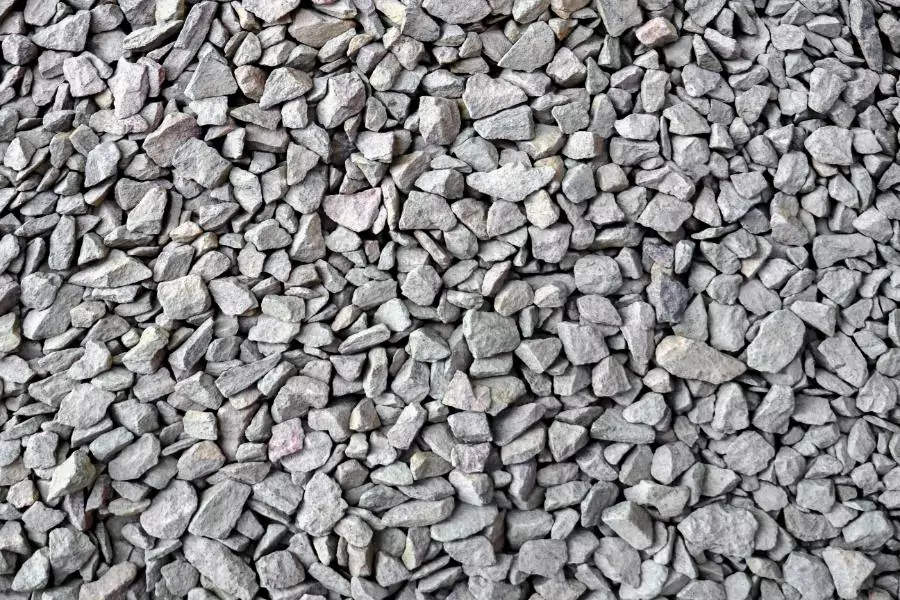
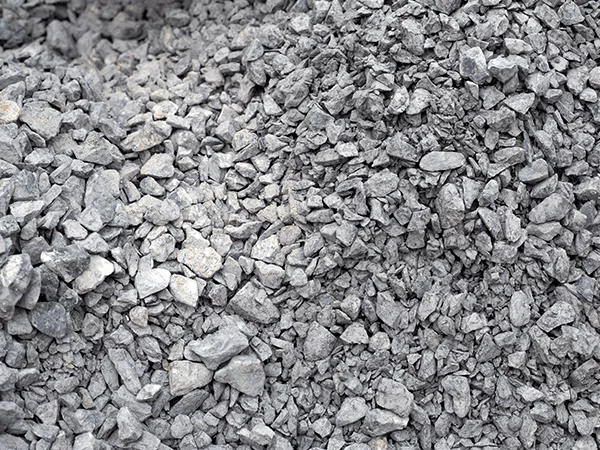


Gravel Monkey is your trusted source for premium aggregates and gravel delivery throughout Rush, New York. Serving homeowners and contractors in West Rush, Scottsville Road, Rush Mendon Road, and throughout Monroe County, we provide high-quality materials with free delivery right to your property. Whether you're building a new driveway near Honeoye Creek, installing French drains to manage Rush's clay-heavy soils, or creating walkways in the historic village center, our comprehensive selection of aggregates meets every residential and commercial need.
Complete Aggregate & Material Selection for Rush Projects
Rush's unique geology and climate present specific challenges for construction and landscaping. Our extensive inventory addresses the needs of properties throughout Monroe County's western communities:
- Driveway Gravel - Premium compactable aggregate for lasting driveways
- 3/4 inch Crushed Stone - Versatile limestone aggregate for multiple applications
- #57 Stone - Clean crushed aggregate ideal for drainage systems
- Crusher Run - Self-binding aggregate base for superior compaction
- Road Base - Heavy-duty aggregate foundation for access roads
- Pea Gravel - Decorative rounded aggregate for landscaping
- River Rock - Natural stone aggregate for water features
- Walkway Gravel - Comfortable aggregate for pedestrian paths
- Drain Rock - Angular aggregate for optimal water management
- Crushed Concrete - Eco-friendly recycled aggregate
- Topsoil - Rich organic soil for gardens and lawns
- Fill Dirt - Clean earth for grading and leveling
- Mason Sand - Fine sand for masonry and paver projects
- Playground Sand - Safe, certified sand for play areas
- Washed Sand - Clean sand for construction applications
- Decomposed Granite - Natural aggregate for rustic pathways
Aggregate Delivery Throughout Rush & Surrounding Communities
We serve every neighborhood and district in the Rush area with free delivery. Our drivers know the local roads and can navigate properties throughout the region, from rural farms along West Rush Road to newer developments near the Lehigh Valley Trail. Whether you're located near Rush-Henrietta town line, working on a project in Scottsville, or managing property along the Erie Canal Heritage Trail corridor, Gravel Monkey delivers quality aggregates on your schedule.
Serving Rush's Key Areas:
Our delivery zone encompasses West Rush and the historic village center along Main Street, where many properties require specialized aggregates for foundation work due to the area's glacial till soils. In the Scottsville Road corridor, we regularly deliver materials for agricultural access roads and farm improvements. The Rush Mendon Road area, with its mix of residential and agricultural properties, benefits from our diverse aggregate selection. East toward Henrietta, we supply materials for commercial projects and residential developments. Properties along Honeoye Creek often need drainage aggregates to manage seasonal water flow, while homes near the Lehigh Valley Trail use decorative stone for landscaping that complements the natural surroundings.
We also serve surrounding communities including Scottsville to the west, Henrietta to the east, Mendon to the south, and connections to West Bloomfield and Lima. Throughout Monroe County and into northern Livingston County, our free delivery ensures you get the aggregates you need without hidden transportation costs.
Rush's Geology & Climate: Choosing the Right Aggregates
Rush sits in the Genesee Valley region of western New York, characterized by glacial deposits that left behind clay-rich soils, mixed till, and seasonal drainage challenges. Understanding these local conditions is essential for selecting aggregates that perform reliably in Monroe County's climate.
Local Soil Characteristics
The predominant soil types in Rush include Lima silt loam, Honeoye silt loam, and Ontario loam—all relatively heavy soils with moderate to poor drainage. These glacially derived soils contain significant clay content, which expands when wet and contracts during dry periods. This soil movement can damage improperly constructed driveways, foundations, and hardscaping. Properties near Honeoye Creek and other waterways often experience even heavier clay concentrations and seasonal saturation.
The bedrock beneath Rush consists primarily of Devonian-age shales and limestones, typically found 10 to 30 feet below the surface. While this bedrock provides stable foundation conditions for larger structures, the overlying glacial deposits require careful aggregate selection for residential projects. The area's glacial history also means you may encounter buried cobbles and boulders during excavation, particularly in areas of kame or drumlin formations.
Climate Considerations for Aggregate Selection
Rush experiences a humid continental climate with cold, snowy winters and warm summers. Average winter temperatures range from 18°F to 32°F, with frequent freeze-thaw cycles from November through March. These cycles are particularly destructive to poorly installed aggregate bases, causing frost heaving and surface deterioration. Annual snowfall averages 90 to 100 inches, and spring snowmelt combined with rainfall creates significant drainage demands.
Summer temperatures typically reach the 70s and low 80s, with occasional heat waves pushing into the 90s. The growing season runs approximately 150 days, which is important for landscaping projects using decorative aggregates. Annual precipitation totals around 34 inches, distributed fairly evenly throughout the year, though spring and early summer tend to be wetter. This consistent moisture means proper drainage is critical for all aggregate installations in Rush.
Driveway Aggregates for Rush's Demanding Conditions
Rush driveways face unique challenges from heavy snow loads, freeze-thaw cycles, and clay soil expansion. Choosing the right aggregate base determines whether your driveway lasts five years or fifty years. Properties along rural roads like West Rush Road and Rush Mendon Road particularly need robust aggregate solutions to withstand heavy use and harsh weather.
Base Layer Aggregates
Every quality driveway in Rush starts with a proper base. Crusher run provides the gold standard for base layers, combining various sized aggregates that lock together when compacted. This mechanical binding creates a stable platform that resists frost heaving and distributes weight across the underlying clay soils. For driveways in West Rush and Scottsville areas, a 6 to 8 inch base of crusher run over properly graded subsoil prevents the sinking and rutting common in clay-heavy locations.
Road base offers similar performance characteristics with slightly larger aggregate sizes, making it ideal for commercial driveways or properties with heavy vehicle traffic. Both materials compact to approximately 95 percent density, creating a virtually impermeable barrier that sheds water rather than absorbing it—crucial for preventing frost damage during Monroe County winters.
Surface Layer Options
The visible top layer of your driveway needs to be both attractive and functional. Traditional driveway gravel, typically crushed limestone in the 3/4 inch range, provides excellent traction in winter and a neat appearance year-round. This aggregate compacts moderately while still allowing some water percolation, reducing puddle formation. Properties near the village center often choose this material for its professional appearance and easy snow removal.
For a finer surface finish, 3/4 inch crushed stone offers similar performance with a more uniform appearance. This material works particularly well for circular drives and front-yard parking areas where aesthetics matter. The angular particles still lock together for stability while presenting a more refined look than standard driveway gravel.
Drainage Aggregates: Essential for Rush Properties
Given Rush's clay soils and significant precipitation, proper drainage separates thriving properties from perpetual mud pits. Every property needs effective water management, whether handling roof runoff, preventing foundation water intrusion, or managing seasonal groundwater fluctuations near Honeoye Creek.
French Drain and Foundation Drainage
Number 57 stone serves as the standard aggregate for French drains throughout Monroe County. This clean, uniformly sized aggregate creates maximum void space for water flow while preventing the smaller soil particles from clogging the system. When installing foundation drains around Rush homes, 57 stone allows water to flow quickly to drain tiles or daylight outlets, preventing the hydrostatic pressure that causes basement water problems in the area's clay soils.
Drain rock, slightly larger than 57 stone, provides even better flow capacity for high-volume drainage situations. Properties at the bottom of slopes or near waterways benefit from drain rock's superior hydraulic conductivity. The angular shape prevents compaction, ensuring drainage capacity remains consistent year after year despite the weight of overlying soil.
Surface Drainage Solutions
For surface water management, strategic aggregate placement guides water away from foundations and prevents erosion. Crushed concrete works well for dry creek beds and swales that handle occasional heavy flow during spring snowmelt or summer thunderstorms. This recycled aggregate provides excellent permeability while costing less than virgin stone materials.
River rock serves both functional and aesthetic roles in drainage solutions. Along Honeoye Creek and in low-lying areas, river rock creates attractive drainage channels that complement natural surroundings while efficiently moving water. The rounded stones resist ice damage better than angular aggregates, important for exposed drainage features in Rush's climate.
Decorative Aggregates for Rush Landscaping
Beyond functional applications, decorative aggregates enhance outdoor spaces throughout Rush. From village center cottage gardens to expansive rural properties along West Rush Road, the right aggregate transforms ordinary landscapes into distinctive outdoor environments.
Pathway and Patio Aggregates
Walkway gravel creates comfortable, well-draining paths perfect for Rush properties. The slightly smaller, smoother aggregate is comfortable underfoot while providing adequate stability for regular foot traffic. Garden paths through perennial beds, routes to outbuildings, or connecting your home to the Lehigh Valley Trail all benefit from this versatile material.
Pea gravel offers the most refined decorative option for walkways and patio surfaces. The small, naturally rounded stones create an elegant surface that complements both traditional and contemporary Rush architecture. Popular in the historic village center, pea gravel also works well around swimming pools and as a base layer for paver patios where superior drainage is essential.
Decomposed granite provides a more naturalistic pathway material that compacts into a firm, earth-toned surface. Perfect for rustic settings or properties aiming to blend with surrounding agricultural landscapes, this material weathers beautifully in the Monroe County climate and requires minimal maintenance.
Garden Bed and Border Aggregates
River rock remains the most popular decorative aggregate for garden beds in Rush. Available in various sizes from 1 inch to 6 inches, this smooth stone suppresses weeds, retains soil moisture, and provides year-round visual interest. Unlike organic mulches, river rock doesn't decompose or blow away during winter winds. Properties along Scottsville Road and Rush Mendon Road particularly favor this low-maintenance option.
For contemporary landscapes or commercial properties, crushed stone in uniform sizes creates clean, modern borders around foundation plantings and landscape beds. The angular shape stays in place better than rounded aggregates on sloped sites, while the neutral coloring complements any architectural style common in Rush neighborhoods.
| Aggregate Type | Best Applications | Size Range | Drainage Rating | Compaction |
|---|---|---|---|---|
| Crusher Run | Driveway base, road foundation | Fines to 1 inch | Low | Excellent |
| Road Base | Heavy-duty access roads | Fines to 1.5 inch | Low | Excellent |
| 3/4 inch Crushed Stone | Driveway surface, general use | 3/4 inch nominal | Good | Good |
| Number 57 Stone | French drains, foundation drainage | 3/4 inch clean | Excellent | Fair |
| Drain Rock | High-volume drainage | 1 to 2 inch | Excellent | Poor |
| Pea Gravel | Paths, decorative landscaping | 3/8 inch smooth | Very Good | Fair |
| River Rock | Garden beds, water features | 1 to 6 inch | Good | Poor |
| Crushed Concrete | Base layer, swales | 3/4 to 1.5 inch | Good | Good |
| Decomposed Granite | Natural paths, rustic landscapes | Fines to 1/4 inch | Good | Good |
| Walkway Gravel | Pedestrian paths | 1/2 inch rounded | Very Good | Fair |
Soil Products for Rush Gardens and Lawns
While Rush's native soils support excellent agriculture, residential gardens and lawns often benefit from amendments. Our soil products help overcome the challenges of clay-heavy earth and create optimal growing conditions for ornamental plants and turf.
Topsoil for Garden Success
Quality topsoil transforms difficult growing areas into productive garden spaces. Rush properties frequently need topsoil to establish new lawns, create raised beds above clay subsoil, or improve planting areas for shrubs and perennials. Our screened topsoil contains optimal organic matter content for the Monroe County climate, typically 3 to 5 percent, which improves drainage in clay soils without excessive water-holding that promotes disease.
For vegetable gardens and perennial beds throughout Rush, 6 to 8 inches of quality topsoil over properly amended native soil creates ideal root zones. Properties near the village center with older, compacted yards particularly benefit from topsoil applications that restore soil structure and fertility.
Fill Dirt for Grading Projects
Fill dirt solves elevation and drainage problems common in Rush properties. Whether raising a low area that collects water during spring thaw, building up ground around foundations in older West Rush homes, or creating level terraces on sloped lots, clean fill dirt provides economical solutions. Unlike topsoil, fill dirt compacts firmly and doesn't settle significantly, making it ideal for areas that will support structures or hardscaping.
When grading for drainage, fill dirt allows you to establish gentle slopes that direct water away from foundations toward drainage swales or daylight outlets. Proper grading with fill dirt often eliminates the need for more extensive drainage systems, particularly in the relatively flat terrain common throughout Rush.
Sand Products for Construction and Landscaping
Different sand types serve specific purposes in Rush projects. Selecting the correct sand ensures optimal performance whether you're installing pavers, mixing mortar, or creating safe play areas.
Mason Sand for Hardscaping
Mason sand provides the essential base layer for paver patios, walkways, and retaining walls. This fine, clean sand creates a smooth, level surface that allows pavers to seat properly while providing drainage. In Rush's freeze-thaw climate, the sand base also provides some flex that prevents cracking as ground moves slightly during seasonal changes. Properties throughout Monroe County use mason sand for everything from front walkway installations to elaborate patio projects with intricate paver patterns.
Washed Sand for Multiple Applications
Washed sand, thoroughly cleaned of clay and organic materials, works well for mixing concrete, creating sandbox bases, or improving soil drainage. The clean, uniform particles ensure consistent results in construction applications. For agricultural properties in West Rush needing to improve heavy soil, incorporating washed sand increases drainage and workability.
Playground Sand for Safety
Certified playground sand meets specific safety standards for public and private play areas. Free from harmful contaminants and sized to minimize compaction, playground sand provides proper impact absorption around swings, slides, and climbing structures. Rush properties with young families rely on this specialized sand for backyard play areas that remain safe and clean throughout active use.
Commercial and Agricultural Aggregate Applications
Beyond residential uses, aggregates serve critical roles in commercial and agricultural operations throughout the Rush area. Farms along West Rush Road and Scottsville Road depend on quality aggregates for access roads, barnyard surfaces, and drainage solutions that keep operations running regardless of weather conditions.
Farm Access Roads and Barnyard Surfaces
Agricultural properties need access roads that support heavy equipment year-round. Road base provides the foundation for farm lanes that resist rutting even during spring mud season. A proper road base installation, typically 8 to 10 inches thick over geotextile fabric, distributes equipment weight and prevents the sinking common in Rush's clay soils.
Barnyard and equipment storage areas benefit from crusher run surfaces that pack hard but still drain adequately. This prevents the mud and standing water that damage equipment and create unsanitary conditions. Many Monroe County farms also use crushed concrete for less critical access areas, providing good performance at reduced cost.
Commercial Property Applications
Commercial properties in Rush and nearby Henrietta use our aggregates for parking areas, loading zones, and site drainage. Properly constructed aggregate parking lots serve small businesses and contractors effectively while costing far less than asphalt or concrete. The combination of geotextile fabric, compacted road base, and a clean crushed stone surface creates parking that lasts years with minimal maintenance.
Aggregate Installation Best Practices for Rush
Proper installation determines whether aggregates perform as intended or fail prematurely. Rush's challenging soils and climate demand attention to detail during every phase of aggregate projects.
Site Preparation Essentials
Successful aggregate installations begin with thorough site preparation. Remove all organic material, including topsoil, grass, and roots. Rush's clay subsoil should be graded to promote drainage away from structures. For driveways and parking areas, excavate to required depth—typically 8 to 12 inches for the aggregate base plus surface layer.
In areas with particularly heavy clay or seasonal saturation, geotextile fabric proves essential. This permeable fabric separates aggregate from clay soil, preventing the mixing that causes aggregate loss and surface deterioration. Properties near Honeoye Creek and other low-lying areas should consider geotextile fabric mandatory for any aggregate installation.
Compaction and Drainage
Proper compaction transforms loose aggregates into stable surfaces. Rent a plate compactor for small projects or hire a contractor with a vibratory roller for larger installations. Compact base materials in 4-inch lifts, watering lightly as needed to achieve optimal density. Rush contractors know that proper compaction now prevents costly repairs later, particularly during freeze-thaw cycles.
Create positive drainage in all aggregate installations. Even a 2 percent slope—just 1/4 inch per foot—significantly improves water shedding. Crown driveways slightly so water runs to edges rather than pooling in wheel tracks. Direct drainage away from foundations toward swales, lawns, or drainage systems.
Seasonal Considerations
Timing matters for aggregate installations in Rush. Spring and fall provide ideal working conditions when soil is neither frozen nor excessively wet. Avoid installing aggregates during Monroe County's frequent spring rains when clay soils become unworkable. Summer installations work well but require attention to dust control and adequate watering during compaction.
Winter aggregate work is possible during mild periods but challenging. Frozen ground complicates excavation, and proper compaction becomes difficult. However, existing aggregate surfaces can be repaired or topped during winter if necessary, particularly after snow removal equipment damages driveways.
Maintaining Aggregate Surfaces in Rush's Climate
Proper maintenance extends the life of aggregate installations and preserves their appearance and functionality through Rush's demanding seasons. Different aggregate types require specific maintenance approaches.
Driveway and Road Maintenance
Aggregate driveways need periodic refreshing as surface material gradually works into the base layer or is carried away by traffic and weather. Most Rush driveways benefit from a 2 to 3 inch topdressing of fresh aggregate every 3 to 5 years. Rake the surface smooth after adding material and compact lightly to encourage bonding with the existing base.
Address potholes and ruts promptly. Excavate damaged areas to the base layer, ensuring good drainage, then refill with crusher run or road base. Compact thoroughly before adding surface aggregate. Winter snowplowing causes much of the damage to Rush driveways—instruct plow operators to keep blades slightly raised to avoid gouging the surface.
Decorative Aggregate Maintenance
Garden aggregates like river rock and pea gravel require less maintenance but still need attention. Leaves and debris accumulate among stones, so regular raking or blowing keeps surfaces clean and attractive. Edge restraints prevent aggregate migration into lawns and beds, particularly important for pea gravel which moves easily.
Refill decorative aggregates as needed, typically every few years. Natural settling, weed growth from beneath, and accidental removal during lawn maintenance gradually reduce coverage. Adding 1 to 2 inches of fresh material restores appearance and weed suppression.
Drainage System Maintenance
French drains and foundation drainage systems require monitoring but minimal hands-on maintenance. Ensure surface inlets remain clear of leaves and debris. Check daylight outlets periodically, especially after Monroe County's heavy spring runoff, to verify water flows freely. If drainage slows significantly, the system may need professional inspection for sediment buildup or root intrusion.
Why Rush Properties Choose Gravel Monkey
When you need aggregates delivered to Rush, Gravel Monkey provides the quality materials, expert guidance, and reliable service that local property owners and contractors depend on. Our commitment to customer satisfaction has made us the preferred aggregate supplier throughout Monroe County.
Free Delivery Throughout Rush
We eliminate delivery charges for all orders to Rush and surrounding areas. Whether you're working on a small garden project in the village center or need multiple loads of base aggregate for a commercial site near Henrietta, delivery is always free. This policy saves Rush customers hundreds of dollars compared to competitors who charge distance-based delivery fees.
Quality Aggregates from Trusted Sources
Our aggregates come from established quarries and suppliers throughout upstate New York, ensuring consistent quality and reliable supply. We inspect materials regularly to verify size grading, cleanliness, and performance characteristics. When you order 3/4 inch crushed stone or number 57 stone from Gravel Monkey, you receive properly sized, clean aggregate every time—no surprises, no substandard materials.
Expert Local Knowledge
Our team understands Rush's unique conditions—the clay soils, freeze-thaw challenges, and drainage requirements that affect every aggregate installation. We provide specific recommendations based on your property location, project type, and budget. This expertise helps Rush customers avoid costly mistakes and achieve results that last decades rather than years.
Responsive Customer Service
Questions about aggregate selection? Need to schedule delivery around weather or other contractors? We're here to help. Our customer service team responds quickly to inquiries and works with your schedule. We understand that Rush property owners and contractors need materials when projects are ready, not when it's convenient for the supplier.
Frequently Asked Questions About Aggregates in Rush
Crusher run provides the best driveway base for Rush properties, creating a stable foundation that resists frost heaving in our clay soils. Top with 3/4 inch crushed stone or driveway gravel for an attractive, durable surface. This combination handles Monroe County winters while preventing the settling and rutting common with inferior materials.
Most residential driveways in Rush need 8 to 12 inches of total aggregate depth—6 to 8 inches of compacted crusher run base plus 2 to 4 inches of surface aggregate. Properties with particularly heavy clay soil or high traffic may benefit from deeper bases. Commercial driveways and farm access roads typically require 12 to 16 inches of aggregate for adequate support.
Small projects like garden paths or decorative landscaping are often manageable for DIY installation. However, driveways and drainage systems benefit from professional installation due to the importance of proper grading, compaction, and material placement. Many Rush property owners handle preparation work themselves, then hire contractors for final grading and compaction to ensure professional results.
Both materials create excellent compactable bases, but road base contains slightly larger aggregate sizes. Crusher run typically includes material from fine dust to 1 inch, while road base may include aggregates up to 1.5 inches. Both work well in Rush—choose crusher run for residential driveways and road base for heavier-duty applications like farm lanes or commercial access roads.
Calculate area in square feet (length times width), then multiply by depth in feet. For example, a 20 foot by 50 foot driveway with 8 inches (0.67 feet) of aggregate needs 20 x 50 x 0.67 = 670 cubic feet, or about 25 cubic yards. Our team can help verify calculations and recommend quantities based on your specific Rush property conditions.
Geotextile fabric is highly recommended for most aggregate installations in Rush due to our clay-heavy soils. The fabric prevents aggregate from mixing with clay, which causes surface deterioration and premature failure. Areas with poor drainage or seasonal water issues should consider fabric mandatory. The modest cost of fabric saves significant money versus early replacement of failed aggregate installations.
Number 57 stone is the standard aggregate for French drains in Monroe County. The clean, uniformly sized stone provides maximum drainage capacity while preventing soil infiltration that clogs systems. For high-volume applications like foundation drainage on properties near Honeoye Creek, drain rock offers even better flow capacity. Both aggregates perform reliably in Rush's challenging clay soils.
With proper installation, Rush aggregate driveways need minimal maintenance. Plan to add 2 to 3 inches of fresh surface aggregate every 3 to 5 years to maintain appearance and drainage. Address any potholes or ruts promptly to prevent expansion. Spring is ideal for maintenance work after winter damage becomes apparent but before summer's heavy use begins.
Get Quality Aggregates Delivered Free to Rush
Ready to start your Rush project with premium aggregates? Gravel Monkey makes it simple. Browse our complete selection of crushed stone, gravel, sand, and soil products, all available with free delivery throughout Rush, West Rush, Scottsville, and surrounding Monroe County communities. Our team is ready to answer questions, provide recommendations, and ensure you receive exactly the materials you need for successful, lasting results. From small residential projects to large commercial installations, we supply the aggregates that Rush contractors and property owners trust.

Need help? Reach out for a quote: