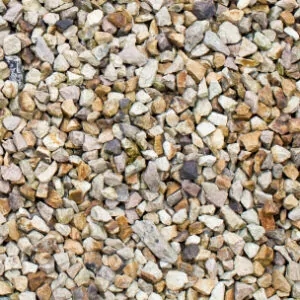
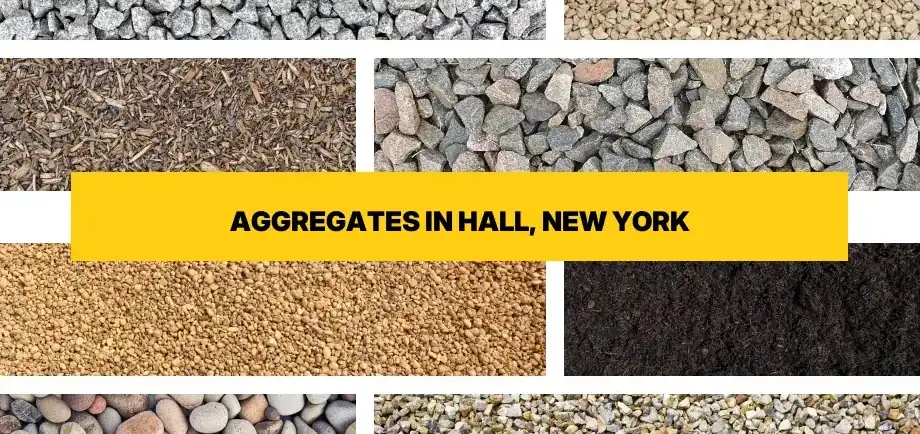
Gravel for Sale in Hall, New York
Local Topsoil, Dirt, Sand, Rocks and Gravel near me in Hall, New York
Shop Aggregates for Delivery in Hall
Order online for free delivery to any Hall address.
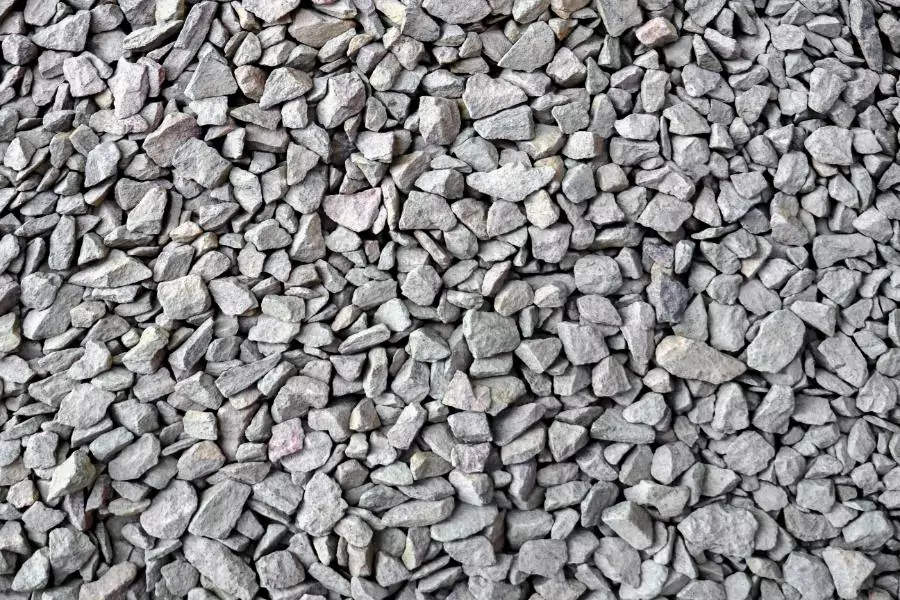
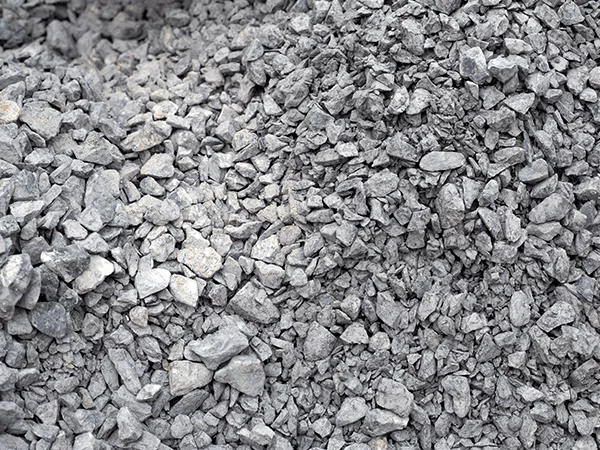


Gravel Monkey delivers premium aggregates and bulk materials directly to properties throughout Hall, New York and the surrounding Finger Lakes region. Whether you're upgrading a rural driveway near Seneca Lake, installing drainage solutions in the rolling countryside, or tackling construction projects in this historic Seneca County community, we provide the high-quality aggregates you need with completely free delivery. Our extensive inventory includes everything from crushed stone and gravel to topsoil and specialty materials, all backed by our commitment to reliable service and competitive pricing for residential and commercial customers across upstate New York.
Comprehensive Aggregate Selection for Hall, NY
Hall's unique location in the Finger Lakes region presents specific challenges for construction and landscaping projects. The area's clay-rich glacial soils, freeze-thaw cycles, and rolling terrain require carefully selected aggregates that provide proper drainage, stability, and longevity. Gravel Monkey understands the local geology and climate conditions that affect material performance in Seneca County.
Our complete aggregate inventory serves every type of project in the Hall area:
- Driveway Gravel - Durable aggregate for long-lasting residential and farm driveways
- 3/4 inch Crushed Stone - Versatile angular stone for bases and drainage
- #57 Stone - Premium angular aggregate for drainage and concrete work
- Crusher Run - Compactable base material that locks together when compacted
- Road Base - Heavy-duty foundation material for roads and parking areas
- Drain Rock - Clean stone for French drains and foundation drainage
- Pea Gravel - Smooth decorative aggregate for walkways and landscaping
- River Rock - Natural rounded stone for water features and decorative use
- Walkway Gravel - Attractive aggregate perfect for garden paths
- Crushed Concrete - Eco-friendly recycled aggregate for base layers
- Decomposed Granite - Natural pathway material that compacts beautifully
- Topsoil - Nutrient-rich soil for gardens and lawn establishment
- Fill Dirt - Clean fill for grading and elevation changes
- Mason Sand - Fine sand for masonry and construction
- Playground Sand - Safe, clean sand for play areas
- Washed Sand - Clean sand for concrete and landscaping applications
Understanding Hall's Unique Geology and Climate
Hall is situated in the heart of New York's Finger Lakes region, an area shaped by glacial activity during the last ice age. The glaciers carved the distinctive north-south oriented lakes and deposited the glacial till that forms the foundation of the local landscape. This geological history directly impacts material selection for construction and landscaping projects throughout Seneca County.
Soil Composition and Drainage Challenges
The predominant soils in the Hall area belong to the Honeoye and Lima series, characterized by silty clay loam overlying dense glacial till. These moderately well-drained soils have a clay content that can create drainage issues, particularly during spring thaw and periods of heavy rainfall. Properties near Seneca Lake may also encounter lake-effect precipitation that increases moisture challenges. Proper aggregate selection is essential for managing water movement and preventing frost heave damage.
The clay-rich composition means that many construction projects require deeper aggregate bases than in sandier regions. A minimum 6-inch base of compacted crusher run or road base is typically recommended for driveways, with 8-12 inches preferred for heavier vehicle traffic. French drains using clean drain rock help address subsurface water issues common throughout the area.
Climate Considerations for Aggregate Selection
Hall experiences a humid continental climate with significant seasonal variation. Winters bring average temperatures in the 20s Fahrenheit with regular freeze-thaw cycles that can stress poorly constructed driveways and foundations. Annual snowfall averages 80-100 inches, requiring aggregates that maintain stability under snow load and repeated plowing. Summers are mild with temperatures in the 70s and 80s, creating ideal conditions for construction projects from May through October.
The freeze-thaw cycle is particularly important when selecting aggregates for Hall properties. Angular crushed stone materials provide superior interlock and stability compared to rounded gravel, making them better suited for driveways and bases that must withstand winter conditions. The compaction characteristics of crusher run make it especially valuable for creating stable bases that resist frost heaving.
Aggregate Delivery Throughout the Hall Region
Gravel Monkey provides free delivery throughout Hall and surrounding communities in Seneca County. We serve residential properties, farms, vineyards, and commercial operations across this predominantly rural area known for its agricultural heritage and scenic beauty.
Areas We Serve Near Hall
Our delivery service covers the entire Hall area and extends to nearby communities including:
- Ovid - The Seneca County seat just north of Hall, where many residents need aggregates for driveway maintenance and rural property improvements
- Lodi - To the south along State Route 414, serving farms and vineyards with gravel and drainage materials
- Interlaken - West of Hall toward Cayuga Lake, where properties benefit from our complete aggregate selection
- Trumansburg - Neighboring Tompkins County community that we regularly serve
- Seneca Lake Shore - Properties along the eastern shore of Seneca Lake with waterfront access needs
- Route 414 Corridor - The scenic wine trail where vineyards and tasting rooms need quality aggregates
- Hector - Southern Schuyler County areas accessible from Hall
- Rural Seneca County - Farms and rural properties throughout the township and surrounding areas
Whether your property sits along Seneca Lake's eastern shore, in the rolling farmland between the lakes, or in the wooded areas west toward Cayuga Lake, we deliver aggregates to your exact location without extra rural delivery fees.
Common Aggregate Applications in Hall Properties
Residential and Farm Driveway Construction
Long rural driveways are common throughout Hall and Seneca County. Whether you're maintaining an existing farm lane or installing a new driveway to a home site, proper aggregate selection and installation ensure years of reliable performance. The typical Hall driveway requires a stable base that handles heavy equipment, winter plowing, and spring mud season.
For new driveway construction, we recommend starting with 6-8 inches of compacted crusher run as the foundation. This blended material contains various aggregate sizes that lock together when compacted, creating a solid base that resists rutting. Over this base, add 2-3 inches of 3/4 inch crushed stone or number 57 stone for the surface layer. This two-layer approach provides excellent drainage while maintaining a stable driving surface.
Existing driveways often benefit from fresh surfacing with crushed stone. Many Hall properties originally used bank run gravel that has compacted over time and developed potholes. Adding a layer of angular crushed stone restores the surface and improves drainage, extending driveway life significantly.
Vineyard and Agricultural Applications
The Finger Lakes wine region includes numerous vineyards throughout Hall and surrounding areas along Route 414. These operations require aggregates for access roads between vine rows, parking areas for tasting rooms, and erosion control on sloped terrain. Crushed concrete offers an economical solution for vineyard roads, while decorative river rock or walkway gravel enhances tasting room landscaping.
Agricultural operations use aggregates for barn floors, equipment staging areas, and access lanes. Road base provides excellent stability for heavy equipment traffic, while mason sand works well for equestrian facilities and livestock areas.
Drainage Solutions for Clay Soils
Given the clay content in Hall soils, many properties require enhanced drainage systems. French drains using drain rock effectively channel water away from foundations, preventing basement moisture and foundation damage. The clean, angular stone allows water to flow freely while the surrounding fabric prevents soil infiltration that would clog the system.
Surface drainage can be improved by creating swales lined with river rock or by installing gravel-filled trenches that direct water to appropriate discharge points. Properties near Seneca Lake may also use aggregates for shoreline stabilization and erosion control.
Landscaping and Decorative Uses
Pea gravel and river rock create attractive landscaping features that complement Hall's natural beauty. These rounded aggregates work well for walkways, around trees and shrubs, and in garden beds where their smooth texture provides visual appeal without sharp edges. Decomposed granite offers a natural-looking pathway material that compacts to a firm surface while maintaining permeability.
Many Hall properties feature water features or koi ponds where river rock provides natural-looking borders and beach areas. The variety of sizes available allows for creative landscaping designs that blend with the rural character of the region.
Aggregate Comparison Guide for Hall Projects
Selecting the right aggregate depends on your specific application, soil conditions, and budget. This comparison helps Hall property owners choose the most appropriate material for their needs:
| Aggregate Type | Best Applications | Compaction | Drainage Rating | Winter Performance |
|---|---|---|---|---|
| Crusher Run | Driveway base, parking areas, stable foundations | Excellent | Good | Excellent - resists frost heave |
| 3/4" Crushed Stone | Driveway surfaces, around foundations, general use | Very Good | Excellent | Excellent - angular interlock |
| #57 Stone | Drainage systems, concrete aggregate, French drains | Good | Excellent | Very Good - clean drainage |
| Road Base | Heavy traffic areas, equipment yards, commercial drives | Excellent | Good | Excellent - maximum stability |
| Drain Rock | French drains, foundation drainage, septic systems | Minimal | Excellent | Good - dedicated drainage use |
| Pea Gravel | Walkways, landscaping, decorative applications | Poor | Very Good | Fair - shifts under snow removal |
| Crushed Concrete | Base layers, temporary roads, budget applications | Very Good | Good | Good - economical option |
| Decomposed Granite | Pathways, patios, natural-looking surfaces | Good | Good | Fair - may require spring maintenance |
| River Rock | Landscaping, water features, decorative borders | None | Excellent | Good - decorative only |
For most Hall driveways, a combination approach works best: crusher run for the base, topped with 3/4 inch crushed stone for the surface. This provides both stability and proper drainage essential for upstate New York conditions. Agricultural operations often prefer road base for its superior load-bearing capacity under heavy equipment.
Professional Aggregate Installation Tips for Hall Climate
Proper Base Preparation
Successful aggregate projects in Hall begin with proper site preparation. The clay content in local soils means you cannot simply spread gravel over existing ground and expect good results. Excavate to proper depth, removing organic material and loose soil. For driveways, dig down 8-12 inches depending on expected traffic. Install landscape fabric over the exposed subgrade to prevent mixing of clay soil with your aggregate base.
Proper grading ensures water flows away from structures and doesn't pool on your driveway or parking area. Maintain a minimum 2% slope (1/4 inch per foot) to promote drainage. In the Hall area's clay soils, this drainage is critical for preventing frost heave and maintaining surface integrity through winter months.
Compaction Guidelines
Compaction is essential for aggregate stability. Spread crusher run or road base in 3-4 inch lifts, compacting each layer before adding the next. Use a plate compactor for residential driveways or a roller for larger areas. Proper compaction may take 4-6 passes depending on material type and moisture content.
Compaction works best when aggregate contains optimal moisture. Too dry and particles won't lock together; too wet and you'll create a muddy mess. The material should feel slightly damp when squeezed but not release water. In Hall's humid climate, this usually means working during drier periods in summer and early fall.
Seasonal Installation Considerations
The best time for aggregate projects in Hall runs from late May through October when ground conditions are dry and compaction is effective. Avoid installation during spring thaw when the ground is saturated and unstable. Fall installation works well but should be completed by mid-November before the ground freezes.
Winter installation is possible for emergency repairs but not ideal for new construction. Frozen ground prevents proper compaction, and materials are harder to work with. If you must address winter driveway issues, focus on adding surface material to existing bases rather than full reconstruction.
Maintenance for Long-Term Performance
Even properly installed aggregate surfaces require maintenance. After winter, spring grading redistributes material displaced by plowing and fills any potholes that developed. Adding a fresh layer of crushed stone every few years maintains good drainage and surface quality.
Edge maintenance prevents aggregate from spreading into adjacent lawn areas. Install edge restraints or dig a shallow trench along driveway edges to contain materials. This is especially important for rounded aggregates like pea gravel that migrate more easily than angular crushed stone.
Working with Hall's Clay Soils
The Honeoye and Lima series soils prevalent in Hall present specific challenges that proper aggregate use can address. These silty clay loam soils over glacial till have moderate permeability when dry but can become problematic when saturated. Understanding these characteristics helps you choose appropriate aggregates and installation methods.
Managing Spring Mud Season
Spring thaw is particularly challenging in Hall as snow melts and frozen ground thaws from the surface down. During this period, the upper soil layer becomes saturated while deeper layers remain frozen, creating muddy conditions that can persist for weeks. Driveways without proper aggregate bases become impassable during this time.
A deep crushed stone base (8-12 inches) bridged over properly prepared clay subgrade resists this seasonal mud. The aggregate provides a stable platform that distributes weight and prevents vehicles from sinking into the softened clay beneath. This investment pays off every spring when your driveway remains solid while unprepared surfaces turn to mire.
Topsoil and Fill Dirt Applications
While this guide focuses primarily on aggregates, understanding how topsoil and fill dirt work with Hall's natural soils is important for complete property management. When grading changes are needed, fill dirt creates the desired elevation before placing aggregate bases. Topsoil applied over fill areas allows lawn establishment and erosion control.
For garden beds and lawn areas, imported topsoil often improves on the native clay loam, providing better drainage and workability. A 4-6 inch layer of quality topsoil over prepared native soil creates an excellent growing medium for ornamentals and vegetables alike.
Common Hall Area Project Types
Rural Home Site Development
Many Hall properties are rural home sites accessed by lengthy driveways from main roads. Developing these sites requires substantial aggregate for driveway construction, house pad preparation, and drainage management. A typical rural home site might use 150-300 tons of aggregate for complete site development.
The driveway alone might consume 100-200 tons depending on length. Add aggregate for around the foundation, septic system drainage, and turnaround areas, and quantities increase substantially. Gravel Monkey's free delivery makes these large orders economical, delivering bulk materials directly to your site without the transportation costs that would otherwise apply.
Lake Property Enhancement
Properties along Seneca Lake's eastern shore use aggregates for various purposes including access roads, shoreline stabilization, and landscaping. The lake influence moderates temperatures slightly but also increases moisture levels, making proper drainage even more critical.
Shoreline areas benefit from river rock and larger stone for erosion control. Access roads and driveways require standard aggregate bases but may need additional attention to drainage given the higher water table near the lake. Many lakefront properties also use decorative aggregates for walkways and patios that complement the natural waterfront setting.
Agricultural Improvements
Hall's agricultural heritage continues with active farms and vineyards throughout the area. These operations use aggregates for barn yards, equipment storage areas, access lanes between fields, and erosion control on sloped cropland. Agricultural aggregate needs often run to hundreds of tons for larger operations.
Vineyard roads between vine rows need materials that provide equipment access while maintaining good drainage. Crushed stone or crushed concrete works well for this application, offering stability at a reasonable cost. Parking areas for agricultural tourism operations benefit from well-prepared crushed stone surfaces that handle visitor vehicles without creating dust or mud.
Sustainable Aggregate Choices for Hall
Environmental stewardship matters to Hall residents and the broader Finger Lakes community. Choosing appropriate aggregates contributes to sustainable property management while protecting the watershed that makes this region special.
Crushed Concrete as a Recycled Option
Crushed concrete represents an environmentally responsible aggregate choice that performs well in base applications while reducing demand for virgin stone. This recycled material comes from demolished roadways and structures, crushed to consistent sizes suitable for driveways and other applications.
While not suitable for top dressing where aesthetics matter, crushed concrete works excellently as base material under a surface layer of crushed stone. It compacts well, provides good drainage, and costs less than virgin stone while keeping demolished concrete out of landfills. For larger projects or budget-conscious applications, crushed concrete deserves consideration.
Permeable Surfaces and Watershed Protection
The Finger Lakes watershed requires protection to maintain water quality in Seneca Lake and Cayuga Lake. Permeable aggregate surfaces allow rainwater to infiltrate naturally rather than creating runoff that can carry sediment and pollutants to streams and lakes.
Open-graded aggregates like 3/4 inch crushed stone or number 57 stone allow water to pass through while providing stable surfaces for vehicles and foot traffic. This natural infiltration reduces strain on drainage systems and helps maintain base flow in streams during dry periods. For properties near Seneca Lake or tributary streams, permeable aggregate surfaces support watershed health while meeting practical access needs.
Frequently Asked Questions About Aggregates in Hall, NY
We deliver a complete range of aggregates including crushed stone, number 57 stone, driveway gravel, crusher run, road base, drain rock, pea gravel, river rock, decomposed granite, topsoil, fill dirt, crushed concrete, and various sand types throughout Hall and the surrounding Finger Lakes region. Our inventory covers every residential, agricultural, and commercial aggregate need.
Yes! Gravel Monkey provides FREE delivery to Hall and surrounding areas of Seneca County for all aggregate and bulk material orders. We deliver to rural properties, farms, lakefront homes, and commercial operations throughout the region with no hidden fees or delivery charges regardless of location.
For Hall driveways, we recommend crusher run or road base as a base layer (6-8 inches), topped with 3/4 inch crushed stone or number 57 stone (2-3 inches) for the surface. These materials handle the freeze-thaw cycles common in upstate New York, provide excellent drainage, and resist rutting in the clay soils typical of Seneca County.
Measure the length and width of your project area in feet, then multiply by the desired depth in inches divided by 12 to get cubic feet. Divide by 27 to convert to cubic yards. Multiply this total by 1.25 to account for compaction and settling. For a 100-foot by 12-foot driveway with 8 inches of aggregate: 100 x 12 x 0.67 = 804 cubic feet / 27 = 29.8 cubic yards x 1.25 = approximately 37 cubic yards needed. Our team can help with precise calculations for your specific Hall project.
Hall sits in the Finger Lakes region with predominantly Honeoye and Lima series soils featuring silty clay loam over glacial till. These moderately well-drained soils have significant clay content that can create drainage issues during spring thaw and wet periods. Properties near Seneca Lake may also encounter higher moisture levels. Proper aggregate bases with good drainage characteristics are essential for managing these clay-rich soil conditions.
Absolutely! We deliver to rural properties throughout Seneca County and surrounding areas, including locations near Seneca Lake, Ovid, Lodi, Interlaken, and throughout the townships surrounding Hall. Our delivery service covers the entire region with no extra charges for rural locations or long driveways. Whether your property is along Route 414, near the lake, or on a back road, we'll deliver your aggregates directly to your site.
For French drains and drainage systems in Hall, we recommend drain rock or number 57 stone. These clean, angular aggregates allow water to flow freely while preventing soil infiltration, which is essential given the clay content in local soils. The proper drainage aggregate prevents system clogging and ensures long-term performance in managing groundwater and surface water movement.
Most deliveries to Hall and surrounding Seneca County locations are completed within 2-3 business days of ordering. During peak construction season in spring and summer, we recommend ordering a few days in advance to ensure your preferred delivery date. For urgent needs, contact us directly and we'll work to accommodate expedited delivery whenever possible.
Start Your Hall Aggregate Project Today
Whether you're maintaining a rural driveway, developing a new home site, enhancing a vineyard property, or tackling drainage challenges on your Hall land, Gravel Monkey delivers the quality aggregates you need. Our extensive inventory includes everything from heavy-duty road base for agricultural applications to decorative river rock for landscaping projects.
We understand the unique challenges of working in the Finger Lakes region - the clay soils, the freeze-thaw cycles, the seasonal moisture variations, and the importance of proper drainage. Our team has the expertise to recommend the right aggregates for your specific Hall project and soil conditions.
Free delivery throughout Hall and surrounding Seneca County means you get quality aggregates without the transportation hassles and costs. We deliver directly to your property, whether you're on Route 414, near Seneca Lake, or on a rural road miles from town. Our reliable service and competitive pricing make Gravel Monkey the preferred aggregate supplier for Hall area residents, farmers, and contractors.
Contact Gravel Monkey today to discuss your aggregate needs and schedule your free delivery. Let us help you select the perfect materials for your Hall property and complete your project with confidence.

Need help? Reach out for a quote: