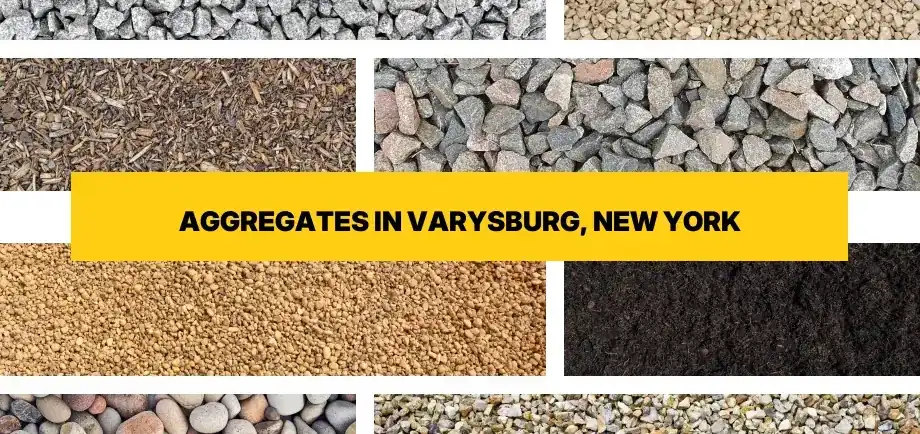
Bulk Aggregate & Gravel Products in Varysburg, New York
Local Topsoil, Dirt, Sand, Rocks and Gravel near me in Varysburg, New York
Shop Aggregates for Delivery in Varysburg
Order online for free delivery to any Varysburg address.
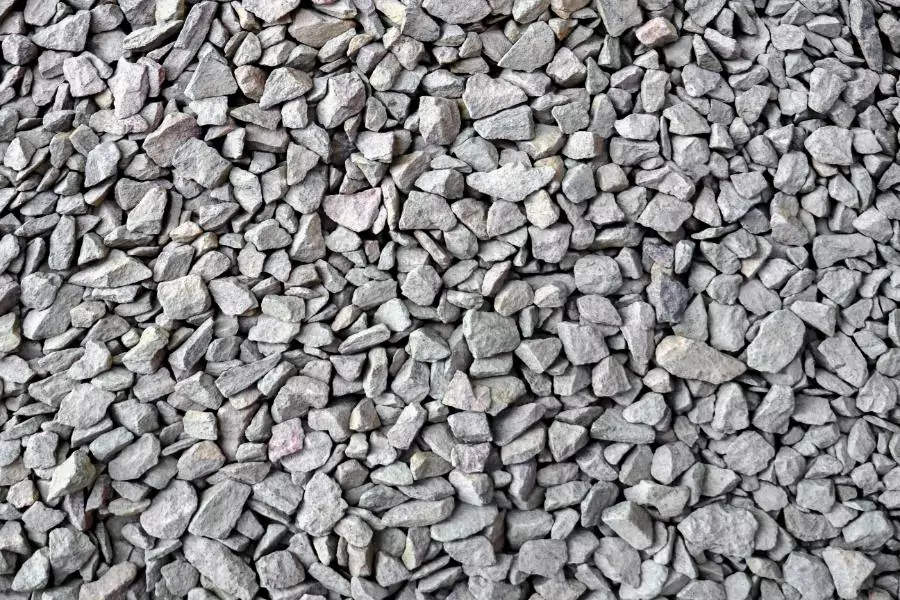
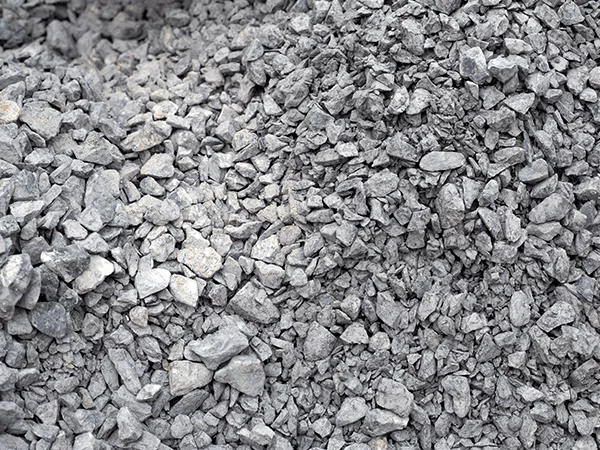


Gravel Monkey is your reliable source for premium aggregates and landscaping materials in Varysburg, New York. Serving Wyoming County and surrounding communities, we deliver high-quality crushed stone, gravel, topsoil, and sand directly to your property with absolutely free delivery. Whether you're improving a rural driveway near Route 20A, building a foundation for a barn in the countryside, or enhancing your property's drainage in this agricultural heartland, we provide the aggregates you need for projects that last through Western New York's demanding seasons.
Complete Aggregate Selection for Varysburg Properties
Our comprehensive inventory addresses every aggregate need for residential, agricultural, and commercial projects throughout Varysburg and Wyoming County. Each material is selected for quality and delivered fresh to your location:
- Driveway Gravel - Durable aggregate base for long-lasting residential and farm driveways
- 3/4 inch Crushed Stone - Versatile angular aggregate for foundations, driveways, and drainage applications
- #57 Stone - Popular drainage stone that manages water flow around foundations and French drains
- Crusher Run - Compactable blend that forms solid bases for driveways and structures
- Road Base - Heavy-duty aggregate foundation for roads, parking areas, and access lanes
- Drain Rock - Specialized aggregate for managing groundwater and preventing erosion
- Pea Gravel - Smooth decorative stone for walkways, landscaping, and ground cover
- River Rock - Natural rounded stone for aesthetic landscaping and water features
- Walkway Gravel - Attractive aggregate perfect for paths, trails, and garden walkways
- Crushed Concrete - Eco-friendly recycled aggregate for cost-effective base applications
- Decomposed Granite - Natural compacting material for paths and rustic surfaces
- Topsoil - Rich soil for gardens, lawns, and agricultural applications
- Fill Dirt - Essential for grading, leveling, and raising ground elevation
- Mason Sand - Fine sand for masonry work, pavers, and construction projects
- Playground Sand - Safe, clean sand for play areas and sandboxes
- Washed Sand - Clean sand for concrete mixing and various construction needs
Understanding Varysburg's Unique Aggregate Needs
Varysburg sits in the heart of Wyoming County's agricultural region, where properties face the challenges of Western New York's clay-heavy soils and demanding weather patterns. The area's glacial till composition creates soil with high clay content that drains slowly and can shift with freeze-thaw cycles. This geological reality makes proper aggregate selection and installation critical for any outdoor project.
The local climate brings approximately 80 inches of snowfall annually and significant spring rainfall, creating conditions that test every driveway, foundation, and drainage system. Winter temperatures regularly drop below freezing, while summer heat can reach the 80s, creating expansion and contraction cycles that poorly designed aggregate projects cannot withstand. Properties throughout the Varysburg area, from rural farms to residential homes near Route 20A, need aggregates that accommodate these conditions.
The region's rolling terrain and agricultural heritage mean many properties require extensive drainage solutions to manage water flow across fields, around barns, and near structures. The clay base prevents water infiltration, making surface drainage and properly installed aggregate systems essential. Whether you're maintaining a working farm or managing a rural residential property, understanding these local conditions helps ensure your aggregate projects perform as intended year after year.
Climate Considerations for Varysburg Aggregate Projects
Western New York's weather directly impacts aggregate performance. Varysburg experiences cold winters with persistent snow cover from December through March, creating freeze-thaw cycles that can heave poorly installed materials. The spring thaw brings saturated soil conditions that challenge drainage systems. Summer and fall provide optimal installation windows, but projects must be designed to handle the coming winter stress.
Smart aggregate selection accounts for these seasonal challenges. Angular crushed stone locks together better than rounded materials, resisting displacement from snow plowing and frost heaving. Adequate depth prevents frost penetration from reaching subsoil, minimizing movement. Proper drainage layers allow water to escape rather than freezing within the aggregate, preventing the ice expansion that destroys driveways and foundations over time.
Driveway Aggregates for Rural Varysburg Properties
Long rural driveways characterize Varysburg properties, often extending hundreds of feet from the road to barns, homes, and outbuildings. These access routes endure heavy use from farm equipment, delivery trucks, and daily vehicle traffic, all while facing Western New York's harsh winter conditions. The right aggregate foundation makes the difference between a driveway that requires constant maintenance and one that performs reliably for decades.
Creating a lasting driveway starts with proper preparation. The clay soils common throughout Varysburg require excavation to proper depth—typically 8 to 12 inches for residential drives, more for heavy equipment access. This depth accommodates a layered system that manages drainage and distributes weight. Starting with a base layer of larger aggregate prevents fine materials from mixing with the clay subsoil while allowing water drainage.
The traditional approach uses crushed stone in graduated sizes. A base layer of large angular aggregate establishes the structural foundation. This might be 3 to 4 inches of crusher run that compacts into a solid platform. Above this, a layer of medium aggregate like 3/4 inch crushed stone provides additional structure and interlocks for stability. The surface layer uses smaller crushed stone or dense grade aggregate that compacts smooth while maintaining drainage properties.
Comparing Driveway Aggregate Options
| Aggregate Type | Best Application | Compaction | Winter Performance | Cost Efficiency |
|---|---|---|---|---|
| Crusher Run | Base Layer | Excellent | Superior | Very Good |
| 3/4 inch Crushed Stone | Mid/Top Layer | Very Good | Excellent | Good |
| #57 Stone | Drainage Layer | Good | Excellent | Good |
| Crushed Concrete | Base Alternative | Very Good | Very Good | Excellent |
| Road Base | Heavy Duty Base | Excellent | Superior | Good |
For farm operations requiring heavy equipment access, road base provides the structural capacity needed to support loaded trucks and machinery without rutting. This engineered aggregate compacts to near-concrete hardness while maintaining enough flexibility to move with seasonal ground changes. Agricultural driveways benefit from this extra strength, particularly near barn entrances and loading areas where weight concentrates.
Budget-conscious property owners often choose crushed concrete as an economical alternative. This recycled material performs similarly to virgin crushed stone for most residential applications while costing significantly less. The concrete pieces compact well, provide excellent drainage, and stand up to Varysburg winters effectively. For basic access drives and parking areas, recycled concrete offers practical performance at a lower price point.
Drainage Aggregates for Clay-Heavy Varysburg Soils
The clay-rich glacial soils throughout Varysburg create persistent drainage challenges that affect nearly every property. Clay's fine particles pack tightly, preventing water infiltration and causing surface pooling after rain or snowmelt. Without proper drainage systems, water accumulates around foundations, floods low areas, and creates muddy conditions that damage landscaping and erode driveways.
Effective drainage systems use specialized aggregates that remain open and permeable even under pressure. The angular shape and uniform sizing of drainage stone create void spaces that allow water flow while supporting surrounding soil. These systems intercept water before it reaches vulnerable areas, directing it to appropriate discharge points away from structures and hardscaping.
French drains rank among the most effective drainage solutions for Varysburg properties. These systems use perforated pipe surrounded by clean aggregate to collect and redirect groundwater. The aggregate envelope around the pipe allows water entry while filtering out soil particles that would clog the system. Proper installation requires 8 to 12 inches of drainage stone around the pipe, wrapped in filter fabric to prevent silt infiltration from the surrounding clay.
Foundation Drainage Protection
Protecting foundations from water damage requires strategic aggregate placement. A drainage layer along foundation walls collects water before it can penetrate basements or create hydrostatic pressure against walls. This layer typically extends from the footing to just below grade, creating a vertical drainage path that moves water down to footer drains rather than allowing it to press against the foundation.
The aggregates used for foundation drainage must remain stable while maintaining permeability. Clean angular stone resists compaction from backfill weight while keeping void spaces open for water movement. This prevents the drainage layer from becoming a solid mass that blocks water flow—a common failure mode when unsuitable materials are used. Wrapping the aggregate in filter fabric separates it from the clay backfill, maintaining long-term drainage performance.
Surface drainage often requires broader solutions. Swales and drainage ditches lined with aggregate handle heavy water flow during spring runoff and summer storms. The aggregate stabilizes the channel bottom while allowing infiltration, reducing erosion and preventing the channel from becoming a muddy mess. This approach works particularly well for agricultural properties where managing water flow across fields prevents crop damage and soil loss.
Decorative and Landscaping Aggregates
Beyond functional applications, aggregates provide aesthetic value that enhances Varysburg properties. Decorative stone creates visual interest in gardens, defines outdoor spaces, and provides low-maintenance ground cover that suits the region's climate. The right landscape aggregates reduce weed growth, prevent erosion, and eliminate the need for constant mulch replacement while adding attractive texture and color to outdoor areas.
Pea gravel ranks as one of the most versatile landscape aggregates. The small, smooth stones work perfectly for walkways, patios, and garden paths where comfortable footing matters. The rounded shape feels pleasant underfoot while remaining loose enough to shift and absorb impact. This flexibility makes walkway gravel ideal for casual paths through gardens or connecting outdoor spaces. The stones drain immediately, preventing puddles and mud that plague other path materials.
River rock provides similar benefits at larger sizes, creating bolder visual impact. These naturally rounded stones work beautifully as ground cover in flower beds, around trees, and in decorative landscape features. The natural appearance complements Varysburg's rural character while providing practical weed suppression. River rock doesn't decompose like organic mulch, eliminating the need for annual replacement and long-term reducing maintenance effort and cost.
Pathway and Hardscape Applications
Creating stable walkways and patios requires different aggregate approaches than decorative ground cover. Decomposed granite offers a natural material that compacts into a solid surface while maintaining a rustic appearance appropriate for country properties. This finely crushed stone packs tightly when moistened and compacted, creating a firm walking surface that resists erosion and handles foot traffic well.
For more formal pathways or areas requiring defined edges, angular aggregates provide better stability. Crushed stone in smaller sizes creates firm surfaces that lock together under foot traffic. These materials work well for garden paths, walkways between buildings, or informal patio areas where a natural aesthetic matters more than formal paving. The angular edges prevent the shifting and scattering that occurs with rounded materials, keeping the path defined and navigable.
Edging and border applications benefit from contrasting aggregate colors and textures. Combining darker crushed stone with lighter river rock creates visual definition that guides traffic flow and separates landscape zones. This approach adds design sophistication to outdoor spaces while using durable materials that withstand Varysburg's weather extremes without fading or deteriorating.
Aggregates for Agricultural and Rural Properties
Varysburg's agricultural heritage means many properties require aggregates for farming operations and livestock management. Barn floors, equipment yards, livestock areas, and farm lanes all benefit from proper aggregate installation that manages mud, provides stable surfaces, and withstands heavy equipment use. The demands differ from residential applications, requiring materials that balance economy with durability.
Equipment yards and farm work areas need surfaces that support heavy machinery without rutting or becoming impassable during wet weather. Road base provides the structural strength these applications require. The angular aggregate compacts into a dense surface that distributes weight effectively while maintaining enough drainage to shed water. This prevents the muddy conditions that make farm work difficult and damage equipment.
Livestock confinement areas face different challenges. Horses, cattle, and other animals create concentrated traffic that quickly destroys unprepared ground, especially around water sources, gates, and feeding areas. Angular aggregates provide stable footing that drains well and resists the churning action of hooves. The material must be large enough to remain stable but not so large that it becomes uncomfortable for animals or difficult to clean.
Agricultural Drainage and Soil Management
Farm fields throughout the Varysburg area often require tile drainage systems to manage the clay soil's poor natural drainage. These systems use perforated pipe surrounded by drainage aggregate to collect water from the field and transport it to ditches or streams. The aggregate envelope allows water entry while filtering out soil particles, maintaining system function for decades when properly installed.
Building pads for barns, equipment sheds, and agricultural structures require careful aggregate preparation. The clay subsoil must be removed or stabilized to prevent settling and water accumulation beneath structures. A thick aggregate base provides the stable platform necessary for construction while establishing drainage that prevents water from pooling under the building. This preparation protects the structure investment and ensures long-term stability.
Topsoil and Fill Dirt for Varysburg Properties
Beyond aggregates, soil products play crucial roles in property development and improvement throughout Varysburg. The native clay soils often require amendment for successful gardening and landscaping. Adding quality topsoil brings organic matter and improved texture that supports plant growth, while fill dirt solves grading challenges and prepares sites for construction or aggregate installation.
Quality topsoil transforms difficult growing conditions into productive gardens and lawns. The organic matter in good topsoil improves drainage in clay soils while adding water retention capacity. This balanced approach helps plants establish healthy root systems despite the challenging native conditions. Whether creating vegetable gardens, flower beds, or establishing new lawns, starting with proper topsoil sets projects up for success.
Fill dirt serves different purposes, focusing on structural rather than biological properties. When properties require grading to manage water flow, fill low areas, or raise ground levels, clean fill dirt provides the mass needed at reasonable cost. The material compacts well, establishing stable grades that prevent settling over time. For projects requiring substantial earth movement—building pads, driveway approaches, or landscape reshaping—fill dirt provides the economical solution.
Site Preparation Best Practices
Successful aggregate projects start with proper site preparation. In Varysburg's clay soils, this means excavating to stable subsoil and establishing proper grades for drainage. Removing organic topsoil prevents decomposition that causes settling beneath aggregates. The excavated material can often be saved and reused for landscaping elsewhere on the property, reducing overall project costs while improving multiple areas.
Establishing proper grades requires understanding water flow across the property. Surfaces should slope away from structures at a minimum of 2 percent grade—about 1/4 inch per foot. This subtle slope, imperceptible to the eye, keeps water moving away from foundations, driveways, and structures rather than pooling against them. Fill dirt establishes these grades before aggregate installation, creating the foundation for long-term drainage performance.
Installation Best Practices for Varysburg Climate
Proper aggregate installation techniques determine whether projects perform reliably through Varysburg's demanding seasons or require constant maintenance and eventual replacement. The region's freeze-thaw cycles, heavy snowfall, and spring runoff create conditions that expose installation shortcomings quickly. Following proven practices suited to Western New York's climate ensures projects deliver lasting value.
Depth matters more than most property owners realize. Driveways need 8 to 12 inches of total aggregate depth to prevent frost penetration from reaching the subsoil and causing heaving. Parking areas for heavy equipment may require 18 inches or more. Pathways and light-duty applications can work with 4 to 6 inches, but skimping on depth creates problems that emerge within the first winter. The excavation investment pays dividends in project longevity.
Compaction transforms loose aggregate into solid surfaces. Each layer requires compaction before the next is added, using appropriate equipment for the aggregate size and application. Base layers need heavy plate compactors or rollers that consolidate material and remove air voids. Surface layers may use lighter equipment to avoid over-compaction that prevents drainage. Proper compaction typically reduces aggregate volume by 20 to 30 percent, which must be accounted for when ordering materials.
Seasonal Timing Considerations
Spring and fall provide optimal installation windows in Varysburg. Spring work should wait until the ground thaws completely and surface water drains away—typically late April or May. Working in saturated soil conditions creates compaction problems and makes excavation difficult. Fall installation works well from late August through October, allowing projects to settle before winter while avoiding summer heat stress on workers and equipment.
Summer installation faces different challenges. While ground conditions are typically dry and ideal for excavation, extreme heat can make compaction difficult and create dust issues. Early morning or late afternoon work schedules help. Winter installation is generally avoided due to frozen ground, though emergency repairs sometimes require working in cold conditions. Aggregates can be installed in winter, but compaction becomes difficult and long-term settling may require spring adjustment.
Serving All Varysburg and Surrounding Communities
Gravel Monkey proudly delivers throughout Varysburg and the broader Wyoming County region at no additional charge. Our service area includes properties along Route 20A, rural farms and residences throughout the Varysburg area, and nearby communities including Orangeville, North Java, Warsaw, Strykersville, and Attica. Whether your property sits in the village center or on rural acreage miles from town, we provide the same quality materials and free delivery service.
The Varysburg area's rural character means properties often cover substantial acreage with multiple buildings, long driveways, and agricultural operations requiring various aggregates. We work with property owners to understand their specific needs and deliver materials where they're needed most on the property. Our experience with rural deliveries means we can navigate country roads and access challenging locations to place materials conveniently for your project.
Neighboring communities throughout Wyoming County benefit from the same service. Properties in Orangeville face similar soil and drainage challenges as Varysburg itself. North Java's rolling terrain creates unique grading needs. Warsaw properties require aggregates for both residential and commercial applications. Strykersville and Attica area farms need durable materials for agricultural operations. Regardless of your specific location within our service area, we bring quality aggregates directly to your project site.
Calculating Your Aggregate Needs
Determining the right quantity of aggregate prevents shortages that delay projects or excess material that wastes money. The calculation requires knowing the area to cover, the depth needed, and accounting for compaction. Start by measuring length and width in feet. Multiply these together to get square footage, then multiply by depth in feet to get cubic feet. Divide by 27 to convert to cubic yards—the standard ordering unit for aggregates.
For example, a driveway 12 feet wide by 100 feet long requires 1,200 square feet of coverage. At 6 inches (0.5 feet) deep, the calculation is 1,200 × 0.5 = 600 cubic feet, divided by 27 = 22.2 cubic yards. Adding 10 to 20 percent for compaction and waste brings the order to approximately 25 cubic yards. This ensures adequate material without significant excess that becomes problematic to store or dispose of.
Different aggregate types compact at different rates. Crusher run compacts significantly, requiring 20 to 30 percent extra material. Larger drainage stone compacts less, needing only 10 percent additional volume. Decorative aggregates like river rock used for ground cover require minimal compaction allowance. When ordering multiple material types for layered applications, calculate each layer separately and sum the totals for your complete order.
Common Project Quantity Guidelines
- Single Car Driveway (10' × 50'): 10-12 cubic yards for 6 inch depth
- Two Car Driveway (20' × 50'): 20-25 cubic yards for 6 inch depth
- Parking Pad (12' × 20'): 5-6 cubic yards for 6 inch depth
- Garden Path (3' × 25'): 1-2 cubic yards for 3 inch depth
- Foundation Drainage (per linear foot): 0.25-0.5 cubic yards for 12 inch width
- French Drain (per linear foot): 0.15-0.3 cubic yards depending on depth
- Landscape Ground Cover (per 100 sq ft): 0.5-1 cubic yard for 2-3 inch depth
Frequently Asked Questions About Aggregates in Varysburg
We deliver a complete range of aggregates including driveway gravel, crushed stone in various sizes, number 57 stone, pea gravel, river rock, crusher run, road base, drain rock, recycled concrete, topsoil, fill dirt, and multiple sand varieties throughout Varysburg and surrounding Wyoming County areas.
Yes! Gravel Monkey offers FREE delivery to Varysburg and the surrounding New York area for all gravel and aggregate orders. We service the entire Wyoming County region at no additional delivery charge.
The amount depends on your project size and depth. For driveways, calculate length times width times depth in feet, then divide by 27 to get cubic yards. Typical driveway depth is 4 to 6 inches of compacted aggregate. Our team can help you estimate the right amount for your specific Varysburg property needs.
For Varysburg winters with freeze-thaw cycles, crusher run or 3/4 inch crushed stone work best. These aggregates compact well, provide excellent drainage to prevent frost heaving, and handle snow plowing better than loose materials. The angular edges lock together for a stable surface year-round.
Absolutely! Crushed concrete is an eco-friendly alternative that performs similarly to crushed stone for most applications. It works well for driveways, base layers, and pathways in Varysburg. The material compacts solidly and costs less than virgin aggregate while reducing landfill waste.
Varysburg has primarily clay-rich glacial till soils that drain slowly. For landscaping projects, you often need quality topsoil amendments and proper drainage aggregates like drain rock or number 57 stone to prevent water pooling. The clay base can expand and contract with moisture, so proper aggregate bases are essential for hardscaping.
Varysburg experiences cold winters with significant snowfall and freeze-thaw cycles that can shift poorly installed aggregates. Spring brings heavy rain that tests drainage systems. Using proper base materials like road base or crusher run, ensuring adequate depth of 4 to 6 inches, and choosing angular aggregates helps projects withstand these challenging conditions.
Yes! We deliver throughout Varysburg and rural Wyoming County properties at no extra charge. Whether your property is on Route 20A, near Orangeville, or on country roads throughout the area, we provide the same free delivery service to ensure your aggregate needs are met.
Ready to Start Your Varysburg Aggregate Project?
Gravel Monkey makes ordering aggregates simple for Varysburg properties. Our free delivery service throughout Wyoming County means you get quality materials delivered directly to your project site without added costs. Whether you're planning a driveway renovation, installing drainage systems to manage clay soil challenges, or enhancing your property's landscaping, we provide the aggregates you need with the expertise to guide material selection.
Our team understands Western New York's demanding climate and the specific challenges Varysburg's clay soils create. We help property owners choose the right materials for applications that perform reliably through freeze-thaw cycles, heavy snowfall, and spring runoff. From rural farm operations requiring heavy-duty aggregates to residential landscaping projects seeking decorative stone, we deliver solutions that match your needs and budget.
Contact Gravel Monkey today at 646-809-3983 to discuss your aggregate needs. Our knowledgeable staff can help calculate quantities, recommend appropriate materials for your specific application, and schedule convenient delivery to your Varysburg property. Experience the difference that quality aggregates and professional service make for projects built to last through Western New York's demanding seasons.

Need help? Reach out for a quote: