
Bulk Aggregate & Gravel Products in Thousand Island Park, New York
Local Topsoil, Dirt, Sand, Rocks and Gravel near me in Thousand Island Park, New York
Shop Aggregates for Delivery in Thousand Island Park
Order online for free delivery to any Thousand Island Park address.
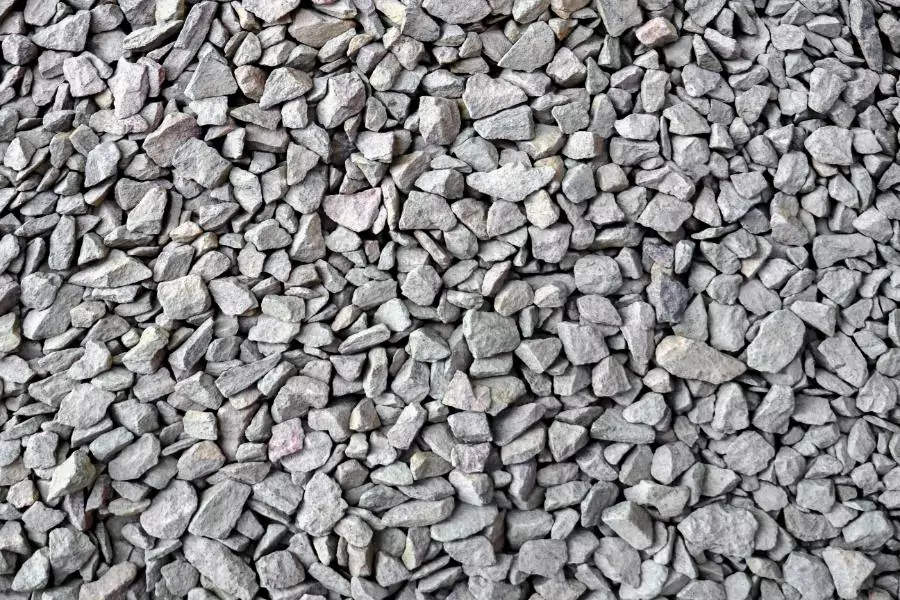
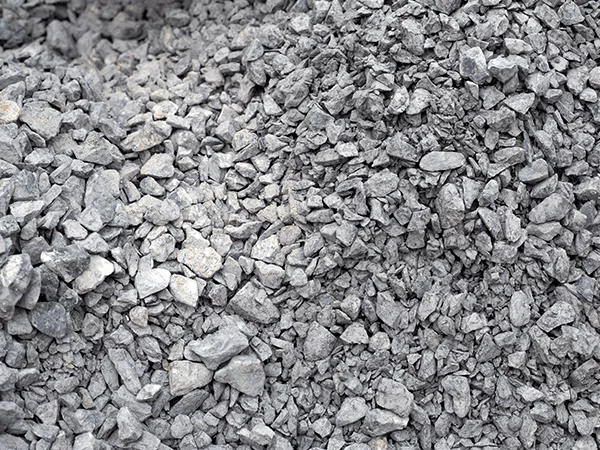


Thousand Island Park is a unique seasonal community situated on Wellesley Island in the heart of the St. Lawrence River's Thousand Islands region. At Gravel Monkey, we understand the specific needs of waterfront properties, historic cottages, and seasonal homes in this picturesque New York island community. From maintaining cottage driveways along the Tabernacle to managing waterfront erosion near the DeWitt Recreation Building, we deliver premium aggregates and landscaping materials directly to your Thousand Island Park property with absolutely free delivery.
Complete Aggregate Selection for Thousand Island Park Properties
Our extensive inventory serves the unique requirements of island living, seasonal cottage maintenance, and waterfront landscaping projects throughout Thousand Island Park and neighboring communities like Clayton, Alexandria Bay, and Cape Vincent:
- Driveway Gravel - Essential for maintaining seasonal cottage access roads and private driveways
- 3/4 inch Crushed Stone - Versatile aggregate for driveways, foundations, and drainage applications
- #57 Stone - Standard crushed stone perfect for French drains and landscape drainage
- Crusher Run - Compactable base material ideal for road repairs and pathway foundations
- Road Base - Heavy-duty foundation aggregate for seasonal road maintenance
- Pea Gravel - Attractive rounded stone for walkways and cottage landscaping
- River Rock - Natural stone perfect for waterfront aesthetics and erosion control
- Walkway Gravel - Comfortable walking surface for garden paths and cottage trails
- Drain Rock - Essential for managing Thousand Island Park's seasonal water runoff
- Topsoil - Nutrient-rich soil for island gardens and seasonal flower beds
- Fill Dirt - Bulk earth for grading, leveling, and waterfront property improvements
- Crushed Concrete - Eco-friendly recycled aggregate for budget-conscious projects
- Mason Sand - Fine sand for mortar work and historic cottage restoration
- Playground Sand - Clean, safe sand for beach areas and children's play spaces
- Washed Sand - Premium clean sand for various construction and landscaping uses
- Decomposed Granite - Natural, permeable surface material for eco-friendly pathways
Understanding Thousand Island Park's Unique Geographic Challenges
Thousand Island Park sits on Wellesley Island's northeast shore, facing the main shipping channel of the St. Lawrence River. The community's geology features predominantly limestone bedrock characteristic of the Thousand Islands region, overlaid with glacial till deposits left behind by retreating ice sheets thousands of years ago. This combination creates specific challenges for property owners.
The island's soil composition tends toward rocky, well-drained conditions with seasonal frost penetration reaching depths of 36 to 48 inches during harsh North Country winters. Winter temperatures regularly drop below zero Fahrenheit, while summer months bring pleasant conditions averaging 70-80°F. Annual precipitation approaches 40 inches, with significant snowfall from November through March creating freeze-thaw cycles that demand proper aggregate selection for lasting driveways and pathways.
Properties near the riverfront, particularly along the Victorian-era cottage rows near the Community Chapel and the historic waterfront area by the Wellesley House Museum, face additional erosion concerns from seasonal water level fluctuations in the St. Lawrence River. The International Joint Commission's regulation of river levels can vary several feet throughout the year, affecting waterfront properties and requiring specialized aggregate solutions for shoreline stabilization.
Serving All Thousand Island Park Neighborhoods and Landmarks
Gravel Monkey proudly delivers aggregates throughout Thousand Island Park's distinct areas and to nearby St. Lawrence River communities:
Historic District and Tabernacle Area
The heart of Thousand Island Park features beautifully maintained Victorian cottages surrounding the historic Tabernacle, a gathering place since the community's founding in 1875 as a Methodist camp meeting ground. Cottage driveways in this area require careful material selection to preserve the historic character while providing modern functionality. Many properties benefit from properly compacted base layers that prevent settling in the glacial till soils common throughout this section of Wellesley Island.
Waterfront Properties Along the St. Lawrence
Cottages along the riverfront face unique challenges from seasonal ice damage, wave action, and fluctuating water levels. Properties near the DeWitt Recreation Building and the community's swimming areas require specialized erosion control solutions. River rock combined with properly placed fill dirt creates stable waterfront transitions that withstand the harsh winter conditions and spring ice-out periods characteristic of the Thousand Islands region.
Wellesley Island State Park Vicinity
Properties adjacent to New York's Wellesley Island State Park benefit from the natural beauty of the surroundings while requiring materials that blend with the forested island environment. Decomposed granite and natural stone aggregates complement the park's trails and natural areas, making them popular choices for property owners seeking environmentally conscious landscaping solutions.
Nearby Communities We Serve
Beyond Thousand Island Park itself, we deliver to Clayton, Alexandria Bay, Fine View (also on Wellesley Island), Cape Vincent, and surrounding Jefferson County communities. Whether you're maintaining a seasonal cottage in Alexandria Bay or managing property near the Thousand Islands Bridge, Gravel Monkey provides reliable aggregate delivery throughout the region.
Seasonal Cottage Maintenance and Island Living Solutions
Driveway and Road Maintenance
Seasonal access roads throughout Thousand Island Park require regular maintenance due to the community's limited use patterns and harsh winter conditions. When cottages close for the season in September and October, roads endure months of snow, ice, and freeze-thaw cycles without regular traffic to compact surfaces. Spring opening reveals potholes, washouts, and rutting that demand attention before the summer season begins.
For cottage driveway restoration, we recommend a three-layer approach. First, establish a solid foundation using compacted road base or crusher run, which provides structural integrity against frost heaving. Next, add a layer of 3/4 inch crushed stone for stability and drainage. Finally, top with properly graded driveway gravel that sheds water effectively while providing a comfortable driving surface. This system handles the unique demands of seasonal use while requiring minimal annual maintenance.
Waterfront Erosion Control
St. Lawrence River shorelines face constant pressure from wind-driven waves, seasonal ice movement, and fluctuating water levels. Properties between the DeWitt Recreation Building and the Thousand Island Park Marina particularly benefit from strategic aggregate placement. Large river rock (4-8 inch sizes) provides weight and visual appeal while dissipating wave energy. For steeper banks, a combination of fill dirt for grading followed by progressively larger stone creates stable, long-lasting shoreline protection.
The freeze-thaw cycle along the riverbank accelerates erosion as ice forms in soil pores, expanding and weakening bank structure. Proper drainage behind waterfront aggregate installations prevents water accumulation that contributes to this process. Drain rock placed behind larger stone allows groundwater to exit without carrying soil particles, maintaining bank integrity throughout the changing seasons.
Pathways and Cottage Landscaping
The charming pedestrian character of Thousand Island Park makes walkways and garden paths essential elements of cottage properties. Walkway gravel creates comfortable, permeable surfaces that handle foot traffic while allowing rainwater infiltration. Near the Community Chapel and throughout the historic cottage district, pea gravel provides an aesthetically pleasing surface that complements Victorian-era architecture.
For more contemporary installations or areas receiving heavier use, decomposed granite offers a firm, stable surface that compacts well while maintaining permeability. This material works particularly well for pathways leading to dock areas or boat storage facilities, where equipment carts and heavier loads demand more substantial surfaces than traditional pea gravel provides.
Aggregate Selection Guide for Thousand Island Park Projects
Choosing the right material for your Thousand Island Park property depends on application, budget, and aesthetic preferences. This comparison helps identify the best options for common island projects:
| Aggregate Type | Best Applications | Drainage Rating | Seasonal Durability |
|---|---|---|---|
| Crusher Run | Road bases, driveway foundations | Good | Excellent - handles freeze-thaw |
| 3/4" Crushed Stone | Driveway surfaces, general use | Excellent | Very Good - minimal shifting |
| #57 Stone | French drains, landscaping | Excellent | Good - may require replenishment |
| River Rock | Waterfront erosion, decorative | Very Good | Excellent - resists ice damage |
| Pea Gravel | Pathways, cottage gardens | Good | Good - some migration possible |
| Drain Rock | Foundation drainage, retaining walls | Excellent | Very Good - critical for winter |
| Decomposed Granite | Walking paths, natural areas | Very Good | Good - compacts well |
Sand and Soil Products for Island Properties
| Material | Primary Uses | Typical Projects | Island Advantage |
|---|---|---|---|
| Topsoil | Gardens, lawn establishment | Cottage flower beds, raised gardens | Improves rocky island soils |
| Fill Dirt | Grading, large-scale leveling | Waterfront bank repair, lot preparation | Essential for erosion repair |
| Mason Sand | Mortar mixing, stone setting | Historic cottage restoration, masonry | Perfect for Victorian-era repairs |
| Playground Sand | Beach areas, play spaces | Private beach creation, sandbox areas | Clean, safe for waterfront play |
| Washed Sand | Construction projects, general use | Paver bases, mixing applications | Versatile for multiple projects |
Climate-Specific Aggregate Requirements
The Thousand Islands region experiences dramatic seasonal variation that directly impacts aggregate performance. Winter temperatures routinely remain below freezing for extended periods, with January averaging 17°F and lows frequently reaching -10°F or colder. The St. Lawrence River rarely freezes completely in the main shipping channel, but shore ice and anchor ice create unique conditions affecting waterfront properties.
Snow accumulation averages 120-140 inches annually across Wellesley Island, with nor'easters occasionally delivering 2-3 feet in single storm events. This substantial snow load, combined with freeze-thaw cycles as temperatures fluctuate around freezing during spring and fall transitions, demands aggregates with excellent drainage characteristics. Materials that trap water become heaving hazards as repeated freezing expands trapped moisture, displacing driveways and pathways.
Spring brings rapid snowmelt and elevated St. Lawrence River levels, often resulting in temporary flooding of low-lying areas. Properties throughout Thousand Island Park benefit from proper grading using fill dirt and strategic placement of drain rock to channel meltwater away from foundations and structures. Summer months are relatively dry, though thunderstorms can deliver intense short-duration rainfall that tests drainage systems.
The seasonal nature of the community means most properties sit unoccupied during the harshest winter months, making material choices that require minimal maintenance particularly valuable. Aggregates that self-drain, resist frost heaving, and maintain stability without regular traffic become essential for worry-free seasonal cottage ownership.
Best Practices for Aggregate Installation on Island Properties
Foundation Preparation
Successful aggregate installations begin with proper foundation preparation. Throughout Thousand Island Park, the rocky glacial till subsoil provides generally good bearing capacity, but proper excavation removes organic topsoil that would otherwise decompose and create settling. For driveway projects near the historic Tabernacle district or along waterfront access roads, excavate to firm subsoil before placing base materials.
Geotextile fabric between existing soil and new aggregate base prevents mixing and migration of fines upward into stone layers. This separation fabric proves particularly valuable in areas where silty soils predominate or where seasonal moisture variations might otherwise compromise aggregate stability. Many experienced island property owners consider fabric underlayment essential for long-lasting installations.
Layering and Compaction
Multiple aggregate layers, each properly compacted, create the most durable installations. Begin with road base or crusher run as a foundation layer, compacting in 4-inch lifts to achieve maximum density. Mechanical compaction using a vibrating plate compactor or roller ensures proper density that resists frost heaving and seasonal settling.
Surface layers of crushed stone or driveway gravel should be slightly crowned to shed water toward edges, preventing ponding that accelerates freeze-thaw damage. A 2% cross-slope (approximately 1/4 inch per foot) provides adequate drainage without creating uncomfortable walking or driving surfaces. Edge restraint using larger stone, treated lumber, or other materials prevents lateral migration of surface aggregates.
Seasonal Maintenance Strategies
Annual spring maintenance typically involves raking and redistributing surface gravel displaced by winter plowing and freeze-thaw action. Adding fresh surface material every 2-3 years maintains proper depth and appearance. Properties that experience significant spring washout benefit from improved drainage solutions, often involving drain rock installations or French drain systems that intercept and redirect groundwater.
Fall closing procedures should include inspection of aggregate areas, addressing any significant potholes or washouts before winter. This proactive approach minimizes spring damage and ensures properties are ready for immediate use when cottages reopen in late spring or early summer.
Frequently Asked Questions About Aggregates in Thousand Island Park
For seasonal cottage driveways throughout Thousand Island Park, we recommend a base layer of crusher run for stability, topped with 3/4 inch crushed stone or driveway gravel. This combination provides excellent drainage to prevent frost heaving during winter months when properties are unoccupied, while creating a stable surface that requires minimal maintenance. The crushed angular stone compacts well and resists rutting from vehicle traffic during summer use.
Waterfront erosion control along the St. Lawrence River shoreline requires a multi-layer approach. Start by grading the bank using fill dirt to achieve a stable slope, typically no steeper than 2:1 (horizontal to vertical). Install drain rock behind the waterfront face to allow groundwater drainage, then place larger river rock (4-8 inch sizes) along the water's edge to absorb wave energy and resist ice damage. For severe erosion problems near high-traffic areas like the DeWitt Recreation Building waterfront, consult with local authorities as permits may be required for substantial shoreline work.
Properly installed aggregates handle Thousand Island Park winters exceptionally well, actually benefiting from freeze-thaw cycles that compact materials. The key is ensuring excellent drainage so water doesn't accumulate in aggregate voids where freezing could cause heaving. Materials like crusher run, crushed stone, and drain rock are specifically chosen for their drainage properties and resistance to frost action. Many cottage owners find that spring maintenance involves simply raking displaced surface material rather than major repairs, testament to quality aggregate durability.
Aggregate quantity depends on project area and desired depth. For a typical cottage driveway measuring 12 feet wide by 100 feet long with 4 inches of depth, you'll need approximately 15 tons of material. Calculate volume by multiplying length x width x depth (in feet) then dividing by 27 to get cubic yards. A cubic yard of gravel weighs roughly 1.3-1.5 tons depending on material type. Our team at Gravel Monkey helps verify quantities before delivery to ensure you order the right amount for your Thousand Island Park property.
Absolutely! Gravel Monkey provides free delivery throughout Thousand Island Park, Wellesley Island, and surrounding St. Lawrence River communities including Clayton, Alexandria Bay, Fine View, and Cape Vincent. We coordinate deliveries considering seasonal access variations and work with property owners to schedule convenient delivery times. Whether your cottage is near the historic Tabernacle, along the waterfront by the Wellesley House Museum, or anywhere throughout the Thousand Islands region, we deliver quality aggregates directly to your site.
Crushed stone, with its angular edges created during the crushing process, interlocks when compacted, creating a stable surface that resists rutting and displacement. This characteristic proves particularly valuable for seasonal Thousand Island Park driveways that endure freeze-thaw cycles without regular traffic to maintain compaction. Rounded gravels, while attractive, tend to roll and shift under vehicle loads, requiring more frequent maintenance. For structural applications like driveway bases and road surfaces, crushed stone consistently outperforms rounded alternatives.
Recycled crushed concrete offers an excellent, environmentally responsible alternative for many island projects. It compacts well, provides good drainage, and costs less than virgin crushed stone while delivering comparable performance for driveways, road bases, and general fill applications. The material's alkalinity can benefit acidic island soils in landscaping applications. For visible areas where aesthetics matter, such as near the historic cottages around the Tabernacle, natural stone may be preferred, but for functional applications like seasonal road maintenance or utility trenches, crushed concrete performs admirably while supporting sustainability goals.
Spring (May-June) and early fall (September-October) represent ideal delivery windows for most Thousand Island Park projects. Spring allows addressing winter damage before peak summer occupancy, while fall enables property improvements before closing cottages for winter. Summer deliveries work well but may encounter more traffic on island access roads during peak vacation season. We recommend scheduling deliveries in advance during busy periods to secure preferred dates. Winter deliveries are possible but less common due to property closures and access considerations, though emergency repairs occasionally require off-season material delivery.
Professional Aggregate Delivery Serving the Thousand Islands
From maintaining historic cottage driveways near the Thousand Island Park Tabernacle to managing waterfront erosion along the St. Lawrence River, Gravel Monkey understands the unique requirements of island property ownership. Our comprehensive selection of aggregates, soils, and landscaping materials addresses every challenge facing Thousand Island Park properties, from seasonal frost heaving to summer storm drainage.
We serve the entire Thousand Islands region with reliable, professional delivery service that respects the character and environment of this special community. Whether you're a seasonal cottage owner preparing for another summer on Wellesley Island or a year-round resident in nearby Clayton or Alexandria Bay, Gravel Monkey delivers the materials you need with the expertise you expect.
Our knowledgeable team understands local soil conditions, climate challenges, and best practices for aggregate installations that last season after season. We're here to answer questions, recommend appropriate materials for your specific project, and deliver quality aggregates that perform in the demanding Thousand Islands environment.

Need help? Reach out for a quote: