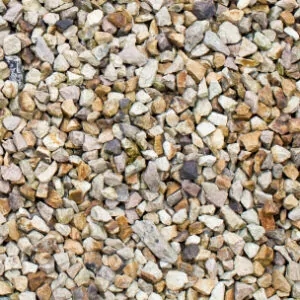
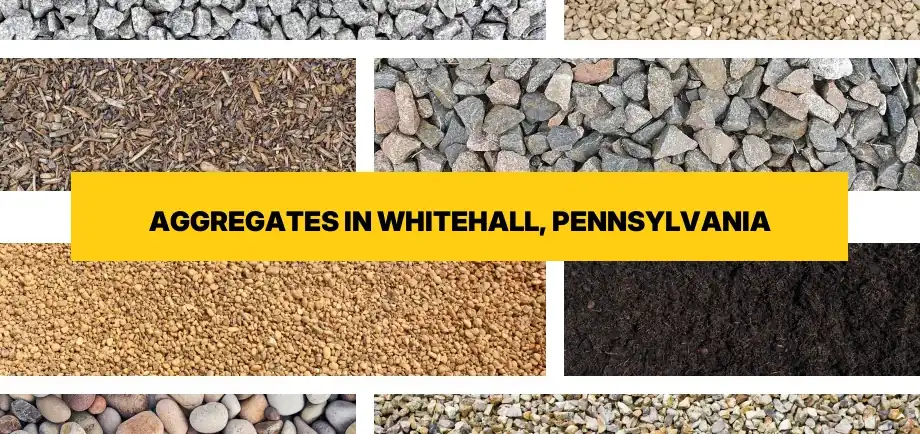
Shop Bulk Materials & Gravel in Whitehall, Pennsylvania
Local Topsoil, Dirt, Sand, Rocks and Gravel near me in Whitehall, Pennsylvania
Shop Aggregates for Delivery in Whitehall
Order online for free delivery to any Whitehall address.
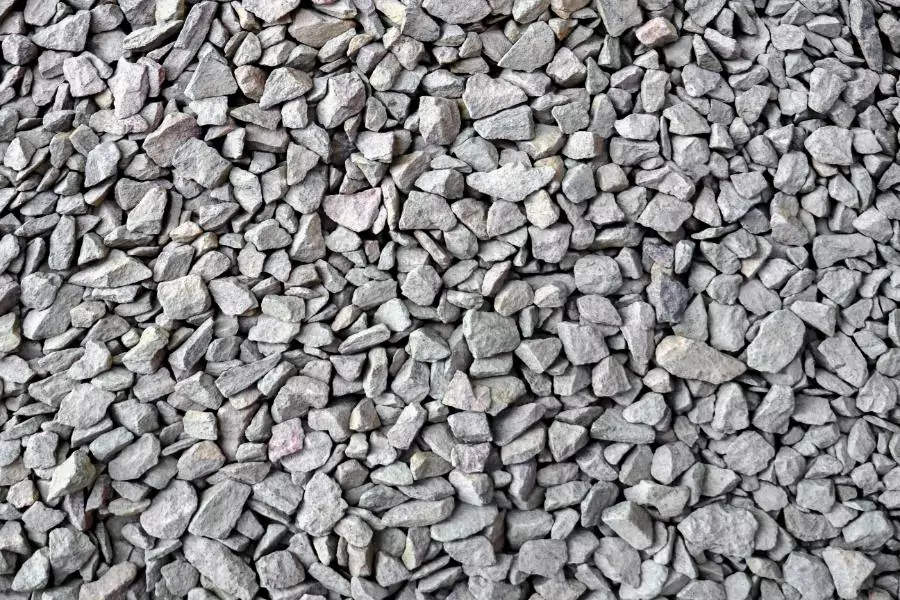
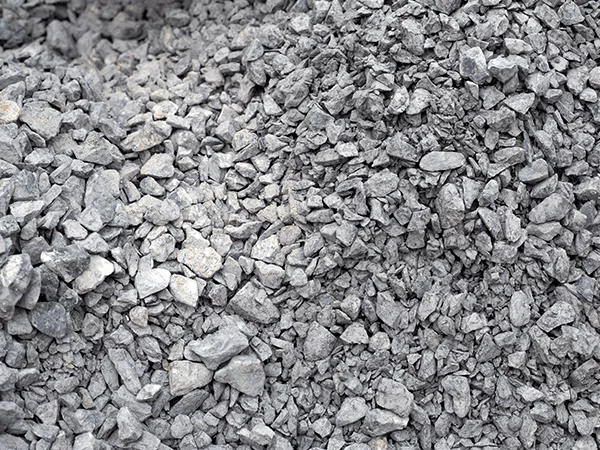


Gravel Monkey is your trusted source for premium gravel and aggregate delivery throughout Whitehall, Pennsylvania. Whether you're building a new driveway in Fullerton, installing drainage systems near Hokendauqua, or landscaping a property in Egypt, we deliver high-quality aggregates directly to your location with absolutely free delivery. Serving the entire Lehigh Valley region, we understand the unique soil conditions and climate challenges that Whitehall homeowners and contractors face throughout the year.
Complete Range of Aggregates Available in Whitehall
Our extensive selection of construction aggregates and landscaping materials meets every project need across Whitehall and surrounding areas. From residential driveways to commercial construction sites, we supply the Lehigh Valley with materials proven to perform in Pennsylvania's demanding climate conditions:
- 3/4 inch Crushed Stone - Versatile aggregate for driveways, foundations, and drainage applications
- #57 Stone - Popular crushed aggregate ideal for drainage systems and concrete mixing
- Driveway Gravel - Premium blend designed specifically for residential and commercial driveways
- Crusher Run - Compactable blend of stone dust and aggregates for solid base construction
- Road Base - Dense aggregate foundation material for roads, driveways, and parking areas
- Drain Rock - Angular stone engineered for French drains and foundation drainage systems
- Pea Gravel - Smooth, rounded stone perfect for walkways and decorative landscaping
- River Rock - Natural decorative aggregate in various sizes for gardens and water features
- Walkway Gravel - Specially sized aggregate for comfortable, attractive pathways
- Crushed Concrete - Eco-friendly recycled aggregate for base material and fill
- Topsoil - Nutrient-rich soil for gardens, lawns, and landscaping projects
- Fill Dirt - Quality fill material for grading, leveling, and construction
- Mason Sand - Fine sand for mortar mixing, paver installation, and masonry work
- Playground Sand - Safe, clean sand for children's play areas and sandboxes
- Washed Sand - Clean, screened sand for multiple construction applications
- Decomposed Granite - Natural stone fines for modern landscapes and permeable surfaces
Driveway Aggregates for Whitehall Properties
Whitehall homeowners face specific challenges when selecting driveway materials due to our region's clay-heavy soils and Pennsylvania's freeze-thaw cycles. The Lehigh Valley experiences temperature swings from below zero in January to the upper 80s in July, with average annual precipitation around 45 inches. These conditions demand aggregates that provide excellent drainage while remaining stable through seasonal changes.
Properties throughout Cementon, Stiles, and along MacArthur Road benefit from properly selected crushed stone that creates a stable foundation. The local Martinsburg shale and limestone bedrock underlying Whitehall contributes to expansive clay soils that can shift during wet periods, making proper aggregate selection and installation critical for long-lasting driveways.
Best Aggregate Choices for Whitehall Driveways
For residential driveways in neighborhoods like Fullerton and West Catasauqua, crushed stone provides the angular edges needed to lock together and resist displacement. The sharp, fractured surfaces of quarried aggregates compact tightly, creating a solid driving surface that handles Pennsylvania winters effectively. Unlike rounded gravel that can shift and migrate, properly graded crushed aggregates maintain their position under vehicle traffic.
Many Whitehall contractors recommend a layered approach: start with a compacted base layer using larger aggregates for drainage and stability, then top with smaller crushed stone for a smooth driving surface. This strategy works particularly well in areas near the Lehigh River where groundwater can be closer to the surface, especially during spring snowmelt when the watershed swells with runoff from Blue Mountain to the north.
| Aggregate Type | Best Application | Size Range | Drainage Rating | Compaction |
|---|---|---|---|---|
| Crusher Run | Driveway base, parking areas | Fines to 1 inch | Good | Excellent |
| 3/4 inch Crushed Stone | Driveways, foundations, drainage | 3/4 inch nominal | Excellent | Very Good |
| #57 Stone | Drainage, French drains, concrete | 3/4 inch down to fines | Excellent | Good |
| Road Base | Heavy-duty drives, roadways | Fines to 2 inches | Good | Excellent |
| Pea Gravel | Walkways, decorative areas | 3/8 inch rounded | Good | Fair |
| Crushed Concrete | Base fill, eco-friendly projects | Mixed sizes | Very Good | Good |
Drainage Solutions for Whitehall's Clay Soils
The geological composition beneath Whitehall presents unique drainage challenges. Our area sits on sedimentary bedrock that has weathered into clay-rich soils with poor natural permeability. When combined with annual rainfall exceeding 45 inches and seasonal snowmelt from the Pocono Plateau to our north, proper drainage becomes essential for protecting foundations, preventing basement flooding, and maintaining stable landscapes.
Homeowners in Egypt and Hokendauqua frequently encounter water management issues due to the relatively flat topography in many residential areas. Properties built on former farmland often have compacted subsoils that restrict water infiltration, leading to surface ponding after heavy storms. The Lehigh Valley's intense summer thunderstorms can drop several inches of rain in just hours, overwhelming inadequate drainage systems.
French Drain and Foundation Drainage Aggregates
Proper French drain construction requires clean, angular stone that allows water to flow freely while preventing fine soil particles from clogging the system. The angular edges of drain rock create void spaces that remain open even under the weight of overlying soil. This characteristic makes it far superior to rounded river stone for drainage applications around Whitehall foundations and basement walls.
Installation depth matters significantly in our climate. French drains should extend below the frost line, which reaches approximately 36 to 40 inches in the Lehigh Valley. This depth protects the drainage system from freeze-thaw damage while ensuring year-round functionality. Properties near the Coplay Creek watershed particularly benefit from professionally installed drainage systems using appropriate aggregates.
Landscaping Aggregates for Lehigh Valley Properties
Beyond functional applications, decorative aggregates transform Whitehall landscapes into attractive, low-maintenance outdoor spaces. Gravel Monkey supplies materials suitable for modern xeriscaping, traditional gardens, and everything in between. Pennsylvania's four-season climate actually benefits from strategic aggregate use - stone mulches moderate soil temperature, reduce water evaporation, and never need replacement like organic mulches.
The aesthetic possibilities span from naturalistic designs using river rock to contemporary looks achieved with decomposed granite or uniformly sized pea gravel. Properties throughout Fullerton increasingly incorporate permeable aggregate surfaces that manage stormwater while creating usable outdoor spaces. These approaches align with Lehigh County's stormwater management initiatives while reducing maintenance demands.
Decorative Stone Applications
River rock in various sizes creates natural-looking dry creek beds that serve both decorative and functional purposes. During heavy rains, these features channel excess water away from structures while providing year-round visual interest. The rounded stones complement Pennsylvania native plantings and fit naturally into Lehigh Valley landscapes. Sizes from 1 inch up to 6 inches suit different design scales and water management needs.
Pea gravel remains popular for informal pathways, dog runs, and ground cover in gardens throughout West Catasauqua and surrounding neighborhoods. Its smooth, rounded profile feels comfortable underfoot while the small size prevents displacement. The neutral earth tones blend seamlessly with most landscape designs, from cottage gardens to modern minimalist yards. Unlike wood mulch, pea gravel won't decompose, harbor insects, or require annual replenishment.
Walkway and Patio Base Preparation
Successful paver patios and stone walkways begin with proper base preparation using the right aggregates. The foundation typically consists of compacted road base or crusher run to establish a stable, level platform that resists settling. This base layer proves especially important in Whitehall's clay soils, where poor drainage can lead to frost heave and seasonal movement. A 4 to 6 inch compacted base prevents most settling issues when properly installed.
The leveling layer above the base traditionally uses mason sand, screened to remove larger particles and provide a smooth bed for pavers or flagstone. This layer should be only 1 to 1.5 inches thick after compaction - excessive sand creates an unstable surface prone to washing out and settling. Properties in Cementon and Stiles benefit from careful attention to these installation details, which prevent the common problems of shifting pavers and uneven surfaces.
Construction Aggregates for Whitehall Projects
Commercial and residential construction throughout the Lehigh Valley relies on quality aggregates for foundations, roadways, and site preparation. Whitehall's position along major transportation corridors including Route 22 and Interstate 476 makes it a hub for commercial development, with ongoing projects requiring reliable material suppliers. From warehouse foundations near the Lehigh Valley Industrial Park to residential developments in growing neighborhoods, proper aggregate selection impacts project success.
Foundation and Structural Applications
Building foundations demand clean, well-graded stone that provides stable support and efficient drainage. Water accumulation around footings leads to frost heave, settlement, and potential structural damage - problems that plague poorly prepared sites throughout Pennsylvania. Foundation stone should extend from the footing level up to finished grade, wrapped with filter fabric to prevent soil migration while allowing water drainage.
The local practice in Whitehall typically specifies 3/4 inch or #57 stone for residential foundation backfill, chosen for its balance of drainage capability and ease of placement. These aggregates compact sufficiently to support lateral loads without creating excessive pressure on foundation walls. For commercial projects with greater loads and structural demands, contractors may specify larger stone sizes or engineered fill materials that meet specific bearing capacity requirements.
Site Grading and Fill Materials
Site preparation often requires significant grading to establish proper drainage patterns and building elevations. Fill dirt plays a crucial role in raising grades, filling depressions, and creating level building pads. The quality of fill material dramatically affects how well structures perform over time, as poor fill can settle unpredictably and compromise foundations.
Whitehall contractors distinguish between structural fill suitable for areas beneath buildings and general fill for landscaping. Structural applications demand clean, granular materials free of organic matter, properly moisture-conditioned and compacted in lifts. Topsoil serves landscaping needs where plant growth is desired, but its high organic content makes it unsuitable for structural support. Understanding these distinctions prevents costly mistakes on construction projects throughout the Lehigh Valley.
Seasonal Considerations for Aggregate Projects in Whitehall
Pennsylvania's continental climate creates distinct seasons that affect aggregate project planning and execution. Understanding these seasonal factors helps Whitehall property owners time projects appropriately and avoid weather-related complications. The Lehigh Valley experiences cold winters with average January temperatures around 28°F, warm summers reaching the mid-80s, and transitional spring and fall seasons that can be unpredictable.
Spring Project Planning
Spring represents peak season for aggregate projects throughout Whitehall as properties recover from winter damage and homeowners plan outdoor improvements. However, early spring poses challenges due to saturated soils from snowmelt and spring rains. The Lehigh River typically crests in March or April as accumulated snow from the Pocono Mountains melts, raising groundwater levels throughout the watershed. Projects requiring excavation or significant grading work best when postponed until soils dry sufficiently, typically by late April or May.
Driveway restoration becomes urgent in spring as winter freeze-thaw cycles expose weaknesses in poorly constructed surfaces. Potholes, rutting, and washouts appear throughout Fullerton and Egypt neighborhoods, driving demand for quality aggregates to make permanent repairs. Addressing these issues promptly prevents additional damage from spring storms and establishes a stable surface for the year ahead.
Summer and Fall Construction
Summer offers ideal conditions for most aggregate projects, with warm temperatures and generally drier soils promoting efficient installation and proper compaction. However, the Lehigh Valley experiences intense thunderstorms during summer months, capable of dumping several inches of rain in short periods. These events can disrupt active projects and require proper erosion control measures on sites with exposed soil or incomplete drainage systems.
Fall presents another excellent window for aggregate work before winter arrives. Properties in Hokendauqua and West Catasauqua benefit from completing drainage improvements and driveway work before the ground freezes. Fall projects have the advantage of cooler temperatures that make physical labor more comfortable while maintaining good working conditions before the first frost, which typically occurs in mid-October in the Lehigh Valley.
Serving All Whitehall Neighborhoods
Gravel Monkey provides free delivery throughout every corner of Whitehall Township and the broader Lehigh Valley region. Our service area encompasses all residential neighborhoods, commercial districts, and rural properties across this diverse community. Whether your project site sits in a densely developed area or a more spacious rural setting, we deliver premium aggregates directly to your location.
Fullerton and Hokendauqua
These established neighborhoods feature a mix of mid-century homes and newer construction, many requiring driveway improvements and drainage solutions. The relatively flat terrain in these areas makes proper grading and drainage particularly important to prevent water accumulation. Properties here frequently need aggregate materials for renovating older driveways, installing French drains, and landscaping projects.
Egypt and Cementon
Located along the Lehigh River corridor, these historic communities include both residential properties and former industrial areas undergoing redevelopment. The proximity to the river increases the importance of proper site drainage and stormwater management. Projects range from residential landscaping to commercial site development, all requiring reliable aggregate supplies delivered efficiently.
Stiles and West Catasauqua
These neighborhoods combine suburban residential development with commercial corridors along major routes. Properties here benefit from quality aggregates for everything from decorative landscaping to parking area construction. The mix of residential and commercial activity creates diverse material needs that our comprehensive product selection addresses effectively.
MacArthur Road Corridor
This major commercial district includes retail, dining, and service businesses requiring ongoing maintenance and development. The Lehigh Valley Mall area generates significant commercial construction activity, with projects needing aggregate materials for parking lots, loading areas, and site improvements. Our delivery service ensures these businesses access materials quickly without supply chain delays.
Estimating Your Aggregate Needs
Accurate quantity estimation prevents project delays and excess costs. Understanding how to calculate aggregate requirements helps Whitehall property owners order appropriate amounts for their specific applications. The basic formula applies to most projects: multiply length times width times depth (all in feet) and divide by 27 to convert cubic feet to cubic yards.
Common Project Calculations
For a typical two-car driveway measuring 20 feet wide by 40 feet long with a 4 inch aggregate depth: 20 × 40 × 0.33 (4 inches = 0.33 feet) = 264 cubic feet ÷ 27 = 9.8 cubic yards. Adding 10 percent for compaction and waste brings the order to approximately 11 cubic yards. This calculation works for driveways throughout Fullerton and other Whitehall neighborhoods with similar dimensions.
French drain installations require different calculations based on trench dimensions. A drainage trench 100 feet long, 1 foot wide, and 2 feet deep needs: 100 × 1 × 2 = 200 cubic feet ÷ 27 = 7.4 cubic yards of drain rock. Including space for the perforated pipe and proper grading brings the realistic order to about 8 to 9 cubic yards. Properties in Egypt and Hokendauqua with drainage challenges may require multiple trenches, increasing material needs proportionally.
Decorative landscape applications like pea gravel pathways or river rock ground cover use similar calculations. A garden path 3 feet wide and 50 feet long with 2 inch stone depth requires: 3 × 50 × 0.17 = 25.5 cubic feet ÷ 27 = 0.95 cubic yards. For landscape projects, ordering slightly more than calculated ensures complete coverage without visible gaps, particularly important for aesthetic applications where uniform appearance matters.
Whitehall's Position in the Lehigh Valley
Whitehall Township's central location in Lehigh County provides convenient access throughout the region. Bordered by Allentown to the south, North Whitehall Township to the north, and South Whitehall to the west, the community connects seamlessly with the broader Lehigh Valley. This positioning has driven residential and commercial growth, creating ongoing demand for quality construction aggregates and landscaping materials.
The township's proximity to major transportation routes facilitates efficient material delivery. Route 22 provides east-west connectivity to Easton and points west, while Interstate 476 offers north-south access connecting the Lehigh Valley with the Philadelphia and Scranton regions. This infrastructure network supports our delivery operations while making Whitehall an attractive location for businesses and residents.
Geological and Environmental Context
Understanding local geology helps property owners make informed decisions about aggregate materials and project approaches. Whitehall sits in the Great Valley section of the Ridge and Valley physiographic province, characterized by sedimentary bedrock formations that have weathered into productive agricultural soils. The Martinsburg shale and Beekmantown limestone underlying the area contribute to the clay-rich soils that challenge construction and landscaping projects.
The Lehigh River forms the eastern boundary of Whitehall Township, creating a significant hydrologic feature that influences local groundwater and drainage patterns. Properties near the river or its tributaries like Coplay Creek experience higher groundwater levels and require particular attention to drainage design. The river valley's influence extends inland, affecting soil moisture and seasonal water table fluctuations throughout the township.
Regional climate patterns reflect Whitehall's position in southeastern Pennsylvania's transition zone between coastal and continental influences. Annual precipitation averages 45 inches distributed fairly evenly throughout the year, with slightly higher amounts during summer thunderstorm season. Winter brings average snowfall of 30 to 35 inches, though individual seasons vary considerably. These moisture patterns inform drainage design and aggregate selection for projects across all Whitehall neighborhoods.
Why Material Quality Matters
Not all aggregates perform equally, even when they appear similar. Quality variations in stone crushing, screening, and processing significantly affect how materials perform in Whitehall's demanding climate. Premium aggregates feature proper gradation with a mix of particle sizes that compact tightly while maintaining drainage capabilities. Lower quality materials may contain excessive fines that create a muddy surface when wet or include oversized stones that prevent proper compaction.
Cleanliness and Contamination
Clean aggregates free from excessive silt, clay, and organic matter perform better in all applications. Contaminated materials introduce problems ranging from poor drainage to reduced structural strength. This becomes particularly important for concrete work, where clay particles on aggregate surfaces reduce the bond between cement paste and stone, weakening the finished concrete. Foundation drainage applications also suffer when fine particles clog void spaces intended for water flow.
Shape and Gradation
Angular, fractured aggregates produced by crushing compact more effectively than rounded materials. The irregular edges lock together under compaction, creating a stable matrix that resists displacement. This characteristic proves essential for driveways, parking areas, and structural fill throughout Whitehall properties. Round river rock and pea gravel serve decorative purposes well but lack the interlock needed for structural applications.
Proper gradation ensures materials contain a range of particle sizes that fit together efficiently. Well-graded aggregates fill void spaces between larger stones with smaller particles, creating a dense, stable mass. Poorly graded materials with uniform particle sizes leave large voids that reduce strength and promote settlement. Premium suppliers carefully control gradation through screening and blending to produce aggregates that meet performance specifications.
Frequently Asked Questions About Aggregates in Whitehall
Crusher run and 3/4 inch crushed stone perform excellently in Whitehall's clay-rich soils. These angular aggregates compact tightly to create stable surfaces while providing drainage that prevents water accumulation. A proper driveway starts with a compacted base layer topped with finer crushed stone for a smooth driving surface.
Most residential driveways in Whitehall need 4 to 6 inches of compacted aggregate depth. Properties with poor soil conditions or heavy vehicle traffic may require 6 to 8 inches. The base layer should be thicker than the surface layer, with crusher run or road base providing foundational support topped by finer crushed stone.
Number 57 stone or 3/4 inch drain rock works well for French drains throughout the Lehigh Valley. These sizes provide excellent drainage while preventing fine soil particles from clogging the system. The angular shape maintains void spaces even under the weight of overlying soil, ensuring long-term drainage performance.
Winter installation is possible but not ideal. Frozen ground prevents proper compaction, and moisture in aggregates can freeze, creating installation challenges. Spring through fall offers better conditions for driveway projects. If winter work is necessary, contractors can achieve acceptable results during brief warm periods when ground frost retreats temporarily.
One cubic yard of gravel covers approximately 80 square feet at 4 inches depth, or 160 square feet at 2 inches depth. For walkways and decorative applications using 2 inch depth, a cubic yard covers more area. Driveways requiring 4 to 6 inch depth need proportionally more material per square foot.
Crushed stone consists of uniformly sized angular rocks produced by crushing larger stones. Crusher run includes stone dust and fines mixed with larger particles, creating a material that compacts extremely well. Crushed stone provides excellent drainage, while crusher run offers superior compaction for base layers and parking areas.
Geotextile fabric benefits most Whitehall driveways, especially those built on clay soils. The fabric prevents aggregate from mixing with underlying soil while allowing water drainage. This separation maintains aggregate integrity and extends driveway life. Properties in areas with softer soils particularly benefit from proper fabric installation beneath the base layer.
Regular grading smooths out ruts and redistributes aggregate displaced by vehicle traffic. Add fresh stone every few years to maintain proper depth. Avoid using metal snow plow blades that gouge the surface - rubber edges work better. Spring is ideal for grading and adding new stone after winter damage becomes apparent.
Free Aggregate Delivery Throughout Whitehall
Gravel Monkey serves Whitehall Township with free delivery of premium aggregates for every application. Whether you're planning a driveway renovation in Fullerton, installing drainage systems in Egypt, or landscaping a property along MacArthur Road, we supply the materials you need at competitive prices with reliable service. Our extensive product selection includes everything from structural aggregates for foundations to decorative stone for beautiful landscapes.
We understand the unique challenges of working in the Lehigh Valley, from clay soils to freeze-thaw cycles. Our team helps you select appropriate materials for your specific project requirements and soil conditions. Contact us today to discuss your aggregate needs and schedule free delivery to your Whitehall property. Let our experience and quality materials make your next project a success.

Need help? Reach out for a quote: