Order Topsoil, Stone & Gravel in Shade Gap, Pennsylvania
Local Topsoil, Dirt, Sand, Rocks and Gravel near me in Shade Gap, Pennsylvania
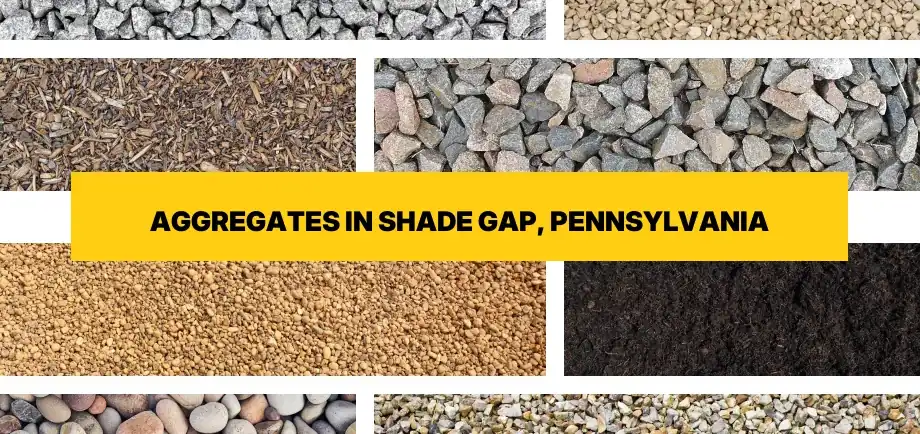
Shop Aggregates for Delivery in Shade Gap
Order online for free delivery to any Shade Gap address.


Gravel Monkey provides premium aggregate and gravel delivery throughout Shade Gap, Pennsylvania, serving properties across this scenic Huntingdon County valley. Whether you're maintaining a mountain driveway along Aughwick Creek, building a foundation near Three Springs, or creating pathways in Orbisonia, we deliver high-quality aggregates directly to your property with absolutely free delivery. Our materials are specifically selected to perform in Shade Gap's unique geological conditions, where Devonian shale formations and clay-heavy soils require proper drainage solutions and stable base materials.
Complete Selection of Aggregates & Materials for Shade Gap Properties
Shade Gap's location in the Aughwick Valley, surrounded by Shade Mountain and Three Square Hollow Mountain, creates distinct challenges for construction and landscaping projects. The area's shale-based geology and elevation changes require materials that provide excellent drainage while maintaining stability on slopes. We offer a comprehensive range of aggregates suited to local conditions:
- Driveway Gravel - Durable, weather-resistant base material ideal for mountain driveways
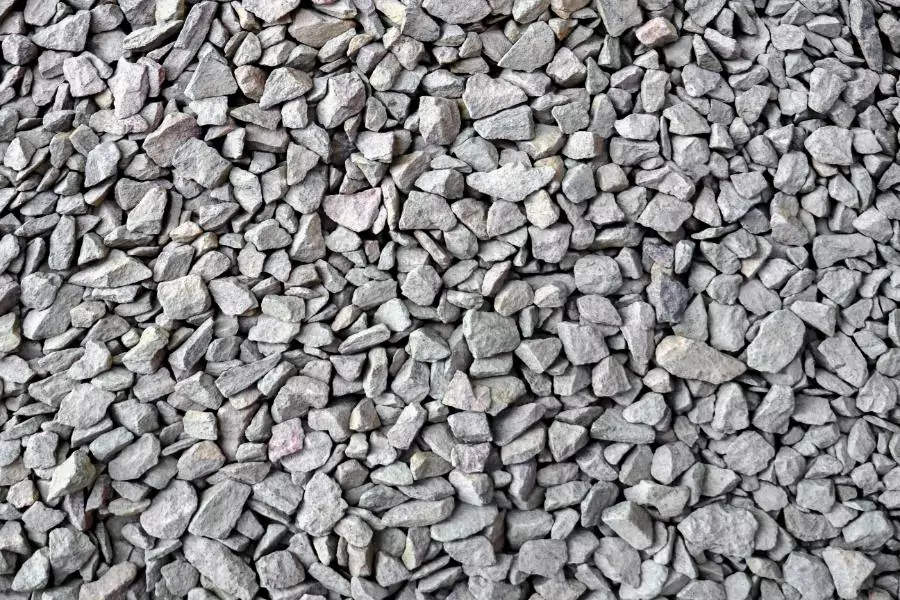
- 3/4 inch Crushed Stone - Versatile angular aggregate for foundations and driveway construction
- #57 Stone - Clean, uniform stone perfect for drainage applications and concrete work
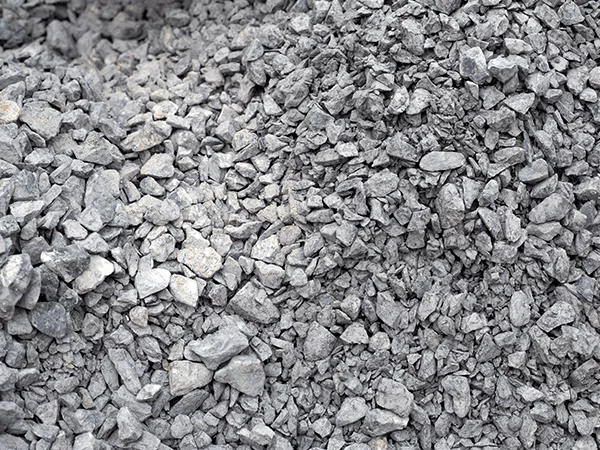
- Crusher Run - Compactable blend that creates rock-solid driveways and base layers
- Road Base - Heavy-duty foundation material for roads and parking areas
- Drain Rock - Essential for managing water in clay-heavy Pennsylvania soils
- Pea Gravel - Smooth, decorative stone for walkways and landscaping features
- River Rock - Natural aesthetic appeal for gardens and water features
- Walkway Gravel - Specially sized aggregate for comfortable, stable pedestrian paths
- Decomposed Granite - Natural-looking compactable surface for rustic pathways
- Crushed Concrete - Eco-friendly recycled aggregate for budget-conscious projects
- Topsoil - Nutrient-rich soil for gardens and lawn establishment
- Fill Dirt - Essential for grading and leveling projects on sloped terrain
- Mason Sand - Fine, clean sand for masonry and construction applications
- Playground Sand - Safe, tested sand for play areas and recreational spaces
- Washed Sand - Clean, particle-free sand for precise applications
Understanding Shade Gap's Unique Geology & Climate Conditions
Shade Gap sits at approximately 750 feet elevation in the Aughwick Valley, positioned between parallel ridges of the Ridge-and-Valley Appalachians. This geographic location creates specific conditions that impact aggregate selection and property maintenance. The area receives roughly 40 inches of precipitation annually, with winter snowfall averaging 30-35 inches. Summer temperatures typically reach the mid-80s, while winter lows frequently drop into the teens.
The local geology consists primarily of Devonian-age shale formations, including the Brallier and Harrell shales, which weather into clay-rich soils. These soils have poor natural drainage characteristics, making proper aggregate selection critical for driveways, foundations, and drainage systems. The shale bedrock close to the surface in many areas requires materials that can bridge between stable subgrade and finished surfaces without settling or shifting during freeze-thaw cycles.
Properties near Aughwick Creek and other waterways face additional drainage challenges during spring snowmelt and heavy rainfall events. The valley floor's relatively flat terrain can create standing water issues, while hillside properties contend with erosion and runoff management. These conditions make quality aggregates essential for long-term property stability and access maintenance.
Serving All Shade Gap Area Communities
We provide free delivery throughout the greater Shade Gap region, including these nearby communities and areas:
Orbisonia & Rockhill Furnace
Just north of Shade Gap along Route 522, Orbisonia and Rockhill Furnace form a historic community where the East Broad Top Railroad once thrived. Properties here benefit from our aggregates for maintaining access roads, creating parking areas for visitors to the rail museum, and managing drainage near Blacklog Creek. The area's historic stone buildings and period-appropriate landscaping often incorporate river rock and natural materials.
Three Springs Area
Southeast toward Three Springs, properties transition to more rolling agricultural terrain. Farms and rural homesteads require aggregates for long driveways, equipment access roads, and barnyard surfacing. The slightly higher elevation and exposed ridgetops make proper road base and durable driveway materials essential for year-round access.
Aughwick Creek Valley
Properties along Aughwick Creek benefit from our drain rock and drainage solutions to manage seasonal flooding and maintain stable driveways near the floodplain. The fertile valley soil supports agriculture but requires careful grading and aggregate base for residential construction projects.
Shade Mountain Communities
Hillside properties on the slopes of Shade Mountain face unique challenges with steep grades and erosion control. Our crusher run and road base materials provide excellent stability for mountain driveways, while proper drainage aggregates prevent washouts during heavy rains.
Shirleysburg & Dublin Mills
West toward Shirleysburg and the Dublin Mills area, the landscape features a mix of valley farmland and wooded hillsides. Properties here use our aggregates for everything from farm lane maintenance to residential driveway installation and landscaping projects around historic mills and barns.
Aggregate Applications for Shade Gap Properties
Mountain Driveways & Rural Access Roads
Shade Gap's terrain demands robust driveway solutions that handle steep grades, drainage challenges, and heavy seasonal weather. Many properties feature long driveways that climb from valley roads to hillside homesites. These access routes require properly engineered base layers and surface materials that resist washout and rutting.
We recommend starting with a road base foundation, topped with crusher run for excellent compaction and stability. The angular particles interlock to create a surface that resists shifting even on slopes exceeding 10-12%. For finishing surfaces, 3/4 inch crushed stone provides good traction in all weather while maintaining drainage. Properties with gentler slopes may opt for driveway gravel that offers a more refined appearance while still performing reliably.
Drainage Solutions for Clay Soils
The clay-heavy soils derived from local shale formations present ongoing drainage challenges. Water doesn't percolate naturally through clay, leading to surface pooling, frost heaving, and foundation problems. Proper drainage aggregate installation is essential for protecting buildings and maintaining usable outdoor spaces.
French drains constructed with drain rock effectively channel water away from foundations and low-lying areas. The open grading allows water to flow freely while providing structural stability. For areas requiring subsurface drainage, #57 stone works excellently around perforated pipe, offering consistent particle size that won't clog drainage systems. These drainage solutions are particularly crucial near Aughwick Creek and other waterways where seasonal water tables rise.
Foundation & Building Site Preparation
Preparing building sites in Shade Gap requires addressing the shallow shale bedrock and variable soil conditions. Excavation often encounters bedrock within a few feet of the surface, requiring careful planning for foundation systems. Proper aggregate installation creates stable platforms for construction.
Building sites typically need fill dirt to establish proper grades and elevations, followed by compacted road base or crusher run for structural support. These materials bridge between bedrock or native soil and foundation systems, distributing loads evenly and preventing settlement. The angular nature of crushed aggregates ensures maximum compaction and stability under structural loads.
Selecting the Right Aggregate for Your Shade Gap Project
Different aggregates serve distinct purposes. Understanding material characteristics helps ensure optimal performance and longevity:
| Aggregate Type | Best Applications | Particle Size | Compaction | Drainage |
|---|---|---|---|---|
| Crusher Run | Driveways, Base Layers | Blended Fines to 1.5" | Excellent | Moderate |
| 3/4" Crushed Stone | Driveways, Foundations | 3/4 inch | Very Good | Good |
| #57 Stone | Drainage, Concrete Base | 1/2 to 1 inch | Good | Excellent |
| Road Base | Roads, Heavy Traffic | Blended Mix | Excellent | Moderate |
| Drain Rock | French Drains, Culverts | 3/4 to 1.5 inch | Moderate | Excellent |
| Pea Gravel | Walkways, Landscaping | 3/8 inch | Low | Good |
| Decomposed Granite | Paths, Natural Look | Fine to 1/4 inch | Good | Moderate |
| Mason Sand | Masonry, Paver Base | Fine Sand | Good | Poor |
Seasonal Considerations for Aggregate Projects in Shade Gap
Spring: Managing Snowmelt & Mud Season
Spring in Shade Gap brings significant challenges as accumulated snow melts and spring rains saturate already clay-heavy soils. This is when drainage issues become most apparent, with driveways turning muddy and foundations experiencing hydrostatic pressure. Early spring is an excellent time to assess drainage needs and plan installation of drain rock systems before summer construction season begins.
However, aggregate delivery and installation during peak mud season (typically late March through early April) can be problematic. Heavy equipment may struggle on saturated soils, and proper compaction becomes difficult. We recommend waiting until soil moisture levels moderate, usually by mid to late April, before beginning major aggregate projects.
Summer: Optimal Construction Season
Summer offers ideal conditions for aggregate projects in the Shade Gap area. Dry weather and warm temperatures allow proper compaction and settling of materials. This is the perfect time for driveway installation, foundation work, and landscaping projects. The Pennsylvania growing season also makes summer the right time to combine topsoil and fill dirt projects with aggregate work for comprehensive property improvements.
Fall: Preparing for Winter
Autumn is an excellent time to address driveway maintenance and drainage improvements before winter. Fresh aggregate surfaces need several weeks to settle and compact naturally before facing freeze-thaw cycles. Completing projects by late October ensures materials have time to stabilize before December snows arrive. Fall is also ideal for installing playground sand in recreational areas while weather remains pleasant.
Winter: Planning & Limited Installation
While major aggregate projects typically wait for warmer weather, winter offers time to plan upcoming projects and address emergency access issues. Light snow events may require temporary gravel applications to improve traction, though frozen ground limits installation options. We can deliver materials for spring projects, allowing stockpiling when convenient.
Technical Specifications & Installation Best Practices
Proper Depth & Layering
Successful aggregate installations in Shade Gap's challenging soil conditions require attention to proper depth and layering techniques. For driveways, we recommend a minimum 6-inch total depth of compacted aggregate, with 8-10 inches preferred for heavy vehicle traffic or steep slopes. This typically consists of a 4-6 inch road base or crusher run foundation, topped with 2-4 inches of finished surface material.
Foundation preparations generally require 6-8 inches of compacted base aggregate beneath concrete or structural loads. Parking areas with RV or truck traffic benefit from 8-12 inches of properly compacted road base to prevent rutting and settling. Each layer should be compacted to 95% density before adding subsequent layers.
Drainage Integration
All aggregate installations in Shade Gap should incorporate drainage planning due to local soil conditions. Driveways need crown or cross-slope of 2-3% to shed water to edges where it can be managed. Subsurface drainage using washed sand-bedded drain rock in French drain configurations prevents water accumulation beneath aggregate surfaces.
Properties with significant slope should include check dams or water bars constructed with crushed concrete or larger road base stone to slow runoff and prevent erosion. Culverts beneath driveways must be properly sized (minimum 12-inch diameter for most applications) and bedded in #57 stone to maintain flow capacity.
Compaction & Equipment
Proper compaction transforms loose aggregate into stable, load-bearing surfaces. While smaller areas can be compacted with hand tampers or plate compactors, most driveways and larger projects require vibratory roller equipment. Each lift of material should not exceed 4-6 inches before compaction to ensure density throughout the depth.
Adequate moisture content aids compaction, particularly for crusher run and road base materials. The ideal moisture content is "optimum moisture" - when a handful of material forms a ball that breaks apart with light pressure. Too dry and material won't compact; too wet and it becomes unstable.
Environmental & Sustainability Considerations
Shade Gap's location within the Ridge-and-Valley Appalachians places properties within important ecological corridors. Responsible aggregate use helps protect local waterways like Aughwick Creek while maintaining property functionality. Our crushed concrete provides an eco-friendly alternative to virgin stone, recycling construction materials that would otherwise fill landfills.
Proper installation of aggregates actually improves environmental outcomes compared to bare soil or inadequate surfaces. Well-designed driveway systems with appropriate drainage prevent sediment runoff into streams during storms. Permeable pea gravel and river rock landscaping allows rainwater infiltration while controlling erosion. Strategic use of decomposed granite and walkway gravel creates stable paths that direct foot traffic away from sensitive vegetation.
When grading with fill dirt and topsoil, consider natural drainage patterns and avoid blocking historic water flows. Maintain vegetated buffers near streams and wetlands, using aggregates to stabilize transition zones without extending impervious surfaces into riparian areas. These practices protect water quality while providing functional outdoor spaces.
Why Shade Gap Properties Choose Gravel Monkey
Serving the Shade Gap community means understanding the specific challenges of mountain properties, shale-based soils, and rural Pennsylvania weather patterns. Our material selection reflects these local conditions, offering aggregates that perform reliably in freeze-thaw cycles, manage moisture in clay soils, and maintain stability on slopes.
Free delivery throughout the Shade Gap area eliminates one of the major cost barriers to quality aggregate projects. Whether you're near the Orbisonia area, out toward Three Springs, or on hillside properties overlooking the Aughwick Valley, we bring materials directly to your project site. This convenience is particularly valuable for rural properties where traveling to material yards adds significant time and expense.
Our team understands that mountain properties often have access limitations, steep driveways, and unique site conditions. We work with you to coordinate deliveries that work with your property's constraints, ensuring materials arrive where you need them. From small walkway projects requiring just a few yards of pea gravel to major driveway installations demanding multiple loads of road base and crusher run, we scale service to your needs.
Common Shade Gap Aggregate Projects
Long Mountain Driveways
Many Shade Gap properties feature driveways ranging from several hundred feet to a quarter-mile or more, climbing from public roads to hillside homesites. These extensive driveways represent significant investments requiring durable materials and proper engineering. A typical project might use road base for the foundation layer, crusher run for the structural middle layer, and driveway gravel or crushed stone for the surface.
Proper surface drainage through crowned or sloped grading prevents water accumulation and extends surface life. Strategic placement of culverts using drain rock bedding manages cross-drainage from uphill areas. Turn-around areas and parking spaces may require extra depth and reinforcement to handle concentrated traffic and turning forces.
Foundation Drainage Systems
Protecting foundations from water intrusion is critical in Shade Gap's clay soils. Comprehensive drainage systems typically include perimeter French drains backfilled with #57 stone, waterproof membranes, and proper grading using fill dirt to direct surface water away from structures. Sump pump discharge lines require appropriate drainage aggregate to dissipate water without creating erosion.
Barnyard & Equipment Areas
Agricultural properties need durable surfaces for equipment access, animal holding areas, and material storage. These high-traffic zones benefit from substantial depths of crusher run or road base, often 8-12 inches compacted, topped with additional surface aggregate. The heavy loads and frequent turning of farm equipment demands robust base construction that won't rut or fail under stress.
Landscaping & Aesthetic Features
Beyond functional applications, aggregates enhance Shade Gap properties aesthetically. River rock creates beautiful dry creek beds that also function as drainage swales. Walkway gravel and decomposed granite form comfortable paths through gardens and wooded areas. Pea gravel works excellently around play structures, in dog runs, and as mulch alternative in planting beds. Mason sand provides bases for pavers and flagstone patios that complement rural settings.
Frequently Asked Questions About Aggregate Delivery in Shade Gap
For steep driveways common in Shade Gap's hillside properties, we recommend starting with a compacted road base foundation, topped with crusher run. The angular particles and blended sizing create excellent interlock that resists sliding on slopes. For the surface layer, 3/4 inch crushed stone provides good traction year-round. Avoid smooth or rounded aggregates like pea gravel on significant slopes as they can shift under vehicle weight.
Measure your project area in feet (length times width), then multiply by the depth in feet. Divide this cubic footage by 27 to convert to cubic yards. For example, a 12-foot by 100-foot driveway with 6 inches (0.5 feet) depth equals 1,200 cubic feet divided by 27, which equals about 44 cubic yards. Our team can help verify calculations and recommend appropriate quantities based on your specific Shade Gap property conditions.
Small projects like garden pathways with pea gravel or playground areas with sand can often be DIY projects. However, driveways, drainage systems, and foundation work typically benefit from professional installation. Proper grading, compaction equipment, and understanding of local soil conditions significantly impact long-term performance. Many Shade Gap property owners choose to hire local contractors for site prep and base installation, then finish surfaces themselves to balance cost and quality.
The clay-heavy soils derived from local shale formations create persistent drainage challenges. Surface water doesn't percolate naturally, leading to standing water, saturated driveways during spring, and frost heaving in winter. Foundation walls can experience hydrostatic pressure without proper perimeter drainage. Installing French drains with drain rock, ensuring adequate surface grading with fill dirt, and using permeable aggregates like #57 stone helps manage these issues effectively.
Well-constructed driveways with proper base layers typically need surface refreshing every 3-5 years, depending on traffic levels and weather exposure. Mountain driveways in Shade Gap face more stress from steep grades and heavy spring runoff, potentially requiring more frequent maintenance. Adding a fresh 2-3 inch layer of crushed stone or driveway gravel restores surface integrity and appearance. Major reconstruction of base layers usually isn't needed for 15-20 years with proper initial installation.
Both are blended aggregates designed for compaction and structural support, but road base typically includes larger maximum particle sizes and may have higher quality specifications for heavy-duty applications. Crusher run is an excellent all-purpose material that compacts extremely well for driveways and most residential applications. Road base offers additional strength for commercial projects, heavy equipment areas, or roads subjected to substantial traffic. For most Shade Gap residential properties, crusher run provides outstanding performance at excellent value.
Crushed concrete is an excellent eco-friendly alternative that performs well for many applications. It compacts effectively for driveway bases, provides good drainage characteristics, and costs less than virgin stone. The material works particularly well under asphalt or as a base layer beneath other aggregates. Some property owners prefer natural stone appearance for top-dressing, but crushed concrete excels for structural applications where it won't be visible.
Late spring through early fall offers optimal conditions for aggregate installation. May through October provides warm, generally dry weather that allows proper compaction and material settling. Avoid late March through mid-April when spring mud season makes site access difficult and compaction problematic. Projects completed by late October have time to settle before winter freeze-thaw cycles begin. Emergency repairs can occur year-round, though frozen ground limits installation quality during deep winter.
Get Started on Your Shade Gap Aggregate Project
Whether you're planning a new driveway installation, addressing drainage challenges in clay soils, or creating beautiful landscaping features on your mountain property, Gravel Monkey provides the quality aggregates and reliable delivery service Shade Gap properties deserve. Our free delivery throughout Huntingdon County eliminates transportation hassles, while our material expertise ensures you get the right products for local conditions.
From the Aughwick Valley floor to hillside properties on Shade Mountain, from historic Orbisonia to rural Three Springs, we serve all of the greater Shade Gap community with the same commitment to quality and customer service. Our aggregates help Pennsylvania properties overcome challenging soil conditions, steep terrain, and demanding weather to create lasting, functional outdoor spaces.
Contact us today using the form to discuss your project needs, receive quantity recommendations, and schedule free delivery to your Shade Gap area property. Let Gravel Monkey help you build better with quality aggregates delivered right to your door.

Need help? Reach out for a quote: