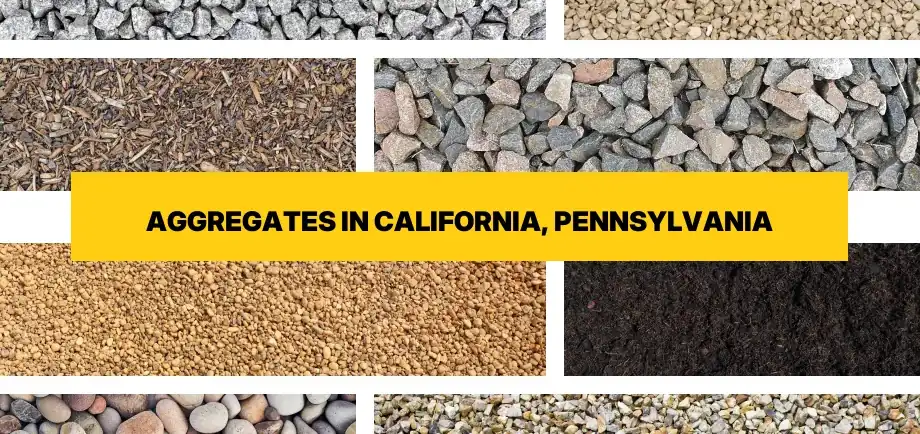
Sand, Aggregates & Gravel for California, Pennsylvania
Local Topsoil, Dirt, Sand, Rocks and Gravel near me in California, Pennsylvania
Shop Aggregates for Delivery in California
Order online for free delivery to any California address.


Gravel Monkey is your premier source for premium gravel and aggregate delivery in California, Pennsylvania. Serving homeowners, contractors, and businesses throughout Washington County, we bring high-quality aggregates directly to your property with absolutely free delivery. Whether you're tackling a driveway project near Coal Center, installing drainage solutions in the historic California Borough downtown area, or completing landscaping work near California University of Pennsylvania, our comprehensive selection of aggregates and materials meets every project need in southwestern Pennsylvania.
Complete Range of Aggregates & Materials in California, PA
California, PA sits in the heart of Washington County where clay-heavy soils and seasonal freeze-thaw cycles demand quality aggregates that perform year-round. Gravel Monkey delivers the materials you need for lasting results:
- Driveway Gravel - Premium base material engineered for southwestern Pennsylvania's challenging soil conditions
- 3/4 Inch Crushed Stone - Versatile aggregate ideal for driveways, foundations, and base layers throughout California Borough
- #57 Stone - Industry-standard drainage stone perfect for French drains and foundation perimeters
- Crusher Run - Superior compactable base that locks together for stable driveways and parking areas
- Road Base - Heavy-duty foundation material for long-lasting driveway and roadway construction
- Pea Gravel - Smooth decorative stone for walkways, patios, and landscaping features
- River Rock - Natural aesthetic appeal for gardens, water features, and erosion control
- Walkway Gravel - Perfect blend for stable, attractive pedestrian paths
- Decomposed Granite - Natural compactable surface for trails and rustic pathways
- Crushed Concrete - Eco-friendly recycled aggregate for budget-conscious base applications
- Drain Rock - Specialized aggregate for managing California's clay soil drainage challenges
- Topsoil - Nutrient-rich soil for gardens, lawns, and landscaping projects
- Fill Dirt - Essential material for grading, leveling, and raising property elevations
- Mason Sand - Fine-grade sand for masonry, paver bases, and construction work
- Playground Sand - Safe, clean sand for play areas and sandboxes
- Washed Sand - Clean aggregate for concrete mixing and specialty applications
Why California, PA Properties Need Quality Aggregates
California Borough and surrounding Washington County face unique geological and climate conditions that make proper aggregate selection critical. Situated along the Monongahela River valley, the region's Pennsylvanian-age bedrock produces clay-rich soils with poor natural drainage characteristics. These heavy clay soils expand when wet and contract during dry periods, creating stress on driveways, foundations, and hardscaping.
Southwestern Pennsylvania experiences four distinct seasons with average winter lows near 20°F and summer highs around 85°F. This temperature range, combined with approximately 38 inches of annual precipitation, creates freeze-thaw cycles that can damage improperly constructed surfaces. Properties near the Monongahela River or Pike Run may face additional drainage challenges requiring specialized aggregate solutions.
The coal mining history of Washington County has also affected local soil composition in areas around Coal Center and Roscoe. Some properties sit on reclaimed land where proper base preparation with quality aggregates becomes even more essential for long-term stability. Whether you're in historic downtown California near Third Street, the residential areas around California University of Pennsylvania, or rural properties toward West Brownsville, selecting the right aggregates protects your investment.
Driveway Solutions for California Borough Properties
Driveways in California, Pennsylvania face constant challenges from weather, traffic, and the region's clay soil base. A properly constructed driveway starts with understanding the layering system that provides both stability and drainage.
Base Layer Construction
The foundation of any driveway in California should begin with a stable base that addresses drainage. For most residential properties from Coal Center to Fredericktown, a 4 to 6 inch base layer provides the necessary support. Crusher run excels in this application because it contains stone dust and fines that compact tightly, creating an almost concrete-like base when properly installed.
Properties with particularly challenging clay soil conditions near Pike Run or lower-lying areas may benefit from starting with road base material. This heavy-duty aggregate provides maximum load-bearing capacity and helps bridge soft spots in the subgrade. The key is excavating deep enough to remove unstable soil and replace it with properly compacted aggregate layers.
Surface Layer Options
Once the base layer is established, the surface material determines both appearance and functionality. Three-quarter inch crushed stone creates a traditional driveway surface that provides excellent traction and drainage. The angular edges of crushed stone interlock mechanically, resisting displacement from vehicle traffic. This makes it ideal for the sloped driveways common in California's hilly terrain.
For properties requiring a finer surface, pea gravel offers a smoother appearance while still providing adequate drainage. However, in steeper areas around California University or West Brownsville, the rounded shape of pea gravel may shift more easily under vehicle traffic. Consider using walkway gravel for pathways and foot traffic areas, reserving more angular aggregates for vehicular surfaces.
Managing Water with Proper Drainage Aggregates
Washington County's clay soils retain water, creating drainage problems that affect foundations, basements, and hardscaping. Effective water management requires understanding how different aggregates facilitate drainage and where to apply them.
French Drain Installation
Number 57 stone is the standard aggregate for French drain systems throughout California, PA. Its three-quarter inch size allows water to flow freely between stones while providing enough mass to resist compaction. French drains should be installed along foundation perimeters, at the base of retaining walls, and anywhere water accumulates on your property.
For properties near the Monongahela River or in low-lying areas prone to standing water, drain rock provides enhanced water movement. The clean, uniform sizing of drain rock maximizes void space, allowing rapid water infiltration even during heavy rainfall events common in southwestern Pennsylvania springs.
Foundation Perimeter Solutions
Homes in California Borough's older neighborhoods often lack proper foundation drainage. Retrofitting drainage systems around existing foundations protects basements from water intrusion and prevents the soil expansion issues that cause foundation cracks. A 12 to 18 inch layer of number 57 stone or drain rock around the foundation perimeter, combined with proper sloping away from the house, directs water away from vulnerable areas.
| Aggregate Type | Best Applications | Size Range | Drainage Rating | Compaction Level |
|---|---|---|---|---|
| Crusher Run | Driveway base, parking areas, foundations | Fines to 1 inch | Good | Excellent |
| 3/4 Inch Crushed Stone | Driveways, walkways, general fill | 3/4 inch | Excellent | Very Good |
| #57 Stone | French drains, drainage beds, foundation backfill | 3/4 inch | Excellent | Moderate |
| Road Base | Heavy traffic areas, commercial driveways | Fines to 1.5 inch | Good | Excellent |
| Pea Gravel | Landscaping, pathways, decorative areas | 3/8 inch | Very Good | Poor |
| Drain Rock | Septic fields, foundation drains, water management | 3/4 to 1 inch | Outstanding | Poor |
| Decomposed Granite | Trails, rustic pathways, natural landscaping | Fines to 1/4 inch | Fair | Good |
| Crushed Concrete | Base layers, temporary roads, budget projects | Fines to 1.5 inch | Good | Very Good |
Landscaping & Decorative Aggregates for California Properties
Beyond functional applications, aggregates transform California area properties into attractive outdoor spaces. The rolling terrain and seasonal beauty of Washington County provide the perfect backdrop for creative landscaping using natural stone materials.
Decorative Stone Applications
River rock brings natural elegance to garden beds, water features, and erosion control areas. Available in various sizes, river rock complements California's wooded hillsides and creates visual interest around properties near California University of Pennsylvania. The smooth, rounded stones contrast beautifully with plantings and require minimal maintenance.
Pea gravel works exceptionally well for creating Mediterranean-style gardens, filling spaces between pavers, and establishing low-maintenance ground cover. Properties in the historic downtown area can use pea gravel to create charming courtyard spaces that echo California's heritage while requiring less water than traditional lawns. The neutral tan and gray tones blend with any color scheme.
Pathway Construction
Walkway gravel provides the perfect solution for garden paths, side yards, and nature trails on larger properties toward Bentleyville and West Brownsville. This specially sized aggregate compacts moderately while maintaining permeability, allowing rainwater to infiltrate rather than running off. The natural appearance suits California's small-town character.
For more rustic applications, decomposed granite creates firm yet natural-looking trails and pathways. This material compacts solidly when watered and tamped, yet maintains a permeable surface that handles Pennsylvania's rainfall patterns. Use decomposed granite for woodland paths, around garden sheds, or connecting outbuildings on rural properties.
Topsoil & Fill Dirt for California Area Projects
Successful landscaping, gardening, and grading projects in California, PA depend on quality soil materials that match the intended application. Understanding the difference between topsoil and fill dirt ensures project success.
When to Use Topsoil
Topsoil contains the organic matter, nutrients, and soil structure necessary for plant growth. Use topsoil for establishing new lawns, creating garden beds, refreshing existing landscaping, and any application where you'll be growing plants. Properties throughout California Borough benefit from adding several inches of quality topsoil to improve the naturally clay-heavy soil structure.
Garden beds near the Monongahela River may have nutrient-depleted soil from centuries of agricultural use. Adding 4 to 6 inches of topsoil and incorporating it into the existing soil improves drainage, fertility, and root development. For raised beds, use pure topsoil or create custom mixes based on your specific plants' needs.
Fill Dirt Applications
Fill dirt serves structural purposes - leveling yards, raising foundations away from drainage problems, filling holes, and grading slopes. Unlike topsoil, fill dirt contains minimal organic matter, preventing decomposition and settling over time. Use fill dirt for any application requiring stable, permanent fill.
Properties on California's hillsides often need grading to create level areas for patios, sheds, or play spaces. Fill dirt establishes these level pads, which can then be topped with topsoil for landscaping. Similarly, homes near Pike Run experiencing drainage issues may need fill dirt to adjust grades and direct water away from foundations.
Specialty Sand Products for Construction & Landscaping
Sand materials serve specific purposes in construction, masonry, and landscaping projects throughout Washington County. Gravel Monkey provides several sand types to meet diverse project requirements.
Mason Sand for Construction
Mason sand is a fine, clean sand essential for mortar mixing, paver base installation, and masonry work. The uniform particle size ensures proper mortar consistency for brick and block work common in California's historic structures. Use mason sand beneath paver patios and walkways to create a level, stable base that resists settling.
Washed Sand Applications
Washed sand undergoes cleaning to remove clay, silt, and organic materials, producing a pure product for concrete mixing and specialized applications. Properties undertaking concrete work for driveways, foundations, or sidewalks near California University benefit from using washed sand to ensure proper concrete strength and curing.
Safe Playground Sand
Playground sand meets safety standards for use in play areas, sandboxes, and recreational spaces. The fine, soft texture cushions falls while resisting compaction. Schools, daycare facilities, and residential properties throughout California Borough trust playground sand for safe, clean play surfaces that children can enjoy year-round.
Serving California Borough & Surrounding Communities
Gravel Monkey proudly delivers premium aggregates throughout California, Pennsylvania and neighboring Washington County communities. Each area has unique characteristics that influence material selection and project design.
California Borough Historic District
Downtown California features historic homes and businesses along Third Street and surrounding areas. These properties often require sensitive renovations that respect the area's heritage. Period-appropriate gravel driveways using three-quarter inch crushed stone or crusher run maintain historic character while providing modern functionality. The tight streets and established trees mean planning delivery access carefully.
California University Area
Properties near California University of Pennsylvania see heavy student traffic and require durable aggregate solutions. Rental property owners benefit from crusher run driveways that withstand constant use and require minimal maintenance. Decorative river rock and pea gravel create attractive landscaping that appeals to students while requiring little upkeep.
Coal Center
This small community along the Monongahela River faces drainage challenges from its riverside location and coal mining history. French drains using number 57 stone or drain rock manage water effectively. Properties may benefit from additional fill dirt to improve grades and direct water away from structures.
Roscoe & West Brownsville
These river communities share California's clay soil challenges while facing additional flood considerations. Elevated driveways using proper base materials protect vehicle access during high water periods. Road base provides the load-bearing capacity needed for these demanding applications.
Fredericktown
Rural properties around Fredericktown often feature longer driveways requiring substantial aggregate quantities. Crushed concrete provides a cost-effective base layer, topped with crushed stone for a durable surface. The agricultural character of the area means farm access roads also benefit from quality aggregate construction.
Bentleyville
This neighboring community shares California's terrain and climate patterns. Residential properties benefit from the same aggregate solutions - proper drainage systems, stable driveway construction, and attractive landscaping materials that complement the rural setting.
Calculating Your Aggregate Needs in California, PA
Ordering the correct amount of aggregate saves money and prevents project delays. Understanding how to calculate material needs ensures you have exactly what your California property requires.
Basic Volume Calculation
Start by measuring your project area in feet - length times width times depth. A standard driveway in California Borough measuring 50 feet long by 12 feet wide needs 600 square feet of coverage. At 4 inches (0.33 feet) depth, that equals 200 cubic feet. Since aggregates are sold by the ton, convert cubic feet to tons using the material's density.
Crushed stone and gravel typically weigh approximately 1.4 tons per cubic yard (27 cubic feet). For our example driveway, 200 cubic feet equals 7.4 cubic yards, requiring roughly 10.4 tons of material. Always add 10 percent extra to account for compaction and irregular surfaces.
Depth Requirements by Application
Different projects require varying aggregate depths for optimal performance in California's climate:
- Residential Driveways: 4 to 6 inches total (3 to 4 inches base, 2 inches surface)
- Commercial Drives/Parking: 8 to 12 inches total (6 to 8 inches base, 2 to 4 inches surface)
- Walkways & Paths: 2 to 3 inches (decorative stone over landscape fabric)
- French Drains: 12 to 18 inches depth (depending on water volume)
- Foundation Drainage: 12 inches minimum around perimeter
- Patio Base: 4 to 6 inches (under pavers or other hardscaping)
Washington County Soil Considerations
California's clay soils require special attention during base preparation. Excavate deeper than minimum requirements in areas with particularly heavy clay or poor drainage. Properties near Pike Run or other water features may need 8 to 10 inches of base material where standard construction requires only 4 to 6 inches.
The freeze-thaw cycle in southwestern Pennsylvania demands adequate depth to prevent frost heaving. Driveways and foundations should extend below the frost line, approximately 36 inches in Washington County. While not all projects require this depth, understanding frost line implications helps prevent seasonal damage.
Professional Installation Techniques for California Properties
Proper installation maximizes the performance and longevity of aggregate materials on your California property. Follow these professional techniques for best results.
Site Preparation
Begin every aggregate project with thorough site preparation. Remove all organic material, including grass, roots, and topsoil. These materials decompose over time, creating voids that cause settling and surface irregularities. Strip the area to stable subsoil before adding any aggregate.
Grade the prepared area to promote drainage away from structures. A minimum slope of 2 percent (2 feet of drop per 100 feet of length) ensures water movement. In California's terrain, work with natural slopes while ensuring positive drainage in all directions.
Compaction Process
Proper compaction transforms loose aggregate into a solid, stable surface. Compact base layers in 3 to 4 inch lifts using a plate compactor for residential projects or a vibratory roller for larger commercial installations. Each lift should be compacted before adding the next layer.
Moisture content affects compaction effectiveness. Slightly damp aggregate compacts better than completely dry material. In California's humid summers, aggregates typically have adequate moisture. During dry periods, lightly spray the material before compacting.
Edge Restraint
Prevent aggregate migration by installing edge restraints. For driveways, timber borders, concrete curbing, or steel edging contain the material and maintain clean edges. Decorative landscaping applications use plastic edging or natural stone borders to keep pea gravel and other materials in place.
The sloped terrain around California University and throughout Washington County makes edge restraint particularly important. Without proper containment, aggregates gradually migrate downhill, requiring frequent replenishment and creating unsightly edges.
Seasonal Factors for California, PA Aggregate Projects
Southwestern Pennsylvania's four-season climate influences the timing and approach to aggregate projects. Planning around weather patterns ensures optimal results.
Spring Project Planning
Spring brings moderate temperatures and frequent rainfall to California. While excellent weather for landscaping projects using topsoil and decorative aggregates, spring rain can challenge driveway installations. Schedule base construction during dry periods and allow adequate time for compaction. The ground thaw also reveals winter damage, making spring ideal for repairs.
Summer Installation Season
Summer offers the most reliable weather for aggregate projects throughout Washington County. Warm temperatures and lower rainfall allow proper moisture control during compaction. However, California's summer heat can make physical work demanding. Start projects early in the day and ensure adequate hydration. Summer also sees peak demand, so schedule delivery in advance.
Fall Preparation
Fall provides excellent conditions for aggregate projects before winter. Moderate temperatures, stable ground conditions, and generally dry weather support quality installations. Complete projects before ground freezing begins, typically late November in California. Fall projects cure and settle before spring thaw, preventing seasonal movement issues.
Winter Limitations
Frozen ground and snow cover limit winter aggregate work in California, PA. However, winter planning prepares projects for spring execution. Use winter months to research options, obtain quotes, and schedule spring delivery. Minor repairs using dry materials are possible during winter thaws, but major installations should wait for spring.
Frequently Asked Questions About Gravel in California, PA
Crusher run provides the best overall performance for California driveways. It compacts tightly to create a stable base while offering good drainage for the region's clay soils. For the surface layer, three-quarter inch crushed stone delivers excellent traction and appearance. Properties with heavy traffic or commercial use benefit from road base as the foundation layer.
Residential driveways in California typically require 4 to 6 inches of total aggregate depth - 3 to 4 inches of crusher run base topped with 2 inches of crushed stone surface. Properties with soft clay soil or heavy vehicles may need 6 to 8 inches of base material. Commercial applications and parking areas should plan for 8 to 12 inches of total depth.
Yes, we provide free delivery throughout California Borough including the historic downtown area, neighborhoods around California University of Pennsylvania, and residential areas throughout the community. We also serve surrounding communities including Coal Center, Roscoe, Fredericktown, West Brownsville, and Bentleyville. Contact us to confirm delivery availability for your specific address.
French drains using number 57 stone or drain rock provide excellent drainage for California's clay-heavy soils. Install drainage systems along foundation perimeters, at the base of retaining walls, and in low areas where water accumulates. The key is creating pathways for water to move through and away from problem areas. Properties near Pike Run or the Monongahela River may need more extensive drainage solutions.
Late spring through fall offers the best conditions for gravel installation in California. Summer provides the most predictable weather, while fall allows projects to settle before winter. Spring installations benefit from moderate temperatures but should be scheduled during dry periods. Avoid major installations during winter when frozen ground prevents proper compaction.
Gravel Monkey offers FREE delivery to California and surrounding Washington County areas. You pay only for the materials you order, with no hidden delivery charges. Pricing varies by material type and quantity, but eliminating delivery fees makes quality aggregates affordable for every project. Contact us for a detailed quote based on your specific needs.
Yes, crushed concrete works well for base layers and offers an eco-friendly, budget-friendly alternative to virgin stone. Many California area contractors use crushed concrete for the base layer and top it with crushed stone for appearance. Crushed concrete compacts similarly to crusher run and provides good drainage. It performs particularly well for secondary driveways, farm access roads, and other utility applications.
Steep driveways around California require angular aggregates that resist displacement. Three-quarter inch crushed stone provides excellent traction and locks together mechanically. Avoid rounded materials like pea gravel on slopes as they tend to shift under vehicle traffic. Proper base preparation with crusher run and adequate compaction are essential for steep driveway stability.
Premium Aggregate Delivery Throughout California, PA
Gravel Monkey combines quality aggregates, expert knowledge, and free delivery to serve California, Pennsylvania and all of Washington County. Whether you're a homeowner tackling a weekend driveway project near Coal Center, a contractor managing commercial construction in downtown California, or a landscaper creating beautiful outdoor spaces around California University, we deliver the materials you need exactly when you need them.
Our commitment to customer service means you receive professional guidance throughout your project. From calculating material quantities to selecting the right aggregate for California's challenging clay soils, our team ensures your success. Free delivery eliminates the hassle and expense of material transportation, making premium aggregates accessible to every property owner in Washington County.
Every load of gravel, stone, or aggregate from Gravel Monkey meets strict quality standards. We understand how southwestern Pennsylvania's climate, geology, and soil conditions affect material performance. That knowledge informs our product selection and recommendations, ensuring you receive aggregates that perform reliably year after year.
Experience the Gravel Monkey difference for your next aggregate project in California, PA. Whether you need a single yard of decorative stone for landscaping or multiple tons of base material for extensive site work, we deliver the quality and service Washington County has come to trust. Contact us today to discuss your project and discover why property owners throughout California Borough, Coal Center, Roscoe, Fredericktown, West Brownsville, and Bentleyville choose Gravel Monkey for all their aggregate needs.

Need help? Reach out for a quote: