Gravel for Sale in Spring Mount, Pennsylvania
Local Topsoil, Dirt, Sand, Rocks and Gravel near me in Spring Mount, Pennsylvania
Shop Aggregates for Delivery in Spring Mount
Order online for free delivery to any Spring Mount address.
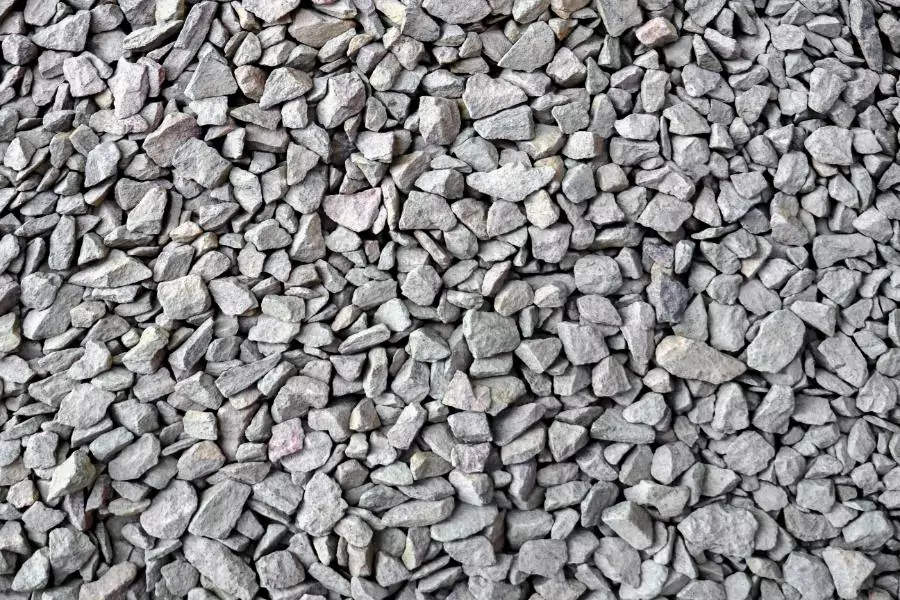
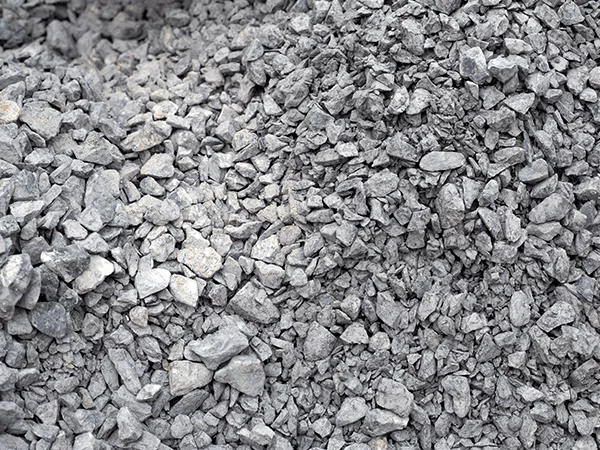


Gravel Monkey provides comprehensive aggregate delivery services throughout Spring Mount, Pennsylvania, bringing quality crushed stone, gravel, and landscaping materials directly to your property with free delivery. Whether you're renovating a historic property near Spring Mountain, upgrading a rural driveway off Route 73, or tackling a drainage project in the rolling hills of Montgomery County, our selection of premium aggregates meets the demands of southeastern Pennsylvania's unique geology and climate conditions.
Complete Range of Aggregates and Materials for Spring Mount Projects
Spring Mount's position in the Perkiomen Creek watershed and its characteristic clay soils create specific challenges for property owners. From freeze-thaw cycles that damage driveways to drainage issues caused by heavy Pennsylvania clay, selecting the right aggregate material is crucial for long-lasting results. Gravel Monkey delivers a comprehensive inventory of construction and landscaping aggregates specifically suited to Montgomery County conditions:
- Driveway Gravel - Compactable aggregate blend engineered for residential and farm driveways throughout Spring Mount and Zieglersville
- 3/4 inch Crushed Stone - Versatile angular stone for drainage, foundations, and base layers in Upper Frederick Township
- #57 Stone - Premium drainage aggregate ideal for French drains and septic systems in clay-heavy soils
- Crusher Run - Compactable base material perfect for driveways and parking areas along Swamp Pike
- Road Base - Heavy-duty foundation material for long country lanes and farm roads
- Pea Gravel - Smooth decorative stone for garden pathways and landscaping beds
- River Rock - Natural rounded stone in multiple sizes for water features and decorative landscaping
- Drain Rock - Angular aggregate specifically designed for superior water management
- Crushed Concrete - Recycled aggregate offering an eco-friendly alternative for base applications
- Walkway Gravel - Sized perfectly for pedestrian paths and garden walkways
- Topsoil - Nutrient-rich soil for gardens, lawns, and landscaping projects
- Fill Dirt - Quality material for grading, leveling, and filling low areas
- Mason Sand - Fine-grade sand for masonry, paver bases, and construction applications
- Playground Sand - Clean, safe sand for play areas and sandboxes
- Washed Sand - Clean sand ideal for concrete mixing and landscaping
- Decomposed Granite - Natural-looking aggregate for pathways and landscape surfaces
Understanding Spring Mount's Geological Characteristics
Spring Mount sits within the Triassic Lowland section of Pennsylvania's Piedmont physiographic province, characterized by sedimentary bedrock overlain with thick deposits of clay-rich soils. This geology, formed from ancient lake beds and river deposits, creates specific challenges for construction and landscaping projects. The heavy clay content in Spring Mount soils—typical throughout Montgomery County—means proper drainage and base preparation are absolutely critical for any aggregate installation.
The region experiences Pennsylvania's full four-season climate, with average annual precipitation of 45 inches distributed fairly evenly throughout the year. Winter freeze-thaw cycles are particularly impactful here, with temperatures regularly crossing the freezing point multiple times per season. This cycling causes significant heaving in improperly prepared surfaces and makes selecting the right aggregate base material essential for longevity. Properties near the Perkiomen Creek and its tributaries face additional drainage considerations, as the clay soils naturally retain moisture and can create standing water issues without proper aggregate drainage layers.
Climate Considerations for Aggregate Selection
Spring Mount's climate demands aggregates that can withstand freeze-thaw cycling, shed water efficiently, and maintain stability through hot, humid summers and cold winters. Average temperatures range from the low 20s in January to the mid-80s in July, with humidity often reaching uncomfortable levels during summer months. These conditions affect how aggregates perform over time, making material selection crucial for project success.
Aggregate Delivery Throughout Spring Mount and Surrounding Communities
We proudly serve residential and commercial properties throughout the greater Spring Mount area, including these neighboring communities and locations:
- Schwenksville - Historic borough with diverse residential and commercial aggregate needs
- Zieglersville - Rural community with extensive driveway and farm road requirements
- Evansburg - Established area near Evansburg State Park requiring drainage solutions
- Skippack - Growing township with ongoing construction and landscaping projects
- Collegeville - Residential community with frequent driveway and pathway installations
- Royersford - Nearby borough accessing quality aggregates for various applications
- Route 73 Corridor - Properties along this main thoroughfare with commercial and residential needs
- Swamp Pike Area - Rural properties requiring long driveway and road base materials
Our delivery service extends throughout Upper Frederick Township and surrounding Montgomery County areas, ensuring that quality aggregates reach even remote rural properties efficiently. Whether your project is in the established neighborhoods near Route 29 or on a hillside property overlooking the Perkiomen Valley, we deliver directly to your site with free delivery included.
Choosing the Right Aggregate for Your Spring Mount Project
Not all gravel and stone serve the same purpose. Understanding which aggregate best suits your specific application ensures your investment performs as expected through Pennsylvania's demanding seasonal changes. Here's how different materials work for common Spring Mount applications:
Driveway and Access Road Aggregates
Spring Mount's rural character means many properties feature long driveways extending from main roads to homes set back on larger lots. These access roads require aggregates that compact well, drain effectively, and resist the rutting and washout common during Pennsylvania's heavy spring rains and winter snow melt. The combination of clay subsoils and significant weather exposure makes proper base preparation and material selection critical.
For new driveway construction or major renovations, a layered approach works best in Spring Mount's clay soils. Start with a geotextile fabric to prevent clay intrusion, then install a compacted base layer that provides stability and drainage. Many property owners successfully use a combination approach: crusher run for the base layer provides excellent compaction and stability, topped with a surface layer of traditional driveway gravel for appearance and final performance.
Drainage Solutions for Clay Soils
Perhaps no issue frustrates Spring Mount property owners more than drainage problems. The area's heavy clay soils, combined with rolling terrain and relatively high precipitation, create situations where water simply won't percolate naturally. Standing water around foundations, saturated yards, and muddy areas near downspouts are common complaints. Properly designed drainage systems using appropriate aggregates solve these challenges effectively.
French drains remain the gold standard for managing groundwater and surface drainage in clay soils. The key is using clean, angular aggregate that creates substantial void space for water movement. In Spring Mount's conditions, this means avoiding rounded materials that pack tightly and selecting angular stones that maintain their drainage capacity even when surrounded by fine clay particles. Installation should include proper slope, adequate depth, and connection to appropriate discharge points to prevent creating new problems while solving existing ones.
Foundation and Construction Base Applications
Building projects throughout Spring Mount require stable, well-draining base materials beneath foundations, slabs, and hardscape installations. The local clay soils expand when wet and contract when dry—a characteristic that causes significant problems for structures built directly on undisturbed soil. Proper aggregate base preparation creates a stable platform isolated from the moisture-related movement of underlying clay.
Road base provides excellent performance beneath building foundations and concrete slabs. Its angular particles interlock when compacted, creating a stable platform that resists settlement. The material's gradation—including both larger aggregate and finer particles—allows it to compact densely while maintaining some drainage capacity. For areas with particularly problematic soils, a deeper aggregate base provides additional protection against moisture-related movement and frost heaving.
| Aggregate Type | Best Applications | Typical Size | Drainage Rating | Compaction |
|---|---|---|---|---|
| Crusher Run | Driveway base, parking areas | Varied gradation | Good | Excellent |
| 3/4 inch Crushed Stone | Drainage, foundations, driveways | 3/4 inch | Excellent | Good |
| Number 57 Stone | French drains, septic fields | 1/2 to 1 inch | Excellent | Moderate |
| Road Base | Heavy-duty foundations, roads | Varied gradation | Good | Excellent |
| Drain Rock | Drainage systems, retaining walls | 3/4 to 1 1/2 inch | Superior | Moderate |
| Pea Gravel | Landscaping, pathways | 3/8 inch | Good | Poor |
| River Rock | Decorative landscaping | 1 to 3 inches | Good | Poor |
| Decomposed Granite | Pathways, natural look surfaces | Fine to 1/4 inch | Moderate | Good |
Best Practices for Aggregate Installation in Spring Mount
Proper installation methods significantly impact how well aggregates perform in Montgomery County's challenging soil and climate conditions. While specific projects vary, certain principles apply across most Spring Mount applications:
Site Preparation and Base Work
Success starts with proper excavation and base preparation. Clay soils must be graded to promote drainage away from the installation area. For driveways and high-load applications, excavating to stable subsoil and installing geotextile fabric prevents clay intrusion into the aggregate base—a common cause of base failure. The fabric allows water to drain while preventing fine soil particles from pumping up into the aggregate during freeze-thaw cycles.
Proper depth is essential. Driveways typically require 6 to 8 inches of compacted aggregate to prevent ruts and maintain stability through seasonal changes. Areas with particularly soft or wet soils may need deeper preparation. Properties on hillsides or near the Perkiomen Creek watershed should consider drainage patterns carefully, possibly incorporating French drains or other water management features into the base construction.
Compaction and Layer Building
Mechanical compaction transforms loose aggregate into a stable, durable surface. For most applications, compact in lifts no more than 4 inches thick, as thicker layers won't compact properly throughout their depth. Use appropriate equipment—plate compactors for smaller areas, vibratory rollers for larger projects. Moisture content affects compaction quality; materials slightly damp compact better than bone-dry aggregate, though overly wet material won't compact properly.
For multi-layer installations common in Spring Mount driveways, each layer should be compacted before adding the next. The base layer provides structural strength and drainage, while surface layers contribute to final appearance and performance. Some property owners choose to install base layers immediately but delay surface material until settling occurs—allowing any low spots to appear before finishing the project.
Seasonal Planning for Spring Mount Aggregate Projects
Pennsylvania's distinct seasons affect both project planning and material performance. Understanding these seasonal factors helps property owners schedule work appropriately and select materials suited to current conditions:
Spring Considerations
Spring brings challenges as frozen ground thaws and spring rains saturate soils. Spring Mount's clay soils hold moisture particularly well, making early spring difficult for heavy equipment access. However, this season offers good weather for projects once ground conditions stabilize. Many property owners schedule driveway and drainage work for late spring, after the ground dries somewhat but before summer heat arrives.
Summer Installation Advantages
Summer provides ideal conditions for aggregate installation throughout Spring Mount. Dry weather allows proper compaction, and warm temperatures mean no frost concerns. Dust during dry spells can be managed with light water application during installation. This season sees the most construction and landscaping activity, so scheduling delivery and installation crews may require advance planning.
Fall Project Benefits
Fall offers excellent conditions for aggregate work in Montgomery County. Cooler temperatures make physical work more comfortable, and autumn typically brings less rain than spring. Completing driveway and drainage projects in fall allows them to settle over winter, with any necessary adjustments made the following spring. This timing works particularly well for properties planning to complete projects before holiday visitors arrive.
Winter Work Limitations
Frozen ground makes excavation difficult or impossible during Winter in Spring Mount. However, some surface-level projects can proceed during mild periods. Snow cover provides natural protection for newly installed aggregates, preventing frost heaving in some cases. Emergency repairs to damaged driveways or access roads may be necessary during winter, though proper permanent repairs should wait for spring thaw.
Maintaining Your Aggregate Installations
Properly installed aggregates require relatively little maintenance, but periodic attention keeps them performing optimally through Montgomery County's weather extremes:
- Grade and Rake - Periodically redistribute surface aggregate to fill wheel ruts and low spots
- Add Material - Top-dress driveways every few years to replace aggregate gradually lost to vehicle traffic
- Control Vegetation - Apply pre-emergent herbicide to prevent weed growth in aggregate surfaces
- Address Drainage - Keep ditches and culverts clear to prevent water from undermining aggregate bases
- Repair Promptly - Address soft spots or failures immediately to prevent larger problems from developing
- Seasonal Grading - Regrade driveways after winter to correct frost heaving and repair weather damage
Environmentally Responsible Aggregate Selection
Montgomery County property owners increasingly consider environmental impacts when selecting building materials. Aggregates offer several environmentally positive characteristics compared to alternatives like asphalt or concrete:
Permeable aggregate surfaces allow rainwater infiltration, reducing runoff that contributes to creek and stream pollution. This characteristic is particularly important near the Perkiomen Creek watershed, where water quality concerns affect both local ecosystems and downstream communities. Unlike impervious surfaces that shed 100% of rainfall as runoff, properly constructed aggregate installations allow significant water infiltration while maintaining surface stability.
Recycled aggregates like crushed concrete provide environmental benefits by reusing materials otherwise destined for landfills. These products perform comparably to virgin stone in many applications while reducing the environmental impact of quarrying operations. For property owners concerned about sustainability, recycled aggregates offer a responsible choice that doesn't compromise performance.
Light-colored aggregates reflect solar heat rather than absorbing it like dark asphalt surfaces. This characteristic reduces the heat island effect and can make outdoor spaces more comfortable during hot Pennsylvania summers. Properties with extensive aggregate driveways or pathways stay measurably cooler than those with dark paved surfaces—a consideration for both comfort and energy efficiency if the surfaces are near air-conditioned buildings.
Frequently Asked Questions About Aggregates in Spring Mount
For Spring Mount's clay-heavy soils, we recommend a layered approach: start with crusher run or road base for a stable, compactable foundation (4-6 inches compacted), then top with driveway gravel (2-3 inches) for appearance and final performance. Always install geotextile fabric between clay subsoil and aggregate to prevent mixing and premature base failure.
Rutting typically results from insufficient base depth, poor compaction, or inadequate drainage. Ensure your driveway has at least 6-8 inches of compacted aggregate base. Install the base in layers, compacting each thoroughly. Grade the driveway to shed water—standing water weakens bases and accelerates rutting. Annual regrading and periodic addition of surface material maintains performance.
Yes, properly designed aggregate drainage systems effectively address most Spring Mount drainage issues. French drains using number 57 stone or drain rock intercept groundwater and surface flow, channeling it away from problem areas. The key is proper installation: adequate depth, correct slope, appropriate discharge point, and wrapping in geotextile fabric to prevent clay intrusion. Many drainage problems also benefit from surface solutions like regrading and aggregate swales.
Coverage varies by material type and desired depth. As a general guide, one ton of gravel covers approximately 100 square feet at 2 inches deep, or 50 square feet at 4 inches deep. Crushed stone and angular aggregates may cover slightly less due to void spaces, while denser materials cover more. Our team can calculate exact quantities for your Spring Mount project based on your specific dimensions and material selection.
The choice depends on your goals. Crushed stone (3/4 inch or pea gravel) provides better stability for walking surfaces and compacts somewhat to reduce movement. Its angular shape interlock and it stays in place better on slopes. River rock offers a natural, smooth appearance ideal for decorative areas, dry streambeds, and around water features. It doesn't compact and may migrate on slopes. Many Spring Mount properties use both: crushed stone for functional areas, river rock for aesthetic features.
Late spring through fall offers the best conditions. Avoid early spring when ground is saturated and equipment creates ruts. Summer provides ideal conditions but can be hot for physical work. Fall is excellent—cooler weather, typically drier conditions, and the driveway settles over winter for spring evaluation. Winter work is generally impractical due to frozen ground and weather unpredictability.
Most residential aggregate installations don't require permits, but regulations vary. Driveways, pathways, and landscaping typically proceed without permits. However, work affecting drainage patterns, stormwater management, or stream buffers may require approval. Projects near the Perkiomen Creek or other waterways should verify requirements with Upper Frederick Township. Commercial projects and extensive excavation generally require permits. When in doubt, contact local authorities before beginning work.
Measure the area in feet (length × width) and multiply by the desired depth in feet. This gives cubic feet. Divide by 27 to convert to cubic yards, the standard measure for soil delivery. For example, covering 500 square feet 6 inches deep: 500 × 0.5 = 250 cubic feet ÷ 27 = 9.26 cubic yards. Round up to account for settling and low spots. Our Spring Mount delivery team can help verify your calculations to ensure you order the right amount.
Professional Aggregate Delivery Serving Spring Mount and Montgomery County
Gravel Monkey understands the specific challenges of working with Spring Mount's clay soils and variable weather conditions. Our aggregate products are selected for performance in southeastern Pennsylvania's demanding environment, and our delivery service brings materials directly to your property—whether you're located on a long country lane off Swamp Pike, in an established neighborhood near Schwenksville, or anywhere throughout the Upper Frederick Township area.
We serve residential property owners tackling DIY projects, professional contractors managing multiple sites, and commercial operations requiring reliable aggregate supply. Our free delivery eliminates transportation costs and logistics headaches, letting you focus on your project rather than material handling. From small decorative landscaping orders to large-scale construction deliveries, we provide the aggregates, sand, and soil products that Spring Mount projects demand.
Contact our team to discuss your specific needs, get expert advice on material selection, and schedule convenient delivery to your Spring Mount property. We're familiar with local conditions, understand the challenges of Pennsylvania clay soils, and stock the aggregates that perform best in Montgomery County's climate. Let us help make your next project successful with quality materials and professional service.

Need help? Reach out for a quote: