Order Topsoil, Stone & Gravel in Smithmill, Pennsylvania
Local Topsoil, Dirt, Sand, Rocks and Gravel near me in Smithmill, Pennsylvania
Shop Aggregates for Delivery in Smithmill
Order online for free delivery to any Smithmill address.
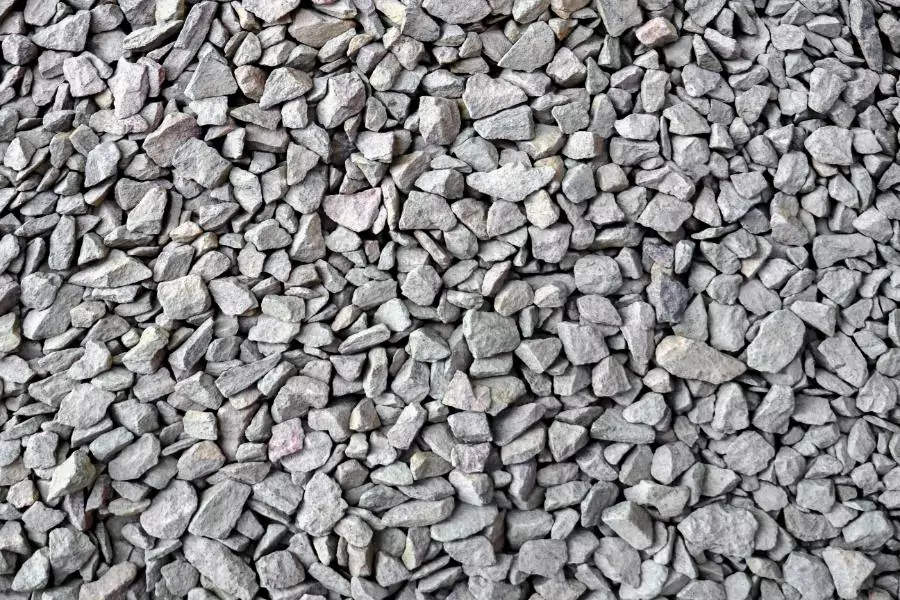
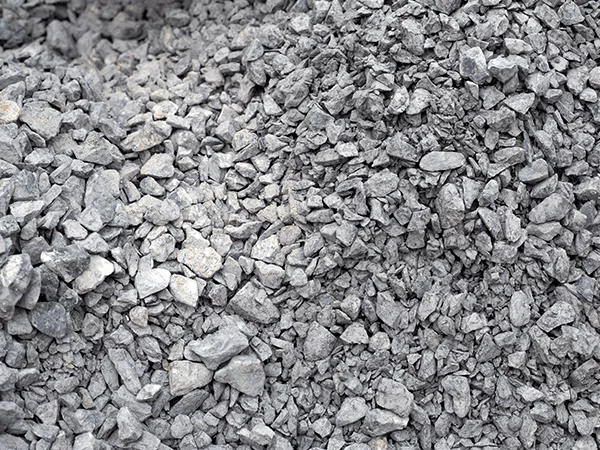


Gravel Monkey is your premier source for high-quality aggregates and stone materials in Smithmill, Pennsylvania. Serving residential and commercial customers throughout western Pennsylvania, we deliver premium gravel, crushed stone, and construction aggregates directly to your property with free delivery. Whether you are building a new driveway, addressing drainage challenges in the clay-rich soils common to the region, or completing a landscaping project, our comprehensive selection of bulk aggregates meets every need for Smithmill homeowners and contractors.
Premium Aggregates & Stone Materials for Smithmill Projects
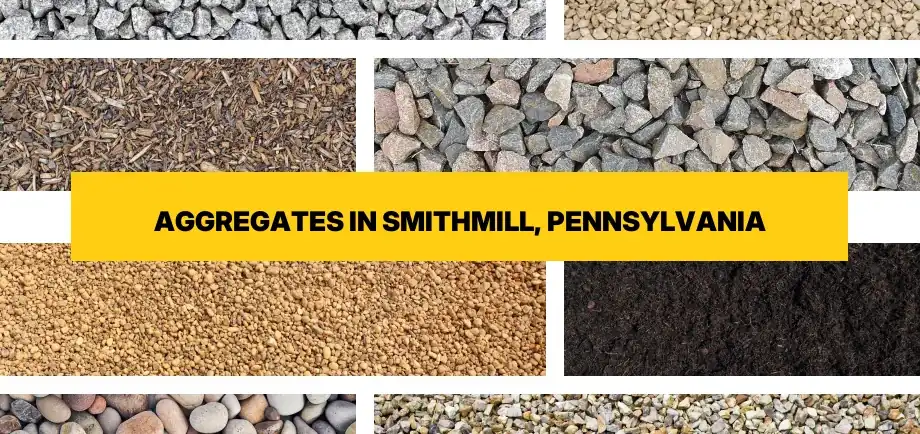
Our extensive inventory includes every aggregate type needed for construction, drainage, and landscaping projects throughout Smithmill and the surrounding Pennsylvania countryside. Each material is carefully selected for quality and delivered fresh to your job site.
- Driveway Gravel - Superior base material engineered for Pennsylvania weather conditions and heavy vehicle traffic
- 3/4 inch Crushed Stone - Versatile aggregate perfect for foundations, drainage systems, and driveway underlayment
- #57 Stone - Industry-standard angular aggregate for French drains, septic systems, and construction projects
- Crusher Run - Dense, compactable aggregate blend ideal for stable driveway bases and road construction
- Road Base - Heavy-duty aggregate foundation for roads, parking areas, and commercial projects
- Drain Rock - Angular stone specifically sized for superior water drainage and erosion control
- Pea Gravel - Smooth, rounded stones perfect for walkways, gardens, and decorative landscaping
- River Rock - Natural decorative stone in multiple sizes for water features and landscape accents
- Walkway Gravel - Comfortable walking surface aggregate ideal for paths and garden trails
- Crushed Concrete - Eco-friendly recycled aggregate for cost-effective base material
- Topsoil - Nutrient-rich soil for gardens, lawns, and planting beds
- Fill Dirt - Compactable soil for grading, leveling, and construction fill
- Mason Sand - Fine sand for masonry work, paver bases, and concrete mixing
- Playground Sand - Clean, safe sand tested for children's play areas
- Washed Sand - Clean aggregate for construction, landscaping, and drainage applications
- Decomposed Granite - Natural, permeable surface material for pathways and rustic landscapes
Aggregate Solutions for Western Pennsylvania Properties
Smithmill sits in the heart of western Pennsylvania's rolling terrain, where properties face unique challenges that require proper aggregate selection. The region's predominant clay soils, combined with Pennsylvania's distinct four-season climate, create specific demands for construction and landscaping materials. Understanding these local conditions is essential for project success throughout Fayette County and neighboring areas.
The clay-rich soil composition found throughout Smithmill and extending toward nearby Uniontown, Brownsville, and Perryopolis creates drainage challenges that many property owners must address. When winter temperatures drop and spring thaws arrive, proper aggregate base materials become critical for preventing frost heaving and maintaining stable surfaces. Properties near Redstone Creek and the Monongahela River valley particularly benefit from quality drainage aggregates that manage seasonal water flow effectively.
Understanding Smithmill's Soil and Climate Conditions
Western Pennsylvania soils are characterized by heavy clay content with moderate permeability. This soil type, classified primarily as Gilpin-Weikert complex in the region, retains moisture and expands during wet periods, then contracts during dry spells. These expansion-contraction cycles place stress on driveways, foundations, and hardscaping without proper aggregate underlayment. The annual precipitation in Smithmill averages 40 inches, with rain distributed fairly evenly throughout the year and significant snowfall from December through March.
Temperature variations present another consideration for aggregate selection. Summer highs typically reach the mid-80s Fahrenheit, while winter lows often dip into the teens. This freeze-thaw cycling—sometimes occurring multiple times in a single week during spring and fall—demands aggregates that maintain structural integrity through repeated expansion and contraction. Properties throughout the Smithmill area require base materials that won't shift or degrade under these demanding conditions.
Strategic Aggregate Selection for Local Applications
For driveways serving homes throughout the Smithmill community, a proper foundation starts with crusher run compacted to at least 4 inches depth. This dense aggregate blend locks together under compaction, creating a stable platform that resists the shifting caused by clay soil movement. The combination of stone sizes in crusher run fills voids completely, preventing water infiltration that could weaken the base during freeze-thaw cycles common to Pennsylvania winters.
Properties addressing drainage issues benefit significantly from drain rock or #57 stone installations. These angular aggregates create channels that allow water to move away from foundations and low-lying areas, preventing the pooling that saturates clay soils. French drain systems installed around homes near the Monongahela River valley rely on these coarse aggregates to maintain long-term drainage efficiency. The angular shape of these stones prevents settling and maintains void space essential for water movement even after years of service.
Aggregate Comparison Guide for Smithmill Projects
Selecting the right aggregate for your specific application ensures optimal performance and longevity. This comparison highlights the primary uses, characteristics, and ideal applications for common aggregates used throughout Smithmill and western Pennsylvania.
| Aggregate Type | Primary Use | Compaction | Drainage | Best For |
|---|---|---|---|---|
| Crusher Run | Base Material | Excellent | Moderate | Driveway bases, stable foundations |
| #57 Stone | Drainage | Poor | Excellent | French drains, septic systems |
| 3/4 inch Crushed Stone | Multi-Purpose | Good | Very Good | Driveways, foundations, backfill |
| Road Base | Heavy Traffic | Excellent | Moderate | Roads, commercial parking areas |
| Drain Rock | Water Management | Poor | Superior | Foundation drains, erosion control |
| Pea Gravel | Decorative | Poor | Good | Walkways, landscaping, gardens |
| Crushed Concrete | Budget Base | Good | Moderate | Cost-effective driveways, shed pads |
| Decomposed Granite | Natural Paths | Moderate | Good | Walking trails, rustic aesthetics |
Comprehensive Delivery Throughout Smithmill & Surrounding Areas
Gravel Monkey provides free aggregate delivery throughout Smithmill and the broader western Pennsylvania region. Our delivery service extends to residential properties, farms, commercial sites, and construction projects across Fayette County and neighboring communities. Whether your project is located along Route 40, near the historic National Road corridor, or on rural properties in the surrounding countryside, we ensure timely delivery of bulk aggregates to your exact specifications.
We regularly serve customers in nearby communities including Uniontown, Brownsville, Perryopolis, Dawson, and Dunbar. Properties along Redstone Creek and throughout the Monongahela River valley receive the same prompt service and quality materials as Smithmill addresses. Our familiarity with western Pennsylvania's geography and road systems ensures efficient routing and on-time delivery regardless of your property's location.
Why Aggregates Matter for Pennsylvania Properties
The right aggregate selection impacts project longevity, maintenance requirements, and overall performance. In Smithmill's climate, where seasonal temperature swings exceed 70 degrees Fahrenheit between summer and winter, aggregates must withstand repeated freeze-thaw cycles without degrading. Clay soils compound these challenges by retaining moisture that can freeze beneath driveways and hardscaping, leading to frost heaving when improper base materials are used.
Commercial properties and farms throughout the region depend on aggregates that support heavy equipment and vehicles year-round. Agricultural operations require stable yard areas that remain functional through spring mud season and winter freeze. Road base and crusher run provide the load-bearing capacity needed for tractors, delivery trucks, and farm equipment without rutting or shifting. These heavy-duty aggregates distribute weight effectively across the clay subsoil, maintaining stable surfaces even under demanding use.
Common Aggregate Applications in Smithmill
Residential Driveway Construction
Driveway projects throughout Smithmill benefit from a layered approach using multiple aggregate types. The foundation begins with road base or crusher run compacted to minimum 4 inch depth, creating a stable platform that resists clay soil movement. This base layer prevents the flexing and cracking that occurs when driveways are placed directly on clay. The middle layer typically uses 3/4 inch crushed stone for additional stability and drainage, while the surface layer employs driveway gravel sized for comfortable vehicle travel and aesthetic appeal.
Homes throughout the area, from properties along Main Street to rural residences on hillside lots, require proper driveway drainage to prevent washouts during heavy rain events. Western Pennsylvania receives intense summer thunderstorms that can drop several inches of rain in short periods. Side drainage using drain rock channeled alongside driveways diverts this water away from the aggregate base, preserving the driveway's structural integrity and preventing erosion along edges.
Foundation Drainage Systems
Basement waterproofing throughout Smithmill depends heavily on proper foundation drainage using coarse aggregates. Clay soils naturally retain water, creating hydrostatic pressure against foundation walls during wet periods. French drain systems installed around foundations use #57 stone or drain rock wrapped in geotextile fabric to collect and redirect water away from the building. These drainage aggregates maintain void space that allows water to flow freely toward discharge points, typically leading to daylight drainage areas or connection to storm sewer systems.
Properties in lower-lying areas near Redstone Creek or seasonal drainage paths require particularly robust foundation drainage. The angular shape of proper drainage aggregates prevents settling that could reduce drainage efficiency over time. Unlike rounded stone that can shift and compact, angular drain rock maintains its structure, ensuring consistent long-term performance for foundation protection.
Landscaping and Decorative Applications
Residential landscaping throughout Smithmill incorporates both functional and aesthetic aggregates. Pea gravel creates comfortable walking surfaces for garden paths while providing excellent drainage around plantings. The smooth, rounded nature of pea gravel makes it comfortable for foot traffic while its neutral coloring complements diverse landscape designs. Many homeowners use pea gravel for dog runs, as the material drains quickly and doesn't track mud into homes like clay soil.
River rock serves decorative purposes around water features, in dry creek beds for erosion control, and as mulch alternatives in landscape beds. Decomposed granite provides a natural-looking surface for rustic pathways and patio areas, compacting moderately while maintaining permeability for drainage. These decorative aggregates enhance property aesthetics while solving practical challenges like drainage and weed suppression.
Commercial and Agricultural Uses
Farms and commercial properties throughout western Pennsylvania require heavy-duty aggregates for yards, access roads, and parking areas. Road base provides the load-bearing capacity needed for commercial truck traffic and farm equipment. Equipment yards at agricultural operations use thick road base installations to support tractors, combines, and loaded grain trucks year-round. The material compacts densely enough to prevent rutting while maintaining sufficient surface stability for safe vehicle operation.
Commercial parking lots serving businesses in Smithmill and nearby Uniontown often use crusher run for economical base construction beneath asphalt or as a stand-alone gravel surface for budget-conscious applications. The material's compaction characteristics and angular interlock create stable surfaces that handle daily traffic without excessive maintenance. Proper installation depth—typically 6 to 8 inches for commercial applications—ensures longevity even under demanding use.
Aggregate Installation Best Practices for Western Pennsylvania
Successful aggregate projects require proper installation techniques adapted to local soil conditions. In Smithmill's clay soils, preparation begins with excavation to stable subgrade—typically 8 to 12 inches below final surface elevation for driveways. This excavation removes organic topsoil and provides depth for adequate aggregate base layers. Many contractors working in western Pennsylvania also install geotextile fabric over clay subgrade before placing aggregates, creating a separation barrier that prevents clay from migrating upward into the stone base over time.
Compaction and Drainage Considerations
Each aggregate layer requires proper compaction using mechanical plate compactors or rollers. Crusher run and road base compact best in 3 to 4 inch lifts, with each lift receiving multiple compactor passes until no visible settlement occurs under the equipment. This methodical approach creates the density needed for load-bearing applications. Moisture content during compaction matters significantly—aggregates compact best when slightly damp but not saturated. Pennsylvania's humid climate often provides ideal moisture naturally, though dry summer periods may require light watering before compaction.
Drainage grading should slope aggregates away from structures at minimum 2 percent grade—approximately 1/4 inch drop per linear foot. Properties with flat terrain may require crown grading, where driveway centers rise slightly higher than edges to shed water laterally. Side swales using drain rock help capture this surface drainage before it reaches property boundaries or erodes into landscaped areas.
Seasonal Timing for Projects
Spring and fall offer ideal conditions for aggregate installation throughout Smithmill. Summer heat doesn't affect aggregate performance, but extremely dry conditions can create dust issues during grading work. Winter installations are possible during dry periods when ground hasn't frozen, though cold temperatures make compaction more challenging. Most residential projects schedule for April through November to ensure optimal working conditions and achieve proper compaction results.
Properties planning major grading or drainage projects should consider Pennsylvania's frost depth—approximately 36 inches in western Pennsylvania. Drainage systems must be installed below this depth to prevent frost heaving of perforated pipes, while aggregate bases for structures should extend deep enough to rest on non-frost-affected soil. These depth considerations ensure long-term stability for all applications.
Calculating Aggregate Quantities for Your Smithmill Project
Accurate quantity calculations prevent material shortages and excessive costs. For most applications, calculate volume in cubic yards using this formula: Length (feet) × Width (feet) × Depth (feet) ÷ 27 = Cubic Yards needed. A typical single-car driveway measuring 12 feet wide by 50 feet long with 4 inch base depth requires: 12 × 50 × 0.33 ÷ 27 = 7.3 cubic yards of aggregate.
Larger projects require proportionally more material. A French drain system around a typical Smithmill home foundation might use 20 to 30 cubic yards of #57 stone depending on home size and drainage requirements. Commercial parking lots can require hundreds of cubic yards of road base and crushed stone. Our delivery team helps verify quantities before delivery to ensure you receive exactly what your project requires.
Depth Recommendations by Application
- Residential Driveways - 6 to 8 inches total aggregate depth (4 inch crusher run base, 2 to 4 inch surface layer)
- Walkways and Paths - 3 to 4 inches pea gravel or walkway gravel over compacted subgrade
- French Drains - 12 to 18 inches width of drain rock, 6 to 8 inches depth minimum
- Shed and Equipment Pads - 4 to 6 inches crusher run depending on structure weight
- Commercial Parking - 8 to 12 inches road base depending on traffic volume and soil conditions
- Landscape Beds - 2 to 3 inches river rock or pea gravel over landscape fabric
Clay soil conditions in Smithmill may require increased depths compared to sandier soils found in other regions. Consult with our team about your specific soil conditions and intended use to determine optimal aggregate depths for lasting performance.
Sustainable Aggregate Choices for Pennsylvania Projects
Environmentally conscious property owners throughout Smithmill increasingly choose recycled aggregates and permeable materials. Crushed concrete provides an eco-friendly alternative to virgin stone for many base applications. This recycled material performs comparably to natural aggregates for driveway bases, shed pads, and similar uses while diverting construction waste from landfills. The cost savings—often 20 to 30 percent compared to quarried stone—make crushed concrete attractive for budget-conscious projects without sacrificing performance.
Permeable aggregates like decomposed granite and pea gravel support stormwater management goals by allowing rainfall to infiltrate soil rather than running off into storm sewers. Western Pennsylvania municipalities increasingly recognize the value of permeable surfaces for reducing downstream flooding and erosion. Residential properties using permeable aggregates for patios, walkways, and driveway surfaces contribute to watershed health while creating attractive outdoor spaces.
Local Sourcing and Transportation Impact
Aggregates sourced from regional quarries throughout western Pennsylvania minimize transportation distances and associated environmental impact. Shorter hauling distances reduce fuel consumption and vehicle emissions while supporting local economies. Most aggregates delivered to Smithmill originate from quarries within 50 miles, ensuring fresh material while minimizing transportation's environmental footprint.
Frequently Asked Questions About Aggregates in Smithmill
Crusher run creates the most stable driveway base in clay soils. Its blend of stone sizes compacts densely to resist the shifting caused by clay expansion and contraction. Layer crusher run 4 inches deep as base, topped with 2 to 3 inches of driveway gravel for optimal performance.
Proper grading and side drainage are critical. Slope driveways at 2 percent grade minimum to shed water, and install drain rock-filled swales along edges to capture runoff. Consider using larger aggregate for surface layer in areas prone to washouts—3/4 inch crushed stone resists erosion better than smaller materials.
No. Remove all vegetation and organic topsoil before placing aggregates. Organic material decomposes and creates voids beneath aggregates, leading to settling and uneven surfaces. Excavate to stable clay subgrade for lasting results.
#57 stone consists of uniformly sized angular aggregate approximately 3/4 inch, designed for drainage applications where water flow is priority. Crusher run blends multiple stone sizes from fines to 1 inch, creating a material that compacts densely for stable bases. Use #57 for drainage, crusher run for load-bearing surfaces.
Gravel Monkey offers FREE delivery throughout Smithmill and western Pennsylvania. You pay only for materials, with no additional delivery charges regardless of your property's location within our service area.
Properly installed aggregate driveways withstand Pennsylvania winters effectively. The key is adequate base depth using compacted crusher run or road base. These materials distribute load and resist frost heaving. Surface may require periodic re-grading as freeze-thaw cycles gradually displace surface aggregate, but the base remains stable.
Use #57 stone or drain rock for French drains. The uniform angular stones maintain void space for water flow while their size prevents migration through drainage fabric. These aggregates won't compact over time, ensuring long-term drainage performance in clay soils.
Install 4 to 6 inches of compacted crusher run for shed pads, depending on shed size and whether you will store heavy equipment inside. Excavate an additional 2 inches beyond these depths to remove topsoil. Larger storage buildings may require 8 inches for stability on clay soil.
Professional Aggregate Delivery Service in Smithmill
Gravel Monkey serves as your trusted partner for aggregate supply throughout Smithmill and western Pennsylvania. Our commitment to quality materials, accurate delivery, and customer service ensures your project receives the aggregates needed for lasting success. From residential driveways to commercial construction, from foundation drainage to decorative landscaping, we supply the aggregates that build and beautify properties throughout the region.
Our free delivery service eliminates the hassle and expense of aggregate transportation. Our drivers navigate western Pennsylvania's roads efficiently, delivering bulk materials directly to your specified location on schedule. Whether you need a single cubic yard for a small garden project or dozens of cubic yards for major construction, we handle orders of all sizes with the same attention to detail and customer care.
Contact Gravel Monkey today to discuss your aggregate needs. Our knowledgeable team helps you select the right materials for your specific application, calculate accurate quantities, and schedule delivery at your convenience. Discover why property owners throughout Smithmill, Uniontown, Brownsville, and surrounding Pennsylvania communities trust Gravel Monkey for premium aggregates delivered free to their properties.

Need help? Reach out for a quote: