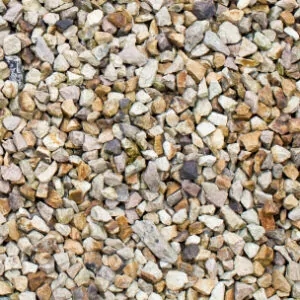
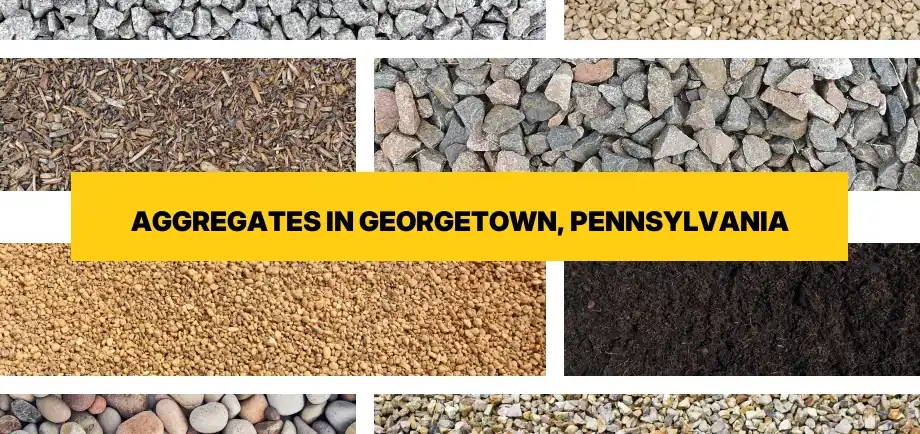
Order Topsoil, Stone & Gravel in Georgetown, Pennsylvania
Local Topsoil, Dirt, Sand, Rocks and Gravel near me in Georgetown, Pennsylvania
Shop Aggregates for Delivery in Georgetown
Order online for free delivery to any Georgetown address.
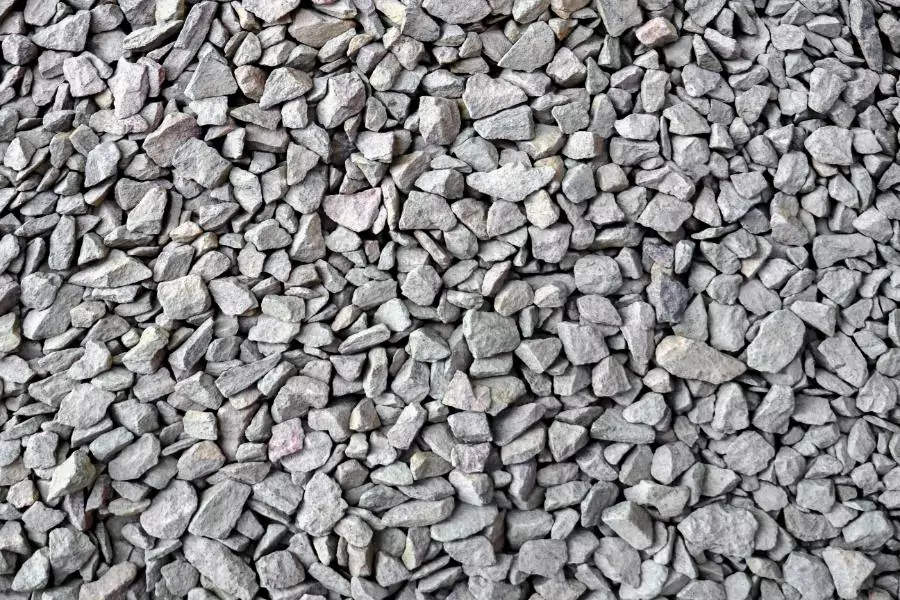
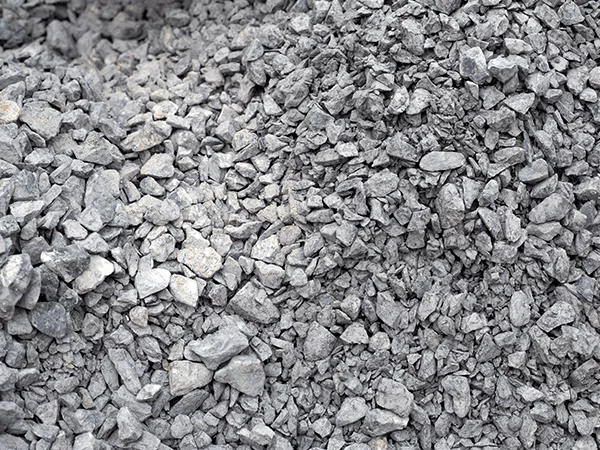


Gravel Monkey is your trusted source for premium aggregates and construction materials in Georgetown, Pennsylvania. Whether you're building a new driveway along Route 18, improving drainage near the Ohio River, or landscaping your property in this historic Beaver County community, we deliver high-quality aggregates directly to your location with free delivery. From residential projects to commercial construction, Georgetown property owners rely on our extensive inventory of crushed stone, gravel, sand, and soil products.
Complete Selection of Aggregates in Georgetown, PA
Georgetown's position in western Pennsylvania, with its clay-based soils and seasonal weather patterns, requires quality aggregates that perform reliably through wet springs, hot summers, and freezing winters. Our comprehensive inventory serves homeowners, contractors, and landscapers throughout Georgetown and nearby communities like Hookstown, Raccoon Township, Independence Township, and the greater Beaver County region.
We stock a full range of construction and landscaping aggregates for every application:
- Driveway Gravel - Durable base material engineered for lasting Georgetown driveways
- 3/4 Inch Crushed Stone - Versatile aggregate for driveways, drainage, and foundations
- #57 Stone - Popular angular stone for drainage systems and concrete applications
- Crusher Run - Compactable base layer ideal for Pennsylvania's freeze-thaw conditions
- Road Base - Heavy-duty foundation material for roads and parking areas
- Pea Gravel - Smooth decorative stone for walkways and garden beds
- River Rock - Natural rounded stone in multiple sizes for landscaping features
- Walkway Gravel - Attractive aggregate designed specifically for pedestrian paths
- Drain Rock - Clean stone for French drains and foundation drainage
- Crushed Concrete - Eco-friendly recycled aggregate for base layers
- Topsoil - Nutrient-rich soil for gardens, lawns, and landscaping
- Fill Dirt - Quality soil for grading, leveling, and site preparation
- Mason Sand - Fine washed sand for mortar and masonry work
- Playground Sand - Safe, clean sand for play areas and sandboxes
- Washed Sand - Clean sand for concrete mixing and construction
- Decomposed Granite - Natural compactable material for rustic pathways
Understanding Georgetown's Soil and Geology
Georgetown sits in the Allegheny Plateau region of western Pennsylvania, characterized by dense clay soils and sedimentary bedrock formations. The area's clay-heavy soil composition presents unique challenges for construction and landscaping projects. These soils have poor drainage characteristics and are prone to expansion and contraction with moisture changes, making proper base preparation with quality aggregates essential for long-lasting driveways, foundations, and drainage systems.
The region's geology includes layers of shale, sandstone, and coal seams typical of western Pennsylvania. Georgetown experiences an average annual rainfall of approximately 38 inches, with significant precipitation throughout the year. Spring months can be particularly wet, while winter brings freeze-thaw cycles that stress improperly constructed surfaces. Temperature ranges from average lows around 20°F in January to highs near 85°F in July, creating seasonal ground movement that quality aggregates help mitigate.
Properties near the Ohio River, just west of Georgetown, face additional drainage considerations due to the proximity to the floodplain and higher water tables. Whether you're in the rural areas along Route 18, near the historic Georgetown Presbyterian Church area, or in developments closer to Raccoon Creek State Park, understanding your site's soil conditions helps determine the right aggregate specifications for your project.
Driveway Construction in Georgetown
Georgetown's rural character means many properties feature long driveways requiring substantial aggregate volumes. The combination of clay soils and seasonal weather patterns makes proper driveway construction critical for avoiding ruts, washouts, and frost heave damage. A well-constructed Georgetown driveway starts with proper excavation to remove organic material and unstable clay, followed by strategic layering of aggregates.
For the base layer, most Georgetown contractors prefer crusher run or road base materials. These blended aggregates contain a mix of stone sizes that compact tightly and create a stable foundation. The angular particles interlock effectively, resisting lateral movement even during spring thaw periods. Typical base depths range from 6 to 10 inches depending on soil conditions and anticipated traffic loads.
The surface layer typically uses three-quarter inch crushed stone or driveway gravel. These materials provide good traction, drain effectively, and maintain a clean appearance. Properties in more wooded areas near Raccoon Creek or along Service Creek tributaries may need enhanced drainage provisions, including crown shaping and perimeter drainage swales to direct water away from the driveway surface.
Foundation Drainage Solutions
Georgetown's clay soils hold moisture against foundation walls, creating hydrostatic pressure that can lead to basement water infiltration and structural damage. Proper foundation drainage is not optional in this region—it's essential for protecting your investment. French drain systems using drain rock provide reliable moisture management around Georgetown foundations.
A typical installation involves excavating along the foundation perimeter to footer depth, installing perforated drain pipe, and surrounding it with clean drainage aggregate like number 57 stone. The angular stone creates void spaces that allow water to flow freely to the drainage pipe while preventing fine soil particles from clogging the system. The drain pipe carries water away to daylight discharge points or sump systems.
Properties in lower-lying areas near Raccoon Creek or with high water tables may benefit from additional drainage measures, including exterior waterproofing membranes and interior perimeter drains. Many Georgetown homeowners also install curtain drains upslope from their homes to intercept groundwater before it reaches the foundation, particularly effective in hillside locations common throughout Beaver County.
Georgetown Aggregate Comparison Guide
Selecting the right aggregate depends on your specific application, site conditions, and aesthetic preferences. This comparison helps Georgetown property owners understand the characteristics and best uses for common aggregate materials:
| Material Type | Best Applications | Compaction | Drainage Rating | Georgetown Suitability |
|---|---|---|---|---|
| Crusher Run | Driveway base, parking areas, road foundation | Excellent | Good | Ideal for clay soil conditions |
| 3/4" Crushed Stone | Driveway surface, drainage layer, concrete aggregate | Very Good | Excellent | Perfect for freeze-thaw resistance |
| #57 Stone | French drains, pipe bedding, concrete mix | Good | Excellent | Essential for foundation drainage |
| Pea Gravel | Walkways, decorative landscaping, ground cover | Fair | Very Good | Great for decorative applications |
| River Rock | Landscaping features, erosion control, dry creek beds | Poor | Good | Attractive for natural aesthetics |
| Road Base | Heavy-duty driveways, commercial parking, roads | Excellent | Good | Best for high-traffic areas |
| Crushed Concrete | Base layer, temporary roads, fill material | Very Good | Good | Cost-effective eco-friendly option |
| Drain Rock | Foundation drains, septic systems, retaining walls | Fair | Excellent | Critical for Georgetown drainage needs |
Landscaping Materials for Georgetown Properties
Beyond structural applications, aggregates play vital roles in Georgetown landscaping and garden projects. The region's clay soils benefit significantly from soil amendments and proper drainage provisions. Quality topsoil provides the foundation for successful gardens and lawns, while decorative aggregates add visual interest and functionality to outdoor spaces.
Walkway gravel creates attractive, permeable paths through gardens and between buildings. Unlike solid surfaces, gravel pathways allow water infiltration and reduce runoff issues common with Georgetown's clay soils. Pea gravel's smooth texture makes it comfortable for walking while providing good drainage and a clean appearance that complements both traditional and contemporary landscape designs.
River rock offers natural beauty for dry creek beds, garden borders, and around trees or shrubs. These smooth stones, shaped by water erosion, create visual interest and practical solutions for erosion control on slopes. Many Georgetown properties feature decorative rock beds that minimize maintenance while providing excellent weed suppression and moisture retention benefits.
Soil Products for Gardens and Grading
Georgetown's native clay soils present challenges for gardening and lawn establishment. Most vegetables, flowers, and grass species prefer well-drained, loamy soils rather than heavy clay. Adding quality topsoil creates better growing conditions by improving drainage, aeration, and nutrient availability. A 4 to 6-inch layer of topsoil over existing clay dramatically improves plant performance.
Fill dirt serves different purposes—primarily grading, leveling, and filling low spots. Unlike topsoil, fill dirt doesn't need high organic content or nutrients, making it more economical for large-volume earth-moving projects. Georgetown contractors use fill dirt for building pads, septic system installations, and landscape grading to direct water away from structures.
Properties with significant elevation changes, common throughout the rolling terrain around Independence Township and eastern Beaver County, often require substantial grading work. Proper site grading prevents water from pooling near foundations and creates usable yard spaces. The combination of strategic fill dirt placement and final topsoil application results in functional, attractive landscapes suited to Georgetown's conditions.
Serving All Georgetown Neighborhoods
Gravel Monkey provides free delivery throughout Georgetown and surrounding Beaver County communities. Our service area includes these neighborhoods and regions:
- Historic Georgetown Center - Around Route 18 and the original settlement area near Georgetown Presbyterian Church
- Raccoon Creek Area - Properties along Raccoon Creek Road approaching the state park
- Service Creek Valley - Residential areas following Service Creek tributaries
- Eastern Hookstown - Border region between Georgetown and neighboring Hookstown
- Independence Township - Adjacent community sharing Georgetown postal designation
- Rural Route 18 Corridor - Properties along the main highway through Georgetown
- Raccoon Township - Neighboring areas northwest of Georgetown center
- Ohio River Valley - Lower elevation properties approaching the river west of town
We also serve nearby communities including Aliquippa, Midland, Monaca, Center Township, and throughout western Beaver County. Whether your project is in Georgetown proper or surrounding rural areas, Gravel Monkey delivers premium aggregates to your exact location at no additional charge.
Sand Products for Georgetown Construction
Sand serves essential functions in construction, masonry, and landscaping projects throughout Georgetown. Different sand types offer specific characteristics matched to particular applications. Understanding these differences ensures optimal results for your project.
Mason sand features fine, uniform particles ideal for mortar mixing, paver base preparation, and masonry work. Its consistent gradation creates smooth mortar that's easy to work and forms strong bonds. Georgetown's numerous brick and stone structures require quality mason sand for restoration and maintenance projects. The washed, clean nature of mason sand prevents contaminants from weakening mortar bonds.
Washed sand provides clean aggregate for concrete mixing and general construction use. The washing process removes clay, silt, and organic materials that could compromise concrete strength or cause staining. Contractors throughout Beaver County rely on washed sand for foundations, concrete slabs, and structural applications where material purity is critical.
Playground sand meets safety standards for children's play areas. This specially processed sand is free from harmful materials, dust-controlled, and sized appropriately for safe play. Georgetown families creating backyard play spaces or community organizations maintaining public play areas need certified playground sand that prioritizes child safety while providing the soft landing surface children need.
Specialty Aggregate Applications
Decomposed granite offers a natural-looking, compactable surface material growing in popularity for Georgetown pathways, patios, and rustic landscaping. This material consists of weathered granite broken down into fine particles that compact into a firm, yet permeable surface. The natural gold and brown tones complement Pennsylvania's landscape while the permeability addresses drainage concerns.
Georgetown properties pursuing sustainable landscaping appreciate decomposed granite's environmental benefits. Unlike solid paving, it allows water infiltration, reducing runoff and supporting groundwater recharge. The material requires minimal maintenance—occasional raking and periodic top-dressing maintain appearance. It works particularly well for informal pathways through wooded areas or connecting different garden zones.
Crushed concrete represents another sustainable option gaining traction among environmentally conscious Georgetown property owners. This recycled material performs excellently as base layer aggregate while reducing landfill waste and extraction of virgin materials. The hardened concrete chunks provide strength and stability comparable to natural crushed stone at often lower cost, making it economical for large driveway or parking area projects.
Seasonal Considerations for Georgetown Aggregate Projects
Pennsylvania's four-season climate impacts aggregate project planning and execution. Understanding seasonal factors helps Georgetown property owners time projects for optimal results and avoid weather-related complications.
Spring brings significant challenges with frequent rainfall, saturated soils, and muddy conditions. While contractors stay busy with spring projects, working in excessively wet conditions can damage clay soils and compromise aggregate base compaction. Georgetown property owners planning spring projects should monitor weather forecasts and be flexible with scheduling. The advantage of spring work is moderate temperatures and long daylight hours once conditions dry sufficiently.
Summer offers the most favorable conditions for aggregate projects. Warm temperatures, lower rainfall frequency, and firm ground conditions enable efficient work and proper compaction. Equipment operates optimally, and aggregates settle and stabilize quickly. Georgetown contractors prefer summer for major projects like driveway installation, extensive grading work, and foundation excavations. The main consideration is scheduling—summer is peak season, so advance planning ensures timely delivery and contractor availability.
Fall provides excellent working conditions with moderate temperatures and generally drier weather. The ground remains workable, but contractors face shortened daylight hours as autumn progresses. Early fall is particularly suitable for final grading and drainage projects that protect properties through winter. Georgetown homeowners planning fall projects should start early in the season to avoid conflicts with winter preparation work and ensure completion before ground freezes.
Winter significantly limits aggregate project options. Frozen ground prevents excavation and proper compaction, though emergency repairs and certain preparation work remain possible during mild periods. Georgetown property owners can use winter for project planning, obtaining estimates, and scheduling spring work. Delivery of aggregates remains available for accessible projects, though frozen conditions may impact placement and finishing operations.
Aggregate Installation Best Practices
Successful aggregate projects require more than quality materials—proper installation techniques ensure long-term performance and durability. Whether you're tackling a DIY driveway project or working with professional contractors, these Georgetown-specific guidelines help achieve optimal results.
Excavation depth is critical. For driveways on Georgetown's clay soils, remove at least 8 to 12 inches of native soil, more in areas with particularly poor drainage or soft spots. The excavation should extend beyond the finished driveway width to allow for aggregate spreading and edge stability. Crown the base slightly—raising the center 3 to 4 inches higher than the edges promotes water runoff and prevents puddling.
Geotextile fabric between native soil and aggregate base prevents clay from pumping up through the rock during wet conditions. This inexpensive material dramatically extends driveway life, especially relevant for Georgetown's problematic clay soils. Overlap fabric seams by at least 12 inches and bring fabric up the excavation sides to contain aggregates fully.
Aggregate installation proceeds in layers, typically 4 to 6 inches deep per lift. Spread each layer evenly, then compact thoroughly with appropriate equipment—plate compactors for walkways, vibratory rollers for driveways. Add water if aggregates seem too dry; proper moisture content aids compaction. Each layer should be firmly compacted before adding the next, ensuring a stable, integrated base structure.
Edge restraint prevents aggregate migration and maintains defined borders. Options include treated wood timbers, steel edging, concrete curbing, or compacted soil berms. Georgetown properties often use natural stone edging for aesthetic appeal and long-term durability. Proper edging is particularly important where driveways meet lawns or landscaped areas, preventing rock from spreading into turf.
Frequently Asked Questions About Gravel in Georgetown
Most Georgetown driveways require 8 to 12 inches total aggregate depth due to clay soils. This typically includes 6 to 8 inches of compacted base material like crusher run, topped with 2 to 4 inches of surface gravel. Properties with particularly soft soils or heavy vehicle traffic may need greater depths. Our team can assess your specific site conditions and provide detailed recommendations based on soil testing and intended use.
Calculate volume in cubic yards by multiplying length times width times depth (all in feet), then divide by 27. For example, a driveway 12 feet wide, 100 feet long, and 6 inches deep equals 22.2 cubic yards. We recommend ordering 10 percent extra to account for compaction and uneven subgrade. Our Georgetown delivery team can help verify calculations and suggest appropriate amounts based on your project scope.
Absolutely. We deliver throughout Georgetown and surrounding Beaver County, including rural properties along Route 18, near Raccoon Creek State Park, and in adjacent townships. Our delivery trucks can access most residential driveways and properties. We'll work with you to identify the best delivery location on your property, whether that's directly to your project site or a convenient staging area for later spreading.
Late spring through early fall offers optimal conditions for Georgetown aggregate projects. Summer provides the most reliable weather with firm ground and quick drainage. Avoid late fall and winter when frozen ground prevents proper compaction and installation. Early spring can be challenging due to saturated soils, though we can often work during drier periods. Schedule summer projects early as this is peak season for contractors and delivery services.
Yes, geotextile fabric is highly recommended for Georgetown driveways due to local clay soils. The fabric creates a separation barrier preventing clay from mixing with aggregate base material. This prevents the pumping action that occurs when clay soaks up through rock during wet conditions, which weakens the driveway structure. Fabric installation adds minimal cost but significantly extends driveway longevity in clay-heavy soil conditions.
After proper installation and compaction, you can use crusher run and compacted base materials immediately for light vehicle traffic. Surface gravel driveways benefit from 24 to 48 hours of settling time before heavy use. Avoid driving on newly placed aggregate during or immediately after rain, as wet conditions prevent proper compaction and can create ruts. Georgetown's clay subsoils need time to stabilize under new aggregate loads, so limiting heavy traffic for the first week produces better long-term results.
Georgetown gravel driveways require periodic regrading to maintain proper crown and drainage. Plan to rake and redistribute surface gravel annually, adding fresh material every 2 to 3 years to replace stone lost to traffic and weather. Fill potholes and ruts promptly to prevent water infiltration that accelerates damage. Spring is ideal for maintenance work after winter freeze-thaw cycles. Edge maintenance prevents grass encroachment and keeps borders defined. Well-maintained gravel driveways in Georgetown easily last decades with these routine care steps.
Yes, layering different aggregates is standard practice and often produces superior results. Georgetown driveways typically use crusher run or road base for the bottom layer due to excellent compaction, topped with crushed stone for the surface. Drainage systems use coarse drain rock around pipes. Garden pathways might combine crusher run base with pea gravel surface. Each layer serves specific purposes—base layers prioritize stability and drainage, while surface layers emphasize appearance and texture. Our team can recommend optimal combinations for your specific Georgetown project requirements.
Free Aggregate Delivery Throughout Georgetown
Gravel Monkey simplifies Georgetown aggregate sourcing with comprehensive inventory, expert guidance, and free delivery service. Whether you're a homeowner planning a driveway upgrade, a landscaper working on multiple properties, or a contractor managing commercial projects, we provide the quality materials and reliable service your Georgetown projects demand.
Our Georgetown delivery service eliminates the hassle of aggregate procurement. No need for multiple trips in pickup trucks or rental equipment. We deliver your complete order directly to your property, placed exactly where you need it. This saves time, reduces labor, and ensures you receive the proper quantities for efficient project completion.
Understanding local conditions matters. Our team knows Georgetown's clay soils, drainage challenges, and climate factors affecting aggregate selection and installation. We help customers throughout Beaver County choose appropriate materials for their specific site conditions and project requirements. From drainage solutions near Raccoon Creek to driveways withstanding Pennsylvania freeze-thaw cycles, we match materials to Georgetown's unique environment.
Quality aggregates make the difference between projects that last and those requiring premature replacement. We source materials from reputable suppliers meeting specifications for construction, landscaping, and drainage applications. Clean, properly sized aggregates perform as intended, providing the stability, drainage, and durability your Georgetown property deserves.
Contact Gravel Monkey today for your Georgetown aggregate needs. Our knowledgeable team answers questions, helps calculate material quantities, and schedules convenient delivery to your location. Experience the difference that quality materials, expert service, and free delivery make for your Georgetown project.

Need help? Reach out for a quote: