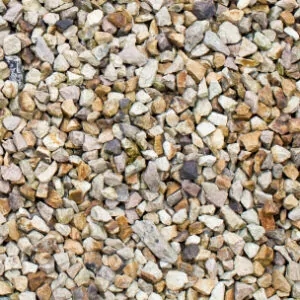
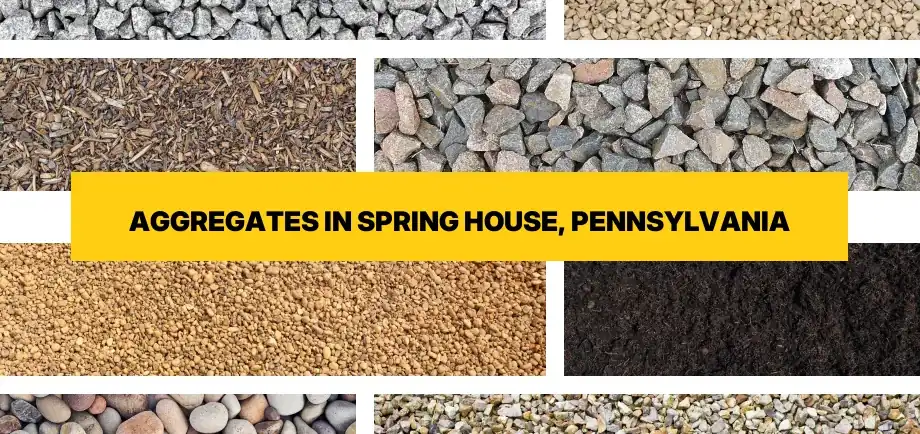
Order Topsoil, Stone & Gravel in Spring House, Pennsylvania
Local Topsoil, Dirt, Sand, Rocks and Gravel near me in Spring House, Pennsylvania
Shop Aggregates for Delivery in Spring House
Order online for free delivery to any Spring House address.
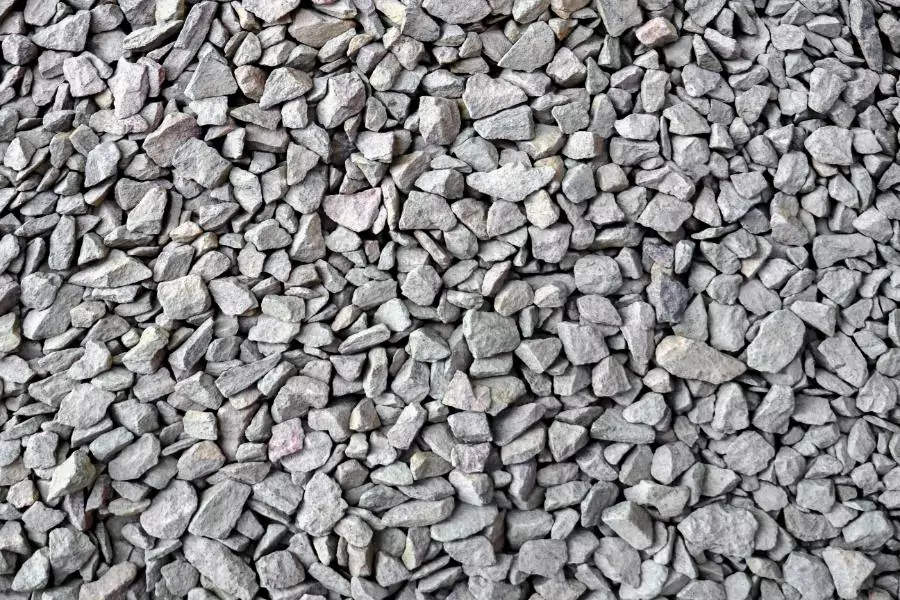
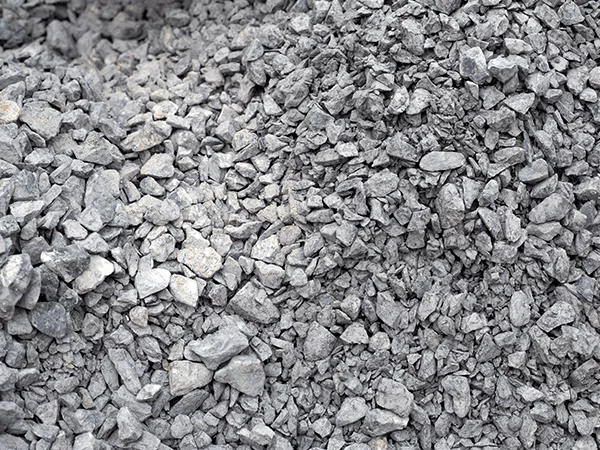


Gravel Monkey is your premier source for premium gravel and aggregate delivery throughout Spring House, Pennsylvania. Serving Lower Gwynedd Township, Upper Dublin Township, and the greater Montgomery County area, we bring high-quality construction materials directly to your property with completely free delivery. Whether you're installing a new driveway in Gwynedd Valley, creating drainage solutions near the Wissahickon Creek watershed, or landscaping around your Spring House estate, our comprehensive selection of aggregates meets every residential and commercial need.
Complete Aggregate & Material Selection for Spring House Projects
Spring House's unique position in Montgomery County, with its rolling terrain and the clay-rich soils of the Piedmont Plateau, demands quality aggregates that perform in our local conditions. From the historic neighborhoods near Spring House Village to new developments in Lower Gwynedd, we supply materials tested for Pennsylvania's freeze-thaw cycles and soil characteristics.
Our inventory includes every aggregate you need for successful construction and landscaping projects:
- Driveway Gravel - Angular aggregate that compacts firmly for long-lasting driveways
- 3/4 inch Crushed Stone - Versatile aggregate for foundations, driveways, and drainage applications
- #57 Stone - Industry-standard aggregate for French drains and concrete mix
- Crusher Run - Compactable blend perfect for stable base layers
- Road Base - Heavy-duty aggregate for driveways and access roads
- Pea Gravel - Smooth 3/8 inch stones ideal for walkways and gardens
- River Rock - Natural decorative stone in multiple sizes
- Walkway Gravel - Specially selected aggregate for comfortable pathways
- Drain Rock - Clean aggregate engineered for optimal water flow
- Crushed Concrete - Eco-friendly recycled aggregate for sustainable projects
- Topsoil - Nutrient-rich soil for gardens and lawn establishment
- Fill Dirt - Clean fill for grading and elevation projects
- Mason Sand - Fine-grade sand for masonry and paver installation
- Playground Sand - Safe, certified sand for play areas
- Washed Sand - Clean sand for various construction applications
- Decomposed Granite - Natural granite fines for elegant pathways
Aggregates Selected for Spring House's Unique Geology
Spring House sits in the heart of Pennsylvania's Piedmont Province, characterized by Glenelg and Chester soil series—moderately deep, well-drained to somewhat poorly drained soils formed in weathered micaceous schist and gneiss. These clay-loam soils present specific challenges that require careful aggregate selection.
The area's geology, part of the ancient Wissahickon Formation, means properties throughout Lower Gwynedd Township and Upper Dublin often encounter dense clay layers when excavating. This clay-rich substrate retains moisture and can lead to drainage issues, making proper aggregate base preparation crucial for any construction project. Our aggregates are specifically chosen to work with Spring House's soil conditions.
Climate Considerations for Montgomery County Aggregates
Spring House experiences a humid continental climate with average annual precipitation around 47 inches, distributed fairly evenly throughout the year. Winter temperatures regularly drop below freezing, with January averaging 31°F, while summer highs reach the mid-80s. This freeze-thaw cycling places particular demands on construction materials.
The combination of clay soils and freeze-thaw action means that aggregates used in driveways and foundations must provide excellent drainage to prevent frost heaving. Water trapped in poorly draining bases expands when frozen, causing cracking and displacement. Our crushed stone products offer the angular edges and void spaces needed for proper drainage in these conditions.
Serving All Spring House Area Neighborhoods
We deliver aggregates throughout the Spring House region, including these well-known communities and areas:
- Lower Gwynedd Township - Historic township with a mix of residential estates and commercial development
- Upper Dublin Township - Family-friendly neighborhoods with excellent schools and parks
- Gwynedd Valley - Established community near Gwynedd Mercy University
- Spring House Village - Historic village center with colonial-era architecture
- Jarrettown - Neighboring community to the east with similar soil characteristics
- Fort Washington - Adjacent area to the south near Fort Washington State Park
- Ambler - Nearby borough with vibrant downtown and historic properties
- Blue Bell - Neighboring community to the west with commercial and residential development
Properties near the Wissahickon Creek and its tributaries particularly benefit from proper aggregate drainage systems. The creek's watershed encompasses much of the Spring House area, and managing stormwater runoff is essential for protecting both your property and local waterways.
Choosing the Right Aggregate for Your Spring House Project
Driveway Construction in Spring House
Driveways in Spring House must withstand Pennsylvania's harsh winters while managing moisture from our clay-rich soils. The proper foundation makes all the difference between a driveway that lasts decades and one that requires constant repairs.
For optimal results, start with a deep base of compactable aggregate. The dense clay subsoil common throughout Lower Gwynedd requires excavation to stable depth—typically 12-18 inches for residential driveways. This excavation removes the problematic clay and provides space for a proper aggregate base that won't shift or settle.
The ideal driveway construction begins with a geotextile fabric layer to separate the clay subsoil from your aggregate base, preventing contamination and providing additional stability. On top of this, 6-8 inches of compacted base aggregate creates a stable platform. Many Spring House contractors prefer using a blend that includes both angular crushed stone for interlocking strength and fine materials that fill voids when compacted. Finally, a 2-3 inch surface layer of your chosen aggregate completes the installation.
Drainage Solutions for Montgomery County Properties
With Spring House receiving nearly 4 feet of precipitation annually and sitting on clay-based soils, effective drainage systems are not optional—they're essential. Poor drainage leads to foundation problems, landscape erosion, and water infiltration into basements and crawl spaces.
French drain installations throughout Upper Dublin Township and Lower Gwynedd rely on clean, angular aggregates that maintain void space for water flow. These systems typically require digging a trench to redirect water away from structures, lining it with filter fabric, and filling it with appropriate drainage aggregate. The aggregate surrounds a perforated pipe that carries water to a safe discharge point away from buildings and property improvements.
For properties on slopes—common in the rolling terrain near Gwynedd Valley—surface drainage swales filled with decorative stone manage sheet flow while preventing erosion. These landscape features combine functionality with aesthetics, protecting your property while enhancing curb appeal.
| Aggregate Type | Best Applications | Typical Size | Drainage Rating | Compaction |
|---|---|---|---|---|
| Crusher Run | Driveway base, roads | Fines to 1 inch | Good | Excellent |
| 3/4 inch Crushed Stone | Driveways, foundations | 3/4 inch | Excellent | Very Good |
| #57 Stone | Drainage, concrete | 1/2 to 1 inch | Excellent | Moderate |
| Pea Gravel | Walkways, landscaping | 3/8 inch | Good | Poor |
| Drain Rock | French drains, septic | 3/4 to 1.5 inch | Excellent | Poor |
| Crushed Concrete | Base layers, roads | Fines to 2 inch | Good | Very Good |
| Decomposed Granite | Pathways, patios | 1/4 inch minus | Moderate | Good |
Landscaping Materials for Spring House Gardens
Beyond structural aggregates, successful landscaping in Spring House requires materials that work with our local growing conditions. The area falls within USDA Hardiness Zone 6b, with winter lows between -5°F and 0°F, supporting a wide variety of ornamental plants, vegetables, and native species.
Soil Amendments and Garden Preparation
The native Glenelg and Chester soils in Spring House, while moderately fertile, benefit significantly from amendment when establishing gardens and lawns. These soils tend toward acidity—typically pH 5.5 to 6.5—and their clay content can compact easily, restricting root growth and water infiltration.
Starting a garden bed requires breaking up compacted clay layers and incorporating organic matter to improve structure. Many Spring House gardeners excavate 8-12 inches of native clay, replacing it with a blend of quality topsoil and compost. This creates the loose, well-draining environment where vegetables and ornamentals thrive.
For lawn establishment throughout Upper Dublin and Lower Gwynedd, spreading 4-6 inches of screened topsoil over existing grade provides grass seed with ideal germination conditions. This topsoil layer, free from rocks and debris, allows roots to penetrate easily while retaining moisture without becoming waterlogged.
Decorative Aggregates for Montgomery County Landscapes
Spring House landscapes blend traditional Pennsylvania aesthetics with modern design trends. Natural stone features complement both historic properties near Spring House Village and contemporary homes in newer developments.
Pea gravel creates permeable surfaces for walkways and patio areas, its smooth texture comfortable underfoot while its neutral color complements any landscape style. These stones settle into a stable surface that drains quickly—crucial for Montgomery County's rainfall—while requiring minimal maintenance beyond occasional raking and refreshing.
River rock in various sizes adds textural interest to garden beds, around trees, and in rain gardens designed to capture stormwater. The rounded stones, available from 1 to 6 inches, create naturalistic features that echo the Wissahickon Creek's character while serving practical purposes like erosion control and weed suppression.
Commercial Aggregate Supply in Spring House
Gravel Monkey serves not only homeowners but also contractors, property managers, and businesses throughout the Spring House area. Our bulk aggregate delivery capabilities handle projects of any scale, from single-property improvements to large commercial developments.
Construction Sites and Development Projects
Commercial construction in Lower Gwynedd Township and Upper Dublin requires significant quantities of base aggregates for foundations, parking areas, and site preparation. Large developments need consistent quality across multiple deliveries, with materials that meet engineering specifications for compaction and drainage.
Parking lot construction particularly demands aggregates that create stable, long-lasting bases under asphalt or concrete. The process typically involves excavating to firm subgrade, installing geotextile fabric, and placing 12-18 inches of compacted base aggregate before paving. For properties on Spring House's clay soils, this deep base prevents the settling and cracking that plague shortcuts.
Landscape Contractors and Property Managers
Professional landscapers working throughout Montgomery County rely on consistent material supply for multiple projects. Whether installing drainage systems, building retaining walls, or creating decorative landscape features, contractors need aggregates delivered on schedule and meeting specifications.
Property managers overseeing commercial properties, apartment complexes, and homeowner associations in Spring House use our services for ongoing maintenance needs. From repairing parking areas to refreshing decorative stone beds, regular aggregate deliveries keep properties looking their best while managing drainage and erosion concerns.
Seasonal Planning for Spring House Aggregate Projects
Pennsylvania's distinct seasons affect optimal timing for different aggregate projects. Understanding these seasonal considerations helps ensure successful installations that last for years.
Spring and Fall: Prime Construction Seasons
Spring, after the ground thaws in late March or April, and fall, before winter freeze, offer ideal conditions for most aggregate projects in Spring House. Moderate temperatures and lower rainfall probabilities compared to summer make these seasons preferred for major installations.
Spring construction takes advantage of stable soil conditions after winter moisture has drained. However, early spring can bring periods of wet conditions that delay work, particularly on clay soils that hold water. Planning projects for late April through June often provides the most reliable weather windows.
Fall, from September through early November, offers another excellent construction period. Cooler temperatures reduce heat stress on workers while the ground remains workable. Many contractors prefer fall for driveway installations, as the surface has time to settle before winter freeze-thaw cycles begin.
Summer Project Considerations
While summer months see the most construction activity, they also bring challenges. Thunderstorms can interrupt work and saturate excavations, particularly on clay-based sites common in Lower Gwynedd. Despite these occasional interruptions, summer's long daylight hours and consistently warm temperatures allow projects to proceed quickly once started.
Summer is ideal for decorative aggregate projects like garden bed refreshing and pathway installation. These lighter projects proceed quickly and provide immediate results for outdoor entertaining season.
Winter Limitations
Pennsylvania winters generally limit heavy construction, though certain aggregate projects remain viable. Frozen ground prevents excavation, and freeze-thaw cycling can disrupt fresh installations. However, materials can be stockpiled during winter months for spring projects, and emergency repairs may proceed when necessary using techniques adapted for cold weather.
Sustainable Aggregate Choices for Montgomery County
Environmental stewardship matters to Spring House residents and aligns with Montgomery County's conservation initiatives. Several aggregate options provide sustainable alternatives to virgin materials while maintaining performance standards.
Recycled Concrete Aggregates
Crushed concrete, produced from demolished buildings and infrastructure, diverts material from landfills while providing an economical aggregate for many applications. This recycled product works well for driveway bases, parking areas, and other utility applications throughout Upper Dublin and Lower Gwynedd.
Recycled concrete aggregates compact well due to their angular shape and variable particle sizes. While not suitable for every application—avoid using for drainage systems or as a final surface layer—they excel in base construction where their strength and stability matter most. Using recycled materials also often qualifies for green building credits in commercial projects.
Permeable Surfaces and Stormwater Management
Montgomery County increasingly emphasizes stormwater management to protect the Wissahickon Creek watershed and other local waterways. Permeable surfaces using properly sized aggregates allow rainfall to infiltrate rather than running off, reducing strain on stormwater systems and improving groundwater recharge.
Permeable driveway installations use open-graded aggregates in their surface layer, allowing water to percolate through to base layers and eventually into the soil. These systems require careful design and installation but provide environmental benefits while meeting municipal requirements in areas with strict stormwater regulations.
Professional Installation Best Practices
Proper installation techniques make the difference between aggregates that perform for decades and those requiring early replacement. Whether handling installation yourself or hiring contractors, understanding best practices ensures quality results.
Site Preparation Fundamentals
Every successful aggregate project begins with thorough site preparation. This means excavating to stable subgrade—particularly critical on Spring House's clay soils—and ensuring positive drainage away from structures. The excavation must be deep enough to accommodate recommended base depths without raising final grades excessively.
Mark underground utilities before digging. Pennsylvania law requires calling PA One Call (811) at least three business days before excavation. This free service locates buried electric, gas, water, and communication lines, preventing dangerous and costly accidents.
Compaction and Grading
Proper compaction transforms loose aggregate into a stable surface resistant to settling and shifting. This requires appropriate equipment—a plate compactor for small areas or a vibratory roller for larger projects—and compacting in lifts no more than 6 inches thick.
Each lift must reach required density before adding the next layer. For critical applications like driveway bases or areas supporting buildings, contractors should test compaction to ensure it meets engineering specifications, typically 95-98% of maximum density.
Grading must direct water away from structures while preventing ponding. Even permeable surfaces need positive drainage to move water that exceeds infiltration capacity. A minimum 2% slope (1/4 inch drop per foot) ensures water moves off surfaces effectively.
Frequently Asked Questions About Aggregates in Spring House
For Spring House's clay soils and freeze-thaw climate, we recommend starting with 6-8 inches of compacted crusher run for a stable base, topped with 2-3 inches of 3/4 inch crushed stone or driveway gravel. This combination provides excellent drainage while creating a surface that withstands Pennsylvania winters. The angular edges of crushed aggregates interlock for strength, while the graduated particle sizes compact firmly without shifting.
Calculate volume by multiplying length times width times depth in feet, then divide by 27 to convert to cubic yards. For a 20-foot by 30-foot driveway with 4 inches of aggregate, that's 20 x 30 x 0.33 feet equals 198 cubic feet, divided by 27 equals 7.3 cubic yards. We recommend ordering 10-15% extra to account for compaction and irregular ground. Our team can help calculate exact amounts based on your specific Spring House project requirements.
For the Glenelg and Chester clay-loam soils common in Spring House, we recommend drain rock or #57 stone for French drains and foundation drainage. These clean, angular aggregates maintain open void spaces that allow water to flow freely. Avoid smaller aggregates like pea gravel for drainage applications—they can clog with fine particles from clay soils. Always wrap drainage aggregates in geotextile filter fabric to prevent soil contamination.
While major excavation and base installation should wait for spring or fall, some aggregate work can proceed in winter. Decorative stone refreshing and minor repairs remain possible when the ground isn't frozen. However, new driveway construction and foundation work should wait for temperatures consistently above freezing. Spring House's winter freeze-thaw cycles can disrupt fresh installations before aggregates properly settle and compact.
Spring House gravel driveways need regular maintenance to stay in top condition. Rake the surface periodically to redistribute materials and fill low spots. Add fresh aggregate every 2-3 years to maintain depth as materials compact and migrate. Address drainage issues immediately—standing water is your driveway's worst enemy on clay soils. Crown the driveway slightly higher in the center to shed water to sides, and keep edges defined to prevent aggregate spreading.
Crushed stone features angular edges created by mechanically crushing larger rocks. These edges interlock when compacted, creating stable surfaces ideal for driveways and foundations. Pea gravel consists of naturally rounded stones about 3/8 inch in diameter. Its smooth shape means it doesn't compact firmly, making it poor for driveways but excellent for walkways, garden beds, and decorative landscaping where drainage and aesthetics matter more than load-bearing capacity.
Requirements vary by project and municipality. Lower Gwynedd Township and Upper Dublin Township may require permits for driveway installation, significant grading, or projects affecting stormwater drainage. Small projects like refreshing decorative stone typically don't need permits. Contact your local township office before starting major projects. Our experience throughout Spring House can help guide you on typical requirements for your specific work.
We combine premium materials, local expertise, and free delivery throughout Spring House and Montgomery County. Our aggregates are specifically selected to perform in Pennsylvania's climate and with your local soil conditions. We understand the challenges of Glenelg and Chester soils, freeze-thaw cycles, and drainage requirements unique to the area. Most importantly, we deliver on schedule with the quantities you need, backed by expert guidance for project success.
Premium Aggregate Delivery Throughout Spring House
From historic properties in Spring House Village to new construction in Lower Gwynedd Township, Gravel Monkey supplies the aggregates and materials that Montgomery County contractors and homeowners trust. Our free delivery service brings premium crushed stone, decorative aggregates, topsoil, and sand directly to your Upper Dublin or Gwynedd Valley property.
Every aggregate in our inventory is selected for performance in Pennsylvania's demanding climate and challenging clay soils. Whether you're building a new driveway, installing drainage systems, or creating beautiful landscape features, we provide the materials and expertise that ensure lasting results.
Experience the difference that quality aggregates and knowledgeable service make. Join the contractors and property owners throughout Spring House who rely on Gravel Monkey for every aggregate and landscaping material need.

Need help? Reach out for a quote: