Buy Bulk Aggregates & Gravel in Beaver Falls, Pennsylvania
Local Topsoil, Dirt, Sand, Rocks and Gravel near me in Beaver Falls, Pennsylvania
Shop Aggregates for Delivery in Beaver Falls
Order online for free delivery to any Beaver Falls address.


Gravel Monkey is your trusted source for premium aggregates and landscaping materials delivered directly to properties throughout Beaver Falls, Pennsylvania. Whether you're building a new driveway in College Hill, addressing drainage issues near Patterson Heights, or creating hardscaping features in the Seventh Avenue Historic District, we provide the highest quality materials with completely free delivery. Serving residential and commercial customers across Beaver County, we understand the unique challenges of Western Pennsylvania's terrain, clay-rich soils, and variable weather patterns.
Complete Range of Aggregates Available in Beaver Falls
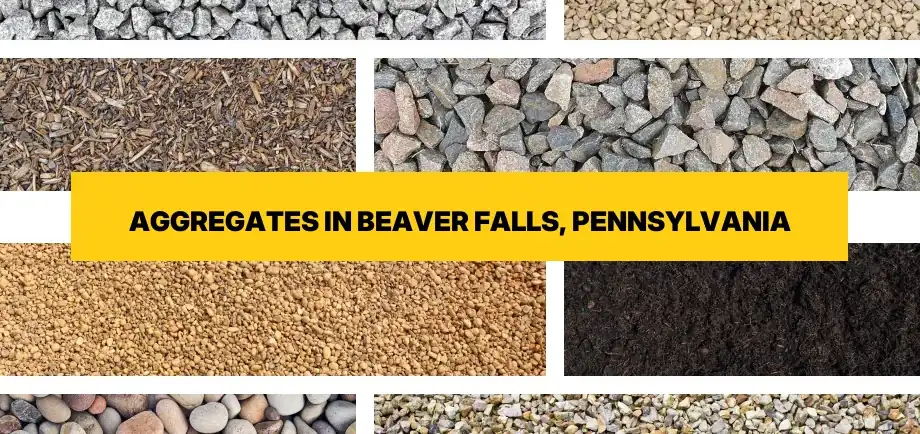
Gravel Monkey supplies construction-grade aggregates and landscaping materials for every type of project in Beaver Falls and surrounding communities including New Brighton, Rochester, and Monaca. Our comprehensive selection ensures you find exactly what you need:
- Driveway Gravel - Heavy-duty material engineered for Pennsylvania's freeze-thaw cycles
- 3/4 inch Crushed Stone - Versatile aggregate for driveways, foundations, and drainage applications
- #57 Stone - Industry-standard crushed stone for construction and landscaping
- Crusher Run - Compactable base material ideal for Western Pennsylvania driveways
- Road Base - Professional-grade foundation for parking areas and access roads
- Pea Gravel - Smooth, decorative stone perfect for walkways and garden beds
- River Rock - Natural aesthetic appeal for landscaping features
- Walkway Gravel - Comfortable surface material for paths and garden trails
- Drain Rock - Essential for French drains and foundation water management
- Crushed Concrete - Eco-friendly recycled aggregate for base applications
- Topsoil - Nutrient-rich soil for gardens and lawn establishment
- Fill Dirt - Essential for grading and leveling projects
- Mason Sand - Fine-grade sand for masonry and paver installation
- Playground Sand - Safe, clean sand for play areas
- Washed Sand - Clean sand for concrete mixing and various applications
- Decomposed Granite - Natural, permeable surface for pathways
Understanding Beaver Falls Geology and Soil Conditions
Beaver Falls sits in the Beaver Valley along the Beaver River, where geological conditions present specific challenges for construction and landscaping projects. The area features heavy clay soils characteristic of Western Pennsylvania's Allegheny Plateau region, with significant portions containing glacial till deposits. This clay-heavy composition creates drainage challenges, particularly during spring thaw and Pennsylvania's frequent rainfall periods.
Properties throughout College Hill, Patterson Heights, and the Seventh Avenue corridor often experience water retention issues due to the clay substrate. The soil's high plasticity means it expands when wet and contracts during dry periods, which can cause driveway cracking and foundation settlement without proper base preparation. Additionally, Beaver Falls' elevation changes—from the river valley floor to hillside neighborhoods—require careful attention to erosion control and slope stabilization.
Climate Considerations for Aggregate Selection
Beaver Falls experiences a humid continental climate with cold winters and warm summers. Average winter temperatures drop to 20-30°F with regular freeze-thaw cycles that stress improperly prepared driveways and hardscaping. The area receives approximately 40 inches of precipitation annually, with snow accumulation averaging 45 inches per winter season. These conditions demand properly installed aggregate bases that resist frost heaving and provide adequate drainage.
Spring in Beaver Falls brings heavy rainfall and rapid snowmelt, overwhelming poorly designed drainage systems. Summer temperatures reaching the mid-80s can cause clay soils to shrink and crack. Fall weather patterns bring variable precipitation that saturates the ground before winter freezing. Understanding these seasonal cycles is essential when selecting aggregates for long-lasting installations throughout neighborhoods like Blackhawk, Brighton Township, and the New Brighton border areas.
Choosing the Right Aggregates for Beaver Falls Projects
Driveway Construction in Clay-Rich Soils
Building a durable driveway in Beaver Falls requires understanding how local clay soils interact with aggregate materials. The proper approach involves excavating existing clay to adequate depth, installing geotextile fabric to prevent mixing, and creating a multi-layer aggregate base. For properties in Patterson Heights and College Hill, we typically recommend a foundation layer of larger stone topped with compactable materials that lock together under vehicle weight.
The base layer should consist of 4-6 inches of crushed stone that provides structural support and promotes drainage. Without adequate drainage, water trapped in clay soils freezes during winter, causing frost heaving that destroys driveways. A properly installed aggregate base allows water to percolate away from the surface, preventing ice formation beneath the driveway. Properties near the Beaver River or in low-lying areas require even more attention to drainage solutions.
Foundation and Drainage Solutions
Beaver Falls' clay soils create hydrostatic pressure against basement walls during wet periods, making proper foundation drainage absolutely critical. French drain systems installed around building perimeters need appropriate stone that allows water flow while preventing soil infiltration. The aggregate must be sized correctly to create void space for water movement while supporting the weight of backfill soil.
Properties built on Beaver Falls' hillsides—particularly in areas like Seventh Avenue and upper College Hill—face additional drainage challenges. Slope runoff concentrates water flow, potentially undermining foundations and causing erosion. Strategic placement of drainage aggregates diverts water safely away from structures. Proper installation prevents the soil saturation that leads to basement seepage, foundation cracking, and landscape erosion common throughout Western Pennsylvania.
Beaver Falls Aggregate Comparison Guide
Selecting the appropriate aggregate depends on your specific project requirements, soil conditions, and intended use. This comparison helps Beaver Falls property owners make informed decisions:
| Aggregate Type | Best Applications | Drainage Rating | Compaction | Ideal for Clay Soils |
|---|---|---|---|---|
| Crusher Run | Driveway base, parking areas | Good | Excellent | Yes - Superior |
| 3/4 inch Crushed Stone | Drainage, foundations | Excellent | Moderate | Yes - Excellent |
| #57 Stone | French drains, general use | Excellent | Moderate | Yes - Very Good |
| Road Base | Heavy traffic areas | Good | Excellent | Yes - Superior |
| Drain Rock | Foundation drainage, pipes | Superior | Poor | Yes - Excellent |
| Pea Gravel | Walkways, decorative beds | Good | Poor | Moderate |
| River Rock | Landscaping, erosion control | Moderate | None | Moderate |
| Crushed Concrete | Base material, eco-projects | Good | Very Good | Yes - Good |
Serving Beaver Falls Neighborhoods and Surrounding Communities
Gravel Monkey provides free delivery throughout Beaver Falls and neighboring areas. We're familiar with the unique characteristics of each neighborhood and can recommend aggregates suited to local conditions:
College Hill and Upper Beaver Falls
This elevated neighborhood requires careful attention to slope stabilization and erosion control. Hillside properties benefit from properly installed drainage aggregates that manage stormwater runoff. Many College Hill driveways feature steep grades that demand excellent traction materials and stable base construction to prevent washouts during heavy rain events.
Patterson Heights and Eastvale
These established residential areas contain a mix of flat and moderately sloped properties with mature landscaping. Homeowners in Patterson Heights often need aggregates for driveway renovation, drainage improvement, and decorative landscaping projects. The clay soil common throughout this area requires proper base preparation for any aggregate installation.
Seventh Avenue Historic District
The historic downtown area presents unique challenges including older infrastructure, limited access for delivery vehicles, and properties built on hillsides overlooking the Beaver River. Projects in this neighborhood often involve drainage solutions, small-scale hardscaping, and restoration work that requires careful material selection to match historic character while providing modern performance.
Lower Beaver Falls and Riverfront
Properties near the Beaver River face elevated groundwater levels and potential flooding concerns. Aggregate installations in low-lying areas must prioritize drainage and use materials that resist displacement during high water events. Foundation drainage becomes especially critical for basement protection in these riverside neighborhoods.
Blackhawk School District Area
This suburban area features newer residential development with modern construction standards. However, the underlying clay soils still require proper aggregate base installation for driveways and drainage systems. Many properties in this area feature larger lots with more extensive landscaping needs including decorative stone pathways and garden beds.
Nearby Communities We Serve
Beyond Beaver Falls proper, we deliver throughout Beaver County including New Brighton, Rochester, Monaca, Brighton Township, Patterson Township, and Chippewa Township. Each community shares similar soil and climate conditions, making our expertise in Western Pennsylvania aggregate applications valuable throughout the region.
Common Aggregate Projects in Beaver Falls
Residential Driveway Installation and Repair
Beaver Falls homeowners frequently need driveway materials that withstand Pennsylvania winters. A typical residential driveway project begins with excavation of existing materials and clay soil to a depth of 8-12 inches. Geotextile fabric prevents clay from migrating upward into the aggregate base. The foundation consists of 4-6 inches of larger crushed stone, followed by 2-4 inches of compactable material that creates a stable, well-drained driving surface.
For properties in hilly neighborhoods, additional considerations include crown slope for water runoff and potentially reinforced edges to prevent material migration. Driveways in Patterson Heights and College Hill often require steeper grades than typical installations, making proper material selection and compaction even more critical for long-term performance.
Foundation Drainage and Waterproofing
Protecting basements from water intrusion requires properly designed perimeter drainage systems. French drains installed around building foundations use specifically sized aggregate that allows water to flow freely while supporting soil loads. The drainage stone surrounds perforated pipe that channels water away from the structure to daylight or a sump system.
Many older Beaver Falls homes lack adequate foundation drainage, leading to basement moisture problems. Retrofitting drainage systems involves excavating around the foundation perimeter, installing drainage aggregate and pipe, and ensuring proper outlet location. Properties on slopes may need additional drainage to intercept hillside water before it reaches the foundation.
Landscaping and Hardscaping Features
Decorative aggregate projects range from simple garden bed mulching to complex patio and walkway installations. Smaller aggregates like pea gravel create comfortable walking surfaces for garden paths, while larger river rock provides visual interest in planting beds and around water features. Proper base preparation remains important even for decorative applications to prevent settling and weed growth.
Retaining wall backfill requires drainage aggregate that prevents water buildup behind the wall structure. Without proper drainage, hydrostatic pressure can cause wall failure—a particular concern on Beaver Falls' hillside properties where soil saturation creates significant forces against retaining structures.
Erosion Control and Slope Stabilization
Beaver Falls' topography creates erosion challenges during heavy rainfall. Strategic placement of larger aggregates like river rock helps stabilize slopes and channels water safely. Drainage swales lined with stone prevent gully formation and protect property during storm events. Areas near the Beaver River and on steep hillsides benefit significantly from professional erosion control measures.
Best Practices for Aggregate Installation in Beaver Falls
Excavation and Base Preparation
Successful aggregate projects begin with proper site preparation. Beaver Falls clay soil must be excavated to adequate depth—typically 8-12 inches for driveways and 6-8 inches for walkways. The subgrade should be compacted and graded for drainage before any aggregate placement. Installing geotextile fabric creates a separation barrier that prevents clay from contaminating the stone base over time.
Low areas should be filled and compacted to achieve consistent depth throughout the project area. This becomes especially important in Beaver Falls where clay soil creates uneven settling patterns. Properties near the Beaver River or in historically wet areas may require deeper excavation and additional drainage measures to ensure long-term performance.
Proper Compaction Techniques
Compaction is critical for aggregate stability, particularly with materials like crusher run and road base. Each layer should be compacted in lifts of no more than 4 inches to achieve proper density. Mechanical compaction using a plate compactor or roller ensures the material locks together, creating a stable surface that resists rutting and displacement.
Water should be added during compaction to help fines bind the aggregate particles. However, avoid over-wetting, especially when working with Beaver Falls clay soils that drain slowly. Proper moisture content allows maximum compaction while preventing material from becoming too plastic to work effectively.
Drainage Considerations
Every aggregate installation in Beaver Falls must address water management. Surface water should be directed away from structures and toward appropriate drainage outlets. Installing French drains along property edges or beneath aggregate surfaces helps manage both surface water and subsurface moisture that percolates through clay soils.
For hillside properties common in College Hill and along Seventh Avenue, consider interceptor drains that capture upslope water before it saturates lower areas. Proper outlet locations prevent drainage from becoming a problem for neighboring properties or contributing to erosion issues.
Seasonal Considerations for Aggregate Projects
Spring Installation Factors
Spring brings challenges and opportunities for aggregate work in Beaver Falls. While ground thaws and becomes workable, saturated clay soils make excavation difficult and messy. Waiting until soil moisture decreases somewhat produces better compaction results. However, completing projects before summer allows the base to settle naturally through several rain cycles before winter freezing.
Summer Project Benefits
Summer offers ideal conditions for aggregate installation throughout Beaver Falls. Dry weather allows proper moisture control during compaction, and warm temperatures help fines cure properly in crusher run and road base applications. However, summer project scheduling should account for vacation schedules and local event calendars that may affect equipment and labor availability.
Fall Preparation for Winter
Fall aggregate projects prepare properties for Pennsylvania winters. Installing or repairing driveways before snow season prevents winter damage from plowing operations working on damaged surfaces. Drainage improvements completed in fall help properties handle snowmelt the following spring. However, projects must be completed before ground freezing makes excavation impossible.
Winter Limitations
Frozen ground prevents most aggregate installation during Beaver Falls winters. However, winter remains an excellent time for planning projects, obtaining quotes, and scheduling spring installation. Winter also reveals drainage problems that become hidden during dry seasons, helping homeowners identify issues that require aggregate solutions.
Frequently Asked Questions About Aggregates in Beaver Falls
We deliver a complete range of aggregates including driveway gravel, crushed stone, crusher run, river rock, pea gravel, topsoil, fill dirt, various sands, decomposed granite, and recycled crushed concrete throughout Beaver Falls and surrounding Pennsylvania areas.
Yes! Gravel Monkey offers FREE delivery to Beaver Falls and the surrounding Pennsylvania area for all gravel and aggregate orders. We serve neighborhoods from College Hill to Patterson Heights with no delivery charges.
For Beaver Falls heavy clay soils, we recommend crusher run or road base for driveways, drain rock for foundation drainage, and well-compacted gravel bases. The clay-rich soil in Western Pennsylvania requires proper drainage solutions to prevent water pooling and frost heaving.
For a standard driveway in Beaver Falls, calculate length times width times depth in feet. Typically, you need 4 inches of base material. For example, a 12 foot by 50 foot driveway needs about 7 to 8 tons of gravel. Our team can help calculate exact amounts for your property.
Yes, we regularly deliver to properties throughout Beaver Falls including hillside locations in areas like Seventh Avenue and upper College Hill. Our experienced drivers understand the terrain challenges of Western Pennsylvania and can safely deliver to most accessible properties.
For erosion control on Beaver Falls hillsides, we recommend river rock or larger crushed stone that resists washing away during heavy rain. Proper drainage with drain rock and terracing with crusher run also helps stabilize slopes common in the Beaver Valley area.
Ensure delivery trucks have clear access to your property with no overhead obstructions like low-hanging wires or tree branches. Mark where you want material placed, and clear the area of obstacles. For hillside properties, confirm there is adequate turnaround space for our delivery vehicles.
Crusher run and road base perform excellently in Pennsylvania winters because they compact tightly while allowing drainage. Proper installation with adequate base depth and drainage prevents frost heaving that destroys driveways. The key is preventing water from accumulating and freezing beneath the surface.
Why Beaver Falls Property Owners Choose Gravel Monkey
Gravel Monkey understands Western Pennsylvania construction challenges. Our aggregates are specifically selected to perform in Beaver Falls' clay soils and harsh winter conditions. We provide expert guidance on material selection, quantity calculations, and installation best practices for your specific property conditions.
Free delivery throughout Beaver Falls, New Brighton, Rochester, and Beaver County eliminates the hassle and expense of material transportation. Our delivery professionals understand local terrain, navigate hillside access roads, and place materials exactly where you need them. Whether you're tackling a weekend DIY project or managing commercial construction, we supply the right aggregates on your schedule.
Quality materials make the difference between projects that fail after one winter and installations that last decades. We source aggregates that meet specifications for drainage, compaction, and durability. Our team answers questions, provides technical support, and ensures you have everything needed for successful project completion.
Get Started on Your Beaver Falls Aggregate Project
Ready to begin your driveway, drainage, or landscaping project? Gravel Monkey makes it easy to get premium aggregates delivered free to your Beaver Falls property. Our knowledgeable team helps you select appropriate materials for your specific soil conditions, project requirements, and budget constraints. From College Hill to the Beaver River, from Patterson Heights to the Seventh Avenue Historic District, we deliver quality aggregates that perform in Western Pennsylvania's challenging conditions.
Contact us today to discuss your project needs, get expert recommendations, and schedule your free delivery. Join countless satisfied Beaver Falls customers who trust Gravel Monkey for reliable aggregate supply and professional service. Let us help you build projects that withstand Pennsylvania winters and provide lasting value for years to come.

Need help? Reach out for a quote: