Shop Bulk Materials & Gravel in Mc Ewensville, Pennsylvania
Local Topsoil, Dirt, Sand, Rocks and Gravel near me in Mc Ewensville, Pennsylvania
Shop Aggregates for Delivery in Mc Ewensville
Order online for free delivery to any Mc Ewensville address.


Gravel Monkey provides reliable aggregate delivery to Mc Ewensville, Pennsylvania and the surrounding West Branch Susquehanna Valley region. Whether you're upgrading a rural driveway, installing drainage systems to handle Pennsylvania's seasonal rainfall, or building foundations that can withstand the area's freeze-thaw cycles, we deliver premium gravel and stone materials directly to your property with no delivery charge. Our service extends throughout Northumberland County and neighboring communities, bringing professional-grade aggregates to residential and commercial projects across this historic Pennsylvania region.
Premium Aggregates and Materials Available in Mc Ewensville
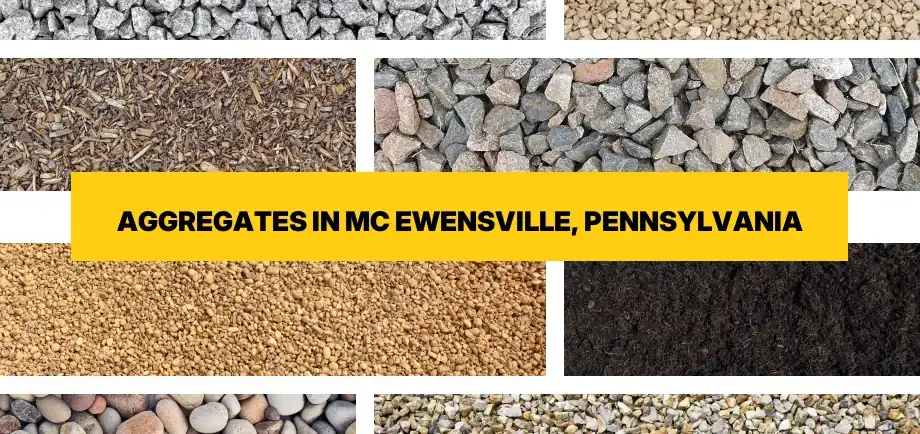
We stock a comprehensive selection of aggregates, stone, and soil materials specifically chosen for Pennsylvania's climate and soil conditions. Every product we deliver meets the demands of the Susquehanna Valley's variable weather, clay-rich soils, and seasonal moisture challenges:
- Driveway Gravel - Durable base material engineered for long-lasting driveways and parking areas
- 3/4 inch Crushed Stone - Versatile angular stone for foundations, driveways, and drainage applications
- #57 Stone - Industry-standard aggregate for concrete work and drainage systems
- Crusher Run - Compactable blend that creates rock-solid bases for roads and driveways
- Road Base - Heavy-duty foundation material for roads, parking lots, and commercial applications
- Pea Gravel - Smooth, rounded stone perfect for pathways, landscaping, and decorative projects
- River Rock - Natural decorative stone for gardens, water features, and landscape accents
- Walkway Gravel - Specially sized aggregate for comfortable, stable walking paths
- Drain Rock - Angular stone designed for superior water management and french drain systems
- Crushed Concrete - Eco-friendly recycled aggregate for cost-effective base layers
- Topsoil - Nutrient-rich soil for garden beds, lawns, and planting projects
- Fill Dirt - Clean fill material for grading, leveling, and construction projects
- Mason Sand - Fine sand for masonry, paver installations, and concrete mixing
- Playground Sand - Safe, clean sand for playgrounds and recreational areas
- Washed Sand - Clean, debris-free sand for multiple construction applications
- Decomposed Granite - Natural granite fines for pathways and low-maintenance landscapes
Choosing the Right Aggregate for Your Mc Ewensville Project
Pennsylvania's climate presents unique challenges for aggregate selection. With average annual temperatures ranging from 20°F in winter to 82°F in summer, and approximately 42 inches of precipitation annually in the Susquehanna Valley, selecting the proper material ensures long-term performance. The region's clay-based soils and seasonal frost penetration depth of 36 to 42 inches require aggregates that provide excellent drainage and stability.
| Aggregate Type | Best Applications | Drainage Rating | Compaction | Pennsylvania Climate Suitability |
|---|---|---|---|---|
| Driveway Gravel | Residential driveways, parking areas | Excellent | High | Excellent for freeze-thaw |
| 3/4 inch Crushed Stone | Foundations, driveways, general use | Excellent | Very High | Superior year-round performance |
| #57 Stone | Drainage, concrete aggregate, backfill | Outstanding | Medium | Ideal for wet Pennsylvania springs |
| Crusher Run | Road base, driveway foundation | Good | Excellent | Best for heavy-duty applications |
| Pea Gravel | Walkways, landscaping, drainage | Very Good | Low | Good for decorative uses |
| Drain Rock | French drains, foundation drainage | Outstanding | Low | Essential for clay soil drainage |
| Road Base | Roads, commercial parking lots | Good | Excellent | Handles heavy traffic and moisture |
| Crushed Concrete | Base layers, temporary roads | Good | High | Cost-effective for large projects |
Understanding Mc Ewensville's Soil and Geology
Mc Ewensville sits within the Ridge-and-Valley Appalachian region where sedimentary rock formations create distinctive soil characteristics. The area's underlying geology consists primarily of shale and sandstone, which weather into clay-rich soils with moderate to poor drainage capabilities. These conditions are typical throughout the West Branch Susquehanna River Valley and significantly impact construction and landscaping decisions.
The predominant soil types around Mc Ewensville include Albrights, Berks, and Weikert series soils - all characterized by moderate to high clay content, shallow depth to bedrock in some areas, and seasonal water tables. These conditions make proper aggregate selection critical for successful projects. Properties in lower-lying areas near the Susquehanna River often experience higher seasonal moisture, while hillside locations may have thinner soil profiles over bedrock.
Climate Considerations for Aggregate Projects
The Mc Ewensville area experiences a humid continental climate with four distinct seasons. Winter temperatures frequently drop below freezing from December through February, with frost penetration reaching 36 to 42 inches deep. This freeze-thaw cycling can devastate poorly designed driveways and foundations. Spring brings heavy rainfall - often the wettest season - when clay soils become saturated and unstable. Summer temperatures reach into the 80s with periodic heavy thunderstorms, while fall provides ideal conditions for outdoor construction projects.
These weather patterns demand aggregates that drain effectively, resist frost heave, and maintain stability during wet periods. Angular crushed stone aggregates interlock to create stable surfaces that shed water and resist displacement, making them superior to rounded gravels for structural applications in Pennsylvania conditions.
Aggregate Delivery Throughout the Mc Ewensville Area
Gravel Monkey provides free delivery throughout Mc Ewensville and surrounding communities in the West Branch Susquehanna Valley. We regularly serve customers in these nearby areas:
Nearby Communities We Serve
- Turbotville - Just south of Mc Ewensville along Route 44, this neighboring community receives regular aggregate deliveries
- Watsontown - Located north along the Susquehanna River, we deliver to residential and commercial properties throughout this borough
- Milton - The larger neighboring city to the east where we supply aggregates for both urban and suburban projects
- Montandon - Rural community west of Mc Ewensville where we deliver materials for farm lanes and residential driveways
- White Deer - Northern Union County community where we supply stone and gravel for various projects
- Dewart - Small community along Route 405 where we deliver aggregates for rural properties
- Allenwood - Eastern Union County area served with regular aggregate deliveries
- Limestone Township - Rural agricultural area where we deliver materials for farm operations and residential projects
Our delivery service extends throughout Northumberland County, Union County, and surrounding areas of central Pennsylvania. Whether your project sits on a hillside property overlooking the Susquehanna River, a rural farm lane, or a residential lot in town, we deliver premium aggregates directly to your site.
Common Aggregate Applications in Mc Ewensville
Driveway Construction and Repair
Rural driveways around Mc Ewensville face significant challenges from Pennsylvania's climate and the area's clay-based soils. A proper driveway requires multiple layers starting with a stable base layer that provides drainage and prevents frost heave. Our crusher run creates an excellent foundation layer - it compacts tightly while allowing water to permeate through rather than pooling on the surface or within the base layers.
For the top surface layer, driveway gravel provides the perfect balance of compaction and drainage. Properties along hillsides or areas with steeper grades may benefit from larger angular stones that resist washout during heavy rains. The key to driveway longevity in this region is proper depth - most successful installations use 4 to 6 inches of compacted base material topped with 3 to 4 inches of surface gravel.
Foundation and Drainage Solutions
Clay soils throughout the Susquehanna Valley create significant drainage challenges. Water moves slowly through clay, leading to saturated conditions that can compromise foundations, flood basements, and create unstable ground. Proper drainage using stone aggregates addresses these issues effectively.
French drain installations around foundations require drain rock or #57 stone - materials sized to allow rapid water movement while preventing soil migration into the drainage system. The angular nature of these aggregates creates void spaces where water can flow freely, channeling it away from structures and toward appropriate discharge points. Properties in lower-lying areas near the river often require more extensive drainage systems to manage seasonal high water tables.
Walkways and Landscape Pathways
Creating comfortable walking surfaces that handle Pennsylvania's weather requires the right aggregate selection. Walkway gravel provides an ideal surface that drains quickly after rain, prevents mud tracking, and remains stable throughout the seasons. For a more decorative appearance, pea gravel offers smooth, rounded stones in various natural colors that complement any landscape design.
Path edging with larger river rock creates defined borders while adding visual interest. These natural stones resist displacement better than smaller gravels and provide excellent contrast against lawn areas or garden beds. Decomposed granite offers another attractive option for firm, natural-looking pathways that compact into a relatively solid surface while maintaining permeability.
Aggregate Installation Best Practices for Pennsylvania Conditions
Site Preparation
Successful aggregate projects begin with proper site preparation. Remove all organic material including topsoil, roots, and vegetation from the project area. Organic matter decomposes and settles over time, creating uneven surfaces and compromising structural integrity. In areas with poor natural drainage, excavate to appropriate depth and grade the subbase to direct water away from structures.
For projects over clay soils - common throughout Mc Ewensville - consider installing landscape fabric between the prepared subgrade and your aggregate layers. This geotextile prevents fine clay particles from migrating upward into your stone while still allowing water to drain through. It significantly extends the life of driveways, paths, and other aggregate installations by preventing the mixing of soil and stone.
Layering and Compaction
Professional-quality installations require proper layering. Start with a base layer of road base or crusher run - these materials contain a range of stone sizes that compact into a dense, stable foundation. Compact this base layer thoroughly using a mechanical plate compactor for small areas or a vibratory roller for larger projects. Water the material lightly during compaction to achieve maximum density.
Top layers depend on your specific application. Driveways benefit from additional compactable gravel that locks together under vehicle weight. Walkways and decorative areas can use looser materials like pea gravel or river rock. For each layer, maintain appropriate depth - typically 3 to 4 inches of compacted material. Thinner layers lack structural integrity while excessive depth wastes material and money.
Edge Containment
Proper edging prevents aggregate migration and maintains clean borders. For driveways and parking areas, buried edging materials create permanent borders that contain the stone. Options include treated lumber, steel edging, or concrete curbing. Without containment, vehicle traffic and freeze-thaw cycles gradually push aggregates outward, creating undefined edges and requiring frequent replenishment.
Landscape pathways benefit from visible edging using larger stones, decorative borders, or manufactured landscape edging products. These elements define the pathway while adding visual interest to your landscape design. They also prevent lawn equipment from scattering pathway materials into adjacent turf areas.
Seasonal Considerations for Aggregate Projects
Spring and Early Summer Installation
Spring in the Susquehanna Valley often brings extended wet periods that can complicate aggregate installation. While materials can be delivered and installed during damp conditions, extremely wet or saturated ground conditions make achieving proper compaction difficult. If possible, wait for a dry spell when clay soils have drained sufficiently to support equipment without creating deep ruts.
Late spring through early summer offers ideal installation conditions. Soils have dried and warmed, making compaction easier and more effective. This timing also allows your installation to settle and stabilize before the following winter's freeze-thaw cycles begin.
Fall Preparation
Fall represents another excellent installation window. Cooler temperatures make outdoor work more comfortable, and Pennsylvania's typically drier fall weather provides good working conditions. Completing aggregate projects in fall allows them to settle during winter, with final grading and adjustments possible the following spring if needed.
Fall is also the ideal time to address drainage issues before winter. Installing french drains, upgrading swales, or adding drainage stone prevents next spring's snowmelt and rain from overwhelming your property's drainage capacity.
Winter Maintenance
Pennsylvania winters demand different maintenance approaches for aggregate surfaces. While driveways receive regular use, avoid using salt or chemical deicers on gravel surfaces - these products provide minimal benefit and can damage vegetation along driveway edges. Snow removal should use a blade angle that follows the surface contour rather than digging into the aggregate.
Spring typically requires some surface maintenance. Freeze-thaw action may displace some material, creating minor ruts or uneven areas. A light raking redistributes surface gravel, while adding fresh material addresses any settled spots or areas where winter traffic pushed stone aside.
Estimating Aggregate Quantities for Your Project
Accurate material estimation prevents costly shortages or excessive surplus. For rectangular areas like driveways, multiply length times width times depth (all in feet) then divide by 27 to convert cubic feet to cubic yards. Most aggregate suppliers, including Gravel Monkey, price and deliver materials by the cubic yard or ton.
Sample Calculations
For a typical residential driveway measuring 12 feet wide by 60 feet long with 4 inches of compacted depth:
- Convert 4 inches to feet: 4 ÷ 12 = 0.33 feet
- Calculate volume: 12 × 60 × 0.33 = 237.6 cubic feet
- Convert to cubic yards: 237.6 ÷ 27 = 8.8 cubic yards
- Round up to ensure adequate material: 9 cubic yards
For multiple layers with different materials, calculate each layer separately. A driveway might require 6 inches of crusher run base (13.3 cubic yards for the above example) plus 3 inches of driveway gravel surface (6.7 cubic yards). Always order slightly more than calculated amounts to account for uneven subgrades, compaction, and settling.
Understanding Material Weights
Different aggregates have different densities affecting weight per cubic yard. Crushed stone typically weighs about 1.4 tons per cubic yard, while topsoil weighs approximately 1.3 tons per cubic yard, and sand around 1.35 tons per cubic yard. These weights matter for delivery logistics and equipment requirements but don't affect quantity calculations based on project dimensions.
Environmental Benefits of Quality Aggregate Selection
Proper aggregate installation provides environmental benefits beyond simple functionality. Permeable gravel surfaces allow rainwater to infiltrate naturally rather than running off into storm systems. This reduces strain on municipal drainage infrastructure and helps recharge groundwater supplies - important considerations in the Susquehanna River watershed.
Using crushed concrete aggregate supports sustainability through material recycling. This eco-friendly option diverts concrete waste from landfills while providing cost-effective base material for appropriate applications. It performs particularly well in base layers where its angular shape and compaction characteristics rival traditional crushed stone.
Natural stone aggregates represent renewable resources when sourced from responsibly managed quarries. Unlike impervious paving materials that seal soil surfaces and increase runoff, gravel installations maintain some level of permeability. This characteristic helps moderate local temperatures, supports healthier soil biology, and reduces the urban heat island effect in developed areas.
Frequently Asked Questions About Gravel Delivery in Mc Ewensville
Steep driveways require angular aggregates that interlock and resist washout. Crushed stone in 3/4 inch size or driveway gravel provides excellent traction and stability on grades. Avoid rounded materials like pea gravel on slopes - they roll and migrate downhill. Proper installation with edge containment and compacted base layers is essential for hillside driveways.
Pennsylvania driveways need 4 to 6 inches of compacted base material topped with 3 to 4 inches of surface gravel for year-round performance. Properties with poor drainage or clay soils may benefit from additional depth. The key is proper layering with compactable base materials and adequate depth to prevent frost heave during winter freezing cycles.
Yes, we deliver throughout rural Northumberland County and surrounding Pennsylvania areas. Our service includes farms, rural properties, and outlying communities throughout the region. We can accommodate various delivery locations including properties with long access lanes or limited turning space.
Winter maintenance involves snow removal without aggressive plowing that disturbs the gravel surface. Avoid chemical deicers - they provide minimal benefit on gravel and can damage surrounding vegetation. Spring typically requires raking to redistribute surface material and adding fresh gravel where winter traffic created ruts or displaced stone.
Gravel Monkey offers FREE delivery to Mc Ewensville and the surrounding area. Material costs vary by aggregate type and quantity ordered. Contact us for a specific quote based on your project requirements - we'll help you select the right materials and calculate accurate quantities for your application.
Drain rock or number 57 stone works excellently for french drains in clay soils. These aggregates range from 3/4 inch to 1 inch in size - large enough to create void spaces for water flow yet small enough to prevent soil migration into the drainage system. The angular shape prevents compaction that would reduce drainage effectiveness.
Delivery timing depends on current demand and your specific location. In most cases, we can schedule delivery within several days of your order. For time-sensitive projects, contact us as early as possible to ensure material availability and optimal delivery scheduling for your needs.
Both materials create excellent compactable bases, but crusher run typically contains a wider range of stone sizes including more fine particles that fill voids during compaction. Road base may have more uniform sizing and is specifically engineered for heavy traffic applications. Both perform well in Pennsylvania conditions and resist frost heave when properly installed.
Professional Aggregate Delivery to Mc Ewensville Properties
Whether you're building a new driveway, addressing drainage challenges, creating landscape pathways, or tackling any project requiring quality aggregates, Gravel Monkey delivers the materials you need throughout Mc Ewensville and the surrounding Pennsylvania region. Our experience with local soil conditions, climate challenges, and proper material selection ensures your project starts with the right foundation.
Free delivery means no hidden costs or delivery fees - just honest pricing on premium aggregates delivered directly to your property. From small residential projects to larger commercial applications, we supply the stone, gravel, sand, and soil materials that perform in Pennsylvania's demanding conditions. Our team helps you select appropriate materials, estimate accurate quantities, and schedule convenient delivery to your Mc Ewensville area property.

Need help? Reach out for a quote: