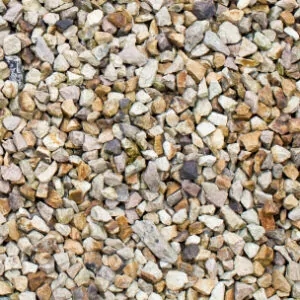
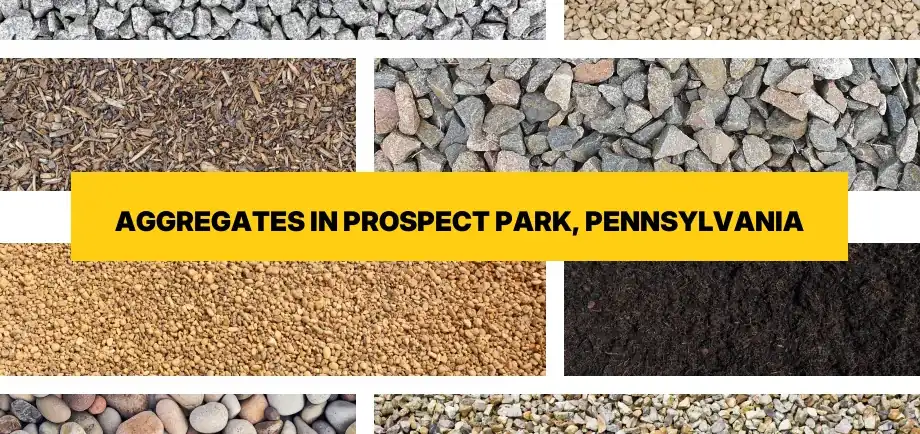
Rock & Driveway Gravel in Prospect Park, Pennsylvania
Local Topsoil, Dirt, Sand, Rocks and Gravel near me in Prospect Park, Pennsylvania
Shop Aggregates for Delivery in Prospect Park
Order online for free delivery to any Prospect Park address.
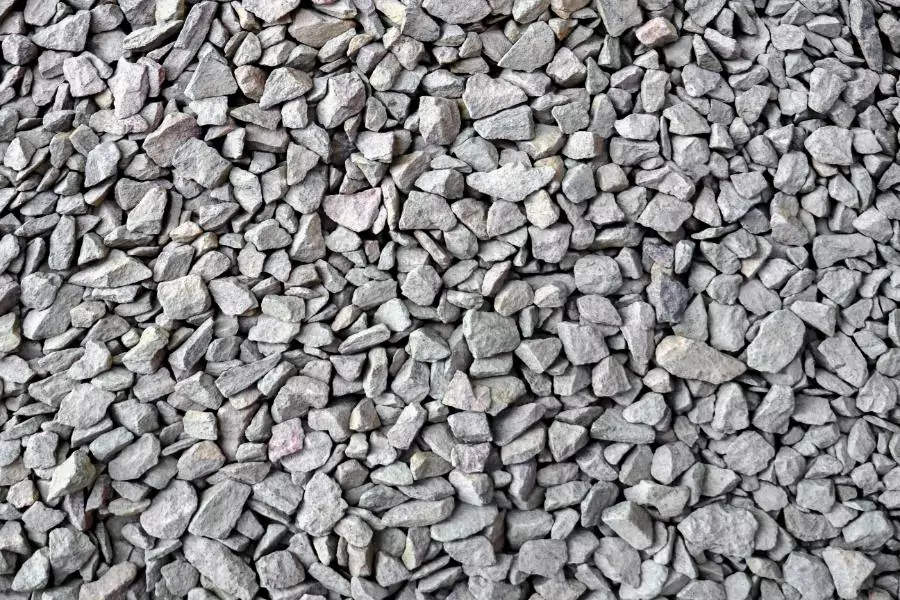
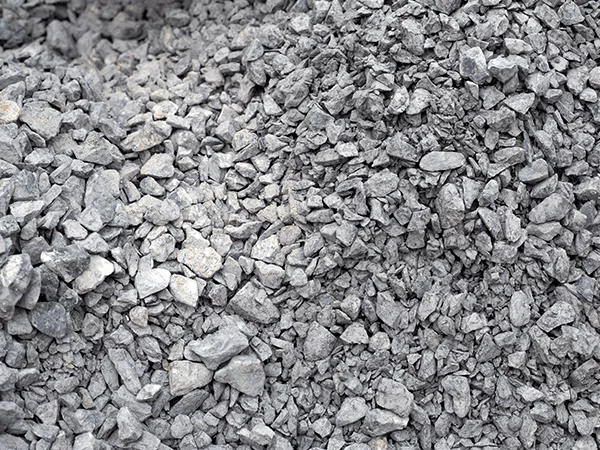


Gravel Monkey is your trusted source for premium gravel, crushed stone, and aggregate materials in Prospect Park, Pennsylvania. Whether you're renovating a driveway along Lincoln Avenue, improving drainage near Chester Creek, or landscaping a property in the Moore Park area, we deliver high-quality aggregates directly to your Prospect Park location with absolutely free delivery. Serving all of Delaware County, our extensive selection of materials meets the unique needs of residential and commercial projects throughout this historic borough.
Comprehensive Aggregate Selection for Prospect Park Projects
At Gravel Monkey, we understand that Prospect Park properties require materials suited to the region's clay-rich soil, variable weather patterns, and unique drainage challenges. Our complete inventory includes aggregates for every application:
- Driveway Gravel - Durable base material perfect for Prospect Park's residential streets and driveways
- 3/4 inch Crushed Stone - Versatile aggregate for foundations, driveways, and base layers
- #57 Stone - Industry-standard aggregate for drainage and concrete work
- Crusher Run - Compactable base material that locks together for superior stability
- Road Base - Heavy-duty aggregate for road construction and commercial driveways
- Pea Gravel - Smooth, rounded stones ideal for walkways and decorative landscaping
- River Rock - Natural aesthetic stones for gardens, water features, and landscape beds
- Walkway Gravel - Specially sized aggregates for comfortable, stable pathways
- Drain Rock - Large void spaces for superior water management in clay soils
- Crushed Concrete - Eco-friendly recycled aggregate for sustainable projects
- Mason Sand - Fine-grade sand for masonry and construction applications
- Playground Sand - Safe, clean sand for play areas and recreational spaces
- Washed Sand - Clean sand for landscaping and construction
- Decomposed Granite - Natural pathway material with excellent compaction
- Topsoil - Nutrient-rich soil for garden beds and lawn establishment
- Fill Dirt - Essential for grading, leveling, and raising property elevations
Understanding Prospect Park's Unique Landscape and Soil Conditions
Prospect Park's location in southeastern Pennsylvania, along the Chester Creek watershed, presents specific challenges and opportunities for construction and landscaping projects. The borough sits at approximately 60 feet above sea level, positioned between the rolling piedmont hills and the coastal plain region. This geographic setting creates unique conditions that property owners must consider when selecting aggregates.
The soil composition throughout Prospect Park consists primarily of Glenelg silt loam and Chester loam, both characterized by moderate clay content. These soils provide adequate bearing capacity for structures but can present drainage challenges during Pennsylvania's wet seasons. The area receives approximately 45 inches of annual precipitation, with consistent rainfall throughout the year and occasional heavy downpours that test drainage systems.
Winter freeze-thaw cycles in Prospect Park are moderate but significant, with temperatures regularly fluctuating above and below freezing from December through March. This cycling can cause frost heave in improperly prepared driveways and walkways, making the selection of appropriate base aggregates critical for long-term stability. Properties near the 11th Avenue neighborhood and along Lincoln Avenue particularly benefit from well-draining aggregate bases that prevent moisture accumulation and subsequent frost damage.
Climate Considerations for Aggregate Selection
Prospect Park experiences four distinct seasons with summer temperatures reaching the upper 80s and winter lows occasionally dropping into the teens. The borough's proximity to Philadelphia moderates temperature extremes slightly, but humidity remains high year-round, averaging 65-70%. These conditions require aggregates that maintain stability despite moisture exposure and temperature variations.
The area's clay-rich soil expands when wet and contracts when dry, creating movement beneath driveways, patios, and foundations. Proper aggregate selection and installation mitigate these effects. For properties in the Moore Park area and near Chester Creek, where the water table sits relatively high, drainage aggregates become especially important for preventing water-related damage to structures and hardscaping.
Serving All Prospect Park Neighborhoods and Surrounding Areas
Gravel Monkey provides free delivery throughout Prospect Park Borough and the surrounding Delaware County communities. Our service area includes:
Prospect Park Borough Neighborhoods
- Lincoln Avenue District - The main commercial corridor with mixed residential properties
- Moore Park Area - Established residential neighborhood with mature trees and traditional homes
- 11th Avenue Neighborhood - Quiet residential streets with single-family homes
- Chester Creek Vicinity - Properties near the creek requiring specialized drainage solutions
- 9th Avenue Area - Historic residential section with aging infrastructure
Nearby Communities We Service
In addition to Prospect Park proper, we deliver to Norwood, Glenolden, Ridley Park, Sharon Hill, Folcroft, and throughout eastern Delaware County. Whether your project is in the borough or the surrounding region, our free delivery service ensures you receive quality aggregates exactly where you need them.
Popular Applications for Aggregates in Prospect Park
Residential Driveway Construction and Repair
Prospect Park's residential streets feature hundreds of driveways serving single-family homes and multi-unit properties. Many original driveways date back decades and require restoration or complete replacement. Modern driveway construction in the borough typically employs a multi-layer approach: a compacted sub-base of crusher run or road base, followed by a surface layer of driveway gravel or crushed stone.
Properties along the Lincoln Avenue corridor often feature longer driveways requiring substantial aggregate volumes. The typical Prospect Park driveway measures 12-20 feet wide and 30-50 feet long, requiring 8-15 tons of aggregate for proper construction. The borough's narrow lots and mature tree coverage mean careful planning is essential to avoid root damage while ensuring proper drainage away from foundations.
Drainage Solutions for Clay-Rich Soil
The clay content in Prospect Park soil makes drainage one of the most common challenges for property owners. Proper drainage prevents basement flooding, foundation settlement, and yard pooling. Strategic placement of drain rock around foundations and beneath downspout drains channels water away from structures effectively.
Properties in the Chester Creek vicinity face additional drainage considerations due to elevated water tables and periodic creek flooding. French drains constructed with #57 stone provide reliable subsurface drainage, while surface swales lined with drain rock manage stormwater runoff. The borough's combined sewer system in older sections means proper on-site drainage reduces the burden on municipal infrastructure during heavy rainfall events.
Walkways and Pathways
The walkable nature of Prospect Park encourages homeowners to create attractive pathways connecting homes to sidewalks, backyard areas, and gardens. Walkway gravel and pea gravel remain popular choices for informal paths, offering attractive alternatives to concrete or pavers. These materials complement the borough's traditional architectural character while requiring minimal maintenance.
Decomposed granite has gained popularity in recent years for its natural appearance and firm walking surface. This material compacts well while maintaining permeability, aligning with Delaware County's stormwater management guidelines that encourage permeable surfaces. Properties throughout the Moore Park area have successfully incorporated decomposed granite pathways that blend seamlessly with established landscaping.
| Aggregate Type | Primary Application | Drainage Rating | Compaction | Best For Prospect Park |
|---|---|---|---|---|
| 3/4" Crushed Stone | Driveway Base | Excellent | High | Foundation work, driveway bases, general construction |
| #57 Stone | Drainage, Concrete | Superior | Medium | French drains, foundation drainage, concrete aggregate |
| Crusher Run | Compactable Base | Good | Excellent | Driveway bases, parking areas, stable foundations |
| Pea Gravel | Walkways, Landscaping | Good | Low | Pathways, decorative beds, play areas |
| Drain Rock | Drainage Systems | Superior | Low | Foundation drains, sump systems, water management |
| Road Base | Heavy-Duty Base | Good | Excellent | Commercial driveways, heavy equipment access |
| River Rock | Decorative | Good | None | Landscape beds, water features, dry creek beds |
| Mason Sand | Mortar, Bedding | Poor | Medium | Paver bedding, masonry work, sandbox fill |
Detailed Aggregate Specifications for Prospect Park Projects
Crushed Stone Varieties
Crushed stone aggregates form the backbone of construction projects throughout Prospect Park. These angular stones, produced by crushing larger rocks, provide superior interlocking characteristics compared to rounded stones. The 3/4 inch crushed stone serves as the workhorse material for driveway bases, foundation backfill, and general construction applications.
The angular shape creates multiple contact points between individual stones, distributing weight efficiently and resisting displacement under load. For Prospect Park's freeze-thaw conditions, this characteristic proves invaluable. As moisture freezes and expands in the soil beneath a driveway, the interlocked stone matrix maintains stability rather than heaving or settling unevenly.
#57 stone, measuring approximately 3/4 inch with minimal fines, excels in drainage applications. The uniform sizing creates consistent void spaces that allow water to flow freely while filtering out sediment. Properties throughout the 11th Avenue neighborhood frequently incorporate #57 stone in foundation drains, protecting basements from water intrusion during Pennsylvania's wet springs.
Compactable Base Materials
Crusher run represents a sophisticated engineered aggregate combining multiple stone sizes from dust to 3/4 inch. When compacted, the smaller particles fill voids between larger stones, creating a dense, stable base that approaches the density of solid rock. This material has become the preferred choice for driveway bases in Prospect Park, offering exceptional load-bearing capacity and minimal settling over time.
Road base takes the concept further, incorporating larger stones up to 1.5 inches and engineered gradation optimized for heavy loads. Commercial properties and homeowners planning regular truck access choose road base for its superior performance under challenging conditions. The material's ability to shed water while maintaining structural integrity makes it ideal for Prospect Park's variable weather conditions.
Decorative and Landscaping Aggregates
While functional aggregates handle the heavy lifting, decorative materials enhance the aesthetic appeal of Prospect Park properties. River rock, available in sizes from small pebbles to large cobbles, provides natural beauty for landscape beds, water features, and dry creek beds designed to manage stormwater runoff.
Pea gravel's smooth, rounded stones create comfortable walking surfaces for informal pathways. The 3/8 inch size prevents stones from becoming foot hazards while maintaining stability underfoot. Many Moore Park area homeowners use pea gravel to create cottage garden aesthetics that complement the neighborhood's traditional character.
Decomposed granite offers a more naturalistic appearance, compacting into a firm surface that resembles natural earth while maintaining better drainage and erosion resistance. This material has found favor for garden pathways, patio surrounds, and informal recreational areas throughout the borough.
Professional Installation Practices for Prospect Park Conditions
Site Preparation and Grading
Successful aggregate installation begins with proper site preparation. Prospect Park's clay soils require excavation to adequate depth, typically 6-8 inches for walkways and 8-12 inches for driveways. The excavation must extend beyond the finished surface area to allow for edge restraints and proper drainage slopes.
Grading establishes critical drainage patterns. All surfaces should slope away from structures at a minimum 2% grade (2 inches per 10 feet). Properties near Chester Creek may require steeper grades or additional drainage infrastructure to manage high water tables and periodic flooding conditions.
Base Layer Installation
The base layer provides foundation stability and load distribution. For Prospect Park driveways, a 4-6 inch compacted base of crusher run or road base proves optimal. Each 2-inch lift should be compacted separately using a plate compactor, ensuring thorough densification throughout the base depth.
Edge restraints prevent lateral spreading of base materials. Concrete curbing, plastic edging, or compacted aggregate shoulders contain the installation and maintain designed grades. Without proper edge restraint, freeze-thaw cycles and traffic loads gradually spread materials, creating surface irregularities and drainage problems.
Surface Layer Application
The surface layer provides the finished appearance and immediate load-bearing surface. For driveways, 2-3 inches of driveway gravel or 3/4 inch crushed stone creates a durable, attractive surface. Proper compaction of the surface layer bonds it to the base layer, creating a unified structural system.
Walkways require gentler compaction to avoid crushing decorative stones while still achieving adequate stability. Pea gravel and walkway gravel installations benefit from initial light compaction followed by several weeks of natural settling before final leveling and additional material placement as needed.
Seasonal Installation Timing in Prospect Park
Prospect Park's four-season climate creates distinct optimal and challenging periods for aggregate installation. Understanding these seasonal factors helps property owners plan projects for maximum success and longevity.
Spring Installation (March-May)
Spring presents both opportunities and challenges. As frost leaves the ground in March, soil conditions gradually improve for excavation and compaction. However, frequent rainfall can create muddy conditions that complicate installation. Properties in the 9th Avenue area with good drainage can proceed earlier than locations near Chester Creek where soil remains saturated longer.
Late April through May typically provides ideal conditions as soil dries sufficiently for proper compaction while temperatures remain moderate for comfortable work. Spring installation allows aggregates to settle through summer weather before Pennsylvania's harsh winter tests the installation.
Summer Installation (June-August)
Summer offers the longest working days and most reliable weather, making it peak season for aggregate installations. Dry soil conditions facilitate excavation, and warm temperatures ensure optimal compaction. However, extreme heat days (above 90°F) can make physical work challenging and may require scheduling work for early morning hours.
Summer installations must account for Prospect Park's occasional severe thunderstorms. Exposed excavations should be covered or protected to prevent erosion and sediment washing onto adjacent properties or into the Chester Creek watershed.
Fall Installation (September-November)
Fall provides excellent installation conditions similar to late spring. Moderate temperatures, lower humidity, and generally stable weather create ideal working conditions. The urgency to complete projects before winter weather arrives can sometimes result in rushed installations, so maintaining quality standards remains important.
Early fall installations have time to settle before winter, while late fall projects risk complications if unexpected early freezes occur. Most contractors in Delaware County prefer completing installations by mid-November to avoid weather uncertainty.
Winter Considerations (December-February)
Winter installation is generally inadvisable in Prospect Park due to frozen ground, equipment limitations, and poor compaction achieved in cold temperatures. However, delivery of aggregates for storage remains possible during winter months, allowing spring projects to commence immediately when conditions permit.
Maintaining Aggregate Installations in Prospect Park
Proper maintenance extends the life of aggregate installations and maintains their aesthetic and functional qualities. Prospect Park's weather patterns create specific maintenance needs that property owners should address proactively.
Regular Inspection and Raking
Pea gravel pathways and decorative aggregate beds benefit from monthly raking to redistribute stones and maintain even coverage. High-traffic areas, particularly near entrances in the Lincoln Avenue district, may require more frequent attention as foot traffic gradually displaces stones.
Weed Control
While aggregate installations suppress weeds better than bare soil, seeds carried by wind or birds will eventually germinate. Landscape fabric beneath aggregates helps but doesn't eliminate all weed growth. Manual removal or careful application of selective herbicides maintains clean, attractive surfaces.
Edge Maintenance
Edge restraints require periodic inspection and adjustment. Frost heave can lift plastic edging, while settling may cause concrete curbing to separate from aggregate surfaces. Addressing these issues promptly prevents progressive deterioration of the entire installation.
Replenishment
Aggregate surfaces naturally experience material loss through displacement, embedding into underlying soil, and gradual breakdown. Most installations require replenishment every 2-4 years, with high-traffic areas needing attention more frequently. Adding a fresh layer of matching aggregate restores appearance and functionality efficiently.
Environmental Considerations and Sustainable Practices
Prospect Park property owners increasingly prioritize environmental responsibility in construction and landscaping decisions. Aggregate materials offer several environmental advantages when properly selected and installed.
Stormwater Management
Permeable aggregate surfaces allow rainfall to infiltrate naturally rather than generating runoff that burdens municipal storm sewers and contributes to Chester Creek pollution. Delaware County stormwater regulations encourage permeable surfaces, and aggregate installations often satisfy these requirements when properly designed.
Properties throughout Prospect Park can reduce their stormwater footprint by replacing impermeable surfaces with aggregate alternatives. Patio areas surfaced with pea gravel, pathways constructed with decomposed granite, and decorative beds featuring river rock all contribute to improved watershed health.
Recycled Aggregates
Crushed concrete represents an environmentally responsible alternative to virgin stone aggregates. This material, produced from recycled concrete demolition, performs comparably to natural aggregates in most applications while reducing landfill waste and virgin resource extraction. Many Prospect Park projects successfully incorporate crushed concrete for base layers and utility trenches.
Heat Island Reduction
Light-colored aggregates reflect more solar radiation than dark asphalt surfaces, contributing to cooler microclimates around properties. This benefit becomes particularly valuable during Pennsylvania summer heat waves, reducing air conditioning loads and improving outdoor comfort.
Frequently Asked Questions About Gravel in Prospect Park
We deliver driveway gravel, crushed stone in various sizes including 3/4 inch and #57 stone, pea gravel, river rock, crusher run, road base, drain rock, crushed concrete, mason sand, playground sand, washed sand, decomposed granite, topsoil, and fill dirt throughout Prospect Park and surrounding Delaware County areas.
Yes! Gravel Monkey offers FREE delivery to Prospect Park and the surrounding Pennsylvania area for all gravel and aggregate material orders. We service the entire Delaware County region including nearby communities.
For driveways in Prospect Park, calculate length times width times depth. A typical driveway needs 3 to 4 inches of gravel. For a standard two-car driveway measuring 20 feet by 20 feet at 4 inches deep, you would need approximately 5 tons of gravel. Our team can help calculate the exact amount for your specific property.
For Prospect Park properties with clay-rich soil common to the Chester Creek watershed, we recommend drain rock or #57 stone. These aggregates provide excellent water flow and prevent pooling issues during Pennsylvania rainy seasons. The larger stone sizes create void spaces that allow water to percolate through while providing structural support.
Absolutely! Crushed concrete is an eco-friendly and cost-effective alternative to traditional aggregates in Prospect Park. It works excellently for driveways, base layers, and fill applications. Many Delaware County residents choose crushed concrete for its environmental benefits and comparable performance to virgin stone.
Prospect Park experiences four distinct seasons with freeze-thaw cycles in winter. We recommend well-draining aggregates like crusher run or 3/4 inch crushed stone for driveways to prevent frost heave. The area receives about 45 inches of precipitation annually, making proper drainage materials essential for long-lasting installations.
The size depends on your project. For driveway bases, 3/4 inch crushed stone provides excellent compaction and stability. #57 stone works great for drainage applications and around foundations. Pea gravel in 3/8 inch size is perfect for walkways and decorative landscaping. Our team can recommend the ideal aggregate size for your specific Prospect Park property needs.
Yes! We deliver free to all areas of Prospect Park Borough including properties near Lincoln Avenue, the Moore Park area, 11th Avenue neighborhoods, and throughout the entire community. We also service nearby Norwood, Glenolden, Ridley Park, and other Delaware County communities.
Start Your Prospect Park Project with Gravel Monkey
Whether you're installing a new driveway in the Moore Park area, improving drainage near Chester Creek, or creating attractive landscaping along Lincoln Avenue, Gravel Monkey provides the quality aggregates and reliable service Prospect Park property owners trust. Our extensive selection, expert guidance, and free delivery make us the preferred aggregate supplier throughout Delaware County.
Our team understands Prospect Park's unique soil conditions, climate challenges, and local building practices. We help you select the right materials for your specific application, ensuring long-lasting results that enhance your property's value and functionality. From small residential projects to larger commercial installations, we deliver the aggregates you need exactly when and where you need them.
Join the hundreds of satisfied Prospect Park customers who have discovered the Gravel Monkey difference. Contact us today to discuss your project requirements, receive expert recommendations, and schedule your free delivery. We're here to help you achieve outstanding results with premium aggregates delivered directly to your property throughout Prospect Park and surrounding Pennsylvania communities.

Need help? Reach out for a quote: