Shop Bulk Materials & Gravel in Grand Valley, Pennsylvania
Local Topsoil, Dirt, Sand, Rocks and Gravel near me in Grand Valley, Pennsylvania
Shop Aggregates for Delivery in Grand Valley
Order online for free delivery to any Grand Valley address.


Gravel Monkey delivers premium aggregates and bulk materials to Grand Valley and the surrounding Warren County region with absolutely no delivery charges. Located in northwestern Pennsylvania near the Allegheny National Forest, Grand Valley presents unique challenges for property owners—from managing clay-heavy soils to handling freeze-thaw cycles that can damage poorly constructed driveways and foundations. Whether you're improving a rural property, upgrading a farm lane, or creating proper drainage solutions, we provide the quality aggregates you need delivered directly to your Grand Valley location.
Complete Selection of Aggregates Available in Grand Valley
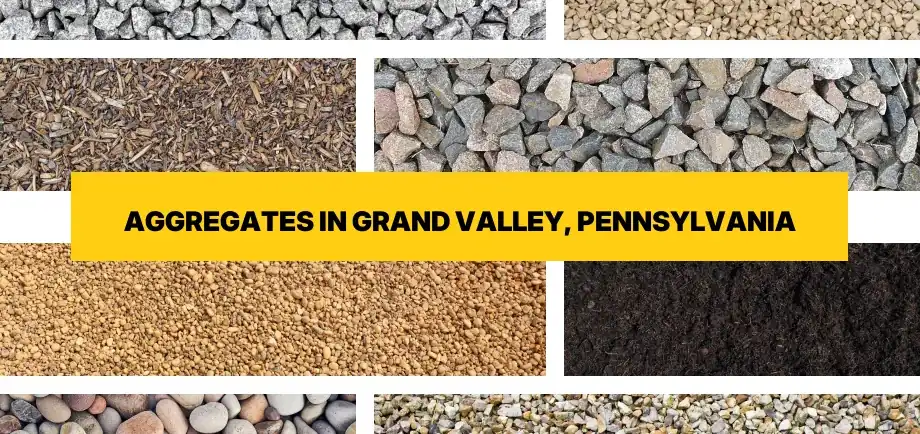
Gravel Monkey offers northwestern Pennsylvania's most comprehensive inventory of aggregates and bulk materials for residential, commercial, and agricultural applications throughout Grand Valley and Warren County:
- Driveway Gravel - Superior base material engineered for Pennsylvania's demanding climate
- 3/4 inch Crushed Stone - Versatile angular aggregate for multiple applications
- #57 Stone - Industry-standard crushed stone for drainage and concrete work
- Crusher Run - Compactable blend perfect for stable driveway bases
- Road Base - Heavy-duty foundation material for lasting construction
- Drain Rock - Angular stone designed specifically for water management
- Pea Gravel - Smooth decorative stone for landscaping projects
- River Rock - Natural rounded stone for aesthetic applications
- Walkway Gravel - Attractive aggregate for paths and garden areas
- Crushed Concrete - Eco-friendly recycled material for cost-effective projects
- Topsoil - Nutrient-rich soil for gardens and lawn establishment
- Fill Dirt - Essential material for grading and leveling work
- Mason Sand - Fine-grade sand for masonry and construction
- Playground Sand - Safe, clean sand for play areas
- Washed Sand - Clean sand for various applications
- Decomposed Granite - Natural stone fines for pathways and landscaping
Understanding Grand Valley's Unique Soil and Climate Conditions
Grand Valley sits in the glaciated Allegheny Plateau region of northwestern Pennsylvania, where the underlying geology significantly impacts construction and drainage decisions. The area's soil composition is predominantly Venango silt loam and Cookport channery silt loam—both characterized by moderate to poor drainage and susceptibility to compaction. These clay-heavy soils expand when wet and contract during dry periods, creating challenges for driveways, foundations, and hardscaping projects throughout Grand Valley and surrounding Warren County.
The region experiences true four-season weather with cold, snowy winters where temperatures regularly drop below freezing from December through March. Grand Valley receives approximately 45 inches of annual precipitation, with significant snowfall accumulation that creates intense spring runoff as temperatures rise. This freeze-thaw cycling is particularly damaging to improperly constructed driveways and roads, making the selection of appropriate aggregates critical for long-term durability.
Summer months bring warm temperatures and periodic heavy rainfall events that test drainage systems. The clay content in local soils means water doesn't percolate quickly, leading to standing water, saturated ground conditions, and erosion if proper grading and aggregate selection aren't implemented. Properties near the Brokenstraw Creek watershed or other low-lying areas face additional drainage challenges during spring snowmelt.
Why Aggregate Selection Matters for Grand Valley Properties
The combination of clay soils, freeze-thaw cycles, and significant precipitation means that selecting the right aggregates isn't just about aesthetics—it's about creating lasting solutions that withstand northwestern Pennsylvania's demanding conditions. Angular crushed aggregates compact more effectively than rounded materials in Grand Valley's soil conditions, creating stable bases that resist frost heaving. Proper drainage materials prevent water accumulation that would otherwise saturate clay soils and cause structural issues.
Aggregate Delivery Throughout Grand Valley and Surrounding Areas
Gravel Monkey provides free delivery service throughout Grand Valley proper and the broader Warren County region. We regularly serve properties in these areas:
Central Grand Valley - Our delivery service covers residential properties and small farms throughout the main Grand Valley community, where many homeowners are upgrading older driveways and addressing drainage issues common to properties with clay-based soils.
Near Pittsfield - Properties in and around Pittsfield to the west benefit from our aggregate delivery, particularly for rural driveways and agricultural lane improvements that need to withstand heavy equipment and seasonal weather changes.
Youngsville Area - Homes and farms near Youngsville to the north receive regular deliveries of aggregates for driveway construction, foundation drainage, and property improvement projects throughout this scenic Warren County region.
Allegheny National Forest Vicinity - Rural properties near the Allegheny National Forest boundary often require specialized aggregate solutions for challenging terrain, steep grades, and properties with limited access during wet seasons.
Brokenstraw Creek Watershed - Properties near Brokenstraw Creek and its tributaries particularly benefit from our drainage rock and properly graded materials that manage water flow effectively in these lower-elevation areas.
Rural Warren County - Agricultural operations, hunting camps, and rural homesteads throughout the surrounding Warren County area rely on our aggregate delivery for farm lanes, equipment pads, and property access improvements.
We also serve nearby communities including Garland, Bear Lake, and Columbus, providing the same quality aggregates and free delivery throughout northwestern Pennsylvania.
Choosing the Right Aggregates for Your Grand Valley Project
Driveway Construction and Repair
Grand Valley's freeze-thaw cycles demand proper driveway construction using appropriate aggregates. A quality driveway begins with a stable base layer that provides drainage and resists frost heaving. Many older driveways in the area fail because they lack proper depth and drainage—water infiltrates the clay soil beneath, freezes during winter, and causes upheaval that creates potholes and washboard surfaces.
For new driveway construction or major repairs in Grand Valley, we recommend starting with a compacted base layer using aggregates that lock together and shed water effectively. The base should be at least 4-6 inches deep after compaction, depending on soil conditions and expected traffic. Properties with particularly challenging clay soils or heavy equipment use may require even deeper preparation.
The surface layer requires smaller aggregates that compact tightly while still providing traction. In Grand Valley's climate, maintaining proper crown (slight elevation in the center) ensures water sheds to the sides rather than pooling or infiltrating the driveway structure. Regular maintenance with fresh aggregate every few years extends driveway life significantly compared to neglected surfaces that develop ruts and washouts.
Foundation Drainage Solutions
Proper foundation drainage is essential in Grand Valley due to the clay soil's poor percolation and the region's significant precipitation. Water that accumulates against foundations can cause basement leaking, structural settling, and eventual foundation damage. Many older homes in the area were built without adequate drainage systems, making retrofitting with appropriate aggregates a wise investment.
French drain installation around foundations requires clean angular aggregates that won't clog with silt and maintain open spaces for water flow. The aggregate surrounds a perforated pipe that collects water and directs it away from the foundation to a suitable discharge point. In Grand Valley's clay soils, this system is often the only effective way to keep basements dry during spring snowmelt and heavy rain events.
Foundation drainage projects should extend below the frost line (typically 42 inches in this region) to prevent freeze damage to drain pipes. Proper installation includes landscape fabric to separate drainage aggregates from surrounding clay soil, preventing silt infiltration that would eventually compromise drainage effectiveness.
Erosion Control and Grading
Properties with slopes or areas prone to erosion benefit from strategic aggregate placement combined with proper grading. Spring runoff and summer storms can quickly wash away topsoil on unprotected slopes, particularly where clay soils become saturated and lose cohesion. Aggregate materials provide immediate erosion protection while allowing vegetation to establish.
Grading work in Grand Valley must account for clay soil's poor drainage characteristics. Simply moving soil around doesn't solve drainage problems—proper solutions require creating positive drainage away from structures, often incorporating aggregates that provide pathways for water movement that clay alone cannot achieve. Many properties benefit from shallow swales lined with aggregates that intercept and redirect surface water before it causes erosion or structural issues.
| Aggregate Type | Best Applications | Drainage Rating | Compaction | Grand Valley Advantages |
|---|---|---|---|---|
| Crusher Run | Driveway base, parking areas | Good | Excellent | Handles freeze-thaw cycles, compacts firmly in clay soils |
| Road Base | Heavy-duty driveways, roads | Good | Excellent | Superior stability for equipment access and rural lanes |
| #57 Stone | Drainage, concrete base | Excellent | Moderate | Perfect for French drains and foundation drainage |
| 3/4" Crushed Stone | Driveways, pathways, base layer | Very Good | Good | Versatile aggregate for multiple Warren County applications |
| Drain Rock | Foundation drains, wet areas | Excellent | Low | Manages spring runoff and prevents basement water issues |
| Pea Gravel | Landscaping, pathways, decorative | Good | Poor | Attractive option for garden beds and low-traffic paths |
| Crushed Concrete | Cost-effective base, farm lanes | Good | Good | Budget-friendly solution for large rural properties |
| Decomposed Granite | Pathways, natural landscaping | Moderate | Good | Provides stable, natural-looking pathways around properties |
Seasonal Considerations for Grand Valley Aggregate Projects
Spring Planning and Installation
Spring in Grand Valley brings snowmelt and frequent rain that saturates clay soils, making ground conditions challenging for aggregate projects. However, spring is when drainage problems become most apparent—properties with inadequate systems experience basement water, driveway washouts, and erosion damage. Identifying these issues during spring allows for proper planning and summer installation when ground conditions stabilize.
Early spring is ideal for assessing drainage patterns and marking areas where water accumulates or flows improperly. Taking photos during peak runoff periods helps communicate specific issues to contractors and ensures drainage solutions address actual water movement patterns on your property.
Summer and Fall Project Timing
Late spring through fall offers the best conditions for aggregate installation in Grand Valley. Drier soils allow for proper compaction, equipment operates more efficiently, and completed projects have time to settle before winter freeze-thaw cycles begin. Many property owners schedule driveway work and drainage projects for late summer or early fall, balancing dry conditions with completion before winter weather arrives.
Fall installation is particularly strategic for projects using materials that benefit from settling over winter. Spring snowmelt and rain help aggregates seat properly, with any minor adjustments possible the following spring before the surface fully stabilizes.
Winter Considerations
While major aggregate installation isn't practical during Grand Valley's frozen winter months, winter is excellent for planning upcoming projects. Observing how existing driveways and drainage systems perform during freeze-thaw cycles and snowmelt reveals weaknesses that need addressing. Properties with poor drainage show ice buildup, while inadequate driveways develop potholes and washouts as winter progresses.
Agricultural and Rural Property Solutions
Warren County's agricultural properties and rural homesteads face unique challenges requiring specialized aggregate solutions. Farm lanes must withstand heavy equipment loads during harvest season while remaining passable during wet spring and fall conditions. Equipment pads need stable surfaces that prevent soil mixing and provide all-weather access to machinery.
Many Grand Valley area farms benefit from aggregate roadways that connect barns, fields, and storage areas. These routes experience intense use during specific seasons—planting, harvesting, and hay season—when time-sensitive operations can't wait for ground to dry. Properly constructed aggregate lanes using compactable base materials provide year-round access that muddy soil tracks cannot match.
Livestock areas present additional considerations. Sacrifice paddocks, feeding areas, and high-traffic zones around water sources quickly become muddy wallows in Grand Valley's clay soils. Strategic aggregate placement creates stable footing that improves animal health while reducing mud tracked into barns and shelter areas. Drainage rock around water tanks prevents ice buildup in winter and muddy conditions during rainy seasons.
Rural property owners also appreciate aggregates for hunting camp access roads, food plot approaches, and woodland trail systems. These applications often require minimal aggregate depth but benefit significantly from even a few inches of properly placed stone that prevents rutting and maintains access during wet periods.
Professional Installation Best Practices for Grand Valley
While Gravel Monkey delivers premium aggregates throughout Grand Valley and Warren County, proper installation technique significantly impacts long-term performance. Understanding local soil conditions and regional climate challenges helps ensure successful projects that last for years.
Site Preparation Fundamentals
Successful aggregate projects begin with proper site preparation. For driveways and parking areas, this means removing organic material, addressing any obvious drainage issues, and creating a stable subgrade. In Grand Valley's clay soils, compacting the subgrade before aggregate placement is essential—loose clay compresses under traffic and causes settling that damages the aggregate layer above.
Excavation depth depends on project use and soil conditions. Residential driveways typically require 8-10 inches total depth (base plus surface layers), while heavy equipment access or poor soil conditions may need 12 inches or more. Properties with particularly challenging clay soils benefit from geotextile fabric between subgrade and aggregate, preventing aggregate migration into clay while maintaining separation that preserves drainage function.
Layering and Compaction
Most driveway projects benefit from a two-layer approach: a compactable base layer of larger aggregates topped with a surface layer of smaller material. The base provides structural strength and drainage, while the surface layer creates a smooth, stable driving surface that sheds water effectively. Each layer should be compacted thoroughly before adding subsequent layers—proper compaction is the single most important factor in creating driveways that resist rutting and washouts.
Rental plate compactors or jumping jack tampers work well for residential projects, while larger commercial work may justify hiring professional compaction equipment. Multiple passes with compaction equipment, particularly for base layers, creates the dense, stable surface that withstands Grand Valley's freeze-thaw cycles and heavy precipitation events.
Drainage Integration
Every aggregate project in Grand Valley should consider water management. Driveways need crown or cross-slope that directs water to edges where it can sheet drain into vegetation rather than pooling on the surface. Properties with poor natural drainage may require additional measures like swales, culverts, or subsurface drainage systems to intercept and redirect water before it undermines aggregate surfaces.
Foundation drainage projects require careful attention to pipe grade (minimum quarter-inch per foot slope), outlet location, and aggregate placement around perforated pipes. Water must have a clear pathway to discharge points that don't simply create new problems elsewhere on the property.
Frequently Asked Questions About Aggregates in Grand Valley
Angular crushed aggregates like crusher run and road base work best in Grand Valley's clay-heavy soils. These materials compact tightly, resist rutting, and provide better drainage than rounded materials. The angular shape allows stones to lock together, creating a stable surface that resists movement even in challenging soil conditions. For drainage applications, #57 stone and drain rock provide the open structure needed to manage water effectively.
Residential driveways in Grand Valley typically need 8-10 inches of total aggregate depth after compaction—roughly 4-6 inches of base layer plus 4 inches of surface material. Properties with poor clay soils, heavy equipment use, or drainage challenges may require 12 inches or more. Rural properties with lighter use can sometimes succeed with 6-8 inches total, but deeper is always better for long-term durability in this climate.
Late spring through fall offers optimal conditions for aggregate work in Grand Valley. June through October typically provides dry enough ground conditions for proper compaction while allowing projects to settle before winter. Avoid installation during spring thaw when clay soils are saturated, and during frozen winter months when proper compaction is impossible.
Geotextile fabric is highly beneficial for projects in Grand Valley's clay soils, particularly for driveways and parking areas. The fabric prevents aggregate migration into clay while blocking clay from pumping up into the aggregate layer—a common problem in areas with freeze-thaw cycles and heavy precipitation. Drainage projects absolutely require fabric to prevent silt clogging the system. While fabric adds cost, it significantly extends the life of aggregate installations.
Prevent washouts by ensuring proper crown or cross-slope that directs water off the driveway surface, installing water bars or speed bumps on sloped sections to interrupt water flow, and maintaining edges with vegetation or edging material that contains the aggregate. Properties with steep slopes or concentrated water flow may need culverts, cross-drains, or armored ditches to manage runoff that would otherwise erode aggregate surfaces.
Smaller projects like garden pathways, small patios, or minor repairs are reasonable DIY projects for capable homeowners with basic tools. However, driveways, foundation drainage, and significant grading work benefit from professional installation—particularly in Grand Valley's challenging clay soils where improper technique leads to early failure. Professionals have the experience, equipment, and knowledge of local conditions that ensure successful long-term results.
Well-constructed driveways using appropriate aggregates and proper installation techniques typically need fresh surface material every 3-5 years in Grand Valley's climate. High-traffic areas, steep slopes, or driveways without proper crown may need more frequent maintenance. Regular addition of surface aggregate before significant rutting develops extends overall driveway life and prevents expensive reconstruction projects.
Why Grand Valley Property Owners Choose Gravel Monkey
Gravel Monkey has earned the trust of homeowners, farmers, and contractors throughout Grand Valley and Warren County by consistently delivering quality aggregates with superior customer service. Our free delivery removes a significant cost barrier while our experienced team helps customers select appropriate materials for their specific projects and local soil conditions.
We understand northwestern Pennsylvania's unique challenges—the clay soils, intense freeze-thaw cycles, and drainage issues that property owners face. This regional knowledge informs our product recommendations and ensures customers receive aggregates that perform well specifically in Grand Valley's demanding environment. Whether you're building a new farm lane near Pittsfield, repairing a residential driveway, or installing foundation drainage to solve basement water problems, we provide materials engineered for lasting performance in this climate.
Our delivery service reaches throughout the Grand Valley area, including rural properties that other suppliers might consider too remote. We work with your schedule to deliver when it's convenient for you, whether that's a weekday morning or weekend delivery that fits your project timeline. Many customers appreciate our flexibility in delivery times and our drivers' experience navigating rural properties and challenging access situations common in Warren County.
Quality control sets Gravel Monkey apart in the northwestern Pennsylvania aggregate market. We carefully source materials that meet specifications for their intended use, ensuring consistent sizing, proper gradation, and appropriate characteristics for everything from drainage applications to decorative landscaping. When you order crushed stone, drain rock, or any aggregate from us, you receive materials that perform as expected without surprises.
Simple Ordering Process for Grand Valley Delivery
Getting quality aggregates delivered to your Grand Valley property is straightforward with Gravel Monkey. Contact us to discuss your project needs, whether that's driveway construction, foundation drainage, landscaping work, or agricultural applications. Our team helps you calculate the quantity needed based on your project dimensions and desired depth, accounting for compaction factors and local soil conditions.
We provide clear pricing with no hidden fees—the price you're quoted includes delivery throughout Grand Valley and surrounding Warren County areas. Once you place your order, we schedule delivery at your convenience and coordinate any access considerations for your property. Our experienced drivers are familiar with rural areas, seasonal road conditions, and the challenges of navigating properties with limited access.
Many customers appreciate the option to schedule deliveries during specific project phases—receiving base material first, then surface aggregates after the base has been properly compacted and settled. This staged delivery approach works particularly well for larger projects where material storage might be challenging or when working around weather conditions and contractor schedules.
Start Your Grand Valley Aggregate Project Today
Whether you're addressing drainage problems revealed by spring snowmelt, upgrading a rural driveway that's seen better days, creating new farm lanes for better equipment access, or installing foundation drainage to protect your Grand Valley home, quality aggregates make the difference between temporary fixes and lasting solutions. The combination of northwestern Pennsylvania's clay soils, significant precipitation, and freeze-thaw cycles demands materials and installation approaches specifically suited to these conditions.
Gravel Monkey serves Grand Valley and the broader Warren County region with premium aggregates delivered free directly to your property. Our knowledge of local soil conditions, climate challenges, and regional construction practices helps ensure you receive materials appropriate for your specific application. From residential driveways to agricultural operations, from foundation drainage to decorative landscaping, we supply the aggregates northwestern Pennsylvania properties need.
Don't let another season pass with drainage problems, deteriorating driveways, or property access issues that impact your Grand Valley property's functionality and value. Contact us today to discuss your project requirements and discover how the right aggregates, professionally delivered, create solutions that withstand this region's demanding conditions year after year.

Need help? Reach out for a quote: