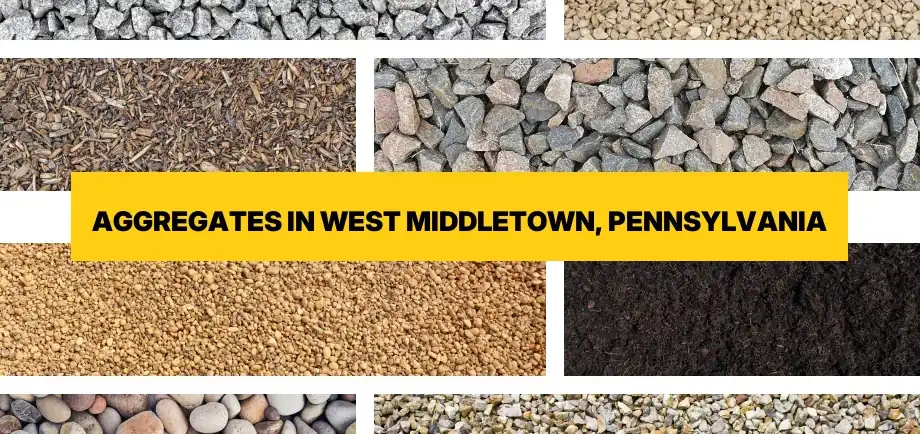
Bulk Aggregate & Gravel Products in West Middletown, Pennsylvania
Local Topsoil, Dirt, Sand, Rocks and Gravel near me in West Middletown, Pennsylvania
Shop Aggregates for Delivery in West Middletown
Order online for free delivery to any West Middletown address.


Located in the heart of Washington County, West Middletown presents unique challenges for property owners seeking quality aggregates and stone materials. The area's distinctive clay-heavy soils, rolling terrain, and seasonal freeze-thaw cycles demand specialized materials that can withstand Pennsylvania's variable weather while providing long-term stability. Gravel Monkey delivers premium aggregates directly to residential and commercial properties throughout West Middletown, offering free delivery on all orders and expert guidance for projects ranging from rural driveways to agricultural applications.
Complete Aggregate Selection for West Middletown Properties
Our comprehensive inventory addresses the specific needs of Washington County landscapes, from managing drainage in clay soils to creating stable surfaces that resist Pennsylvania's harsh winters. Every aggregate we supply is selected for durability and performance in southwestern Pennsylvania conditions.
- Driveway Gravel - Engineered blends perfect for West Middletown's rural and residential roadways
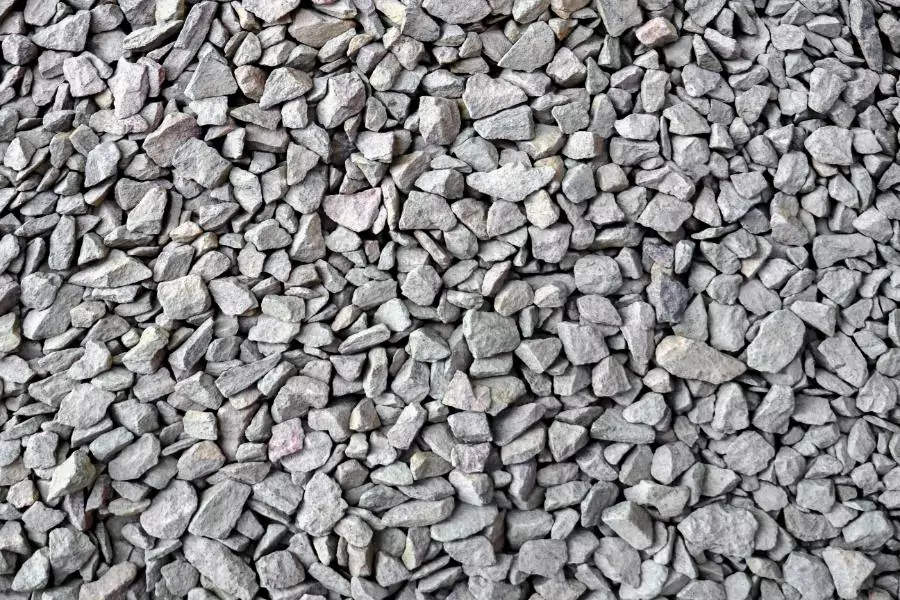
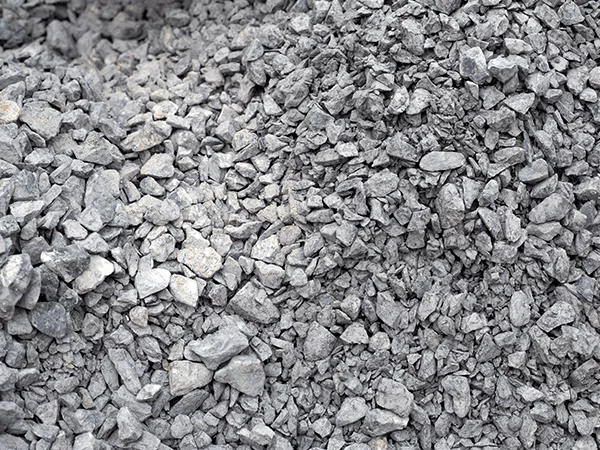
- 3/4 inch Crushed Stone - Versatile aggregate for bases, drainage, and construction applications
- #57 Stone - Industry-standard aggregate for concrete work and drainage systems
- Crusher Run - Superior compaction base for driveways and parking areas
- Road Base - Heavy-duty foundation material for stable roadway construction
- Drain Rock - Essential for managing water in clay-rich Washington County soils
- Pea Gravel - Smooth decorative stone for walkways and landscaping features
- River Rock - Natural aesthetic appeal for gardens and water management
- Crushed Concrete - Eco-friendly recycled aggregate for budget-conscious projects
- Walkway Gravel - Comfortable stone blends for paths and pedestrian areas
- Topsoil - Nutrient-rich soil for gardens and lawn establishment
- Fill Dirt - Grade correction and foundation material
- Mason Sand - Fine sand for mortar, pavers, and masonry work
- Playground Sand - Safe, clean sand for play areas and recreation
- Washed Sand - Clean sand for concrete mixing and various applications
- Decomposed Granite - Natural-looking permeable surface material
Understanding West Middletown's Soil and Geology
The geology of West Middletown and surrounding Washington County significantly impacts construction and landscaping decisions. The region sits atop the Pittsburgh Formation, characterized by layers of shale, sandstone, and coal seams that create the distinctive rolling hills of southwestern Pennsylvania. Most critically, property owners throughout the borough and nearby Avella, Burgettstown, and Claysville contend with Monongahela clay soils—dense, poorly-draining earth that expands when wet and contracts during dry periods.
This clay-dominated soil profile creates several challenges. Standing water accumulates quickly after rainfall, driveways become muddy quagmires during spring thaw, and foundations face stress from soil movement. Properties near Middle Wheeling Creek or along Route 844 toward Washington experience particularly pronounced drainage issues during Pennsylvania's wet seasons. These geological realities make proper aggregate selection and drainage design essential for any successful project in the West Middletown area.
Climate Considerations for Aggregate Selection
West Middletown experiences a humid continental climate with four distinct seasons that test the durability of any aggregate installation. Winter temperatures regularly drop below freezing, with average January lows around 20°F, creating freeze-thaw cycles that can destabilize poorly constructed bases. The area receives approximately 38 inches of annual precipitation, distributed fairly evenly throughout the year but concentrated during spring months when clay soils become especially problematic.
Summer brings warm, humid conditions with July temperatures averaging in the low 80s°F, causing the clay to dry and contract. This seasonal expansion and contraction demands aggregates that allow drainage while maintaining structural integrity. Properties throughout the West Middletown region—from historic areas near the Presbyterian Church to rural farms extending toward Avella—require materials specifically chosen to handle these cyclical stresses.
Driveway Solutions for Washington County Properties
Rural driveways represent one of the most common aggregate applications throughout West Middletown and the surrounding countryside. The combination of heavy clay soils, seasonal moisture, and frequent use creates demanding conditions that require carefully selected materials and proper installation techniques.
For properties along Route 231 or the rural roads extending toward Taylorstown and Midway, we typically recommend starting with a properly graded base. The existing clay must be shaped to encourage water runoff rather than allowing pooling. In areas with particularly poor drainage, installing a geotextile fabric before aggregate placement prevents clay migration into the stone, maintaining the driveway's integrity over time.
The base layer should consist of larger aggregates that create void spaces for drainage while resisting compaction into the underlying clay. Options like road base or crusher run excel in this application, as their varied particle sizes allow them to lock together while maintaining drainage channels. For the surface layer, driveway gravel provides traction and a finished appearance while continuing to shed water effectively.
Managing Drainage Challenges
Properties throughout West Middletown face persistent water management issues due to the impermeable clay soils. Standing water not only creates muddy conditions but can also undermine foundations, flood basements, and damage septic systems. Installing proper drainage systems using the right aggregates proves essential for property protection.
French drains have become increasingly popular throughout Washington County for managing both surface water and groundwater issues. These systems work by creating a permeable channel that intercepts water and directs it away from structures. The key to an effective French drain lies in using clean, angular drain rock that maintains void space even under pressure. This aggregate allows water to flow freely to the perforated pipe at the drain's core while preventing fine particles from clogging the system.
For properties near the rolling hills surrounding West Middletown, intercepting hillside runoff before it reaches structures often requires strategic placement of drainage swales filled with appropriate aggregates. The same principles apply—using clean stone that resists compaction while encouraging water flow away from vulnerable areas.
Selecting the Right Aggregate for Your Project
Understanding which aggregate best suits your specific application helps ensure project success and longevity. The table below compares common materials used throughout the West Middletown area:
| Aggregate Type | Best Applications | Drainage Rating | Compaction | Cost |
|---|---|---|---|---|
| Crusher Run | Driveway base, parking areas | Good | Excellent | $$ |
| 3/4 inch Crushed Stone | Concrete base, general drainage | Excellent | Good | $$ |
| #57 Stone | French drains, concrete aggregate | Excellent | Moderate | $$ |
| Road Base | Heavy-duty driveways, roads | Good | Excellent | $$ |
| Drain Rock | Drainage systems, septic fields | Superior | Poor | $$$ |
| Pea Gravel | Walkways, decorative areas | Good | Poor | $$$ |
| Crushed Concrete | Rural driveways, sub-base | Good | Good | $ |
| River Rock | Landscaping, erosion control | Excellent | Poor | $$$ |
Professional Installation Recommendations
While Gravel Monkey provides premium aggregates with free delivery throughout West Middletown, proper installation techniques remain crucial for project success. Understanding the fundamentals helps property owners work effectively with contractors or tackle appropriate projects themselves.
Base Preparation Essentials
Every successful aggregate project starts with proper base preparation. For areas with West Middletown's characteristic clay soils, this typically means excavating sufficient depth to reach stable subgrade or removing problematic topsoil. The excavation should extend beyond the project boundaries to allow for proper compaction at edges—a critical detail often overlooked in rural installations.
Grading the prepared base with a slight crown or slope ensures water moves away from the installation rather than pooling within it. For driveways, a two percent grade (quarter inch per foot) typically provides adequate drainage without creating traction problems. Properties along Route 844 or in areas with significant slope may require more aggressive grading to manage runoff effectively.
Aggregate Depth and Layering
Proper depth depends on the application and expected load. Residential driveways in West Middletown typically require six to eight inches of compacted aggregate over properly prepared subgrade. This should be installed in two to three lifts, with each layer compacted before adding the next. Commercial applications or areas with heavy vehicle traffic may need twelve inches or more.
Using different aggregate sizes in layers often produces superior results. A base of larger material like road base or crusher run creates initial stability and drainage, while a top layer of smaller aggregates like walkway gravel provides a smooth, usable surface. This layered approach mimics professional road construction techniques adapted to residential scale.
Serving West Middletown and Surrounding Communities
Gravel Monkey delivers aggregates throughout West Middletown borough and the greater Washington County region. Our service area encompasses the historic core of West Middletown, rural properties extending toward Avella and Taylorstown, residential developments near Claysville, and commercial sites throughout the Route 844 corridor.
Properties near the intersection of Route 231 and Route 844 often face unique challenges related to road drainage and increased traffic, requiring durable aggregate solutions. Homes in the established neighborhoods around the West Middletown Presbyterian Church benefit from decorative aggregates that complement historic architecture while solving modern drainage needs. Rural farms and acreages extending toward Midway and Burgettstown typically need larger quantities of economical materials for long driveways and agricultural applications.
We also serve properties along Middle Wheeling Creek, where proximity to the waterway creates additional moisture management considerations. The rolling terrain throughout this region demands careful attention to grading and drainage, with aggregate selection playing a crucial role in long-term property stability. From the established residential areas near the borough center to expanding developments toward Washington, our delivery service brings professional-grade materials directly to your project site.
Estimating Aggregate Quantities
Accurately calculating the amount of aggregate needed prevents costly delays and ensures project completion. The basic formula multiplies length times width times depth (all in feet) to get cubic feet, then divides by 27 to convert to cubic yards—the standard unit for aggregate orders.
For example, a driveway measuring 50 feet long by 12 feet wide with 6 inches (0.5 feet) of aggregate requires: 50 × 12 × 0.5 = 300 cubic feet ÷ 27 = 11.1 cubic yards. Adding 10-15% for compaction and waste brings the order to approximately 12-13 cubic yards. West Middletown's clay soils often require additional base material compared to sandier regions, as proper preparation may mean excavating deeper to reach stable subgrade.
Our team provides estimation assistance for all Washington County projects. Factors like soil conditions, project slope, and intended use all influence final quantities. Properties with particularly challenging drainage or access issues may need additional material for proper installation, and we help identify these considerations during the planning phase.
Timing Your Aggregate Project
Pennsylvania's seasonal weather patterns significantly impact aggregate installation success. Late spring through early fall generally provides optimal conditions for most projects in the West Middletown area. During these months, drier conditions make excavation easier, clay soils are more stable, and compaction equipment works more effectively.
Winter installations face multiple challenges. Frozen ground complicates excavation, snow and ice interfere with proper compaction, and freeze-thaw cycles can disrupt new installations before they fully stabilize. However, winter often brings lower material costs and greater contractor availability—advantages worth considering for properties with good access and favorable site conditions.
Spring projects must account for Washington County's wet season. The clay soils that dominate the region become particularly difficult to work when saturated. Attempting to install aggregates over mud often leads to mixing between materials, compromising drainage and stability. Waiting for drier conditions, even if it delays the project a few weeks, typically produces far superior results.
Summer and early fall represent ideal installation windows throughout the West Middletown area. Dry, warm conditions allow proper compaction, and completed projects have time to stabilize before winter arrives. Properties near Avella, Claysville, or along Route 231 particularly benefit from fall installations, as settling occurs before spring rains test the new drainage systems.
Agricultural and Commercial Applications
Beyond residential projects, West Middletown's rural character creates demand for agricultural aggregate applications. Farm lanes, equipment yards, and livestock areas all require durable surfaces that drain well while supporting heavy machinery and vehicles. The combination of frequent use, heavy loads, and exposure to the elements demands carefully selected materials.
Equipment yards and machinery storage areas benefit from a substantial base of compactable aggregate like crusher run or road base, topped with crushed concrete or driveway gravel for a stable, all-weather surface. These applications often require greater depth than residential driveways—eight to twelve inches of compacted material is common for areas supporting tractors, combines, and other heavy farm equipment.
Livestock areas present different requirements. Paddocks, sacrifice lots, and barn yards need materials that provide firm footing while managing the substantial moisture generated by animals. Larger aggregates allow drainage while resisting being worked into underlying clay. Some farmers throughout Washington County prefer crushed concrete for these applications, as it provides durability at lower cost than traditional stone.
Commercial Site Development
Commercial properties throughout the Route 844 corridor and near Washington require aggregates that meet higher standards for load-bearing capacity and longevity. Parking areas, loading docks, and access roads typically need engineered aggregate bases designed to support constant traffic without rutting or settling.
Professional contractors working on commercial sites often specify particular aggregate gradations and installation methods to meet engineering requirements. We supply materials meeting these specifications and work with contractors to ensure proper quantities and delivery timing. Commercial projects typically require larger volumes, and our delivery capacity accommodates these needs while maintaining schedule reliability.
Sustainable Aggregate Options
Environmental consciousness increasingly influences material selection for projects throughout West Middletown and Washington County. Recycled crushed concrete represents an excellent sustainable choice that reduces environmental impact while delivering performance comparable to traditional aggregates.
Crushed concrete comes from demolished structures—parking lots, buildings, and roadways broken down and processed into usable aggregate. This recycling process diverts material from landfills while reducing the need to quarry new stone. For rural driveways, farm lanes, and sub-base applications, crushed concrete performs admirably while costing less than virgin aggregates.
The environmental benefits extend beyond recycling. Producing crushed concrete requires less energy than quarrying and processing new stone, reducing carbon emissions associated with material production. Transportation distances also factor into environmental impact—sourcing materials regionally minimizes fuel consumption and associated emissions.
Properties throughout the West Middletown area can benefit from incorporating sustainable materials without compromising performance. For applications where appearance matters less than function—like barn floor bases, sub-grade for other aggregates, or utility trenches—crushed concrete delivers excellent value both economically and environmentally.
Frequently Asked Questions About Aggregates in West Middletown
We deliver driveway gravel, crushed stone in various sizes including 3/4 inch and #57 stone, pea gravel, river rock, crusher run, road base, drain rock, recycled crushed concrete, topsoil, fill dirt, and multiple sand types throughout West Middletown and surrounding Washington County areas.
Yes! Gravel Monkey offers FREE delivery to West Middletown and the surrounding Pennsylvania area for all gravel and aggregate orders.
The amount depends on your driveway dimensions. For standard driveways, calculate length times width times depth in feet, typically 4 inches deep for residential use. Our team can help you estimate the right amount for your specific West Middletown property and soil conditions.
For Washington County clay soils, we recommend drain rock or #57 stone for French drains and drainage systems. These aggregates allow water to flow freely while preventing soil migration, essential for managing the heavy clay content common in West Middletown properties.
Absolutely! Crushed concrete is an excellent, eco-friendly alternative for rural driveways in the West Middletown area. It compacts well, provides good drainage, and costs less than traditional aggregates while offering comparable durability for Pennsylvania weather conditions.
For concrete slab bases in West Middletown, 3/4 inch crushed stone or #57 stone works best. These sizes provide excellent compaction and drainage while creating a stable foundation that resists frost heave during Pennsylvania winters.
Yes! We deliver to all areas around West Middletown including Avella, Claysville, Washington, and throughout rural Washington County. Our free delivery service extends throughout southwestern Pennsylvania.
For residential driveways in West Middletown, we typically recommend 6 to 8 inches of compacted aggregate over properly prepared subgrade. The clay soils common in the area may require additional depth or base preparation compared to sandier regions. Properties with heavy vehicle use or poor soil conditions may need up to 12 inches of aggregate for long-term stability.
Professional Aggregate Delivery Throughout Washington County
Gravel Monkey combines premium materials, expert knowledge, and reliable free delivery to serve property owners throughout West Middletown and surrounding Pennsylvania communities. Whether you're addressing drainage challenges created by Washington County clay soils, building a durable rural driveway, or completing a commercial site development, we provide the aggregates and expertise needed for successful projects. Our understanding of local geology, climate, and construction practices ensures you receive not just materials, but solutions tailored to southwestern Pennsylvania conditions.

Need help? Reach out for a quote: