Order Topsoil, Stone & Gravel in Ravine, Pennsylvania
Local Topsoil, Dirt, Sand, Rocks and Gravel near me in Ravine, Pennsylvania
Shop Aggregates for Delivery in Ravine
Order online for free delivery to any Ravine address.
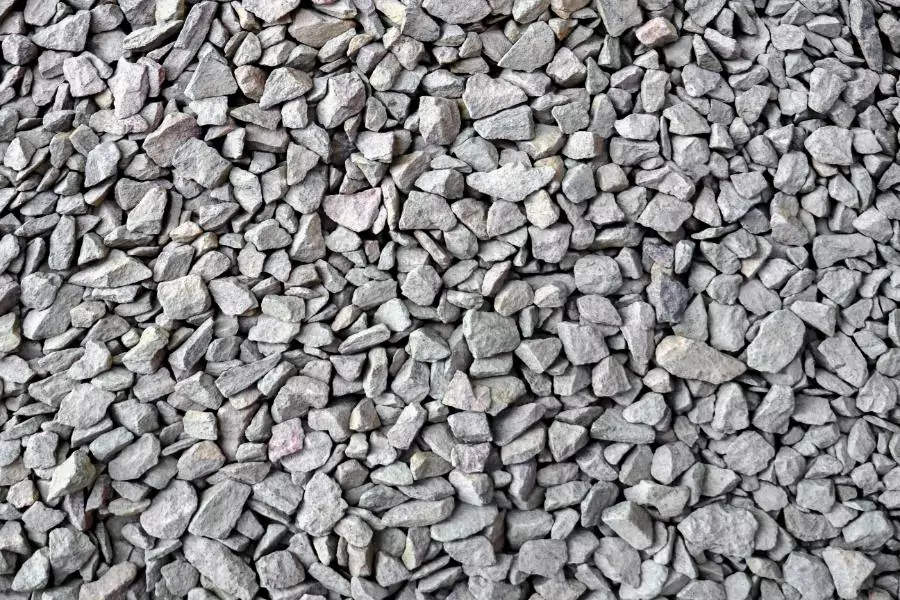
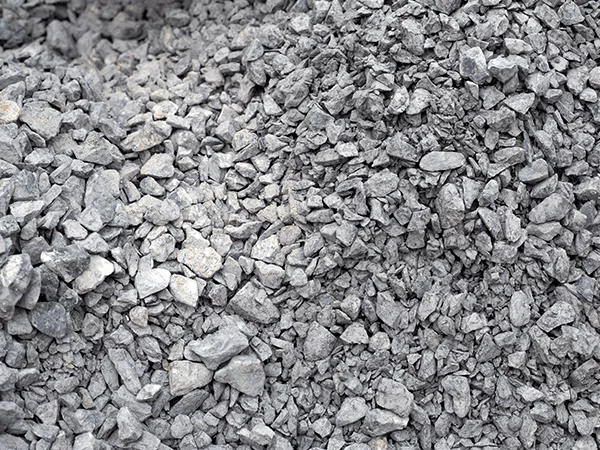


Gravel Monkey is your trusted source for premium gravel and aggregate delivery throughout Ravine, Pennsylvania. Nestled in the scenic Appalachian foothills of western Pennsylvania, Ravine requires specialized aggregate solutions that account for the region's clay-rich soils, freeze-thaw cycles, and rolling terrain. Whether you're building a new driveway, improving drainage on a sloped property, or creating pathways through your rural landscape, we deliver high-quality aggregates directly to your Ravine location with absolutely free delivery.
Complete Range of Aggregates and Materials Available in Ravine
We supply a comprehensive selection of aggregates, stone, and landscaping materials perfectly suited to Ravine's unique Pennsylvania geography and climate conditions. Our inventory addresses everything from foundation work and drainage solutions to decorative landscaping and pathway construction:
- Driveway Gravel - Premium aggregate blends engineered for Pennsylvania's demanding seasonal conditions
- 3/4 inch Crushed Stone - Versatile angular stone for exceptional compaction and stability
- #57 Stone - Industry-standard aggregate for drainage and construction applications
- Crusher Run - Superior base material that locks together when compacted
- Road Base - Heavy-duty foundation for driveways and parking areas
- Pea Gravel - Smooth decorative aggregate ideal for walkways and gardens
- River Rock - Natural rounded stone for landscaping aesthetics
- Walkway Gravel - Comfortable walking surfaces for paths and trails
- Drain Rock - Essential for managing Pennsylvania's abundant rainfall
- Crushed Concrete - Sustainable recycled aggregate for eco-conscious projects
- Decomposed Granite - Natural pathway material with rustic character
- Topsoil - Nutrient-rich soil for gardens and lawn establishment
- Fill Dirt - Essential for grading and leveling uneven terrain
- Mason Sand - Fine sand for mortar, paver bases, and construction
- Playground Sand - Safe, clean sand for children's play areas
- Washed Sand - Clean sand for multiple landscaping applications
Serving Ravine and Surrounding Pennsylvania Communities
While Ravine itself is a small community, Gravel Monkey proudly serves the broader region including nearby Plumville, Rural Valley, Dayton, Yatesboro, and Marion Center. Our free delivery extends throughout this section of western Pennsylvania, bringing quality aggregates to both residential and commercial properties across the rolling countryside. Whether you're working on a property along Route 85 or nestled in the surrounding hills, we ensure timely delivery of materials to your exact location.
The Ravine area's position in Indiana County places it within the heart of Pennsylvania's Appalachian Plateau region. This geography brings unique challenges including clay-based soils that retain moisture, steep grades requiring proper drainage solutions, and seasonal frost heave that can damage improperly constructed surfaces. Our aggregate selection specifically addresses these local Pennsylvania conditions, ensuring your projects stand the test of time through harsh winters and humid summers.
Driveway Aggregates Perfect for Ravine's Terrain
Creating a durable driveway in Ravine requires understanding the local soil composition and weather patterns. The region's Cavode and Gilpin soil series—common throughout western Pennsylvania—feature high clay content and moderate permeability. When combined with annual freezing and thawing cycles, these conditions demand aggregates with excellent drainage and compaction characteristics.
Choosing the Right Base Material
For rural Ravine properties, we recommend starting with a solid foundation layer. Crusher run serves as an outstanding base material because it contains both angular stones and fine particles that interlock when compacted. This creates a stable platform that resists shifting even during Pennsylvania's spring thaw season. Alternatively, road base provides similar benefits with slightly different particle gradation, making it excellent for longer driveways common in rural areas.
The angular shape of crushed aggregates proves critical in Ravine's environment. Unlike rounded materials that can shift and separate, angular crushed stone mechanically locks together under compaction. This prevents the washboard effect and rutting that plague many rural Pennsylvania driveways. For properties with steeper grades, this characteristic becomes even more important in preventing material migration during heavy rainfall.
Top Layer Selection
After establishing a proper base, the top driveway layer determines both aesthetics and long-term performance. Three-quarter inch crushed stone offers the perfect balance of stability and drainage. Its size allows water to percolate through while providing a firm driving surface. Many Ravine property owners also appreciate the clean, professional appearance this aggregate provides compared to loose gravel alternatives.
For those seeking cost-effective solutions, crushed concrete delivers excellent performance at reduced expense. This recycled aggregate compacts nearly as well as natural stone while offering environmental benefits. Many contractors serving the Ravine area now recommend crushed concrete for both economic and ecological reasons, particularly for longer rural driveways where material volume directly impacts project costs.
Critical Drainage Aggregates for Pennsylvania Properties
Ravine receives approximately 42 inches of precipitation annually, distributed fairly evenly throughout the year. This consistent moisture, combined with clay soils that drain slowly, creates conditions where proper drainage infrastructure becomes essential. Without adequate water management, driveways develop frost heaves in winter, foundations experience hydrostatic pressure, and lawn areas remain soggy throughout spring.
Drain rock specifically addresses these challenges. This clean, angular aggregate typically measures between one and two inches, creating substantial void space for water movement. When installed around foundation perimeter drains or beneath driveways, it provides a pathway for water to exit rather than pooling and causing damage. In Ravine's clay soils, this becomes particularly crucial as the native earth offers little natural drainage capacity.
The installation of proper drainage aggregates should begin during initial site preparation. For new construction in Ravine, foundation drains surrounded by drain rock prevent basement moisture issues that plague many Pennsylvania homes. Similarly, french drains installed through lawn areas redirect surface water away from structures and usable yard space. The relatively small investment in proper drainage aggregates prevents significantly larger future repair costs while maintaining property value.
| Aggregate Type | Best Applications | Size Range | Drainage Rating | Compaction Level |
|---|---|---|---|---|
| Crusher Run | Driveway base, parking areas | 0 to 1.5 inches | Good | Excellent |
| 3/4 inch Crushed Stone | Driveway surface, pathways | 0.75 inches | Excellent | Very Good |
| #57 Stone | Drainage, concrete aggregate | 0.5 to 1 inch | Excellent | Good |
| Road Base | Heavy traffic areas, foundations | 0 to 2 inches | Good | Excellent |
| Drain Rock | French drains, foundation drains | 1 to 2 inches | Outstanding | Moderate |
| Pea Gravel | Walkways, decorative beds | 0.25 to 0.5 inches | Very Good | Low |
| Crushed Concrete | Driveways, bases, fill | 0 to 1.5 inches | Good | Very Good |
Decorative Aggregates and Landscaping Materials
Beyond functional applications, aggregates provide aesthetic value throughout Ravine properties. The natural beauty of western Pennsylvania's landscape deserves complementary hardscaping materials that enhance rather than detract from the environment.
Pathway and Walkway Solutions
Pea gravel creates comfortable, attractive pathways that blend naturally with rural surroundings. Its small, rounded shape provides a softer walking surface compared to angular crushed stone, making it ideal for garden paths and areas where children play. The material also excels at drainage, preventing puddles and mud even during Pennsylvania's wettest seasons.
For a more rustic appearance, decomposed granite offers an excellent alternative. This natural material compacts to create a firm yet permeable surface with earthy tones ranging from tan to reddish-brown. Many Ravine homeowners choose decomposed granite for walkways and patio areas because it complements the region's natural stone and woodland aesthetics.
River Rock for Visual Interest
River rock brings smooth, rounded texture to landscape beds and decorative features. Available in various sizes and color palettes, these naturally tumbled stones create visual contrast against mulched areas and planted beds. Along the Mahoning Creek watershed that flows through this region of Pennsylvania, river rock proves particularly appropriate for its connection to local waterways.
Larger river rocks work exceptionally well for dry creek beds—a popular drainage solution that doubles as landscape art. These features channel runoff during rain events while providing year-round visual interest. In Ravine's hilly terrain, dry creek beds offer both functional drainage and attractive incorporation of elevation changes.
Topsoil and Fill Dirt for Pennsylvania Properties
Working with Ravine's existing soil conditions often requires supplemental materials. The native Gilpin and Cavode soil series, while suitable for woodland growth, present challenges for lawns, gardens, and level building sites.
Quality Topsoil Benefits
Imported topsoil transforms difficult growing areas into productive garden space. Quality topsoil contains the organic matter, nutrients, and proper texture that plants require for healthy growth. In Ravine, where natural soils tend toward clay, incorporating topsoil improves drainage and root penetration in vegetable gardens, flower beds, and newly established lawn areas.
When overseeding lawns or establishing new turf, a thin topsoil layer (one to two inches) provides ideal growing conditions for grass seed. This practice proves especially valuable in areas where construction or heavy traffic has compacted existing soil. The loose, friable texture of quality topsoil allows roots to spread easily while retaining adequate moisture.
Fill Dirt Applications
Unlike topsoil, fill dirt serves structural rather than horticultural purposes. This material creates level building pads, fills low areas prone to standing water, and provides bulk for major grading projects. In rural Pennsylvania settings like Ravine, fill dirt proves essential for property improvements ranging from barn construction to pond building.
The key distinction between fill dirt and topsoil lies in organic content. Fill dirt contains minimal organic matter, preventing future settling that would occur as organics decompose. This stability makes it perfect for supporting structures, driveways, and other permanent installations. Many Ravine property owners use fill dirt to address natural drainage issues by creating positive slopes away from buildings.
Sand Products for Construction and Landscaping
Various sand types serve specialized functions in both construction and landscaping applications throughout Ravine properties.
Mason Sand Uses
Mason sand provides the fine, consistent particle size required for mortar mixing and paver installation. When laying natural stone patios—increasingly popular in rural Pennsylvania—mason sand creates the level bed that supports each stone unit. Its fine gradation also makes it suitable for filling joints between pavers, though polymer sand has gained popularity for this application.
For construction projects requiring concrete work, mason sand serves as a component in mixing concrete and mortar. Local contractors throughout the Ravine area rely on consistent sand quality to ensure proper curing and strength in their masonry work.
Safe Playground Sand
Playground sand meets safety standards for children's play areas, offering clean, dust-free material free from harmful substances. Rural properties in Ravine often include custom play areas, and proper playground sand provides impact absorption while maintaining cleanliness. Unlike construction sands, playground sand undergoes washing and screening to remove fine particles that create dust.
Washed Sand Applications
Washed sand serves general landscaping purposes from leveling paver bases to improving soil drainage. The washing process removes clay and silt particles, leaving clean sand that drains rapidly. Many Ravine gardeners incorporate washed sand into heavy clay soils to improve structure and drainage for plants requiring drier conditions.
Seasonal Considerations for Ravine Aggregate Projects
Pennsylvania's four distinct seasons create an annual rhythm for outdoor projects. Understanding how seasons affect aggregate work helps property owners in Ravine plan effectively.
Spring Planning and Installation
Spring brings both opportunities and challenges. As frost leaves the ground—typically by late March in the Ravine area—ground becomes workable for excavation and grading. However, spring also brings the year's highest precipitation. Early spring projects should focus on drainage improvements using proper aggregates before wet conditions hamper work.
Many property owners schedule driveway improvements for April or May, after frost heave damage becomes apparent but before summer heat. This timing allows crushed stone and crusher run to settle through spring rains, creating a stable surface by summer.
Summer Advantages
Summer offers ideal conditions for aggregate projects in Ravine. Dry weather permits excavation without mud, compaction equipment operates effectively, and completed work has maximum time to settle before winter. Projects involving decorative aggregates like river rock or decomposed granite particularly benefit from summer installation, as plants can establish around new hardscaping before dormancy.
Fall Preparation
Fall provides a final window for aggregate work before winter. September and October typically bring pleasant working conditions with moderate temperatures and lower precipitation. Property owners frequently address drainage issues discovered during the previous winter, installing drain rock systems before frozen ground arrives. Fall also proves ideal for stockpiling aggregates for spring projects, as material remains accessible through winter when delivered before snow cover.
Winter Limitations
Frozen ground halts most aggregate work from December through February. However, winter offers planning time for spring projects. Property owners can identify areas requiring improved drainage, measure driveway dimensions, and design landscape features. Early winter also reveals frost heave damage that should be addressed once conditions allow.
Sustainable Aggregate Choices for Pennsylvania
Environmental consciousness increasingly influences material selection throughout Ravine and surrounding Pennsylvania communities. Sustainable aggregate options reduce environmental impact while maintaining performance.
Crushed concrete exemplifies sustainable aggregate use. Rather than quarrying new stone, this material diverts concrete waste from landfills and provides equivalent performance to natural aggregates. Many municipal and commercial projects throughout Pennsylvania now specify recycled content, making crushed concrete increasingly available and cost-competitive.
The environmental benefits extend beyond waste diversion. Crushing and processing recycled concrete requires less energy than quarrying, transporting, and processing natural stone. For large projects common in rural areas—long driveways, parking areas, barn foundations—these energy savings become significant.
Permeable aggregate surfaces contribute to stormwater management, another environmental priority. Unlike solid concrete or asphalt, aggregate driveways allow rainwater infiltration, recharging groundwater rather than creating runoff. In Ravine's Mahoning Creek watershed, minimizing impervious surfaces helps maintain stream health and reduces downstream flooding.
Understanding Ravine's Geological Foundation
Ravine sits atop Pennsylvanian-age sedimentary rocks that have shaped the region's landscape over millions of years. The Allegheny Group formations underlying this area consist of sandstones, shales, and coal seams that influenced both historical development and current construction practices.
These ancient rock layers weather into the clay-rich soils characteristic of western Pennsylvania. The Gilpin soil series—derived from acid shale and siltstone—predominates on upland slopes around Ravine. This soil's high clay content, slow permeability, and moderate depth create the conditions that make proper aggregate selection crucial for successful projects.
Local quarries supplying aggregates to the Ravine area typically extract from these same sedimentary formations. The resulting crushed stone features angular particle shapes ideal for compaction and interlocking. Understanding this geological context helps property owners appreciate why certain aggregates perform better than others in local applications.
The region's rolling topography also reflects underlying geology. Resistant sandstone layers form ridges while softer shales erode into valleys. This terrain creates both scenic beauty and practical challenges requiring thoughtful aggregate use for driveways, drainage, and erosion control.
Planning Your Aggregate Project in Ravine
Successful aggregate projects begin with careful planning. Whether installing a new driveway, improving drainage, or creating landscape features, several factors deserve consideration.
Calculating Material Quantities
Accurate quantity estimates prevent both shortages and excess material. For driveway projects, measure length and width, then determine required depth. Most rural driveways in Ravine benefit from six to eight inches of aggregate depth—four inches of crusher run base topped with three to four inches of surface material.
Convert measurements to cubic yards by multiplying length times width times depth (all in feet) and dividing by 27. For example, a 12-foot wide by 200-foot long driveway with six inches depth requires 44.4 cubic yards of material. Our team helps verify calculations and recommends appropriate quantities based on your specific situation.
Site Preparation Requirements
Proper site preparation determines long-term success. For driveways, remove existing vegetation and organic topsoil—this material compresses over time, causing surface settling. Excavate to proper depth, ensuring adequate grade for water drainage. In Ravine's clay soils, consider installing geotextile fabric beneath aggregates to prevent mixing with underlying soil.
For drainage projects, identify water flow patterns during rain events. French drains should run perpendicular to slopes, intercepting water before it reaches structures or problem areas. Foundation drains require trenching to footer depth, with proper slope toward discharge points.
Compaction Best Practices
Mechanical compaction transforms loose aggregates into stable surfaces. Rent a plate compactor for walkways and smaller areas, or a vibratory roller for driveways and larger projects. Compact in lifts (layers) no more than four inches thick, making multiple passes until no further densification occurs.
Moisture content affects compaction efficiency. Materials slightly damp—not saturated—compact most effectively. In dry conditions, lightly misting aggregates improves results. Pennsylvania's typically humid conditions generally provide adequate moisture for proper compaction.
Frequently Asked Questions About Gravel and Aggregates in Ravine
We deliver driveway gravel, crushed stone in various sizes including 3/4 inch and #57, crusher run, road base, pea gravel, river rock, recycled crushed concrete, decomposed granite, topsoil, fill dirt, and multiple sand varieties throughout Ravine and surrounding Pennsylvania communities.
Yes! Gravel Monkey offers FREE delivery to Ravine and the surrounding Pennsylvania area for all gravel, aggregate, and landscaping material orders.
The amount depends on your project size and type. For driveways, calculate length times width times depth in feet, then divide by 27 for cubic yards. Typical driveway depth is 3 to 4 inches of aggregate. Our team can help you estimate the right amount for your specific Ravine property based on Pennsylvania soil conditions.
For Ravine driveways, we recommend 3/4 inch crushed stone or crusher run due to their superior compaction and drainage properties. These aggregates handle Pennsylvania freeze-thaw cycles effectively and provide long-lasting stability through all four seasons.
Absolutely! Crushed concrete is an excellent eco-friendly alternative to traditional stone aggregates in Ravine. It compacts well, provides good drainage, and is cost-effective for driveways, bases, and pathways throughout the Pennsylvania region.
We deliver mason sand for mortar and construction work, playground sand for safe play areas, and washed sand for various landscaping applications throughout Ravine and nearby Pennsylvania communities.
Ravine sits in an area with clay-rich Appalachian soils that retain moisture and experience frost heave. This makes proper drainage aggregates like crusher run and drain rock essential for long-lasting driveways and foundations. We help select materials that work with local Pennsylvania soil conditions.
Yes, we provide free delivery throughout Ravine and surrounding rural Pennsylvania areas. Whether your project is in the village center or the countryside, Gravel Monkey brings quality aggregates directly to your site.
Ready to Start Your Ravine Aggregate Project?
From residential driveways to commercial site work, Gravel Monkey provides the aggregates, expertise, and free delivery that make your Pennsylvania project successful. Our extensive product range addresses every need specific to Ravine's geology, climate, and rural character. We understand western Pennsylvania's unique challenges—from clay soils to freeze-thaw cycles—and supply materials engineered to perform in these conditions.
Quality aggregates form the foundation of lasting improvements to your property. Whether you're building new infrastructure, maintaining existing features, or enhancing your landscape's aesthetic appeal, proper material selection makes the difference between projects that endure and those requiring repeated maintenance. Our team brings years of experience serving Pennsylvania properties, offering guidance on product selection, quantity calculation, and installation best practices.
Contact Gravel Monkey today to discuss your project needs. We'll help you select the right aggregates for your specific application, calculate quantities accurately, and schedule convenient free delivery to your Ravine property. Let us handle the heavy lifting while you focus on creating the outdoor spaces you envision for your Pennsylvania property.

Need help? Reach out for a quote: