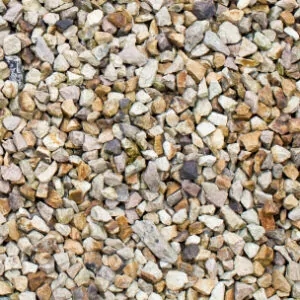

Buy Bulk Aggregates & Gravel in Duke Center, Pennsylvania
Local Topsoil, Dirt, Sand, Rocks and Gravel near me in Duke Center, Pennsylvania
Shop Aggregates for Delivery in Duke Center
Order online for free delivery to any Duke Center address.
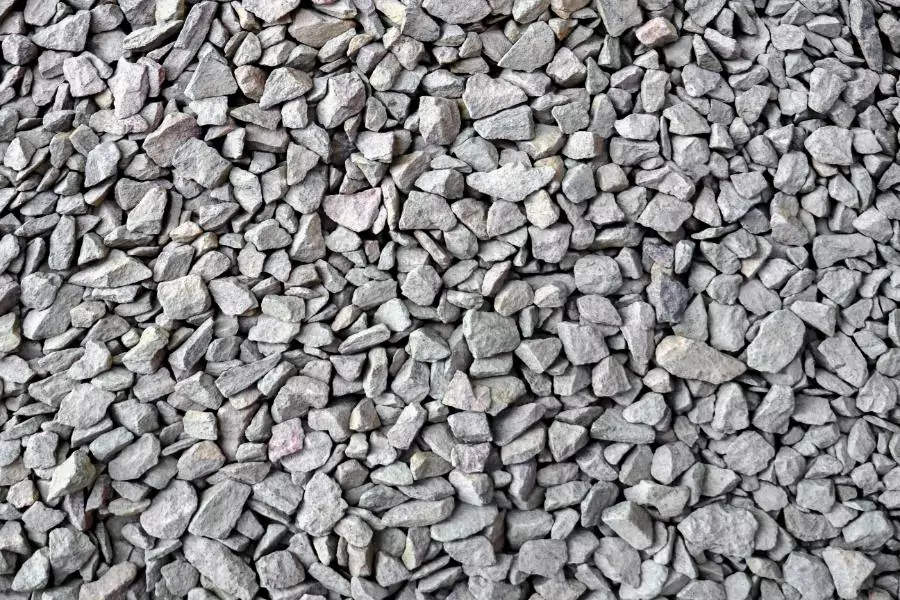
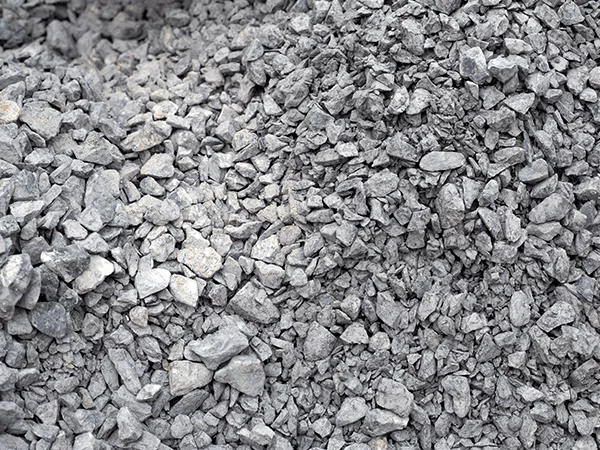


Gravel Monkey is your trusted supplier for premium gravel and aggregate delivery throughout Duke Center, Pennsylvania. Located in the heart of McKean County, this rural community requires durable, high-quality materials that can withstand Pennsylvania's challenging freeze-thaw cycles and diverse weather conditions. Whether you're building a driveway along Route 346, improving drainage near the Kinzua Valley, or creating a landscaping project in the surrounding countryside, we deliver professional-grade aggregates directly to your property with absolutely free delivery throughout the Duke Center area and neighboring communities.
Comprehensive Aggregate Selection for Duke Center Projects
Duke Center's location in the Allegheny Plateau region presents unique challenges for construction and landscaping. The area's glacially-influenced soil, significant snowfall averaging over 100 inches annually, and temperature variations from below zero in winter to 80-plus degrees in summer demand materials that perform reliably year-round. Gravel Monkey supplies the complete range of aggregates needed for successful projects in this northern Pennsylvania environment.
Base Aggregates and Foundation Materials
Proper foundation materials are critical in Duke Center's clay-loam soils. Our crusher run provides an exceptional compactable base that locks together to create a stable foundation resistant to frost heaving and moisture infiltration. This material is ideal for driveways, shed pads, and construction sites throughout McKean County.
For roadway applications and heavy-duty projects, our road base aggregate delivers superior load-bearing capacity. Properties along rural roads near Otto and Hazel Hurst benefit from this robust material that handles snowplow traffic and spring thaw conditions without degradation.
Driveway Aggregates for Pennsylvania Weather
Duke Center driveways face intense weather demands from heavy snow, ice buildup, and spring runoff from surrounding hillsides. Our driveway gravel is specifically selected for Pennsylvania applications, providing excellent compaction while maintaining crucial drainage properties that prevent ice dam formation and surface deterioration.
The 3/4 inch crushed stone serves as an outstanding driveway surface layer, offering angular edges that interlock for stability while allowing water to drain through rather than pooling on the surface. This prevents the freeze-thaw damage that commonly affects driveways in this region.
For projects requiring specific gradation, our #57 stone provides uniform sizing perfect for drainage applications around foundations and French drain systems that protect Duke Center homes from the area's substantial rainfall and snowmelt.
Drainage Solutions for Allegheny Plateau Properties
Properties in Duke Center often contend with hillside drainage and seasonal water flow from the surrounding elevated terrain. Our drain rock features angular shapes and specific sizing that creates optimal void space for water movement, essential for managing the area's 40-plus inches of annual precipitation plus heavy snowmelt in spring.
Proper drainage extends the life of all structures in this climate. Whether you're managing water around a barn near Lewis Run or installing a foundation drainage system in downtown Duke Center, the right aggregate materials prevent costly moisture damage and foundation issues.
Decorative Landscaping Aggregates
Beyond functional applications, Duke Center properties benefit from attractive landscaping materials that enhance curb appeal while requiring minimal maintenance in Pennsylvania's four-season climate. Our river rock creates beautiful, natural-looking landscapes for garden beds, water features, and decorative borders that complement the area's rural character.
The smooth texture of pea gravel makes it an excellent choice for pathways, play areas, and ground cover applications. This popular aggregate provides comfortable walking surfaces while maintaining excellent drainage—crucial for areas that experience Duke Center's substantial snowfall and subsequent spring thaw.
For formal pathways and refined landscaping projects, walkway gravel offers an attractive, stable surface that resists displacement from foot traffic and weather. Properties throughout the Duke Center area use this material to create elegant garden paths that remain functional through all seasons.
Specialty Aggregates and Sustainable Materials
Environmental consciousness matters to Duke Center residents, and our crushed concrete offers an eco-friendly alternative to virgin aggregates. This recycled material performs excellently as a base layer for driveways and provides similar compaction properties to traditional stone at a more sustainable price point.
The attractive appearance of decomposed granite brings natural beauty to pathways and patios. This material compacts firmly when moistened yet remains permeable, making it ideal for areas that need both stability and water absorption—important considerations in Duke Center's variable climate.
Sand Products for Construction and Recreation
Sand serves numerous purposes in Duke Center construction and landscaping projects. Our mason sand provides the fine, uniform particles necessary for mortar mixing, paver installation, and masonry work. This clean, properly graded sand ensures professional results for hardscaping projects throughout McKean County.
For families creating safe play spaces, playground sand meets safety standards while providing the soft landing surface children need. This specially processed material remains free of debris and maintains consistent quality for backyard play areas.
General construction applications benefit from washed sand, which removes fines and impurities to deliver clean material suitable for concrete mixing, leveling, and various building applications common in residential and agricultural construction projects.
Soil Products for Grading and Landscaping
Duke Center's glacially-deposited soils sometimes need amendment for successful landscaping and grading projects. Our premium topsoil provides the organic content and nutrient profile necessary for establishing lawns, gardens, and landscaping beds in this northern Pennsylvania environment where growing seasons are shorter than in southern regions of the state.
For grading applications, foundation backfill, and site leveling projects, fill dirt offers the volume and compaction characteristics needed to reshape terrain, level building sites, and fill low areas common in the rolling landscape around Duke Center.
Aggregate Comparison for Duke Center Applications
Selecting the appropriate aggregate for your specific project ensures optimal performance in Duke Center's demanding climate. This comparison helps identify which materials best suit common applications in the area.
| Aggregate Type | Best Applications | Drainage Rating | Compaction | Winter Performance |
|---|---|---|---|---|
| Crusher Run | Driveway base, foundations, parking areas | Good | Excellent | Superior frost resistance |
| 3/4 Inch Crushed Stone | Driveway surface, drainage layers | Excellent | Very Good | Resists heaving, excellent drainage |
| #57 Stone | French drains, concrete aggregate, drainage | Excellent | Moderate | Prevents ice buildup |
| Road Base | Heavy-duty access roads, commercial drives | Good | Excellent | Handles plow traffic |
| Pea Gravel | Walkways, landscaping, decorative use | Very Good | Low | Easy snow removal |
| River Rock | Landscaping, erosion control, aesthetics | Good | Low | Decorative year-round |
| Drain Rock | Foundation drainage, septic systems | Superior | Low | Critical for snowmelt management |
| Crushed Concrete | Base layers, secondary roads, eco-projects | Good | Very Good | Budget-friendly durability |
Serving Duke Center and Surrounding McKean County Communities
Duke Center sits at the crossroads of northern Pennsylvania's rural landscape, where Route 346 and Route 770 intersect in a region characterized by rolling hills, dense forests, and tight-knit communities. Our delivery service extends throughout this area, bringing quality aggregates to both residential and commercial customers.
Understanding Duke Center's Geological Foundation
The geology of Duke Center reflects its location on the Allegheny Plateau, where ancient glacial activity deposited layers of till—mixed sediments containing clay, silt, sand, and gravel. This glacial legacy creates soil conditions that vary significantly even within short distances. Some areas feature well-draining gravelly soils on higher elevations, while valleys and flatter terrain often contain heavier clay-loam soils that retain moisture.
This geological variability means construction projects require thoughtful material selection. Properties on higher ground near the watershed divides may need less extensive drainage solutions, while sites in lower elevations closer to Tunungwant Creek tributaries benefit from robust drainage aggregates and properly engineered base materials to prevent settling and frost heaving.
The bedrock underlying Duke Center consists primarily of sedimentary rocks—shales and sandstones from the Devonian period. When excavated, this local bedrock can be processed into quality aggregates, though many contractors prefer sourced materials with known performance characteristics for critical applications like driveways and foundations.
Climate Considerations for Aggregate Selection
Duke Center experiences a humid continental climate with significant temperature extremes. Winter temperatures regularly drop below zero Fahrenheit, while summer highs can reach the mid-80s. This 90-plus degree annual temperature swing creates substantial freeze-thaw cycling—the primary enemy of improperly constructed driveways and foundations.
Annual precipitation exceeds 40 inches, distributed relatively evenly throughout the year. However, the area's 100-plus inches of average annual snowfall concentrates moisture delivery into the cold months. As this snow gradually melts in spring, properties must manage substantial water flow, making drainage design and proper aggregate selection critical to long-term structural integrity.
The frost depth in McKean County reaches 42 inches—deeper than many areas of Pennsylvania. Any foundation, post, or structure must extend below this depth, and aggregates used for drainage and base materials must accommodate the ground movement that occurs as soil freezes and thaws through the extended winter season.
Regional Areas We Service
Beyond Duke Center proper, Gravel Monkey delivers aggregates throughout the surrounding communities that share similar geological and climatic conditions. Otto, located just a few miles southwest, features similar terrain and construction needs. Properties in Hazel Hurst to the northeast face comparable challenges with hillside drainage and winter weather impacts.
Lewis Run, positioned along the scenic Route 6 corridor to the north, represents a slightly more developed area where both residential and light commercial projects require quality aggregate materials. The larger community of Bradford, about 15 miles northeast, serves as the county seat and features more extensive commercial and industrial aggregate applications.
To the southeast, Eldred represents another small community where agricultural buildings, residential construction, and rural road maintenance create steady demand for various aggregate types. The entire region shares the common thread of Pennsylvania's northern tier climate and geology, making material selection expertise crucial for successful projects.
Project-Specific Aggregate Recommendations for Duke Center
Residential Driveway Construction
A properly constructed driveway in Duke Center typically requires a multi-layer approach. Begin with a geotextile fabric to separate native clay-loam soil from aggregate layers—this prevents mixing that compromises drainage and stability. Install 6-8 inches of crusher run as the base layer, compacting thoroughly in 3-4 inch lifts with a vibratory plate compactor or roller.
The surface layer should consist of 3-4 inches of 3/4 inch crushed stone or driveway gravel, again compacted in stages. This angular material locks together while maintaining void spaces for water drainage—essential for preventing ice formation and surface deterioration through Duke Center's long winters. Edge restraint using larger stone or timber helps prevent lateral spreading under vehicle loads.
Foundation Drainage Systems
Duke Center's substantial precipitation and snowmelt require robust foundation drainage to prevent basement moisture problems and foundation damage. Install 4-inch perforated drain tile at the footer level, surrounding it with #57 stone or drain rock to create water flow channels. This aggregate jacket should extend at least 12 inches beyond the drain tile on all sides.
Wrap the stone layer in geotextile fabric to prevent soil infiltration that could clog the system over time. Route the drain tile to daylight discharge away from the structure, or connect to a properly sized dry well filled with clean stone. This system handles both groundwater and the surface water that inevitably works its way along foundation walls.
Walkways and Garden Paths
Decorative walkways enhance property appeal while providing functional access through landscaped areas. For formal paths, excavate 6 inches deep, install landscape fabric, add 3-4 inches of compacted crusher run as base, then top with 2 inches of pea gravel or walkway gravel for an attractive, comfortable walking surface.
Edge the path with larger river rock, timber, or stone pavers to contain the gravel and define boundaries. This construction method provides excellent drainage—important in Duke Center where rain and snowmelt would otherwise create muddy paths—while remaining permeable for healthy plant growth in adjacent beds.
Agricultural and Rural Property Applications
Many Duke Center properties include barns, equipment storage, livestock areas, or agricultural operations requiring durable aggregate solutions. Heavy equipment access roads benefit from thick layers of road base or crusher run—typically 8-12 inches compacted—to distribute weight and prevent rutting even during muddy spring conditions.
Livestock areas need good drainage and firm footing. A layer of larger crushed stone creates elevation above muddy conditions while allowing water to drain through. Equipment yards benefit from similar treatment, with the aggregate layer preventing vehicles from sinking into clay soil during wet periods.
Erosion Control on Hillside Properties
The rolling terrain around Duke Center creates erosion challenges, particularly on slopes and along drainage channels. River rock provides attractive, durable protection for streambanks and drainage swales. The rounded stones resist displacement from water flow while creating a natural aesthetic that complements the rural landscape.
For steeper slopes, larger rip-rap stone may be necessary, though smaller aggregates work well for moderate grades. Combining stone with appropriate vegetation—native grasses and shrubs with deep root systems—provides the most effective long-term erosion control for Duke Center's climate and terrain.
Seasonal Project Planning for Northern Pennsylvania
Spring Installation Opportunities
As Duke Center emerges from winter, spring offers an ideal window for aggregate projects. The ground thaws, allowing excavation and grading work to proceed. However, wait until soil moisture levels drop enough to support equipment without excessive rutting or compaction problems. Late April through May typically provides good working conditions, though weather patterns vary yearly.
Spring is perfect for addressing winter damage—driveways that developed potholes or washouts, drainage problems revealed by snowmelt, and landscaping areas that need refreshing. The coming growing season means any areas disturbed by construction will have months to establish vegetation before the next winter.
Summer Construction Season
Summer represents peak construction season in Duke Center. Warm, dry conditions allow excellent compaction of base materials, and the longer days provide extended working hours. However, be aware that dry periods can make dust control necessary when working with finer aggregates like sand or crusher run fines.
Schedule deliveries to avoid the hottest portions of summer days, as extreme heat can make working with certain materials uncomfortable. The trade-off is that summer's warmth allows asphalt paving projects—should you wish to pave over a properly prepared aggregate base—to cure optimally.
Fall Preparation Work
Autumn in Duke Center brings beautiful foliage but also signals the approaching winter. This makes fall an excellent time for preventive aggregate projects—reinforcing driveways before snowplow season, improving drainage before freeze-thaw cycles begin, and installing base materials for projects that will continue in spring.
October and early November offer relatively dry conditions and cooler temperatures that make physical work more comfortable. Complete projects before ground freezing begins, typically by mid-November, though this varies with yearly weather patterns. Any project requiring excavation or significant ground disturbance should be completed with enough time for settling before winter.
Winter Limitations and Planning
Duke Center winters generally preclude aggregate installation projects. Frozen ground prevents excavation and proper compaction, while snow and ice create unsafe working conditions. However, winter provides an excellent opportunity to observe your property's drainage patterns, identify areas where spring runoff causes problems, and plan improvements for the upcoming construction season.
Use winter months to obtain quotes, finalize project plans, and schedule delivery for spring installation. This planning ensures you're ready to begin work as soon as conditions permit, avoiding the rush that often develops in late spring when everyone tackles deferred maintenance simultaneously.
Best Practices for Aggregate Projects in Duke Center
Proper Site Preparation
Successful aggregate installation begins with thorough site preparation. Remove all organic material—topsoil, vegetation, roots—from the project area. Even small amounts of organic matter will decompose over time, creating voids and settlement in the aggregate above. In Duke Center's clay-loam soils, excavate deeper than you might expect to reach stable subgrade.
Grade the subgrade to promote drainage away from structures and toward appropriate discharge points. Even a small slope—one percent or 1/8 inch per foot—makes a significant difference in water management. Compact the subgrade before placing any aggregate to create a firm foundation that resists future settlement.
The Value of Geotextile Fabric
Geotextile fabric represents a small investment that dramatically extends the life of aggregate installations in Duke Center. This permeable fabric separates aggregate from native soil, preventing the materials from mixing—a common problem in clay-rich soils that leads to drainage failure and structural degradation.
Install fabric directly on prepared subgrade, overlapping seams by at least 12 inches. For driveways and high-load applications, use heavier-duty fabrics rated for the expected traffic. The fabric allows water to pass through while keeping aggregate and soil separate, maintaining the drainage and structural properties both materials need to perform their intended functions.
Compaction Techniques
Proper compaction is non-negotiable for durable aggregate installations. Rent or hire operators with appropriate compaction equipment—vibratory plate compactors for small areas and thin lifts, or drum rollers for larger projects and thicker layers. Never attempt to compact more than 3-4 inches of material at once; build thickness through multiple compacted lifts.
Slightly moistening crusher run and similar materials improves compaction by helping particles bind together. However, avoid working with saturated aggregates, as excess water prevents proper compaction and prolongs construction time. In Duke Center's humid climate, timing projects during drier periods improves installation quality and speeds completion.
Maintenance for Longevity
Even properly installed aggregate surfaces require periodic maintenance to maintain optimal performance. Driveways benefit from adding a thin layer of fresh surface aggregate every 2-3 years to replace material displaced by use, weather, and snowplowing. Rake and regrade gravel periodically to maintain crown and proper drainage patterns.
Address potholes and low spots promptly before they expand. Fill with matching aggregate, compact thoroughly, and slightly overfill to account for future settling. Edge maintenance—keeping grass and soil from encroaching onto aggregate areas—prevents mixing that compromises drainage and creates muddy conditions.
Inspect drainage systems annually, particularly after spring snowmelt. Clear any debris from drainage pipes and outlets, ensuring water flows freely. Well-maintained aggregate installations in Duke Center routinely last decades with minimal intervention beyond these basic practices.
Frequently Asked Questions About Gravel and Aggregates in Duke Center
We deliver a comprehensive range of aggregates including driveway gravel, crushed stone in multiple sizes, #57 stone, crusher run, pea gravel, river rock, road base, drain rock, recycled concrete, topsoil, fill dirt, mason sand, playground sand, washed sand, and decomposed granite throughout Duke Center and McKean County.
Yes! Gravel Monkey offers FREE delivery to Duke Center and the surrounding Pennsylvania area for all gravel and aggregate material orders. We service the entire McKean County region including Otto, Hazel Hurst, Lewis Run, Bradford, and Eldred.
For Duke Center winters with severe freeze-thaw cycles, we recommend crusher run or 3/4 inch crushed stone for driveways. These aggregates compact well, provide excellent drainage to prevent ice formation, and resist heaving caused by ground freezing. The angular shapes lock together while maintaining void spaces for water drainage—critical for preventing winter damage.
For a standard driveway in Duke Center, calculate length times width times depth in feet, then divide by 27 for cubic yards. Most driveways need 4 to 6 inches of base aggregate (crusher run) plus 3-4 inches of surface aggregate (crushed stone or driveway gravel). For a typical 12-foot by 50-foot driveway with 10 inches total depth, you'd need approximately 19 cubic yards. Our team can help you determine the exact amount needed for your specific property and applications.
Duke Center sits on glacially-influenced soils with clay-loam composition typical of the Allegheny Plateau. The area has variable drainage—elevated areas drain well while valleys can retain moisture. The frost depth reaches 42 inches, requiring proper aggregate base materials to prevent heaving and settlement. Proper preparation with geotextile fabric and adequate drainage aggregates is essential for stable construction in this region's challenging climate.
Absolutely! We deliver throughout Duke Center and surrounding rural McKean County areas including Otto, Hazel Hurst, Lewis Run, Bradford, and Eldred. Our free delivery service covers both residential and commercial properties across the region, regardless of how remote the location. We regularly service farms, rural homesteads, and properties accessible only by unpaved roads.
Crusher run contains a mix of stone sizes including fines that compact tightly together, making it ideal for base layers that need maximum stability and load distribution. Crushed stone (like 3/4 inch) consists of uniform-sized angular pieces that provide excellent drainage while still locking together for stability—perfect for surface layers. Duke Center driveways typically use both: crusher run as the compacted base and crushed stone as the surface layer for optimal performance through Pennsylvania winters.
Late spring through fall offers the best installation conditions in Duke Center. Wait until ground moisture levels drop after spring thaw—typically late April or May—allowing proper excavation and compaction. Summer provides ideal conditions with warm, dry weather for excellent compaction. Early fall (September through early November) also works well, completing projects before ground freezing begins. Avoid winter installation when frozen ground prevents proper preparation and compaction.
Professional Aggregate Delivery for Duke Center, Pennsylvania
Whether you're planning a driveway installation, improving drainage around your Duke Center property, creating attractive landscaping features, or tackling an agricultural project in rural McKean County, Gravel Monkey delivers the quality aggregates you need with professional service and expert guidance. Our comprehensive material selection, combined with free delivery throughout the Duke Center area, makes us the logical choice for property owners who demand quality and value.
Our team understands the unique challenges of northern Pennsylvania construction—the clay-loam soils, severe freeze-thaw cycles, substantial snowfall, and spring runoff that affect every outdoor project in this region. We help customers select appropriate materials for their specific applications, ensuring installations that perform reliably through Duke Center's demanding four-season climate.
From residential driveways along Route 346 to agricultural projects near Otto, from drainage solutions in Hazel Hurst to landscaping materials for properties throughout McKean County, Gravel Monkey provides the aggregates and expertise Duke Center customers rely on for successful projects. Contact us today to discuss your project needs, receive expert material recommendations, and schedule your free delivery of premium gravel and aggregates to your Duke Center property.

Need help? Reach out for a quote: