Buy Bulk Aggregates & Gravel in Sciota, Pennsylvania
Local Topsoil, Dirt, Sand, Rocks and Gravel near me in Sciota, Pennsylvania
Shop Aggregates for Delivery in Sciota
Order online for free delivery to any Sciota address.


Gravel Monkey is your trusted source for premium gravel and aggregate delivery throughout Sciota, Pennsylvania. Located in the heart of the Pocono Mountains region, Sciota properties face unique challenges from rocky glacial soils, freeze-thaw cycles, and variable terrain. Whether you're building a driveway near Cherry Valley, creating drainage solutions along McMichael Creek, or upgrading a rural property in Barrett Township, we deliver high-quality aggregates directly to your location with completely free delivery. Our materials are specifically selected to perform in Monroe County's demanding climate and geological conditions.
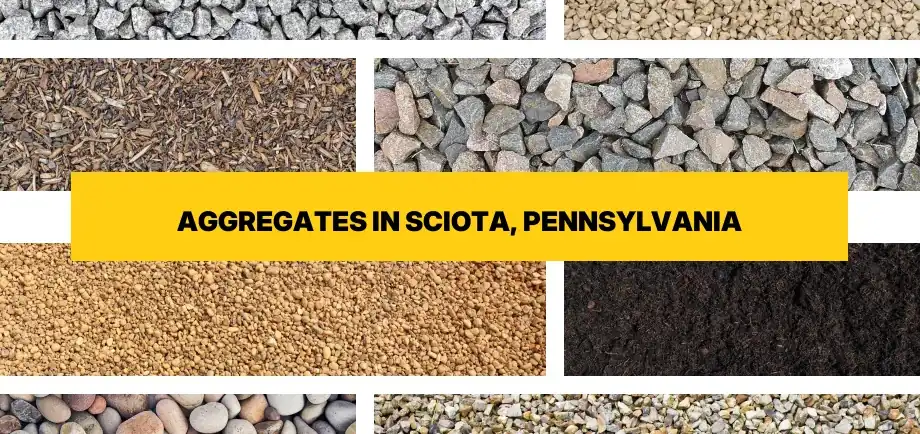
Complete Aggregate & Material Selection for Sciota Properties
We supply a comprehensive range of aggregates and materials for residential, commercial, and agricultural projects across Sciota and the surrounding Pocono region:
- Driveway Gravel - Premium aggregate blend engineered for long-lasting driveways
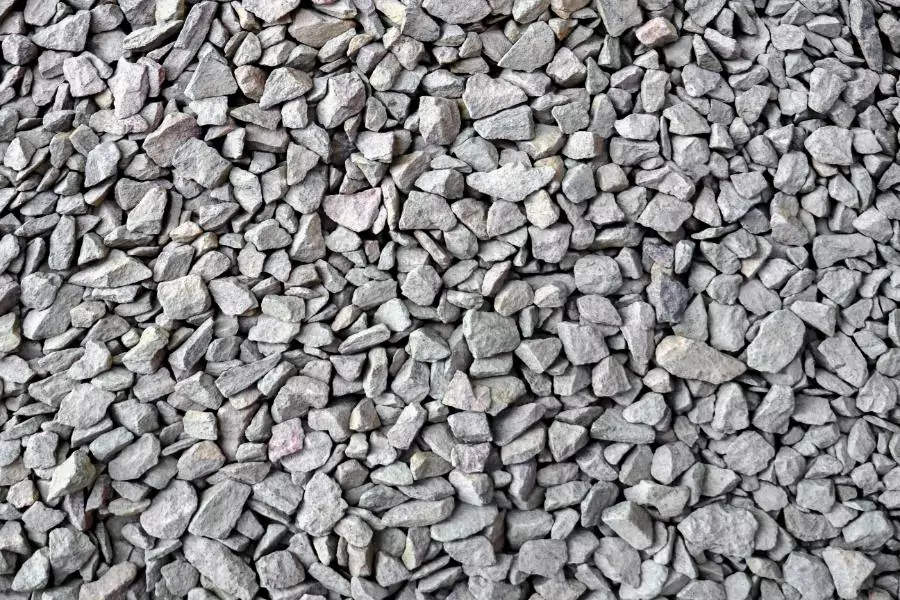
- 3/4 Inch Crushed Stone - Versatile angular stone for bases and drainage applications
- #57 Stone - Industry-standard drainage aggregate with excellent flow characteristics
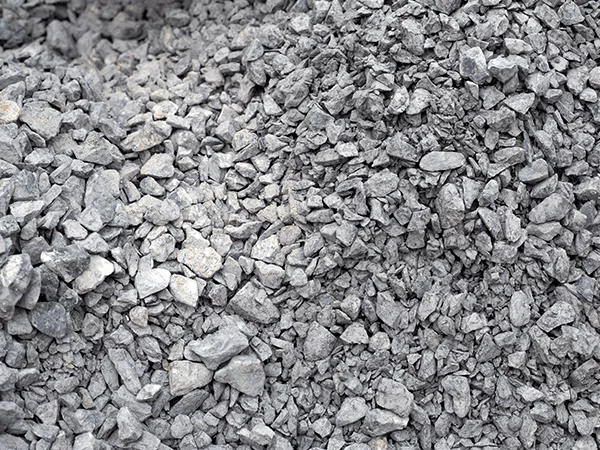
- Crusher Run - Compactable base material that locks together under weight
- Road Base - Heavy-duty foundation material for roads and large driveways
- Pea Gravel - Smooth decorative stone perfect for pathways and gardens
- River Rock - Natural rounded stone for landscaping features
- Walkway Gravel - Attractive stabilized aggregate for pedestrian paths
- Drain Rock - Angular stone sized specifically for drainage systems
- Crushed Concrete - Eco-friendly recycled aggregate for budget-conscious projects
- Topsoil - Nutrient-rich soil for gardens and lawn establishment
- Fill Dirt - Bulk material for grading and elevation changes
- Mason Sand - Fine washed sand for masonry and concrete work
- Playground Sand - Clean, safe sand for play areas and sandboxes
- Washed Sand - Clean aggregate for various construction applications
- Decomposed Granite - Natural compacting material for pathways and surfaces
Aggregate Delivery Throughout Sciota and Monroe County
Gravel Monkey proudly serves the entire Sciota area and surrounding communities with free aggregate delivery. Our service area encompasses all of Barrett Township and extends throughout Monroe County:
Central Sciota - We deliver to properties throughout the Sciota village area, including residential neighborhoods along Route 33 and the quiet country roads that define this rural community. Many homeowners here maintain long gravel driveways that require periodic refreshing with quality aggregates.
Cherry Valley - Just north of Sciota, Cherry Valley residents benefit from our complete selection of aggregates. The mix of residential properties and small farms in this area often requires materials for driveway maintenance, barn foundations, and drainage improvements around older structures.
Barrett Township - Throughout the broader Barrett Township area, we supply aggregates for rural properties, seasonal homes, and year-round residences. The township's varied terrain and wooded properties create unique drainage and access challenges that our materials address effectively.
McMichael Creek Area - Properties near McMichael Creek and its tributaries often need specialized drainage solutions. We provide drain rock and properly sized aggregates to manage water flow while protecting against erosion in these riparian areas.
Pocono Pines Region - The nearby Pocono Pines community, with its mix of seasonal retreats and permanent homes, regularly requires aggregates for driveway improvements, landscaping projects, and foundation work suited to the rocky local soils.
Tannersville Corridor - Along the Route 611 corridor toward Tannersville, properties benefit from our delivery service for both residential and commercial projects. This growing area sees continuous development requiring quality base materials.
Hamilton Township Border - Properties along the Hamilton Township boundary near Stroudsburg receive the same free delivery and expert guidance. This area's mix of established homes and new construction keeps demand strong for diverse aggregate types.
Long Pond Area - North toward Long Pond and the Pocono Raceway region, rural properties and recreational land parcels require aggregates for access roads, drainage systems, and site preparation for cabins and outbuildings.
Understanding Sciota's Unique Soil and Climate Conditions
Successful construction and landscaping projects in Sciota require understanding the area's distinctive geological and climatic characteristics. Located on the Pocono Plateau at approximately 1,100 feet elevation, Sciota experiences conditions that directly impact aggregate selection and installation methods.
Glacial Till Geology
Sciota sits atop glacial till deposited during the Wisconsin glaciation period approximately 20,000 years ago. This creates a complex soil profile containing rock fragments of various sizes, coarse sand, silt, and clay in a heterogeneous mixture. The underlying bedrock consists primarily of Catskill Formation sandstones and shales, which often appear at shallow depths—sometimes within just two to four feet of the surface.
This rocky subsurface condition has several important implications. Excavation for foundations, septic systems, or French drains frequently encounters bedrock, limiting depth options. The glacial till itself provides moderate drainage capacity, but clay lenses within the till can create localized perched water tables during spring snowmelt and heavy rain events. Property owners must account for these conditions when selecting aggregates and planning drainage systems.
Freeze-Thaw Cycle Impacts
Sciota experiences approximately 100-120 freeze-thaw cycles annually, with winter temperatures regularly dropping below freezing at night and rising above freezing during sunny days. This creates significant stress on inadequately prepared driveways, walkways, and foundations. Frost heaving can displace poorly installed aggregates and damage structures without proper drainage and compaction.
The frost penetration depth in Monroe County averages 36-42 inches, meaning foundation footings and driveway bases must extend below this depth or incorporate aggregate layers that allow moisture to drain away before freezing. Properly graded crusher run or angular crushed stone creates capillary breaks that prevent moisture migration from the subgrade into the frost zone.
Precipitation Patterns
Sciota receives approximately 48-52 inches of precipitation annually, distributed relatively evenly throughout the year. However, intense summer thunderstorms can deliver two to three inches in just a few hours, overwhelming poorly designed drainage systems. Spring snowmelt, combined with rain-on-snow events, creates peak water flow periods that stress drainage infrastructure.
The local topography, with its rolling hills and numerous small streams flowing toward McMichael Creek and eventually the Delaware River, means most properties have some degree of slope. This necessitates careful attention to surface drainage, often requiring swales lined with river rock or strategically placed subsurface drain systems using clean drain rock.
Seasonal Considerations
Spring typically brings muddy conditions as frost leaves the ground and snowmelt saturates soils. This is actually an ideal time for aggregate delivery, as identifying drainage problems becomes obvious, and materials can be installed before summer projects begin. Summer offers optimal conditions for compaction and curing of bases. Fall provides a final window for improvements before winter, though increasingly wet October weather in recent years sometimes complicates installation schedules.
Winter delivery remains available, though frozen ground can make spreading and grading more challenging. Many Sciota property owners schedule winter delivery for materials they'll install during spring mud season, taking advantage of frozen driveways that support heavy delivery trucks without rutting.
Choosing the Right Aggregates for Sciota Applications
Different projects require specific aggregate types for optimal performance in Monroe County's conditions. Understanding these differences helps ensure your project succeeds.
| Aggregate Type | Best Applications | Drainage Rating | Compaction | Sciota Suitability |
|---|---|---|---|---|
| Crusher Run | Driveway base, road foundation | Good | Excellent | Ideal for freeze-thaw conditions |
| 3/4 Inch Crushed Stone | Driveway surface, general base | Excellent | Very Good | Versatile all-purpose aggregate |
| #57 Stone | Drainage systems, French drains | Superior | Moderate | Perfect for wet soil conditions |
| Road Base | Heavy-duty roads, parking areas | Good | Excellent | Best for high traffic areas |
| Pea Gravel | Walkways, gardens, decorative use | Very Good | Poor | Great for landscaping features |
| Drain Rock | Foundation drains, septic systems | Superior | Poor | Essential for water management |
| Crushed Concrete | Budget driveways, fill applications | Good | Good | Eco-friendly cost savings |
| Decomposed Granite | Pathways, patio bases | Moderate | Excellent | Natural look for landscapes |
Driveway Aggregates for Sciota's Demanding Conditions
Sciota driveways face unique challenges from freeze-thaw cycling, seasonal temperature swings, and varied terrain. A properly constructed driveway requires a strategic layering approach that addresses both structural integrity and drainage management.
The Three-Layer System
Professional driveway construction in Sciota typically employs a three-layer system. The bottom layer consists of larger aggregate like road base or four-inch clean stone, placed directly on compacted subgrade. This layer should be 6-8 inches deep after compaction and provides structural support while allowing water to drain down and away from the driving surface.
The middle layer uses crusher run or dense-graded aggregate that contains a mix of stone sizes. This 4-6 inch layer compacts tightly, creating a firm, stable platform that resists frost heaving. The various stone sizes lock together mechanically, and the fine particles fill voids between larger stones, limiting water infiltration from above while maintaining some drainage capacity below.
The top layer provides the actual driving surface. Many Sciota property owners choose three-quarter inch crushed stone for this layer, which offers good traction, attractive appearance, and easy maintenance. This layer typically measures 2-3 inches deep after compaction and can be periodically refreshed without disturbing the base layers beneath.
Managing Driveway Drainage
Proper drainage extends driveway life significantly. Sciota's clay lenses and variable permeability soils mean surface water must be directed away from the driveway structure. Crown the driveway surface slightly—about one inch per ten feet of width—to shed water toward edges. Install drainage swales along driveway sides, lining them with river rock or pea gravel to prevent erosion during heavy runoff.
For driveways on slopes, consider installing cross-drains or waterbars every 100-150 feet to intercept downhill water flow. These can be created with slightly raised bands of compacted crusher run that angle water off the driveway surface. In areas with particularly problematic drainage, subsurface curtain drains using perforated pipe surrounded by number 57 stone can intercept groundwater before it saturates the driveway base.
Seasonal Maintenance Requirements
Even well-constructed Sciota driveways require periodic maintenance. Spring typically reveals winter damage—potholes, rutting, and displaced surface aggregate. Plan to add fresh three-quarter inch crushed stone every 2-3 years to maintain surface integrity. Grade the surface with a drag or tractor blade to redistribute material and restore proper crown.
Fall maintenance should focus on drainage system clearing. Remove leaves and debris from swales and culverts before winter arrives. Address any soft spots or depressions that might collect water and freeze, causing progressive damage through ice formation and expansion.
Drainage Solutions for Sciota Properties
Effective water management is critical for Sciota properties. The combination of moderate to heavy precipitation, seasonal snowmelt, sloped terrain, and variable soil permeability creates drainage challenges that properly selected aggregates can solve.
French Drain Systems
French drains remain the most versatile drainage solution for Sciota properties. These subsurface systems intercept and redirect groundwater before it reaches foundations, basements, or problem areas. A typical French drain consists of a perforated pipe surrounded by clean aggregate, wrapped in geotextile filter fabric, and buried in a trench.
For Sciota's conditions, use number 57 stone around the pipe. This angular aggregate provides void space for water flow while remaining stable within the trench. The stone should extend at least 6 inches above and around the pipe, creating adequate flow capacity for peak water events. Proper pipe slope—at least 1/8 inch per foot—ensures gravity drainage toward the discharge point.
Foundation Drainage
Every Sciota foundation should incorporate perimeter drainage, especially given the area's shallow bedrock and clay lens presence. Place perforated pipe at footing level, surrounded by clean drain rock. This prevents hydrostatic pressure buildup against foundation walls and eliminates basement moisture problems.
Backfill against foundation walls using coarse aggregate for the first 12-18 inches. This creates a capillary break that prevents soil moisture from wicking through foundation walls. The aggregate layer also provides a fast drainage path directing water down to the perforated pipe system.
Surface Drainage Features
Surface water management prevents erosion and directs runoff away from structures. Swales—shallow vegetated channels—work effectively on Sciota properties when lined with erosion-resistant materials. River rock placed in swale bottoms dissipates water energy during heavy flow events while maintaining an attractive appearance during dry periods.
Dry creek beds using larger river rock create functional drainage features that double as landscape focal points. These work particularly well on sloped properties where concentrated runoff creates erosion channels. Size the river rock appropriately—three to six inch diameter stones resist displacement during peak flows while allowing water to percolate through during normal conditions.
Decorative and Functional Aggregates for Sciota Landscapes
Beyond structural applications, aggregates serve important roles in Sciota landscaping projects. The right materials create attractive, low-maintenance outdoor spaces suited to the region's climate and aesthetic preferences.
Walkways and Paths
Pedestrian paths benefit from aggregates that provide firm footing while maintaining visual appeal. Decomposed granite compacts well for firm surfaces with a natural appearance that complements Pocono woodland settings. For paths through gardens or wooded areas, pea gravel offers comfortable walking surfaces with good drainage and minimal mud formation during wet weather.
Formal walkways might use larger crushed stone in a three-quarter inch size, held in place with landscape edging. This creates defined paths that resist displacement and require minimal maintenance. The angular shape of crushed stone provides better stability underfoot compared to rounded pea gravel.
Garden Beds and Mulch Alternatives
River rock serves as an attractive, long-lasting alternative to organic mulches around foundation plantings and in perennial beds. Unlike wood mulch, which decomposes and requires annual replacement, river rock remains stable indefinitely. The stone also moderates soil temperature and retains moisture while preventing weed growth when installed over landscape fabric.
Choose river rock sizes based on scale—one to two inch stones for smaller beds and foundation plantings, three to five inch stones for larger landscape areas and around specimen plantings. The varied colors in natural river rock blend well with Sciota's woodland vegetation and stone architecture common in Pocono buildings.
Erosion Control Applications
Slopes and banks benefit from aggregate-based erosion control. River rock placed along slope edges and in natural drainage ways prevents soil loss during runoff events. Larger stones—four to eight inches in diameter—resist displacement while allowing water to flow through rather than causing damaging channelization.
For steeper slopes, consider combining aggregates with vegetation. Plant low-growing groundcovers among river rock placements. The roots stabilize soil while the rock protects against surface erosion until vegetation establishes fully. This approach works particularly well on disturbed slopes around new construction or along driveway embankments.
Sand Products for Construction and Recreation
While coarser aggregates handle structural applications, sand products fill specific niches in Sciota construction and recreation projects. Mason sand provides the fine aggregate component for mortar and concrete mixes, essential for masonry projects from foundation work to stone veneers popular in Pocono architecture.
Washed sand offers clean material for various applications including beneath pool installations, as bedding for paver patios, and as a component in manufactured topsoil blends. The washing process removes clay and silt, creating free-draining material that resists compaction and maintains stable volumes.
Playground sand provides safe, clean material for children's play areas and sandboxes. This specially processed sand contains no sharp particles and meets safety standards for recreational use. Regular sand replacement every few years maintains cleanliness and play quality.
Topsoil and Fill Dirt for Sciota Grading Projects
Site grading and garden development require appropriate soil products. Topsoil provides the nutrient-rich growing medium necessary for lawns, gardens, and landscaping plantings. Quality topsoil contains adequate organic matter, proper pH for Pocono region plants (typically slightly acidic around 6.0-6.5), and good structure for root development and water infiltration.
Sciota's native soils often contain excessive rock and insufficient organic matter for immediate planting success. Importing quality topsoil allows faster landscape establishment and better long-term plant performance. Plan for 4-6 inches of topsoil depth for lawn areas, 8-12 inches for perennial beds and vegetable gardens.
Fill dirt serves structural purposes—raising grades, filling depressions, and creating level areas for buildings or driveways. Unlike topsoil, fill dirt need not support plant growth, so it's selected for structural stability and compaction characteristics. Sciota properties often require fill dirt to establish proper drainage slopes away from structures or to build up low areas where water accumulates.
When using fill dirt, place it in lifts of 6-8 inches, compacting each lift before adding the next. This prevents future settlement that could damage structures or create new drainage problems. Crown filled areas slightly to account for some inevitable settlement, and always reserve topsoil for the final surface layer in planted areas.
Professional Installation Tips for Aggregate Projects
Successful aggregate projects require more than quality materials. Proper installation techniques ensure longevity and performance in Sciota's demanding conditions.
Site Preparation
Adequate preparation determines project success. Remove all organic material—topsoil, roots, vegetation—from areas receiving aggregate. Organic matter decomposes, creating voids and causing settlement. Excavate to required depth based on project type, accounting for base layers, aggregate layers, and desired final elevation.
Grade the prepared subgrade to promote drainage. Even a two percent slope (one-quarter inch per foot) provides adequate water movement. Never create flat, level areas where water can pond. Where existing grades prevent positive drainage, consider subsurface drain systems to remove water that infiltrates the aggregate layers.
Compaction Requirements
Proper compaction prevents future settlement and maintains aggregate stability. Use mechanical compaction equipment appropriate to project scale—plate compactors for walkways and small areas, vibratory rollers for driveways and larger projects. Compact base layers to 95 percent standard proctor density, working systematically across the entire area.
Add water during compaction if aggregate seems too dry—moisture helps particles lock together. However, avoid over-wetting, which reduces compaction effectiveness and can cause pumping (fine material migrating upward under pressure). Multiple passes with compaction equipment work better than fewer passes at higher intensity.
Edge Restraint
Aggregates need edge restraint to maintain boundaries and prevent lateral spreading. For driveways and parking areas, install treated timber or steel edging secured with stakes driven into undisturbed subgrade. The edging top should match the desired finished aggregate surface height.
Walkways benefit from commercial landscape edging, natural stone borders, or Belgian block. Whatever edging material you choose, install it first, then place and compact aggregate against it. This sequence ensures proper edge support and clean boundary lines.
Geotextile Fabric Applications
Geotextile fabric prevents fine soil particles from migrating upward into aggregate layers while allowing water drainage. Install fabric directly on prepared subgrade before placing any aggregate. Overlap fabric edges by 12-18 inches, and pin fabric to prevent displacement during aggregate placement.
In Sciota's clay-containing soils, geotextile fabric is particularly valuable. It prevents clay from pumping into driveway bases during freeze-thaw cycles and maintains separation between soils and drainage aggregates in French drain systems. Choose non-woven geotextile for most applications, as it provides better soil separation than woven versions.
Frequently Asked Questions About Aggregates in Sciota
We deliver a complete range of aggregates including driveway gravel, crushed stone in multiple sizes, number 57 stone, pea gravel, river rock, crusher run, road base, drain rock, recycled concrete, topsoil, fill dirt, mason sand, playground sand, washed sand, decomposed granite, and walkway gravel throughout Sciota and the surrounding Monroe County area.
Yes! Gravel Monkey offers FREE delivery to Sciota and the surrounding Pennsylvania areas including Barrett Township, Hamilton Township, and the broader Pocono region for all gravel and aggregate material orders.
For Sciota driveways, we recommend crusher run or three quarter inch crushed stone as a base layer due to their excellent compaction and drainage properties. These materials handle the freeze-thaw cycles common in Monroe County and provide a stable foundation that withstands Pennsylvania winters and prevents frost heaving.
The amount depends on your project size and type. For driveways, calculate length times width times depth in feet, then divide by 27 to get cubic yards. A typical driveway needs 3 to 4 inches of gravel depth. Our team can help you calculate the exact amount for your specific Sciota property and project requirements.
Given Sciota rocky, well-draining soils but occasional heavy rainfall from Pocono weather patterns, we recommend number 57 stone or drain rock for French drains and foundation drainage. These angular aggregates provide excellent water flow while the local glacial till subsoil generally drains well once properly graded.
In many cases, yes! Gravel Monkey strives to provide same-day or next-day delivery to Sciota and nearby communities like Bartonsville, Tannersville, and Brodheadsville. Contact us before noon for the best chance of same-day service, though delivery times may vary based on current demand and weather conditions.
Sciota sits in the Pocono Plateau region with glacial till soils that contain rock fragments, sand, and clay deposited during the last ice age. This creates rocky, moderately well-drained conditions. Many properties have shallow bedrock which affects excavation depth. Proper aggregate selection and drainage design are essential for lasting foundations and driveways in this geology.
Maintain proper drainage by keeping swales and culverts clear. Add fresh surface aggregate every 2-3 years to replace material displaced by plowing and traffic. Grade the surface periodically to restore crown and eliminate depressions where water and ice accumulate. Consider applying calcium chloride or magnesium chloride to reduce dust in summer and provide winter traction.
Why Choose Gravel Monkey for Sciota Aggregate Delivery
Gravel Monkey understands the unique requirements of Pocono region properties. We source aggregates specifically suited to Sciota's glacial till soils, freeze-thaw climate, and varied terrain. Our materials meet or exceed industry standards for gradation, cleanliness, and consistency.
Free delivery throughout Sciota and surrounding Monroe County communities eliminates the hidden costs other suppliers add. We schedule deliveries at your convenience, working around your project timeline rather than forcing you to adapt to limited delivery windows. Our experienced drivers understand rural property access challenges and position materials exactly where you need them.
Beyond material supply, we provide expert guidance on aggregate selection, quantity calculations, and installation best practices. Whether you're a homeowner tackling a DIY driveway project or a contractor managing commercial site development, our team offers the knowledge gained from years of serving Pocono region properties.
Quality aggregates properly installed provide decades of service with minimal maintenance. Gravel Monkey helps Sciota property owners achieve professional results through the combination of premium materials, reliable delivery, and expert support. Contact us today to discuss your project requirements and receive a detailed material estimate tailored to your specific application and site conditions.

Need help? Reach out for a quote: