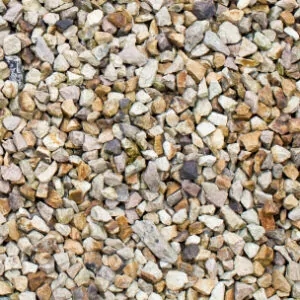
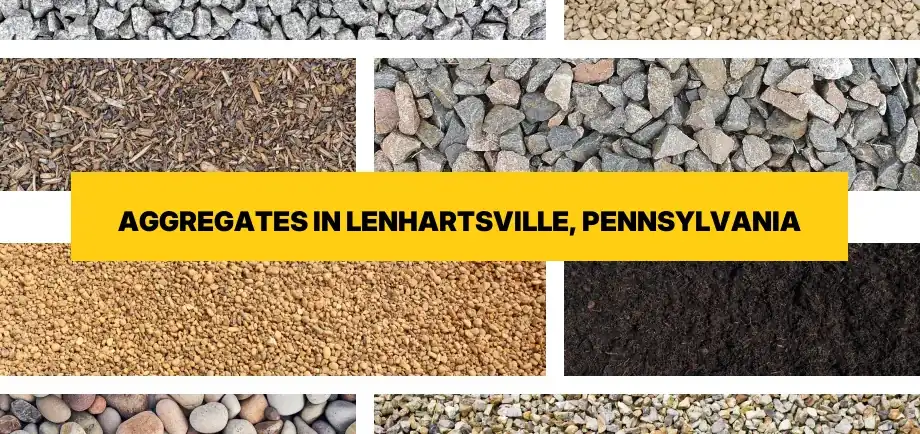
Rock & Driveway Gravel in Lenhartsville, Pennsylvania
Local Topsoil, Dirt, Sand, Rocks and Gravel near me in Lenhartsville, Pennsylvania
Shop Aggregates for Delivery in Lenhartsville
Order online for free delivery to any Lenhartsville address.
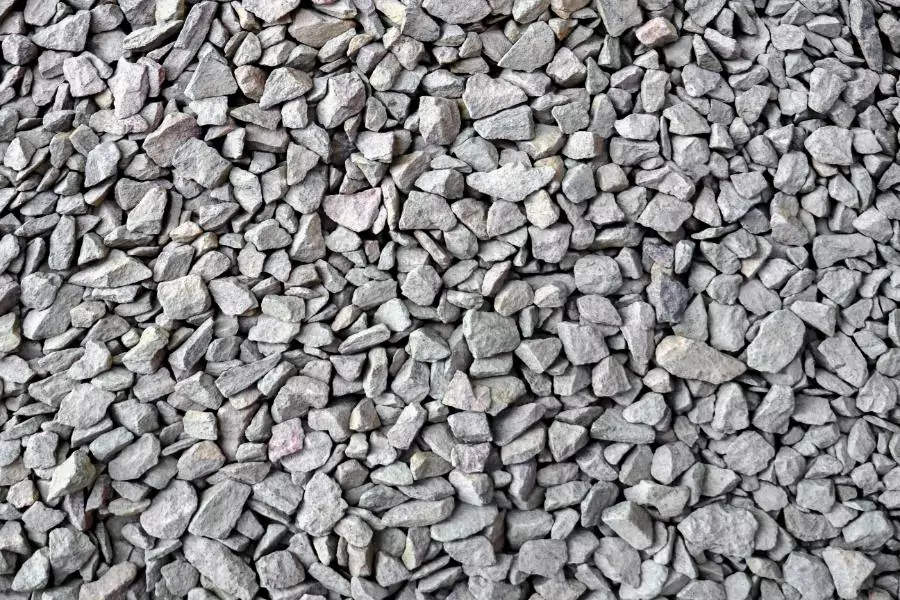
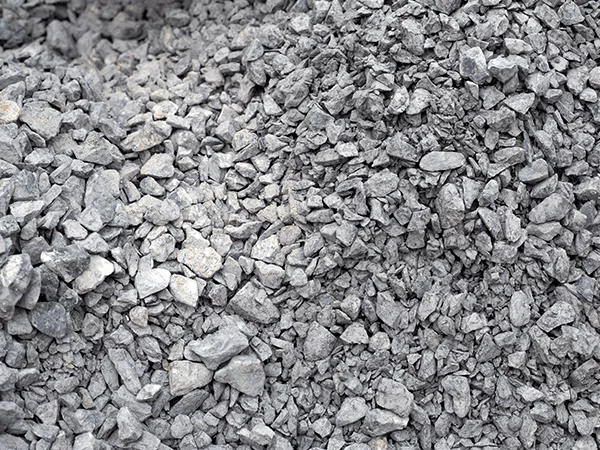


Gravel Monkey delivers premium aggregates and bulk materials throughout Lenhartsville, Pennsylvania and the surrounding Berks County region. Whether you're upgrading a rural driveway along Route 737, creating drainage solutions for properties near the Ontelaunee Creek watershed, or establishing a new farm road in the Windsor Castle area, we provide high-quality materials with free delivery to every corner of this historic community. Our comprehensive inventory serves residential, agricultural, and commercial projects across northeastern Pennsylvania.
Complete Aggregate and Material Selection for Lenhartsville
Gravel Monkey offers an extensive range of aggregates, stone, sand, and soil products specifically suited to Lenhartsville's unique geological conditions and climate. The region's characteristic clay-rich soils and freeze-thaw cycles require durable, well-draining materials for lasting results.
- Driveway Gravel - Engineered blend for long-lasting driveways and private roads
- 3/4 inch Crushed Stone - Versatile aggregate for bases, drainage, and construction
- #57 Stone - Standard drainage stone for French drains and foundations
- Crusher Run - Compactable base material for driveways and parking areas
- Road Base - Heavy-duty foundation for roads and large vehicle access
- Pea Gravel - Rounded stone for pathways and decorative applications
- River Rock - Natural stone for landscaping and water features
- Walkway Gravel - Specially sized material for comfortable walking surfaces
- Crushed Concrete - Eco-friendly recycled aggregate for cost-effective projects
- Drain Rock - Clean stone for superior drainage performance
- Decomposed Granite - Natural pathway material with rustic appeal
- Topsoil - Nutrient-rich soil for gardens and lawn establishment
- Fill Dirt - Quality fill material for grading and leveling
- Mason Sand - Fine sand for masonry work and pavers
- Playground Sand - Safe, clean sand for play areas
- Washed Sand - Clean sand for construction and landscaping
Serving All Lenhartsville Communities and Surrounding Areas
Gravel Monkey provides free aggregate delivery throughout Lenhartsville borough and the extensive rural areas of northeastern Berks County. Our service coverage includes the historic village center along Main Street, the residential neighborhoods near Lenhartsville Elementary School, and the agricultural properties extending toward the Blue Mountains foothills.
We regularly deliver to properties in Windsor Castle, the small community northeast of Lenhartsville along State Route 143, where many rural homeowners maintain long private driveways requiring quality aggregate materials. The Molltown area to the south receives frequent deliveries for farm roads and equipment access routes. Properties near Virginville to the west benefit from our comprehensive inventory when addressing the unique drainage challenges presented by the region's topography.
Our delivery routes extend to nearby Hamburg along Route 61, Kutztown to the south, and Topton to the southeast. The rural townships between Lenhartsville and Kempton receive the same free delivery service, ensuring that even the most remote properties along mountain roads have access to premium aggregates. We also serve properties along the State Route 737 corridor and throughout the Maxatawny Township region, delivering materials for everything from residential projects to agricultural improvements.
Understanding Lenhartsville's Geology and Climate for Better Material Selection
Lenhartsville sits in the Great Valley section of the Ridge and Valley Province of Pennsylvania, characterized by limestone-derived soils overlaying older shale bedrock. However, the immediate area contains significant deposits of red clay soils formed from weathered Triassic shale, creating unique drainage and construction challenges for property owners.
The clay content in local soils ranges from 30% to 50%, making proper aggregate selection critical for successful driveways, foundations, and drainage systems. These soils expand when wet and contract during dry periods, causing movement and instability in improperly constructed surfaces. The Ontelaunee Creek watershed influences local hydrology, with seasonal water table fluctuations affecting lower-lying properties, particularly after spring snowmelt and heavy summer storms.
Lenhartsville experiences a humid continental climate with four distinct seasons. Average annual precipitation reaches 45 inches, distributed fairly evenly throughout the year. Winter temperatures regularly drop below freezing from December through February, with frequent freeze-thaw cycles that test the durability of aggregate installations. These cycles are particularly challenging for driveways and roads, as moisture penetration followed by freezing can cause heaving and surface deterioration in poorly constructed bases.
Summer temperatures average in the low 80s Fahrenheit, with humidity levels often exceeding 70%. This combination promotes vegetation growth in aggregate surfaces unless proper base preparation and material selection prevent organic intrusion. The region's position at approximately 500 feet elevation in the valley, with the Blue Mountains rising to the north, creates localized weather patterns with enhanced precipitation on north-facing slopes and more moderate conditions in valley locations.
Choosing the Right Aggregate for Your Lenhartsville Project
Different projects demand specific aggregate characteristics. The clay-rich soils and freeze-thaw conditions in Lenhartsville require careful material selection to ensure long-lasting results. Understanding which aggregate best suits your project saves money and prevents premature failure.
| Aggregate Type | Best Applications | Drainage Rating | Compaction | Freeze-Thaw Resistance |
|---|---|---|---|---|
| Driveway Gravel | Residential driveways, parking areas | Excellent | High | Excellent |
| 3/4" Crushed Stone | Base layers, drainage, foundations | Excellent | Moderate | Excellent |
| #57 Stone | French drains, septic fields | Superior | Low | Excellent |
| Crusher Run | Driveway base, parking lots | Good | Superior | Very Good |
| Road Base | Heavy vehicle access, farm roads | Good | Superior | Excellent |
| Crushed Concrete | Base layers, rural roads, driveways | Excellent | High | Very Good |
| Pea Gravel | Pathways, landscaping, drainage | Very Good | Low | Good |
| Decomposed Granite | Walking paths, rustic driveways | Moderate | Moderate | Good |
Driveway Solutions for Lenhartsville Properties
Rural driveways in the Lenhartsville area face unique challenges due to clay soils, seasonal moisture variations, and freeze-thaw cycling. A properly constructed driveway requires multiple layers working together to distribute weight, shed water, and resist frost heaving. Many properties along Route 737 and throughout Maxatawny Township feature long driveways that benefit from strategic aggregate application.
The foundation layer should address the clay soil directly. Excavating 8-12 inches and installing a geotextile fabric prevents clay migration into the aggregate base. This fabric barrier is especially important in areas near Molltown and Windsor Castle where clay content exceeds 40%. The first aggregate layer, typically 4-6 inches of crusher run or road base, creates a stable platform that sheds water and resists settling.
The intermediate layer provides additional strength and drainage. Three to four inches of #57 stone or 3/4 inch crushed stone allows water to drain quickly away from the surface while maintaining structural integrity. This layer is critical for driveways on slopes leading toward the Ontelaunee Creek watershed, where water management determines long-term performance.
The surface layer needs to balance traction, drainage, and durability. Driveway gravel provides an excellent finish for most residential applications, while larger properties and agricultural operations might prefer crusher run for its superior compaction. Properties with heavy equipment traffic, common in the farming areas between Lenhartsville and Kempton, benefit from a thicker surface layer of road base material that withstands repeated loading without rutting.
Drainage and Foundation Aggregates for Clay Soils
The clay-dominant soils throughout Lenhartsville create persistent drainage challenges for homeowners and builders. Clay's low permeability causes water to pool on the surface and move laterally rather than percolating downward. This characteristic makes proper drainage aggregate selection essential for foundation protection, basement waterproofing, and yard grading.
French drain installations around foundations require clean, angular stone that maintains open pore spaces even under pressure. Drain rock and #57 stone are specifically engineered for this application, with minimal fines that could clog the drainage pathway. Properties in lower-lying areas near the creek bottomlands particularly benefit from perimeter drainage systems that intercept groundwater before it reaches basement walls.
Foundation backfill presents another critical application. After foundation construction, the excavated area must be backfilled with material that drains freely while providing structural support. Using 3/4 inch crushed stone against the foundation wall, wrapped in filter fabric, creates an effective drainage plane that protects the waterproofing membrane and directs moisture to the footing drain system.
Yard grading and surface drainage benefit from strategic aggregate placement. Low areas that collect water during storms can be filled with crushed concrete or road base to establish positive drainage away from structures. This approach is particularly effective for properties in Windsor Castle and along Route 143, where surface topography naturally directs water toward building sites.
Landscaping Aggregates and Decorative Stone Applications
Beyond functional applications, aggregates serve important aesthetic roles in Lenhartsville landscaping. The rural character of the region lends itself to natural stone features that complement the agricultural heritage and forested hillsides of the Blue Mountains viewshed.
River rock creates attractive beds around plantings, provides mulch alternatives for low-maintenance gardens, and serves as a natural-looking drainage solution for downspout runoff areas. The rounded stones come in various sizes, allowing designers to match scale to planting size. Larger river rock works well for dry creek beds that handle stormwater runoff while adding visual interest to sloped yards common throughout the area.
Pea gravel offers versatility for pathways, patio surrounds, and play areas. Its small size and rounded shape create a comfortable walking surface while allowing excellent drainage. Many Lenhartsville properties use pea gravel for chicken runs and dog kennels, where drainage is essential and the stone's smooth surface prevents injury. Garden borders benefit from pea gravel's clean appearance and weed suppression characteristics.
Walkway gravel provides a more substantial path material for high-traffic areas. Properties with extensive gardens or those creating connections between buildings use this material for durable paths that maintain their appearance season after season. The angular particles lock together better than rounded pea gravel, reducing displacement from foot traffic and maintaining defined edges without formal edging materials.
Decomposed granite brings a warm, natural color palette to pathways and casual patio areas. This material compacts moderately while maintaining permeability, making it ideal for the organic, informal landscapes popular in rural settings. Its rust and tan tones complement the red clay soils and autumn colors characteristic of Berks County landscapes.
Agricultural and Farm Road Applications
Agriculture remains important to the Lenhartsville region's economy and character. Farm operations require substantial quantities of aggregate for equipment access, livestock areas, and field entrances. The combination of heavy vehicles, organic matter, and clay soils creates demanding conditions that only properly selected aggregates can withstand.
Farm lanes and equipment access roads need materials that compact firmly while shedding water effectively. Road base and crusher run excel in these applications, providing the load-bearing capacity required for tractors, combines, and loaded trucks. Many operations choose crushed concrete for cost-effective coverage of long lanes that see seasonal use patterns.
Livestock areas demand aggregates that drain quickly while remaining stable underfoot. Barn entrances, paddocks, and feed areas stay cleaner and healthier with proper stone surfacing. The 3/4 inch crushed stone works well for high-traffic animal areas, allowing manure and urine to drain away while providing solid footing that reduces mud-related hoof problems.
Field entrances take tremendous abuse during planting and harvest seasons when heavy equipment repeatedly enters and exits. A substantial base of road base topped with driveway gravel prevents the rutting and mud that impedes operations during wet periods. Many farmers in Maxatawny Township maintain multiple field entrances with aggregate surfacing to ensure operational flexibility regardless of weather conditions.
Topsoil and Fill Dirt for Lenhartsville Projects
Site preparation, grading, and landscaping projects require quality soil materials to achieve professional results. The natural clay content of local soils makes imported topsoil valuable for establishing lawns, gardens, and planting beds that drain properly and support vigorous plant growth.
Premium topsoil contains balanced ratios of sand, silt, and clay along with organic matter that provides nutrients and improves soil structure. Garden beds throughout Lenhartsville benefit from 6-8 inches of quality topsoil that gives vegetables, perennials, and shrubs the root environment they need for optimal performance. Properties with heavy clay can dramatically improve growing conditions by amending native soils with better-textured topsoil.
Lawn establishment requires proper soil preparation for long-term success. A 4-6 inch layer of topsoil over properly graded subsoil creates the ideal seedbed for grass establishment. This approach works particularly well for new construction sites where excavation and grading have exposed subsoil or removed the original topsoil layer.
Fill dirt serves different purposes than topsoil, providing inexpensive material for large grading projects, foundation backfill (away from the building), and site leveling. While it lacks the organic content and structure for growing plants, fill dirt compacts well and provides stable fill for areas that will be covered with hardscaping, buildings, or aggregate surfaces. Many Lenhartsville property owners use fill dirt to establish positive drainage away from structures before finishing with topsoil for landscaping.
Specialized Sand Products for Construction and Recreation
Sand products serve specific niches in construction and landscaping that other aggregates cannot fill. From masonry work to playground surfacing, the right sand makes the difference between successful and failed installations.
Mason sand provides the fine, clean particle size required for mortar mixing, paver base preparation, and bedding for underground utilities. Its consistent gradation ensures proper workability in masonry applications while providing the structural support needed under patios, walkways, and retaining walls. Many Lenhartsville homes feature stone or brick elements that rely on quality mason sand for structural integrity.
Playground sand meets safety standards for fall attenuation in play areas. Whether for residential swing sets or community playgrounds, this specially processed sand provides cushioning that reduces injury risk from falls. The clean, rounded particles remain comfortable for children while maintaining drainage to prevent standing water issues.
Washed sand serves multiple purposes in construction and landscaping. Its clean composition makes it suitable for concrete mixing, while the fine texture works well for volleyball courts and horseshoe pits. Some property owners use washed sand for temporary traction on icy driveways, though its tendency to track indoors makes it less ideal than specialized ice melt products.
Professional Installation Guidelines for Lasting Results
Proper installation techniques determine whether aggregate projects succeed or fail. Even premium materials perform poorly without correct preparation and placement procedures. Understanding these fundamentals helps property owners achieve professional results.
Site Preparation: Excavate to the appropriate depth for your application. Driveways typically require 8-12 inches of total depth, while pathways might need only 4-6 inches. Remove all organic material, roots, and vegetation from the excavation. In clay soils, install geotextile fabric to prevent soil migration into the aggregate.
Base Layer: Place the first layer of aggregate and compact thoroughly. Use a plate compactor for small areas or a roller for larger projects. Proper compaction is essential—loose aggregate will settle and create ruts under use. Compact in 3-4 inch lifts rather than trying to compact deeper layers all at once.
Drainage Considerations: Ensure positive drainage away from buildings and toward appropriate outlets. A minimum 2% slope (1/4 inch per foot) prevents water pooling. For areas with poor natural drainage, consider installing perforated pipe beneath the aggregate to collect and redirect water.
Layer Progression: Build from larger to smaller aggregates. Base layers use coarser material like crusher run or road base, intermediate layers might use 3/4 inch crushed stone, and surface layers use driveway gravel or walkway gravel. This progression provides both strength and surface quality.
Compaction and Finishing: The final surface layer should be compacted but not overworked. Leave slight looseness in the top half-inch to allow the material to lock together under use. Water the surface lightly during compaction to help particles settle. For decorative applications with river rock or pea gravel, compaction is generally not necessary.
Seasonal Considerations for Aggregate Projects in Lenhartsville
Pennsylvania's seasonal variations influence when and how to install aggregate materials. Understanding these patterns helps property owners schedule projects for optimal results and longevity.
Spring: Ground thaw and increased precipitation make early spring challenging for aggregate projects. Wait until soils dry sufficiently to support equipment and allow proper compaction. Late April through May often provides ideal conditions once the water table recedes and temperatures stabilize above freezing. This timing allows materials to settle naturally before summer's heat.
Summer: Warm, dry conditions from June through August create excellent opportunities for driveway and road construction. Materials compact well, equipment operates efficiently, and projects cure properly before winter. However, extremely dry conditions can create dust issues during installation and difficulty achieving optimal compaction without water application.
Fall: September and October offer another prime window for aggregate installation. Moderate temperatures, lower humidity, and generally stable weather patterns make this many contractors' preferred season. Complete projects by mid-November to allow settling before winter freeze-thaw cycles begin.
Winter: Frozen ground prevents proper excavation and compaction, making winter unsuitable for most aggregate projects. However, existing aggregate surfaces can be refreshed with additional material, and planning for spring projects ensures material availability during the peak season rush.
Maintenance Practices for Long-Term Performance
Properly installed aggregate surfaces require minimal maintenance but benefit from periodic attention. These practices extend service life and maintain appearance throughout years of use.
Annual Inspection: Each spring, inspect aggregate surfaces for settling, rutting, or drainage issues. Address problem areas promptly with additional material and re-compaction. Look for areas where clay soil has migrated into the aggregate, which indicates inadequate base preparation or the need for edge restraint.
Surface Refreshment: Add a thin layer of matching aggregate every 2-3 years to compensate for natural settling and loss from plowing or vehicle displacement. A half-inch to one-inch layer maintains proper crown and drainage while renewing appearance. Rake and compact the fresh material to integrate it with the existing surface.
Weed Control: Prevent vegetation establishment in aggregate by maintaining proper compaction and addressing weeds promptly. Small populations can be pulled by hand, while larger infestations might require spot treatment with appropriate herbicides. Maintaining full coverage prevents bare spots where weeds gain footholds.
Edge Maintenance: Keep edges defined to prevent aggregate migration into lawn areas and grass encroachment into the aggregate. Plastic or metal edging helps maintain boundaries, though many rural properties prefer the natural integration of aggregate edges with surrounding landscapes.
Winter Care: Plow or shovel snow carefully to avoid removing surface aggregate. Set plow blades or shovel edges slightly above the surface. Consider marking driveway edges with stakes to guide snow removal equipment and prevent inadvertent damage to landscaping or aggregate borders.
Frequently Asked Questions About Aggregate Delivery in Lenhartsville
We deliver a complete range of aggregates including driveway gravel, crushed stone in various sizes, number 57 stone, crusher run, pea gravel, river rock, recycled concrete, road base, topsoil, fill dirt, and multiple sand types throughout Lenhartsville and surrounding Berks County areas.
Yes! Gravel Monkey offers FREE delivery to Lenhartsville and the surrounding Pennsylvania area for all gravel and aggregate orders. We serve the entire region including nearby Hamburg, Kutztown, and Topton.
For Lenhartsville driveways, we recommend 3/4 inch crushed stone or number 57 stone as a base layer, with crusher run or driveway gravel as the top surface. These materials handle the freeze-thaw cycles common in Berks County and provide excellent drainage in our clay-rich soils.
Calculate length times width times depth in feet, then divide by 27 for cubic yards. For driveways, we recommend 4 inches depth. A typical two-car driveway (20 feet by 40 feet) needs about 10 cubic yards. Our team can help you calculate the exact amount for your specific Lenhartsville project.
Absolutely! We deliver aggregates throughout Lenhartsville borough and the surrounding rural Berks County areas including Windsor Castle, Molltown, Virginville, and along State Route 143 and Route 737. Free delivery applies to the entire region.
The clay-rich soils common in the Lenhartsville area require proper drainage solutions. We recommend drain rock, number 57 stone, or 3/4 inch crushed stone for foundation drainage. For driveways and pathways, crusher run provides excellent compaction over clay, while decomposed granite creates attractive walkways with good permeability.
Yes! Crushed concrete is an excellent eco-friendly alternative for driveways, base layers, and rural roads in Lenhartsville. It compacts well, costs less than virgin stone, and performs exceptionally in our Pennsylvania climate. Many local property owners choose it for farm lanes and long driveways.
We provide free aggregate delivery throughout Lenhartsville and nearby communities including Hamburg, Kutztown, Topton, Fleetwood, Kempton, and the surrounding Berks County townships. Our service area covers the entire northeastern Berks County region along Route 22 and Interstate 78.
Professional Aggregate Delivery for Lenhartsville Properties
Whether you're maintaining a historic property in downtown Lenhartsville, building a new driveway in Windsor Castle, or improving agricultural access roads in Maxatawny Township, Gravel Monkey provides the quality aggregates and professional service your project demands. Our extensive inventory, free delivery throughout Berks County, and deep understanding of local soil conditions make us the preferred aggregate supplier for residential, agricultural, and commercial customers.
Every load we deliver meets strict quality standards and arrives on schedule. Our team understands the unique challenges presented by Lenhartsville's clay soils, freeze-thaw cycles, and rural topography. We help customers select appropriate materials for their specific applications, ensuring successful installations that perform for years.
From small residential landscaping projects to large commercial developments, Gravel Monkey delivers the aggregates, stone, sand, and soil materials that build lasting value in Lenhartsville and throughout northeastern Pennsylvania. Contact us today to discuss your project requirements and experience the difference that quality materials and professional service make.

Need help? Reach out for a quote: