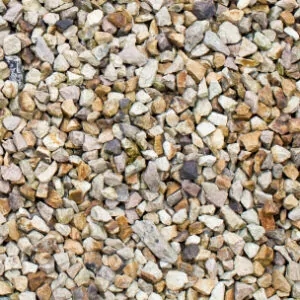
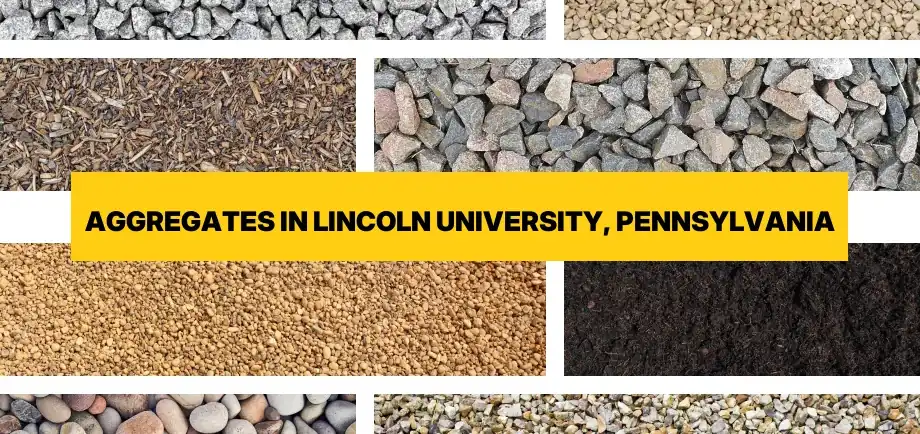
Gravel for Sale in Lincoln University, Pennsylvania
Local Topsoil, Dirt, Sand, Rocks and Gravel near me in Lincoln University, Pennsylvania
Shop Aggregates for Delivery in Lincoln University
Order online for free delivery to any Lincoln University address.
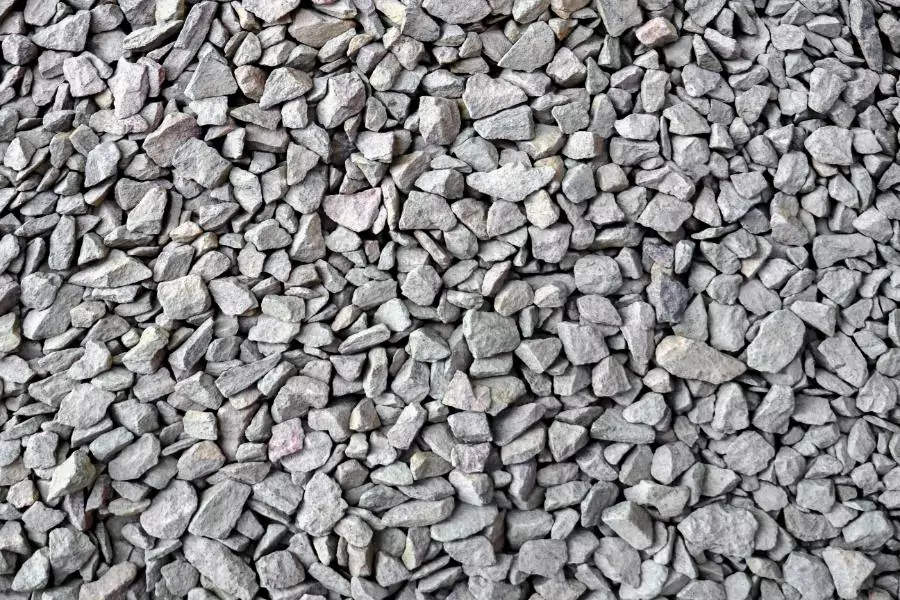
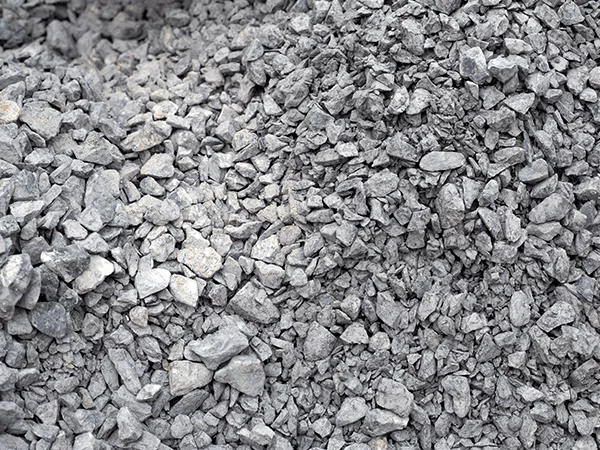


Gravel Monkey is your trusted partner for premium aggregate and bulk material delivery in Lincoln University, Pennsylvania. Serving the historic Lincoln University campus area and surrounding southern Chester County communities, we provide free delivery of high-quality gravel, stone, sand, and soil products directly to your property. Whether you're maintaining a rural driveway near Oxford, improving drainage around campus facilities, or landscaping a property in West Grove, our extensive selection of aggregates meets the unique needs of this distinctive region where Pennsylvania history meets modern infrastructure demands.
Complete Aggregate & Material Selection for Lincoln University Projects
Our comprehensive inventory serves residential, commercial, agricultural, and institutional projects throughout the Lincoln University area. From the historic campus grounds to rural properties stretching toward the Maryland border, we deliver materials that perform reliably in Chester County's distinctive clay-based soils and variable terrain.
- Driveway Gravel - Durable aggregate blends ideal for long country lanes and rural access roads
- 3/4 inch Crushed Stone - Versatile angular stone for foundations, driveways, and base applications
- #57 Stone - Premium drainage aggregate perfect for French drains and foundation perimeters
- Crusher Run - Compactable blend that creates stable, all-weather driveway bases
- Road Base - Heavy-duty aggregate for farm lanes and commercial access routes
- Drain Rock - Large, angular stone for superior water management in clay soils
- Pea Gravel - Smooth, rounded stone for walkways, patios, and decorative applications
- River Rock - Natural aesthetic stone for water features and ornamental landscapes
- Walkway Gravel - Attractive, comfortable aggregate for pedestrian paths and garden trails
- Crushed Concrete - Eco-friendly recycled aggregate for sustainable construction projects
- Decomposed Granite - Natural, permeable material for rustic paths and modern xeriscaping
- Topsoil - Rich, screened soil for gardens, lawns, and agricultural applications
- Fill Dirt - Quality earth for grading, leveling, and construction fill needs
- Mason Sand - Fine, washed sand for masonry mortar and concrete mixing
- Playground Sand - Safe, clean sand for play areas and recreational spaces
- Washed Sand - Versatile clean sand for multiple construction and landscaping uses
Understanding Lincoln University's Unique Geography & Soil Conditions
Lincoln University sits in southern Chester County where Pennsylvania's Piedmont region transitions toward the coastal plain, creating distinctive challenges for construction and landscaping projects. The area's predominant Manor series soils contain significant clay content, particularly the Manor-Glenelg complex that characterizes much of the region. These moderately deep, well-drained soils derived from weathered micaceous schist require careful aggregate selection to ensure proper drainage and structural stability.
The terrain around Lincoln University features gentle rolling hills with elevations ranging from 400 to 600 feet, creating natural drainage patterns that flow toward the White Clay Creek watershed to the north and the Big Elk Creek system to the south. Properties near Doe Run and throughout the Avondale area experience seasonal water table fluctuations, making proper base preparation and drainage aggregate selection critical for long-term driveway and foundation performance.
Climate Considerations for Chester County Aggregate Projects
Southern Chester County experiences a humid continental climate with average annual precipitation of 45 inches, distributed fairly evenly throughout the year. Winter temperatures typically range from 25°F to 40°F, with the region experiencing 15-25 freeze-thaw cycles annually. This freeze-thaw action demands aggregates with excellent drainage characteristics to prevent frost heaving and premature surface degradation.
Summer months bring temperatures averaging 70°F to 85°F with periodic heavy rainfall events that can deposit 2-3 inches in short periods. Properties near West Grove and Oxford benefit from aggregates that manage both sustained moisture and rapid drainage, preventing washouts while maintaining firm, all-weather access. The clay-rich soils common throughout the area retain moisture, making proper stone selection essential for projects from Kennett Square to the Maryland border.
Comprehensive Delivery Throughout Lincoln University & Southern Chester County
Gravel Monkey provides free delivery throughout Lincoln University and the broader southern Chester County region. Our service extends to all campus facilities, nearby communities, and rural properties throughout this historically rich agricultural area.
Primary Service Areas Near Lincoln University
We proudly serve properties throughout the Lincoln University campus area, from the historic Ashmun Institute buildings to modern campus facilities. Our delivery routes extend to neighboring communities including:
- Oxford - Historic borough with mixed residential and commercial properties requiring diverse aggregate solutions
- West Grove - Growing community with new development and established properties needing quality materials
- Avondale - Agricultural hub with farm lanes, driveways, and commercial access routes
- Kennett Square - The mushroom capital featuring both rural properties and suburban developments
- New London - Rural community with extensive private driveways and farm access needs
- Toughkenamon - Quiet residential area with properties requiring reliable aggregate delivery
- Landenberg - Southern Chester County community near the Maryland border
- Chatham - Rural area with agricultural properties and country estates
Our delivery network also reaches properties near White Clay Creek Preserve, the scenic Doe Run area, and throughout the rolling countryside that characterizes southern Chester County. Whether your project is on Baltimore Pike near Oxford or on a secluded farm lane near the Maryland line, Gravel Monkey delivers premium aggregates exactly where you need them.
Selecting the Right Aggregates for Your Lincoln University Project
Chester County's distinctive soil composition and terrain require thoughtful aggregate selection. Understanding which materials perform best in local conditions ensures project success, whether you're installing a new driveway near the campus or improving drainage on a rural property toward Oxford.
Driveway Aggregates for Rural Chester County Properties
Long driveways characterize much of the Lincoln University area, where properties often feature quarter-mile or longer access routes from public roads. These extended drives demand aggregates that compact firmly, drain efficiently, and withstand heavy use across all seasons. The local clay soils, while providing a stable subgrade when dry, can become problematic during wet periods without proper aggregate base preparation.
For new driveway construction or major reconstruction projects near Avondale and West Grove, starting with a substantial base layer is essential. A 6-8 inch compacted base using road base material provides the foundation necessary for long-term performance. This base layer prevents the driveway from sinking into the clay subsoil during wet periods while providing the structural platform for the surface layer.
The surface layer selection depends on traffic patterns and aesthetic preferences. Crusher run offers excellent compaction and creates a firm, all-weather surface that resists rutting even under heavy farm equipment. Its blend of stone sizes from dust to three-quarter inch allows the material to lock together, creating a cohesive surface that stands up to Chester County's weather extremes.
Drainage Solutions for Clay-Rich Soils
The Manor series soils prevalent around Lincoln University, while moderately well-drained, contain enough clay to create water management challenges. Properties near Kennett Square and throughout the Doe Run area often experience seasonal wetness, making proper drainage aggregate selection critical for foundation protection, basement waterproofing, and landscape preservation.
French drain installations in Chester County clay soils require clean, angular stone with minimal fines. The angular shape creates void spaces that allow water to flow freely toward drainage pipes, while the clean surface prevents clay particles from clogging these critical void spaces. Drain rock installations around foundations should extend below the frost line, typically 36 inches in this region, ensuring year-round drainage performance.
Surface drainage applications around Oxford and West Grove properties benefit from materials that shed water quickly while remaining stable underfoot. Properly graded stone allows rainfall to percolate through the surface rather than running across it, reducing erosion while maintaining firm footing for pedestrians and vehicles.
Landscaping Aggregates for Pennsylvania Piedmont Properties
The rolling terrain around Lincoln University provides natural opportunities for attractive landscaping that enhances property aesthetics while addressing practical drainage needs. Decomposed granite creates rustic, natural-looking pathways that complement the agricultural character of southern Chester County while providing excellent drainage and comfortable walking surfaces.
For more formal applications near campus buildings or in suburban areas like West Grove, walkway gravel offers an attractive, stable surface for garden paths and pedestrian routes. Its size and shape create comfortable walking surfaces that drain efficiently while requiring minimal maintenance throughout the year.
Water features and decorative applications throughout the region benefit from the natural aesthetic of river rock. Properties near Avondale and Kennett Square incorporate these smooth, rounded stones in dry creek beds that manage stormwater runoff while creating visual interest in the landscape. The varied colors and sizes available in river rock allow customization to match each property's unique character.
Aggregate Comparison Guide for Lincoln University Applications
Selecting the appropriate material for your specific Chester County project ensures optimal performance and value. This comparison highlights key characteristics of popular aggregates used throughout the Lincoln University area.
| Material Type | Best Applications | Compaction Quality | Drainage Performance | Ideal for Clay Soils |
|---|---|---|---|---|
| Crusher Run | Driveway base, parking areas, farm lanes | Excellent - locks together firmly | Good when properly graded | Yes - ideal base material |
| Road Base | Heavy-duty access routes, commercial drives | Superior - handles heavy loads | Good - manages surface water | Yes - excellent for high traffic |
| #57 Stone | Drainage systems, French drains, foundations | Minimal - remains loose | Excellent - maximum flow | Yes - critical for drainage |
| 3/4 inch Crushed Stone | General construction, driveway surface, pathways | Very good with compaction | Very good - angular voids | Yes - versatile performer |
| Pea Gravel | Walkways, patios, decorative landscapes | Fair - shifts slightly | Excellent - natural drainage | Moderate - best over base |
| Decomposed Granite | Natural pathways, rustic trails, xeriscaping | Good when damp-compacted | Very good - permeable surface | Yes - blends with natural soils |
| Crushed Concrete | Budget base layers, eco-friendly projects | Good - comparable to natural stone | Good - similar to limestone | Yes - cost-effective option |
| Mason Sand | Paver base, concrete mixing, mortar | Fair - requires moisture | Moderate - fine particles | Moderate - leveling agent |
Professional Installation Practices for Chester County Projects
Success in Lincoln University area projects depends on proper installation techniques that account for local soil conditions and climate patterns. Whether you're tackling a DIY project or overseeing professional installation, understanding regional best practices ensures lasting performance.
Site Preparation in Clay-Rich Soils
Properties throughout southern Chester County require thorough site preparation before aggregate installation. Begin by removing existing vegetation, organic matter, and loose topsoil down to the firm clay subgrade. The Manor series soils in this region typically provide stable subgrade at 6-12 inches below the surface, though depth varies with location and existing conditions.
For driveway projects near Oxford and West Grove, crown the subgrade slightly toward the edges to promote surface water runoff. This 2-3% slope prevents water accumulation that could soften the clay base and lead to premature failure. In areas with known drainage issues, consider installing perforated pipe along driveway edges before adding base material, directing water away from the travel surface.
Aggregate Layering and Compaction
Chester County's freeze-thaw cycles demand proper aggregate depth and compaction. For residential driveways, install road base or crusher run in 4-inch lifts, compacting each layer before adding the next. This approach ensures uniform density throughout the base, preventing differential settling that creates low spots where water accumulates.
Compact base layers using a vibrating plate compactor for residential projects or a roller for longer commercial drives near Avondale and Kennett Square. Proper compaction reduces the aggregate volume by 20-30%, so order accordingly. The final compacted base depth should be 6-8 inches for standard residential drives, with heavier applications requiring up to 12 inches of base material.
Surface Layer Application
Apply the final surface layer in a single 3-4 inch loose lift, then compact to approximately 2.5-3 inches finished thickness. For crushed stone surfaces, the angular nature of the material allows it to lock together, creating a stable driving surface. Properties near Lincoln University using three-quarter inch crushed stone or driveway gravel for the surface layer achieve excellent results that resist rutting and maintain good drainage.
Newly installed driveways benefit from a break-in period where light traffic only traverses the surface for the first week. This allows the stone to settle naturally before experiencing heavy loads. After the initial week, normal traffic helps further compact and stabilize the surface, with final settling complete within 30-60 days.
Maintaining Aggregates Through Pennsylvania's Four Seasons
Lincoln University's location in southeastern Pennsylvania brings distinct seasonal challenges that affect aggregate performance. Proper maintenance across all seasons extends the life of your investment while maintaining optimal functionality.
Spring Maintenance in Chester County
Spring brings increased rainfall and potential flooding to the White Clay Creek and Big Elk Creek watersheds. Inspect driveways and drainage systems throughout the Doe Run area for winter damage, filling any potholes or low spots with matching material. The freeze-thaw action common from December through March can displace surface aggregate, creating thin spots that require replenishment.
Check drainage ditches and culverts for debris accumulation that could redirect water onto your driveway or walkways. Properties near Avondale with extensive drainage systems benefit from annual spring inspections that identify and correct issues before summer storms arrive. Re-establish proper crown and slope on driveway surfaces, adding material where needed to maintain positive drainage.
Summer and Fall Preparation
Summer's heat and occasional heavy thunderstorms test drainage systems throughout southern Chester County. Monitor gravel surfaces for washout in low areas, particularly along the edges where runoff concentrates. Add crusher run or road base to areas showing wear, compacting thoroughly to match the surrounding surface.
Fall preparation includes removing fallen leaves that can decompose and create an organic layer between aggregate and the underlying base. Properties near West Grove and Kennett Square with significant tree coverage benefit from regular leaf removal that prevents this issue. Fall is also ideal for topdressing existing driveways with a fresh layer of surface aggregate, providing renewed traction and appearance heading into winter.
Winter Considerations for Pennsylvania Properties
Chester County's winters bring freezing temperatures, occasional snow, and critical freeze-thaw cycles that challenge aggregate installations. Well-drained aggregates resist frost heaving because water drains away rather than freezing within the stone matrix. Properties experiencing frost heaving often have inadequate drainage or insufficient base depth, allowing moisture to accumulate and freeze beneath the surface.
When plowing snow from gravel drives near Oxford and Lincoln University, adjust blade height to ride just above the surface, avoiding aggregate displacement. Regular snow removal prevents ice formation and reduces the risk of surface damage from heavy plows catching on high spots. Apply sand rather than salt for traction, as salt can accelerate the breakdown of certain aggregate types.
Sustainable Aggregate Practices in Historic Chester County
Lincoln University's legacy of education and leadership extends to environmental stewardship in modern construction practices. Thoughtful aggregate selection and installation minimizes environmental impact while creating functional, long-lasting improvements to properties throughout southern Chester County.
Recycled and Eco-Friendly Aggregate Options
Crushed concrete represents an excellent environmentally responsible alternative to virgin stone for many base applications. This recycled material performs similarly to natural limestone in base layers while reducing the environmental impact of quarrying new stone. Properties near Avondale and West Grove using crushed concrete for base layers achieve comparable results to natural stone while supporting sustainable construction practices.
Permeable surface options like decomposed granite and properly graded pea gravel allow rainfall to infiltrate naturally rather than creating impervious surfaces that increase stormwater runoff. This approach particularly benefits properties in the White Clay Creek watershed, where excessive runoff contributes to stream bank erosion and water quality challenges. Creating permeable parking areas, walkways, and patios helps maintain the natural hydrology that supports Chester County's rich agricultural heritage.
Managing Stormwater on Rural Properties
The rolling terrain around Lincoln University naturally directs water movement across the landscape. Working with these natural patterns rather than against them creates more successful and sustainable drainage solutions. Properly placed dry creek beds using river rock and larger drain rock can manage concentrated flow from downspouts and surface runoff while creating attractive landscape features.
Properties throughout the Kennett Square and Oxford areas benefit from vegetated swales that slow and filter runoff before it reaches streams. Incorporating clean stone in these swales prevents erosion while allowing vegetation to establish, creating long-term sustainable drainage solutions that improve water quality and reduce downstream flooding impacts.
Frequently Asked Questions About Aggregates in Lincoln University
For residential driveways in the Lincoln University area, install 6-8 inches of compacted base material (road base or crusher run) followed by 2.5-3 inches of compacted surface aggregate. Properties with clay soils or heavy vehicle traffic benefit from deeper bases up to 12 inches. The freeze-thaw cycles experienced in Chester County make adequate depth critical for preventing frost heaving and surface deterioration.
Proper crown and slope are essential in Chester County's clay soils. Crown your driveway so water runs toward the edges, then install drainage ditches or swales to capture and redirect runoff. Use angular aggregates like crusher run rather than round stone, as angular materials resist displacement. For problem areas near Avondale and West Grove, consider French drains along the driveway edges to intercept subsurface water before it reaches the surface.
Number 57 stone and drain rock provide optimal drainage performance in Chester County clay soils. Their clean, angular surfaces and consistent sizing create maximum void space for water flow while resisting clogging from clay particles. Avoid smaller aggregates or those containing fines, as these can become clogged over time, reducing drainage effectiveness. Wrap drain pipe in filter fabric to prevent clay migration into the aggregate.
While possible, pea gravel performs best over a compacted base layer in Chester County's clay soils. Install 2-4 inches of compacted crusher run or road base first, then top with 2-3 inches of pea gravel for walkways and patios. This base prevents the pea gravel from sinking into softened clay during wet periods while providing stable, level surface. For properties near Oxford and West Grove, use landscape fabric between the base and pea gravel to further prevent mixing.
Expect 20-30% compaction for most aggregates used in Lincoln University area projects. A 4-inch loose lift typically compacts to 2.8-3.2 inches depending on material type and compaction effort. Order approximately 25-30% more material than your calculated compacted volume to ensure adequate coverage. Angular aggregates like crushed stone compact more predictably than rounded materials, making volume estimation more accurate.
Both materials work well in Chester County applications, with slight compositional differences. Road base typically contains larger maximum stone sizes and is specifically engineered for heavy-duty applications like farm lanes and commercial drives near Kennett Square. Crusher run contains stone from dust to three-quarter inch and compacts into an extremely firm surface ideal for residential driveways. Both perform well in southern Chester County clay soils, with selection often based on specific load requirements and availability.
Crushed concrete performs comparably to natural limestone in base applications throughout the Lincoln University area. It costs less than virgin stone and provides environmental benefits through material recycling. Use crushed concrete for driveway bases, parking areas, and general fill applications near Avondale and West Grove. For applications requiring specific aesthetic qualities or where exposed aggregate appearance matters, natural stone options like three-quarter inch crushed stone or pea gravel may be preferred.
Chester County driveways typically benefit from surface refreshing every 2-4 years depending on traffic volume and weather exposure. Properties near Oxford with long driveways and regular heavy vehicle use may require more frequent topdressing. Add a fresh 1-2 inch layer of surface aggregate, then compact lightly to bond with the existing surface. This maintenance extends driveway life significantly while maintaining appearance and drainage performance throughout the property.
Start Your Lincoln University Aggregate Project Today
Whether you're maintaining a historic campus property, building a new driveway near West Grove, or improving drainage on a rural Avondale farm, Gravel Monkey provides the premium aggregates and professional expertise your Chester County project deserves. Our free delivery throughout Lincoln University and surrounding communities brings quality materials directly to your property, while our team's understanding of local soil conditions and climate ensures you select the right products for lasting performance.
From the rolling countryside near Oxford to established neighborhoods in Kennett Square, properties throughout southern Chester County trust Gravel Monkey for reliable aggregate delivery and expert guidance. We understand the unique challenges presented by Manor series soils, seasonal freeze-thaw cycles, and the diverse applications that characterize this historic region where Pennsylvania's agricultural heritage meets modern infrastructure needs.
Our extensive inventory includes everything from heavy-duty road base for farm access routes to decorative river rock for landscape enhancements, with every material selected for its performance in southeastern Pennsylvania conditions. Free delivery eliminates the hassle and expense of pickup, allowing you to focus on your project rather than logistics. Contact Gravel Monkey today to discuss your Lincoln University area project and experience the difference that quality aggregates and local expertise make in creating improvements that last for generations.

Need help? Reach out for a quote: