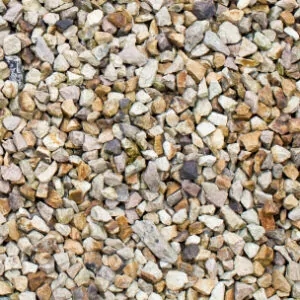
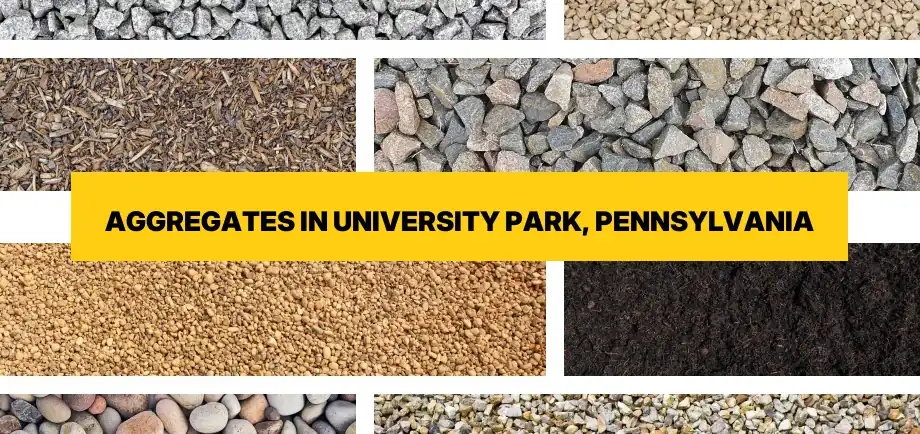
Rock & Driveway Gravel in University Park, Pennsylvania
Local Topsoil, Dirt, Sand, Rocks and Gravel near me in University Park, Pennsylvania
Shop Aggregates for Delivery in University Park
Order online for free delivery to any University Park address.
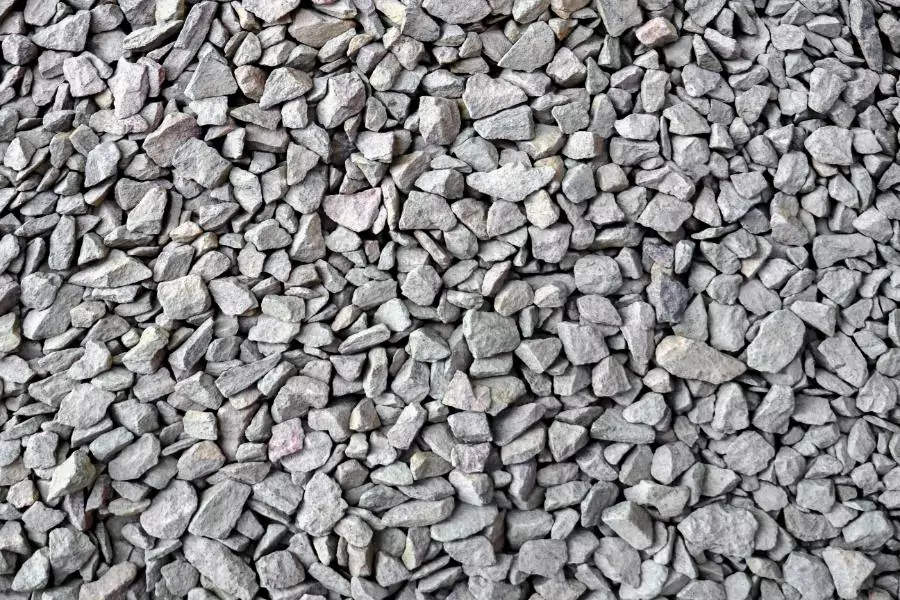
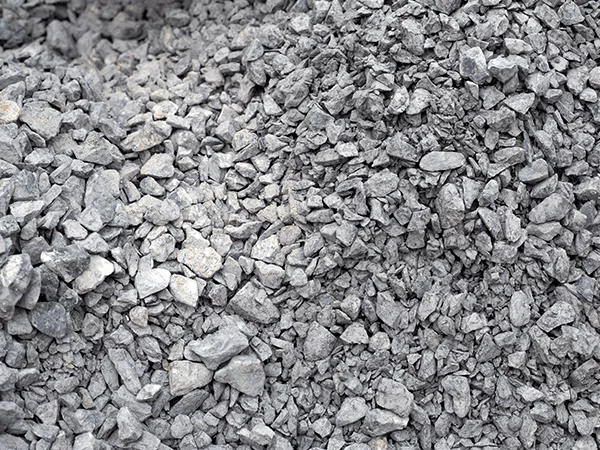


Gravel Monkey is your trusted source for premium aggregates and gravel delivery throughout University Park, Pennsylvania. Whether you're working on a driveway project in College Heights, establishing drainage near Toftrees, or creating walkways in Holmes-Foster, we deliver high-quality aggregates and materials directly to your property with free delivery. As the home of Penn State University, University Park presents unique challenges including clay-rich soil, seasonal freeze-thaw cycles, and variable terrain that require the right materials for lasting results.
Comprehensive Aggregate & Material Selection for University Park
Our extensive inventory includes everything needed for residential, commercial, and landscaping projects across University Park and Centre County:
- Driveway Gravel - Superior base material engineered for Pennsylvania winters
- 3/4 inch Crushed Stone - Versatile aggregate for foundations and roadways
- #57 Stone - Standard construction aggregate for drainage applications
- Crusher Run - Compactable base that locks together for stability
- Road Base - Heavy-duty foundation for demanding surfaces
- Pea Gravel - Smooth decorative aggregate for pathways and gardens
- River Rock - Natural stone for aesthetic landscaping features
- Walkway Gravel - Comfortable surface for pedestrian paths
- Drain Rock - Large aggregate for effective water management
- Crushed Concrete - Sustainable recycled aggregate option
- Topsoil - Nutrient-rich soil for gardens and lawns
- Fill Dirt - Essential for grading and leveling projects
- Mason Sand - Fine sand for construction and masonry work
- Playground Sand - Safe, clean sand for play areas
- Washed Sand - Clean aggregate for various applications
- Decomposed Granite - Natural pathway material that compacts beautifully
Serving University Park and Surrounding Centre County Communities
University Park's unique position as a college town requires aggregate suppliers who understand both residential needs and the demands of a vibrant academic community. We proudly serve every neighborhood and district throughout the area.
University Park Neighborhoods We Serve
Our delivery trucks navigate all University Park areas including College Heights, where established homes benefit from our driveway restoration aggregates; Toftrees, where premium properties demand high-quality materials; Holmes-Foster, a historic neighborhood perfect for our decorative stone options; and Park Forest, where newer developments utilize our modern aggregate solutions. We also serve Highlands, Bernel Heights, Circleville, and areas near the Penn State campus. Properties throughout downtown State College and along College Avenue benefit from our convenient delivery service.
Beyond University Park proper, Gravel Monkey extends free delivery to nearby communities including Boalsburg, Lemont, Pine Grove Mills, and State College borough areas. Whether your project sits near Beaver Stadium, along Park Avenue, or in the rolling hills surrounding the Nittany Valley, we deliver premium aggregates where you need them.
University Park Climate & Soil Considerations
Understanding local conditions is critical for selecting appropriate aggregates. University Park sits in the Nittany Valley at approximately 1,150 feet elevation, experiencing a humid continental climate with cold, snowy winters and warm, humid summers.
Temperature and Seasonal Factors
Average January temperatures hover around 28°F, while July averages reach 75°F. The area receives approximately 40 inches of precipitation annually, with significant snowfall averaging 45 inches per year. These freeze-thaw cycles—where temperatures fluctuate above and below freezing—place considerable stress on driveways, foundations, and hardscaped surfaces. Selecting aggregates that handle moisture properly and compact effectively becomes essential for longevity.
Local Soil and Geology
University Park's soil composition primarily consists of clay-rich limestone-derived soils typical of the Ridge and Valley Province. The underlying Ordovician limestone bedrock contributes to soil that retains moisture and exhibits moderate to poor drainage characteristics. This clay content means properties throughout College Heights, Toftrees, and Holmes-Foster often experience water pooling and soil expansion issues.
These geological conditions make proper aggregate selection crucial. Base materials must provide adequate drainage while resisting frost heave. Projects requiring excavation frequently encounter the characteristic reddish-brown clay soils mixed with limestone fragments—conditions where proper fill dirt and compaction become critical for structural stability.
Aggregate Applications for University Park Properties
Driveway Construction and Repair
Driveways in University Park face harsh conditions including salt exposure, freeze-thaw cycles, and heavy use during academic year traffic. A proper driveway requires a well-engineered base layer that prevents settling and handles moisture effectively.
For new driveways in neighborhoods like Park Forest or Bernel Heights, we recommend starting with four to six inches of compacted road base or crusher run as the foundation layer. This provides structural stability and excellent drainage. Above this base, a surface layer of gravel creates the wearing surface. The combination handles Pennsylvania winters while maintaining an attractive appearance throughout all seasons.
Existing driveways showing signs of settling, rutting, or poor drainage benefit from restoration using fresh aggregates. Adding new material revitalizes appearance and functionality while addressing underlying drainage issues common in University Park's clay soils.
Foundation Drainage and French Drains
Given University Park's soil conditions, foundation drainage systems are essential for protecting basements and crawl spaces. Properties throughout Holmes-Foster and College Heights particularly benefit from proper drainage aggregate installation.
French drain systems utilize clean aggregate placed around perforated pipe to direct water away from foundations. The aggregate creates channels for water flow while preventing soil infiltration that would clog the system. This application requires materials that balance particle size for optimal drainage with structural strength to prevent crushing under soil pressure.
Landscaping and Decorative Applications
University Park residents take pride in creating beautiful outdoor spaces. Decorative aggregates transform ordinary yards into stunning landscapes while providing practical benefits.
Garden beds benefit from river rock or pea gravel mulch, which suppresses weeds, retains moisture, and adds visual interest. Pathways through backyard gardens use materials that provide comfortable walking surfaces while complementing plantings. Water features, fire pit surrounds, and dry creek beds incorporate various aggregate sizes and colors to create focal points that enhance property value.
Erosion Control and Slope Stabilization
Properties on sloped terrain around Toftrees or in the hills surrounding University Park require erosion control solutions. Heavy rainfall and snowmelt can wash away topsoil and create gullies. Strategic aggregate placement interrupts water flow, reduces velocity, and protects valuable soil.
Larger aggregates placed along slopes create natural terracing that slows runoff. Combined with proper grading and vegetation, these materials provide long-term erosion protection while maintaining natural aesthetics important to University Park's scenic character.
Selecting the Right Aggregate for Your Project
Different aggregates serve distinct purposes. Understanding these differences ensures optimal results for University Park conditions.
| Aggregate Type | Best Applications | Particle Size | Drainage Performance | Compaction |
|---|---|---|---|---|
| Crusher Run | Driveway base, parking areas | Mixed fines to 1.5" | Good | Excellent |
| 3/4" Crushed Stone | General base, drainage | 3/4 inch average | Excellent | Very Good |
| #57 Stone | Drainage, concrete mix | 1/2" to 1" | Excellent | Good |
| Road Base | Heavy-duty foundations | Mixed to 2" | Good | Excellent |
| Pea Gravel | Decorative, pathways | 1/4" to 3/8" | Very Good | Minimal |
| Drain Rock | French drains, foundation | 1" to 2.5" | Excellent | Minimal |
| Decomposed Granite | Natural pathways | Fines to 1/4" | Moderate | Very Good |
| Crushed Concrete | Base layer, sustainable option | Mixed to 1.5" | Good | Excellent |
Professional Installation Tips for University Park
Proper installation maximizes aggregate performance and longevity in University Park's challenging climate.
Site Preparation
Successful projects begin with thorough preparation. Excavate to appropriate depth—typically 8 to 12 inches for driveways—removing organic material and unstable soil. In University Park's clay soils, consider excavating deeper in problem areas where water accumulates. The excavated space creates room for proper aggregate layers that provide both structure and drainage.
Grade the excavated area to promote water runoff away from buildings and toward designated drainage areas. Even slight slopes—one to two percent grade—significantly improve drainage performance. Properties near Beaver Stadium or along Park Avenue benefit from professional grading that accounts for existing terrain and drainage patterns.
Compaction Requirements
Compaction transforms loose aggregate into a solid, stable surface. Each layer should be compacted to at least 95% of maximum density. For driveways and parking areas, this requires mechanical compaction using a plate compactor or roller.
Install aggregates in lifts no thicker than four inches. Compact each lift thoroughly before adding the next layer. This systematic approach ensures uniform density throughout the depth, preventing future settling and surface irregularities. Water can be added during compaction to help particles lock together, particularly important when working with crusher run or road base.
Edge Restraints
Aggregates spread laterally under vehicle loads without proper edge restraint. Install landscape edging, concrete borders, or timber retainers along driveway and pathway edges. These restraints maintain clean lines while preventing aggregate migration into adjacent lawns or gardens—especially important for decorative installations using pea gravel or river rock in Holmes-Foster or Toftrees neighborhoods.
Seasonal Considerations for University Park Projects
Timing aggregate projects around University Park's seasons optimizes results and reduces complications.
Spring Projects
Spring brings increased demand as residents address winter damage. However, April and May often bring heavy rainfall that complicates installation. Clay soils become muddy and difficult to compact properly. If spring installation is necessary, wait for dry periods of at least three consecutive days. Consider using geotextile fabric beneath aggregates to prevent mixing with wet clay soils.
Summer Installation
June through August provides ideal conditions for aggregate projects in University Park. Warm, dry weather allows excellent compaction, and longer daylight hours extend working time. Summer represents peak season—schedule delivery in advance to ensure material availability during these busy months when Penn State construction projects also increase demand.
Fall Preparation
September and October offer excellent conditions before winter arrives. Completing projects during fall ensures driveways and drainage systems are ready for winter challenges. Temperatures remain moderate, and precipitation typically decreases compared to spring, creating favorable working conditions.
Winter Limitations
Frozen ground prevents proper compaction and makes excavation difficult. While emergency repairs remain possible, plan major projects for warmer months. Winter projects in University Park face additional challenges from snow cover and limited equipment access in neighborhoods like Highlands or Circleville.
Maintaining Aggregate Surfaces in University Park
Proper maintenance extends the life of aggregate installations and preserves their appearance.
Regular Inspections
Walk driveways and pathways monthly, looking for settling, rutting, or displacement. Address small problems immediately before they expand. Areas showing early settling can be topped with fresh aggregate and re-compacted—much simpler than complete reconstruction.
Weed Control
Weeds find their way into aggregate surfaces, particularly in decorative applications using pea gravel or river rock. Apply landscape fabric during installation to minimize weed growth. For existing installations, apply pre-emergent herbicides in early spring before weeds germinate. Hand-pull weeds when they appear, or use spot treatments with appropriate herbicides.
Replenishing Surface Material
Driveways naturally lose surface material over time through vehicle traffic and weather exposure. Plan to add fresh aggregate every two to four years, spreading a one to two-inch layer over existing surfaces and compacting lightly. This simple maintenance keeps driveways looking fresh and prevents base layer exposure.
Drainage Maintenance
Keep drainage channels clear of debris. After heavy storms common to University Park, inspect drainage aggregates for sediment accumulation. French drains may require periodic flushing to maintain optimal flow. Properties in low-lying areas or those with clay soils benefit from annual drainage system inspections.
University Park Neighborhoods and Aggregate Needs
Different neighborhoods present unique opportunities and challenges for aggregate applications.
College Heights
This established neighborhood features mature trees and well-maintained properties. Homeowners often need aggregates for driveway restoration, drainage improvements, and landscaping projects that complement traditional architecture. Tree root interference with driveways is common—proper base preparation and adequate depth prevent future problems.
Toftrees
Known for upscale properties and golf course living, Toftrees residents demand premium materials and professional results. Decorative aggregate applications are popular, including natural stone pathways, dry creek beds, and elaborate landscape features. Attention to detail and high-quality materials match the neighborhood's standards.
Holmes-Foster
This historic district near downtown features diverse architectural styles and smaller lots. Projects often involve creative space utilization, including permeable paving solutions, compact driveways, and vertical garden features incorporating decorative aggregates. Working within established landscapes requires careful planning and precise material calculations.
Park Forest
Newer construction in Park Forest means opportunities for new driveway installation and landscape establishment. Proper base preparation is critical during initial construction—mistakes are harder to correct later. Homeowners building new appreciate guidance on aggregate selection that balances budget, appearance, and longevity.
Frequently Asked Questions About Gravel & Aggregates in University Park
We deliver a complete range of aggregates including driveway gravel, crushed stone, #57 stone, crusher run, pea gravel, river rock, topsoil, fill dirt, crushed concrete, road base, drain rock, mason sand, playground sand, washed sand, and decomposed granite throughout University Park and surrounding Centre County areas.
Yes! Gravel Monkey offers FREE delivery to University Park and the surrounding Pennsylvania area for all gravel and aggregate material orders. We serve State College, Boalsburg, Lemont, and nearby communities.
The amount depends on your project size and depth needed. For driveways, calculate length times width times depth in feet, then divide by 27 to get cubic yards. A standard driveway typically needs 3 to 4 inches of base material. Our team can help you estimate the right amount for your specific University Park property.
For University Park driveways, we recommend crusher run or three-quarter inch crushed stone as base materials. These aggregates compact well and handle Pennsylvania freeze-thaw cycles effectively. #57 stone works well for drainage layers beneath the surface.
We deliver throughout University Park including residential areas near Penn State campus. For on-campus deliveries, specific arrangements may be needed depending on location and access. Contact us to discuss your project details.
University Park sits on clay-rich soil that can retain moisture. For drainage projects, we recommend drain rock, #57 stone, or three-quarter inch crushed stone. These aggregates allow water to flow freely while preventing soil erosion common in Centre County.
We typically deliver to University Park within 1 to 3 business days of order placement, depending on current demand and weather conditions. During peak spring and summer seasons, we recommend ordering in advance for your preferred delivery date.
Yes, we deliver mason sand for masonry and construction work, playground sand for safe play areas, and washed sand for various applications throughout University Park. All sand products meet specifications for their intended uses.
Quality Aggregates Delivered Free Throughout University Park
Whether you're renovating a historic home in Holmes-Foster, building a new driveway in Park Forest, or enhancing landscaping in Toftrees, Gravel Monkey delivers the premium aggregates your project deserves. Our extensive material selection, combined with free delivery throughout University Park and Centre County, makes us the trusted choice for homeowners, contractors, and landscapers.
Every aggregate we supply is carefully sourced to meet Pennsylvania's demanding conditions. From foundation work to decorative landscaping, our materials perform reliably through University Park's challenging freeze-thaw cycles, heavy precipitation, and clay-rich soils. We understand local requirements because we serve this community exclusively.
University Park residents appreciate our straightforward ordering process, knowledgeable staff, and dependable delivery service. We're not just delivering aggregates—we're helping you build lasting improvements to your property that enhance value and curb appeal while standing up to everything Pennsylvania weather can deliver.

Need help? Reach out for a quote: